Running a faceless YouTube channel in 2027 is one of the most scalable content businesses available. You do not need a ring light pointed at your face, a professional studio, or even a camera. What you do need is the right AI video generator, a solid niche, and a repeatable workflow. The tools available right now produce 1080p cinematic footage from a single text prompt, complete with synchronized audio, in under two minutes. This article breaks down which models are worth your time and which ones will slow you down.
Why Faceless Channels Changed Everything
Three years ago, faceless YouTube channels meant screen recordings and stock footage stitched together with a robotic voiceover. The results were mediocre, the content looked cheap, and the audience could tell.
That has completely changed. The new generation of AI text-to-video models produces footage that rivals stock footage libraries at a fraction of the cost. More importantly, it is original content, which means no copyright strikes, no licensing fees, and no attribution headaches.
Here is why this matters for YouTube specifically:
- No face means no personal brand bottleneck. You can operate multiple channels simultaneously without burning out on-camera.
- AI video scales without limits. One person can produce five to ten videos per week with the right AI stack.
- Monetization stays fully open. Faceless channels with original AI-generated content qualify for the YouTube Partner Program just like any other channel.
The biggest question creators ask is always the same: which AI video generator is actually worth using?
💡 The answer depends on your niche. A finance channel needs a different aesthetic than a travel or meditation channel. Match your model to your content type, not just the hype cycle.
The Models That Actually Deliver
Not every text-to-video model is built for long-form faceless YouTube content. Some are optimized for 5-second social clips. Others produce 1080p output with native audio and smooth motion that holds up across a 10-minute video. Here are the ones worth knowing.
Seedance 2.0 by ByteDance
Seedance 2.0 is the current benchmark for faceless YouTube production. It generates video with built-in synchronized audio, which eliminates one of the most tedious steps in AI video workflows: manually layering sound effects and ambient audio after the fact.
What sets it apart:
- Native audio generation synced to the video
- Smooth, cinematic motion with minimal artifacts
- Handles complex scene descriptions with multiple elements
- Strong performance on landscape, urban, and lifestyle content
For a faceless channel covering travel, nature, finance, or self-improvement, Seedance 2.0 covers 80% of your visual needs from a single prompt. If you need even faster output for batch production, Seedance 2.0 Fast delivers the same core quality at accelerated speeds.
Veo 3 by Google
Veo 3 arrives from Google's DeepMind team and genuinely competes at the top tier. Like Seedance 2.0, it generates native audio alongside the video, meaning ambient sound, dialogue, and sound effects are all included in the output without any extra work.
The biggest strength of Veo 3 is its physical accuracy. Water moves like real water. Fabric folds correctly. Lighting behaves as it would on a real set. For faceless channels that need hyper-realistic B-roll footage, few models match it.
Also available: Veo 3.1 and Veo 3.1 Fast for faster generation when you need to batch-produce content at volume.
Kling v3 by Kuaishou
Kling v3 Video is the go-to choice for cinematic, high-drama visual content. If your faceless channel leans toward documentary-style storytelling, historical content, or aspirational lifestyle footage, Kling v3 Video delivers a distinctly filmic quality that other models struggle to replicate.
Its motion control capabilities, available through Kling v3 Motion Control, let you specify exact camera movements: pan left, zoom in, crane shot. For YouTube creators who want a consistent visual identity across all their videos, this is a significant production advantage.
The Kling v3 Omni Video variant also handles text-to-video at 1080p with strong prompt adherence, making it useful when you need both quality and prompt accuracy simultaneously.
Sora 2 by OpenAI
Sora 2 is one of the most well-known names in AI video, and the reputation is earned. It produces HD video with synced audio and handles abstract, conceptual prompts better than almost any other model. If you are running a faceless channel in a niche where you need to visualize ideas rather than physical scenes, such as economics, philosophy, or psychology, Sora 2 is exceptional.
Sora 2 Pro pushes resolution and quality further for creators who need the highest possible output for intro sequences and premium productions.
LTX 2.3 Pro by Lightricks
LTX 2.3 Pro generates 4K video from text prompts, placing it in a different category from most competitors. If your channel targets large screens, presentations, or multi-platform distribution, 4K output is a meaningful differentiator.
LTX 2.3 Fast sacrifices a fraction of quality for significantly faster generation, which makes it practical for high-volume publishing schedules where 4K is still a priority.
How to Use Seedance 2.0 for Faceless Videos
Since Seedance 2.0 is the top recommendation for most faceless creators, here is a practical walkthrough for using it on PicassoIA.
Step 1: Write a scene-specific prompt
Generic prompts produce generic footage. Instead of "a city at night," write: "A slow drone push over Tokyo's Shinjuku district at 2am, rain-slicked streets reflecting neon signs, sparse pedestrians under black umbrellas, cinematic 24fps, photorealistic."
The more specific the scene, the more usable the output.
Step 2: Set your duration
Seedance 2.0 supports multiple output lengths. For YouTube B-roll, 5 to 10 second clips work best since they are easy to cut, loop, and layer in your editing timeline.
Step 3: Use the audio output directly
One of Seedance 2.0's standout features is that it generates ambient audio alongside the video. A rain scene comes with rain sounds. A busy market comes with crowd noise. This saves significant post-production time.
Step 4: Batch your clips by section
Write your video script first, then generate all the B-roll clips for a given section at once. This keeps your visual style consistent and reduces the number of generation runs you need across the week.
Step 5: Add AI narration on top
Seedance 2.0 handles the visuals. Pair it with PicassoIA's text-to-speech models to add clean, natural-sounding narration generated directly from your script in minutes.
💡 Save a prompt template file. Once you find a prompt structure that produces the aesthetic your channel needs, save the format and reuse it for every video. Consistency is what makes a faceless channel look intentional and professional.
Side-by-Side: Which Model Wins?
Here is a direct comparison of the top models for faceless YouTube use cases:
💡 For most creators starting out: begin with Seedance 2.0. Once you have a publishing rhythm, test Veo 3 for your more visually demanding scenes.
What Actually Makes a Faceless Video Work
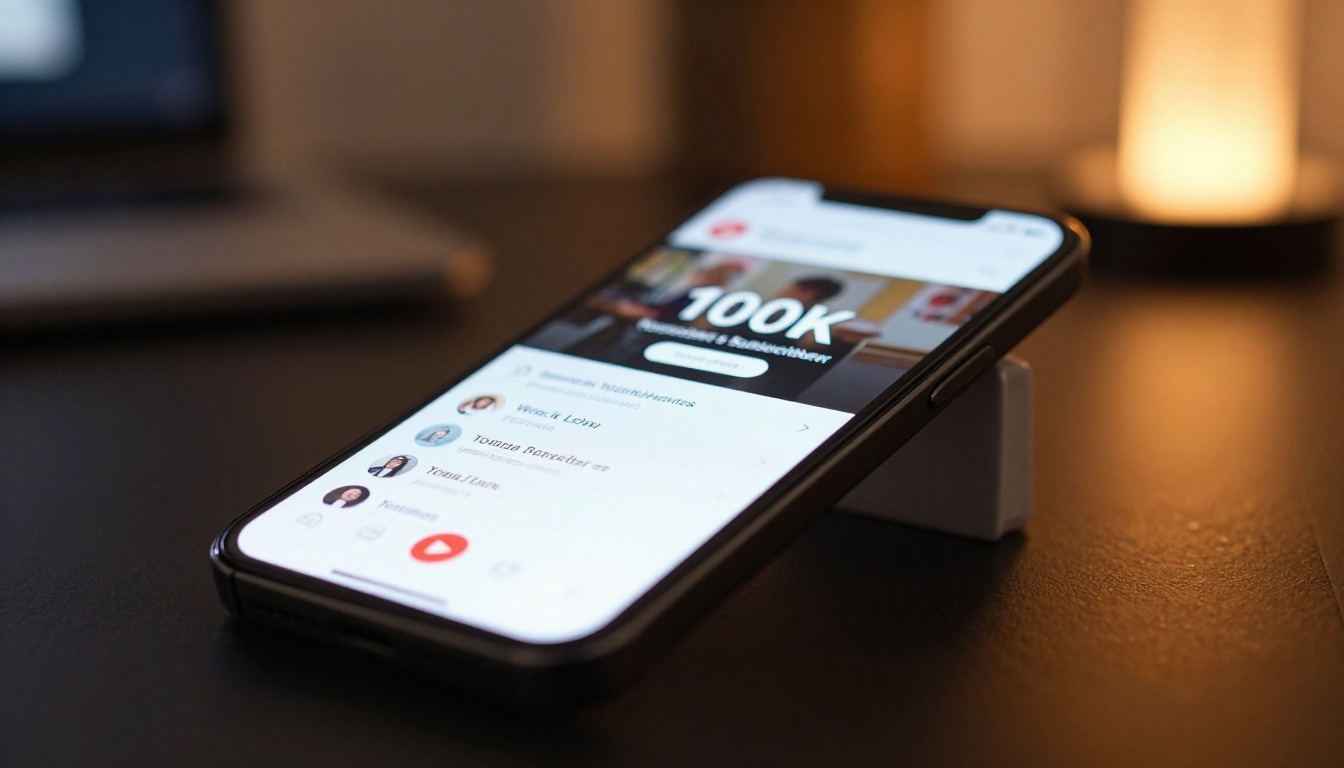
AI video generators are tools, not content strategies. The difference between a faceless channel that earns 100 views and one that earns 100,000 comes down to the same fundamentals as any other YouTube channel.
The hook is everything. The first 30 seconds determine whether someone watches the rest. Your AI visuals need to open strong: something visually unexpected, a bold statement, or a provocative question. The model does not matter if the opening is boring.
Audio quality is non-negotiable. Viewers tolerate average visuals far more readily than poor audio. Whether you use an AI voiceover or record your own narration, the audio track needs to be clean, clear, and properly paced.
Pacing keeps people watching. Cut on beats. Change your visual every 3 to 5 seconds. Static shots, even beautiful ones, lose viewers fast. The best faceless channels feel edited, not just assembled.
Consistency builds an audience. Post two to three videos per week for at least 90 days before evaluating results. Algorithm momentum is real, and it rewards channels that publish on a dependable schedule.
The model matters. The work ethic matters more.
5 Niches Where AI Video Earns Most

Not all niches produce equal revenue. These five consistently deliver strong RPM (revenue per thousand views) and work exceptionally well with AI-generated footage:
-
Personal finance and investing. High advertiser demand means high CPM. Abstract financial concepts visualized with Sora 2 or Seedance 2.0 work perfectly here without requiring any real-world footage.
-
Health and wellness. Meditation, sleep optimization, and fitness content perform consistently well. Calm, beautiful B-roll that AI models generate without effort fits this niche perfectly.
-
History and documentary. Cinematic recreations of historical events using Kling v3 Video or Veo 3 create compelling, high-retention videos that are impossible to produce any other way affordably.
-
Travel and geography. Drone-style and landscape footage from Wan 2.7 T2V or LTX 2.3 Pro covers any destination your audience wants to see, without the travel budget.
-
Technology explanations. Abstract tech concepts benefit from AI video's ability to visualize things that cannot be photographed, from neural networks to quantum computing architectures.
Building Your AI Video Workflow
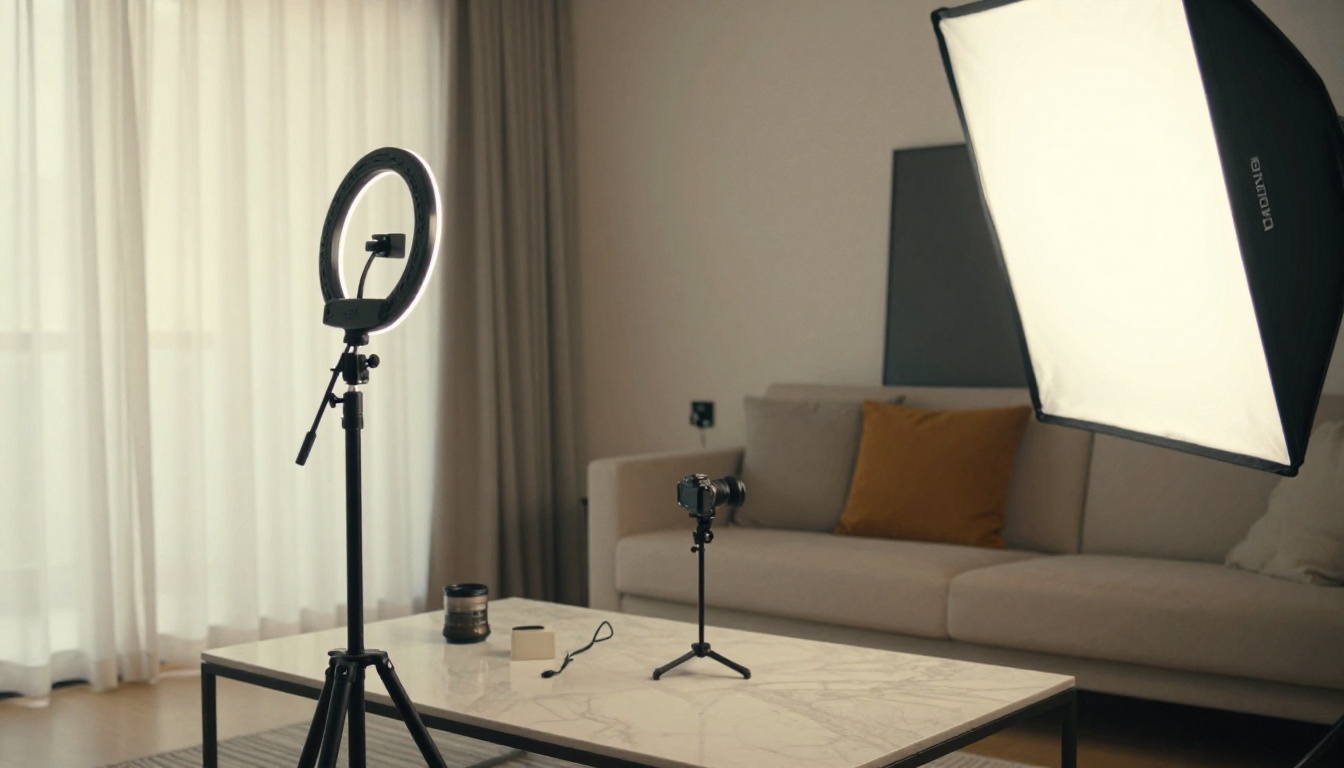
The best faceless creators treat their AI video stack like a production pipeline. Every step is defined, every tool has a specific role, and nothing gets improvised at the last minute.
Here is what a structured week of faceless content production looks like:
Monday: Research and scripting
Identify three video topics based on search volume and your niche. Write all three scripts in full. Each script should map to specific visual scenes so you know exactly what footage to generate before you open any tool.
Tuesday: AI video generation
Use Seedance 2.0 or your chosen model to generate all B-roll clips for the week in a single session. Generate 20 to 30 percent more clips than you think you need. Some outputs will not match your vision and you will want options.
Wednesday: Voiceover and audio
Record or generate AI narration for all three scripts. Use text-to-speech tools to match the vocal tone to your channel identity. Add background music at around 15 to 20 percent volume beneath the narration.
Thursday: Editing and assembly
Cut the footage to match the narration. Add captions. Keep the edit tight: nothing longer than 12 minutes unless your audience retention data specifically supports it.
Friday: Thumbnails and scheduling
Create thumbnails using AI image generation for visual consistency. Schedule all three videos to publish the following week on a consistent posting cadence.
💡 One structured week of batch production beats five rushed individual production days every time. Set the system up once, then repeat it without variation.
The Revenue Reality

A faceless channel in a high-RPM niche like finance or technology can realistically earn between $3 and $15 per 1,000 views. A channel hitting 100,000 monthly views in a strong niche earns $300 to $1,500 per month from AdSense alone.
Add affiliate products, sponsorships, and digital downloads and those numbers scale significantly. The point is: the AI tools represent a fixed monthly cost, while the content continues generating revenue indefinitely.
The cost of generating a full AI video using Seedance 2.0 or Wan 2.7 T2V is a fraction of hiring a videographer or purchasing stock footage. This is what makes the faceless AI channel model genuinely different from traditional content creation: the marginal cost of each video approaches zero as your workflow matures.
Beyond Video: The Full AI Content Stack
The strongest faceless channels use a full AI stack across every stage of production. PicassoIA gives you access to all of it in one place:
- Text to Video: Seedance 2.0, Veo 3, Kling v3 Video, Sora 2, LTX 2.3 Pro, Pixverse v5.6, Hailuo 02
- Text to Speech: Natural-sounding narration generated from your script in minutes
- AI Music Generation: Original background tracks that avoid copyright claims entirely
- Super Resolution: Upscale existing footage to 4K when your source material needs improvement
- AI Video Enhancement: Stabilize clips, restore old footage, and fix low-light shots automatically
This eliminates every external tool from your workflow. No subscriptions spread across five platforms. No switching between apps. The entire production pipeline runs through a single interface.
Try It on Your First Video Today
You have the model list. You have the workflow. You have the niche ideas. The only thing left is to actually produce something.
Start with a single test video. Pick one niche, write one script, generate the B-roll using Seedance 2.0 or Veo 3, add narration, and publish it. Do not wait until the workflow is perfect. The first five videos are always the roughest ones and you need to get through them to find your rhythm.
The faceless creators earning serious money right now started months ago with the same tools you have access to today. The only real difference is that they did not wait.
PicassoIA gives you direct access to Seedance 2.0, Veo 3, Kling v3 Video, Sora 2, and 100+ other video and audio models, all in one place. Open a prompt, describe a scene, and you have your B-roll ready in minutes.
The channel does not exist yet. That changes today.


