Two of the most technically impressive AI image generators of 2027 are in direct competition for the adult content creator market. FLUX.2 Max from Black Forest Labs continues pushing the boundaries of photorealistic generation with exceptional anatomical accuracy, while GPT Image 2.0 from OpenAI delivers breathtaking prompt coherence and scene complexity. The problem is that only one of them actually lets you create the content you want without hitting a wall of refusals every third prompt. This article breaks down both models across every dimension that matters: content freedom, image quality, anatomy accuracy, speed, and practical usability for creators working with suggestive and NSFW content.
What These Models Actually Are
Before comparing outputs, it helps to understand what you are actually working with when you load up either model.
FLUX.2 Max at a Glance
FLUX.2 Max is the latest iteration of Black Forest Labs' FLUX architecture, which earned a reputation as one of the sharpest realistic image generators in the open-weight space. FLUX.2 Max builds on that foundation with higher resolution support, significantly improved fine detail rendering at the micro level, and better handling of complex lighting scenarios. The model is particularly praised for skin texture quality, which has historically been a weak point in diffusion models.
The FLUX family was designed with creative freedom in mind. Black Forest Labs has been relatively open about allowing adult use cases when accessed through compatible platforms. This is a critical distinction because the model's capability is one thing, but the platform delivering it determines how much of that capability you can actually use.
GPT Image 2.0 and What OpenAI Built
GPT Image 2.0 (also referred to as gpt-image-1 in OpenAI's API) is the image generation backbone powering ChatGPT's image features. It represents a massive leap from DALL-E 3 in terms of prompt adherence, text rendering accuracy, and scene composition. The model excels at following complex multi-element prompts and maintaining consistency across detailed instructions.
From a pure technical standpoint, GPT Image 2.0 produces stunning results. Photographic realism, architecture, fashion photography, product shots: the model handles all of these with a coherence that competitors struggle to match. The challenge is what happens when your prompts involve anything beyond rated content.
The Content Restriction Problem
This is the section that matters most for adult content creators, and the answer here shapes everything else in this comparison.
FLUX.2 Max Safety Filters
FLUX.2 Max as a base model has significantly fewer built-in restrictions compared to OpenAI's offering. When accessed through uncensored platforms, it handles suggestive content, implied nudity, glamour photography, and more without constant refusals. The model itself was not trained with the aggressive safety layer that characterizes OpenAI's products.
That said, how you access FLUX.2 Max matters enormously. Running it through a platform that adds its own safety filtering puts you right back to the same restrictions. The model's freedom is only available when you access it through the right provider.
💡 The real point: FLUX.2 Max as a model is capable of adult content. Whether you can generate it depends entirely on which platform you use to access the model.
GPT Image 2.0 Content Policy
GPT Image 2.0 operates under OpenAI's strict content policy, which means no nudity, no sexually suggestive content, and frequent refusals on ambiguous prompts that even hint at adult themes. Tasteful lingerie shots, bikini photography, and artistic implied nudity prompts will all trigger a rejection.
For adult content creators, this is a dealbreaker. You can spend hours crafting the perfect prompt only to see: "I'm not able to generate that image." The model simply was not built for this use case, regardless of how technically sophisticated it is.
| Feature | FLUX.2 Max | GPT Image 2.0 |
|---|
| Base NSFW Capability | Yes (with right platform) | No |
| Implied Nudity | Yes | No |
| Glamour / Bikini | Yes | Often blocked |
| Artistic Nudity | Yes | No |
| Refusal Rate for NSFW | Low | Very High |
| Content Policy Strictness | Moderate | Strict |
Image Quality Head-to-Head
Setting aside the restriction issue, how do these models stack up on raw output quality?
Skin Texture and Photorealism
This is where the comparison gets interesting. FLUX.2 Max has invested significant development attention into skin rendering. The model produces pores, micro-texture, natural color variation, and lighting response that looks genuinely photographic. For portrait-heavy NSFW work, this is critical. Bad skin rendering breaks immersion immediately, and FLUX.2 Max largely avoids that problem.
GPT Image 2.0 also delivers impressive skin quality, particularly in controlled lighting scenarios. Its strength is overall coherence rather than micro-detail. The skin looks clean and polished rather than authentically textured, which works for some aesthetics but falls short of raw photographic realism.
Winner: FLUX.2 Max for micro-detail skin realism. GPT Image 2.0 for smooth editorial polish.
Anatomy and Body Proportions
Anatomy has been a persistent weakness of diffusion models. FLUX.2 Max significantly improves on earlier FLUX versions in this area, producing more consistent limb rendering, realistic body proportions, and better handling of complex poses. It still makes errors, particularly with hands and extreme angles, but the success rate is meaningfully higher than most alternatives.
GPT Image 2.0 is actually quite strong on anatomy in standard poses. The model was trained with significant attention to body coherence, and it shows in typical portrait and half-body shots. In complex multi-figure scenes or unusual angles, both models show similar weaknesses.
Winner: Roughly tied. GPT Image 2.0 slightly ahead on standard poses. FLUX.2 Max better at complex scene compositions.
Complex Scene Rendering
GPT Image 2.0 wins clearly here. Its ability to render complex scenes with multiple elements, specific environmental details, accurate text, and precise object placement is genuinely remarkable. If your prompt involves a detailed setting with multiple specific elements, GPT Image 2.0 will usually deliver a more faithful interpretation.
FLUX.2 Max is strong on character rendering but can simplify environmental details or misplace compositional elements in complex scenes.
Winner: GPT Image 2.0 for complex scene fidelity.
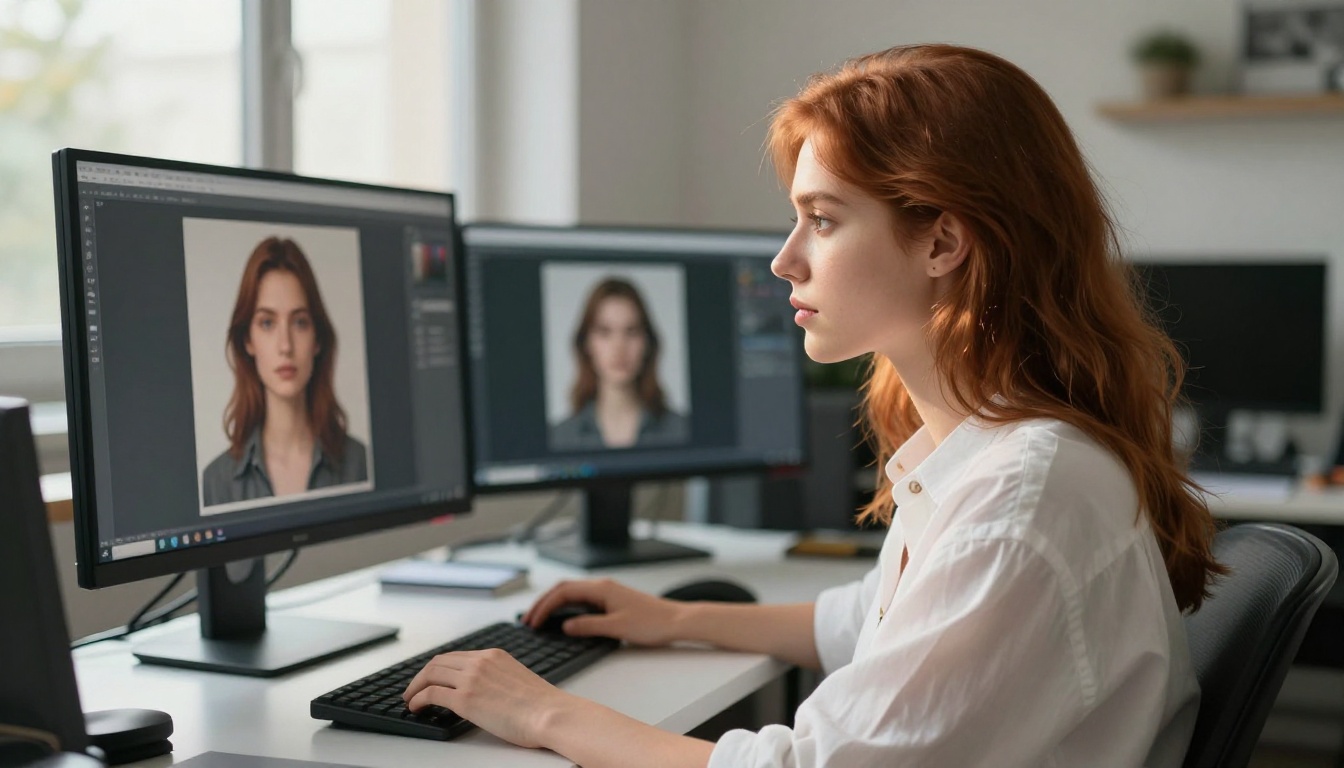
Since FLUX.2 Max's content capability depends on the platform, the next question is where you should actually be generating. PicassoIA is one of the few platforms that gives creators full access to uncensored models, including some purpose-built for adult content that outperform FLUX.2 Max in this specific use case.
Seedream 4.5: The Top NSFW Model Right Now
Seedream 4.5 is the strongest recommendation for adult content generation on PicassoIA right now. It was built with fewer content restrictions than most alternatives and delivers photorealistic results that hold up in the specific scenarios NSFW creators actually need: soft lighting portraits, artistic implied nudity, glamour photography, and complex body compositions.
What makes Seedream 4.5 particularly valuable for NSFW creators:
- Uncensored generation with no constant refusals stopping your workflow
- Exceptional skin quality that rivals raw photographic output
- Fast generation times even at high resolution
- Consistent anatomical accuracy across a range of poses and body types
- Natural lighting response that makes results look photographed, not rendered
For anyone comparing FLUX.2 Max and GPT Image 2.0 for adult content, Seedream 4.5 on PicassoIA is worth trying before committing to either of those two. It was purpose-designed for this use case in a way that general-purpose models were not.
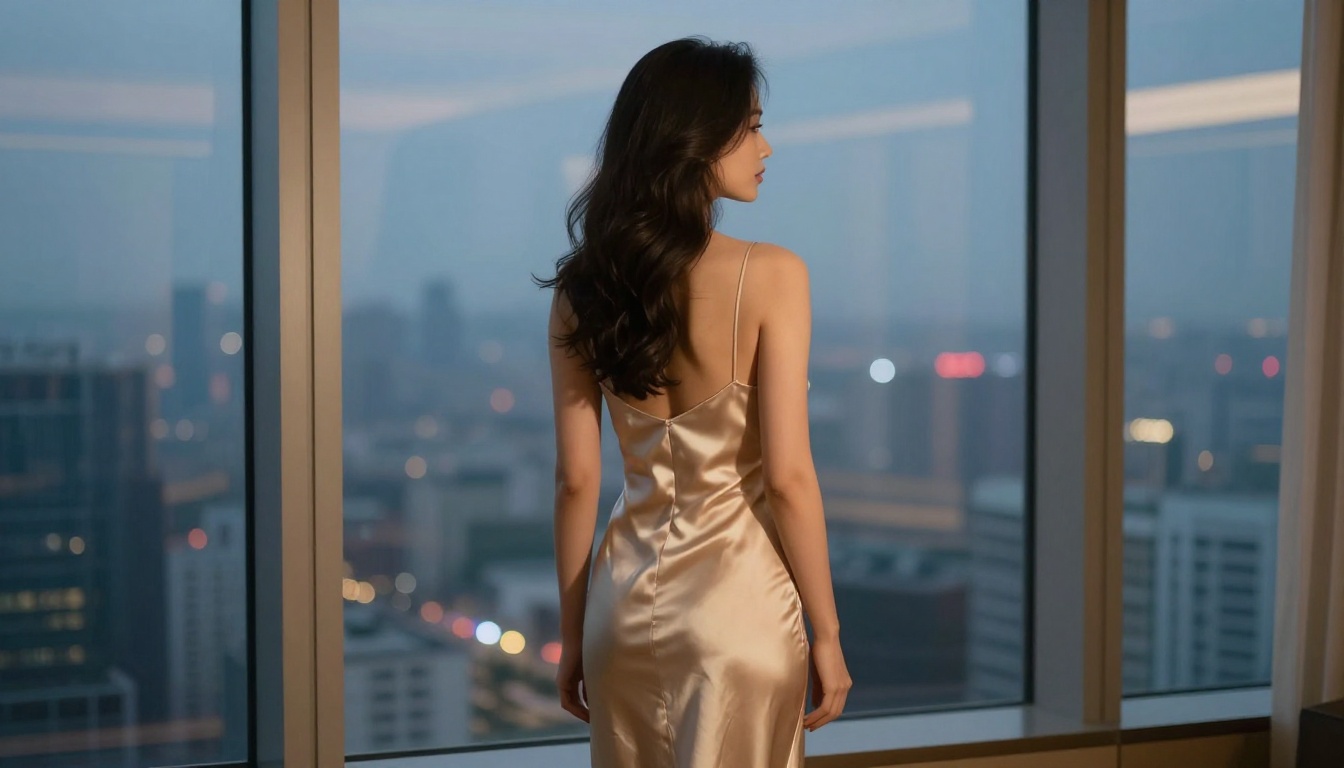
PicassoIA Image Editor Pro: Unlimited Generations
The PicassoIA Image Editor Pro plan removes generation limits entirely, which matters more than most people realize when working on adult content projects. Getting the right image from an AI generator involves a lot of attempts. Caps and credit systems create constant friction that breaks creative flow.
With unlimited generation, you can iterate freely on poses, lighting adjustments, prompt variations, and inpainting fixes without watching a credit counter tick down. For professional creators producing content for subscription platforms, this is a real operational advantage over per-image pricing models.
💡 Pro tip: Use inpainting on PicassoIA to fix specific anatomical issues in otherwise great images rather than regenerating the entire composition from scratch. It saves significant time and preserves the best parts of a good generation.
Other Models Worth Testing on PicassoIA
Beyond Seedream 4.5, PicassoIA hosts a wide range of models suited to adult content work. Juggernaut XL is a longtime community favorite for photorealistic human renders with cinematic quality. RealVisXL prioritizes photographic authenticity over stylization, making it ideal for realistic portrait and glamour work.
The full catalog at picassoia.com/en/all-models gives you access to 91+ text-to-image models with different strengths, which means you can match the right model to the specific aesthetic or content type you are targeting rather than forcing one model to do everything.

Speed, Pricing, and Real-World Usability
Generation Time Comparison
FLUX.2 Max at high quality settings is not a fast model. Generating a 1024x1024 image at full quality can take 30-60 seconds depending on the provider infrastructure. On PicassoIA, this is handled through optimized serving, but generation times remain a practical factor for high-volume production.
GPT Image 2.0 through OpenAI's API typically completes in 15-30 seconds per image at standard quality. The speed advantage exists but does not offset the content restrictions for NSFW work.
Seedream 4.5 on PicassoIA benchmarks favorably here, with typical generation times of 15-25 seconds at quality levels that match or exceed FLUX.2 Max output for human subjects.
| Model | Average Generation Time | NSFW Capable | Platform |
|---|
| FLUX.2 Max (uncensored) | 30-60 seconds | Yes | PicassoIA and others |
| GPT Image 2.0 | 15-30 seconds | No | OpenAI API / ChatGPT |
| Seedream 4.5 | 15-25 seconds | Yes | PicassoIA |
| Juggernaut XL | 20-35 seconds | Yes | PicassoIA |
Pricing Breakdown
GPT Image 2.0 via OpenAI's API prices at $0.04 to $0.17 per image depending on quality and size tier. Standard quality at 1024x1024 runs $0.04 per image. High quality at 1792x1024 reaches $0.12 per image. These costs accumulate fast during iterative production workflows where you need dozens of attempts to get the right image.
PicassoIA's subscription model offers significantly better economics for volume users. Rather than per-image charges, the platform subscription spreads across the full model catalog, making unlimited experimentation financially viable. For creators who generate hundreds of images per week, the cost difference is substantial.
Who Should Use Which Model
For Solo Creators and OnlyFans
If you are creating content for a subscription platform or adult content site, the recommendation is straightforward: skip GPT Image 2.0 entirely for this use case. Start with Seedream 4.5 on PicassoIA. Add FLUX.2 Max when you need maximum photorealistic detail and your workflow calls for it. The combination through PicassoIA's model catalog handles virtually every adult content creation need without the frustration of constant refusals.
The PicassoIA Image Editor Pro plan with unlimited generations is the practical production choice here. You will iterate dozens of times per final image you actually publish, and per-image pricing from OpenAI makes that iteration expensive at scale.
The workflow that most experienced creators settle on:
- Start with Seedream 4.5 for fast photorealistic drafts
- Use FLUX.2 Max for scenes requiring maximum skin detail or complex lighting
- Apply inpainting for anatomical corrections rather than full regenerations
- Use super-resolution upscaling on final selections before publishing
For Artists and Character Designers
Adult content artists working on character sheets, fantasy scenes, or stylized work have more options. FLUX.2 Max is excellent for realistic human subject rendering as a starting point. Juggernaut XL handles cinematic fantasy character work with strong consistency across multiple generations of the same character.
GPT Image 2.0 can play a supporting role in non-NSFW portions of a workflow, particularly for building complex scene environments, architecture, or detailed prop elements that you then composite with adult content generated on PicassoIA.
💡 Workflow approach: Generate complex backgrounds and environments with GPT Image 2.0, which has no restrictions on non-adult content. Then use Seedream 4.5 or FLUX.2 Max on PicassoIA to generate the human subjects separately and composite in post. You get the scene composition strength of GPT Image 2.0 with the content freedom of PicassoIA.

Try It Yourself on PicassoIA
The answer to FLUX.2 Max vs GPT Image 2.0 for adult content is not a close call. GPT Image 2.0 is not a viable option for this use case. Its content restrictions make it functionally unusable for NSFW work regardless of its technical quality.
FLUX.2 Max is the right model architecture for this category, but the model alone is not enough. You need a platform that gives you access to its full capabilities without layering additional restrictions on top. PicassoIA does that.
For the specific demands of adult content creation, Seedream 4.5 on PicassoIA currently delivers stronger results than FLUX.2 Max for most NSFW use cases. It is faster, consistently uncensored, and purpose-optimized for the photorealistic human subject rendering that adult content demands.
PicassoIA gives you 91+ text-to-image models, inpainting and image editing tools, super-resolution upscaling, and a platform built for creators who need real content freedom. Head to picassoia.com/en/all-models to browse the full catalog and start generating without the walls.


