There is a real, practical question sitting at the center of the AI art world right now: if you want to create suggestive, sensual, or tastefully NSFW content with an AI image generator, which model actually delivers? Two names dominate the conversation, GPT Image 1.5 from OpenAI and Flux 1.1 Pro from Black Forest Labs. They are philosophically opposite tools, built for different audiences with different priorities, and yet both compete for the photorealistic AI portrait throne. This breakdown covers everything that actually matters for NSFW AI image generation: image quality, prompt accuracy, skin texture realism, safety filter behavior, speed, and creative freedom. No marketing language. No hedging. Just what happens when you push both models hard.
Two Models, Very Different Philosophies
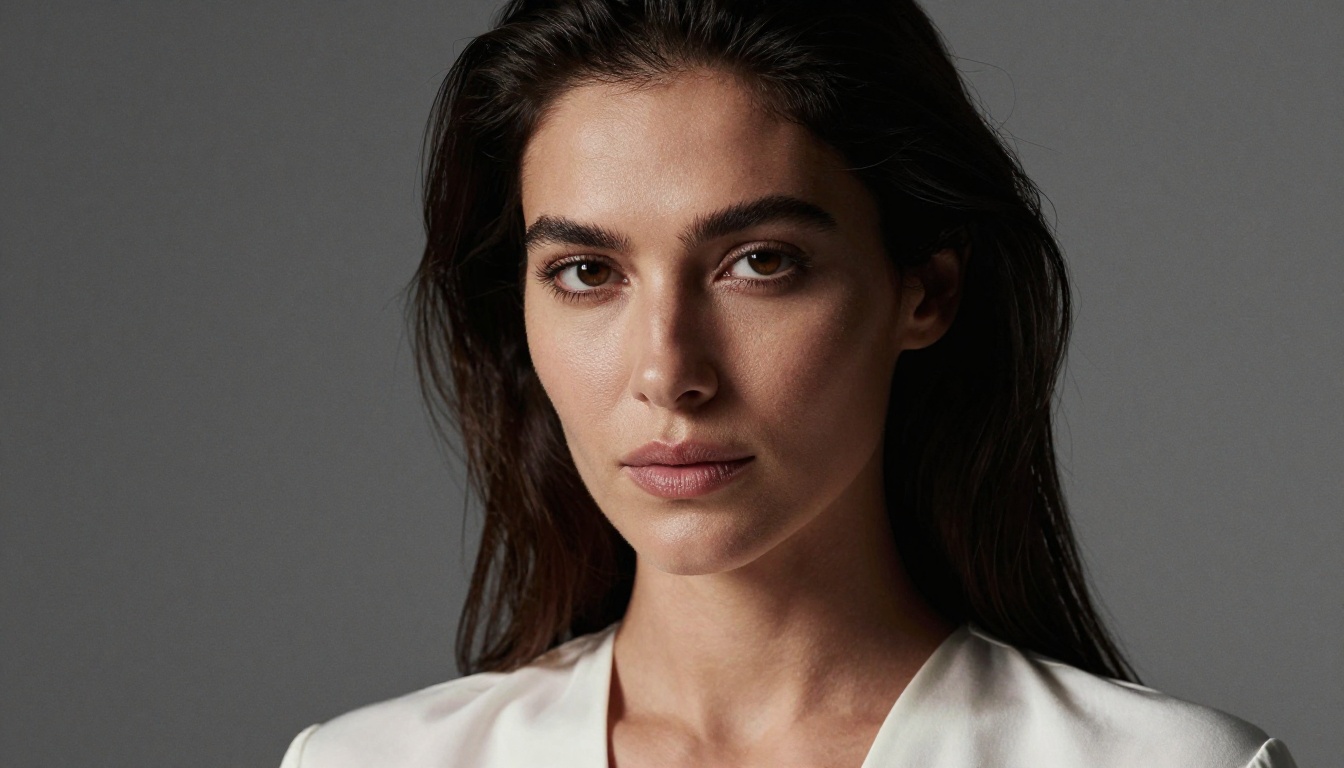
The moment you understand what each model was built to do, the comparison gets much clearer. GPT Image 1.5 is a multimodal system built inside OpenAI's ecosystem, designed to be broadly useful, commercially safe, and capable of following precise natural language instructions. It renders beautifully and understands complex prompts, but it carries guardrails that reflect OpenAI's content policies. You know exactly what you are getting: polished results within defined limits.
Flux 1.1 Pro is a different animal entirely. Black Forest Labs built it as a raw photorealistic powerhouse, prioritizing quality, detail, and creative range above all else. It sits alongside Flux 1.1 Pro Ultra at the top of the Flux family, with the Ultra variant pushing image resolution and natural photographic fidelity even further. Both are available on platforms like PicassoIA, where content policies vary by platform rather than being baked directly into the model architecture.
GPT Images: What It Does
GPT Image 1.5 operates with exceptional instruction-following capability. It processes natural language prompts in a deeply contextual way, making it ideal for scenes with multiple elements, specific color palettes, controlled compositions, and narrative descriptions. The model also integrates editing natively, so you can inpaint specific regions, expand canvases with outpainting, and chain edits across multiple generations without losing coherence. For professional workflows where precision matters, this is a significant strength that most pure image generation models do not offer.
Its limitation in NSFW contexts is straightforward: OpenAI's safety filters refuse or water down prompts that exceed what they define as acceptable. Suggestive glamour typically passes. Artistic nudity is borderline and inconsistent. Explicit content is blocked entirely by default, regardless of how the prompt is framed.
Flux 1.1 Pro: The Alternative
Flux 1.1 Pro does not carry the same built-in restrictions. Black Forest Labs released it primarily as an image quality model, and the safety layer responsibility rests with the platform hosting it rather than the model itself. This architecture is exactly why creators who need broader NSFW AI art generation capability gravitate toward Flux. The creative freedom is real, and the image quality to back it up is genuinely exceptional.
Beyond content freedom, the raw image quality at high resolutions is extraordinary. Skin textures, hair strands, fabric folds, and background depth are all rendered with photographic precision that rivals real photography when prompts are constructed carefully with technical lighting and camera details.
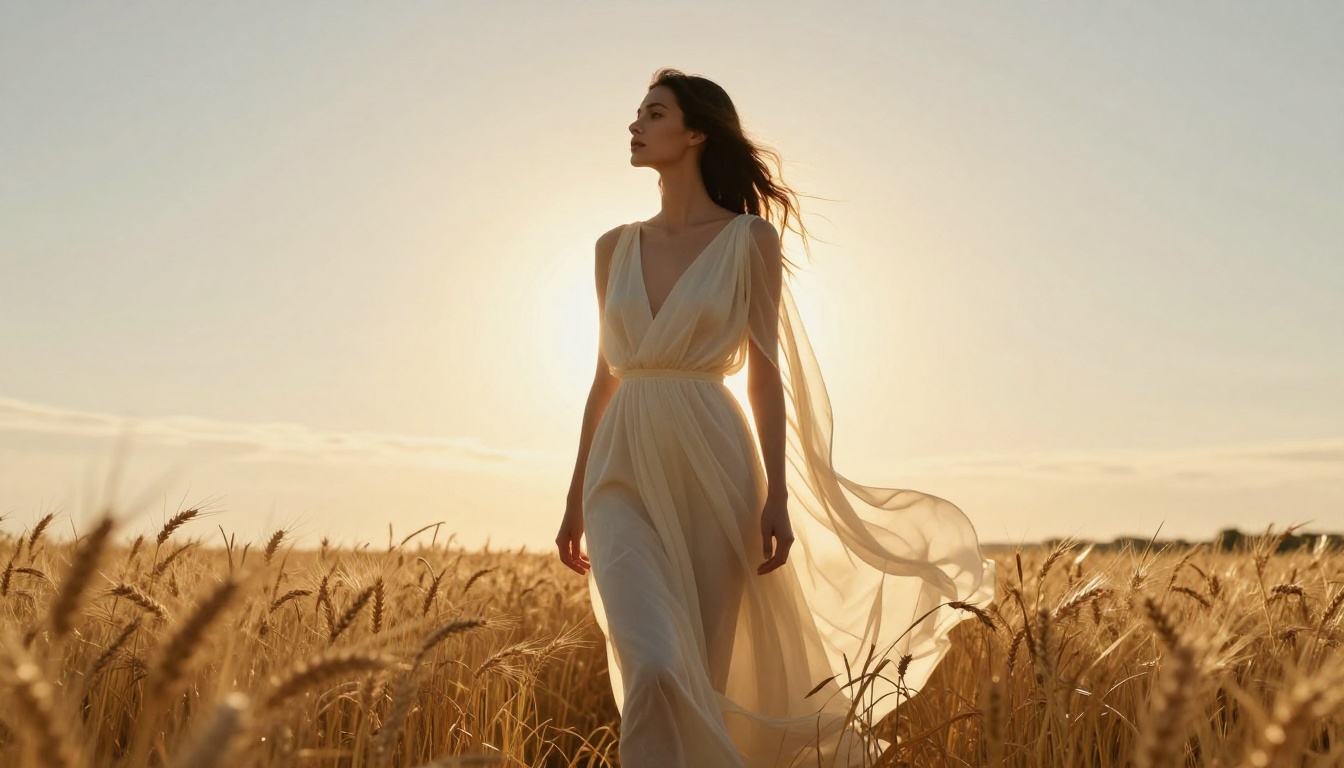
Image Quality, Honestly Compared
Quality is where this comparison gets genuinely interesting, because both models are excellent in different ways and for different scenarios.
Skin Texture and Photorealism
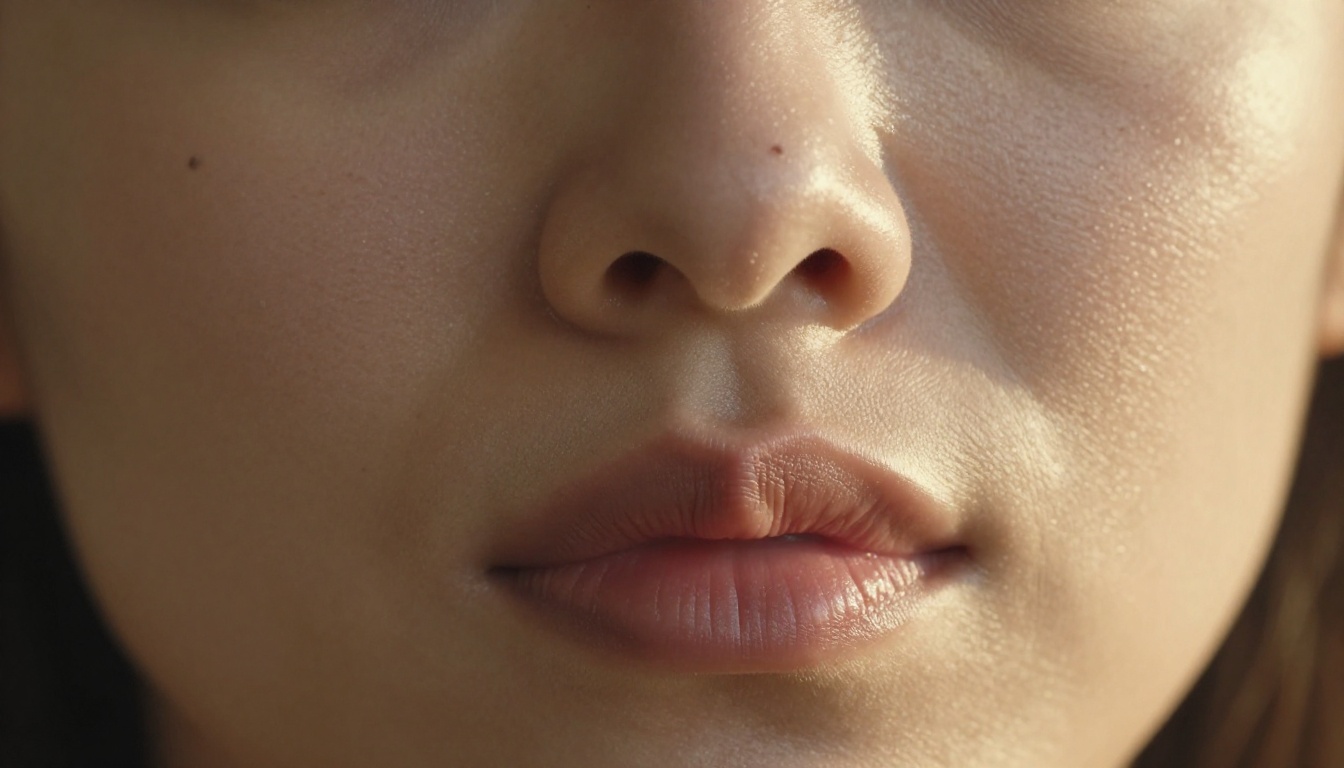
When it comes to skin texture realism, Flux 1.1 Pro has a clear edge in raw photographic fidelity. It renders pores, subsurface light scattering, and the organic imperfections of real human skin with remarkable accuracy. Feed it a well-constructed prompt with specific lighting details, aperture values, and film stock references, and the results look like they came from a professional studio session rather than an AI system.
The Flux 1.1 Pro Ultra variant pushes this further with higher native resolution output, reducing the soft compression artifacts you sometimes notice in standard Flux outputs when viewed at large sizes. For photorealistic AI portraits where skin texture believability is the priority, the Ultra tier is worth the extra compute cost.
GPT Image 1.5 produces clean, polished portraits with excellent sharpness and color accuracy. Skin tones are rendered beautifully, and the model handles diverse skin tones with better consistency than many alternatives. However, at maximum zoom, some outputs show a subtle smoothing in skin texture that reveals the AI origin more obviously than Flux does under identical conditions.
💡 For photorealistic AI portraits where skin texture believability is critical, Flux 1.1 Pro is the stronger performer. GPT Image 1.5 is better when you need perfect color accuracy and compositional precision across a complex multi-element scene.
Lighting and Depth
Both models handle lighting well, but their strengths diverge noticeably by scenario.
GPT Image 1.5 is particularly strong with artificial and studio lighting setups. Ask for Rembrandt lighting, split lighting, or softbox studio configurations, and it delivers with excellent shadow placement and highlight control. The model's deep training on commercial photography shows clearly in these settings.
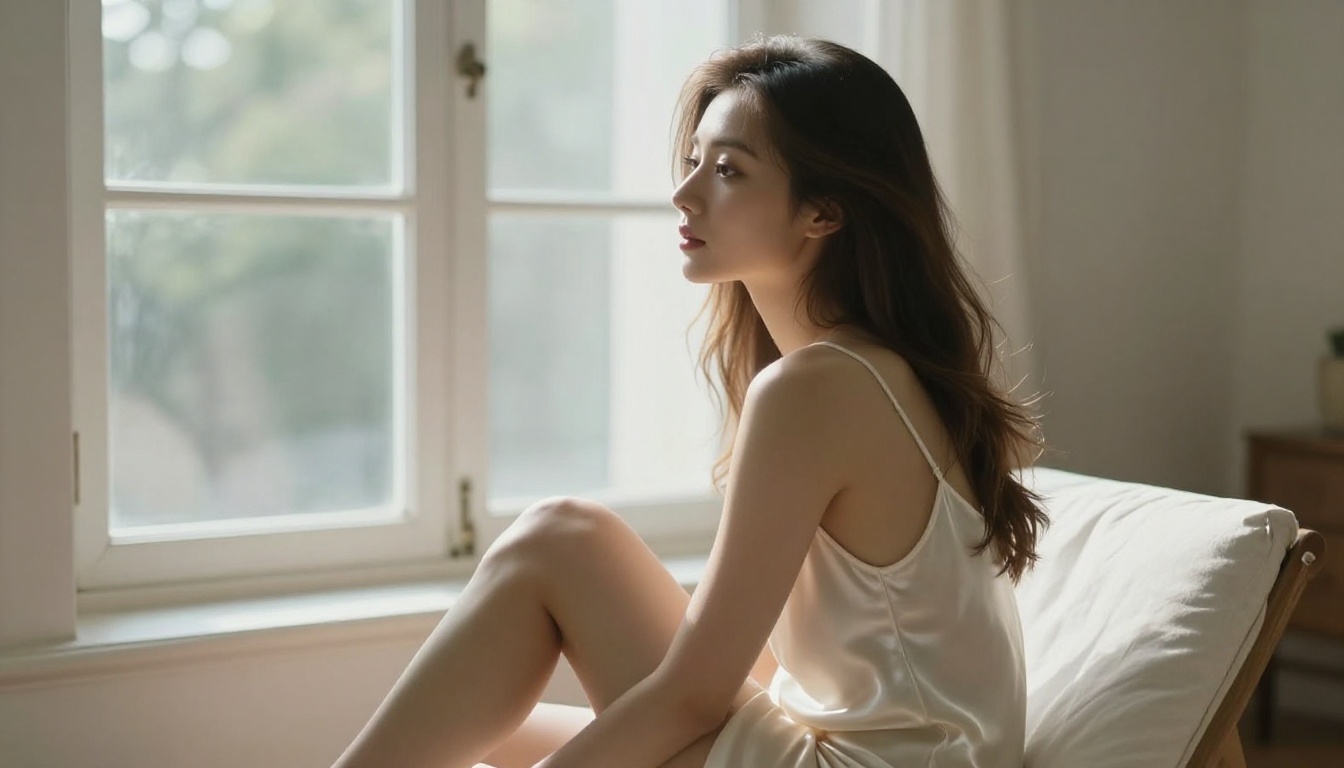
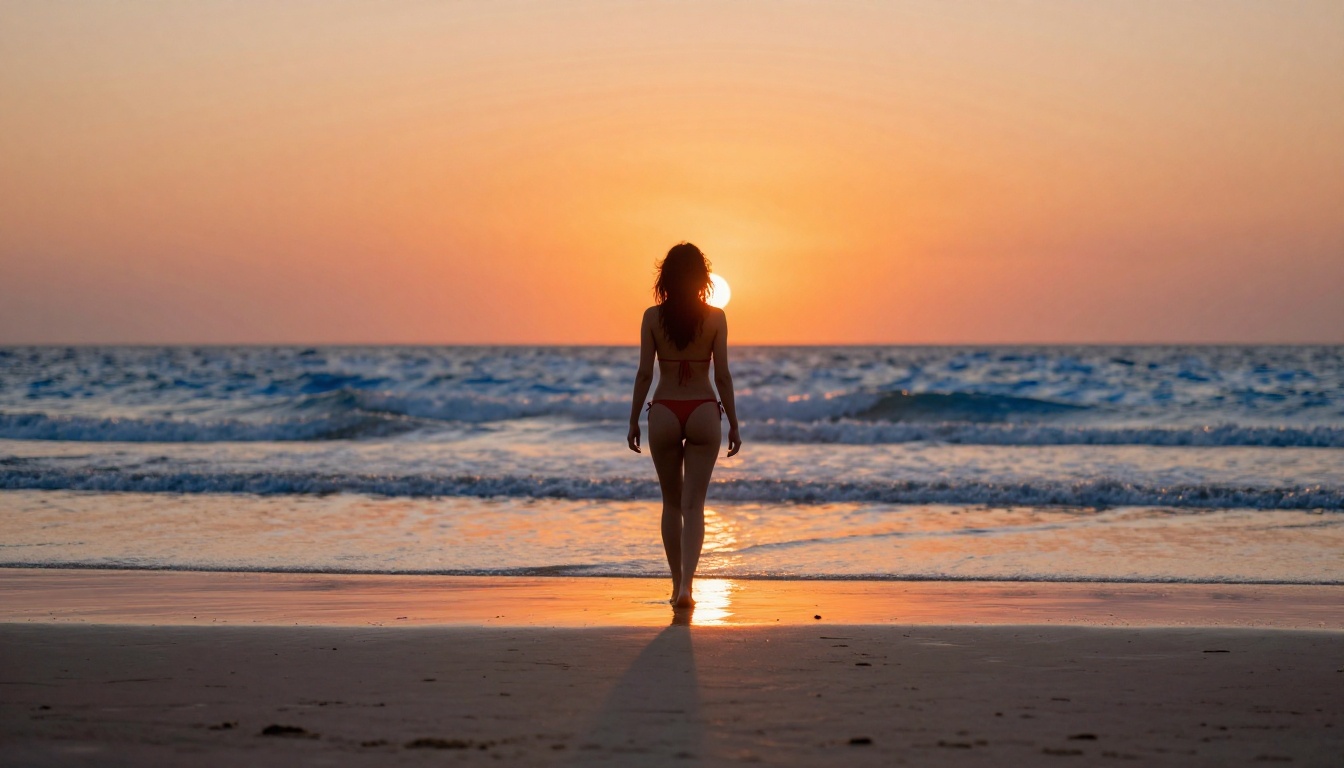
Flux 1.1 Pro excels at natural light scenarios: golden hour sun, diffused window light, outdoor dappled shadow patterns, and atmospheric depth in landscape-backed portraits. The way it renders volumetric light and atmospheric haze in outdoor scenes is particularly impressive. For outdoor NSFW content in natural settings such as beach, garden, or golden hour portraits, Flux's natural light rendering is hard to match with any other model currently available.
Prompt Adherence Under Pressure
The most telling difference between these two models appears when you write complex, multi-element prompts that demand precise scene construction.
Complex Scene Requests
GPT Image 1.5 has a distinct advantage in semantic prompt understanding. Write a prompt describing a woman at a marble table in a Paris cafe with morning light from the left, a half-drunk coffee in front of her, and a vintage poster visible on the wall behind, and GPT Images will likely hit all those specific elements. This depth of comprehension comes from its multimodal LLM architecture that processes language contextually rather than statistically.
Flux 1.1 Pro sometimes misses very specific multi-element scenes where every detail needs exact representation. It prioritizes overall visual quality and composition over exhaustive prompt compliance. For NSFW portraiture, this matters far less since most prompts focus on the subject, lighting, and atmosphere rather than complex environmental storytelling. The areas where Flux falls short are areas where NSFW creators rarely need precision anyway.
Consistency Across Runs
Neither model delivers perfectly consistent results across runs without a fixed seed. Flux 1.1 Pro shows more variation between outputs on the same prompt, which can be either an advantage (more creative variety per generation) or a disadvantage (harder to reproduce a specific look for a series). GPT Image 1.5 tends to produce more consistently similar outputs on repeated prompts, which helps for iterative refinement workflows.
For NSFW projects where you need a consistent character or scenario across multiple images in a set, this consistency difference matters. Pairing Flux 1.1 Pro with ControlNet-based pose control tools (available on PicassoIA) can significantly improve cross-image consistency.
Safety Filters: The Real Difference
This is the section most creators searching for this comparison actually care about. Here is an honest account of what each model does.
GPT Images Default Behavior
GPT Image 1.5 carries OpenAI's content policy at the model level. In practice, this means:
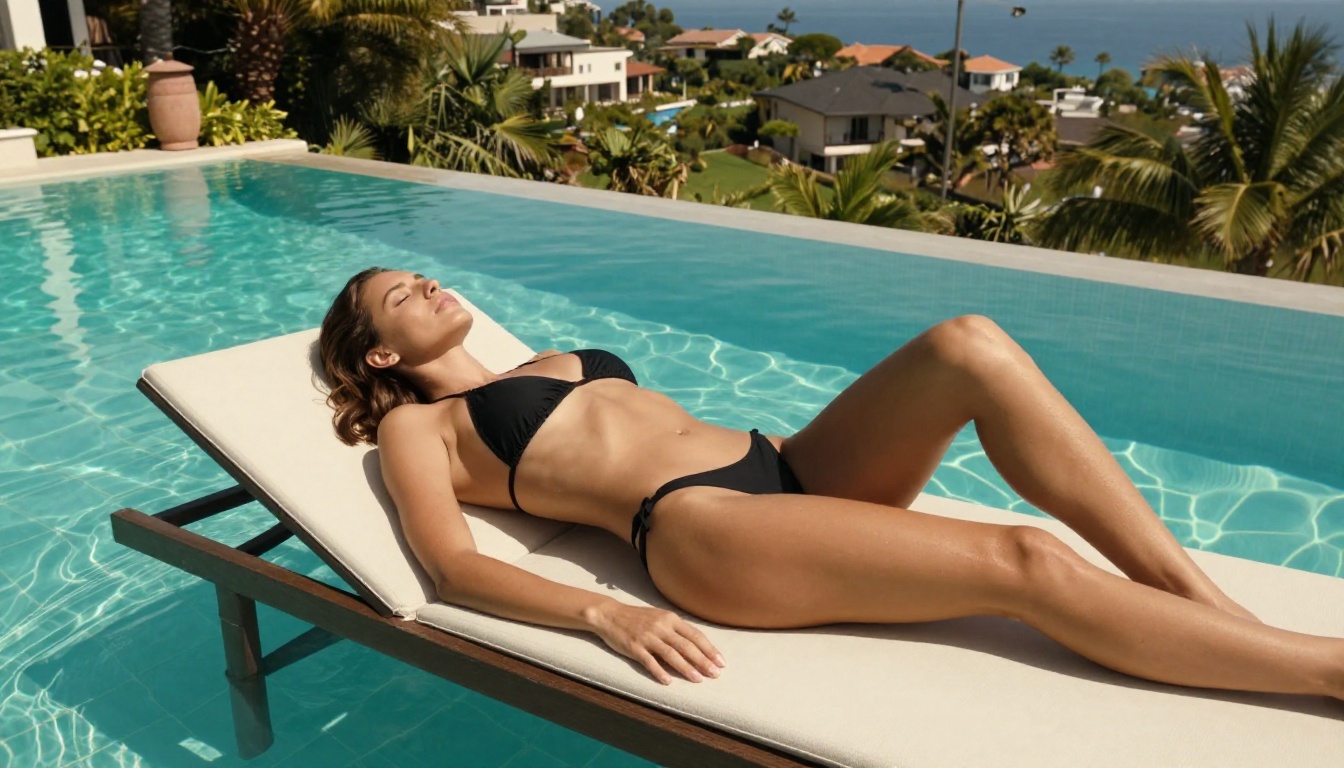
- Glamour and swimwear photography: Passes without issue in most cases
- Lingerie and implied nudity: Passes sometimes, refuses in others depending on prompt specifics
- Artistic nudity: Often refused or significantly softened before generation
- Explicit NSFW content: Blocked entirely
The platform's system prompt configuration can influence behavior on the margins, but the base behavior is conservative by design. OpenAI's policies reflect their commitment to broad commercial deployment across millions of applications, not adult content platforms. If you need consistent NSFW output above the glamour level, GPT Images is simply the wrong tool for that specific workflow.
Flux 1.1 Pro and Creative Freedom
Flux 1.1 Pro is architecturally different. The model itself does not have the same hard-coded restrictions. On platforms that permit adult content with proper age verification and appropriate consent systems in place, Flux 1.1 Pro generates suggestive, sensual, and tastefully explicit NSFW images with genuinely high quality. The creative freedom is real, not theoretical.
💡 The core insight: GPT Images restricts at the model level. Flux restricts at the platform level. For NSFW content creation with any depth beyond glamour, this is the single most important practical difference between the two models.
The quality of your Flux 1.1 Pro NSFW output depends on which platform you use and how it has configured the model's operational parameters. PicassoIA provides access to the full Flux family so you can choose the right tier for your specific project requirements.
NSFW Results, Category by Category
Breaking the NSFW spectrum into practical categories gives a much more useful picture of how these two models actually perform.
Suggestive and Glamour Photography
Both models perform well at this level. Swimwear, lingerie, and glamour photography with suggestive posing are within range for both when prompts are written with care and specificity.
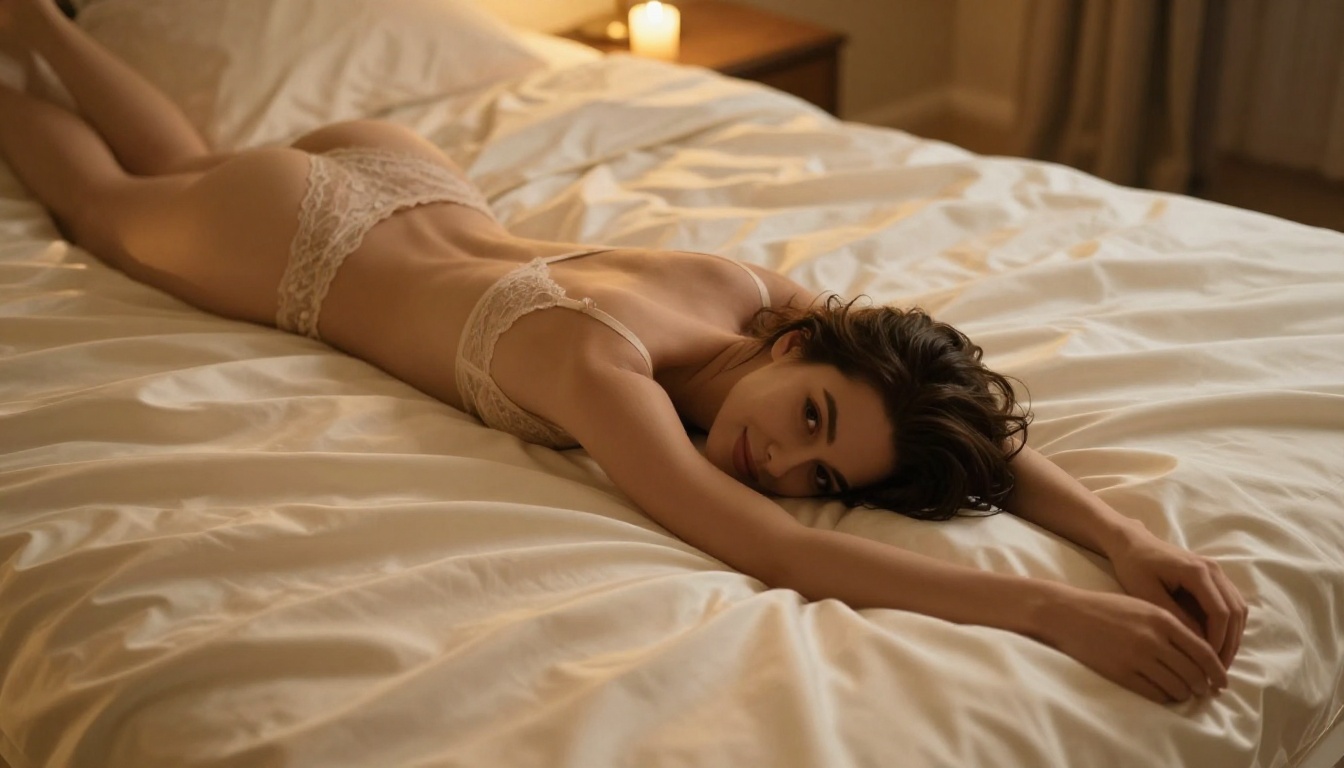
GPT Image 1.5 produces polished, commercial-quality glamour results. The color accuracy and compositional precision make outputs feel like professional fashion campaign images. For content that sits in the tasteful-but-provocative category, GPT Images is a strong performer with consistent output quality that is easy to build production workflows around.
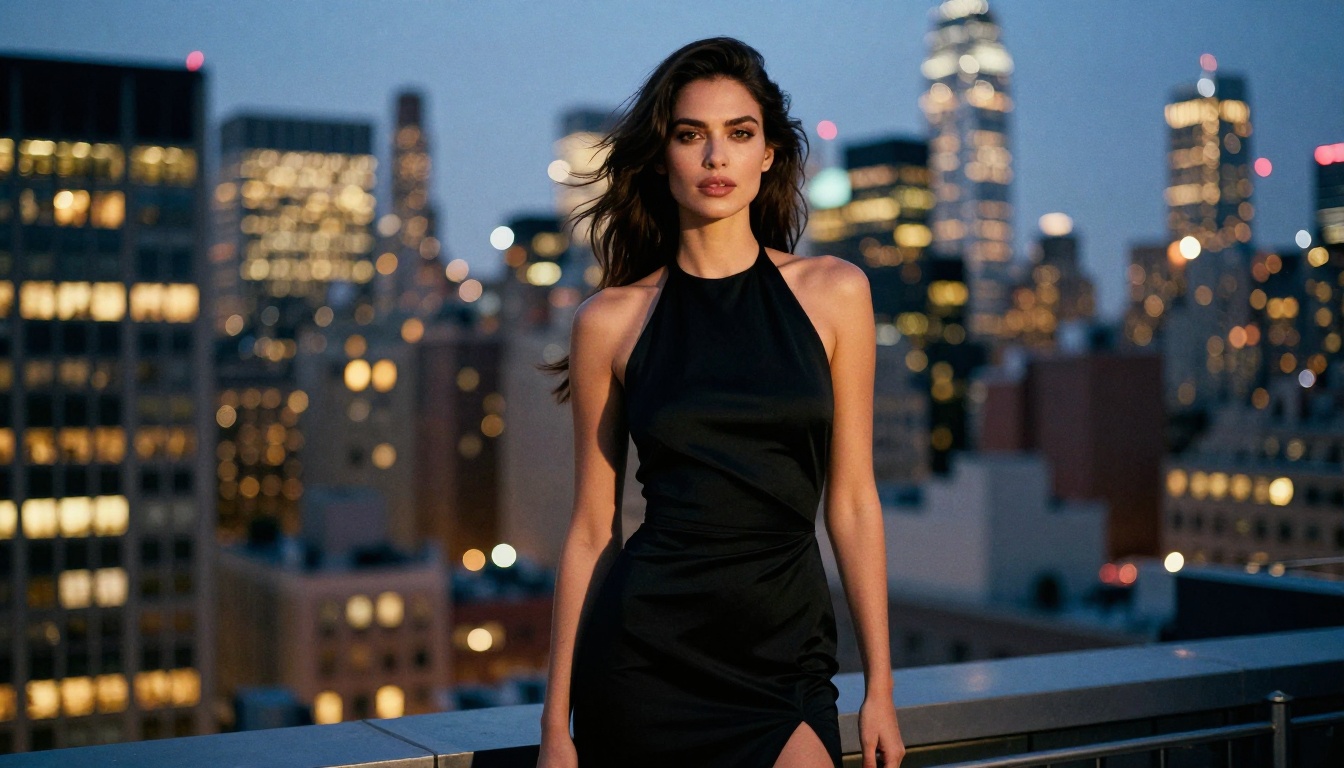
Flux 1.1 Pro adds raw photographic intensity to glamour shots. The skin rendering, natural lighting behavior, and slight gritty realism create a different aesthetic: less "fashion campaign," more "intimate editorial." Both approaches have their place. The choice depends on the visual style and emotional register you want your content to carry for a specific audience.
Artistic Nudity
This is where the comparison becomes stark and decisive.
GPT Image 1.5 handles tasteful artistic nudity inconsistently. A beautiful implied nude portrait may be produced in one generation, while an almost identical prompt fails in the next. This unpredictability makes it fundamentally unreliable for creators who need consistent output at this level of content freedom and visual expression.
Flux 1.1 Pro handles artistic nudity with remarkable quality when the platform permits it. The skin texture rendering at this level of detail is where Flux truly separates itself from every competing model. Light plays across skin in a physically accurate way with real subsurface scattering simulation. Results look genuinely artistic rather than AI-generated in ways that break the suspension of disbelief.
Speed, Cost, and Real Workflow
Both models are fast by modern standards. The practical speed difference at typical API usage is minimal, though Flux 1.1 Pro Ultra can be slower due to its higher resolution output requirements.
| Factor | GPT Image 1.5 | Flux 1.1 Pro |
|---|
| Generation Speed | ~10-20 seconds | ~8-15 seconds |
| Max Resolution | 1024px native | 2048px+ (Ultra) |
| Prompt Control | Very high | High |
| NSFW Range | Glamour only | Full range (platform-dependent) |
| Photorealism | Excellent | Outstanding |
| Skin Texture | Very good | Exceptional |
| Output Consistency | Higher | More variation |
| Native Editing | Yes (inpaint/outpaint) | Via platform tools |
GPT Image 1.5 rewards natural language prompts written as descriptive paragraphs. Flux 1.1 Pro rewards technical photography-style prompts: specific camera models, lens focal lengths, aperture values, and film stock names. These technical additions dramatically improve Flux output quality for portrait work and are the difference between a generic result and something that looks genuinely professional.
For NSFW work specifically, most creators default to Flux for content freedom, then reach for GPT Images when they need a specific compositional element or multi-element scene that Flux is not rendering correctly on its own.
Head-to-Head Verdict
After real-world testing across hundreds of prompts in both suggestive and NSFW categories, the conclusion is practical rather than theoretical.
Choose GPT Image 1.5 when:
- You need precise multi-element compositions with high instruction compliance
- Glamour and swimwear content is sufficient for your use case
- Color accuracy and commercial-grade polish matter most
- You need native inpainting and outpainting in your editing workflow
Choose Flux 1.1 Pro when:
- NSFW content beyond glamour is required
- Raw photorealistic skin texture is the top priority
- Natural lighting scenarios dominate your work
- You want the absolute ceiling on portrait realism
For full NSFW content generation with artistic nudity and maximum photographic realism, there is only one practical choice: Flux 1.1 Pro and its higher-resolution sibling Flux 1.1 Pro Ultra. The quality is exceptional. The creative freedom is there on the right platform. GPT Images is excellent within its limits, but those limits are significant for NSFW use cases.
Worth noting as strong alternatives: Realistic Vision v5.1 is a compelling option for photorealistic NSFW portraiture, and Stable Diffusion 3.5 Large offers flexibility through community fine-tuning options. Both are available for direct comparison on PicassoIA alongside the two main contenders.
Start Creating on PicassoIA Right Now
Both GPT Image 1.5 and Flux 1.1 Pro are available on PicassoIA, where you can run them side by side without switching tools, accounts, or APIs. The platform gives you access to the full Flux family including Flux 1.1 Pro Ultra, Flux Dev, Flux Schnell, and Flux Pro, alongside OpenAI's image models and dozens of other photorealistic AI portrait generators.
The fastest way to find out which model works for your specific creative style is to run the same prompt through both and compare the outputs directly. Start with a carefully written portrait prompt that specifies the lighting setup, the subject description, and the atmosphere you want to establish. See which output matches your creative vision. Then push harder with more detail and more specific technical language until you get exactly what you need.
PicassoIA also offers:
- SDXL with ControlNet for pose-consistent character work across multiple images in a series
- Flux Kontext Pro for text-based image editing without full re-generation
- Flux 2 Pro for the latest generation of Black Forest Labs photorealism
💡 Pro tip: For NSFW portrait work on Flux 1.1 Pro, add specific camera details to your prompt. Mention the camera model (Canon EOS R5, Sony A7R V), the lens focal length (85mm f/1.4), and the film stock (Kodak Portra 400). These additions dramatically improve skin texture realism and separate your results from generic AI outputs.
Whether you are building a premium content platform, creating artistic glamour photography for a project, or simply pushing the boundaries of what AI image generation can produce, running both models side by side on the same platform gives you everything you need to make an informed creative decision and start producing exceptional work immediately.