Building an AI influencer from scratch is now within reach for anyone with a clear vision and the right tools. This article walks you through the exact steps of creating consistent, sellable content, from defining your character to landing brand deals, using today's most powerful AI image generation models.
Every week, another AI influencer lands a five-figure brand deal without ever stepping in front of a real camera. These are not random occurrences. They are the result of a deliberate content strategy built on consistent character design, sharp prompt writing, and a clear understanding of what actually drives conversions on social media. This article breaks down the exact process so you can replicate it.
Why AI Influencers Print Real Money
The influencer economy crossed $24 billion in 2024. A growing slice of that is going to fully AI-generated accounts. Brands are not doing this by accident. They are doing it because AI influencers offer something human ones cannot: total creative control with zero logistical friction.
No last-minute cancellations. No off-brand posts. No contract renegotiations mid-campaign. A brand can brief an AI influencer's owner on Monday and have 20 polished, on-brand images by Tuesday.
The accounts that are winning right now share three traits:
Visual consistency: the character looks the same in every single post
Niche authority: they own a specific lifestyle category (fitness, beauty, travel, finance)
Human-feeling content: even though it is AI-generated, it does not look generated
If you can build those three things, you are in position to monetize.
What Your AI Character Actually Needs
Before you generate a single image, you need a character brief. This is the single most important document you will create. Every visual decision flows from it.
Pick One Personality, Stick to It
The biggest mistake new creators make is trying to make their AI influencer everything. She cannot be a fitness model and a luxury travel blogger and a tech reviewer at the same time. Pick one lane.
Here is a fast framework:
Archetype
Best Platform
Top Brand Categories
Fitness and Wellness
Instagram, TikTok
Supplements, activewear, apps
Beauty and Skincare
Instagram, YouTube
Cosmetics, tools, serums
Lifestyle and Travel
Instagram, Pinterest
Hotels, luggage, fashion
Finance and Career
LinkedIn, Twitter
Fintech, courses, software
Fashion and Style
Instagram, Pinterest
Apparel, accessories, shoes
Choose one and commit. The accounts doing $10k per month are boring in the best way: they post the same character in the same aesthetic, over and over, with slight variation.
The Visual Identity Checklist
Before writing your first prompt, define these seven elements:
Ethnicity and skin tone (be specific, it affects lighting and contrast in prompts)
Hair color, length, and texture (this is your character's most recognizable trait)
Eye color and shape
Body type and height impression
Signature style (the clothing palette she defaults to)
Mood and expression default (warm and approachable vs. cool and aspirational)
Age range (mid-20s reads differently than early 30s in both appeal and brand fit)
Write these down. This is your master reference. Every prompt you write should include all seven elements to maintain consistency across every post and campaign.
Building Consistent Looks Every Time
Consistency is the hardest technical challenge in AI influencer content. Models do not have memory. Every generation is a fresh start. The way you solve this is through your prompt architecture, not the tool itself.
The Seed Prompt Formula
Build a "character anchor" block that you paste into every prompt. It follows this structure:
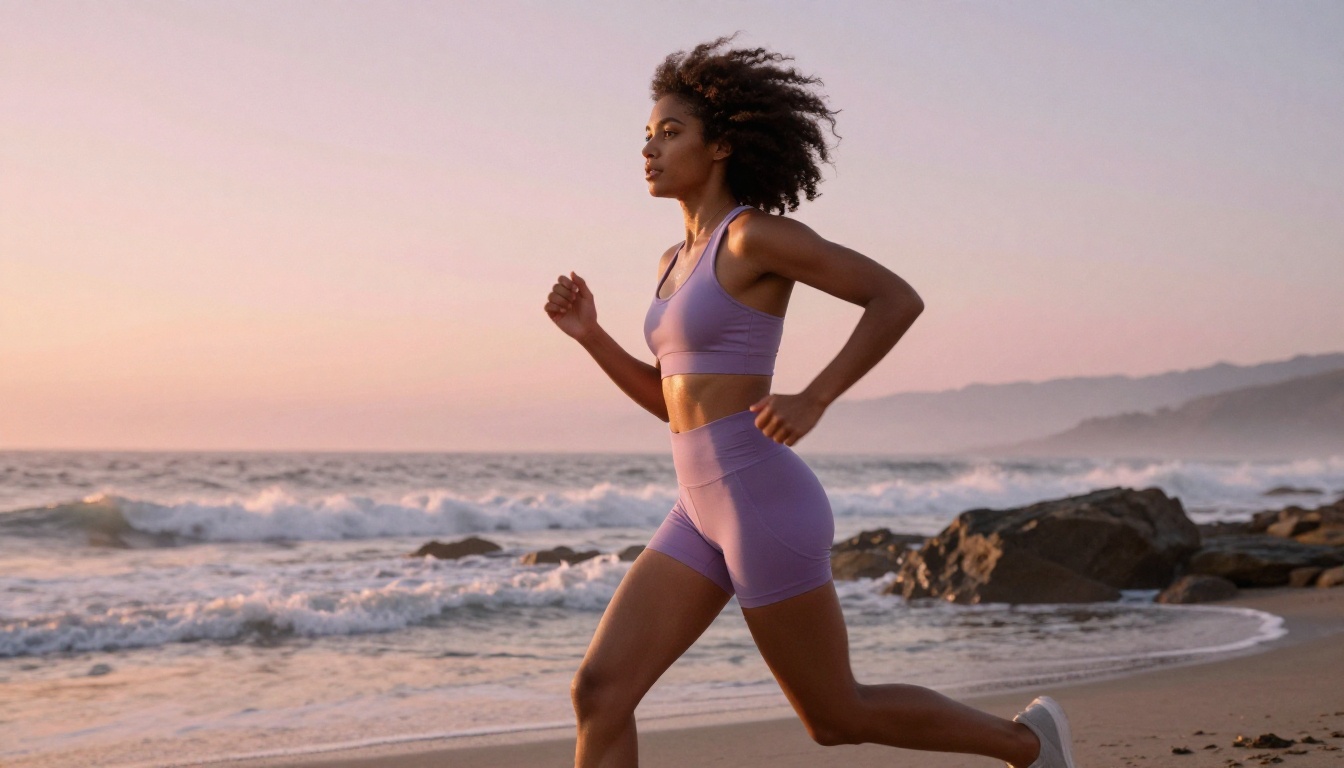
"Athletic young woman, warm brown skin, natural 4C afro hair, deep-set dark brown eyes, strong shoulders and arms, wearing pastel athletic wear, [SCENE], early morning coastal light, 24mm wide-angle, Kodak Portra 400, photorealistic, RAW 8K"
The [SCENE] is the only thing that changes. Everything else stays locked. Use a seed number when your model supports it. This dramatically increases visual consistency across a batch of images.
Models That Keep Faces Stable
Not all text-to-image models are equal for character consistency. For AI influencer work, you want models trained on photorealistic portraiture that handle repeated subjects with precision.
Flux 1.1 Pro Ultra is the top choice for high-resolution photorealistic portraits. It produces 4-megapixel outputs with exceptional skin texture rendering and handles nuanced lighting descriptions better than most alternatives.
Minimax Image 01 is built specifically for consistent character generation. If you need a character that looks identical across many different settings and poses, this model has a structural advantage over general-purpose generators.
Ideogram v3 Quality excels when your content needs readable text elements alongside the character, like product labels or overlay text baked into the image itself.
Imagen 4 from Google delivers richly detailed outputs with natural color science, well-suited for outdoor lifestyle and travel content where environmental realism matters.
Tip: Run 4-6 variations of the same prompt before choosing your final shot. The best image in a batch is almost always better than the first one generated.
Content for Every Platform
Your character needs to exist across multiple platforms to build enough surface area for brand discovery. But each platform has different technical and aesthetic requirements that shape how you generate content.
Instagram Requires This Ratio
For Instagram feed posts, 4:5 portrait outperforms 1:1 square on reach. For Stories and Reels covers, you need 9:16. Your generation workflow should account for both.
Generate your primary asset at 16:9 for web or blog use, then regenerate key shots at 4:5 for the feed. Do not crop. Cropping a 16:9 image to 4:5 almost always cuts off critical composition elements. Regenerate intentionally in each ratio from the start.
For Reels, static images can be turned into simple video content using the platform's own tools. The character provides the visual identity. Text-on-screen narration or voiceover provides the hook.
TikTok Needs Motion, AI Can Provide It
TikTok heavily favors video content. For AI influencer accounts, the most effective strategy pairs static AI images with text-on-screen storytelling. The character provides the face. The narration drives the retention.
For actual motion content, face-swap and lipsync tools let you animate your character's likeness with real audio. This workflow is becoming increasingly accessible and is one of the fastest-growing areas in the virtual influencer space.
Writing Prompts That Sell
The difference between a forgettable AI image and a brand-ready shot is almost entirely in the prompt. Specifically, it is in how deliberately you describe the context around your character.
What Makes a Shot "Brand-Ready"
Brands need images that work in three contexts: organic feed posts, Stories, and paid ad creatives. A brand-ready image has these qualities:
Clean negative space where a logo or product can be composited in post
Natural interaction with a product category (holding, using, or positioned near the product)
Recognizable setting that aligns with the brand's values and audience
High technical quality: no artifacts, no distorted hands, no inconsistent lighting
Add phrases like "clean background space on the right side," "holding a skincare bottle naturally," or "open sky in the upper third" to create compositional flexibility for brand clients who need to overlay assets.
Lifestyle vs. Product Placement
There are two types of content you should be producing at all times:
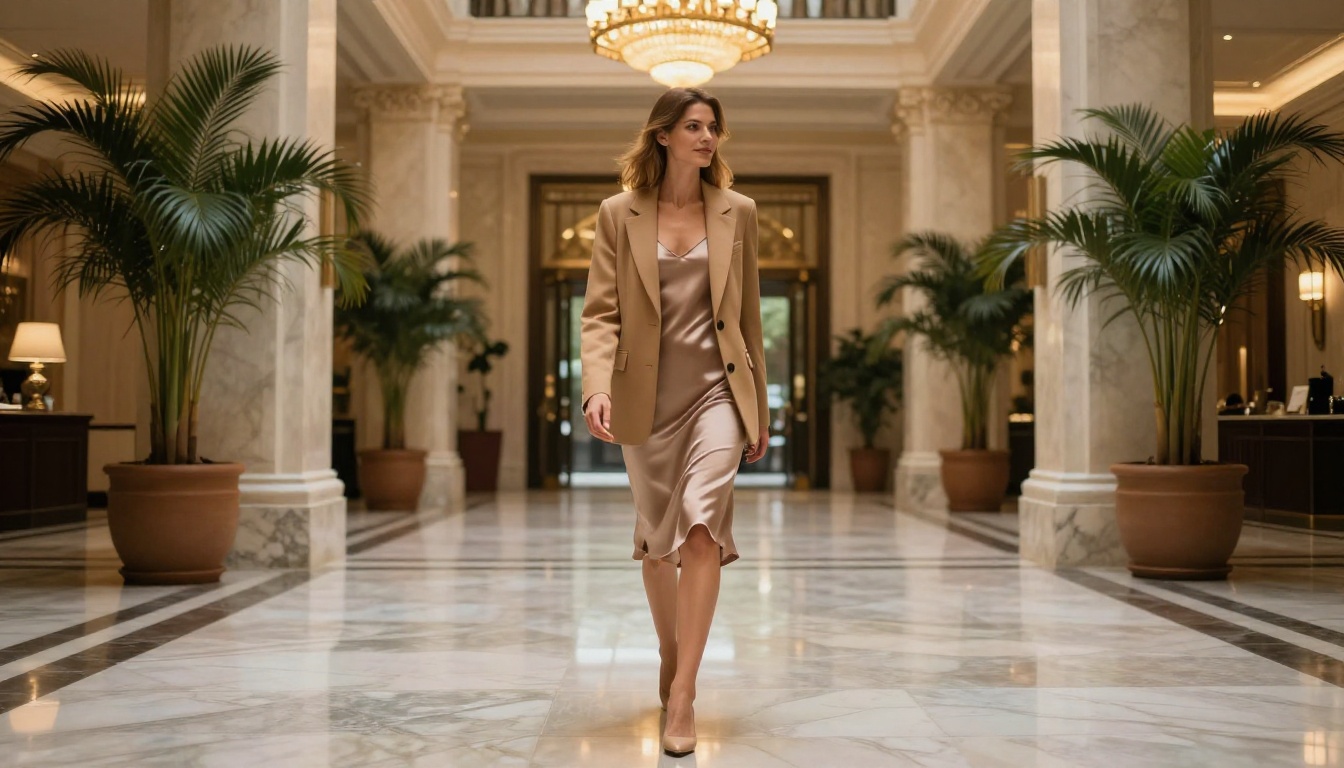
Lifestyle content shows your character living a life that your target followers aspire to. No product. No pitch. Just the aesthetic. This builds the audience and the emotional brand affinity. Think: morning coffee ritual, departure lounge at an airport, reading on a hotel balcony.
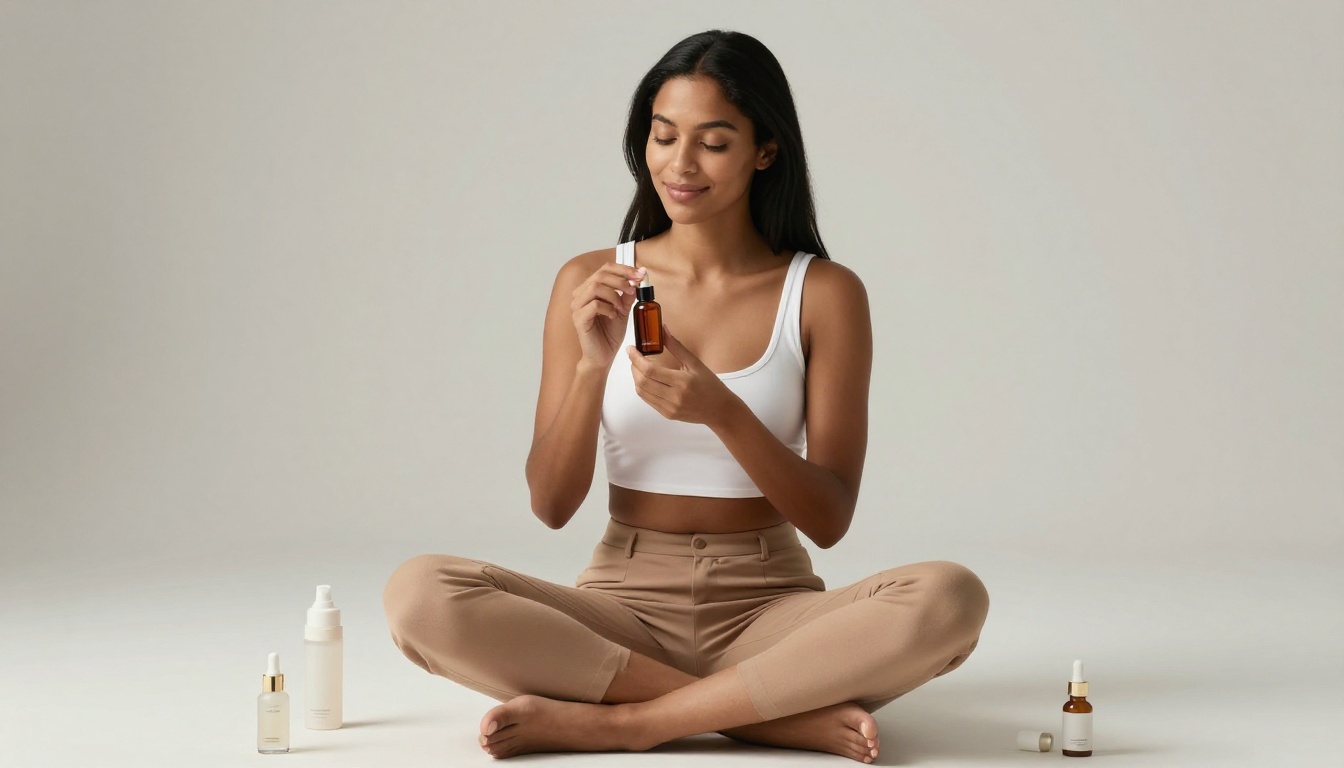
Product placement content integrates a specific item into the lifestyle scene naturally. The product should feel incidental, not staged. "She happens to be holding the serum" converts far better than "she is showing the serum to the camera."
The ratio that works: 70% lifestyle, 30% product. Most new AI influencer accounts invert this and wonder why brands do not convert at the rate they expected.
How to Use Flux 1.1 Pro Ultra on PicassoIA
Flux 1.1 Pro Ultra is designed for high-fidelity photorealistic outputs at 4MP resolution, making it the strongest model for professional-quality AI influencer content. Here is how to use it effectively.
Step 1 - Set Up Your Character Brief
Before opening the model, write your character anchor block. Have it copied to your clipboard. You will paste it into every single prompt. This is non-negotiable.
Set aspect ratio to 4:5 for feed content or 16:9 for web and blog assets
Set output quality to maximum (this model supports up to 4MP native resolution)
Step 2 - Craft Your Master Prompt
Structure your prompt in this order for best results with this model:
[Character Anchor Block], [Scene Description], [Specific Action or Pose], [Lighting Direction and Quality], [Camera Angle and Lens Spec], [Background Details], [Technical Quality Tags]
Example prompt:
"Athletic young woman, warm brown skin, natural afro hair, deep brown eyes, wearing a lilac sports bra and matching leggings, running along a sunrise coastal path, arms in motion, low-angle shot looking slightly upward, 24mm wide lens, morning pink-gold light from the horizon behind her, ocean and rocks slightly motion-blurred in background, Kodak Portra 400 tones, photorealistic, RAW 8K, cinematic"
Specific parameter tips:
Guidance scale 3.5 delivers the best balance between prompt adherence and image naturalness
Avoid negative prompts with Flux 1.1 Pro Ultra as the model handles them inconsistently
Describe lighting direction explicitly: "volumetric light from the left," "backlit by the setting sun," "diffused overhead studio light from a large softbox"
Step 3 - Run and Refine
Generate at minimum 4 variations. Evaluate each against these criteria:
Does the face match your character brief in bone structure and features?
Is the lighting direction consistent with your description?
Are hands visible? If so, do they look realistic?
Is there clean compositional space for product overlay if needed by a brand client?
If the face drifts from your character, tighten the physical description in your anchor block. Add specifics about jaw shape, nose structure, or brow thickness. Precision in the brief produces precision in the output.
For correcting specific elements without regenerating the full image, use Flux Kontext Pro, which lets you rewrite any part of an existing image using a plain-text instruction. This is particularly useful for fixing hands, adjusting backgrounds, or swapping outfit details while keeping the face and lighting intact.
What Brands Actually Look For
Most AI influencer creators assume follower count is the primary pitch to brands. It is not. Brands have grown more sophisticated, and the accounts getting deals at 10k followers are beating accounts at 100k because they understand what buyers actually care about.
Niche Over Numbers
A beauty brand selling a $45 serum cares about one thing: does your audience buy serums? A 12,000-follower AI influencer in the clean beauty niche with high comment engagement is more valuable to that brand than a 150,000-follower generalist with passive scrollers.
Choose your niche at the start and create 100% of your content within it. No random posts. No off-topic days. Discipline is what turns a character into a commercial asset that brands can trust.
The Deliverable They Expect
When a brand approaches your AI influencer for a campaign, they expect:
Multiple angles and setups from a single "shoot" (5-10 images per campaign deliverable)
Fast turnaround (24-48 hours is your structural advantage as an AI creator, use it)
Clean files that their own design team can composite product onto
Create a rate card and a sample campaign brief before you approach any brand. They should see immediately that you operate with the professionalism of a production studio, not a hobbyist.
Your First $1,000 From AI Content
The path to your first paid deal is shorter than most people expect. The AI influencer market is still early. Brands that have never worked with an AI creator are open to experimentation, especially at accessible price points that make the first deal feel low-risk.
Where to Find Brand Deals
Three channels work consistently well at the start:
Direct outreach via Instagram DM: Find brands in your niche with 10k-500k followers. They are large enough to have a marketing budget but small enough to actually respond to direct outreach. Keep your pitch to three sentences max.
Creator marketplaces: Platforms like AspireIQ, Grin, and Collabstr accept AI influencer accounts. Filter by your niche and apply to campaigns that match your character's aesthetic.
A media kit page: A professional landing page linked from your bio brings inbound inquiries on autopilot. Many brands actively search for new faces in specific niches.
Pricing Your AI Content Right
AI influencer pricing is not standardized yet, which is an advantage if you position yourself correctly from the start. General benchmarks:
Deliverable
Starting Price
Single feed post (1 image)
$150-400
Story set (3-5 slides)
$100-250
Campaign bundle (5 feed + 5 stories)
$600-1,200
Exclusive character license (30 days)
$500-2,000
Charge more than you think is appropriate. The production cost of AI imagery is low, but the strategic value of a consistent, on-brand visual identity is significant. Brands that understand this will pay for it.
Start Creating Content That Actually Converts
The AI influencer space rewards people who build with intention from day one. A character brief written today becomes a revenue-generating asset within months. The tools to produce professional, high-conversion influencer content are available right now, without a photography budget or a production team.
PicassoIA gives you access to over 91 text-to-image models in one place, including Flux 1.1 Pro Ultra for maximum resolution portraiture, Minimax Image 01 for consistent character generation across scenes, Imagen 4 for lush environmental detail, Seedream 4 for crisp 4K outputs, and Flux Kontext Pro for precision post-generation editing. The entire production pipeline, from first prompt to final campaign-ready deliverable, runs in a single tab.
Pick your archetype. Write your anchor prompt. Generate your first batch.
Ready to build your AI influencer? Start with Flux 1.1 Pro Ultra on PicassoIA and create your character's signature look today. Your first campaign-ready image is ten minutes away.