Small brands hemorrhage opportunities every day because their visuals look cheap. Not because the product is bad. Not because the service underdelivers. Because the photos don't match the price point. Potential customers see low-resolution product shots, inconsistent lighting, stock images that appear on a dozen competing websites, and they leave. AI image generation changes this equation completely. With the right tools and prompts, a solo founder or a two-person team can produce the kind of photorealistic brand photography that used to require a professional photographer, a studio, a stylist, and a budget most startups don't have.
The Visual Gap That Kills Small Brands
Why First Impressions Cost You Clients
Research on consumer behavior points to one uncomfortable truth: people decide whether to trust a brand within three seconds of landing on a page or seeing a social post. Those three seconds are entirely visual. The copy hasn't been read yet. The pricing hasn't been seen. The reviews haven't been checked. The judgment is pure visual impression.
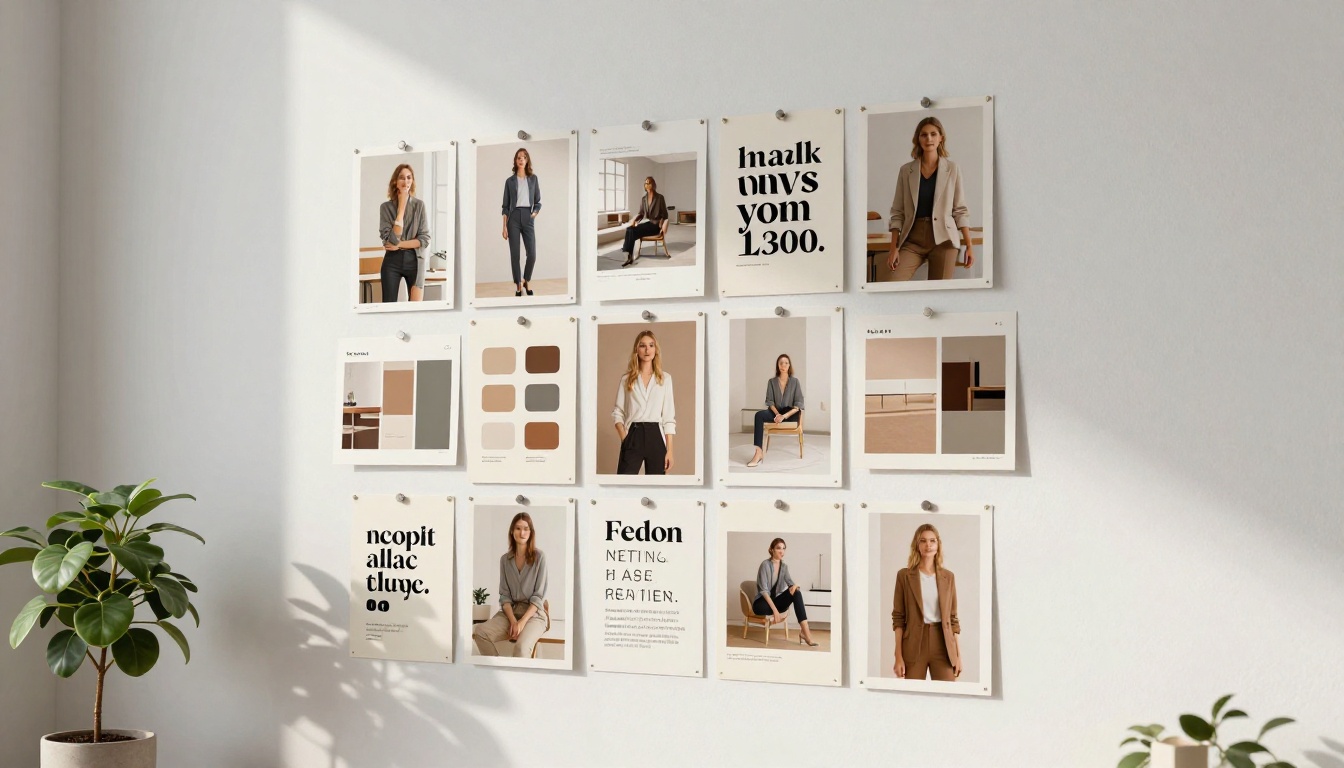
A brand that invests in professional photography signals competence, stability, and value before a single word is read. That signal is what separates a brand converting at 4% from one converting at 0.8%. When someone sees polished, consistent, photorealistic imagery, they assume the company behind it has its act together. The reverse is equally true. Blurry product photos, stock images that appear on competitor sites, mismatched visual styles across a website: these cues suggest a brand that isn't serious, even when the product or service is exceptional.
What "Big" Actually Looks Like
Large brands don't always spend more on individual photographs. What they invest in is visual consistency and production volume. They produce hundreds of images per quarter, all shot with identical lighting conditions, consistent color grading, matching backgrounds, and the same compositional language. That repetition builds brand recognition at a subconscious level.
A customer who sees your brand 15 times across different channels starts to feel familiar with it. That familiarity creates trust. That trust creates conversion. The visual consistency is what makes each of those 15 impressions feel like the same brand rather than 15 different companies.
The gap between a Fortune 500 brand and a startup isn't only budget. It's the ability to maintain consistent visual identity across hundreds of touchpoints over time. AI image generation closes that gap by making volume and consistency accessible to any brand, regardless of size.
What AI Does to Brand Photography
From Expensive Shoots to Instant Results
A traditional brand photoshoot for a small product line involves booking a photographer ($500-$2,000/day), a studio ($300-$800/day), a stylist ($300-$600), product shipping and preparation, post-processing ($50-$150/photo), and at minimum a week of turnaround time. For a startup watching every dollar, that math rarely works. And it has to be repeated every time the product line changes, the season shifts, or a new campaign launches.
AI image generation collapses that entire pipeline. A detailed text prompt produces a photorealistic product shot in under 60 seconds. Adjusting the lighting, background, or composition is a prompt revision, not a rebooking. The output is immediately ready for use across digital and print channels.
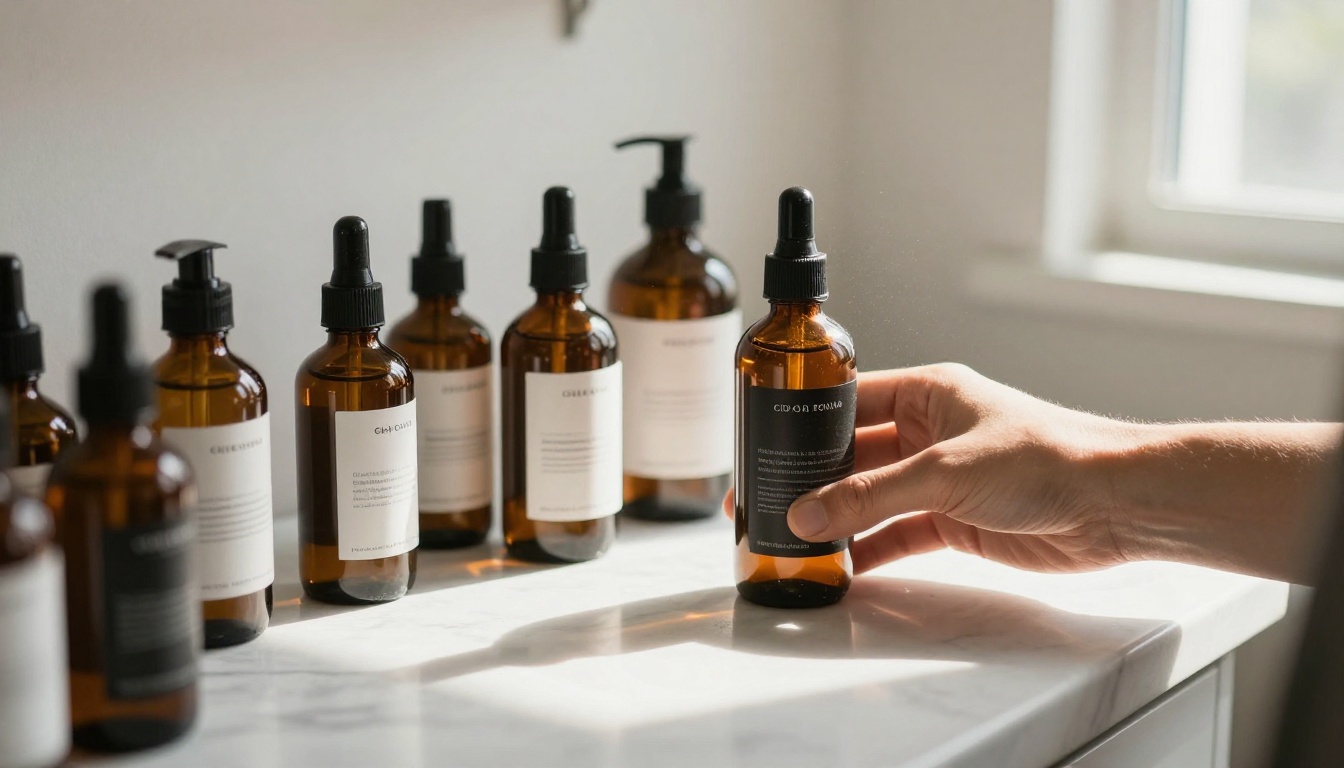
The speed advantage compounds over time. A brand that can iterate on visual content weekly rather than quarterly moves faster, tests more, and builds a richer image library. That library becomes a brand asset, not just a cost center.
Consistency Across Every Channel
The most underrated advantage of AI-generated brand imagery is reproducibility. When you find a prompt that captures the right lighting, mood, and composition for your brand, you can reuse and adapt it indefinitely. Every new image shares the same visual DNA. The color temperature stays consistent. The shadow direction stays consistent. The editorial feel stays consistent. That consistency across your website, social media, email campaigns, and printed materials is what makes a brand feel established, even when it's six months old.
💡 Tip: Save your core brand prompt as a template. Add a single-line subject description at the beginning for each new image, and keep all the lighting, lens, and style instructions identical. This is how you build visual consistency at scale without a creative director.
5 Brand Assets You Can Create Today
Hero Images That Stop the Scroll
A hero image is the first visual a visitor sees on your homepage or at the top of a landing page. It needs to communicate the essence of your brand in a single frame. With AI image generation, you can produce multiple hero image options in an afternoon, test them against each other, and iterate based on real performance data rather than gut feel.
The prompt framework for a brand hero image starts with four elements: the subject (what does your brand deliver, a feeling, a product, a lifestyle), the environment (where does your customer aspire to be), the lighting (warm and approachable, or cool and professional), and the camera angle (low-angle for authority, eye-level for relatability, aerial for scale). Those four inputs determine 90% of how the final image feels.
Product Shots Without a Studio
Product photography is where the cost-of-quality gap hits brands hardest. Professional product shots cost $50-$300 per image for basic e-commerce use. AI tools like Wan 2.7 Image Pro generate 4K photorealistic product imagery from a text description, with full control over surface material, lighting setup, and background environment.
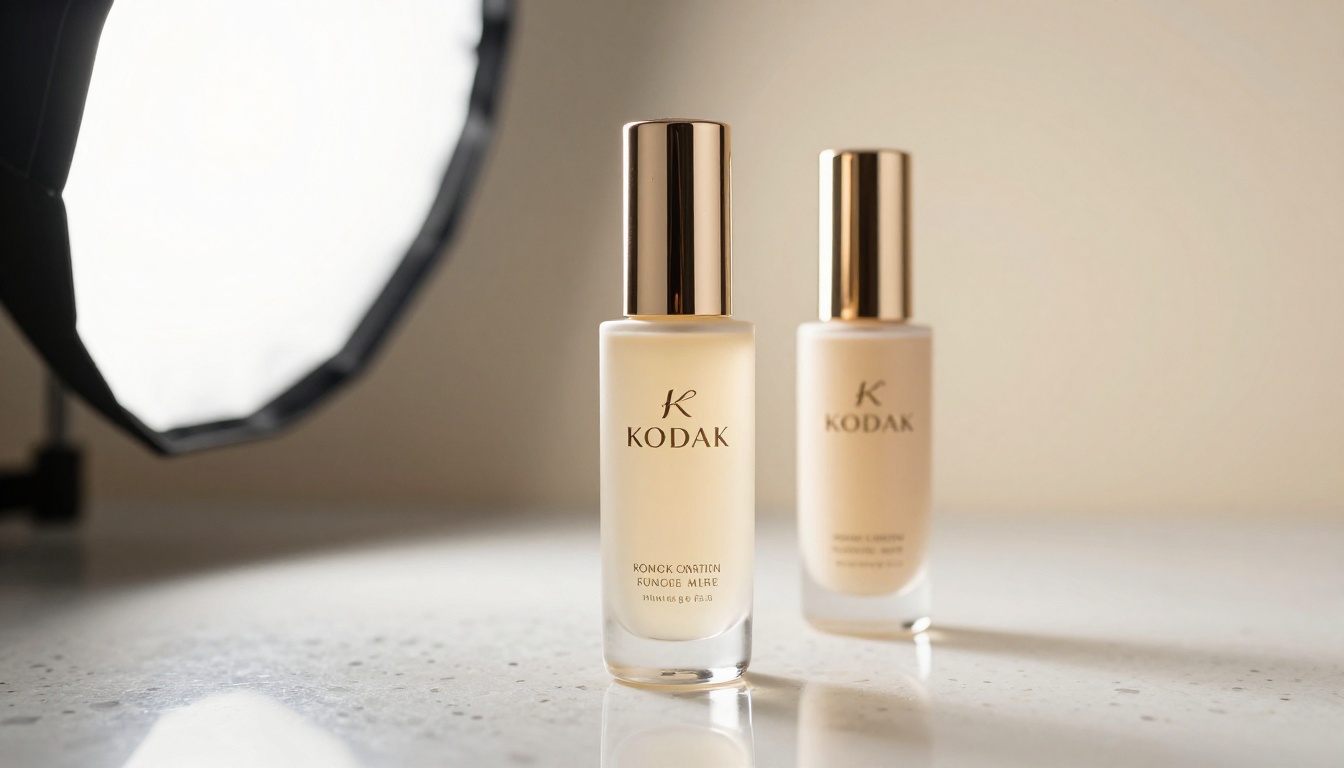
Prompt specificity is what separates average product shots from convincing ones. Instead of "product on white background," write "product on polished white quartz countertop, overhead diffused softbox light, zero harsh shadows, subtle surface reflection visible, 100mm macro lens f/5.6, 8K photorealistic, Kodak Portra 400 grain." The difference in output quality between vague and specific prompts is dramatic.
Social Media Visuals at Scale
Social media demands volume. A brand maintaining an active Instagram presence needs 15-25 original images per month, minimum. That volume is impossible to sustain with traditional photography without a dedicated budget. AI generation makes it possible to produce a month's worth of social content in a single session, with the added benefit of perfect visual consistency across every post.

PicassoIA Image with unlimited generation gives you the volume you need without per-image costs stacking up. Create a core visual template, rotate subject matter, and maintain the same color palette and lighting language across every output. A brand that posts daily can sustain that cadence without burning its budget.
Executive Portraits on Demand
Founder photos, team headshots, and executive portraits are brand assets that communicate the human side of your company. They're also expensive to update and difficult to keep visually consistent when team members change. AI portrait generation from tools like GPT Image 2 or Seedream 4.5 can produce professional-grade portraits with consistent lighting and background style that matches your broader brand identity.

The prompt approach for a professional portrait: specify the subject's general appearance and clothing style, set the environment (corporate office, outdoor terrace, creative studio), define the lighting precisely (natural window light from the left, soft diffused overhead), and fix the lens specs (85mm f/2.0). The result is a portrait that looks like it came from a specialist photography studio.
Lifestyle Photography for Any Niche
Lifestyle photography, showing your product or service in use within an aspirational context, is one of the most powerful brand tools available. It's also one of the most expensive to produce traditionally, requiring models, locations, and professional direction. AI lifestyle generation removes those constraints entirely. You can place your brand in any context, any demographic, any time of year, any location, without leaving your desk.
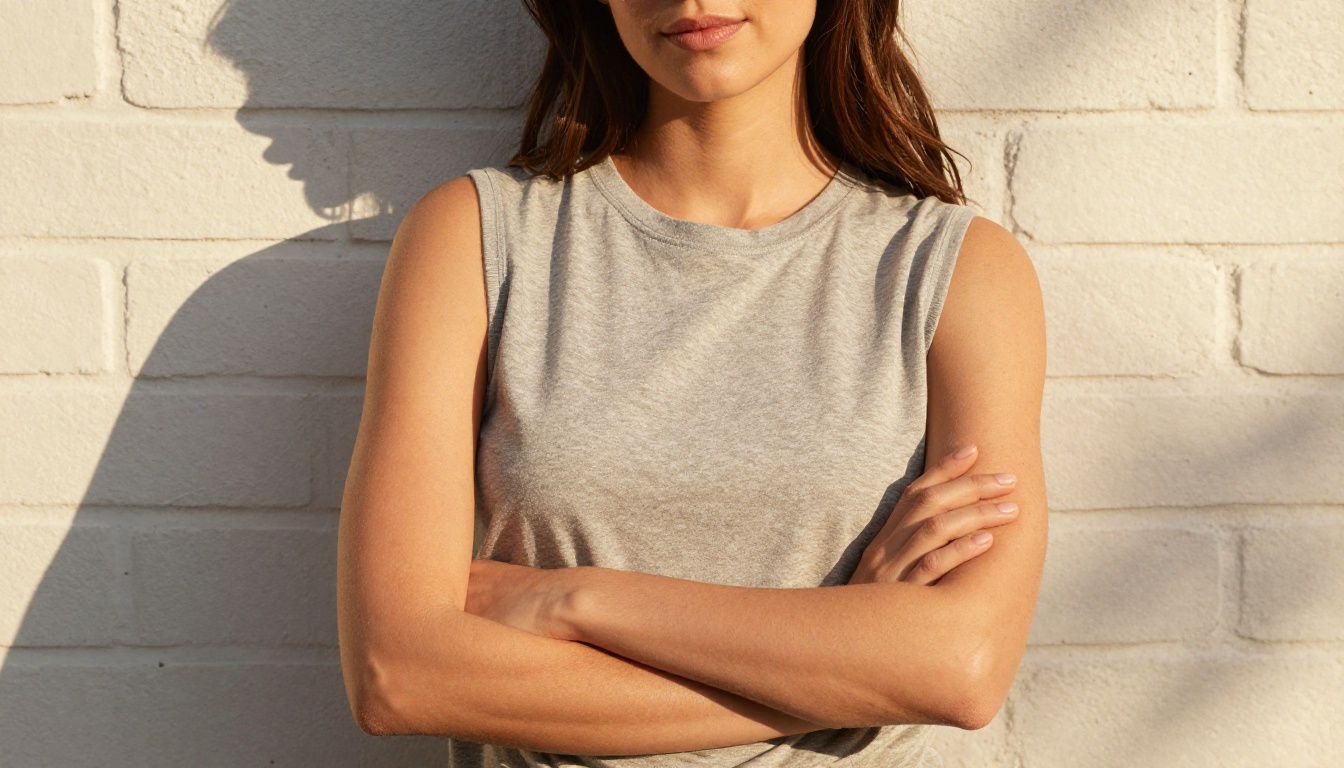
This matters particularly for brands targeting a specific aspirational identity. A premium outdoor brand needs imagery of real landscapes, real conditions, real weather. A luxury skincare brand needs images of polished interiors and well-lit skin. A professional services firm needs imagery that reads as credible and serious. With AI generation, all of those identities are accessible on demand.
Best AI Models for Brand Imagery
GPT Image 2 for Precision
GPT Image 2 excels at following complex, multi-element prompts with high fidelity. If your brand brief requires specific compositional elements, precise lighting conditions, and particular environmental details, GPT Image 2 interprets and executes those instructions with impressive accuracy. It's particularly strong for brand imagery that requires text elements within the image, such as signage, product labels, or environmental branding where the exact wording needs to render correctly.
Seedream 4.5 for 4K Brand Photos
Seedream 4.5 generates 4K output with rich photorealistic texture and excellent color science. For brands where image quality is a core part of the identity, luxury, premium skincare, high-end hospitality, the resolution and tonal range Seedream 4.5 produces is noticeably superior. The skin tones are particularly natural, making it a strong choice for brand portraiture and lifestyle imagery where human subjects are central.
Wan 2.7 Image Pro for Commercial Shots
Wan 2.7 Image Pro produces 4K commercial-quality imagery with a level of surface and material detail that makes it the strongest option for product photography. The model handles reflective surfaces, transparent packaging, fabric textures, and fine print detail with accuracy that holds up at large print sizes. When your product needs to look real enough to touch, Wan 2.7 Image Pro is the right starting point.
Flux Redux Dev for Visual Consistency
Flux Redux Dev specializes in generating variations from an existing image. For brand photography, this is invaluable: create one strong hero image, then use Flux Redux Dev to generate variations with different angles, lighting, and contexts while maintaining the core visual identity. This is how brands maintain consistency without shooting every variation from scratch. One approved base image becomes a family of ten.
How to Use PicassoIA Image for Brand Visuals
PicassoIA Image is the fastest way to build a brand image library at scale. Here's a repeatable workflow:
Step 1: Define your brand visual brief
Before generating a single image, write down the answers to these four questions:
- What is the primary color temperature of your brand? (warm golden, neutral daylight, cool overcast)
- What surface or environment dominates your imagery? (white marble, raw concrete, natural wood, linen)
- What camera perspective represents your brand? (intimate close-ups, wide environmental shots, aerial flatlays)
- What does your ideal customer look like in terms of appearance, style, and context?
Step 2: Build your base prompt
Combine the answers into a reusable prompt structure. For a wellness brand: [subject], warm natural indoor environment, volumetric morning light from upper-left, 85mm f/1.8 shallow depth of field, skin texture visible, fine fabric grain, Kodak Portra 400 film grain, RAW 8K photography, photorealistic --ar 16:9 --style raw
Step 3: Generate at volume
With PicassoIA Image, generate 8-12 variations of your core prompt, changing only the subject description at the beginning. Select the 3-4 strongest outputs per session and archive them in your brand image library.
Step 4: Edit and refine with PicassoIA Image Editor Pro
Use PicassoIA Image Editor Pro for inpainting adjustments: fix background elements that don't match your brand, add or remove objects, adjust color balance, or extend canvas for different aspect ratios. This combination of generation and editing gives you the precision of a full post-production pipeline without leaving the platform.
Step 5: Train a custom LoRA for brand-specific styles
Once you have 15-20 approved brand images, use P Image Trainer to train a custom LoRA on your visual style. From that point forward, every image you generate carries your specific brand aesthetic by default. This is the closest thing to having a brand-specific photographer on permanent call.
Lighting, Color, and Tone
Lighting as Brand Language
Nothing communicates brand positioning faster than the quality of light in an image. Warm golden light (morning or late afternoon sun at a low angle) communicates approachability, warmth, and lifestyle aspiration. It's the dominant lighting choice for wellness, food, and personal brands. Cool, diffused daylight communicates precision, professionalism, and modernity, the right choice for SaaS, fintech, and B2B services. Dramatic side lighting with deep shadows communicates luxury, exclusivity, and sophistication, what premium fashion and hospitality brands use.
Pick one lighting language and use it consistently across everything. When writing prompts for brand images, always specify the light direction (from upper-left, from the right, overhead), the quality (diffused, volumetric, hard directional), and the color temperature (warm golden, neutral daylight, cool overcast). These specifics translate directly into consistent AI outputs session after session.

Color Consistency
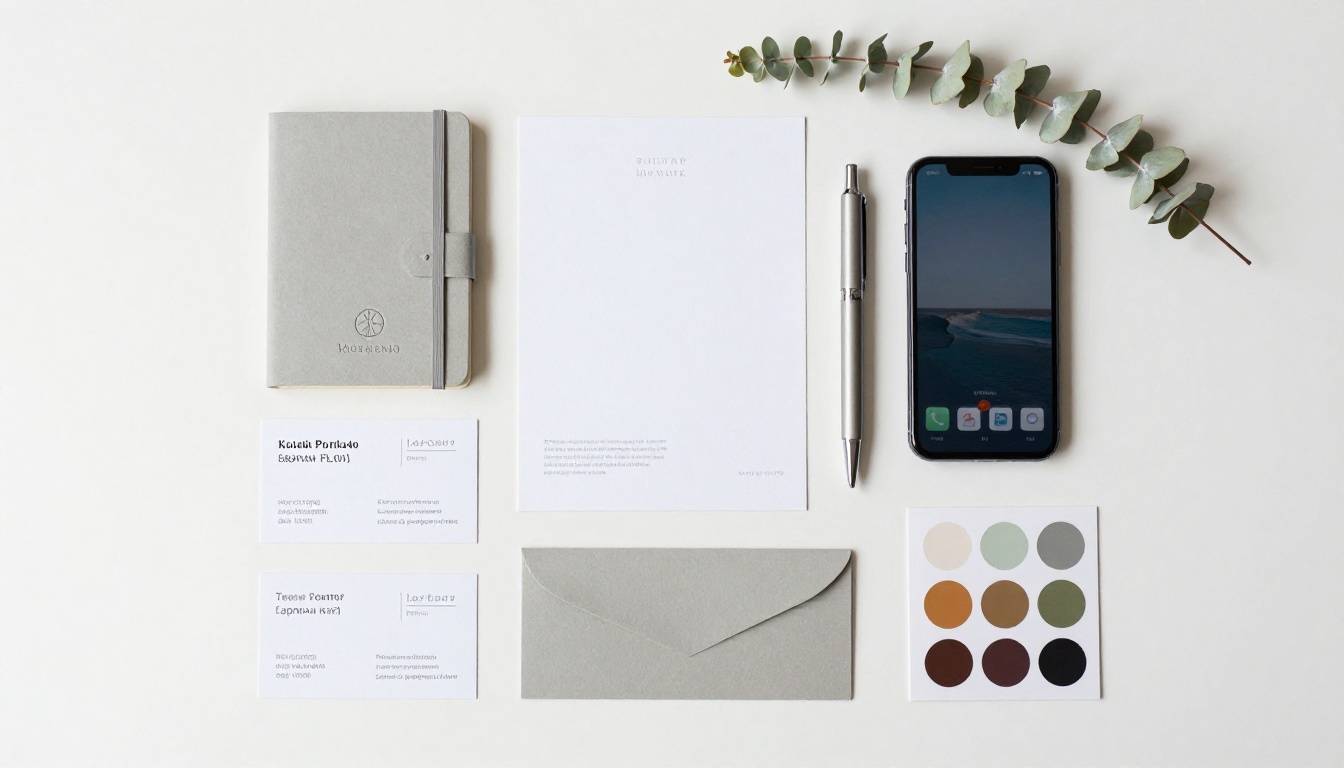
Brand color consistency in photography doesn't mean everything needs to match your brand color. It means the images feel like they belong to the same visual family. This happens through consistent background palette (white marble, raw linen, dark concrete), consistent subject color temperature (warm neutrals, cool pastels, saturated primaries), and consistent post-production feel (desaturated film look versus saturated digital look).
For AI image generation, Qwen Image Edit Plus is particularly useful for color-correcting and harmonizing images after generation, bringing a batch of outputs into a single coherent visual register. Combined with Hunyuan Image 2.1 for 2K output with excellent color science, you have a thorough color consistency workflow that can handle an entire seasonal campaign in one sitting.
💡 Tip: When generating a batch of brand images, use the same seed number across variations within a session when you want to lock in a consistent visual feel. Minor prompt changes with the same seed produce outputs that feel like siblings rather than strangers.
Before vs. After: The Real Difference
| Asset | Without AI | With AI |
|---|
| Product hero shot | $150-$300, 5-7 day turnaround | Generated in 60 seconds, unlimited iterations |
| Lifestyle photo set | $1,500-$4,000 per shoot day | 20 images in one afternoon |
| Executive portraits | $500-$800 per session | Generated to spec, consistent across team |
| Social media content | 2-4 images per week maximum | 20-30 images per day |
| Brand image consistency | Dependent on photographer's style | Built into the repeatable prompt |
| Style updates | New shoot required | Prompt revision, same session |
The math is clear. A small brand running traditional photography for one year spends $15,000-$40,000 on visual content. The same brand using AI image generation on PicassoIA spends a fraction of that, with higher volume, faster output, and stronger consistency. The images produced at the top end of current models are indistinguishable from professional photography in digital contexts. For e-commerce, social media, digital advertising, and web use, they perform identically.
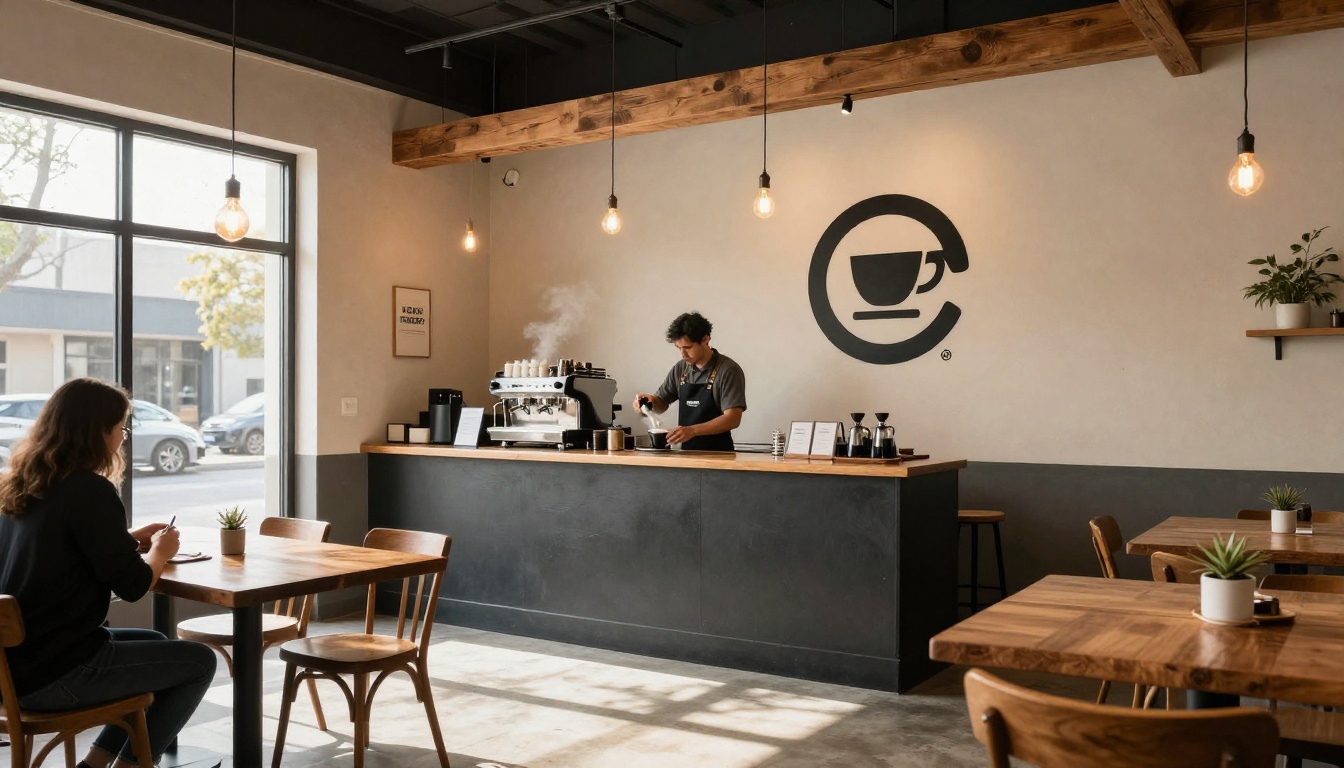
Beyond the cost comparison, there's a strategic advantage that doesn't appear in any spreadsheet: speed. A brand that can respond to a cultural moment with on-brand imagery within hours, rather than weeks, operates in a different competitive league. AI generation makes that speed possible for any brand, at any scale.
Your Brand's Visual Identity Starts Here
The brands that look big don't always have bigger budgets. They have better systems. AI image generation is the system that levels the playing field, giving a solo founder the same visual output capacity as a brand with a dedicated creative team.
PicassoIA brings together over 90 text-to-image models in one platform, from GPT Image 2 for precision prompting, to Seedream 4.5 for 4K photorealistic output, to PicassoIA Image for unlimited high-volume generation. You can produce hero images, product shots, lifestyle photography, and social content all in one place, at the quality level your brand deserves.
Start with one image today. Write the prompt with the specificity it deserves. See what your brand looks like when the visuals match the vision. Then scale from there, one image at a time, building the library that makes your brand look like it's been around for decades.
Browse all available models at picassoia.com/en/all-models and start building the visual identity your brand was always meant to have.


