Kling 2.6 Pro vs Wan 2.6: Which AI Model Wins for Adult Videos
A head-to-head breakdown of Kling 2.6 Pro and Wan 2.6 for adult AI video generation, comparing realism, motion quality, body accuracy, skin texture, prompt fidelity, and speed to help you choose the right model for your content workflow.
If you create adult AI content, you already know that not all video models are built the same. Kling v2.6 and Wan 2.6 T2V sit at the top of that conversation right now, and choosing the wrong one costs you time, tokens, and results that just don't land. This is a direct, no-filler breakdown of both models, how they perform on suggestive and NSFW-style scenes, and which one you should be running for your specific workflow.
Both models are available today on PicassoIA with no local infrastructure required. The question is not which model exists. The question is which one actually delivers on skin texture, body proportions, motion fluidity, and prompt fidelity when you're working with sensitive, suggestive, or adult creative content.
Two Models, One Real Fight
These are not equal competitors built from the same design philosophy. Kling 2.6 Pro and Wan 2.6 have genuinely different strengths, and understanding that gap changes how you use them.
What Kling 2.6 Pro Actually Is
Kling v2.6 is Kuaishou's flagship cinematic video generation model. It runs a high-budget inference pipeline built around photorealistic character rendering, temporal consistency, and motion physics simulation. The training dataset skews heavily toward real-world cinematography, which gives it a natural advantage when realism is the goal.
For adult content specifically, what this means in practice:
Character coherence: Kling 2.6 Pro keeps the same face, skin tone, and body proportions across every frame without drift.
Fluid motion: Limb movement, fabric physics, and hair behave as if governed by actual physical laws.
Lighting continuity: Shadow and highlight relationships remain consistent as characters move through changing light environments.
The model also powers Kling v2.6 Motion Control, which lets you direct movement patterns using reference inputs. This is particularly valuable when you want precise choreography in your scenes.
What Wan 2.6 Brings to the Table
Wan 2.6 is Alibaba's open-architecture video model, available in text-to-video and image-to-video variants. The open architecture means an active community has built extensive prompt engineering libraries around its behavior, giving you more documentation to work from than with proprietary models.
Wan 2.6's core strengths differ from Kling's:
Prompt interpretation depth: It reads complex, layered descriptions and attempts to honor every element simultaneously.
Stylistic range: It handles a wider visual spectrum from hyperrealistic to stylized.
Image-to-video flexibility: The Wan 2.6 I2V pipeline is strong for animating static reference images into suggestive scenes.
💡 Tip: If you're working with a specific character design, start with Wan 2.6's I2V mode. Upload a reference image and let the model animate from it. Results preserve more of your original intent than pure text prompting.
Skin Texture and Motion Realism
This is where the real gap shows. When generating adult or suggestive content, skin texture and movement naturalness are the two metrics that separate a convincing scene from something that reads as artificial.
How Kling 2.6 Pro Handles Skin Texture
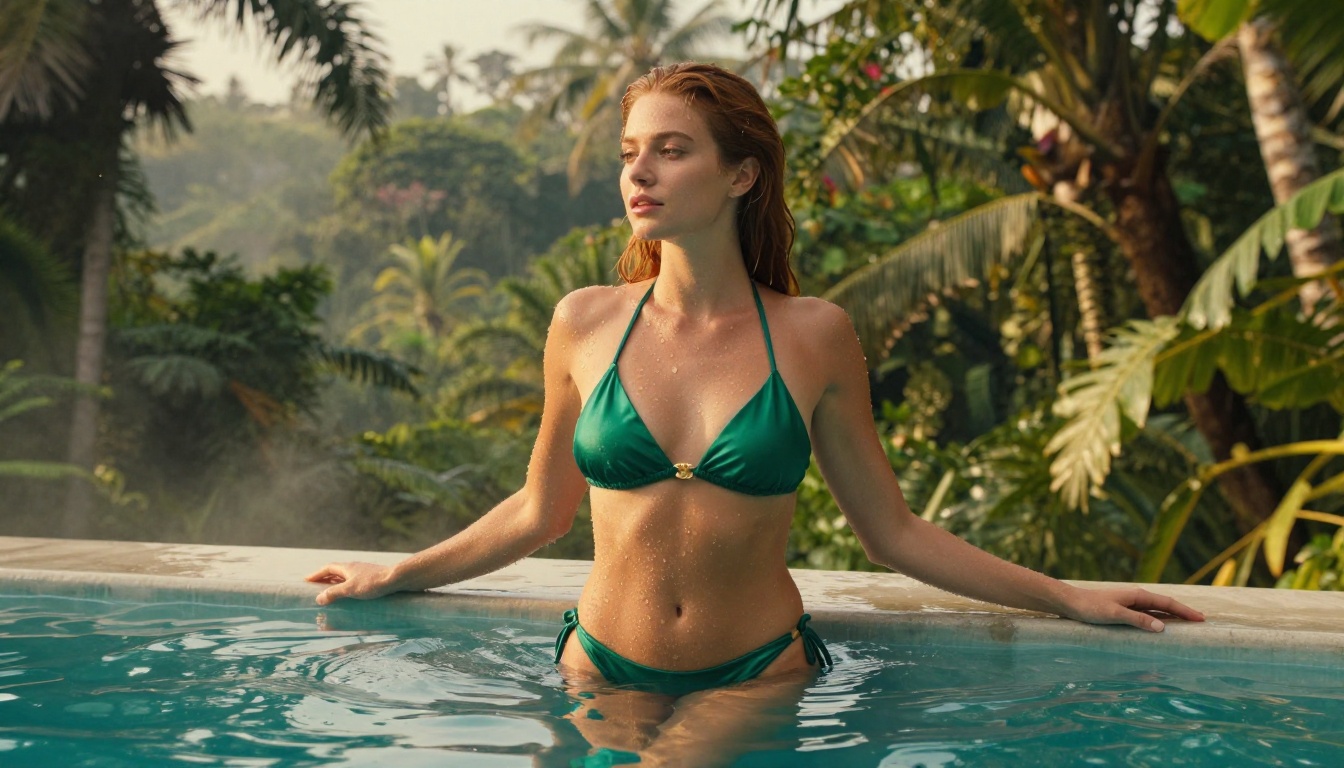
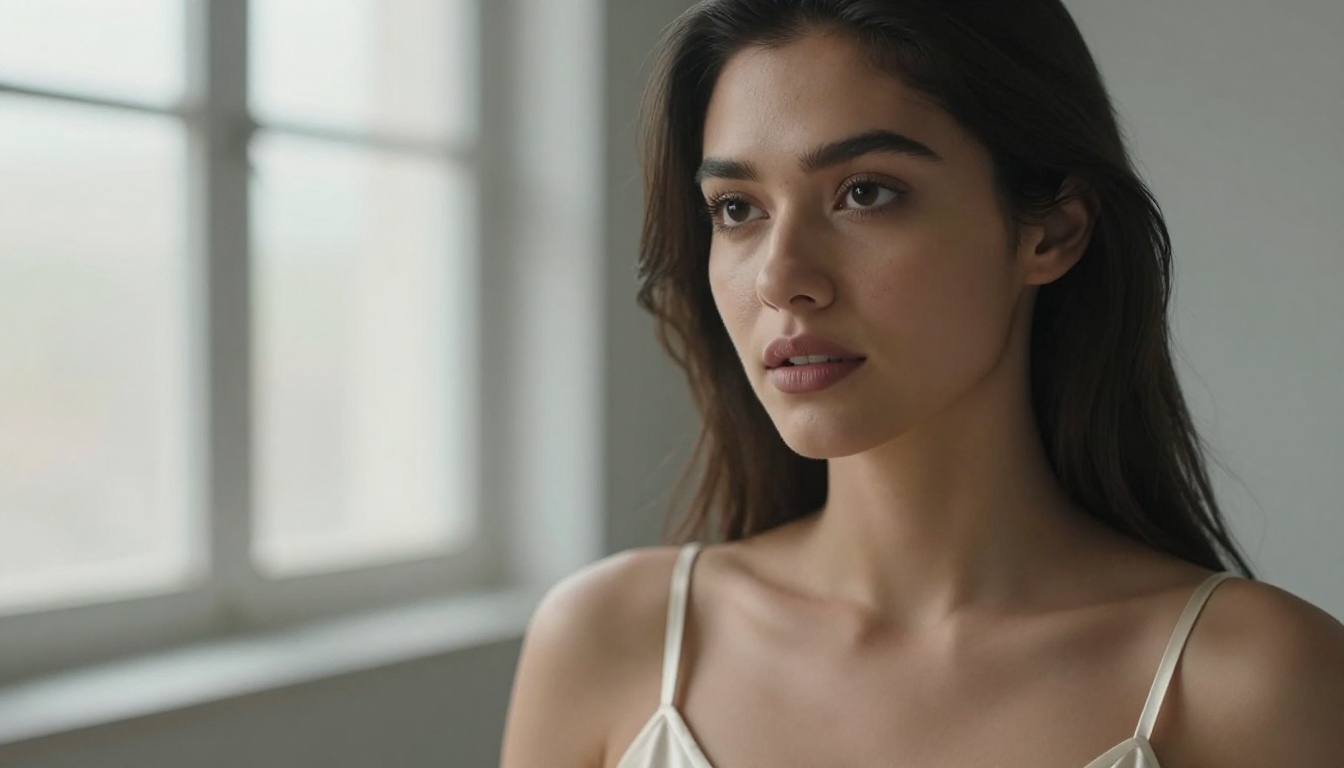
Kling 2.6 Pro renders skin with what can only be described as obsessive detail. Pore-level texture, subtle imperfections, the way light catches the ridge of a collarbone or reflects off a slightly moist shoulder, all of these appear without needing explicit prompting. The model understands lighting physics from its cinematography training, so a character moving from shadow into sunlight shows realistic skin tone shifts, subsurface scattering, and appropriate highlight placement.
For adult content, this translates to scenes that feel genuinely intimate rather than digitally constructed. Motion is equally strong. When a character reaches, turns, or reclines, the body mechanics feel anatomically grounded. Arms bend correctly. Torsos don't stretch implausibly. Proportions stay stable between cuts.
Wan 2.6 Body Accuracy and Motion
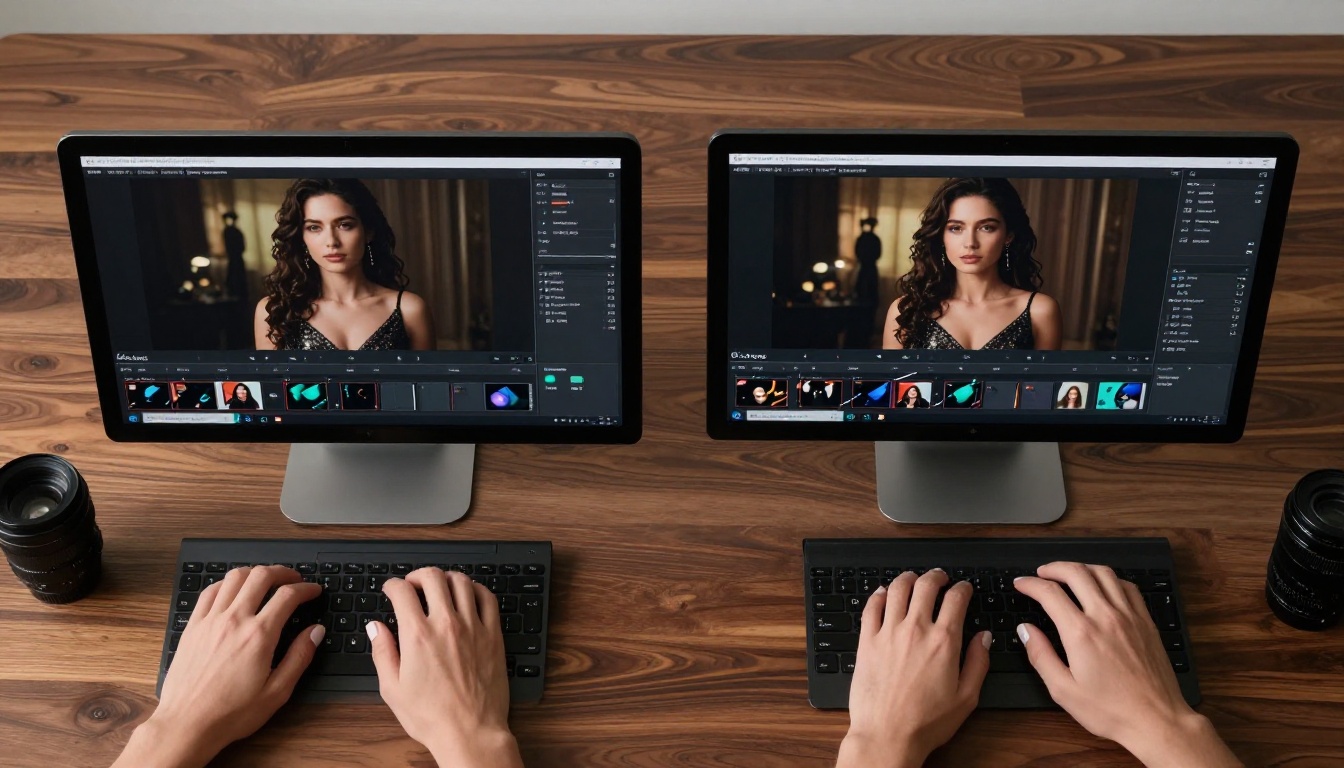
Wan 2.6 is competitive but shows more variability. On well-structured prompts, the skin rendering is comparable to Kling. On complex poses or tight camera distances, it produces occasional texture inconsistencies that break immersion. Motion in Wan 2.6 tends to be more expressive but less physically grounded, which is a real distinction when your goal is authentic-feeling suggestive content.
Feature
Kling 2.6 Pro
Wan 2.6
Skin texture fidelity
Exceptional
Good, variable
Body proportion stability
Very high
High, occasional drift
Motion physics
Anatomically grounded
Expressive, less grounded
Lighting continuity
Strong
Moderate
Temporal coherence
Excellent
Good
Prompt Accuracy for Adult Scenes
Both models understand suggestive language. How they interpret and execute it differs substantially, and understanding that difference will save you significant iteration time.
Kling 2.6 Pro Prompt Following
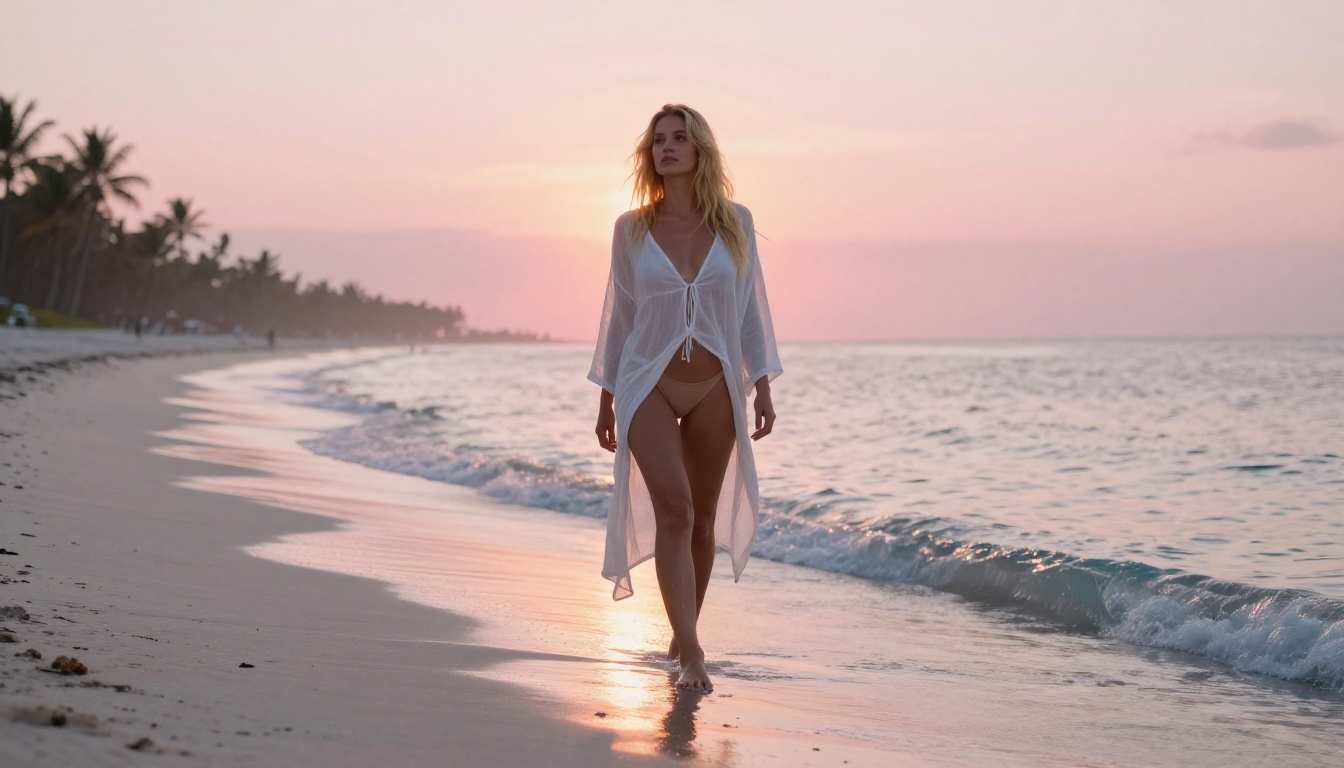
Kling 2.6 Pro prioritizes visual quality over literal prompt execution when the two conflict. In practice, suggestive content is rendered artistically and tastefully even when prompts push toward more explicit territory. The model fills in aesthetic gaps intelligently: appropriate wardrobe, setting coherence, atmospheric mood. Complex scene descriptions with multiple characters, objects, and lighting conditions are executed with high fidelity.
For adult content creators working on platforms with content policies, Kling's conservatism is actually a feature. You get beautiful, suggestive, visually rich output that stays within bounds without requiring constant manual review.
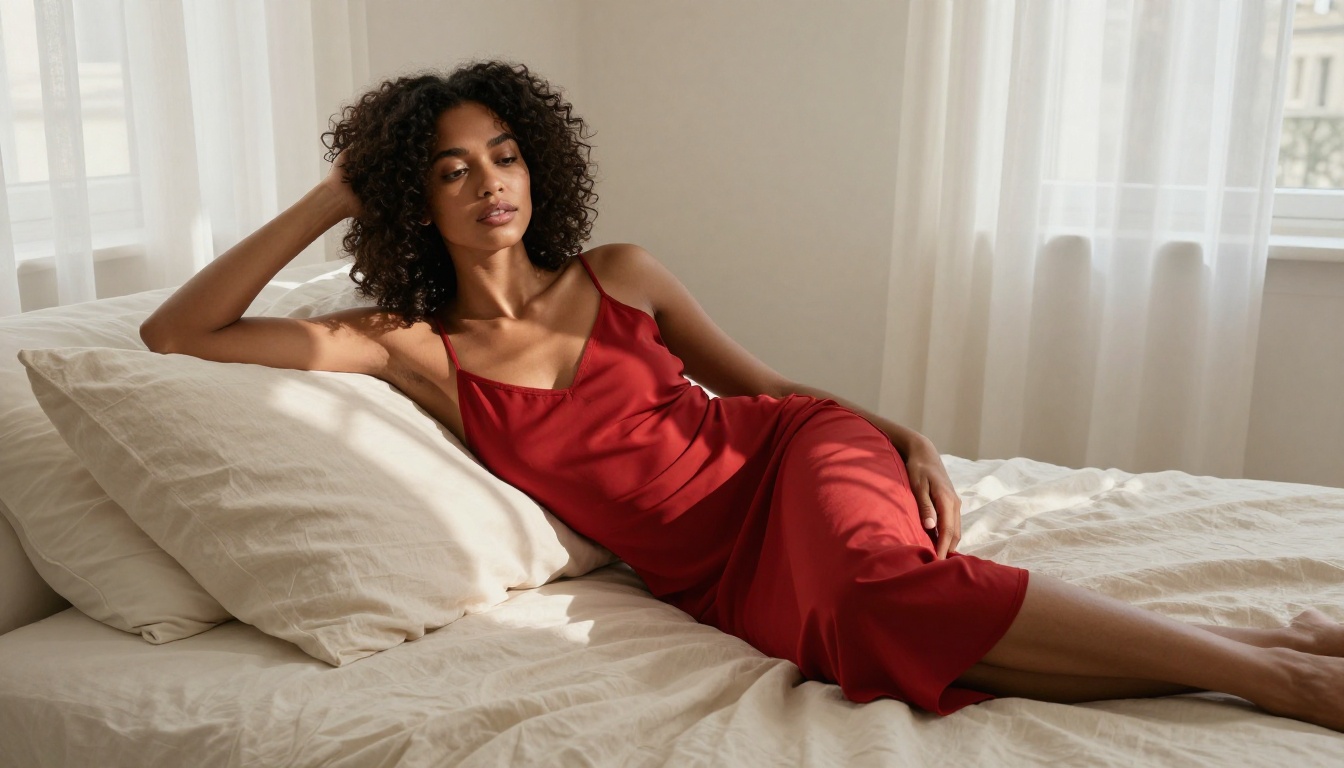
Example: "A confident woman in a satin slip dress reclining on white linen bedsheets in a Parisian apartment, morning light filtering through sheer curtains, shot from a slightly elevated angle, Fujifilm film grain, intimate and tasteful atmosphere."
Wan 2.6 Scene Interpretation
Wan 2.6 interprets prompts more literally. Where Kling might soften a directive, Wan attempts to execute exactly what was written. This is a double-edged characteristic:
Pro: More faithful to specific wardrobe, pose, and scenario details you include.
Con: When prompts are vague, Wan produces unexpected or generic results.
The Wan 2.6 I2V Flash variant handles prompt interpretation at high speed with slightly reduced fidelity. For rapid prototyping of scene concepts, use it before committing to a full-quality Wan 2.6 render.
💡 Tip: With Wan 2.6, specificity is everything. Include clothing material, lighting angle, character expression, and environmental detail in every prompt. Vague prompts produce generic results.
Speed vs. Quality: What Matters
Generation speed shapes your creative workflow as much as output quality. If you're producing content at volume, the time cost of each render directly impacts what you can ship.
Generation Time in Real Use
Kling 2.6 Pro is slower. The Pro inference pipeline runs more diffusion steps, which means longer wait times per generation. In exchange, you get output that requires fewer retries because the quality floor is higher. Wan 2.6, especially Fast variants, generates significantly faster. If you're testing concepts, iterating on character designs, or producing content at scale, Wan's speed advantage is real.
When to Pick Quality Over Speed
The answer depends on your distribution context:
Premium content (subscription platforms, featured posts, portfolio): Use Kling 2.6 Pro. The quality difference is visible at this level.
Volume content (daily posts, watermarked previews, bulk batches): Wan 2.6 Fast variants are the better call.
Character-based series (recurring characters across multiple videos): Kling 2.6 Pro's consistency is worth the longer generation time.
Kling v2.6 is accessible directly from PicassoIA's text-to-video collection with no local setup required. Here's how to get the best results for adult and suggestive content.
Film style: "35mm film grain," "Kodak Portra 400 tones," "cinematic shallow depth of field"
Avoid evaluative adjectives like "sexy" or "beautiful." Kling responds better to precise visual descriptors. Replace "sexy pose" with "reclining on her side, one arm raised, expression relaxed and confident."
How to Use Wan 2.6 on PicassoIA
Wan 2.6 comes in two primary modes on PicassoIA. Knowing when to use each one makes a material difference in output quality.
T2V vs I2V Mode for Adult Content
Text-to-Video (Wan 2.6 T2V): Best for generating from scratch when you have no reference image. Effective for scenes where character design can be established entirely through text description.
Image-to-Video (Wan 2.6 I2V): Best when you have a specific character, pose, or composition you want animated. Generate a high-quality reference image first using PicassoIA's text-to-image tools, then upload it to Wan 2.6 I2V and describe the motion you want applied.
For adult content, the I2V workflow often produces superior results because:
Character identity is locked from the reference image.
Skin tone, hair texture, and wardrobe are preserved exactly.
You can iterate on motion without losing character consistency across generations.
Wan 2.6 Parameter Tips
Inference steps: Higher steps improve quality but add generation time. Use maximum steps for final renders.
Guidance scale: A value between 7 and 9 gives good prompt adherence without over-saturating colors.
Seed: Lock your seed when iterating on a scene. This keeps the character stable while only the motion changes.
Negative prompt: Use it aggressively. Add "blurry," "distorted anatomy," "cartoon style," "artificial skin texture" to prevent the most common failure modes.
Side-by-Side: Which One Wins
After running both models across multiple adult content scenarios, including solo scenes, suggestive poses, intimate environments, and animated character sequences, the picture is clear.
Where Kling 2.6 Pro Wins
Skin texture and micro-detail: Consistently more photorealistic at close camera distances.
Temporal coherence: Characters stay visually identical frame to frame with no drift.
Lighting physics: Subsurface scattering, shadow behavior, and highlight placement are more convincing.
Premium single-scene output: When quality matters more than speed, Kling wins decisively.
Character series: Consistency across multiple renders makes it ideal for recurring character content.
Where Wan 2.6 Wins
Speed: Faster generation across all variants, especially Flash versions.
Image animation: The I2V pipeline outperforms Kling for animating reference images.
Volume workflows: For high-output content strategies, Wan produces strong results fast.
Prompt literalness: When you need the model to execute exactly what you described.
Open architecture: More community prompt libraries and workflow templates available.
The Final Pick
For premium, high-fidelity adult content: Kling v2.6 is the stronger model. The quality gap is visible and meaningful when your audience expects cinematic realism.
For speed, volume, and I2V workflows: Wan 2.6 is the smarter tool. It covers more use cases faster, and the I2V mode gives you character control that pure text prompting cannot match.
For most creators, the real answer is to use both. Run Kling for final outputs on your highest-visibility content. Run Wan for testing, iteration, and volume production.
💡 Pro workflow: Generate a high-quality static image first using PicassoIA's text-to-image collection to establish your character. Animate it with Wan 2.6 I2V to confirm the scene concept. Then recreate it in full cinematic quality with Kling 2.6 Pro for your final output.
Stop Comparing, Start Creating
Reading comparisons gets you 80% of the way there. The remaining 20% comes from running both models on your actual prompts, with your specific content style, for your specific audience.
Both Kling v2.6 and Wan 2.6 are live on PicassoIA right now. No local GPU setup. No complex API configuration. Open the model, write your prompt, and see results in minutes. PicassoIA's collection includes over 87 text-to-video models, so if neither Kling nor Wan fits your exact workflow, you have options including Wan 2.6 I2V Flash for rapid image animation and Kling v2.6 Motion Control for precision choreography.
The best adult AI video you will ever create is the one you actually run today. Both models are ready. Pick one and start.