The text-to-image space moved fast in 2025, and two names keep appearing in the same breath: Lucid Origin Ultra and Midjourney v7. Both promise photorealistic output, both claim superior prompt accuracy, and both are fighting for the same audience of photographers, designers, and content creators who want results they can actually use. This article puts both through real-world tests across the dimensions that matter most: image quality, prompt fidelity, photorealism, speed, and creative range. By the end, you will know exactly which model fits your workflow.
What These Two Models Actually Do
Before comparing outputs, it helps to understand what each model was built for and where its priorities sit.
Lucid Origin Ultra: a Photorealistic-First Approach
Lucid Origin Ultra positions itself as a photorealistic-first generator. The architecture is optimized specifically for natural lighting simulation, realistic skin rendering, and high-frequency texture detail. It targets creators who need images that look like they came from a camera, not a render farm. The output tends toward neutral, documentary-style realism rather than stylized aesthetics, and its handling of complex lighting conditions is noticeably stronger than most competitors in this class.
Midjourney v7: the Established Standard
Midjourney v7 builds on years of iterative training and community feedback. The model has a distinct visual language: rich color grading, strong compositional bias, and outputs that feel curated rather than raw. Version 7 brought significant improvements in hand rendering, multi-subject coherence, and text legibility within images. It remains the benchmark that newer models are measured against, not because it is always the best, but because it is the most consistent.
The fundamental difference comes down to this: Origin Ultra leans toward documentary realism, while Midjourney v7 leans toward editorial beauty. That single distinction determines almost every other comparison in this showdown.
Image Quality: Where the Gap Appears
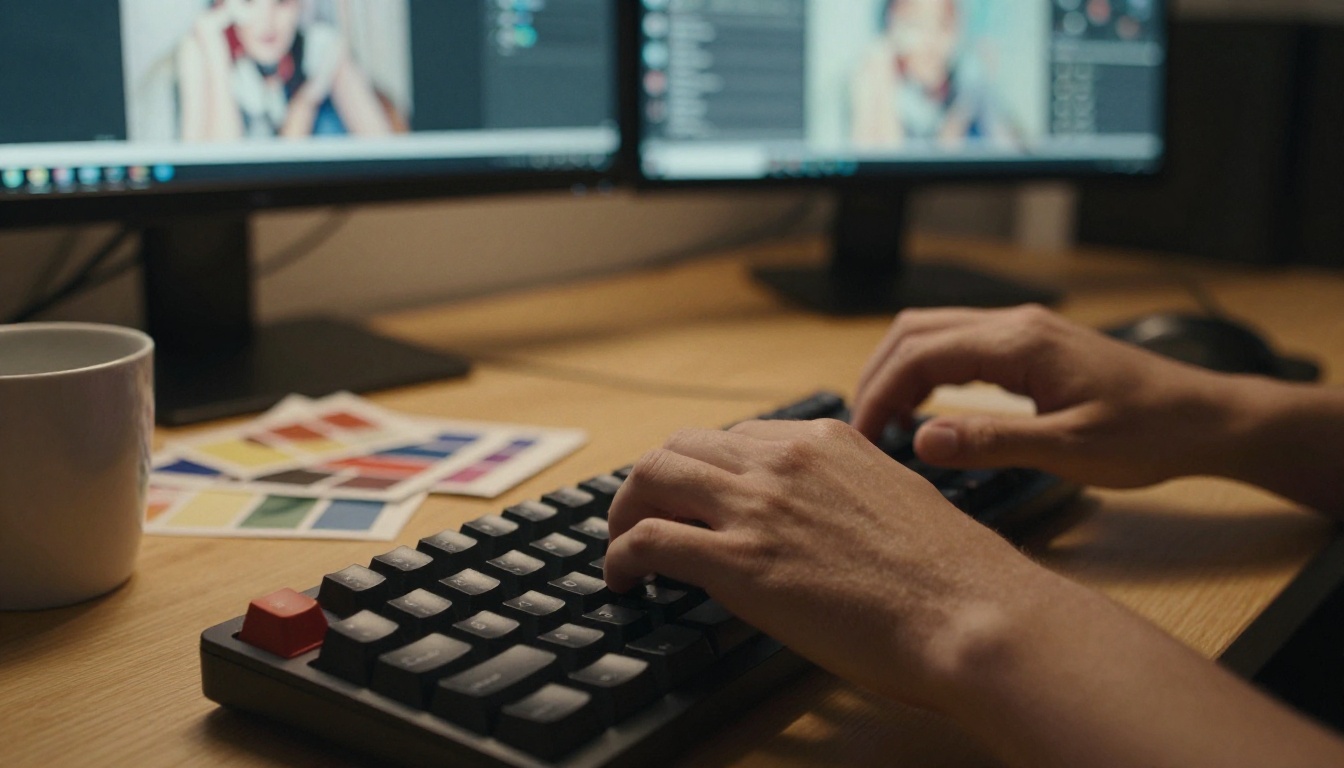
Quality in AI image generation is not a single metric. It breaks down into several distinct properties: sharpness, color fidelity, noise management, and structural coherence.
Portrait Photorealism
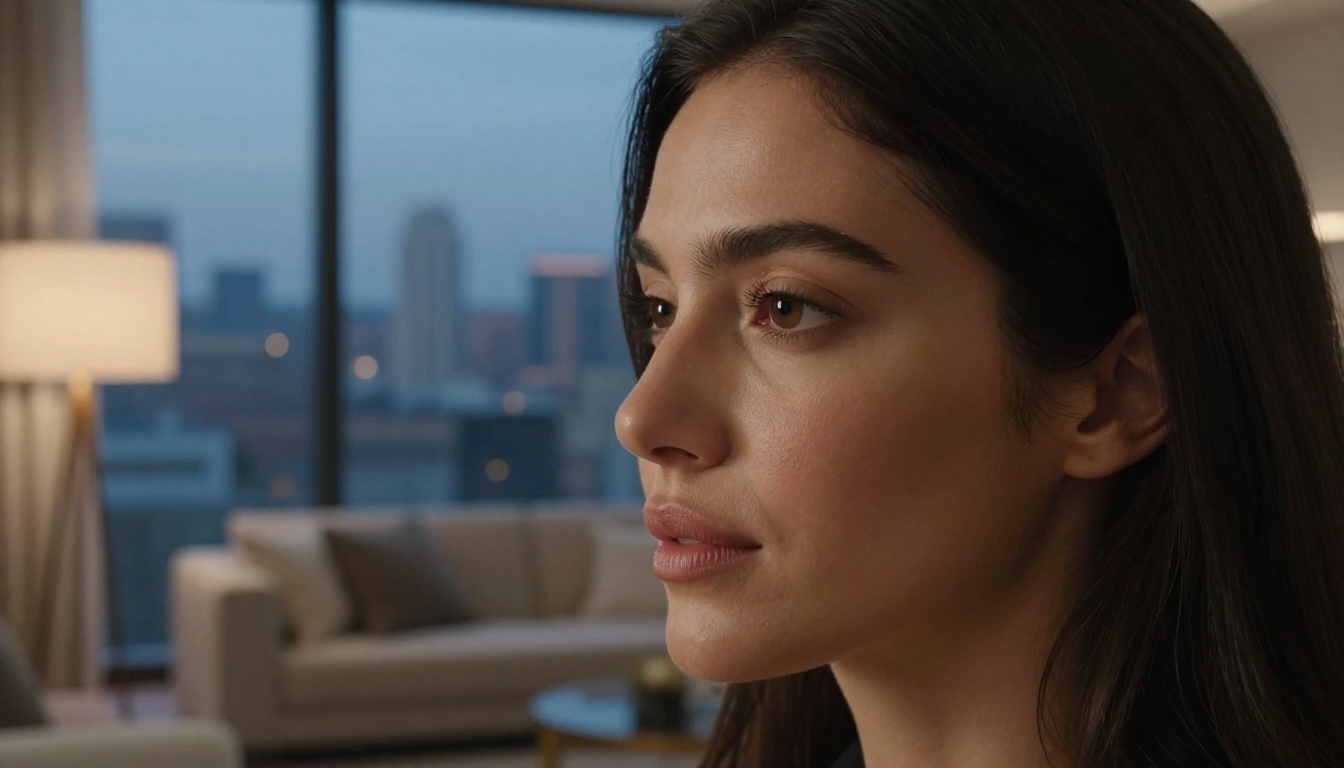
This is where the comparison gets interesting. Lucid Origin Ultra produces skin tones with visible pore-level texture, natural subsurface scattering, and realistic catchlights in eyes without over-sharpening. The result looks like a photograph taken under controlled studio conditions rather than a generated asset.
Midjourney v7 produces portraits that feel more polished. Skin is smoother, lighting more dramatic, and overall composition more intentional. The tradeoff is that it reads as "AI beautiful" rather than "photographically real." Depending on your use case, that can be either a strength or a limitation.
💡 For product photography, editorial work, or any context where "believably real" matters more than "visually impressive," Origin Ultra has a clear edge in portrait rendering.
Background Detail and Depth
Both models handle background depth well, but they approach it differently. Origin Ultra maintains consistent detail across the frame without artificially blurring backgrounds unless explicitly prompted. Midjourney v7 tends to apply more aggressive bokeh simulation and often pushes background elements toward stylized abstraction even in photorealistic prompts.
Prompt Accuracy: Who Follows Instructions Better
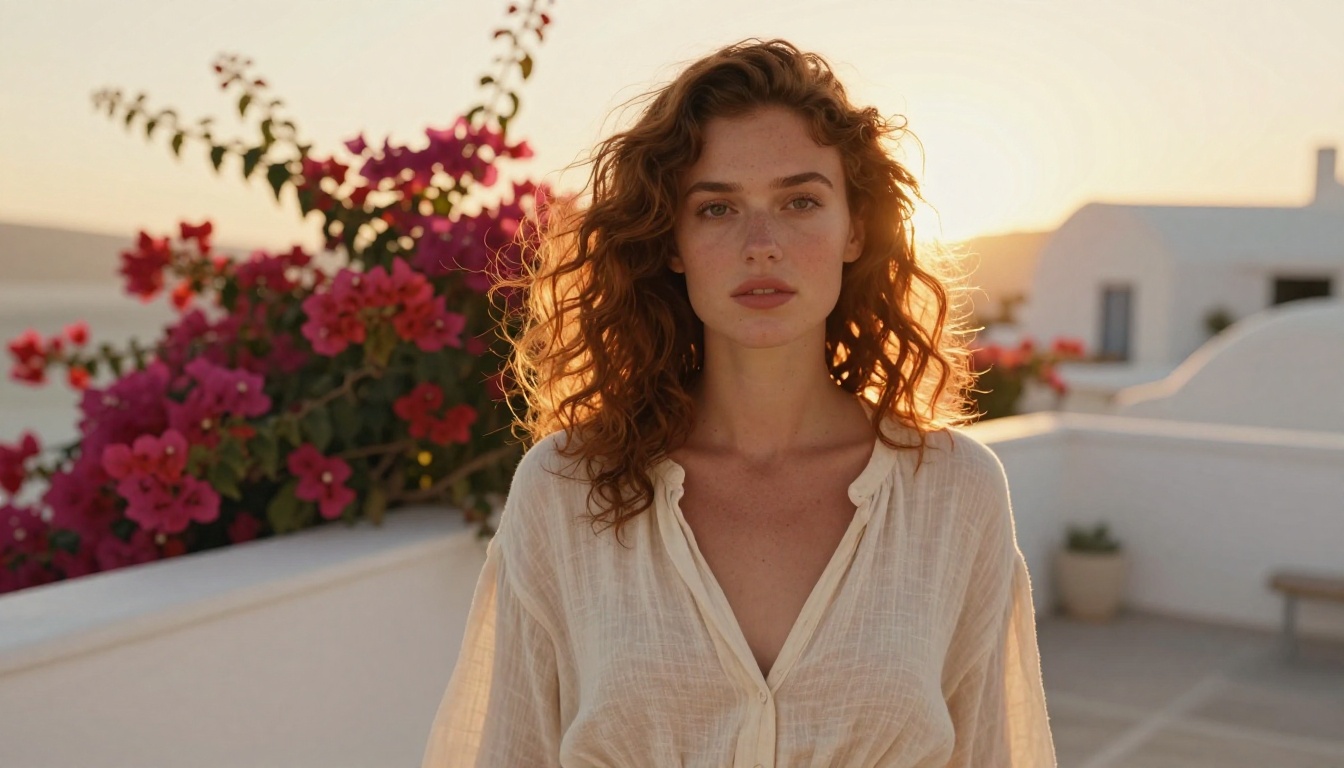
Prompt accuracy is arguably the most practical metric in this comparison. A beautiful image that ignores half your prompt is useless in a production workflow.
Text Prompt Interpretation
Midjourney v7 is strong at interpreting abstract and conceptual prompts. Ask it for "melancholy expressed through color and composition" and it delivers something evocative. Ask it for "a woman in a red dress standing next to a blue motorcycle in a parking lot" and it occasionally gets the motorcycle wrong, the color wrong, or drops one element entirely.
Lucid Origin Ultra handles descriptive, detail-heavy prompts with higher fidelity. It follows explicit instructions about colors, positions, and props more reliably. This makes it a better fit for commercial workflows where the brief is specific and non-negotiable.
Multi-Subject Scenes
Both models struggle with multi-subject scenes at times, which is an industry-wide limitation rather than a flaw specific to either. However, Origin Ultra shows more consistent spatial logic when prompting for two or more subjects in a scene. Midjourney v7 occasionally merges subjects or distorts scale relationships in ways that require multiple retries to resolve.
Negative Prompt Handling
Midjourney v7's approach to negative prompts is less granular than dedicated negative-prompt systems. Origin Ultra shows better responsiveness to what you explicitly want excluded from an image, making it more predictable in constrained commercial scenarios.
| Feature | Lucid Origin Ultra | Midjourney v7 |
|---|
| Literal prompt accuracy | Excellent | Good |
| Abstract concept rendering | Good | Excellent |
| Multi-subject coherence | Strong | Moderate |
| Negative prompt response | Strong | Limited |
| Color fidelity | High | Stylized |
Speed and Output Consistency
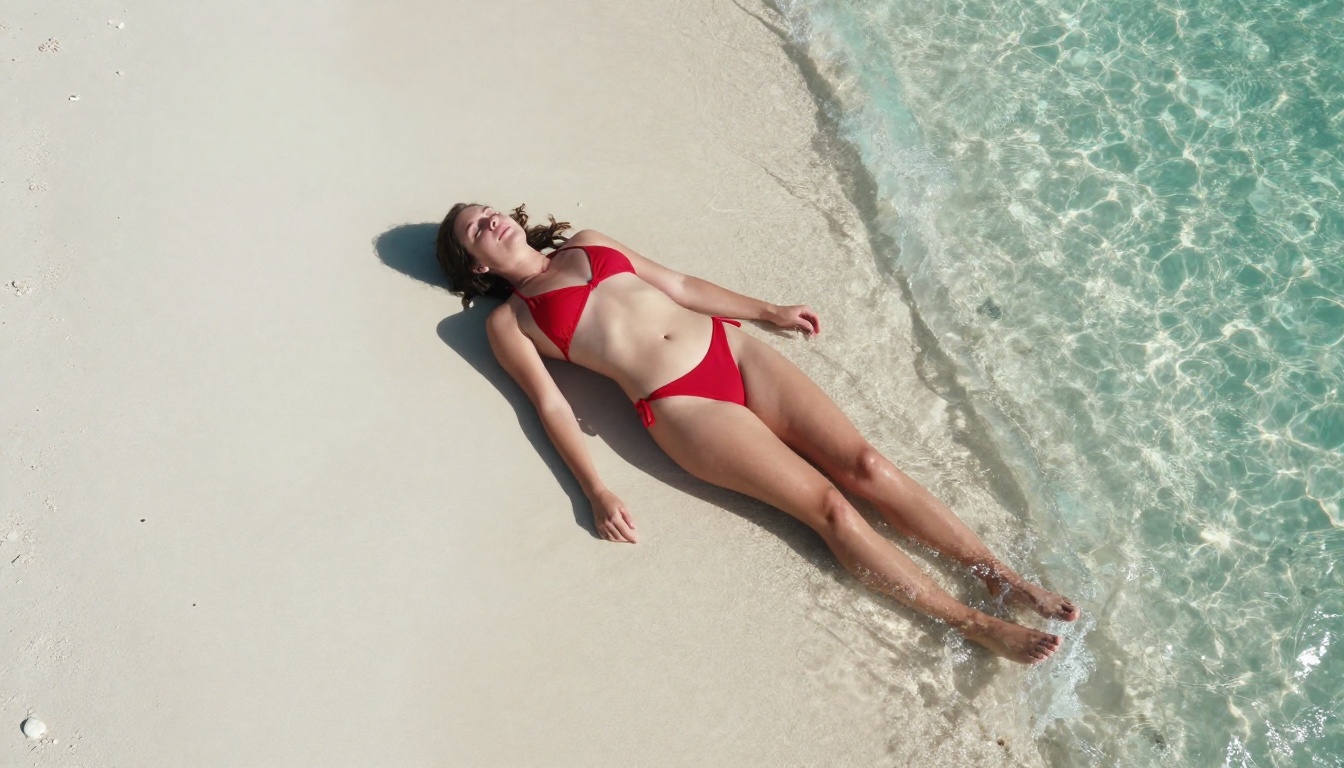
Generation Speed
Midjourney v7 via its web interface typically delivers results in 30 to 90 seconds for standard quality, with fast mode reducing that significantly. Lucid Origin Ultra's generation speed varies by platform but is generally comparable in the 30 to 60 second range for standard outputs.
Neither model is particularly fast by 2027 standards. If raw generation speed is critical, both fall behind models like Seedream 4.5 or Wan 2.7 Image Pro, which produce 4K outputs in a fraction of the time while maintaining strong photorealistic quality.
Batch Consistency
Midjourney v7's biggest practical advantage is batch consistency. Running the same prompt four times produces four variations with strong coherence in style, quality, and tonal range. Lucid Origin Ultra shows more variance between runs, which can be a feature (more creative range per prompt) or a problem (unpredictable outputs in client-facing workflows).
Photorealism: Skin, Hair, and Fabric
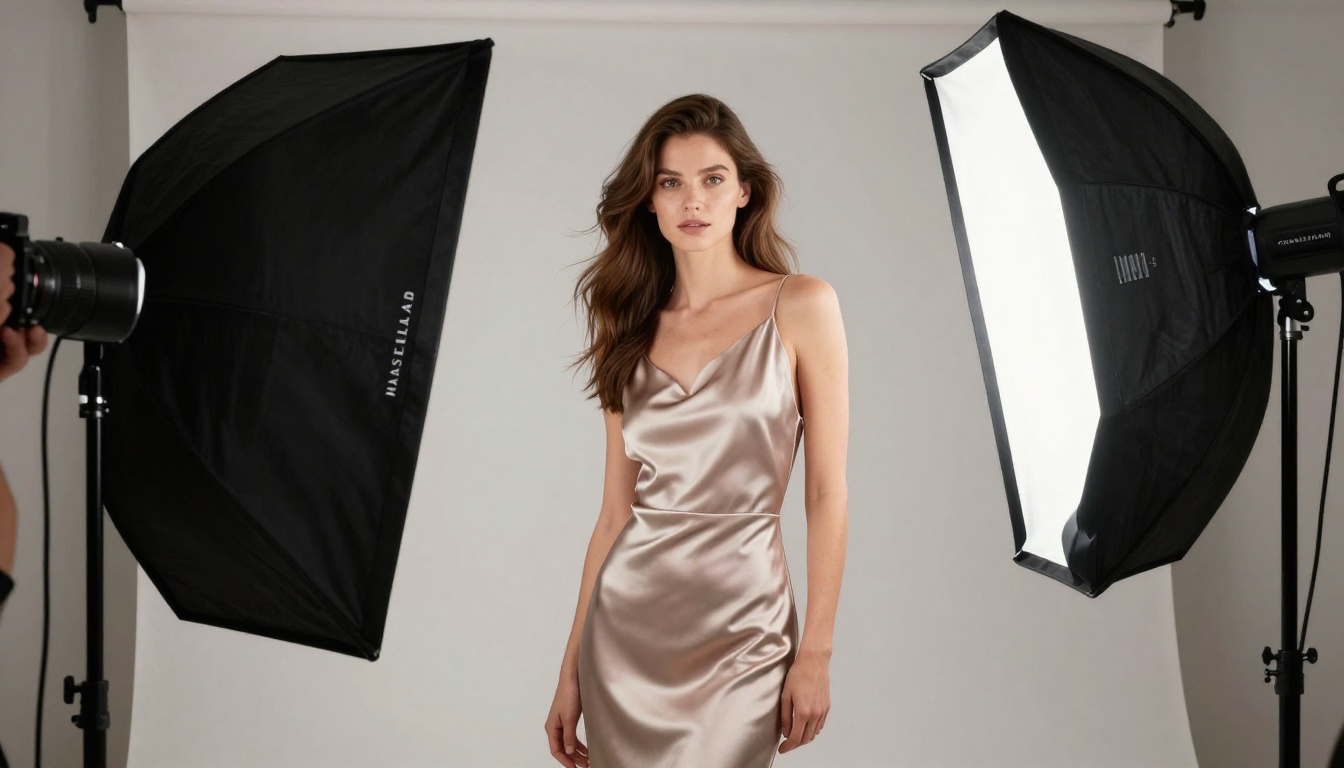
The photorealism battle comes down to three specific areas where AI models still differentiate themselves significantly from one another and from real photography.
Skin Texture and Pore Detail
Lucid Origin Ultra wins this category. The model renders subsurface scattering, micro-texture, and natural imperfections at a level that genuinely closes the gap between AI output and DSLR photography. Close-up portraits show visible pores and natural skin variation without the waxy, over-smoothed appearance that defined earlier generative models.
Midjourney v7 produces beautiful skin, but it often applies what can only be described as a subtle beauty filter. Skin is smooth, evenly lit, and tonally perfect. For fashion and beauty campaigns this works well. For documentary or editorial realism, it can feel over-processed.
Hair Strand Rendering
This has historically been one of the hardest problems in image generation. Both models handle hair well at medium distance. At close range, Origin Ultra maintains strand coherence and natural flow better than Midjourney v7, which occasionally produces hair that looks painted rather than photographed, particularly in high-contrast backlit situations.
Fabric and Material Accuracy
Fabric texture is where Midjourney v7 actually pulls ahead. The model reproduces silk sheen, denim weave, and leather grain with a strong sense of material weight and light interaction. Origin Ultra handles fabric adequately but can sometimes flatten the visual difference between materials at a distance, particularly in mid-toned lighting conditions.
Creative Range and Style Control
Style Flexibility
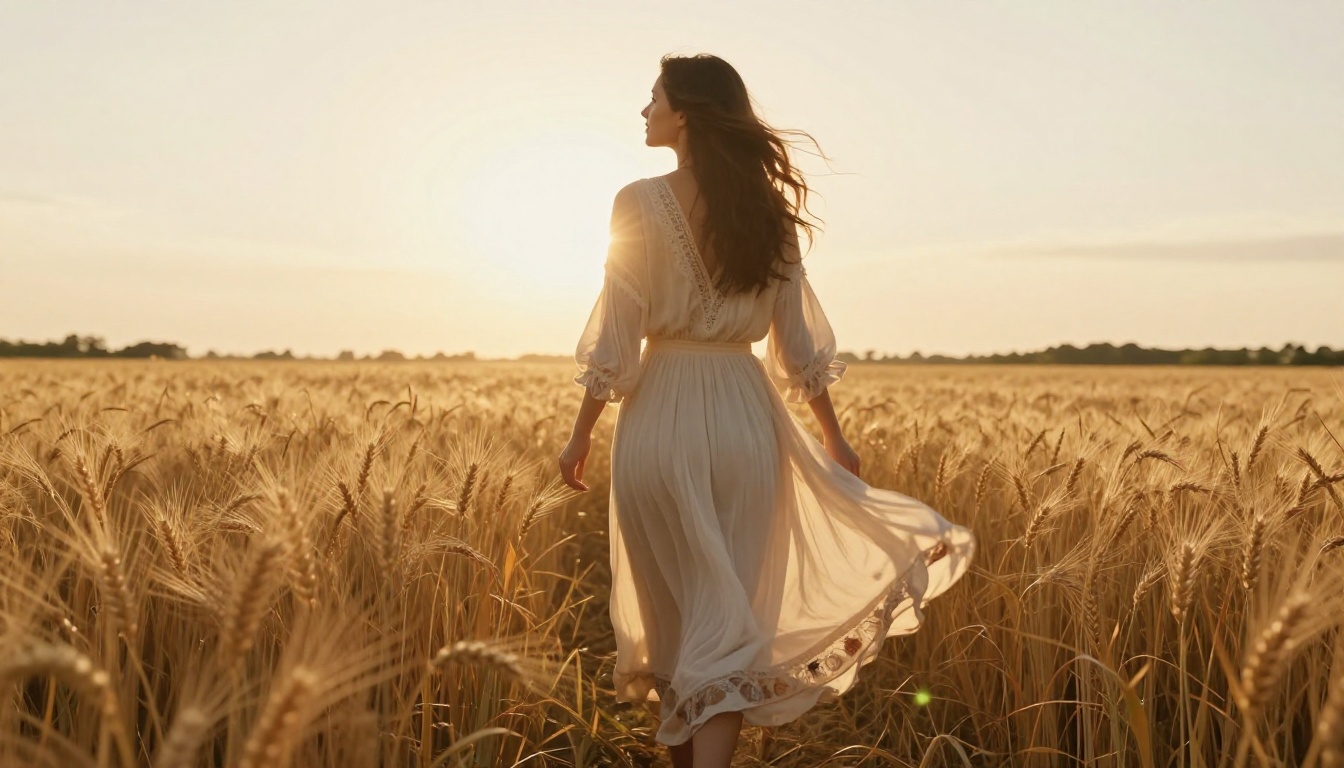
Midjourney v7 has a larger effective style range out of the box. It produces photorealistic outputs, painterly interpretations, architectural renders, and abstract compositions with equal confidence. Origin Ultra's strength is narrower: it excels specifically in photographic realism but produces less convincing results when asked for stylized or artistic outputs.
Artistic and Glamour Content
For creators working in fashion, glamour, or beauty photography, both models deliver usable content. Origin Ultra's approach to natural lighting and body proportions feels closer to real-world photography. Midjourney v7's outputs carry a more cinematic, heavily art-directed quality that suits editorial campaigns and mood boards.
💡 For creators who need fine-grained control over style, LoRA training on platforms like PicassoIA using the P Image Trainer offers a level of personalization that neither base model provides out of the box.
Output Volume Per Prompt
Midjourney v7 produces four variations per prompt by default, encouraging rapid iteration and comparison. Origin Ultra typically returns a single image, which means less context for side-by-side comparison but a more direct workflow for those who prefer precision over volume.
What PicassoIA Offers Instead
Neither Lucid Origin Ultra nor Midjourney v7 operates inside PicassoIA, but the platform offers several models that produce comparable and in some cases superior results, with the added advantage of running everything through a single interface without juggling multiple subscriptions.
Models That Compete at This Level
Flux Redux Dev from Black Forest Labs produces image variations with exceptional style consistency. It performs particularly well for controlled creative workflows where you need variations of an existing reference image. The output quality rivals Midjourney v7 in stylistic richness while offering more direct technical control over the generation process.
Hunyuan Image 2.1 by Tencent generates 2K images with strong photorealistic rendering and excellent multi-subject coherence. For portrait-heavy workflows, it directly competes with what Lucid Origin Ultra offers, with the benefit of faster iteration cycles and native 2K resolution output.
Seedream 4.5 for 4K Output
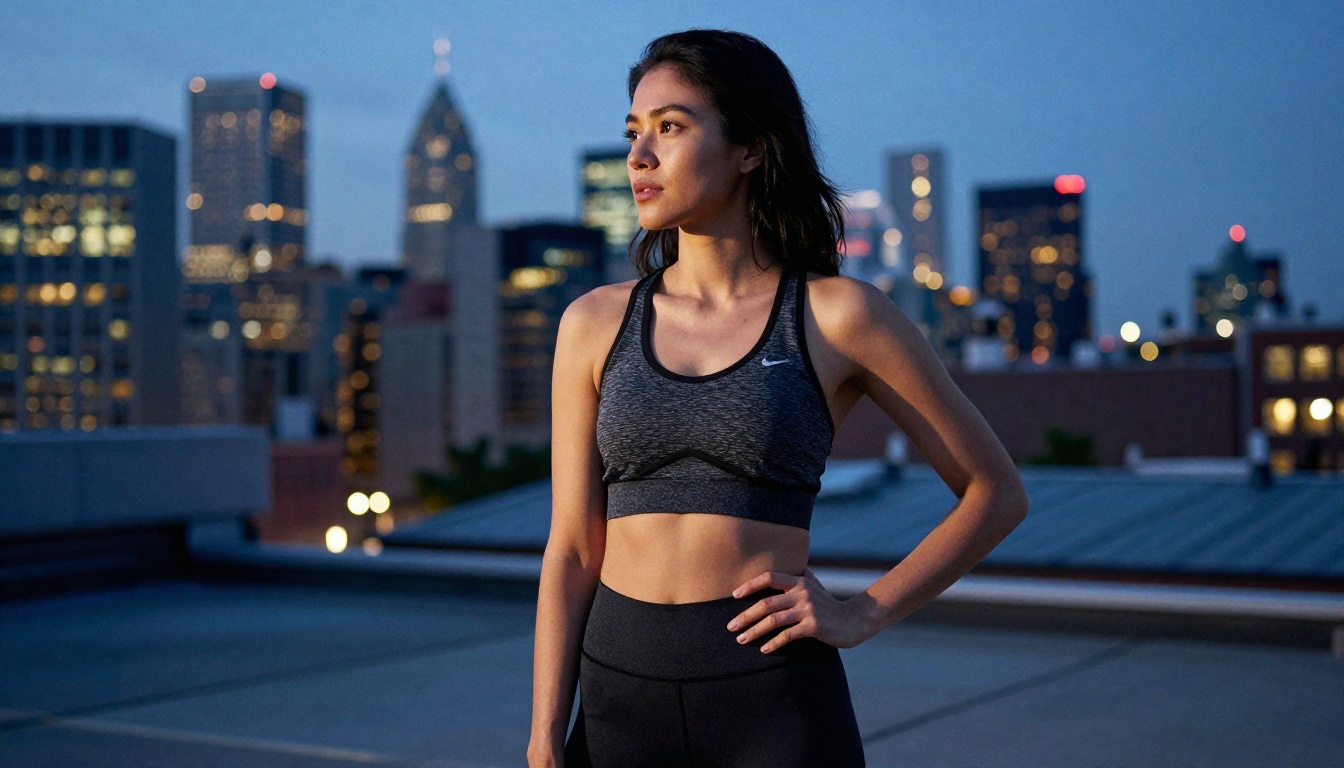
Seedream 4.5 from ByteDance produces 4K images from text with a strong photorealistic bias and fast generation times. If your use case requires the highest resolution outputs, this model delivers at a level that neither Origin Ultra nor Midjourney v7 matches in raw pixel density.
GPT Image 2 for Versatility
GPT Image 2 handles a wide range of prompts with strong literal accuracy, making it a reliable choice for commercial work where the brief is specific and detailed. Its ability to follow complex, multi-element prompts outperforms most base models including Midjourney v7 in structured commercial scenarios.
Wan 2.7 Image Pro for Precision
Wan 2.7 Image Pro generates 4K images with sharp micro-detail and excellent color accuracy. For photographers migrating from traditional stock workflows, this model produces outputs that sit comfortably alongside real photography in terms of believability and resolution.
Which One Actually Wins
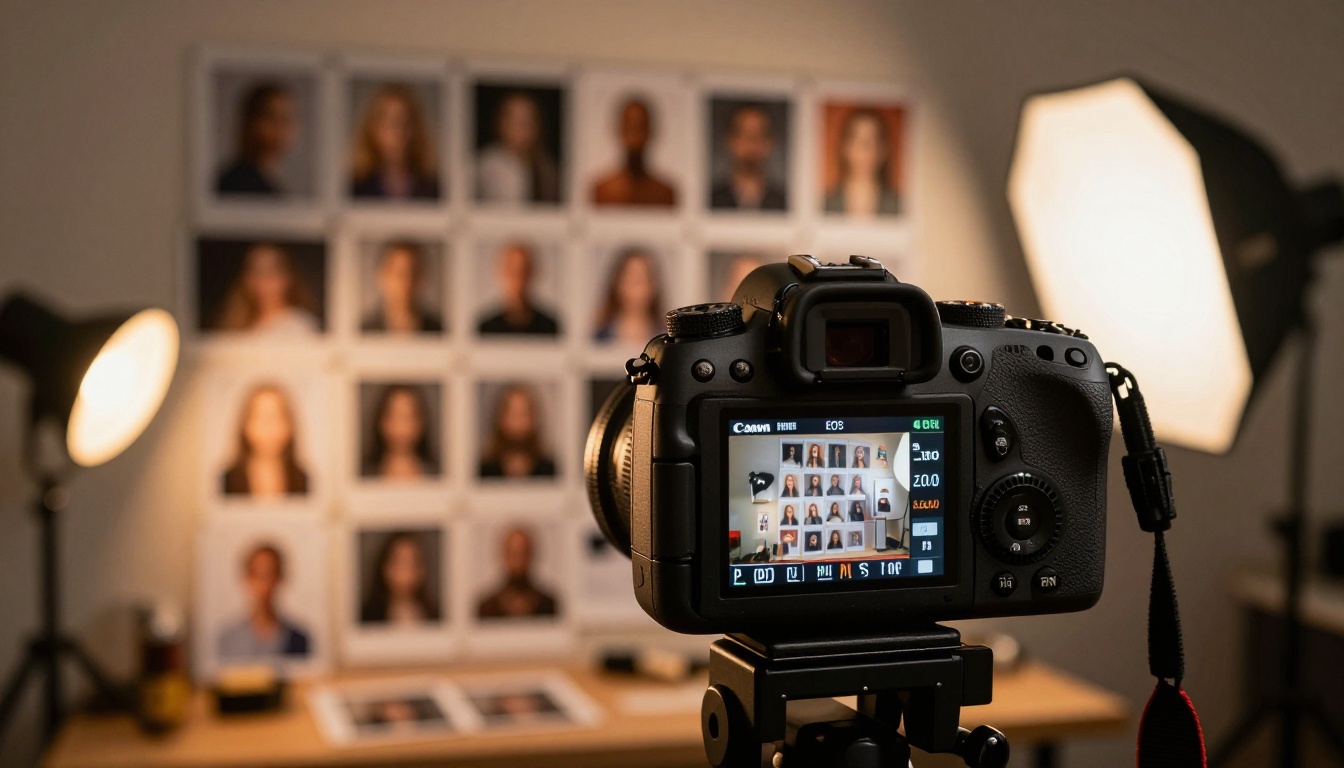
The honest answer depends entirely on what you are trying to produce. There is no universal winner here, only the right tool for the right context.
For Photorealistic Work
Lucid Origin Ultra is the better choice. If you need images that could pass as photographs taken by a human photographer, Origin Ultra's approach to skin texture, natural lighting, and structural accuracy gives it a clear advantage. Product photography, editorial portraits, and documentary-style content all benefit from its realism bias.
For Creative and Artistic Projects
Midjourney v7 is the better choice. Its stronger aesthetic language, wider style range, and better batch consistency make it the right tool for creative campaigns, concept art, and any project where visual impact matters more than documentary accuracy.
For Speed-Critical Workflows
Neither model is the fastest option available in 2027. If generation speed is genuinely critical, the models available on PicassoIA, particularly Seedream 4.5 and Wan 2.7 Image Pro, produce comparable or better results in less time, with the added benefit of 4K native resolution.
| Use Case | Best Choice |
|---|
| Photorealistic portraits | Lucid Origin Ultra |
| Fashion and editorial | Midjourney v7 |
| 4K resolution output | Seedream 4.5 / Wan 2.7 Image Pro |
| Literal prompt accuracy | Lucid Origin Ultra / GPT Image 2 |
| Style variation and iteration | Midjourney v7 |
| Custom style training | P Image Trainer on PicassoIA |
| Multi-model workflow in one place | PicassoIA platform |
Make Your Own Images Right Now
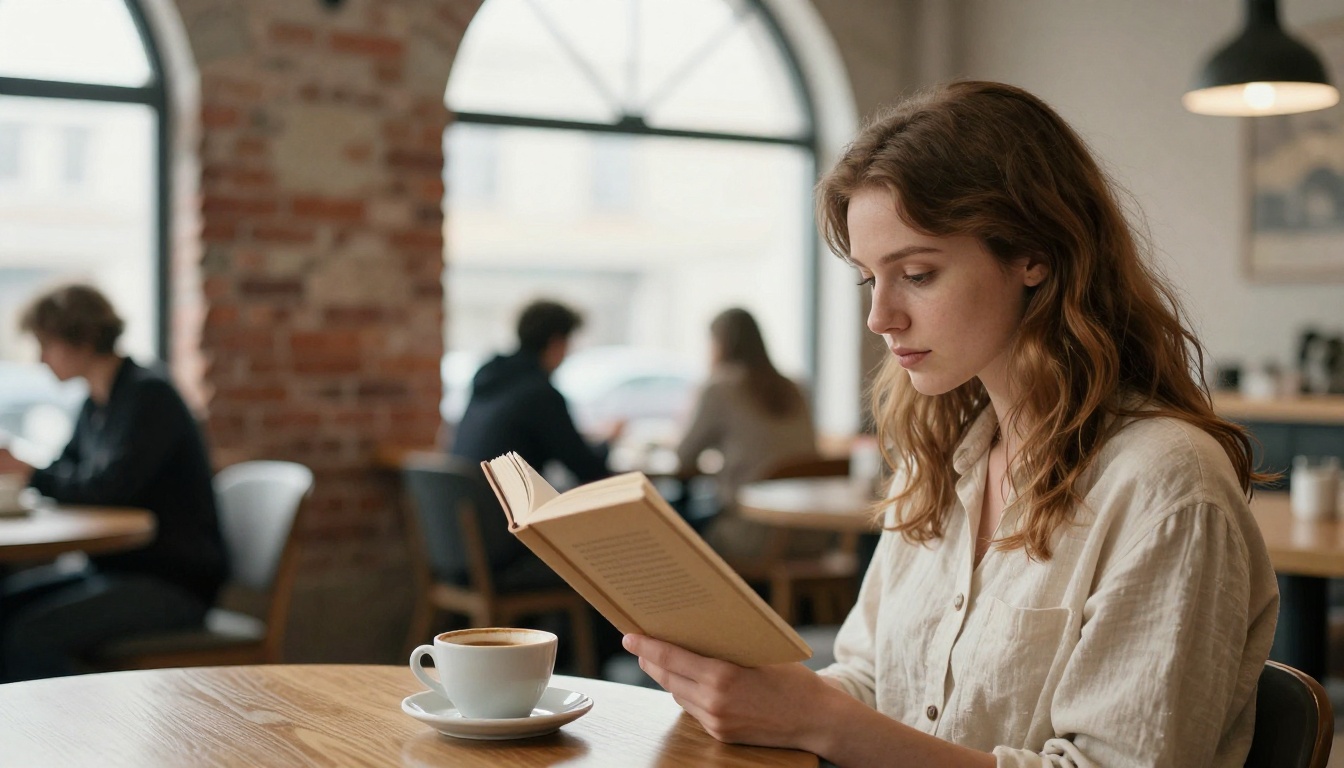
Both Lucid Origin Ultra and Midjourney v7 make strong arguments for their place in a creator's toolkit. But neither gives you access to the full breadth of models, styles, and tools that a purpose-built platform provides, and neither lets you compare outputs across multiple top-tier models in a single session.
PicassoIA brings together over 90 text-to-image models in one place, including Flux Redux Dev, Seedream 4.5, Hunyuan Image 2.1, and GPT Image 2. You can run the same prompt across multiple models and immediately see which output fits your brief without switching platforms or managing separate subscriptions.
If you want to go further, P Image Trainer lets you train a custom LoRA on your own visual style, meaning the model begins learning your specific aesthetic rather than producing generic outputs that look like everyone else's.
The comparison between Origin Ultra and Midjourney v7 matters because it shows how different top-tier AI image models have become, each with distinct strengths and real tradeoffs worth knowing about. The better question is not which one wins in the abstract, but which one fits what you are building right now. Start with that question, pick your model, and start generating.


