Real estate photography has a direct line to the sale price. Listings with professional-quality photos sell faster, command higher offers, and spend fewer days on the market. The problem is that professional photography is expensive, time-consuming, and requires scheduling coordination that rarely fits a busy agent's calendar. That's where Nano Banana Pro for real estate photos is changing the equation. This fine-tuned diffusion model was trained on curated datasets of professional property photography, and it produces results that hold up against traditional shoots in MLS listings, social media, and print marketing.
What Nano Banana Pro Actually Does
Most AI image models absorb the entire internet during training: stock photos, illustrations, product images, social media posts. The result is a model that performs adequately across many categories and exceptionally in none. Nano Banana Pro takes a different approach. Its training data was filtered to include only high-quality, professionally shot real estate photography from premium listing platforms. The model internalized the exact visual conventions that property buyers respond to.
The Training Difference
That specialized training means Nano Banana Pro has absorbed:
- Architectural perspective correction: wide-angle shots without distortion artifacts
- Interior color accuracy: how paint, fabric, and flooring look under mixed natural and artificial light
- Staging conventions: what furniture placement signals an aspirational home to buyers
- Outdoor lighting patterns: how morning versus golden hour affects curb appeal
- MLS-standard framing: the compositions that listing platforms and buyers expect to see
Standard AI models, when given a real estate prompt, often produce images that look attractive but feel "off" to experienced agents and buyers. Proportions are wrong. Furniture floats above the floor. Light sources don't make physical sense. Nano Banana Pro for real estate photos was specifically trained to avoid these failure modes.
Why Real Estate Photography Is Different
Property photography operates under a set of rules that most photography doesn't. The goal isn't artistic expression. It's emotional and financial persuasion. Every image needs to communicate space, light, condition, and lifestyle within the first two seconds a buyer spends looking at a listing.
The rooms that carry the most weight are predictable: living rooms set the overall impression, kitchens drive inquiry decisions, primary suites clinch offers, and curb appeal determines whether buyers schedule a showing at all. Nano Banana Pro has absorbed the compositional logic behind each of these rooms and applies it as a starting point rather than an afterthought.
Interior photography is where Nano Banana Pro delivers its most consistent results. The model has internalized the conditions that make professionally staged interiors perform on listing platforms.
Living Rooms and Open Plans
The living room is the most-viewed photo on any listing. Buyers make an initial judgment about whether to inquire based heavily on the first interior shot. Nano Banana Pro consistently generates:
- Wide compositions that show usable square footage without fisheye distortion
- Warm, directional lighting that implies morning or afternoon sun from a logical direction
- Staged furniture arrangements that feel lived-in but aspirational
- Correct ceiling heights that don't flatten the visual sense of space
💡 Specify the time of day and light direction in your prompts. "Late afternoon light from west-facing windows" produces significantly more believable results than generic requests.
Kitchens and Bathrooms
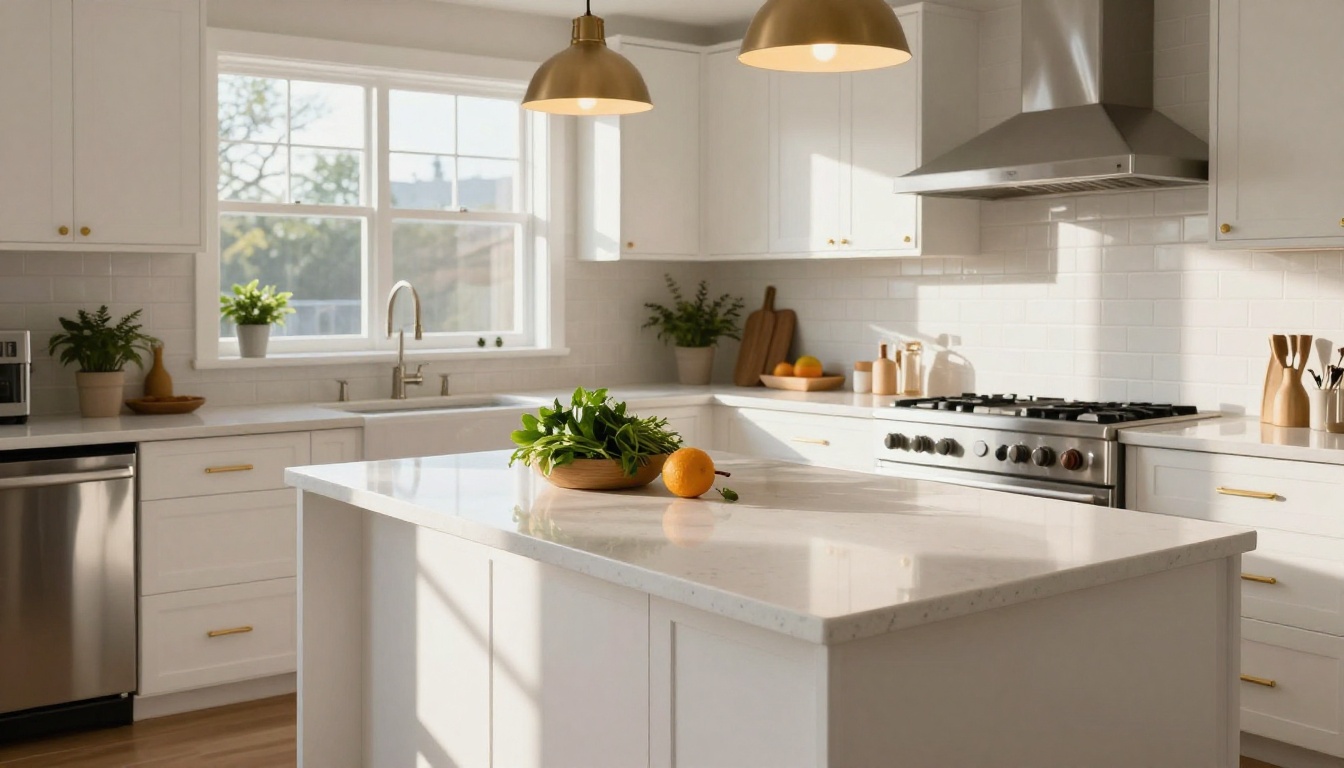
These two rooms sell properties. Buyers who are on the fence about a home frequently make their decision in the kitchen and confirm it in the primary bathroom. For kitchens, Nano Banana Pro excels at rendering cabinet door finishes with realistic grain and reflection, placing countertop materials with correct veining patterns and surface sheen, lighting pendant fixtures and under-cabinet strips convincingly, and staging minimal but meaningful props that signal an active, aspirational kitchen.
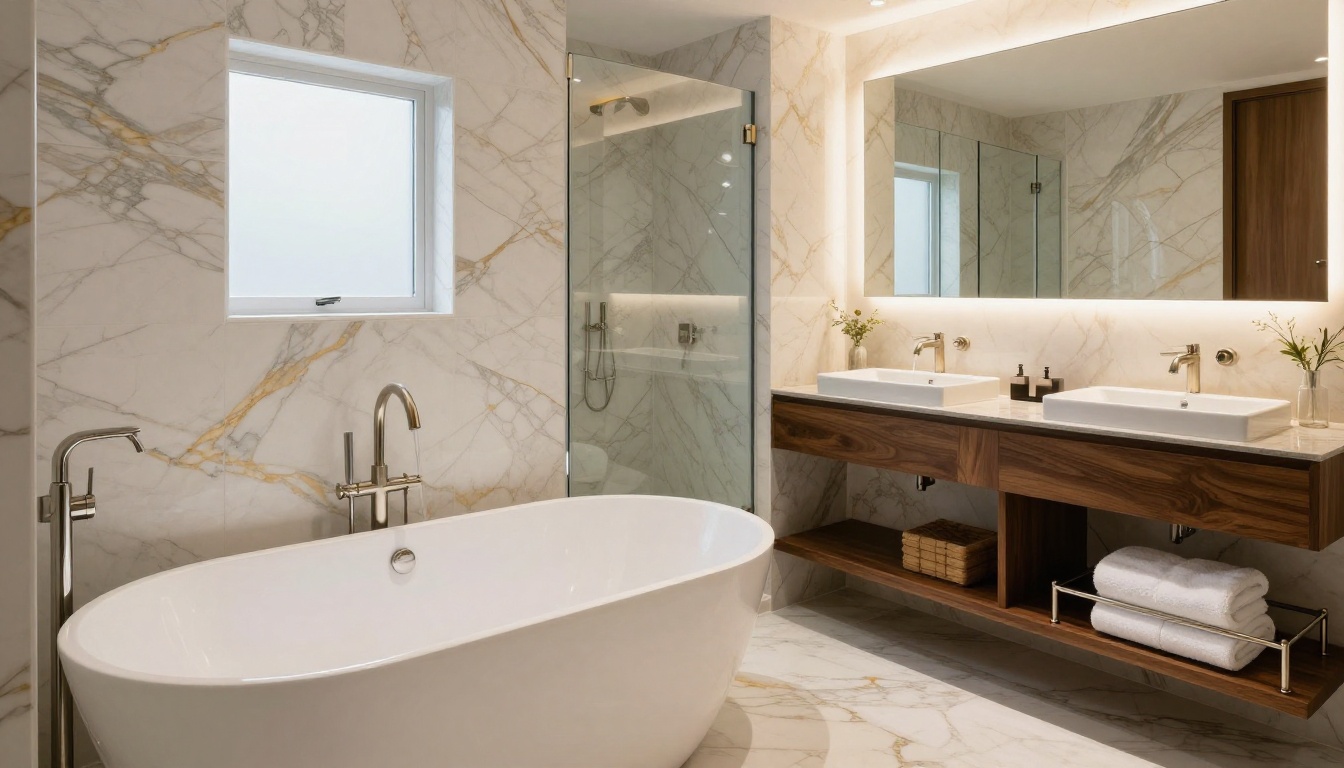
For bathrooms, it produces marble and tile textures that read as real stone rather than pattern fills, frameless glass shower enclosures without reflective artifacts, and soft flattering lighting that removes the harsh shadows typical of standard photography.
Primary Bedrooms Done Right
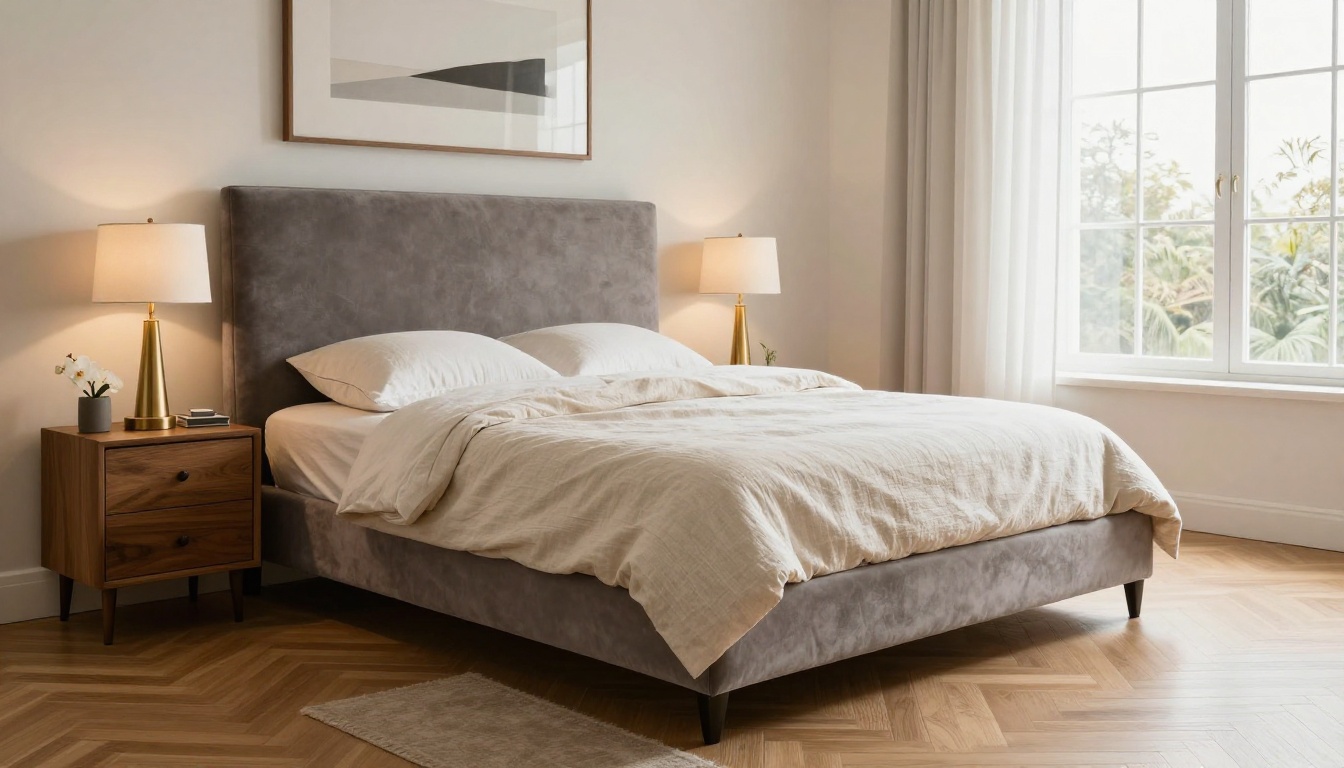
A primary bedroom image needs to communicate comfort, size, and aspiration simultaneously. Nano Banana Pro defaults to the compositional choices that real estate photographers use: low-angle wide shots from the doorway, layered bedding, soft window light from one side.
The model avoids common AI pitfalls here. There's no impossible symmetry; real beds aren't perfectly centered in rooms, and the model respects natural placement. Scale is correct, with headboards, windows, and ceiling heights maintaining realistic proportions relative to each other. Staging feels plausible because pillows and throws are arranged the way a professional stager would position them, not in the AI tendency toward excessive geometric precision.
Exterior and Curb Appeal Shots
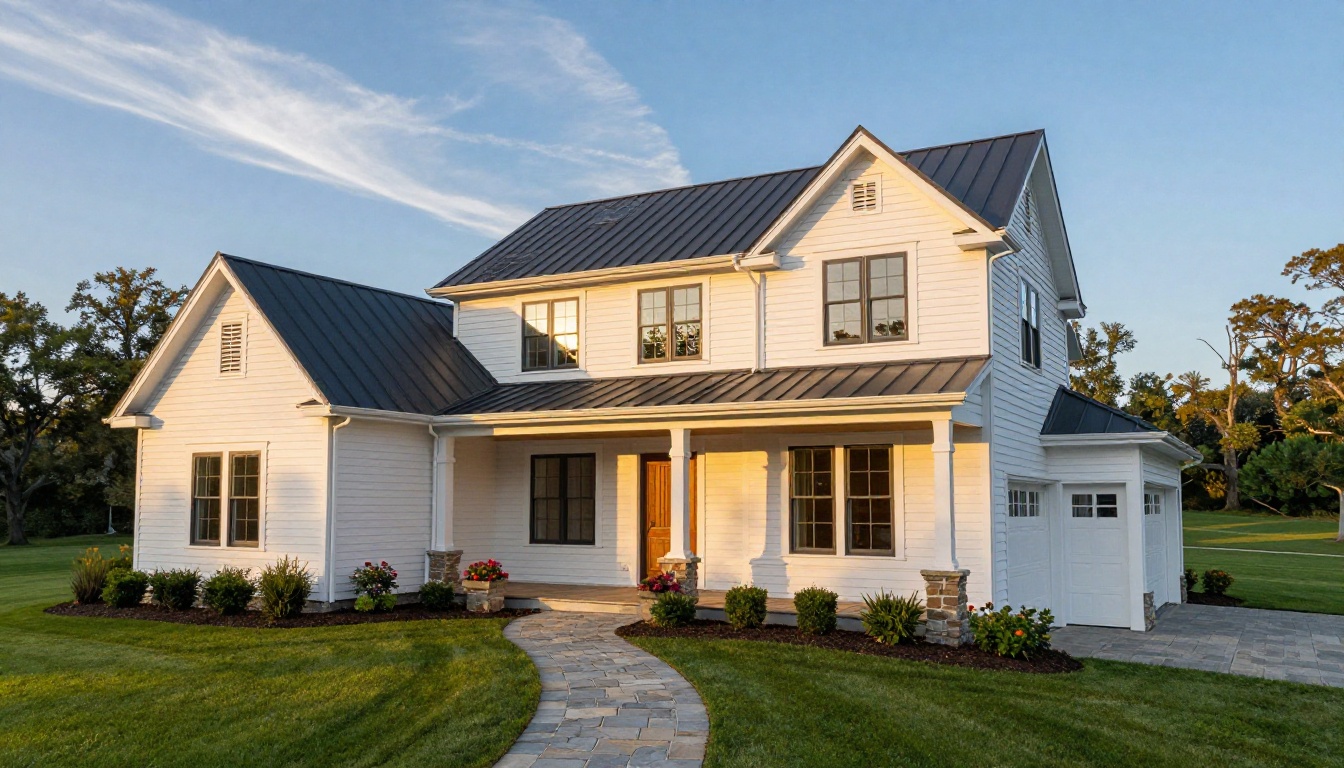
Curb appeal photography is arguably harder than interior work. The model must handle architecture, landscaping, sky, and lighting simultaneously, and any error in perspective or proportions immediately registers as wrong to a human viewer.
Front Facade Photography
Nano Banana Pro generates exterior shots that respect architectural conventions. Its training on real property photography means it has internalized that a colonial-style home has specific symmetry, that a modern farmhouse will have board-and-batten siding with a metal roof, and that each architectural style carries its own visual grammar.
| Feature | Output Quality |
|---|
| Facade proportions | Accurate window-to-wall ratios |
| Landscaping | Natural, non-symmetrical plant placement |
| Sky and atmosphere | Believable cloud formations and color temperature |
| Driveway and hardscape | Realistic concrete and paver textures |
| Roofline | Correct pitch and material texture |
💡 Specify the architectural style explicitly: "Craftsman bungalow", "Mediterranean villa", "Contemporary new construction". The model applies the correct visual vocabulary for each style automatically.
Aerial and Drone Views
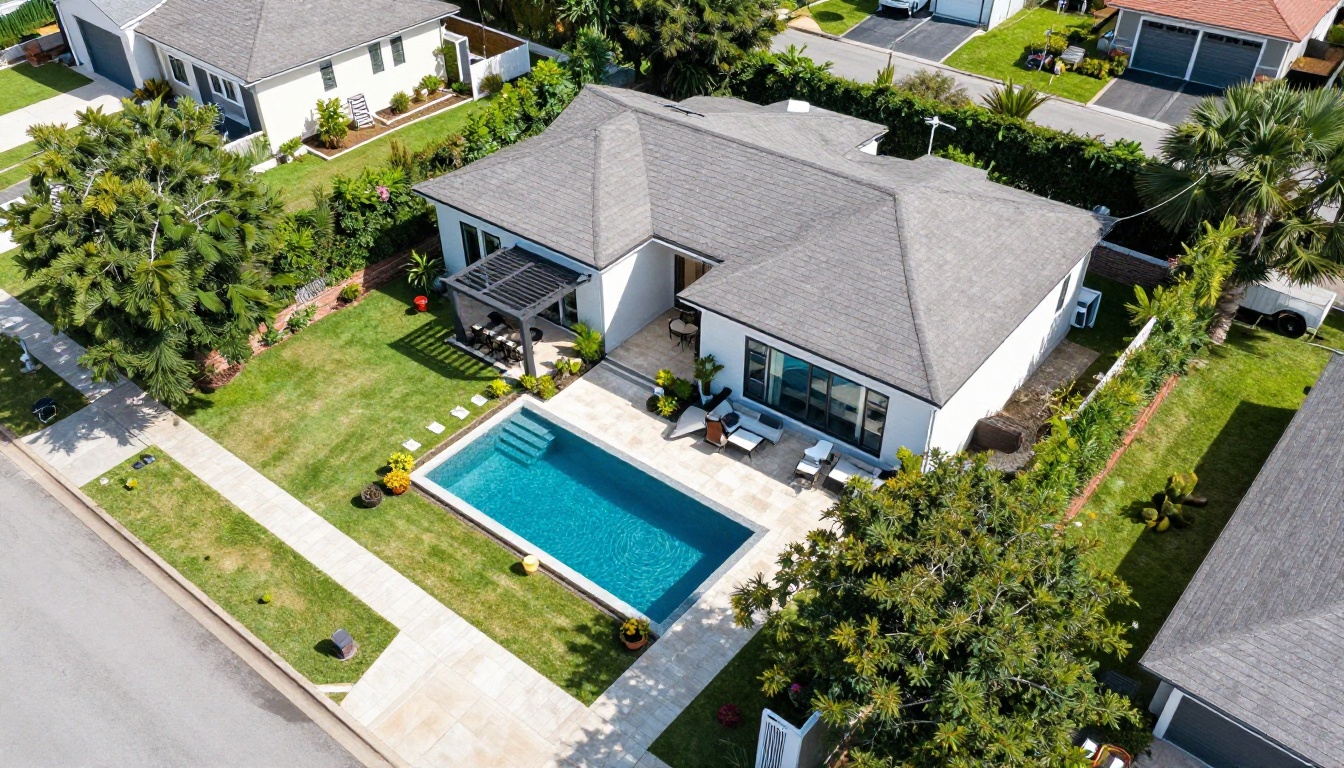
Aerial photography is increasingly standard on mid-to-high-value listings. It contextualizes the property within its neighborhood, reveals lot size and layout, and provides a perspective that ground-level shots cannot deliver. Nano Banana Pro generates convincing aerial perspectives with correct nadir and oblique angles, consistent scale between the property and surrounding streets, realistic pool water color and texture from above, and visible landscaping details that read as real mature trees and lawns rather than flat texture fills.
For agents without drone access or FAA certification, AI-generated aerials represent a practical path to including this type of imagery in listing packages for properties where aerial coverage would otherwise be cost-prohibitive.
The Output Quality Difference
vs. Standard DSLR and Lightroom
Professional real estate photography with a DSLR and post-processing produces excellent results, but it requires a photographer, a staging team, and a post-processing specialist. Total cost per property ranges from $500 to $3,000 or more for premium shoots, with turnaround times of 24 to 72 hours.
Nano Banana Pro for real estate photos compresses this timeline and cost. A full set of listing-quality images can be generated in minutes. For agents working with multiple listings simultaneously, or for builders generating marketing materials for properties still under construction, this speed advantage fundamentally changes how listing production works.
vs. Other AI Models
| Criteria | General AI Models | Nano Banana Pro |
|---|
| Perspective accuracy | Variable | High |
| Staging realism | Often artificial | Consistently realistic |
| Lighting logic | Sometimes illogical | Scene-accurate |
| Architectural proportions | Frequent distortions | Correct |
| MLS suitability | Hit or miss | Consistent |
| Prompt complexity required | Very high | Moderate |
With general-purpose models, achieving a professional real estate photo requires extensive prompt engineering, negative prompts, and multiple regenerations. Nano Banana Pro treats real estate conventions as its defaults, reducing the effort required to reach a usable result significantly.
Polishing Results with AI Upscaling
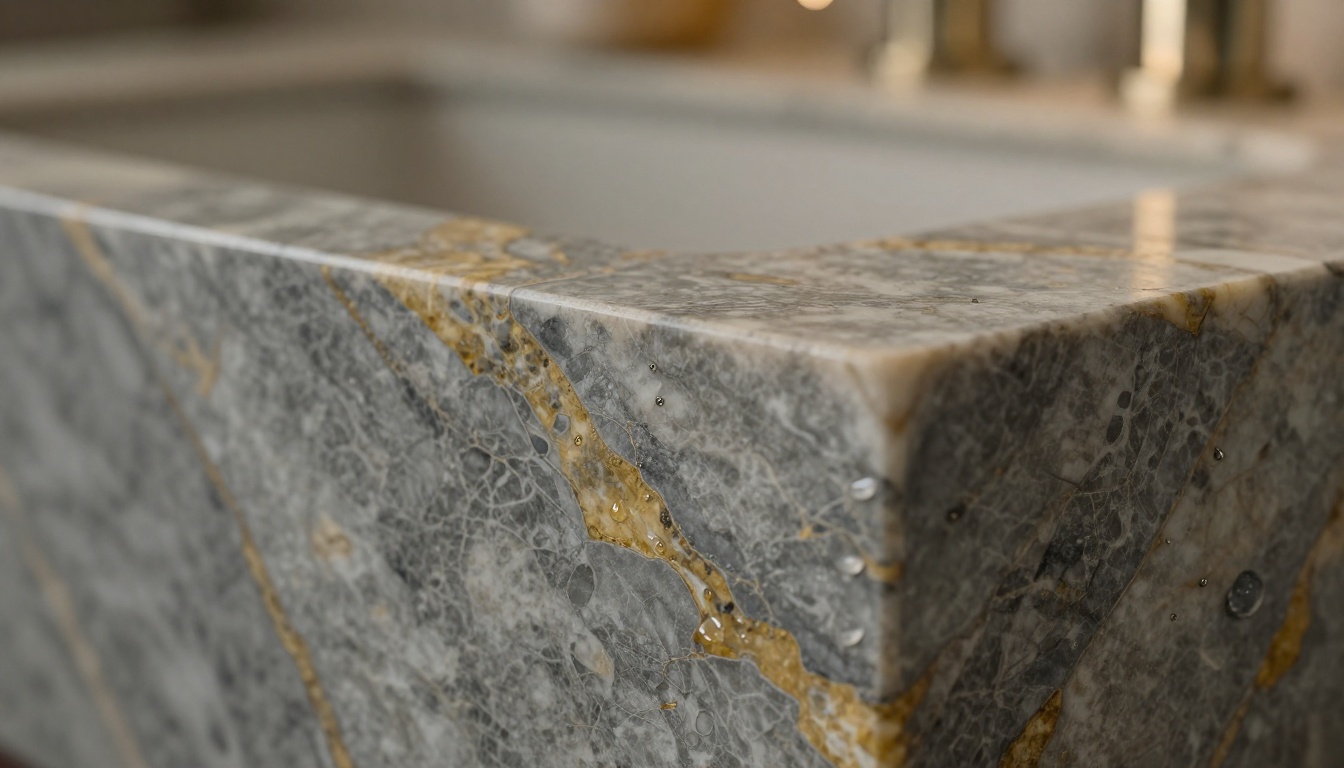
Even excellent AI-generated images benefit from upscaling before they reach a listing platform. MLS portals often have minimum resolution requirements, and buyers on high-resolution displays will notice pixelation in images that look fine at standard viewing size.
Why Resolution Matters for MLS Listings
Most MLS platforms require images at 1280x960 minimum, with many now supporting 4K display for premium listing tiers. AI-generated images often come out at 1024x576 or similar dimensions. Upscaling is a necessary part of the production workflow, not an optional finishing step.
The upside is that upscaling AI-generated real estate photos produces excellent results because the source material is already clean and artifact-free. Unlike upscaling a compressed JPEG from years past, you're working with a high-quality AI-rendered image as your base. The upscaling AI has pristine source material to work with, which means the output quality ceiling is significantly higher.
Best Upscaling Tools on PicassoIA
PicassoIA provides several powerful upscaling tools that pair directly with Nano Banana Pro outputs:
Clarity Pro Upscaler is the top pick for real estate work. It uses AI to add genuine texture and detail during upscaling rather than simply interpolating pixels. Fabric textures, hardwood grain, and stone veining all benefit from this approach, producing results that appear sharper than the source image.
P-Image Upscale delivers sharp results in under a second, making it ideal when you're processing a full listing's worth of images and need speed without sacrificing quality.
Real ESRGAN provides reliable 4x upscaling that works consistently across virtually all image types. For standard residential listing photos, it hits the sweet spot between processing time and output quality.
Topaz Image Upscale extends to 6x magnification, making it the right choice for print materials or large-format displays where standard 4K resolution isn't sufficient.
Recraft Crisp Upscale specializes in sharpening and clarifying edges, which makes it particularly valuable for architectural photography where straight lines and crisp corners are critical to the image reading as professional.
After upscaling, the Remove Background tool handles one of the most tedious real estate editing tasks: isolating property exteriors for compositing against replacement skies or clean white backgrounds for print marketing materials.
A Practical Workflow for Agents

Step-by-Step Process
Here's a repeatable workflow for using Nano Banana Pro to produce MLS-ready listing photos:
- Define the property profile: architectural style, price point, target buyer demographic, primary selling features
- Generate interior shots first: lead with the most emotionally impactful rooms (living room, primary suite, kitchen)
- Generate exterior shots: front facade, rear yard, any special features including pool, outdoor kitchen, or garage
- Run upscaling: process all images through Clarity Pro Upscaler or P-Image Upscale to bring everything to 4K quality
- Verify MLS compliance: confirm that image dimensions and file sizes meet your platform's requirements
- Create marketing variations: use Remove Background to create clean-cut versions for print flyers and social ads
This process replaces a two-day photography and editing cycle with a workflow that fits inside a single morning.
Batch Processing Tips
When you have multiple listings running simultaneously, the workflow scales effectively:
- Create prompt templates: develop a standard prompt structure for each property type (condo, single-family, luxury, commercial) and modify it per property
- Consistent naming convention: name generated files by room and listing address for easy organization
- Quality gate: view all images at 100% zoom before upscaling to catch any generation anomalies early
- Upscaling in bulk: run all accepted images through the same upscaler for visual consistency across the full listing set
💡 For new construction listings where the physical property doesn't exist yet, Nano Banana Pro for real estate photos is especially valuable. Builders can generate interior and exterior photo sets based on floor plans and material selections, months before construction is complete.
What Makes a Listing Photo Actually Work
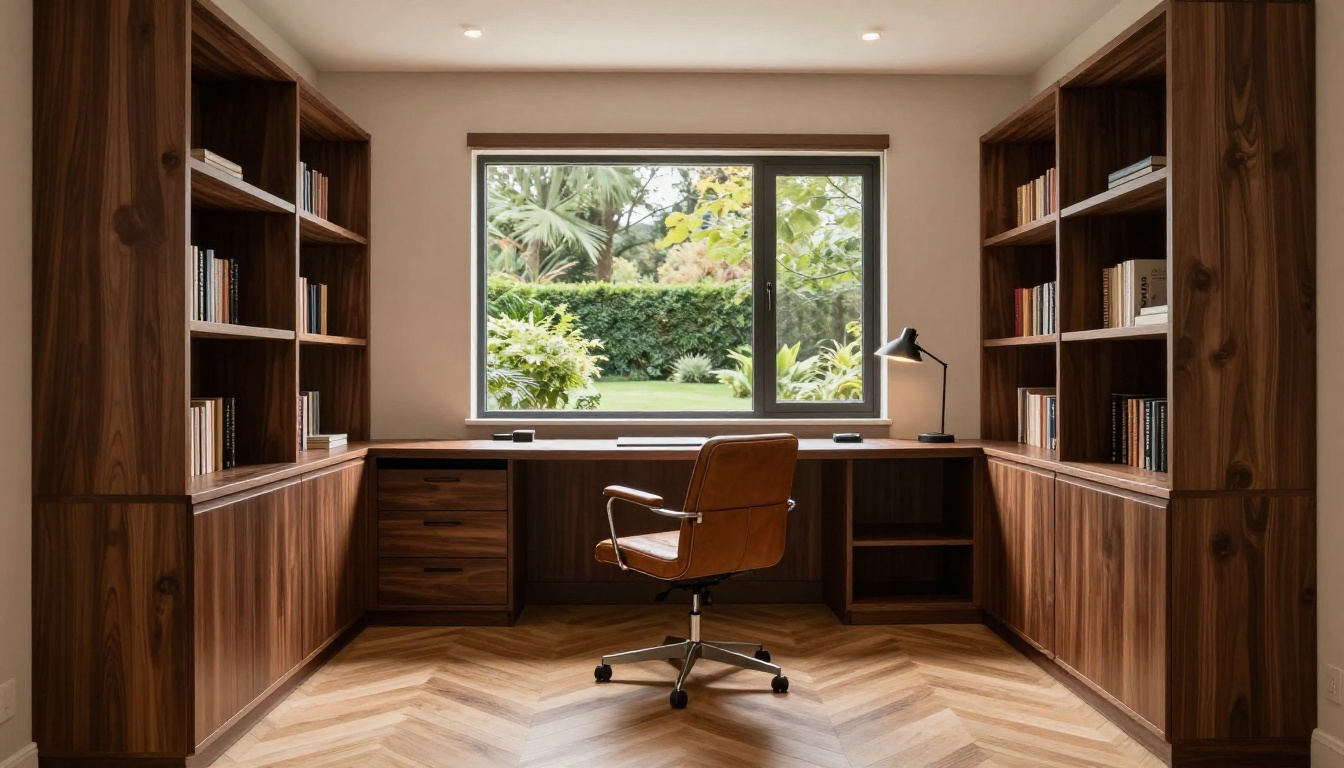
Before prompting Nano Banana Pro, it's worth being explicit about what separates a listing photo that generates inquiries from one that gets scrolled past.
Light is everything. Buyers are drawn to bright, warm interior images. Dark, cool-toned, or harshly lit photos signal an uninviting space regardless of how the actual room looks in person.
Space reads as status. Wide compositions that show room dimensions clearly signal value. Tight crops that obscure space signal that the photographer is hiding something.
Staging signals aspiration. Minimal, tasteful staging props tell buyers that this home fits the lifestyle they're reaching for. Cluttered or bare staging sends the opposite message.
Consistency builds trust. A listing where all photos share a similar color temperature, composition style, and staging aesthetic feels professionally produced. Inconsistency reads as amateur, and buyers transfer that judgment to the property itself.
Nano Banana Pro encodes these principles into its defaults. You don't have to engineer them into every prompt because the model starts from these conventions and builds outward from there.
The Economics Make the Case
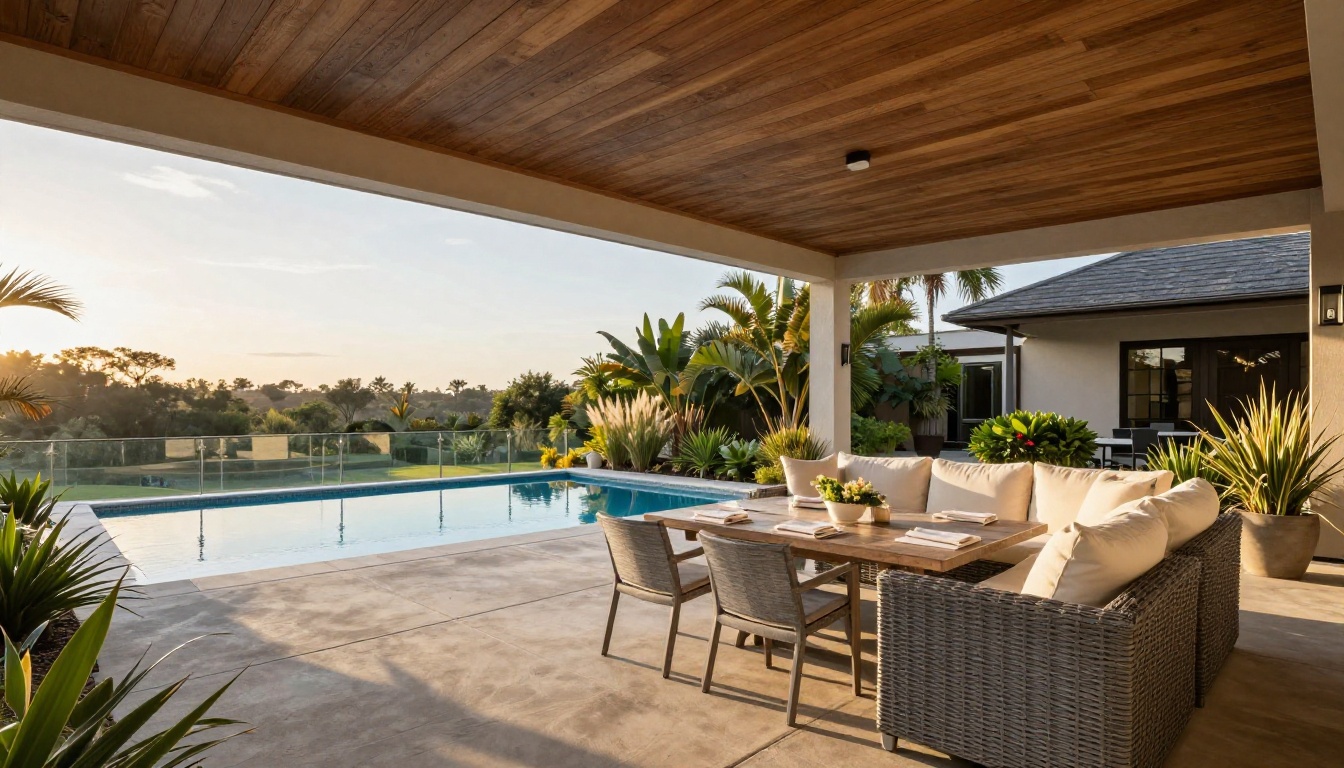
A property that sits on the market for 60 days costs the seller in carrying costs, price reductions, and opportunity cost. Professional photography consistently reduces days on market. The question isn't whether photography quality matters. It's whether agents can access that quality without the traditional cost and time barriers.
Nano Banana Pro for real estate photos directly addresses that access problem. Combined with PicassoIA's upscaling suite, agents and photographers have a production pipeline that previously required a full creative team. The images produced meet, and in many cases exceed, the quality of standard professional photography for listing purposes.
For commercial real estate, where the visual stakes are even higher, the same workflow applies at scale. Office interiors, retail spaces, industrial properties, and hospitality venues all benefit from the same trained aesthetic sensibility that makes residential listing photography perform.
The agents adopting this workflow now are building a production capacity advantage that compounds with every listing they take on. Each template they refine, each prompt structure they develop, and each upscaling pipeline they put in place reduces the time and cost of the next listing further.
Create Your Own Listing Images Now
PicassoIA gives you immediate access to the AI image generation and post-processing tools that support this entire workflow. From text-to-image generation across 91 available models to the upscaling pipeline that brings your images to MLS-ready resolution, the platform is built for production use at scale.
The full model collection is the starting point: browse by category, test models directly, and build the workflow that fits your listing volume and quality requirements. The upscaling tools covered above are ready to use without configuration, and results are available within seconds.
Real estate photography doesn't have to cost $1,500 per listing or require a three-day turnaround. With Nano Banana Pro for real estate photos and PicassoIA's post-processing tools, the full production cycle fits in a morning, at a fraction of the traditional cost, with results that hold up in MLS listings, on social media, and in print marketing materials.


