The promise of Nano Banana Pro for free 18+ headshots sounds good on paper. You get a tool, you type a prompt, you get a portrait. But anyone who has actually used it knows the reality: credits run out fast, watermarks make every image unusable, and the content filters block half of what you actually want to create. There is a better way, and it does not cost anything.
What Nano Banana Pro Actually Delivers
Nano Banana Pro markets itself as a free 18+ AI headshot generator. For the first few images, it performs reasonably well. The problem starts immediately after: the free tier caps your generations, adds persistent watermarks, and applies content moderation that blocks suggestive content while calling it "18+ friendly." That contradiction is not an accident. It is a monetization strategy designed to get you to upgrade.
The actual output quality is also inconsistent. Skin textures look painted at anything below a paid tier. Resolution caps out at 512px or 768px on free plans. Hair detail, eye clarity, and realistic lighting, the three elements that make or break a headshot, are noticeably inferior to what modern open models produce.
💡 Worth knowing: Most "free 18+ AI" apps share the same architecture: give you 5-10 free credits, show you the quality ceiling of the paid version, then block content at exactly the point where you need freedom most.
Why Free 18+ AI Headshots Are Hard to Find
The market for adult AI portrait generation is larger than most people admit, and the tooling has not caught up in a way that is actually accessible.
Credit Limits Kill the Experience
The fundamental problem with apps like Nano Banana Pro is the credit model. Every generation costs credits. Credits cost money. The free allocation is calibrated to be just enough to show you what the tool can do before cutting you off. If you are building a portfolio, testing styles, or iterating on a specific look, you will exhaust a free tier in minutes.
What you actually need is unlimited generations with no per-image cost. That is not available on subscription apps built around scarcity. It is available on platforms that use open models with no metered access.
Watermarks Ruin Every Shot
A headshot with a watermark is not a headshot. It is an advertisement. For anyone using AI portraits professionally, creatively, or for personal use, a watermark across the face defeats the entire purpose. Nano Banana Pro watermarks every free-tier image in a position that makes cropping impossible without losing the composition.
Censorship Blocks Adult Content
The most ironic limitation: an app marketed for 18+ content that blocks adult content. The filters on Nano Banana Pro's free tier are aggressive enough to reject prompts describing swimwear, lingerie, or implied nudity. The paid tier loosens these restrictions but does not remove them entirely.
The solution is to use models with actual uncensored outputs on a platform that does not impose a secondary filter layer on top of the model.
The Best Free Alternative for 18+ Headshots
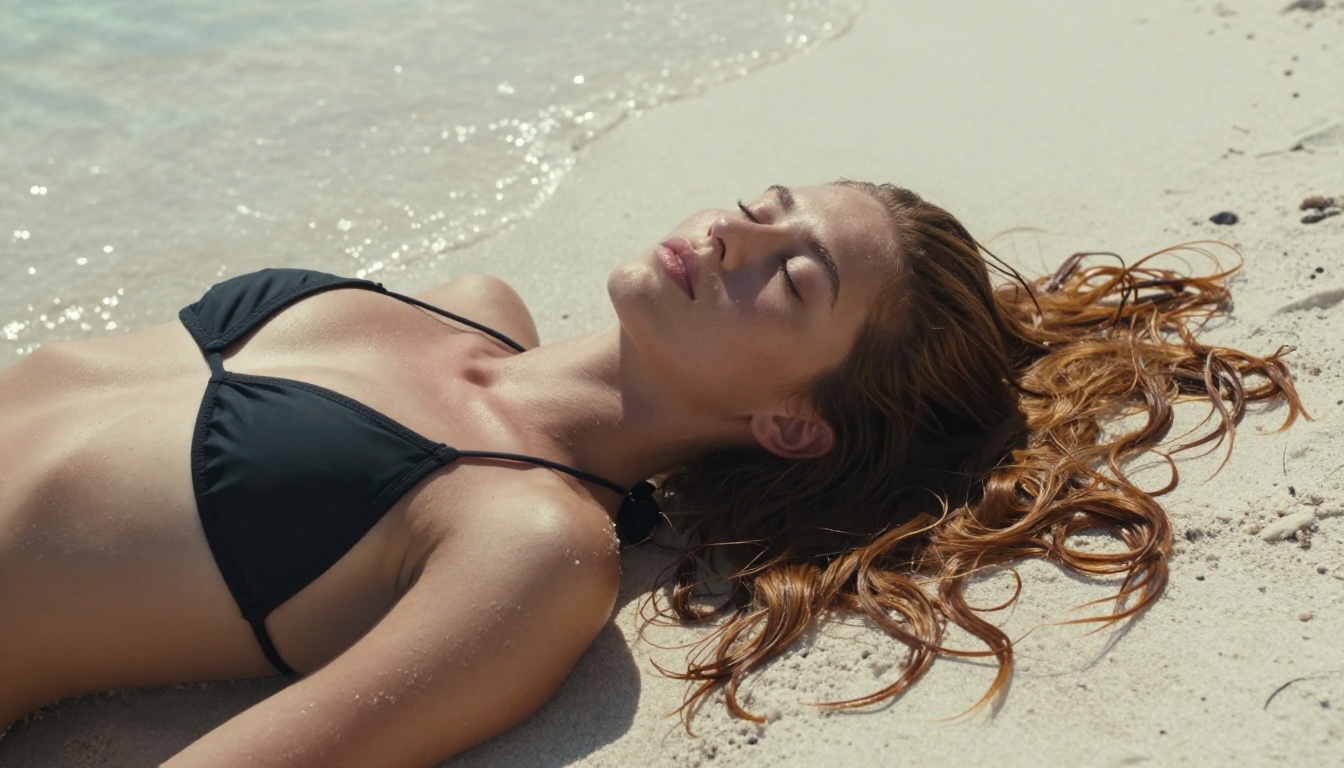
PicassoIA hosts a library of over 90 text-to-image models with no generation credits, no watermarks, and direct access to models that handle adult portrait content without interference. Two models in particular produce results that make Nano Banana Pro look outdated.
Seedream 4 for Photorealistic Portraits
Seedream 4 is the starting point for any 18+ headshot workflow on PicassoIA. Built by ByteDance, it generates images at resolutions up to 4K and produces skin texture, hair detail, and lighting fidelity that sits meaningfully above what most app-layer tools offer.
Key capabilities:
| Feature | Seedream 4 |
|---|
| Max resolution | 4K (4096px) |
| Single-sentence editing | Yes |
| Reference image input | Up to 10 images |
| Sequential generation | Up to 15 images per session |
| Watermarks | None |
| Content filter | Minimal |
For 18+ headshots, the absence of a heavy content filter is the critical differentiator. You can describe suggestive clothing, implied nudity, and provocative compositions without the prompt being rejected. The 4K output means the result is immediately usable at print resolution without any secondary upscaling step.
💡 Prompt tip: Seedream 4 responds well to lighting specifics. Include the light source position ("volumetric backlight from upper left"), the quality of light ("diffused through sheer curtains"), and the color temperature ("warm amber, 3200K equivalent") for significantly better results than generic "good lighting" prompts.
What makes it different from Nano Banana Pro: Seedream 4 gives you a 4K output with no watermark in the time Nano Banana Pro takes to load its credit purchase screen.
Flux 1.1 Pro for Precise Prompt Adherence
Flux 1.1 Pro from Black Forest Labs takes a different approach. Where Seedream 4 excels at resolution and editing, Flux 1.1 Pro excels at reading your prompt exactly and rendering the specific elements you describe.
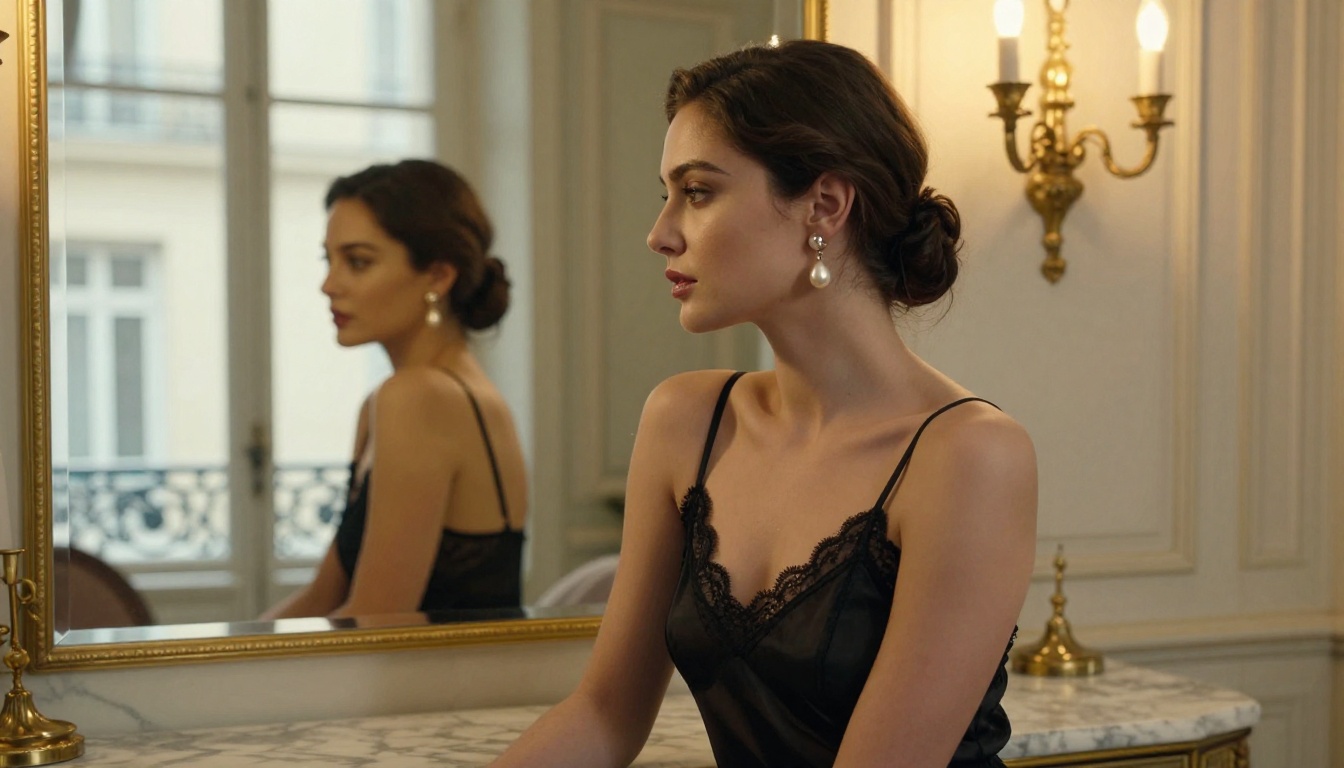
If you write a prompt that describes a specific neckline, a particular hair color catching the light in a specific way, or a precise expression, Flux 1.1 Pro follows those instructions more faithfully than most models. For headshot work where the exact details matter, that precision is valuable.
Features worth noting:
- Ten aspect ratio presets plus custom dimensions
- Seed-based reproducibility for consistent iterations
- Safety tolerance control from 1 (strict) to 6 (permissive)
- WebP, JPG, or PNG output
Setting the safety tolerance to 5-6 opens the model up for adult portrait content while maintaining photorealistic quality. This is the approach most adult content creators on PicassoIA use for iterating on a specific character or style across multiple generations.
How to Use Seedream 4 on PicassoIA
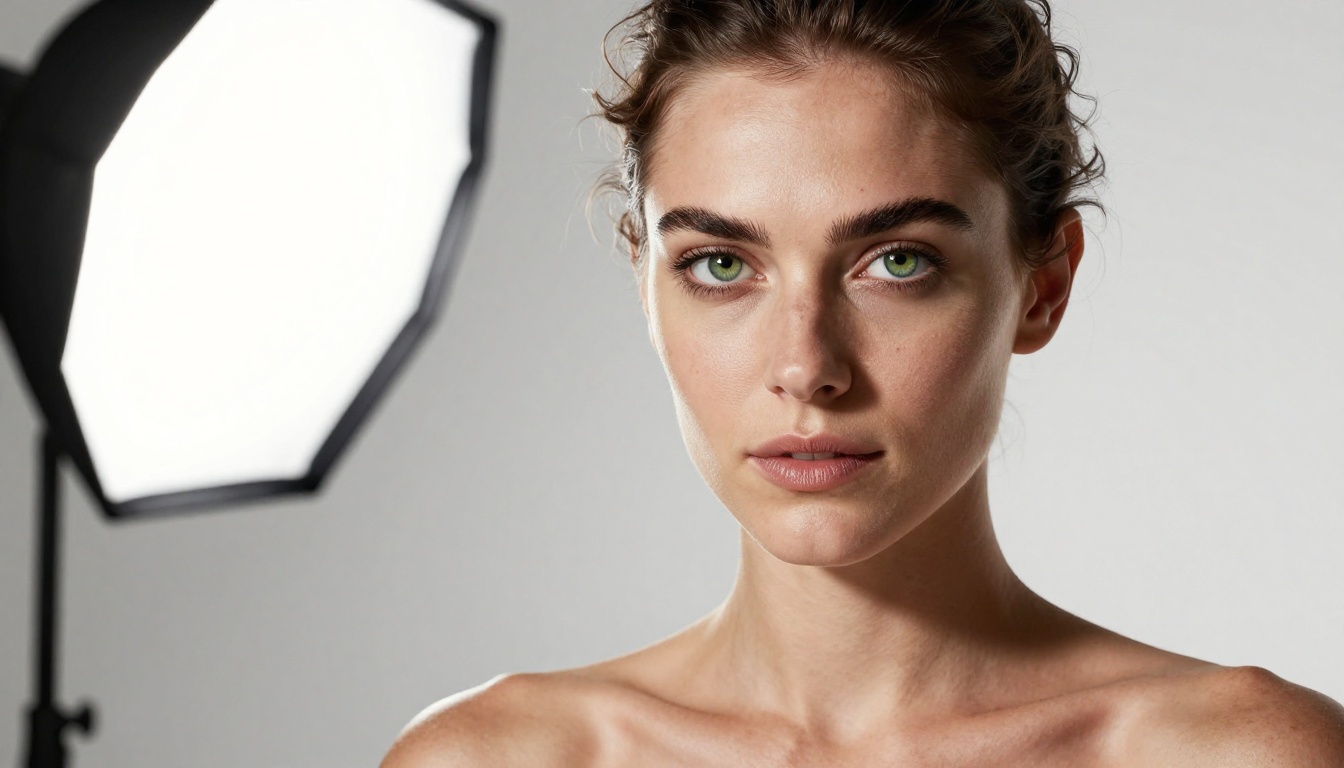
Getting your first 18+ AI headshot from Seedream 4 takes about 30 seconds. Here is the process from scratch.
Step 1: Open the Model
Go to Seedream 4 on PicassoIA. No account required for basic generation. The interface shows a text prompt field, a resolution selector, and an aspect ratio picker.
Step 2: Write a Specific Prompt
Generic prompts produce generic results. A prompt like "beautiful woman portrait" gives you something competent but forgettable. A prompt with specific lighting, camera angle, environment, clothing detail, and expression gets you something worth using.
Structure your prompt this way:
- Subject description: Age range, build, hair color, expression
- Clothing or styling: Specific garments, fit, fabric texture
- Environment: Location, background, depth elements
- Lighting: Source direction, quality, color temperature
- Camera: Lens, aperture, shooting distance
- Film stock: Kodak Portra 400, Fujifilm Pro 400H, etc.
Example prompt: "Portrait of a woman in her late twenties, loose auburn hair, relaxed expression, wearing a thin-strap silk camisole in ivory, seated near a large window with diffused morning light from the left, soft bokeh background of white linen curtains, shot on a Leica M11 with 75mm f/2.5 lens, Kodak Portra 400 emulation, photorealistic 4K"
Step 3: Set Resolution and Ratio
For headshots intended for social media or portfolio use, set resolution to 2K and aspect ratio to 1:1. For widescreen editorial use, set to 4K at 16:9. The model handles both well, but 2K at 1:1 is the fastest path to a usable portrait.
💡 Reference image tip: If you have a source image with a face or style you want to maintain across multiple generations, upload it as a reference input. Seedream 4 reads up to 10 reference images and applies their visual characteristics to the generated output. This is the closest thing to a consistent character workflow available on the platform.
Step 4: Iterate Without Rewriting
The single-sentence editing feature in Seedream 4 means you do not need to rewrite the entire prompt to fix one element. After getting a result you mostly like, type one instruction: "make the lighting warmer" or "change the background to dark gray" and the model applies only that change while keeping everything else intact. That iteration speed is what makes it practical for building a full portfolio in a single session.
Upscaling Your AI Headshots to 4K
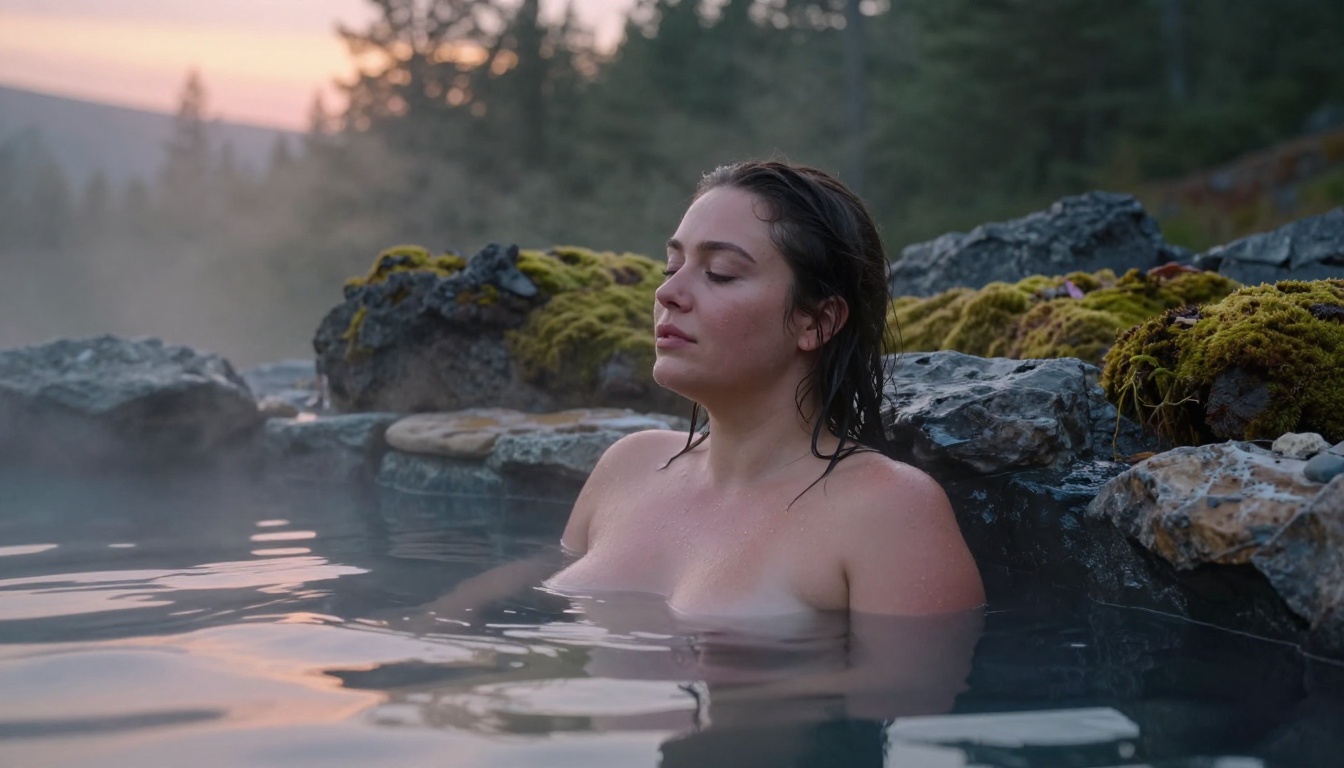
Even when you generate at 2K, there are situations where you need more resolution: large prints, high-DPI displays, cropped close-ups. Two upscaling models on PicassoIA are specifically built for portrait work.
Clarity Pro Upscaler for 16x Enlargement
Clarity Pro Upscaler takes a generated headshot and enlarges it up to 16x the original size. The key feature is identity preservation: the model reads facial geometry and reconstructs texture rather than simply interpolating pixels. A face that looks natural at 1024px continues to look natural at 8192px.
The creativity slider is worth paying attention to. At 0, the upscaler stays faithful to the original. At positive values, it adds skin pore detail, hair strand separation, and surface texture that was not in the original image. For AI-generated headshots where source resolution limits fine detail, a creativity value of 0.3-0.5 recovers realism that the generation model could not render.
Scale factors available: 2x, 4x, 8x, 16x
Crystal Upscaler for Portrait-Specific Detail
Crystal Upscaler is tuned specifically for faces. Where Clarity Pro Upscaler works on any image type, Crystal Upscaler was optimized for headshot and portrait subjects. Eyes, hair, and skin come through with a fidelity that general upscalers cannot match.
The maximum scale is 4x, which takes a 1024px portrait to 4096px. At that resolution, individual eyelash detail, pore texture, and lip surface structure are all recoverable. For adult AI headshots where facial realism is the entire point, Crystal Upscaler should be the final step in your workflow before delivery.
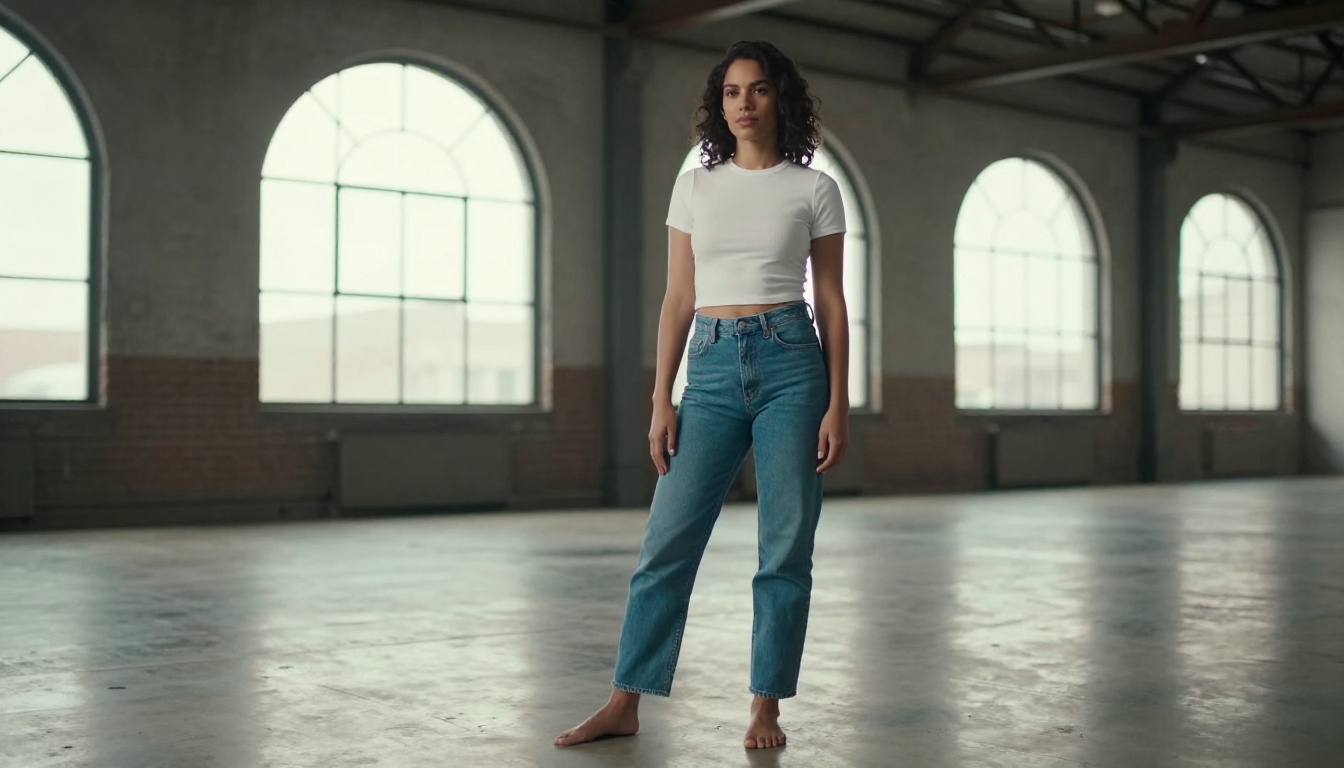
Visual Effects That Make Headshots Stand Out
The difference between a competent AI headshot and one that looks genuinely professional usually comes down to two things: lighting precision in the prompt and composition choices.
Lighting Styles That Work for Adult Portraits
Different lighting setups create fundamentally different emotional registers:
- Rembrandt lighting (single source at 45 degrees, triangular shadow under eye): Dramatic, confident, editorial. Works for power shots and fashion-adjacent headshots.
- Window light (soft diffused fill from one side, natural fall-off): Intimate, natural, lifestyle. Best for boudoir and relaxed portrait work.
- Golden-hour backlight (warm rim light from behind, reflector fill from front): Glamorous, warm, cinematic. Effective for outdoor and semi-outdoor scenarios.
- High-key flat light (equal fill from both sides, minimal shadow): Clean, professional, commercial. Best for portfolio and profile shots where detail takes priority over mood.
💡 Practical note: The lighting description in your prompt affects more than just brightness. It changes how skin texture renders, where depth appears in the face, and the overall emotional tone of the image. Specificity here pays off more than anywhere else in the prompt.
Composition Principles Worth Using
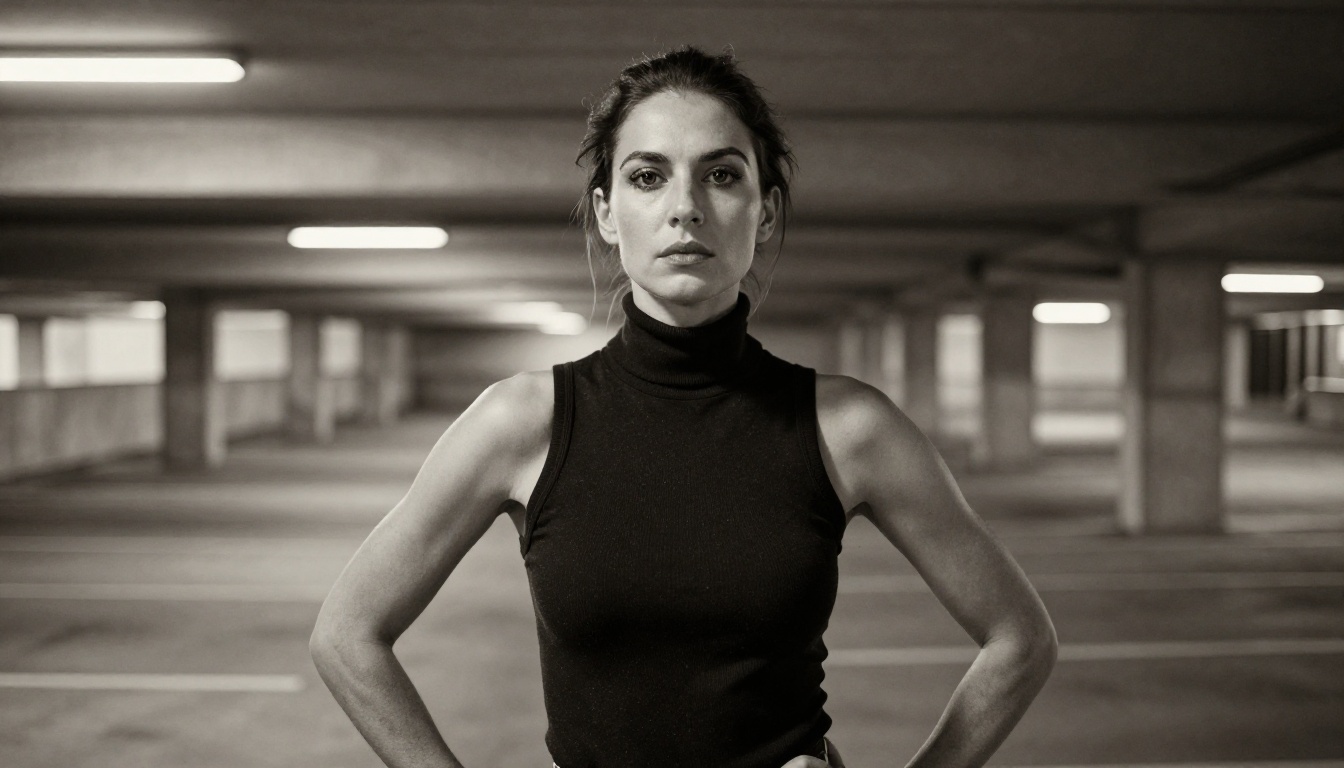
Most AI headshots default to the same composition: centered subject, neutral background, mid-distance framing. Breaking this pattern produces more interesting results.
Low-angle shots (camera below subject eye level) create an empowering, confident perspective that works especially well for assertive portrait styles.
Three-quarter framing (subject at 45 degrees to camera) adds depth and dimension to the face, reducing the flat appearance common in straight-on AI portraits.
Environmental context (visible background that tells a story) adds production value. A subject in front of a blurred cityscape reads as cinematic. A subject in front of a white wall reads as placeholder content.
Extreme close-up (eyes and nose only, cropped tightly) forces the model to render skin and eye detail at maximum fidelity, revealing the actual quality ceiling of the generation model you are using. For 18+ headshots specifically, the close-up framing combined with detailed skin texture prompts consistently produces the most photorealistic outputs from both Seedream 4 and Flux 1.1 Pro.
Building a Full 18+ Portfolio in Minutes
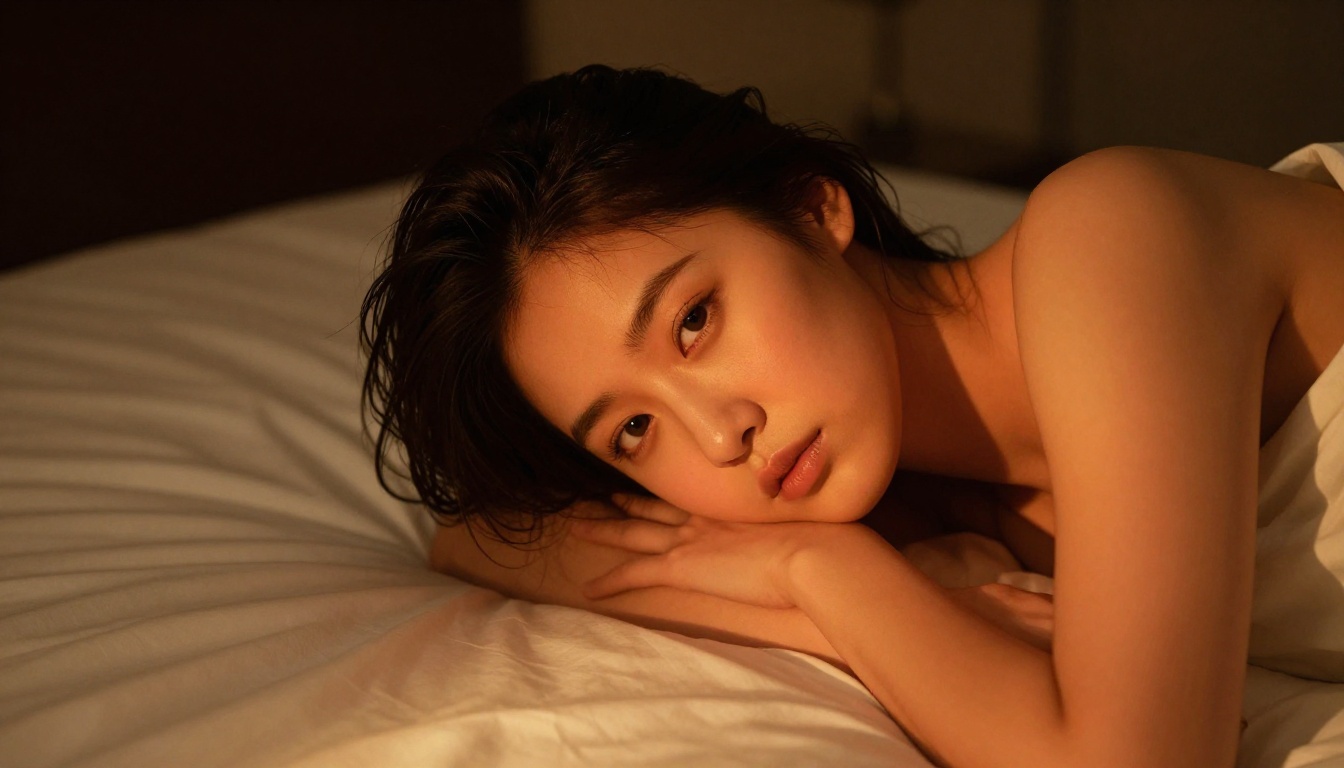
One of the practical advantages of using PicassoIA over Nano Banana Pro for 18+ headshots is the volume capability. Nano Banana Pro's free tier gives you a handful of images before the credit wall appears. On PicassoIA, you can run Seedream 4 or Flux 1.1 Pro as many times as you want.
A portfolio workflow that takes advantage of this:
- Establish a base character: Use a detailed initial prompt with a specific description. Note everything that worked.
- Vary the environment: Keep the subject description identical, change only the setting (bedroom, outdoor, studio, urban).
- Vary the lighting: Same subject, same environment, different light source each time.
- Vary the framing: Tight headshot, medium shot, three-quarter, environmental wide.
- Upscale the best outputs: Take the top 3-4 results from each variation through Crystal Upscaler for final delivery quality.
This process produces a 20-30 image portfolio from 4-5 generation sessions. The sequential generation feature in Seedream 4 (up to 15 images per session) means you can batch most of the variation work in a single sitting.
Time comparison:
| Task | Nano Banana Pro | PicassoIA |
|---|
| First 5 images | Limited credits | Unlimited, no cost |
| Portfolio of 20 images | Credit purchase required | Same session |
| 4K output | Paid tier only | Free with Seedream 4 |
| No watermark | Paid tier only | Always |
| Content filter | Blocks adult prompts | Minimal restriction |
The math is straightforward. A tool that blocks 18+ content on a free tier and paywalls the resolution you actually need for usable outputs is not a free 18+ headshot tool. It is a demo. PicassoIA is the production environment.
Start Generating Your Own Headshots
Everything covered here is available right now at picassoia.com/en/all-models, with no signup required for basic generation and no credit system blocking access to the models that actually deliver adult portrait quality.
Start with Seedream 4 for your first run. Write a specific prompt with all the elements described above: subject, clothing, environment, lighting, camera, and film emulation. Set resolution to 2K, pick your aspect ratio, and generate. If the result needs more resolution, send it through Crystal Upscaler for a 4x face-optimized enlargement.
For portrait work where exact prompt adherence matters, switch to Flux 1.1 Pro and set the safety tolerance to 5-6. When you need maximum enlargement with identity preserved at scale, Clarity Pro Upscaler takes your best outputs up to 16x their original resolution.
The gap between what Nano Banana Pro delivers for free and what PicassoIA delivers for free is not small. It is the difference between a credit-gated preview and actual production-quality 18+ AI headshots with no restrictions, no watermarks, and no ceiling on how many you can generate. Open any of the models above and see for yourself.


