NSFW AI Art Is Everywhere and Here Is Why It Won't Stop Growing
From underground communities to mainstream platforms, NSFW AI art has become one of the most searched categories on the internet. This breakdown covers the technology powering it, the models producing it, the platforms hosting it, and what it all means for creators in 2027.
Something shifted in the past two years that nobody saw coming, or maybe everyone did but nobody wanted to say out loud. NSFW AI art has gone from a niche hobby discussed in obscure Discord servers to one of the most searched, most generated, and most debated categories of content on the internet. Open any AI art forum. Browse Reddit. Check the newest model releases. The pattern is impossible to miss.
This is not a moral panic. This is a documented, measurable trend. And if you want to understand it, you need to look at the technology, the communities, the platforms, and the economics that made it inevitable.
The Numbers That Tell the Story
It exploded faster than anyone expected
In 2022, text-to-image AI was a curiosity. In 2023, it was a tool. In 2024 and beyond, it became an industry. The adult content vertical of AI art has grown at a rate that outpaces even general AI art adoption. Some estimates suggest that over 30% of all AI-generated images produced on public and semi-public platforms contain some form of suggestive or explicit content.
That is not a rounding error. That is a signal.
The reasons are straightforward:
Supply was zero before AI. Creating high-quality glamour or artistic nude photography required access to studios, models, lighting equipment, and significant professional knowledge.
Demand was always there. The adult content industry has consistently been one of the earliest adopters of new media technologies, from VHS to streaming to AI.
The barrier dropped to zero. Anyone with a text prompt and an internet connection can now produce photorealistic imagery that would have required a professional shoot a few years ago.
💡 The real driver is not permissiveness. It is accessibility. When the cost of creating something drops to near-zero, the volume of that thing produced increases exponentially.
The platforms noticed
Major AI platforms have been forced to respond. Some banned adult content outright. Others created tiered access systems. A few leaned in entirely, building dedicated pipelines for mature content creation. The diversity of responses tells you everything about the debate happening inside these companies.
What Actually Counts as NSFW AI Art
The spectrum is wider than most people realize
"NSFW" is not a single category. It is a spectrum. At one end, you have content that is barely suggestive by any standard: a figure in lingerie, a swimsuit shot, a glamour portrait with a low neckline. At the other end, content that most jurisdictions would classify as explicit.
The majority of NSFW AI art sits nowhere near that second end. Most of it looks like this:
Category
Examples
Typical Platform Status
Glamour
Lingerie, bikini, pin-up style
Allowed on most platforms
Artistic nudity
Implied, tasteful, non-explicit
Varies by platform
Suggestive
Seductive poses, implied scenarios
Usually allowed with age verification
Explicit
Graphic sexual content
Restricted to specialized platforms
Where the line sits for most creators
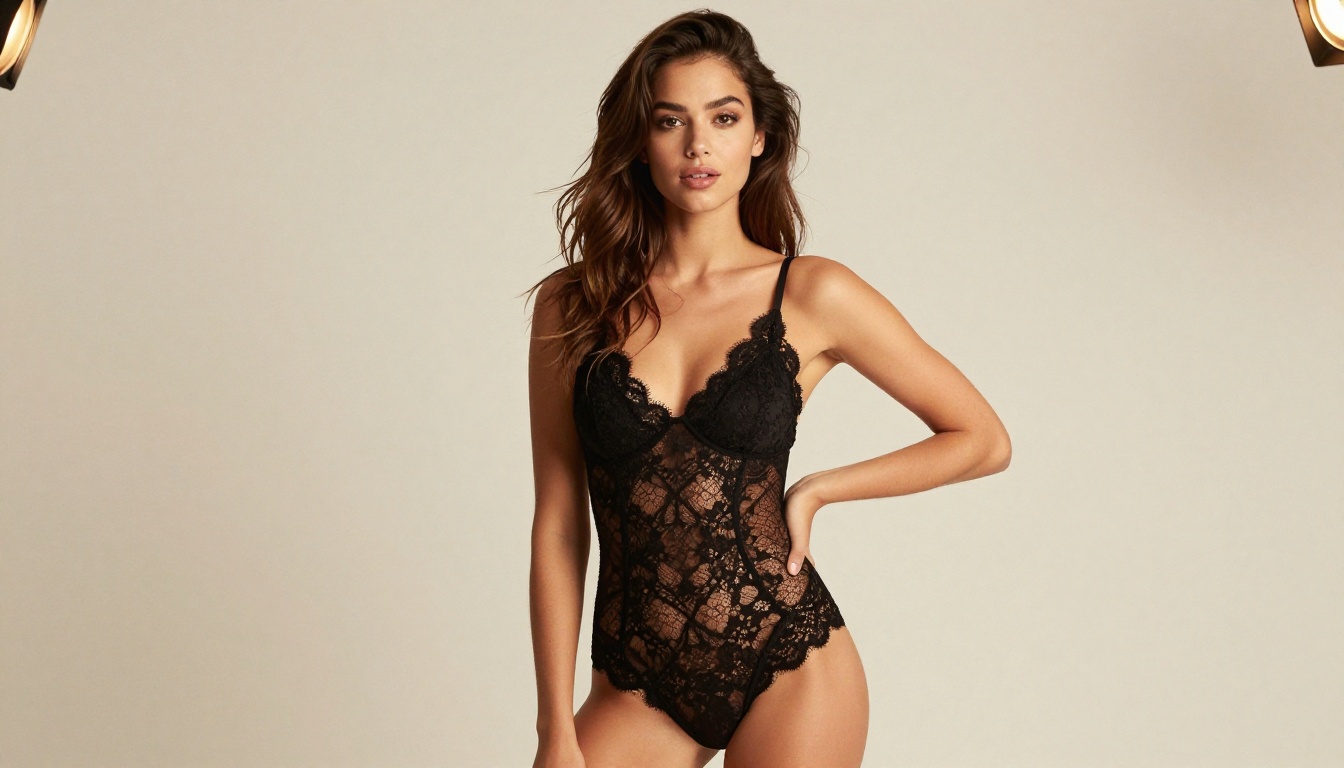
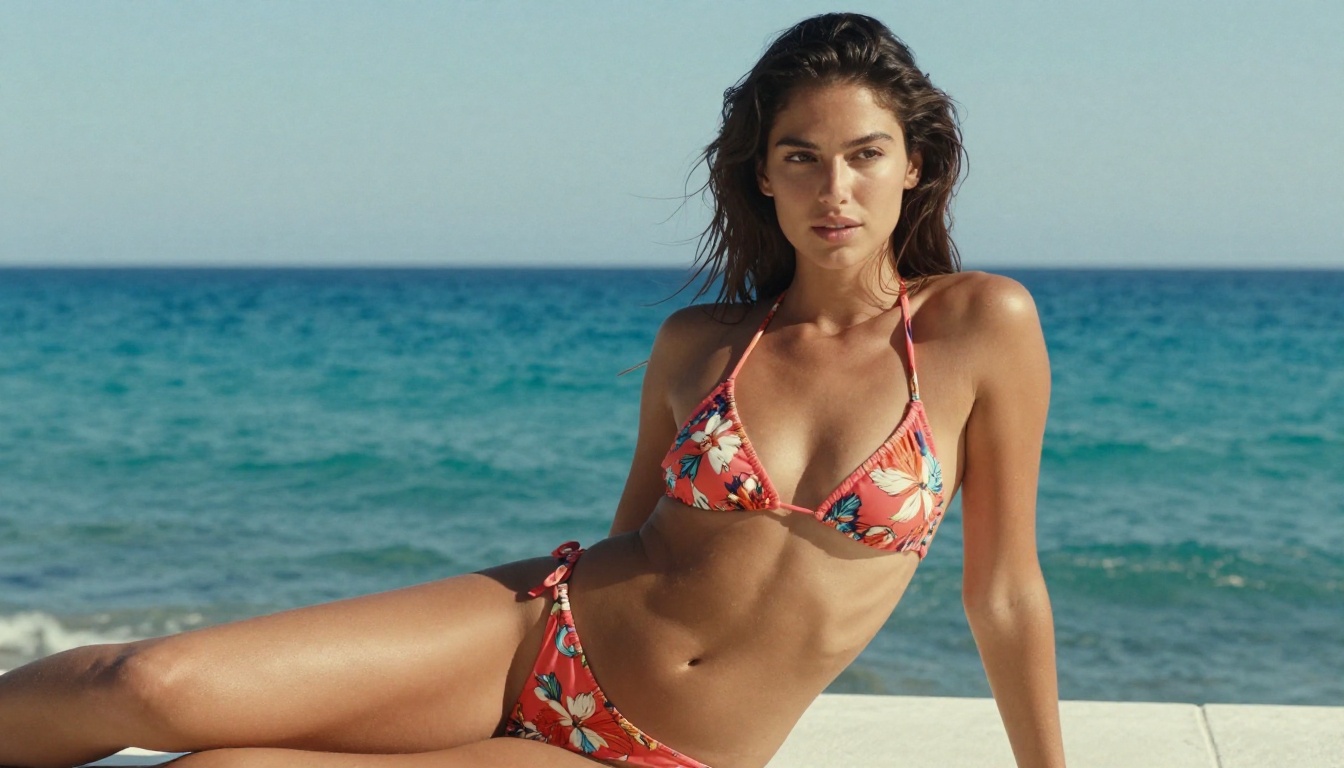
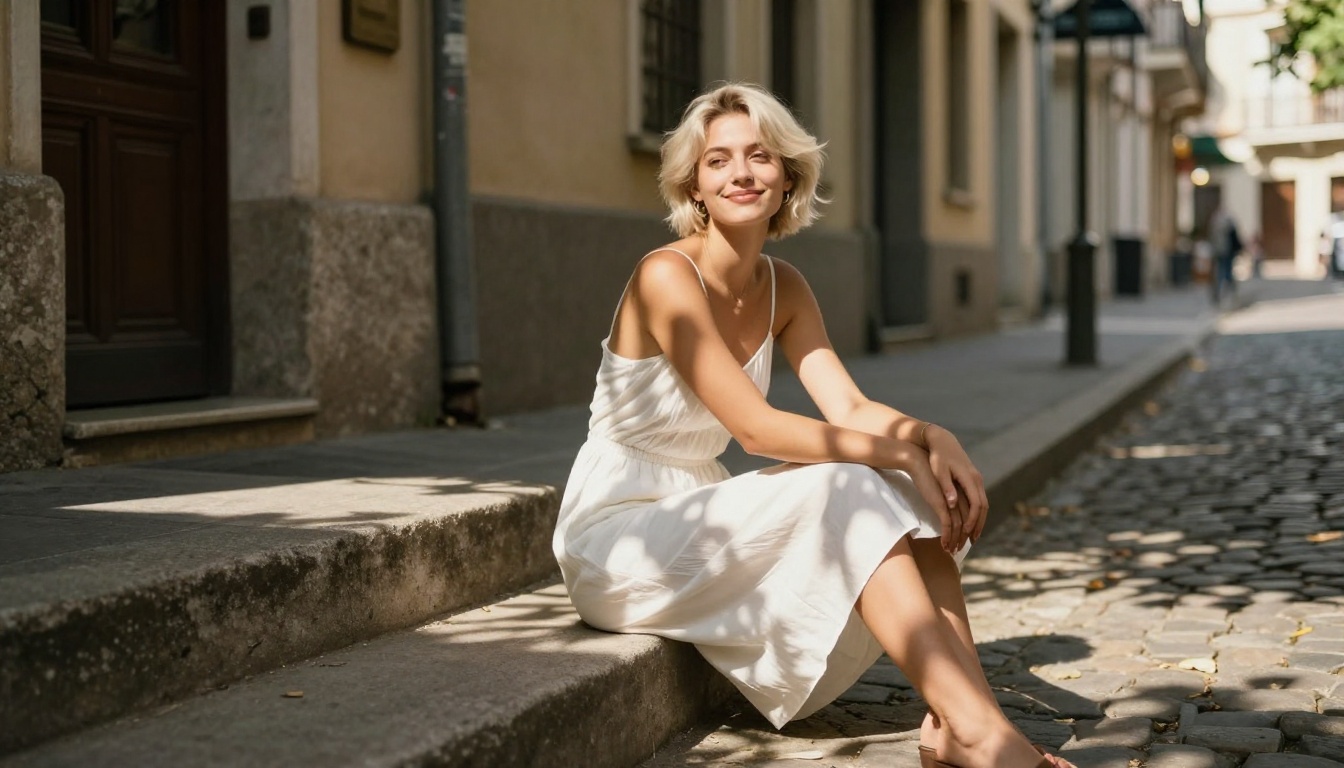
The vast majority of people generating NSFW AI art are not producing explicit material. They are producing glamour photography equivalents: images that would be at home in a fashion magazine, a high-end photography blog, or a fine art gallery. The shock comes from how good these images look, not necessarily from what they depict.
💡 Photorealism is the real disruption. A suggestive AI image generated in 2027 is often indistinguishable from a professional photograph. That quality shift is what is changing the conversation.
The Technology Driving the Wave
How text-to-image changed everything
The foundation is diffusion models: neural networks trained on billions of image-text pairs that learned to associate words with visual concepts. Feed the model a prompt, and it synthesizes an image by progressively denoising random noise into a coherent visual.
The critical development was not the invention of diffusion models themselves. It was the training of those models on internet-scale datasets that happened to include a significant volume of photographic content across the entire spectrum of human expression.
When Stability AI released Stable Diffusion as an open-source model in 2022, they handed this technology to the entire world. Communities immediately began fine-tuning it on specific styles and subjects, including human anatomy and glamour photography. The fine-tuning process, called LoRA (Low-Rank Adaptation), allows users to teach a model a very specific visual style with a relatively small training set.
Models built for realism
What separates ordinary AI art from NSFW AI art is often the model choice. Several models have been specifically optimized for photorealistic human depiction:
Flux 1.1 Pro by Black Forest Labs: currently one of the most capable photorealism models available, with exceptional handling of skin texture, hair detail, and natural lighting.
Stable Diffusion 3.5 Large: the latest generation of the model that started it all, significantly improved in anatomical accuracy and natural proportions.
Realistic Vision v5.1: a community fine-tune specifically developed for photorealistic portrait and figure work.
SDXL: the XL-scale base model that brought higher resolution and better detail rendering to the open-source community.
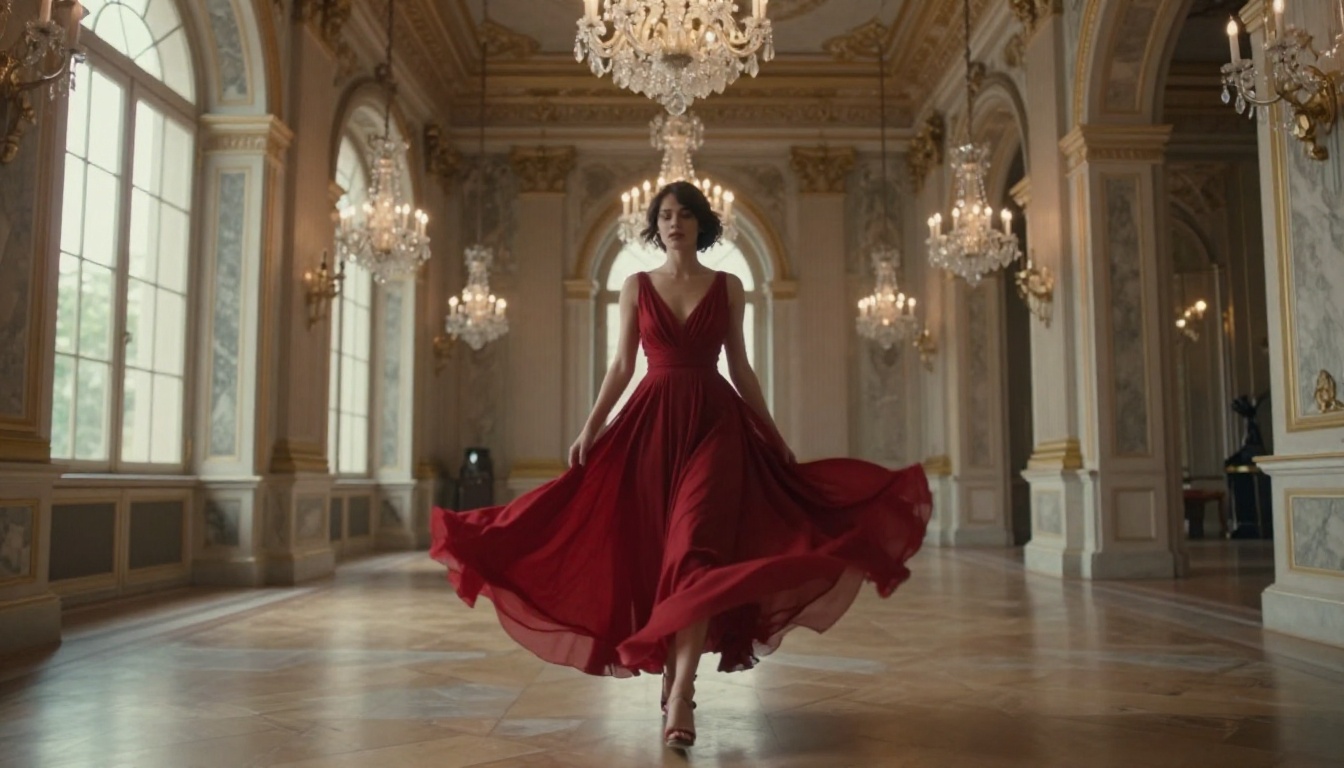
The newest generation of models, including Flux 2 Pro and Imagen 4, have pushed photorealism to a point where skin pores, individual hair follicles, and natural lighting imperfections are rendered with startling accuracy.
The Communities Behind It
Where creators gather
The NSFW AI art community is large, organized, and surprisingly sophisticated. The primary hubs include:
Reddit communities (r/AIArt, r/StableDiffusion, and several adult-specific subreddits)
Discord servers dedicated to specific models and fine-tunes
Civitai, a model-sharing platform that hosts thousands of NSFW-oriented LoRA fine-tunes
Dedicated platforms built specifically for adult AI content
These communities operate with their own etiquette, technical standards, and aesthetic debates. Prompt engineering for NSFW content has become a craft. Members share techniques for achieving specific lighting conditions, skin textures, and compositional styles. The conversation often sounds more like a photography workshop than anything else.
What they are actually making
The output breaks into roughly three categories:
Glamour photography replacements - Images that mimic the aesthetic of professional fashion or boudoir photography
Fantasy figure work - Idealized human forms that lean into the artistic and illustrative tradition
Personalized content - Images tuned to very specific aesthetic preferences
Category one dominates in volume. It is the most accessible, produces the most technically impressive results, and generates the most mainstream interest.
Platforms That Stepped Up
Who allows it and how
The platform landscape has split into distinct camps:
Platform Type
Approach
Notes
Open-source self-hosted
No restrictions
Full local control
Closed consumer platforms
Generally banned
Midjourney, Adobe Firefly
Tiered platforms
Age-verified adult mode
Various independent platforms
Dedicated adult AI
Fully permissive
Specialized platforms
The most interesting tier is the middle one: platforms that created age-verified adult content modes. This approach acknowledges the demand while attempting to create guardrails around access.
The filtering debate
Filters on AI image generators work through a combination of:
Prompt filtering: flagging and blocking specific words or phrases
Output filtering: running generated images through a classifier that detects explicit content
Model-level restrictions: training the base model to refuse certain outputs
None of these methods are perfect. Prompt filtering is easily bypassed with synonyms or euphemisms. Output classifiers have high false-positive rates that frustrate legitimate creative work. Model-level restrictions make the base model less capable for legitimate use cases like medical illustration or fine art.
💡 This is why the debate never settles. Every technical restriction creates friction for legitimate users without stopping determined bad actors who have access to open-source alternatives.
The Real Conversation No One Wants to Have
Consent and likeness concerns
The legitimate concern at the center of all NSFW AI art debate is not about fictional characters or purely imagined figures. It is about the potential to generate realistic images of real people without their consent.
This is a serious issue that the technology does not solve on its own. Responsible platforms address it through:
Prohibition on named real individuals in prompts
Likeness detection that flags generated images resembling known public figures
Terms of service that hold users accountable for misuse
Creating NSFW content using AI models of real, identifiable people without consent is wrong and illegal in many jurisdictions. Responsible use means generating entirely fictional subjects, not approximations of real individuals.
What regulation looks like
Several countries have passed or proposed laws specifically addressing AI-generated intimate imagery:
UK Online Safety Act: platforms must proactively prevent sharing of non-consensual intimate images
US state-level laws: several states have criminalized non-consensual AI-generated intimate imagery
EU AI Act: includes provisions around high-risk AI applications involving human likeness
The regulatory direction is clear: the technology will be permitted, but its misuse will not.
The Models Doing the Heavy Lifting
Flux, SDXL, and the realism race
The competition between model architectures has directly driven the improvement in NSFW AI art quality. The race to produce the most photorealistic human figures has pushed every major lab to improve their models' handling of:
Anatomical accuracy: proportions, joint rendering, hand detail
Flux Dev from Black Forest Labs represents a significant leap in all four areas. The model's transformer-based architecture handles fine detail in ways that earlier UNet-based models struggled with. Flux Schnell delivers similar quality at significantly faster speeds, making it practical for iterative creative work.
For those who want creative control over composition and pose, SDXL Multi ControlNet LoRA enables pose-guided generation, letting creators specify exact body positioning through reference poses rather than relying on text description alone.
How PicassoIA fits in
PicassoIA provides access to the full spectrum of photorealistic text-to-image models in a single platform. With over 91 text-to-image models available, including the latest Flux 2 variants, creators can work across the full range of quality and style without managing local installations or API keys.
The platform's model collection includes both general-purpose models and those specifically optimized for photorealistic human depiction, making it one of the most versatile options for NSFW-adjacent glamour and artistic photography work.
How to Create Non-Explicit NSFW Art on PicassoIA
Step by step
Creating tasteful, high-quality glamour or artistic photography with AI is a skill. Here is a reliable workflow:
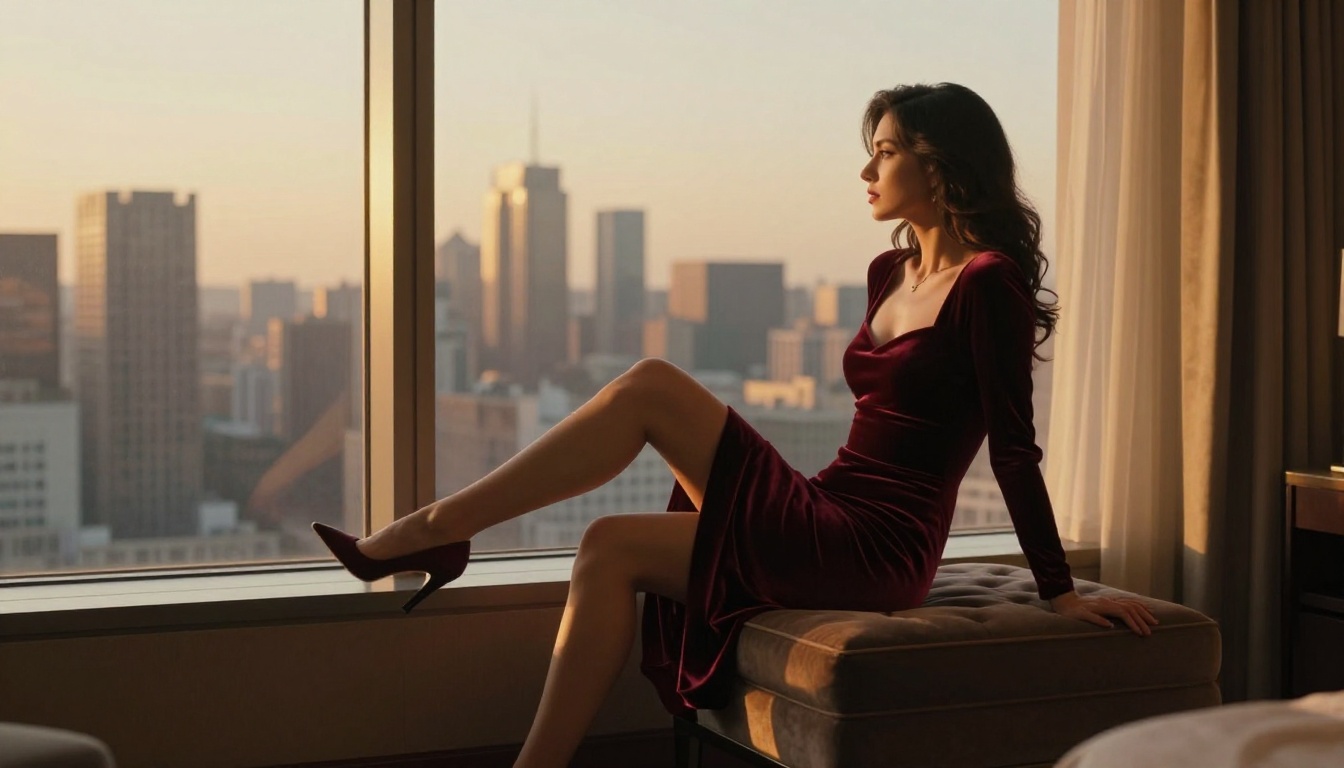
Example: "A confident woman in a fitted burgundy dress, standing on a rooftop terrace at sunset, warm golden hour light from the left, shot on Canon 5D, 85mm f/1.8, Kodak Portra 400 film grain"
Step 3: Add quality modifiers
Always append: photorealistic, 8k, RAW photography, natural skin texture, film grain, --style raw
Step 4: Control the mood with lighting terms
Lighting Type
Effect
When to Use
Golden hour
Warm, flattering, romantic
Outdoor glamour
Window light
Natural, soft, editorial
Studio-style work
Rembrandt
Dramatic shadows, artistic
Portraiture
Backlight
Silhouette, mysterious
Fine art
Step 5: Iterate fast
Use Flux Schnell for rapid iteration on compositions, then switch to Flux 2 Pro for your final high-resolution render.
Tips for better results
Be specific about skin tone rather than general. "Warm olive complexion with golden undertones" generates better results than "tan skin."
Specify the camera lens in your prompt. "85mm f/1.4" versus "24mm f/8" produces dramatically different depth of field and perspective distortion.
Reference real photography styles: "Helmut Newton editorial" or "Vogue Italia aesthetic" signals the model toward high-fashion rather than generic outputs.
Avoid vague words like "sexy" or "attractive." Describe the specific visual elements you want: posture, expression, lighting, environment.
Start Creating Your Own Images
NSFW AI art is everywhere because it represents the most visible demonstration of what AI image generation can actually do. The photorealism that made it controversial is the same photorealism that makes it remarkable. Whether you are interested in glamour photography, artistic figure work, or simply pushing the limits of what text-to-image models can produce, the tools available in 2027 are extraordinary.
Write a detailed prompt. Choose your model. Hit generate. What you can create now would have required a professional photography studio, a model, and a significant budget just three years ago.
The technology is here. The question is what you will do with it.