Recraft V4 shipped quietly, then the design community noticed. Within days, Twitter threads and Discord channels filled with comparisons, side-by-sides, and genuine excitement from professionals who had been waiting for an AI image tool that actually understood what designers need. This is not a marginal update. V4 rethinks several core systems, from how the model handles typography to how it generates scalable vector formats, and the results speak for themselves.
What Changed in V4
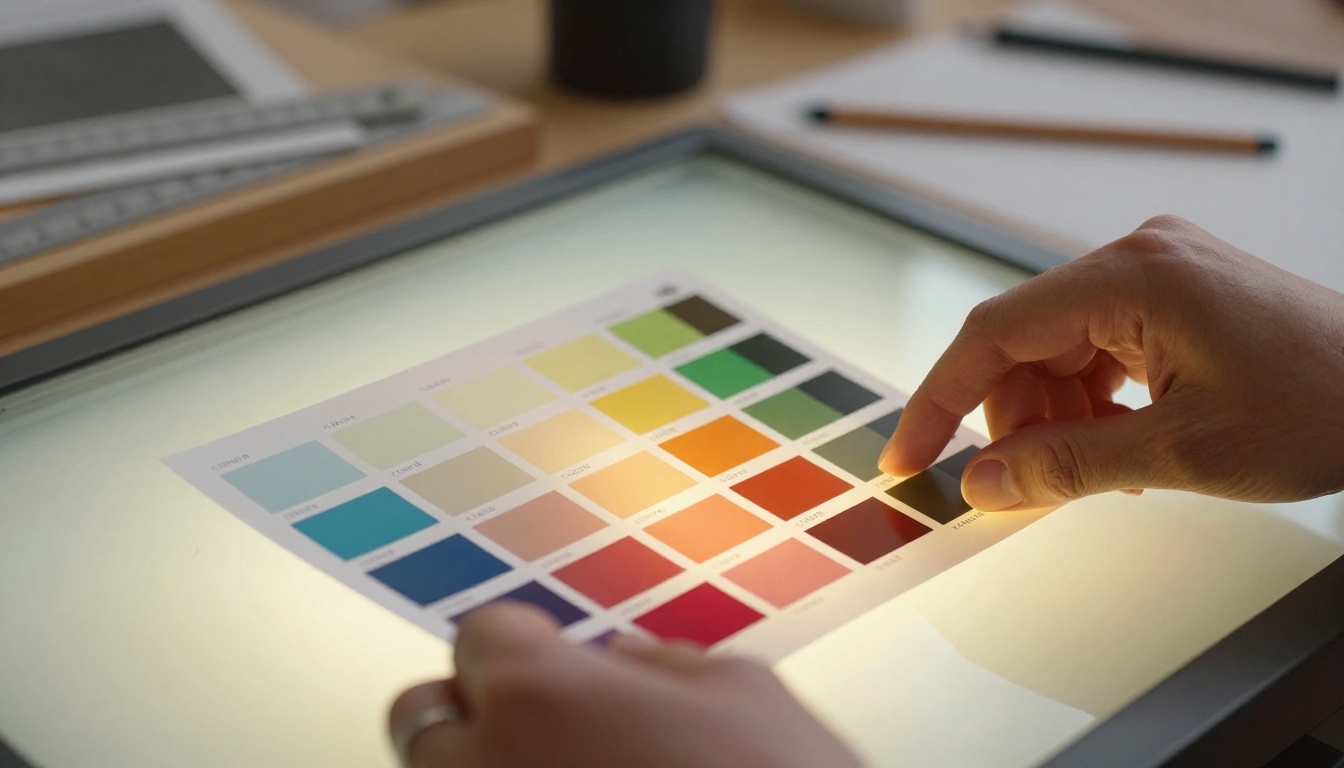
The jump from V3 to V4 is not incremental. Recraft rebuilt the model's understanding of visual composition, brand consistency, and typographic precision. If you have used V3 or Recraft 20B, the difference is immediately visible in output quality.
Text That Actually Looks Right
Typography has always been the weak point of AI image generators. Most models produce blurry, distorted, or hallucinated characters. Recraft V4 changes this with a dedicated text rendering pipeline that produces legible, correctly spaced characters directly in the generated image.
This matters enormously for designers working on social media graphics, packaging, advertising layouts, or any asset where text needs to be part of the visual rather than added in post-production. The characters maintain their proportions across font styles, sizes, and backgrounds.
💡 For best results with text in Recraft V4, specify the font style explicitly in your prompt. "Bold sans-serif in white" or "italic serif in black" produce noticeably cleaner output than generic requests.
Brand Kit Controls
V4 introduces a brand style system that lets you define visual parameters once and apply them consistently across multiple generations. This includes color palette enforcement, stylistic constraints, and compositional preferences that persist between sessions.
For a creative director running multiple campaigns, this is a significant shift in how AI tools fit into production workflows. Instead of describing brand standards in every prompt, you encode them once. The model respects them.
New Style Presets
The preset library in V4 expanded significantly. Designers now have access to styles specifically calibrated for:
- Realistic photography, the most technically refined preset in the lineup
- Digital illustration with clean linework and clear separation of shapes
- Bold graphic design optimized for both print and screen output
- Poster art with strong compositional rules baked into the generation
- Fashion photography with model-accurate proportions and lighting
Each preset was tuned against real-world design outputs rather than generic aesthetic categories, which is why the results land in a different quality tier than earlier versions.
Recraft V4 Pro vs Standard

Two versions shipped with this release: Recraft V4 and Recraft V4 Pro. They share the same base architecture but differ in output resolution, style adherence, and generation speed. Choosing between them is a production decision, not a preference.
| Feature | Recraft V4 | Recraft V4 Pro |
|---|
| Max Resolution | 1024px | 2048px |
| Style Adherence | High | Very High |
| Text Rendering | Strong | Exceptional |
| Generation Speed | Fast | Moderate |
| Best For | Drafts, social media | Print, editorial, final delivery |
Resolution and Output Quality
The Pro version outputs at up to 2048px and applies stricter style enforcement at each generation step. The result is sharper edges, more accurate color reproduction, and better handling of fine details: fabric texture, hair strands, product surface finishes, and architectural materials.
For final deliverables heading to print or high-resolution display, Recraft V4 Pro is the better choice. For rapid iteration, concept work, and social-ready assets, the standard Recraft V4 moves fast without sacrificing the accuracy that matters.
When to Use Each Version
Use V4 standard when you need fast iterations during the concept phase, when the final asset is web or mobile-sized, or when you are generating in bulk for a client presentation with many directions.
Use V4 Pro when the output will be printed or displayed at large scale, when typography needs to be pixel-perfect, or when you are producing hero images, editorial spreads, or portfolio-level work.
SVG Output Is a Big Deal
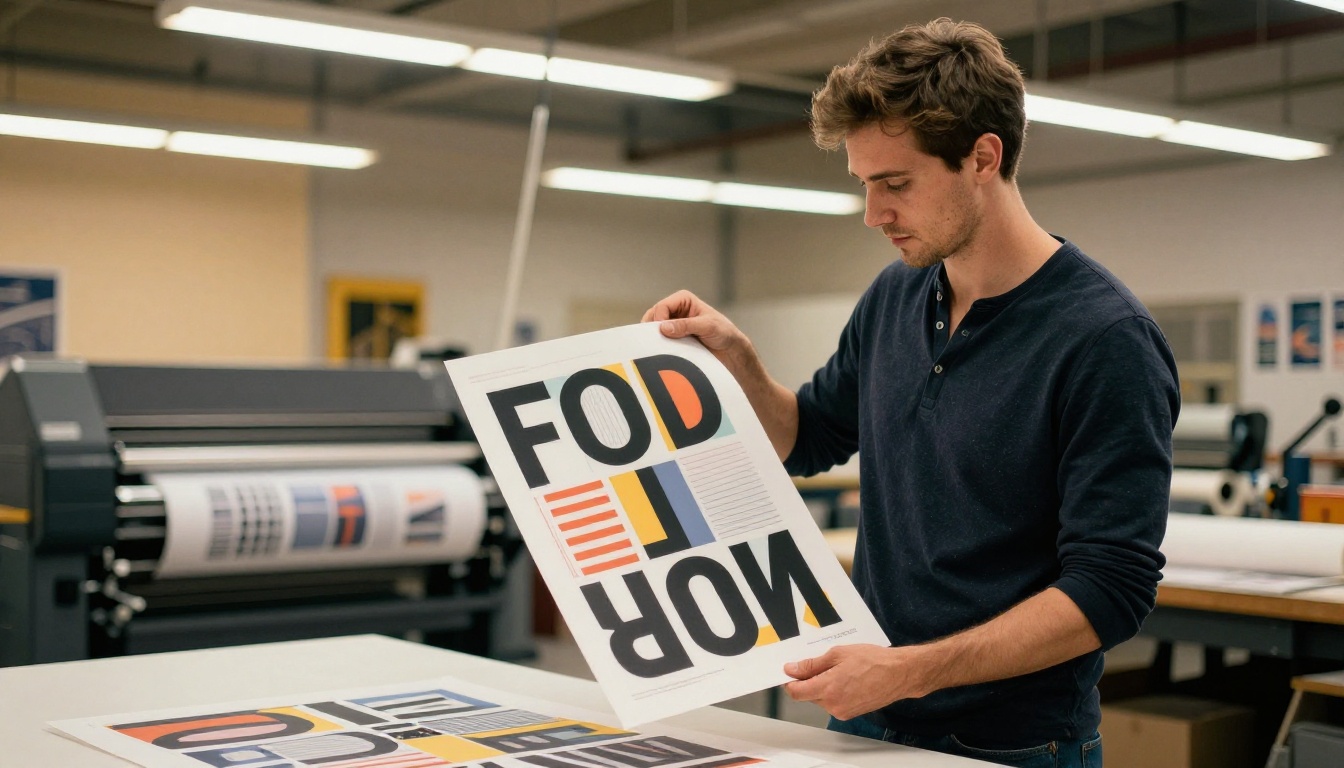
Native SVG generation is the feature that surprised the most designers. Recraft V4 SVG and Recraft V4 Pro SVG produce actual vector files, not rasterized outputs that have been run through auto-trace. This is a different category from image generation entirely. You get clean path data.
Clean Vector Paths
The SVG outputs from V4 contain structured paths with proper anchor points, smooth curves, and rational path simplification. There are no jagged edge artifacts, no excessive node counts, and no raster content embedded behind a vector shell.
For logo work, icon sets, illustration systems, and any design element that needs to scale from favicon to billboard, this is the difference that matters. Vector from the start is not the same as vector from a conversion.
💡 SVG output works best when the design has clear shape hierarchies. Highly photorealistic prompts produce complex paths that are difficult to edit. For cleaner SVGs, prompt for "flat design," "minimal," or "geometric" styles and specify a white background.
Recraft V4 SVG vs V4 Pro SVG
The standard Recraft V4 SVG handles most illustration and icon work well. Recraft V4 Pro SVG produces more refined paths with better curve precision, which shows up in complex shapes like organic forms, custom lettering, and multi-layer brand compositions.
If the SVG output will be animated or manipulated in code, the Pro version is worth the tradeoff in generation time.
Photorealistic Mode in V4

The photorealistic style in V4 positions Recraft as a serious tool for commercial photography replacement in specific workflows. This is not "looks like a photo if you squint." The outputs produce accurate skin texture, fabric behavior, surface reflections, and depth-of-field characteristics consistent with physical lens optics.
What Makes It Different
Earlier Recraft versions had a photorealism preset, but it struggled with consistency. Skin tones shifted between generations, fabric patterns tiled artificially, and lighting direction would contradict itself within the same scene. V4's photorealism model addresses these issues directly.
The training placed stronger emphasis on physical coherence. Lighting obeys directionality. Surfaces respond to light based on material type. Shadows fall correctly. Proportions hold across full-body compositions and close-up shots within the same scene.
The result is output that holds up to inspection at 1:1 zoom, which earlier AI photorealism rarely delivered.
Best Use Cases for Designers
- Product mockups: Place products in real-looking environments without a photo shoot
- Editorial photography: Generate contextual images for articles, campaigns, and presentations
- Lifestyle content: Create social visuals that precisely match brand aesthetic
- Campaign concepts: Rapid production of reference visuals before committing to expensive shoots
- Fashion and beauty: Generate model shots with accurate proportions and realistic lighting behavior
How to Use Recraft V4 on PicassoIA

Since Recraft V4 is available directly on PicassoIA, you can start generating immediately. No API setup, no billing configuration on a separate platform, no account provisioning.
Setting Up Your First Image
- Open Recraft V4 on PicassoIA
- Choose your style preset from the dropdown (start with "Realistic Photo" for photographic outputs or "Digital Illustration" for vector-friendly designs)
- Set the aspect ratio to match your output format: 16:9 for banners, 1:1 for social posts, 9:16 for mobile stories
- Write your prompt with a clear subject, environment, and lighting description
- For text elements: include the exact text in quotes and specify font style (e.g., "bold sans-serif" or "script font")
- Generate several variants and compare before selecting the strongest
Tips for Better Results
Prompting for brand consistency: Include a short style block at the end of every prompt. For example: "warm natural lighting, terracotta and off-white palette, editorial photography aesthetic." Repeating this across all your prompts creates visual coherence without needing the brand kit feature.
Controlling composition: Use camera-direction language in your prompts. "Shot from below," "aerial view," or "close-up at 85mm f/1.8" all produce meaningfully different compositions that align with real photographic conventions. These references also improve how the model handles light direction.
Iterating efficiently: Use the standard Recraft V4 for your first 5 to 10 iterations to find the right direction, then switch to Recraft V4 Pro for final deliverables. This keeps generation time reasonable without sacrificing quality on outputs that actually ship.
Recraft V4 vs Recraft 20B

Recraft 20B remains available on PicassoIA and is still a capable model for specific project types. The question is not which one is better in the abstract. It is about selecting the right tool for each job.
| Aspect | Recraft V4 | Recraft 20B |
|---|
| Architecture | V4 generation | Earlier architecture |
| Photorealism | Exceptional | Moderate |
| Text Rendering | Strong | Limited |
| SVG Output | Yes (separate model) | No |
| Brand Kit | Yes | No |
| Speed | Fast | Fast |
| Best Style | Photorealistic, clean illustration | Artistic, painterly |
Speed vs Quality Trade-offs
Recraft 20B produces outputs with a distinct aesthetic character that some designers genuinely prefer for certain projects. The stylistic softness that V4 removed is sometimes exactly what a project needs. Painterly illustrations, warm-toned portraits with an artistic quality, and editorial composites with a film-photography feel can all work well with 20B.
For everything requiring precision, legibility, brand accuracy, or commercial photorealism, V4 is the standard now.
Real Design Workflows with V4
Social Media Assets
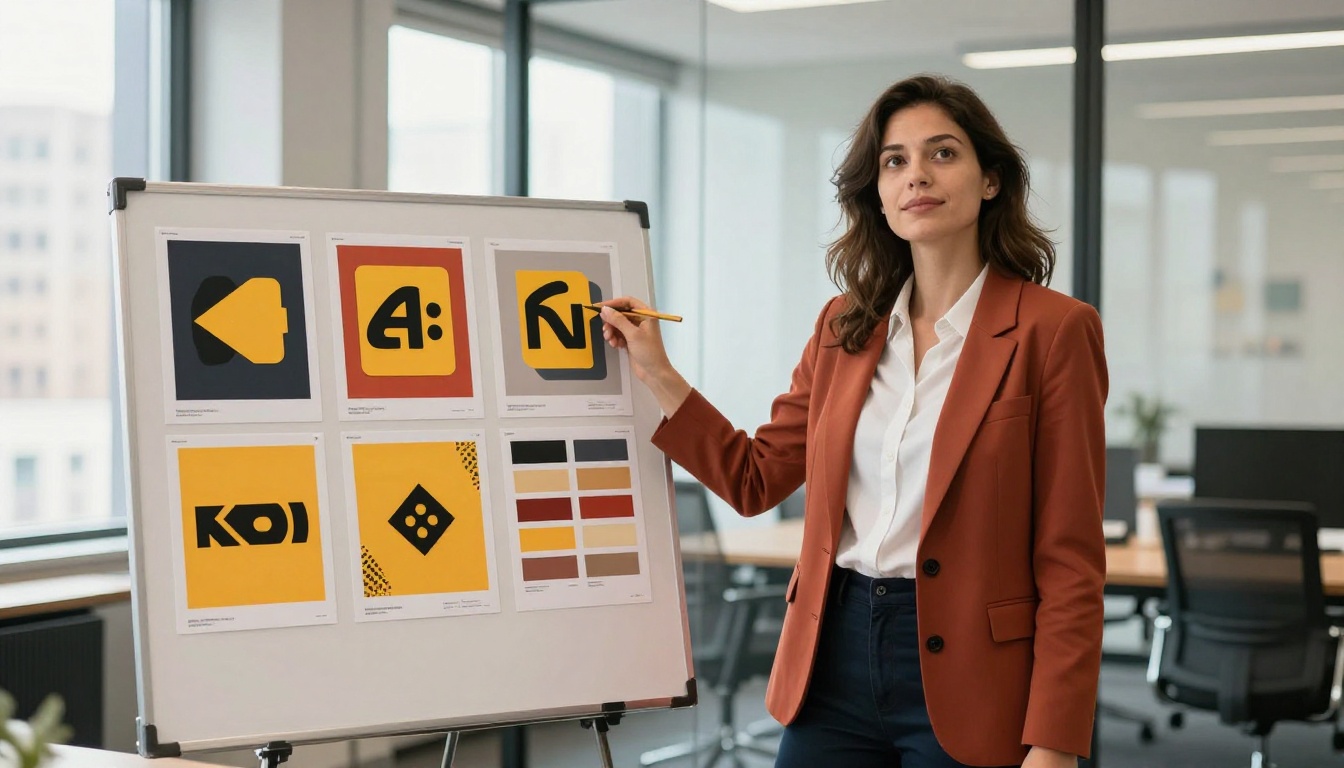
The most immediate practical use for most designers. V4's photorealistic mode produces social media images that sit naturally alongside real photography in a content feed. The style consistency feature means a brand running multiple posts per week can maintain visual coherence without manually re-describing the brand aesthetic in every prompt.
A workflow that works in practice:
- Define your brand style block once: colors, lighting rules, and composition preferences
- Generate 3 to 5 variants per post concept using Recraft V4
- Select the strongest output and download at export resolution
- Add copy in your editing tool of choice, or prompt for integrated text directly in Recraft
Because V4 handles typography in-image at a level earlier models could not achieve, you can generate posts where the text is already part of the visual rather than overlaid as a separate layer afterward.
Brand Identity Work
For branding projects, the SVG output models open a workflow that was not previously possible with AI tools. You can generate logo concepts, icon systems, and brand mark variations as native vector files and bring them directly into Illustrator or Figma without a conversion step that degrades path quality.
Recraft V4 SVG is particularly useful for:
- Logo exploration: Generate 10 to 15 directions in the time it used to take to hand-sketch 3
- Icon sets: Maintain stylistic consistency across a full icon library from a single style description
- Pattern design: Create repeating pattern elements with clean, editable path structure
- Monogram and lettermark concepts: Prompt specifically for letter-based mark designs with defined proportions and weight
💡 When generating logo concepts in SVG mode, add "white background, isolated on white, simple flat shapes, no gradients" to your prompt. This produces the cleanest, most edit-friendly vector files.
Product Mockups
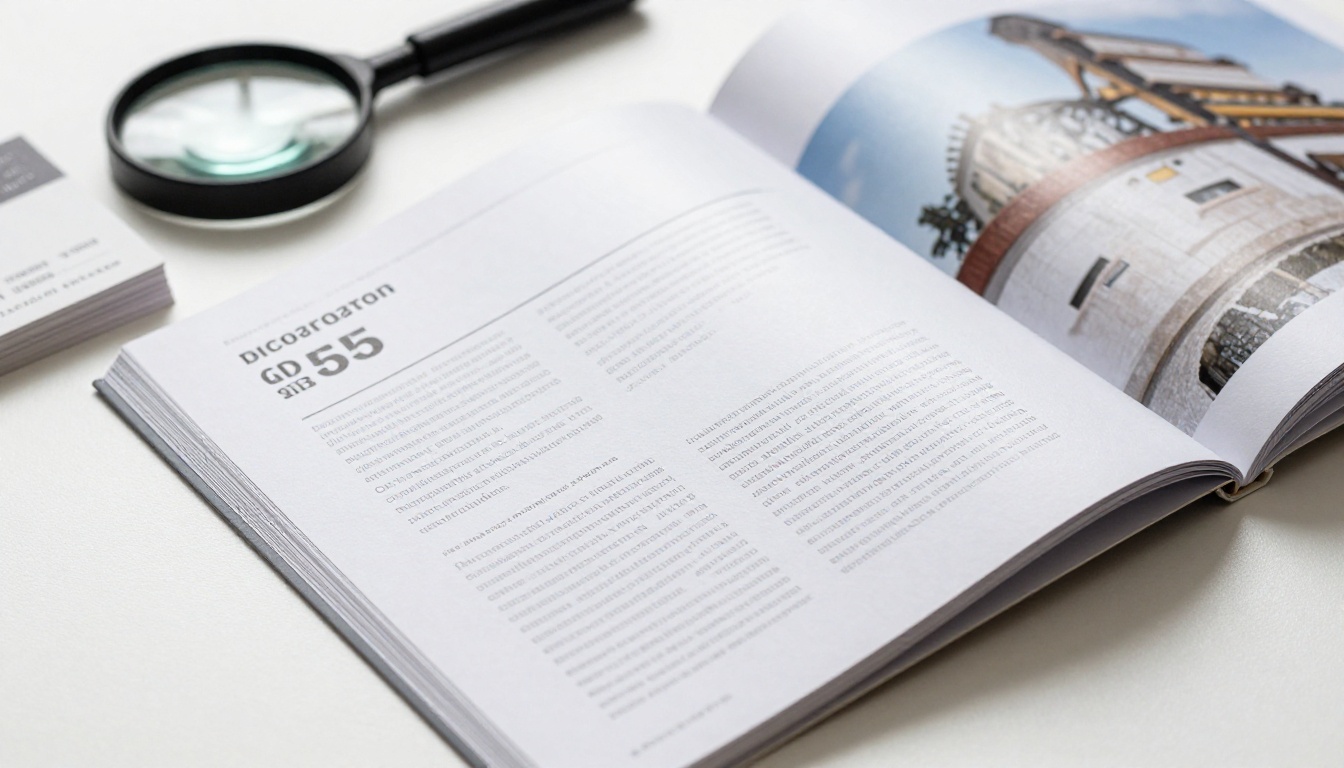
The photorealistic mode in Recraft V4 Pro changes the economics of product photography for small studios and independent designers. Generating a product in a lifestyle context, on a surface, in a specific environment, costs almost nothing compared to a physical shoot setup.
The results hold up for website banners, e-commerce category images, pitch decks, and early campaign concepts. For final campaign execution, a real shoot still matters in many professional contexts. But for everything that happens before that decision is made, Recraft V4 Pro is fast, precise, and economical in a way earlier AI tools were not.
Create Your Own Images with PicassoIA

Every feature covered here is accessible right now on PicassoIA, without a waiting list or separate technical setup. Whether you want to push Recraft V4 Pro's photorealism to its limits, produce a full icon set with Recraft V4 SVG, iterate through campaign directions at speed with standard Recraft V4, or generate clean scalable assets with Recraft V4 Pro SVG, the platform puts every model one click away.
PicassoIA also gives you access to over 90 text-to-image models alongside Recraft V4, so you can compare outputs, mix workflows, and find the exact tool that fits your project. The brand kit controls in V4, combined with the speed and breadth of models on the platform, make it a serious production environment rather than just an experimentation space.
Start with a prompt that represents something you would normally spend 30 minutes photographing or illustrating. See what V4 produces. The gap between AI-generated output and production-ready asset has narrowed significantly with this release, and the best way to see that is to run your own prompt against it.


