Every content creator hits the same wall eventually. You need fresh, polished visuals, fast, on a workflow that can repeat itself daily. That is precisely what Seedream 5 Lite was built for. Released by ByteDance, the team behind TikTok and CapCut, this lightweight text-to-image model was calibrated specifically for social media output. It is not chasing the crown for highest-fidelity renders or cinematic realism. Its goal is narrower and, for most content creators, far more useful: produce aesthetic, platform-ready visuals at high speed and low cost.
That combination matters more than most people realize. A solo creator managing three platforms cannot wait four minutes per image. A small brand running weekly campaigns cannot spend their entire budget on premium API calls. Seedream 5 Lite sits right in the space between "good enough" and "genuinely impressive," and knowing exactly where that line sits changes how you approach your entire AI content creation workflow.
What Seedream 5 Lite Actually Is
The ByteDance origin story
ByteDance has been quietly building a serious AI infrastructure stack for years. TikTok's recommendation engine, Douyin's visual effects, CapCut's editing tools, all powered by internal AI research and development running parallel to the public-facing product lines. Seedream is their text-to-image branch, and the "5 Lite" designation marks the fifth major generation in a compressed, efficiency-first variant.
Where Seedream 5 (full) targets maximum quality at correspondingly higher compute costs, Seedream 5 Lite was designed with one specific constraint: it needs to run fast enough to be useful in real content workflows. Lower inference time, smaller model footprint, parameters tuned not for photographic perfection but for aesthetic appeal at social media resolutions.
How it differs from the full model
The full Seedream 5 produces noticeably richer fine detail, particularly in complex scenes with multiple subjects or highly textured backgrounds. Seedream 5 Lite gives up some of that granularity in exchange for speed. At 512x512 and 768x768 output sizes, the difference is minimal. At higher resolutions, the lite model begins to show its limits.
For social media, this tradeoff almost always makes sense. Instagram's feed, TikTok's thumbnail grid, and Pinterest boards are all consumed on devices that compress visual data further. The detail gap between a lite model and a full model often disappears entirely once images display on a 6-inch phone screen.

The scroll-stop problem
Social media is a visual competition. A user scrolling a feed decides whether to stop in 0.3 to 0.5 seconds. That decision is almost entirely driven by immediate visual impact: color composition, subject clarity, and a subconscious read on whether the image looks polished. AI-generated images that feel flat, overprocessed, or stylistically inconsistent fail this test regardless of how technically accurate the prompt response was.
This is why social media-specific AI models like Seedream 5 Lite matter. Generic image generation tuned for art or cinematic output can produce stunning results that still feel wrong in a social media context. Proportions are off, the color palette is too saturated or too muted, subjects do not feel relatable. Seedream 5 Lite's training data skews heavily toward content that has already performed well on social platforms, and that calibration shows directly in the outputs.
Text rendering in generated visuals
One of the most underrated capabilities in this model is text rendering. Placing readable text inside AI-generated images has been a persistent weak point across the category. Seedream 5 Lite shows notably better coherence when asked to include short phrases, labels, or callout copy in the image itself. For brands that want product names, calls-to-action, or minimal copy directly inside generated visuals, this is a meaningful practical advantage.
Note: Complex sentences still distort. Two to four word phrases at high contrast show reliable results that competing models struggle with even after multiple iterations.
Seedream 5 Lite's Core Strengths
Speed that actually changes your workflow
Inference time on Seedream 5 Lite sits significantly below full-quality models at comparable output resolutions. In practice, this means generating a batch of 10 social media images in roughly the time a heavier model takes to produce one. For content calendars requiring 30 or more pieces of visual content per week, this is not a minor convenience. It restructures the entire production process.
A creator can now iterate on prompts in real time, testing six variations of a scene, selecting the best two, and moving forward in the time it previously took to generate a single asset. That iterative speed is what makes AI-generated visuals fit into a professional social media workflow rather than being an occasional novelty.

Aesthetic calibration for platforms
Seedream 5 Lite was trained with attention to what social media audiences respond to. This shows up in specific, observable ways:
- Warm color grading that mirrors the popular presets on Instagram and VSCO
- Subject-forward compositions with natural negative space that allows for caption overlays
- Lifestyle-first framing: the default output tendency is people in relatable settings rather than abstract or conceptual imagery
- Proportional consistency across portrait and landscape outputs, making batched content feel cohesive
These are not marketing claims. They emerge from the training data composition and produce a consistent aesthetic character across outputs.
Portrait and beauty performance
Portrait generation is where social media AI models live or die. Seedream 5 Lite handles human faces with above-average consistency for a lite model. Skin tones render with warmth, facial proportions stay coherent across different ethnicities and ages, and expressions tend toward natural rather than the plasticized look that makes AI portraits feel uncanny.
For beauty, lifestyle, and fashion content creators, this matters enormously. A model that consistently produces slightly off facial geometry or unnatural eye rendering is unusable regardless of how good everything else in the frame looks.
Instagram: the sweet spot
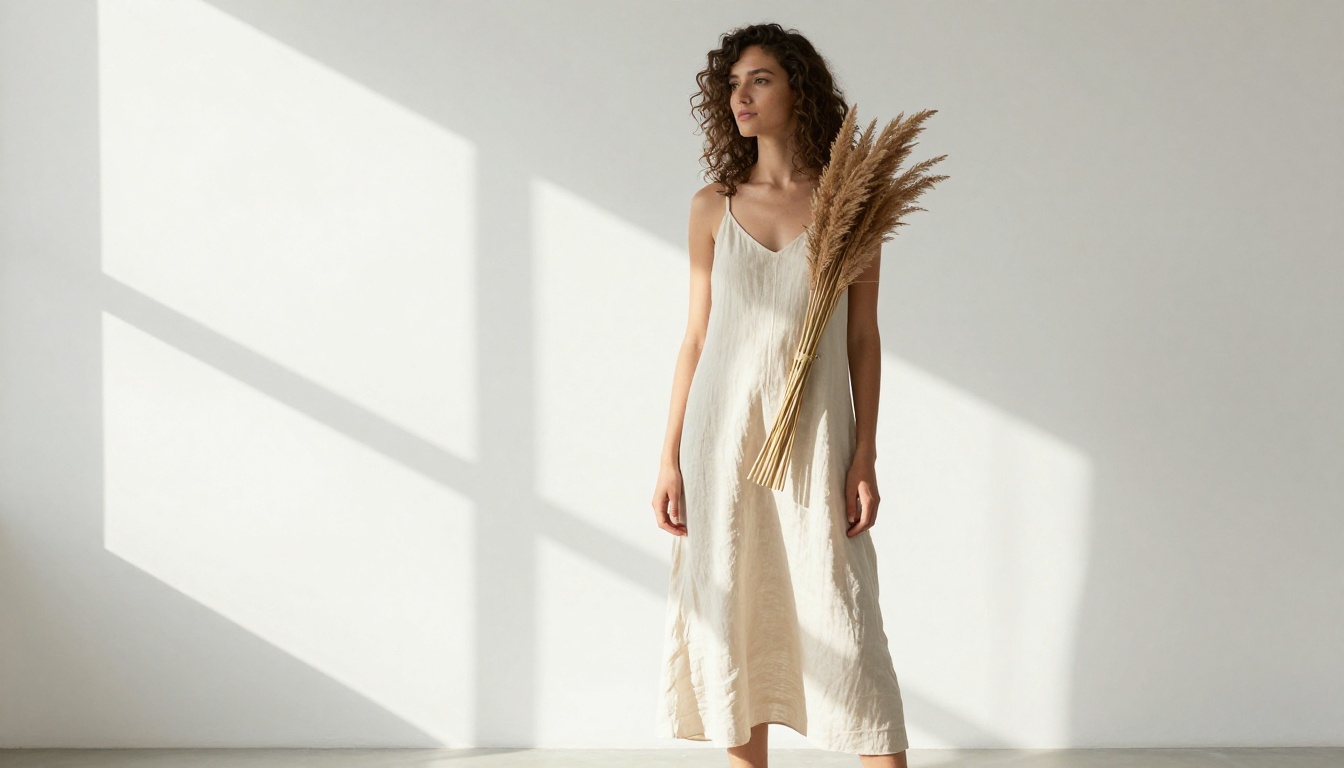
Instagram is where Seedream 5 Lite performs best. The platform's visual language, warm, aspirational, lifestyle-oriented, maps almost exactly onto where the model's aesthetic tendencies land naturally. Feed posts, story graphics, and carousel header images all benefit from the warm default color grading and the bias toward subjects in attractive environments.
The model handles the 4:5 portrait ratio that Instagram's algorithm rewards well, producing outputs with good subject centering and natural negative space in the lower portion for caption overlays.
TikTok: vertical and fast
TikTok thumbnail and background generation follows slightly different rules. The 9:16 vertical format is harder for most text-to-image models because training data skews toward landscape and square formats. Seedream 5 Lite handles this ratio with reasonable competence, though it benefits from explicit compositional direction in the prompt.
The real advantage for TikTok creators is the speed. Generating a thumbnail image in seconds rather than minutes keeps the video production workflow intact. TikTok's visual style also tends toward more energetic, saturated imagery, and with explicit prompting, Seedream 5 Lite responds well to these directions.
Pinterest: detail and atmosphere
Pinterest users browse more deliberately and reward more detailed images. This is where Seedream 5 Lite shows more of its limits compared to full-quality models. For simple lifestyle scenes, product displays, and mood board imagery, it performs well. For complex scenes with high subject density or intricate backgrounds, the lite model's compression becomes visible.
For most Pinterest categories, particularly home decor, travel, food styling, and personal style content, the outputs are more than sufficient. Warm tones and aspirational framing align naturally with what performs well on the platform.
LinkedIn and professional content
This might be the surprise use case. Seedream 5 Lite produces clean, professional-looking imagery that works well for LinkedIn posts, thought leadership content, and B2B brand visuals. The model does not default to the overdesigned look that makes much AI content feel generic. With careful prompting around professional settings, workspace imagery, and team environments, it produces results that sit comfortably alongside real photography.
Seedream 5 Lite vs. Competing Models
Speed and aesthetic fit comparison
| Model | Relative Speed | Quality Ceiling | Social Media Fit |
|---|
| Seedream 5 Lite | Very Fast | High (lite) | Excellent |
| Seedream 5 Full | Medium | Very High | Excellent |
| Flux Schnell | Very Fast | High | Good |
| Flux Pro | Slower | Very High | Good |
| Flux 1.1 Pro | Slower | Very High | Good |
For users who want Flux-based alternatives, platforms like PicassoIA offer access to Flux Schnell, Flux Pro, and Flux 1.1 Pro, each with distinct speed-quality tradeoffs suited for different production contexts.

Where Flux models have advantages
Flux Dev and Flux Kontext Pro from Black Forest Labs offer stronger performance for users who need precise structural control or iterative visual editing. Flux Kontext Pro in particular stands out for its ability to edit existing images with contextual awareness, something Seedream 5 Lite does not offer. For workflows that involve refining existing visuals rather than generating from scratch, Flux Kontext Pro is the stronger option.
For pure text-to-image generation optimized for speed and social media aesthetics, Seedream 5 Lite holds its own.
The cost-volume equation
The real differentiator for most content creators is not the quality ceiling but the cost-to-volume ratio. If your content calendar requires 40 images per week and your budget is fixed, a faster, lighter model that produces 80% of the quality at 20% of the compute cost is often the correct choice. Seedream 5 Lite's strength is that it produces results above the quality floor where social media images stop performing, at a throughput that makes volume content creation economically viable.
Real Use Cases from Content Creators
The daily content batch
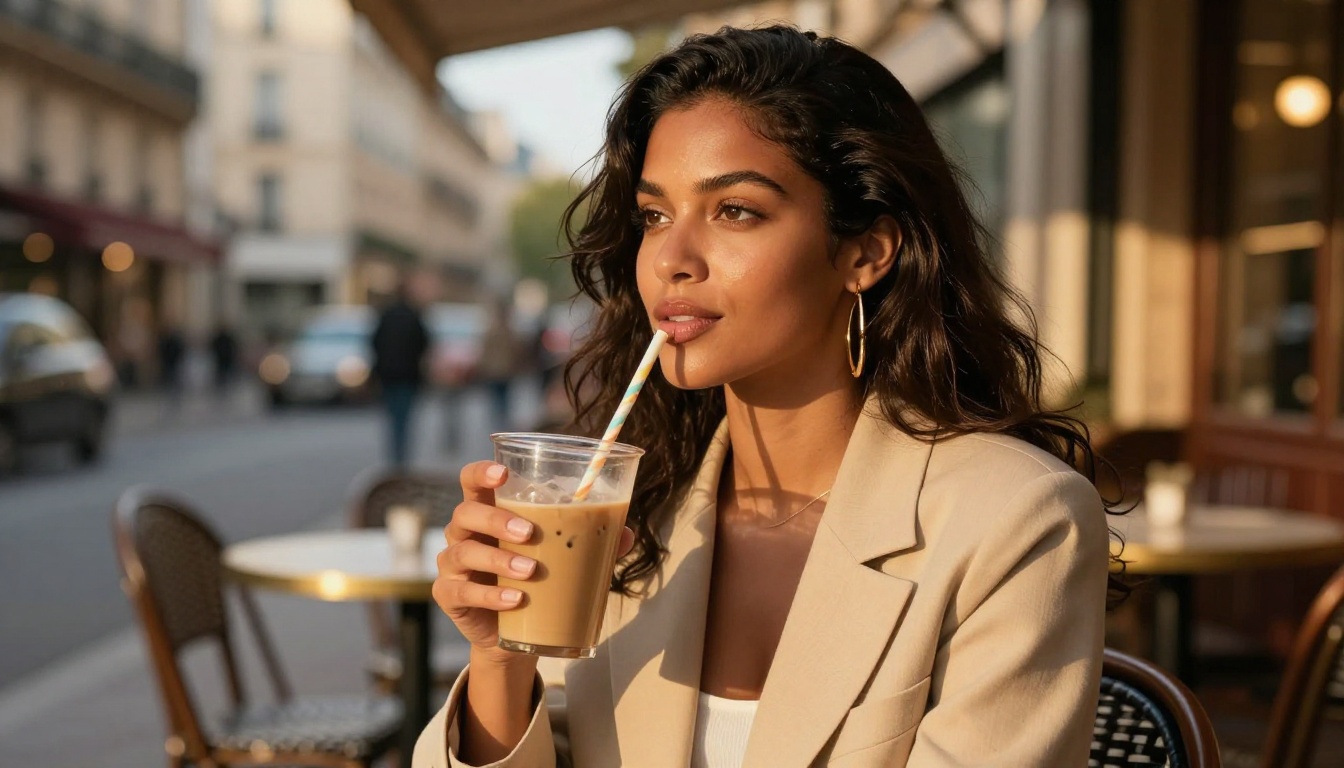
The most common high-value scenario is the daily content batch. A creator who needs eight to ten images per week for a consistent posting schedule can use Seedream 5 Lite to generate a full week of visual assets in under an hour. The workflow is straightforward: develop a small library of prompts aligned with your visual identity, adjust the specific scene or product details for each post, and generate variations until you have what you need.
Brand visual consistency
Maintaining visual consistency across social media channels is one of the hardest problems for small brands and solo creators. Photography varies, stock imagery looks generic, and hand-edited graphics take significant time. AI generation with a consistent prompt framework addresses this directly.
With Seedream 5 Lite, building a visual system means defining a set of core prompt elements that combine with content-specific details. The same lighting descriptor, subject framing style, and color treatment applied across dozens of generated images produces a feed that looks intentional and cohesive without requiring a dedicated art director.
Campaign visuals at scale
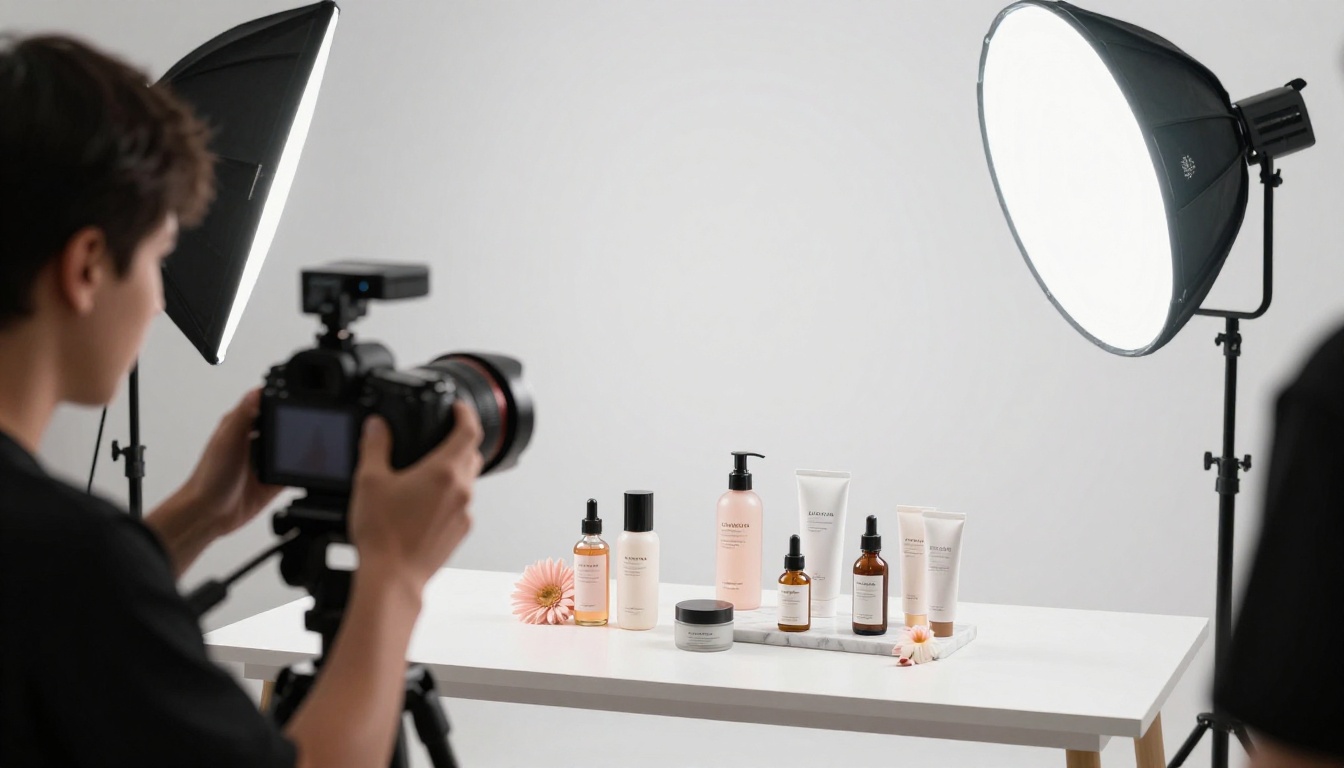
Marketing teams producing content for seasonal campaigns, product launches, or promotional periods can use Seedream 5 Lite to rapidly prototype visual concepts before committing production budget to polished photography. Generate thirty variations of a scene, select the three that best communicate the campaign concept, then use those as creative briefs for your production team or as finished assets for digital placements where photographic perfection is not required.
Event and seasonal content
Time-sensitive content creation is where Seedream 5 Lite's speed advantage is most directly valuable. Reacting to a trending topic with relevant visual content in under an hour is a real competitive advantage on platforms that reward timeliness. Generating seasonal imagery for holidays, product promotions, or cultural moments at the moment they become relevant rather than planning them weeks in advance opens up a more responsive, agile content strategy.
Prompt Strategies That Actually Work
The lifestyle scene formula
The most reliable approach for social media lifestyle content follows a consistent structure:
- Subject description: age range, general appearance, activity
- Environment: specific location type with atmospheric detail
- Lighting: time of day, direction, quality
- Composition: camera angle, lens length equivalent, distance
- Mood modifier: the emotional register of the scene
Example: "A woman in her late 20s reading a book in a sunlit café window, warm afternoon light from the left, close-up from slightly above, cozy and relaxed atmosphere, film grain"
This structure maps naturally onto Seedream 5 Lite's training distribution and produces consistent, usable results across different niches and visual styles.
Avoiding common prompt failures
Several prompt patterns reliably produce poor outputs from lite models:
- Overly complex scenes with multiple foreground subjects and detailed backgrounds: the model cannot maintain coherence across all elements simultaneously
- Specific brand products: the model lacks licensed training data for real products and will approximate details unreliably
- Complex text phrases: keep any in-image text to two to four words maximum
- Conflicting style descriptors: mixing "cinematic" with "flat lay" or "aerial view" with "portrait" produces inconsistent results
Tip: If your first generation misses the mark, simplify the scene before changing other parameters. Most failures come from compositional complexity rather than the model's core capabilities.

If you are building a social media visual strategy that goes beyond what any single model can provide, using a platform with access to multiple generation models becomes important quickly. PicassoIA's text-to-image collection includes over 90 models, giving you access to specialized tools for every content type alongside faster options for volume production.
For social media creators, the combination of a speed-first model like Seedream 5 Lite for daily content plus a higher-quality option like Flux 2 Pro for hero images and campaign anchors covers most production requirements across platforms.
PicassoIA also offers super-resolution upscaling that extends the usability of lite model outputs when higher resolution is needed without regenerating from scratch. The broader platform capabilities include image inpainting and editing, background removal, portrait retouching, and video generation tools, building a robust content creation stack around your AI image generation workflow.

Start Creating Right Now
Seedream 5 Lite is not a tool that demands deep technical knowledge. The entry point is low, the iteration speed is high, and the output quality sits well above what most social media contexts require. The real investment is time spent building a prompt library that aligns with your visual identity and developing a workflow that integrates generation into your existing content process.
The best way to see what any AI image model can do for your content is to run your own prompts through it. Start with the lifestyle scene formula above, adjust the environment and subject details for your specific niche, and generate enough variations to see the pattern in what works. Within a few sessions, you will have a system that produces consistent, on-brand visuals at a speed that changes how you think about content production entirely.
PicassoIA's text-to-image tools, including Flux Pro, Flux 1.1 Pro, and the PicassoIA Image generator, are available now for you to experiment with. Pick a visual concept from your next content calendar and generate your first batch. The gap between what you imagined and what you can actually produce is smaller than you think.


