Brands spending money on static image ads are quietly falling behind. The scroll speed on Instagram, TikTok, and YouTube Shorts has made one thing brutally clear: video stops thumbs, and images rarely do anymore.
The production barrier used to be the excuse. A professional video shoot costs thousands of dollars, takes days to coordinate, and can't be revised quickly when a campaign needs a new angle. That's exactly why using AI image to video for ads has shifted from a novelty experiment to a standard part of the ad creative workflow at brands that are serious about performance.
The concept is simpler than it sounds: you have a product photograph, feed it to an AI model, and within seconds the model animates it into a short video clip. The product breathes, moves, rotates, or reacts to its environment. That clip becomes your ad. No studio, no director, no post-production budget.
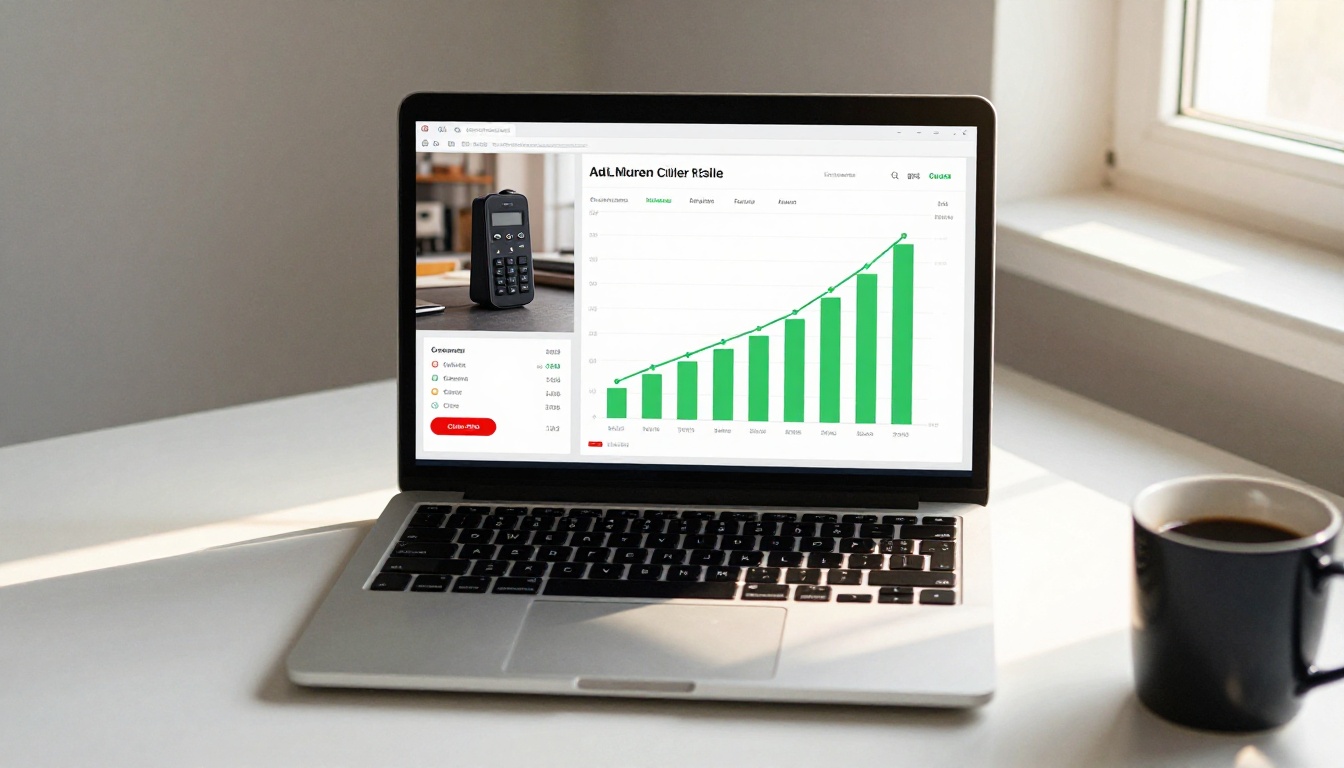
The data is not subtle. Video ads achieve 3 to 5 times higher click-through rates than static image ads across Meta, TikTok, and Google Display Network. Video content earns dramatically more shares than text and image content combined on social platforms.
The reason is physiological. Human eyes are wired to detect motion. On a feed full of still images, a moving ad is the visual equivalent of someone tapping you on the shoulder. The brain can't ignore it.
For brands that can't afford constant video production, this creates a real competitive disadvantage. AI image-to-video changes that math entirely.
The Attention Window Is Shrinking
Average feed scroll speeds have accelerated every year. Research from advertising agencies suggests the average viewer forms a brand impression within the first 1.7 seconds of viewing content. Static images require the viewer to stop and read. Video communicates instantly.
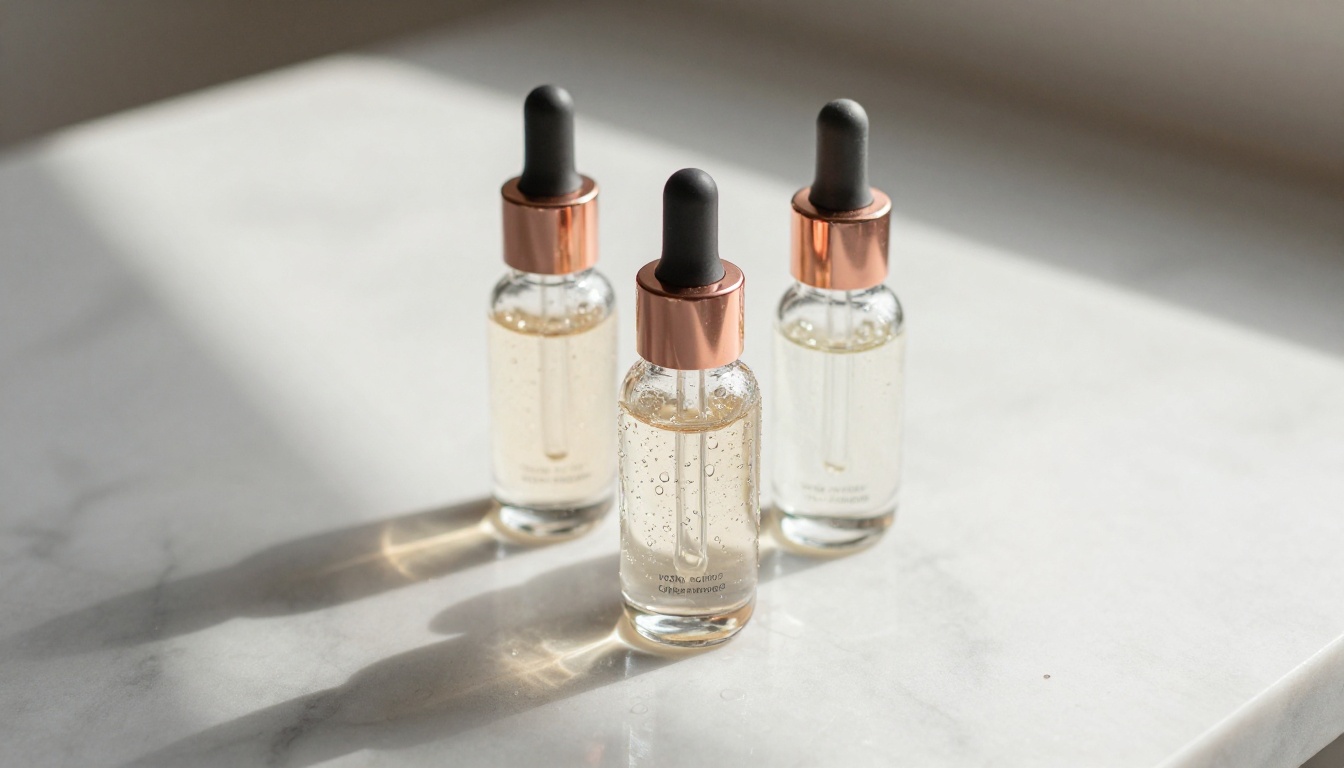
A product ad that shows a serum bottle gently rotating with golden light catching its surface communicates luxury, texture, and desirability in under two seconds. A static photo of the same bottle requires the viewer to do interpretive work.
What AI Motion Does to Conversion Rates
Brands that have piloted AI-animated ads alongside static control versions consistently report significant lift in both click-through rate and cost per conversion. The motion draws the eye. The product stays in the frame. The ad spends less time in the ignored periphery of someone's scroll.
How AI Image to Video Actually Works
The technical process behind image-to-video AI is more sophisticated than it appears on the surface. These models aren't simply applying a zoom or a pan filter. They're generating new video frames, frame by frame, that are visually consistent with the source image while introducing coherent motion.
From Still Photo to Motion in Seconds
Modern image-to-video models use diffusion processes similar to those powering text-to-image generation. They analyze the spatial structure of your source image, understand what's a foreground object versus background, and then generate plausible motion for each region.
When you submit a product photo of a perfume bottle, the model infers: the bottle is the hero object, the background is a surface, and natural motion would involve the bottle gently turning or light sweeping across it. The output is a short video where all of that happens with realistic physics.
The best models go further. They apply camera motion (a slow dolly-in, a subtle circular orbit), environment motion (fabric rippling, liquid shifting), and atmospheric effects (mist, light rays, particle drift) that make the video feel produced rather than algorithmically generated.
How the Prompt Shapes the Motion
The written prompt is your director's note to the AI. Even though the visual source is your image, the motion prompt tells the model what should move, how fast, and with what energy.
A prompt like "gentle slow rotation clockwise, soft golden light sweeping left to right over a 5-second drift" produces a very different result than "dramatic push-in with the product expanding to fill frame, cinematic depth of field shift."
Both use the same source image. The motion prompt is the creative variable.
The Best Models for AI Video Ads on PicassoIA
PicassoIA gives you access to the most powerful image-to-video models available today, all from a single platform. These are the ones that perform best for ad creative production.
Wan 2.7 I2V
Wan 2.7 I2V is one of the strongest image-to-video models for product advertising. It produces highly consistent motion that preserves the exact look and color of your source image, which matters enormously for brand accuracy in ads. The motion it generates is naturalistic rather than exaggerated, making the output feel like professionally filmed product video.
Best for: E-commerce product shots, beauty products, packaged goods.
Kling v3 Video
Kling v3 Video specializes in cinematic motion quality. If your ad needs to feel premium, like a luxury fashion or automotive spot, Kling v3 is the right choice. It handles complex motion paths and maintains photorealistic quality throughout the generated sequence.
Best for: Fashion brands, automotive, high-end lifestyle products.
Ovi I2V
Ovi I2V generates videos with synchronized audio from any photo. For ad placements where audio is on by default, such as TikTok and YouTube pre-roll, this model adds an extra dimension to your creative without any additional production work.
Best for: Social video ads where sound-on engagement matters.
Wan 2.6 I2V
Wan 2.6 I2V delivers excellent results for high-volume ad creative production. When you need to animate 20 or 30 product variants for a catalog campaign, this model's speed and consistency make it practical at scale.
Best for: Catalog ads, product variant testing, high-volume campaigns.
Gen4 Turbo
Gen4 Turbo is the speed play. When you need to iterate on ad concepts fast, Gen4 Turbo turns images into video in under a minute with cinematic quality. It's the model to reach for during creative sprint sessions where you're testing multiple concepts simultaneously.
Best for: Rapid iteration, concept testing, agencies with fast turnarounds.
Wan 2.5 I2V
Wan 2.5 I2V sits in the middle of the quality-speed spectrum. It handles images with complex backgrounds particularly well, making it a solid choice for lifestyle photography where the environment is as important as the product itself.
Best for: Lifestyle ads, travel brands, food and beverage.
💡 Starting point: For most brand advertising use cases, begin with Wan 2.7 I2V. Its color fidelity and natural motion preservation make it the safest default when brand accuracy is non-negotiable.
Use Cases: What Types of Ads Actually Benefit
Not every ad benefits equally from AI animation. These are the categories where image-to-video consistently outperforms static creative.
E-Commerce Product Showcases
Product photography is the most natural feed for AI animation. A skincare serum rotating to reveal all sides. A shoe tilting to show the sole. A handbag with its clasp catching light. These micro-animations make the product feel tactile and real in a way that static images can't replicate.
Shoppers who interact with animated product ads show significantly higher purchase intent in post-campaign research. The animation implies a confidence in the product that static photos, no matter how well-shot, can't communicate.
Real Estate and Property Listings
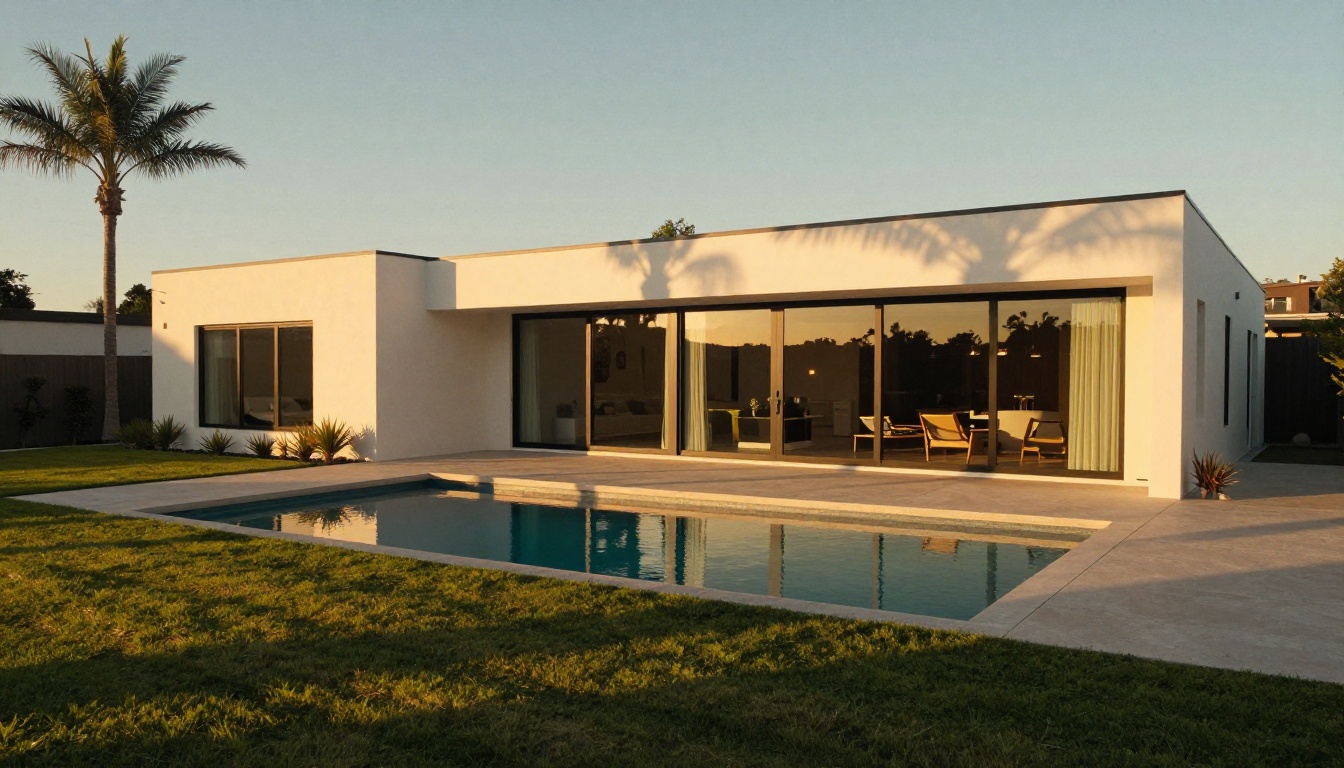
A still photograph of a home exterior becomes a slow cinematic aerial sweep. An interior shot becomes a slow dolly from one end of a room to the other. Real estate agents using AI image-to-video for property ads report dramatically higher inquiry rates compared to static photo carousels.
Fashion and Apparel Campaigns
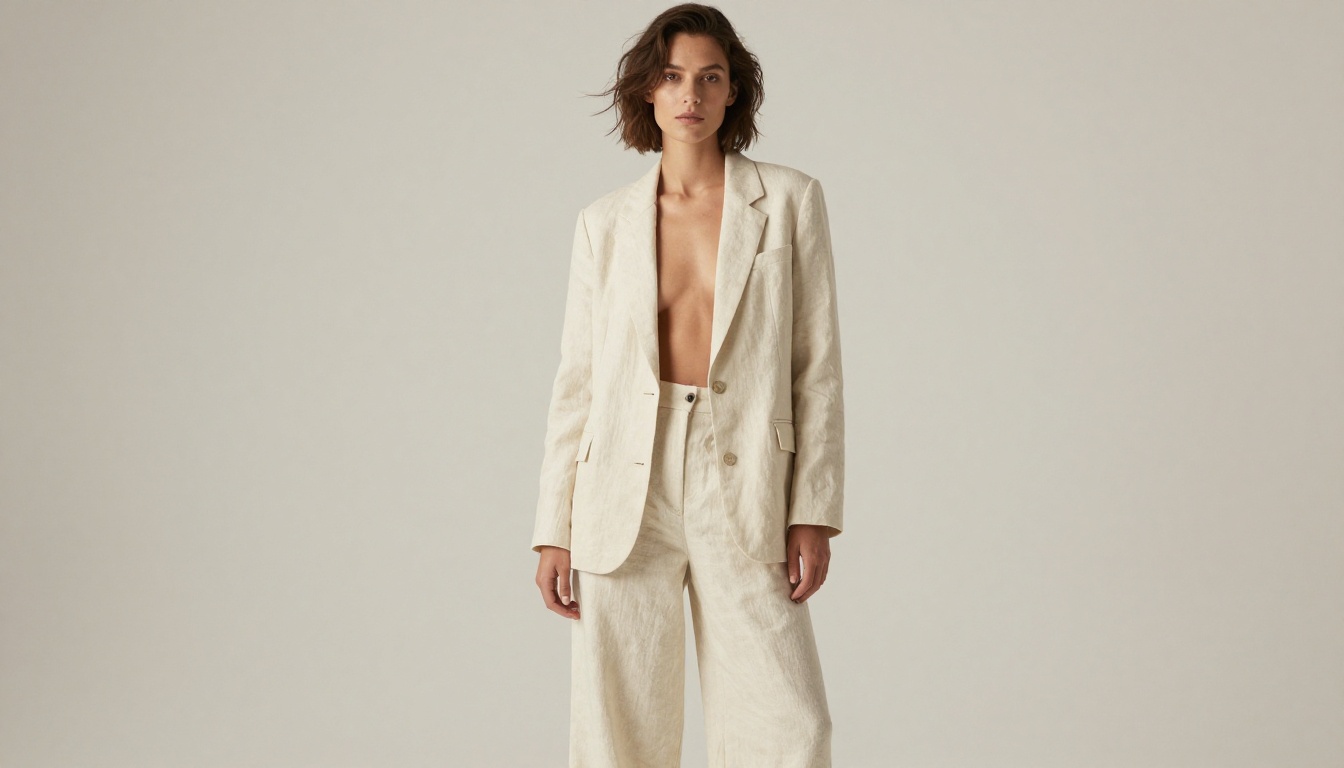
A model in a studio outfit becomes a subtle fabric-sway and hair movement clip. The clothing feels alive. The brand feels in motion. For fashion brands running Meta ads, animated creative from existing shoot photography produces higher engagement than static frames without the cost of a separate video shoot.
Food and Restaurant Advertising
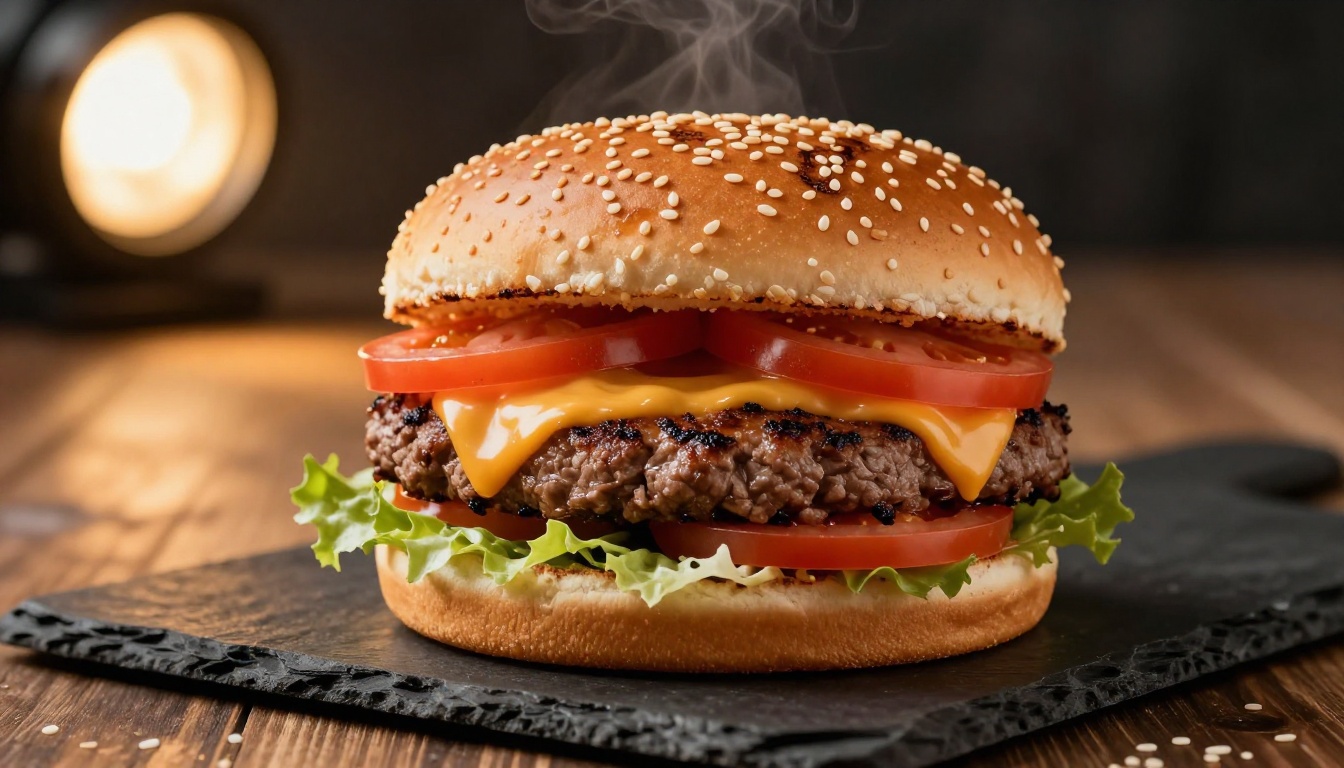
Food photography is already optimized to look appealing. Animation makes it irresistible. A burger with gentle steam rising. A cocktail with ice catching light as the glass turns. Food ads that move perform consistently well on Instagram and TikTok because the motion activates appetite in ways static photos approach but never quite reach.
Automotive Ads
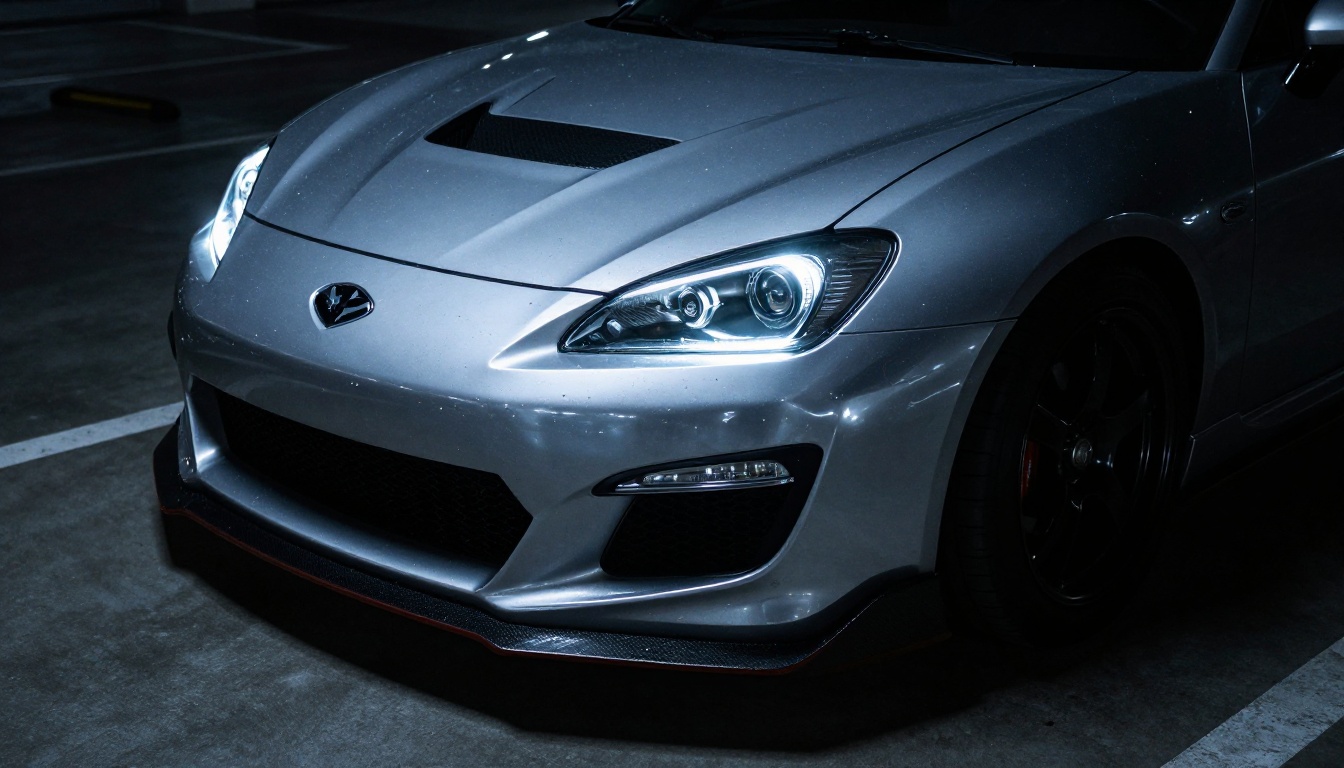
A parked car becomes a slow orbit reveal. A vehicle on a mountain road becomes a subtle pan that suggests speed without requiring actual filming. Car brands that already invest in high-quality photography can repurpose their entire asset library into video ad inventory with AI animation.
The quality of your motion prompt directly determines how usable the output is for advertising. Vague prompts produce generic motion. Specific prompts produce ad-quality results.
What Makes a Prompt Work for Ads
Three elements separate an effective ad motion prompt from a generic one:
- Specificity of motion: Name exactly what moves, not just "animate this." Say "the bottle rotates 90 degrees clockwise over 4 seconds."
- Camera intention: State camera movement explicitly. "Slow push-in toward product" versus "static camera, product moves" produce very different results.
- Atmosphere cue: Include a lighting or atmospheric detail that matches your brand. "Warm morning light sweeps left to right" communicates more than "good lighting."
5 Prompt Templates for Different Ad Types
Product rotation for beauty and skincare:
"Product rotates slowly 180 degrees clockwise, overhead soft diffused light, no camera movement, background stays static, 5-second duration, cinematic smooth motion."
Lifestyle reveal for fashion:
"Fabric sways gently as if from a breeze, hair moves naturally, model breathes, camera holds still, warm afternoon window light, duration 5 seconds."
Property showcase for real estate:
"Slow drone-style push forward toward the property entrance, parallax depth between foreground trees and background building, golden hour light constant, 5 seconds."
Food close-up for restaurants:
"Steam rises from the dish in wispy trails, camera performs slow push-in to hero item, warm overhead spotlight stays constant, 5 seconds."
Automotive reveal for vehicles:
"Camera slowly orbits the front quarter panel of the car from right to left, headlight catches and releases the overhead light in a specular flare, 5 seconds, cinematic."
💡 Always specify duration and motion speed. AI models default to whatever speed looks plausible, which is often too fast for advertising where you want the viewer to absorb the product.
Different platforms reward different video ad characteristics. Knowing where to deploy which type of animated creative changes your return on ad spend.
| Platform | Optimal Duration | Sound On by Default | Best Model for Images | Top Ad Format |
|---|
| Instagram Reels | 5-15s | No | Kling v3 Video | Vertical 9:16 |
| TikTok | 5-15s | Yes | Ovi I2V | Vertical 9:16 |
| Meta Feed | 6-15s | No | Wan 2.7 I2V | Square 1:1 |
| YouTube Pre-roll | 5-6s | Yes | Ovi I2V | Widescreen 16:9 |
| Google Display | 5-30s | No | Gen4 Turbo | 16:9 or 1:1 |
| Pinterest | 6-15s | No | Wan 2.6 I2V | Vertical 2:3 |
The Sound-Off Rule
On Meta Feed and Pinterest, most users scroll with sound off. This means your animated ad needs to communicate its entire message visually within the first 3 seconds. Choose motion that highlights the product clearly and avoid relying on audio cues.
On TikTok and YouTube, sound is on by default. Models like Ovi I2V that generate synchronized audio from your source image add genuine value here, contributing ambient product sounds or music that would otherwise require a separate sound design budget.
Aspect Ratio Strategy
One photograph can generate multiple ad variants by adjusting crop before animation. A 16:9 landscape product shot can be cropped to 1:1 for Meta Feed and re-animated. The same product, the same photo session, three platform-native creative formats. This is one of the most practical efficiencies AI video ads introduce into a media buying workflow.
How to Create Your First AI Video Ad on PicassoIA
The workflow on PicassoIA is designed to be fast enough for professional ad production without requiring any video editing knowledge.

Step 1: Select your source image. Start with your strongest product photograph. High-contrast, well-lit images with a clear hero subject produce the best results. Flat lays and clean studio shots with minimal background clutter work particularly well.
Step 2: Choose your model. For e-commerce, open Wan 2.7 I2V. For fashion or lifestyle, try Kling v3 Video. If you need audio included in the output, use Ovi I2V.
Step 3: Write your motion prompt. Use the prompt templates above as your starting point. Be specific about what moves, how fast, and what the camera does. Vague direction produces vague motion.
Step 4: Generate and review. The model returns your animated clip in under a minute for most models. Review the motion quality and check that the product details remain sharp throughout the sequence.
Step 5: Iterate on the prompt. If the motion speed is wrong or the camera doesn't behave as expected, adjust the prompt and regenerate. Because AI generation costs a fraction of reshooting, you can iterate 5 to 10 times in the time it would take to make a single call to a production studio.
Step 6: Export and run. Download the clip and load it directly into your ad manager of choice. No additional editing required for most placements.
💡 Creative testing tip: Generate 3 motion variations of your best product image using different prompt styles (subtle vs. dynamic vs. atmospheric). Run them as A/B/C creative tests against each other. The cost to generate all three variants is less than the cost of one traditional video day rate.
The Real ROI of AI Video Ad Production
The math behind AI-powered ad creative production is straightforward.
A traditional 5-second product video ad, accounting for the studio day rate, lighting crew, director, camera operator, and post-production, typically runs between $3,000 and $15,000. For a DTC brand running monthly campaigns with 3 to 5 creative variants per launch, that production budget becomes a major recurring cost center.
With AI image-to-video, the same output costs a fraction of that figure. A full campaign's worth of video creative can be produced in a single afternoon by one person with a good prompt strategy and access to PicassoIA's model library.
The saved budget redirects directly to media spend, which is where it compounds. More impressions on better creative is a straightforward performance improvement.
What This Means for Agencies
For agencies managing multiple client brands, AI video ad production changes the service offering in real terms. Rapid creative iteration becomes a standard deliverable. Testing different product angles, different motion styles, and different atmospheric treatments across a campaign is now a workflow item rather than a budget negotiation.
Clients who previously couldn't afford video creative can now run video-first ad strategies. That access creates a new category of client and a new tier of service that wasn't economically viable before AI animation.
Scaling Without Scaling Headcount
The traditional model for scaling ad creative production was hiring more people. With AI image-to-video, one strategist with strong prompt skills can produce the creative volume that previously required a full video production team. Brands running product catalog campaigns with hundreds of SKUs can generate video creative for every item in their range without a proportional increase in production cost.
Wan 2.7 I2V and Wan 2.6 I2V are particularly well-suited to this type of high-volume production because of their consistency across large batches of images with varied visual styles.
Start Making Video Ads From Your Existing Photos
Every product photograph in your asset library is a potential video ad waiting to be made. If you have existing creative from a photo shoot, you already have everything you need to start running video ads today.
PicassoIA gives you access to Wan 2.7 I2V, Kling v3 Video, Ovi I2V, Gen4 Turbo, Wan 2.6 I2V, Wan 2.5 I2V, and dozens of other models for image-to-video conversion and full text-to-video generation. You can run all of them from a single platform, compare outputs, and find the right model for each product category in your catalog.
Pick one product. Write one motion prompt. Run one test. The production time is minutes, and what you see in your ad performance data after one week of running video creative against your static baseline will tell you everything you need to know about whether this belongs in every future campaign.
Start your first AI video ad at picassoia.com.


