Adult AI Image Generator Powered by GPT Image 2.0: What Really Works in 2027
Tired of censored AI image platforms that block your creative vision? GPT Image 2.0 represents a new era of adult AI image generation. This article breaks down which NSFW AI tools actually deliver photorealistic results without filters, per-image paywalls, or constant safety rejections — and exactly how to use them.
Tired of typing out a perfectly crafted adult image prompt only to get a red error banner telling you the content violates "community guidelines"? You are not alone. The rise of Adult AI Image Generator Powered by GPT Image 2.0 technology is reshaping what creators can produce in seconds, but only if they use the right platforms.
GPT Image 2.0 is not a standalone product you download. It is a generational leap in multimodal image synthesis, the same family of models that powers tools across the AI image ecosystem. What makes it relevant for adult and NSFW generation is its deeper semantic understanding of physical descriptions, lighting, anatomy, and scene composition. When a capable platform integrates GPT Image 2.0 level reasoning with an uncensored pipeline, the output stops looking like AI art and starts looking like photography.
This article covers which tools are actually worth your time, how to write prompts that work, and where to generate adult AI images without hitting a wall every five seconds.
What GPT Image 2.0 Actually Is
GPT Image 2.0 refers to the second generation of OpenAI's image synthesis architecture, built on top of the multimodal GPT backbone. Unlike its predecessor, it can handle complex compositional prompts with much greater fidelity. It understands relationships between objects, body positions, fabric physics, and lighting conditions in ways that earlier diffusion-only models could not.
Here is what sets it apart technically:
Multimodal reasoning: Interprets prompts the way a photographer would, not just a keyword parser
Semantic anatomy: Understands body proportions, pose relationships, and spatial context
Scene coherence: Backgrounds, lighting, and subjects all belong to the same world
Detail fidelity: Skin texture, fabric weave, and environmental specifics are rendered realistically
Instruction following: Long, structured prompts produce significantly better results than short keyword strings
💡 Key insight: The model's strength is in instruction-following. A highly detailed, structured prompt gets dramatically better results than a short keyword string.
The catch? OpenAI's own implementation of GPT Image 2.0 (via the API and ChatGPT) applies strict content filters. For adult or NSFW content, you need platforms that have integrated compatible architectures without the filter layer on top. That is exactly the gap that specialized platforms like PicassoIA fill.
Why Most Platforms Block Adult Content
The NSFW problem in AI image generation comes from two directions: model training and platform policy.
Most mainstream AI image tools train on filtered datasets. The model itself learns associations that treat any anatomical prompt as potentially problematic. Even with explicit NSFW permission toggled on, these models produce awkward, distorted results because the training distribution was sanitized from the start. The model simply has not seen enough of what you are trying to generate to render it well.
Platform policy is the second wall. Even when the underlying model could technically generate adult content, platforms often apply a safety classifier on the output side. This classifier flags words like "lingerie," "nude," or even "intimate setting," regardless of artistic intent. Some platforms run the classifier on the prompt before generation even starts.
The result: most platforms fail twice. At the model level, and at the policy level.
What you actually need is a platform where three things are true:
The underlying model was trained on diverse, realistic datasets that include adult content
The platform does not apply aggressive safety classifiers on top of the output
The cost structure does not bill you per image, so large creative batches are financially viable
Most mainstream platforms fail all three conditions. PicassoIA is built differently.
Best NSFW Models for Adult AI Image Generation
PicassoIA hosts multiple models that support adult content and integrate directly without extra friction. Here are the top picks in order of overall performance.
Seedream 4.5 — The Best All-Around NSFW Model
Seedream 4.5 is the clear leader for adult AI image generation. It accepts NSFW prompts, supports image editing alongside text-to-image generation, and produces results in under 3 seconds. The realism is exceptional: skin texture, lighting interaction, and figure proportions behave the way they do in real photography.
One important note: the newer Seedream 5 Lite does not support NSFW content. For adult work, stick with version 4.5.
PicassoIA Image Editor Pro — Unlimited Generations
PicassoIA Image Editor Pro is an image-to-image model with a decisive advantage: unlimited generations on Elite and Infinite subscription plans. If you need 500 variations of a single concept, that costs you zero extra. On other platforms, generating 500 images on a model like Nano Banana 2 would run around $100. Here it is included in your plan.
Results come back in under 1 second. It accepts NSFW content and includes a 3-generation free trial with no credit card required.
Qwen Image 2 — Open Source Realism
Qwen Image 2 is open source and delivers highly detailed realism for both text-to-image and image editing. It produces very fine anatomical and textural accuracy, and its open-source nature means it carries fewer built-in restrictions than proprietary models.
Grok Imagine Image — The Swimwear Converter
Grok Imagine Image does something specific extremely well: it converts any reference image into a realistic swimwear or bikini-style output. The results are photorealistic rather than cartoon-like, which is where most image-editing tools fail at this particular task.
Recraft V4 — Clean Text-to-Image NSFW
Recraft V4 produces clean, realistic text-to-image results with adult content prompts. It only does text-to-image (no editing), but within that scope the output quality is consistently high and natural-looking.
P-Image — Speed First
P-Image generates NSFW-compatible images in under 1 second. When you are prototyping a concept and need to iterate through 20 prompt variations fast, this is the tool that keeps the creative loop tight.
Camera angle and lens: Low-angle, close-up, aerial, 85mm, 35mm wide
Texture and atmosphere: Skin details, fabric specifics, time of day
Style tag: photorealistic, 8K RAW photography, Kodak Portra 400 film grain
Step 3: Set Parameters
Aspect ratio: 16:9 for cinematic results, 9:16 for portrait formats
Steps: Higher step counts (30+) improve fine detail on complex anatomy
CFG Scale: 7 to 9 for balanced prompt adherence without overprocessing
Step 4: Iterate Fast
The sub-3-second generation speed means you can run 10 variations in under a minute. Change one variable at a time: first test the pose, then the lighting, then the clothing detail. Rewriting the whole prompt each time wastes your momentum.
Step 5: Edit from Your Best Result
Once you have a strong base image, feed it into PicassoIA Image Editor Pro for fine-tuning. The image-to-image model can adjust specific elements without changing the composition you worked to achieve.
Top 3 Adult Image Scenarios That Get Real Results
The difference between experienced adult AI creators and beginners is scenario specificity. Here are three scenarios that consistently produce high-quality, photorealistic outputs.
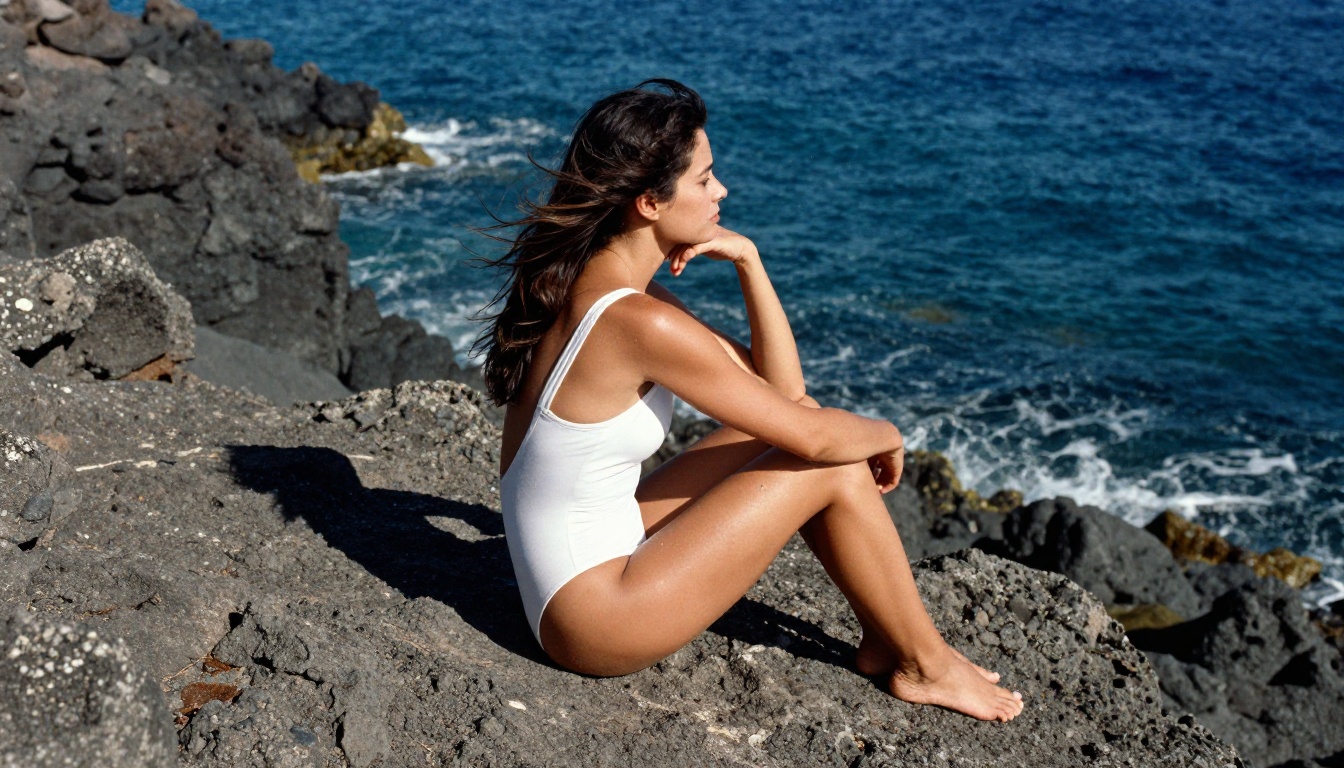
The Beach or Pool Scene
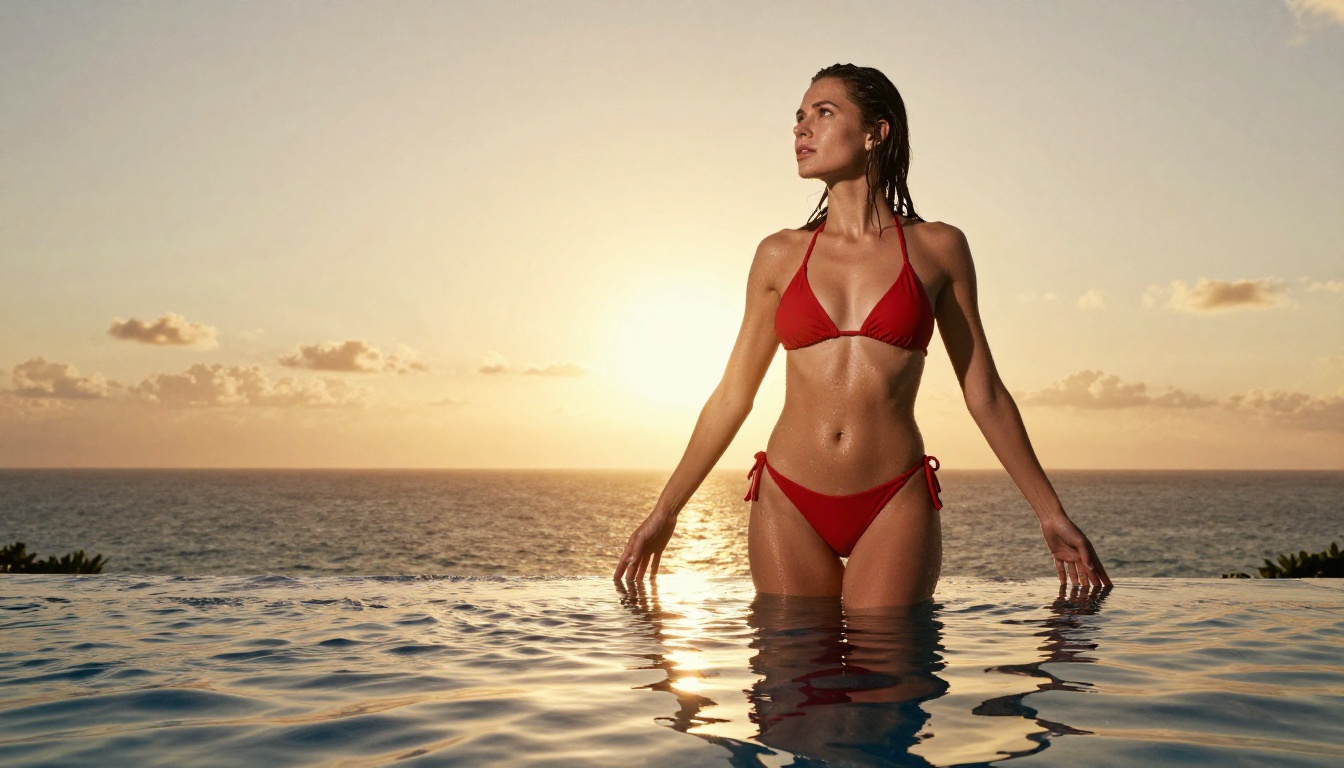
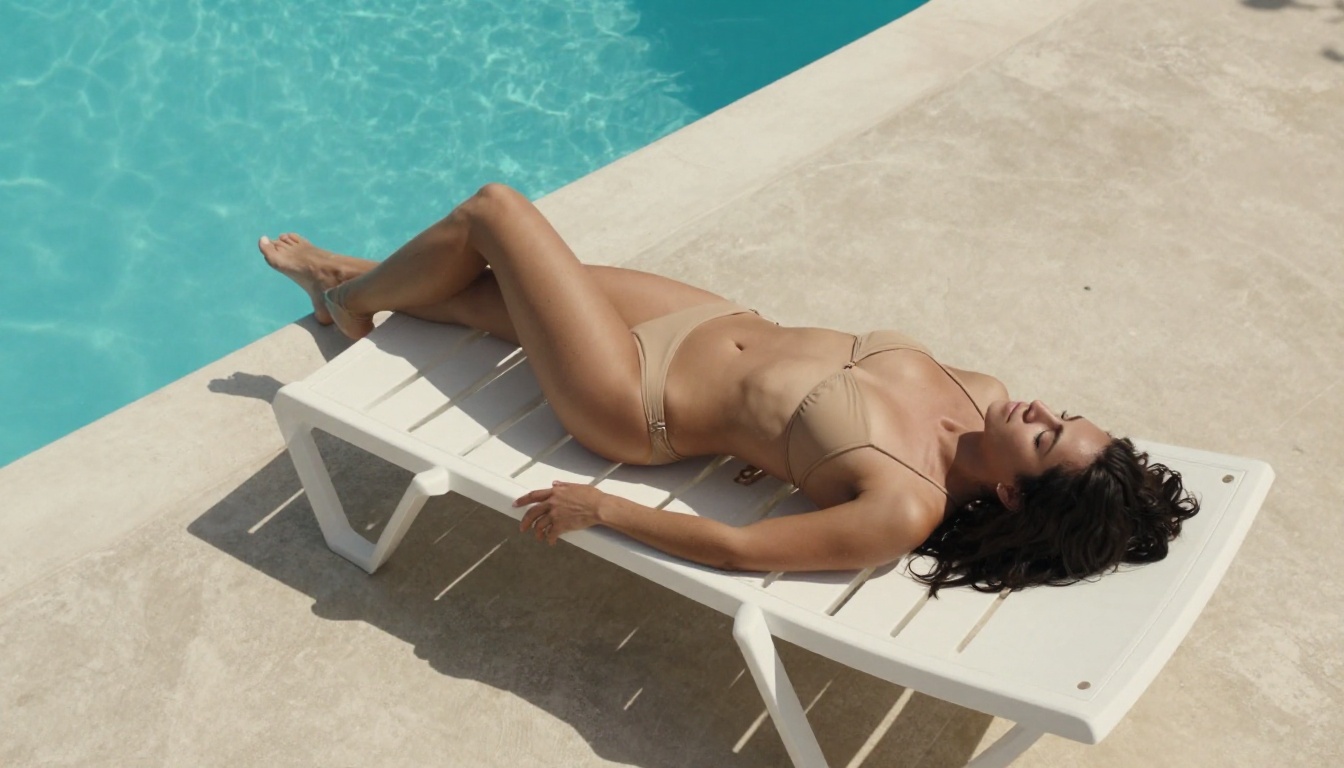
Why it works: Natural outdoor lighting is the easiest context for AI models to render correctly. The combination of direct sunlight, reflections from water, and simple environmental geometry removes many variables that trip up anatomy rendering.
What to specify: Time of day (golden hour is most forgiving), specific swimwear fabric and color, water interaction (wet skin, droplets on the body), and camera position. Low-angle from water level produces dramatic, cinematic results.
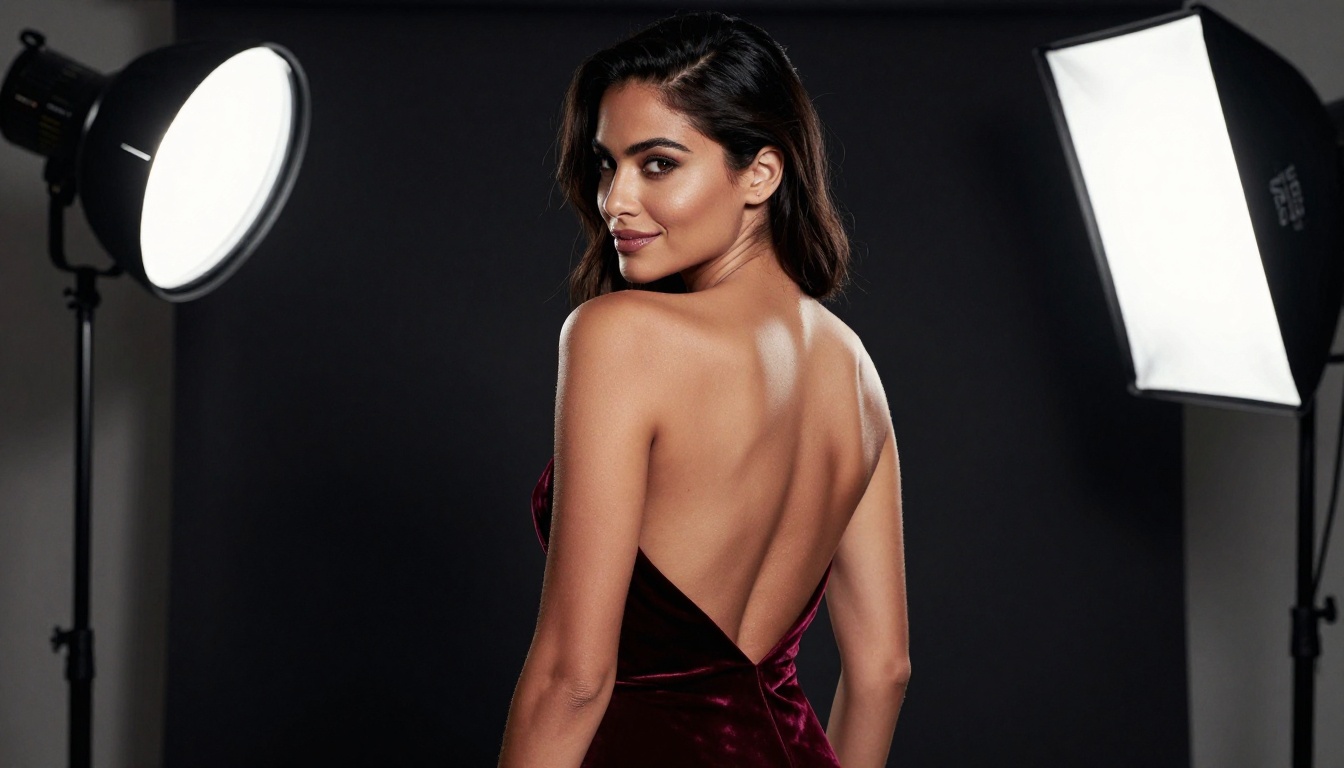
The Studio or Dressing Room Portrait
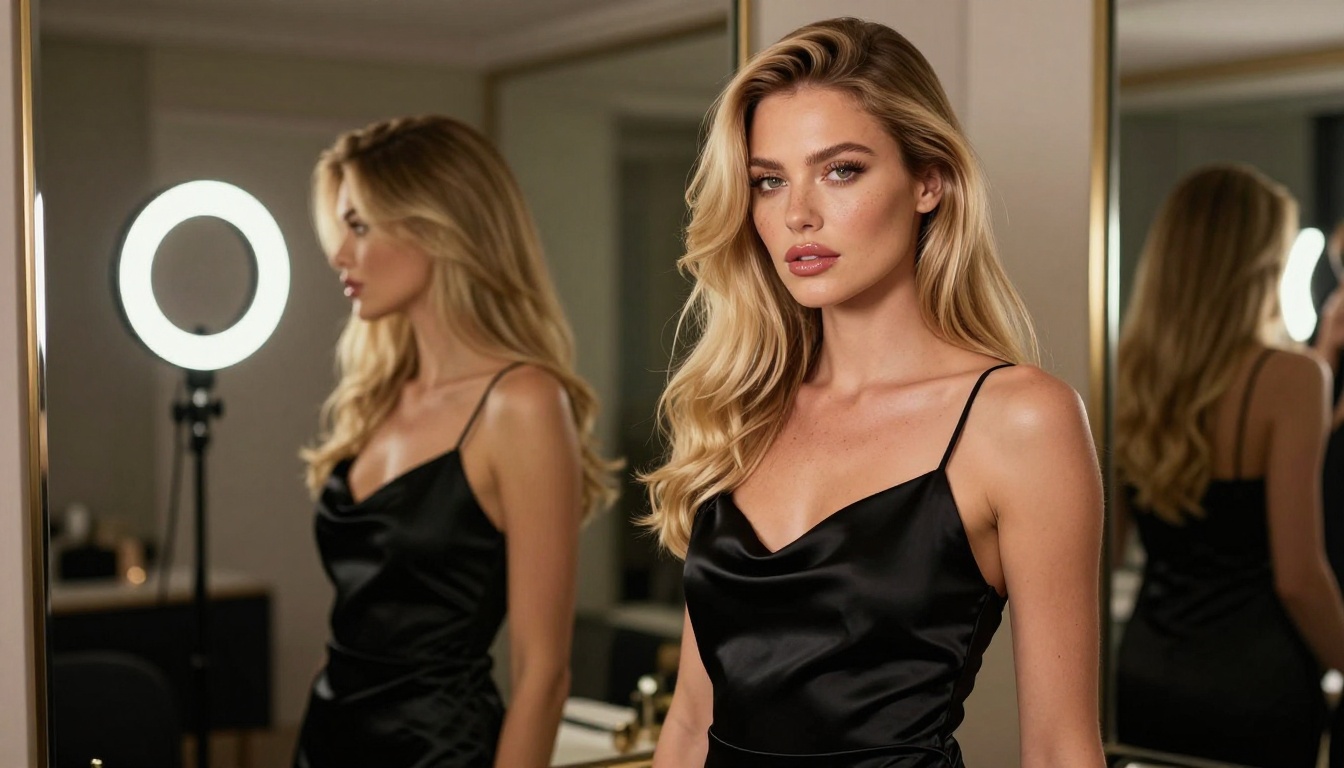
Why it works: Controlled artificial lighting gives the model clear, consistent shadow gradients to work with. No complex environmental rendering means the model allocates more capacity to figure detail and clothing texture.
What to specify: The lighting setup (single monolight camera right, ring light direct, split lighting), backdrop color, the specific garment with fabric type named, and focal length. A 150mm telephoto compresses the scene and creates the clean look of professional fashion photography.
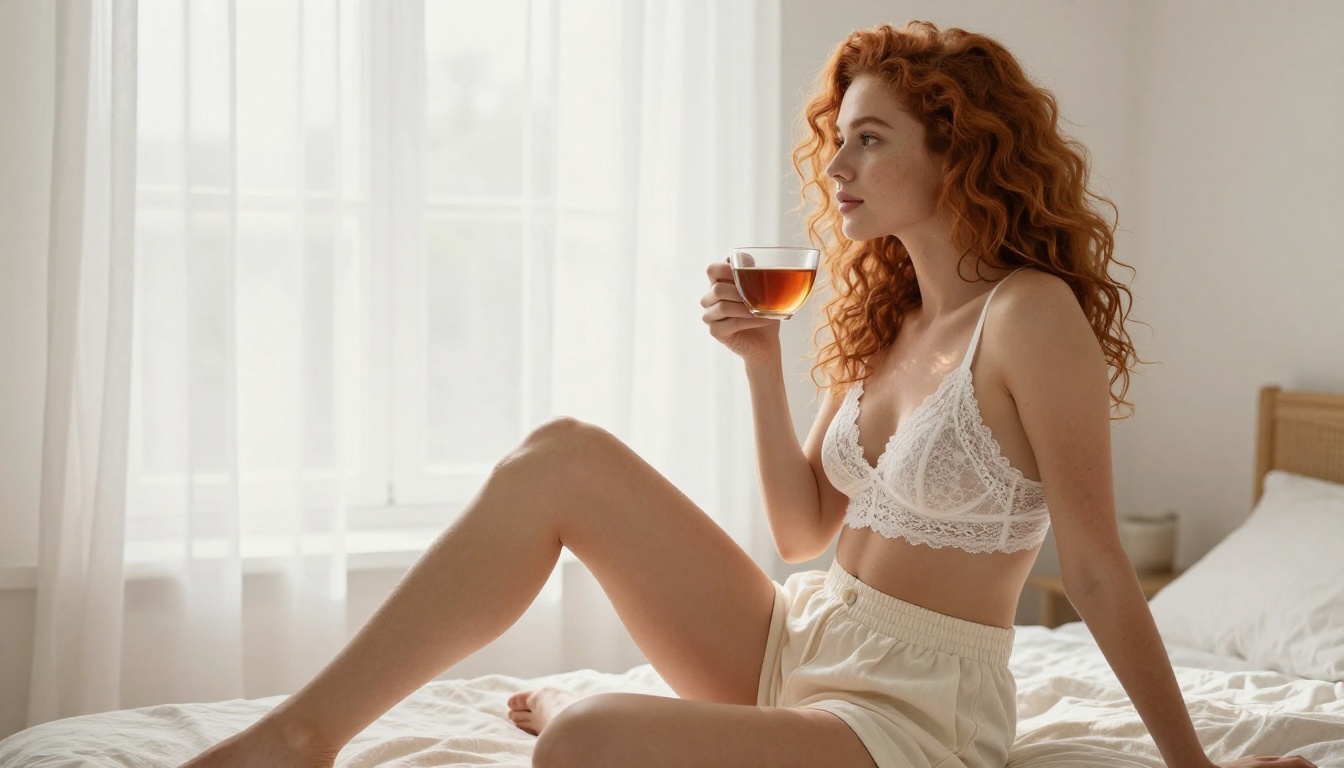
The Boudoir or Bedroom Scene
Why it works: Soft, diffused indoor light from windows or candles creates forgiving conditions for skin rendering. The intimate scale keeps composition tight and reduces the number of environmental elements the model needs to handle at once.
What to specify: Bed linen texture (thread count, fabric weave), the light source direction and quality, the specific piece of clothing including color and fabric, and the subject's position relative to the light source.
Prompt Writing That Actually Works
Most failed adult AI image generations come from bad prompts, not bad models. Here is what separates results that look photographic from results that look AI-generated.
The 5 Prompt Mistakes
1. Too short: "Attractive woman in lingerie on a bed" gives the model too much freedom. It fills in every unspecified detail in the most generic way possible.
2. No lighting: Without lighting instructions, models default to flat, even illumination. This looks like a passport photo, not photography.
3. No camera specifics: Specifying lens focal length (85mm, 35mm, 100mm macro) changes the perspective, compression, and feel of the scene dramatically.
4. Vague clothing: "Bikini" is a category. "Red string bikini with thin ties at the hips, the top slightly damp from swimming" is a description the model can actually render.
5. No texture cues: Phrases like "Kodak Portra 400 film grain," "visible skin pores," and "fabric thread detail visible" push the model toward photorealism and away from the smooth, plastic look.
The Prompt Template
Use this structure for every adult AI image prompt:
[Subject: appearance, age range, hair color and style, expression, pose, clothing item with color and fabric]
[Environment: specific location, surfaces, objects present, background detail]
[Lighting: source type, direction, quality (soft/hard/diffused), color temperature]
[Camera: angle (low/aerial/eye level), focal length, f-stop]
[Texture: skin detail, fabric grain, environmental surfaces]
photorealistic, RAW 8K photography, Kodak Portra 400 film grain, no CGI, no illustration --ar 16:9 --style raw
💡 Pro tip: Write your prompt as if briefing a photographer. Describe the scene as it physically exists. The model responds to visual reality, not emotional intent.
Weak vs. Strong Phrasing
Weak Phrase
Strong Alternative
"Attractive woman"
"Woman in her late 20s with dark brows and hazel eyes"
"Nice lighting"
"Volumetric morning light from the left window, golden hour color temperature"
"Bikini"
"Sage green triangle bikini top with adjustable straps, tied at the back of the neck"
"Beach"
"Private infinity pool overlooking the Mediterranean, mid-afternoon, blue water reflection"
"Looking at camera"
"Gaze directed slightly above the lens, slight parting of lips, neutral expression"
"Bedroom scene"
"Unmade linen bed, sheer curtains diffusing morning light from the left, silk sheets"
Where Super Resolution Fits In
Once you have a strong adult AI image, quality matters at output size. PicassoIA's Super Resolution tools upscale your generated image 2x to 4x without degrading the fine skin and fabric details you spent time prompting for.
For adult content specifically, upscaling done badly adds artifacts to skin texture and softens fine details. The super resolution models on PicassoIA are trained on realistic photography and handle organic textures including skin, hair, and fabric better than generic upscalers.
After generating your base image with Seedream 4.5 or P-Image, run it through the super resolution section to prepare it for any output format or print use.
More Models Worth Knowing
Beyond the top six, additional PicassoIA models handle specific adult image scenarios well.
Wan 2.2 Image generates highly realistic images from text descriptions without content filters. It is particularly strong on natural body rendering and works well for scenes with complex natural environments like beaches, pools, and outdoor settings.
Realistic Vision V5.1 is built for photorealistic portraiture and produces consistently clean results on suggestive but non-explicit content. Its training specifically targets realistic human rendering.
RealVisXL v3.0 Turbo is the SDXL-based option for high-resolution realistic output. The Turbo variant adds speed without a meaningful quality drop.
SDXL and SDXL Lightning 4Step remain reliable workhorses. The Lightning variant is particularly fast for prototyping before committing to a higher-fidelity generation.
Frequently Asked Questions
What is GPT Image 2.0?
GPT Image 2.0 is a multimodal image synthesis architecture from OpenAI that understands complex physical descriptions, lighting, anatomy, and scene composition with greater accuracy than earlier diffusion-only models. It forms the foundation for several advanced AI image generators now available on platforms like PicassoIA.
Can I use GPT Image 2.0 for NSFW content?
OpenAI's own implementation applies strict content filters. For adult or NSFW content, you need to use platforms that integrate compatible models without the restrictive filter layer. PicassoIA offers several such models, including Seedream 4.5, PicassoIA Image Editor Pro, and Qwen Image 2.
Which NSFW AI image model is best for beginners?Seedream 4.5 is the best starting point. It accepts adult content prompts, generates in under 3 seconds, and is forgiving of prompt imperfections while still rewarding detailed descriptions.
How do I avoid the flat, plastic look in adult AI images?
Add texture and lighting cues to your prompt: "Kodak Portra 400 film grain," "visible skin pores," "natural subsurface scattering on skin," and a specific lighting direction. These phrases push the model toward photorealism.
Is there a free way to try adult AI image generation?
Yes. PicassoIA Image Editor Pro includes 3 free generations with no credit card required. Seedream 4.5 also offers free trial generations on the platform.
What makes PicassoIA different from other AI image platforms?
PicassoIA combines an uncensored model lineup with an unlimited-generations plan structure. On Elite and Infinite plans, PicassoIA Image Editor Pro lets you generate as many images as you need at no extra cost, with results in under 1 second.
Try It Yourself Right Now
The fastest way to see what GPT Image 2.0 level adult AI generation actually produces is to run a prompt yourself. PicassoIA gives you access to every model covered in this article, all in one place, without switching platforms or managing API keys.
Start with Seedream 4.5 for your first test. Write a detailed prompt using the template above. Run it. You will have a result in under 3 seconds.
If you need volume, switch to PicassoIA Image Editor Pro. Use your best Seedream 4.5 output as a reference and generate 50 variations without paying extra. The Elite and Infinite plans make large adult image projects financially viable in a way that per-image billing never could.
For specific scenarios like swimwear conversion or fast prototype iteration, Grok Imagine Image and P-Image fill different needs in the same workflow.
💡 Where to start: Browse every available NSFW-compatible model at picassoia.com/en/all-models. The full catalog covers 91 text-to-image models with filters by category, capability, and speed.
The tools exist. The models work. The only thing between you and high-quality adult AI images is a well-written prompt and the right platform.