The search volumes don't lie. "AI chat NSFW" has become one of the fastest-growing queries in the AI space over the past two years, and it shows absolutely no sign of slowing down. People are curious, people are experimenting, and millions are already using AI tools every single day to create content that ranges from playful and suggestive to genuinely breathtaking artistic work. This is not a niche topic anymore. It is a cultural shift.
But what exactly is driving this? Why are people so drawn to NSFW AI experiences? And more importantly, what does the best AI image generation technology actually look like when applied to this space? Whether you are here out of curiosity, creative interest, or a desire to produce professional-quality glamour photography with AI, this article covers it all.
Why AI Chat NSFW Is Exploding Right Now
The numbers behind this trend are remarkable. Interest in AI-powered suggestive content generation grew by over 300% between 2023 and 2025, according to multiple search trend analyses. This is not a fluke. Several forces are converging at once, and the result is a category that has gone from underground curiosity to mainstream conversation in a very short time.
People Finally Have the Tools
Until recently, generating a photorealistic image of a beautiful woman in an elegant, suggestive setting required a professional photographer, a model, a location, and post-production software. Today, anyone with a text prompt and access to a model like Flux 1.1 Pro Ultra can produce results that rival professional editorial photography in a matter of seconds.
That accessibility is revolutionary. It has lowered the barrier to creative expression to practically zero, and an entirely new class of creator has emerged because of it.
The Roleplay and Chat Dimension
AI chat NSFW is not just about images. A large part of the conversation centers on large language models being used for creative roleplay, fantasy storytelling, and adult-themed narrative scenarios. Models like GPT-4o, Claude 4 Sonnet, and Gemini 2.5 Flash have opened up possibilities for interactive storytelling that simply were not possible before.
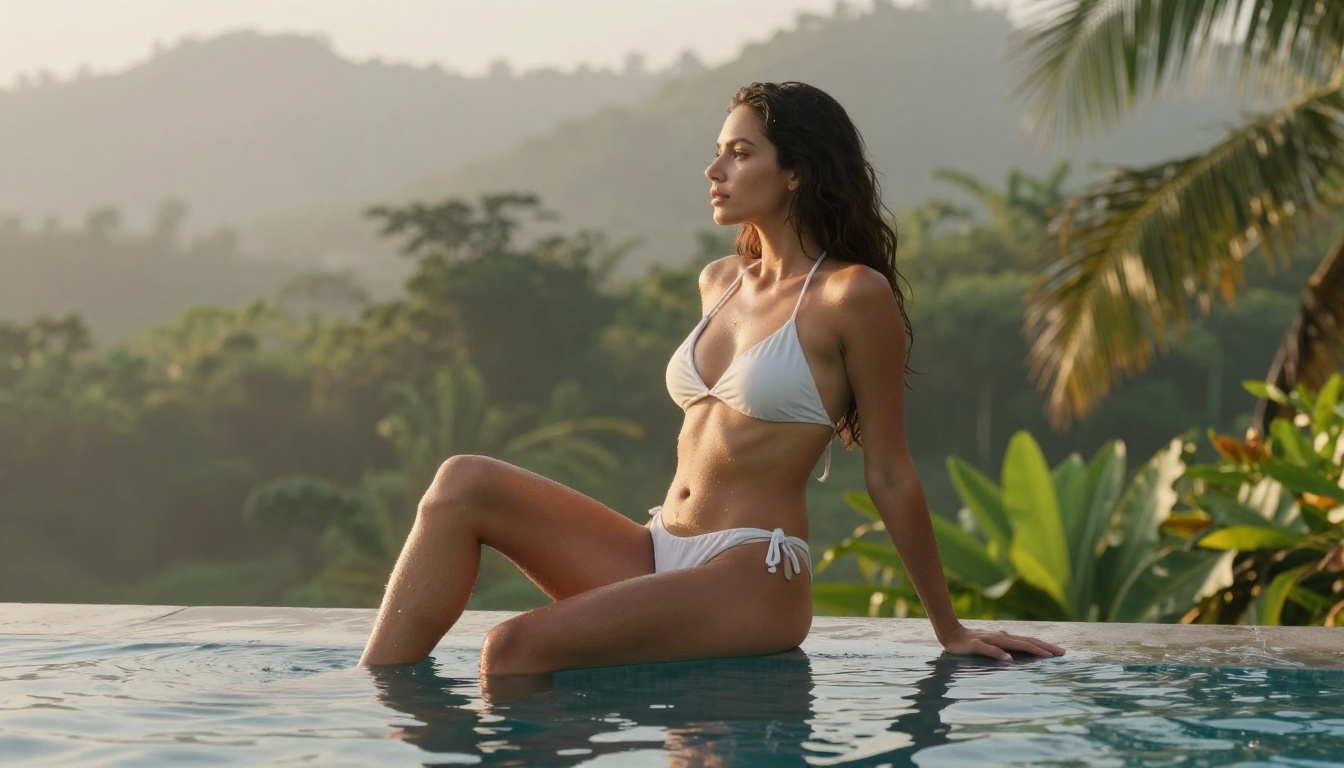
People use these models for:
- Creative writing with mature themes
- Character development for novels and scripts
- Personal entertainment and companionship scenarios
- Exploring narrative possibilities without real-world consequences
What Changed in the Last 18 Months
The step-change happened with the arrival of truly photorealistic image models. Before Flux 2 Pro and its successors, AI images had a distinct "uncanny valley" quality that made them obvious as machine-generated. That era is over. Today's models produce results indistinguishable from professional photography in many cases. Paired with improved natural language understanding in chat models, the entire ecosystem matured rapidly in ways that caught even industry insiders off guard.
What "NSFW AI" Actually Means
Before going further, it is worth clarifying the terminology because "NSFW AI" covers a wide spectrum, and the popular conversation often conflates very different things.
The Spectrum of Content
| Category | Description | Examples |
|---|
| Suggestive | Tasteful, glamour, artistic | Bikini photography, lingerie editorial |
| Provocative | Bold but non-explicit | Implied nudity, art boudoir |
| Explicit | Adult content | Restricted to adult platforms only |
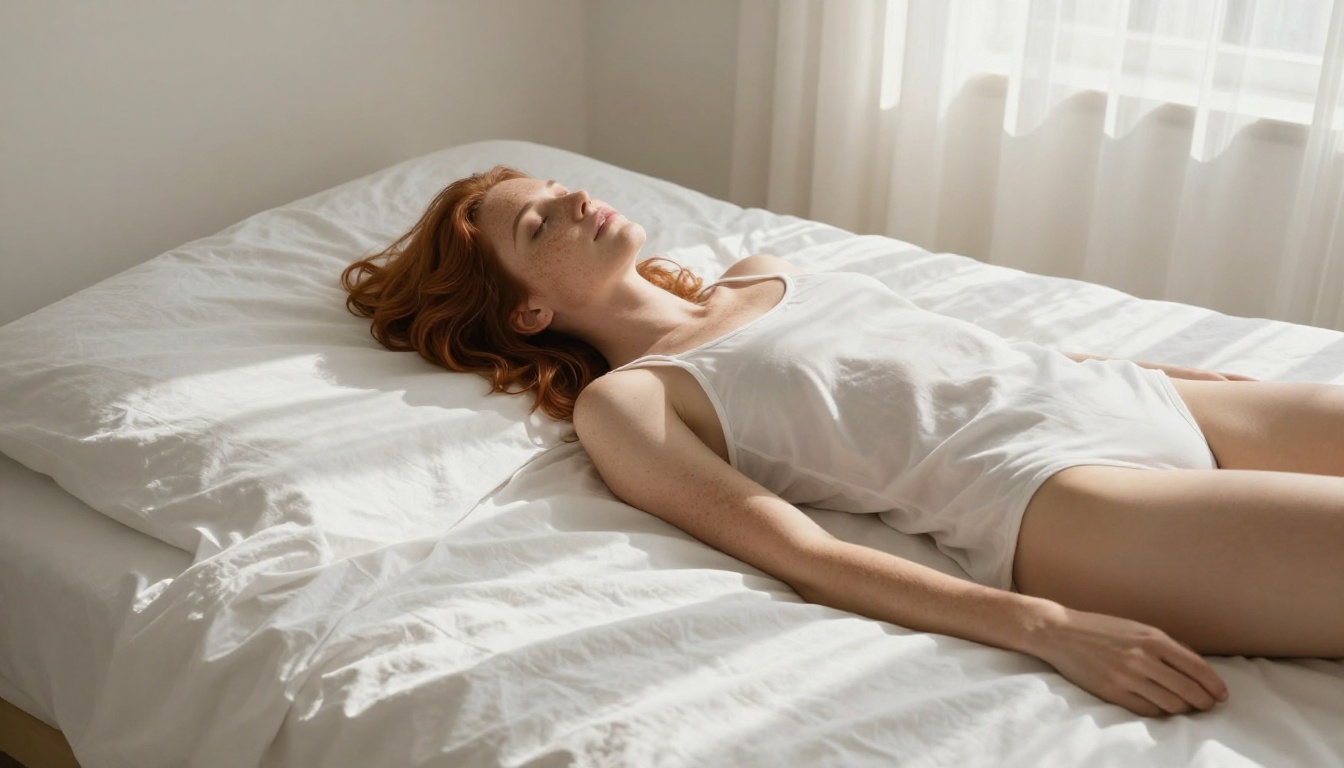
The vast majority of the conversation around AI chat NSFW falls into the first two categories. Think the difference between a Sports Illustrated swimsuit editorial and something you would find behind an age gate. Most mainstream AI platforms operate firmly in the suggestive and artistic space, focusing on aesthetics, beauty, and creative expression rather than explicit content.
Chat vs. Image Generation
These are two distinct but often overlapping use cases worth separating clearly.
AI Chat NSFW refers to using large language models for mature-themed conversations, roleplay, and storytelling. The AI acts as a conversational partner, character, or narrator in an adult-themed scenario. The output is text, and the quality depends entirely on the language model's creative writing ability.
NSFW AI Image Generation refers to using text-to-image models to create suggestive, glamour, or artistic visual content. A user types a detailed prompt and the model produces a photorealistic image. The output is visual, and the quality depends on model selection and prompt craftsmanship.
Many platforms combine both. A user might have a chat session with an AI character, then generate a matching image of that character using a model like RealVisXL v3.0 Turbo or Stable Diffusion 3.5 Large.
💡 Worth noting: AI chat NSFW is not a single product. It is an ecosystem of overlapping tools, each serving a different creative need. The most powerful results come from combining them.
The Models Dominating This Space
Not all AI models are equal when it comes to producing high-quality suggestive or glamour imagery. Here is what the serious creators are actually using, and why each model has earned its reputation.
Flux 1.1 Pro Ultra for Realism
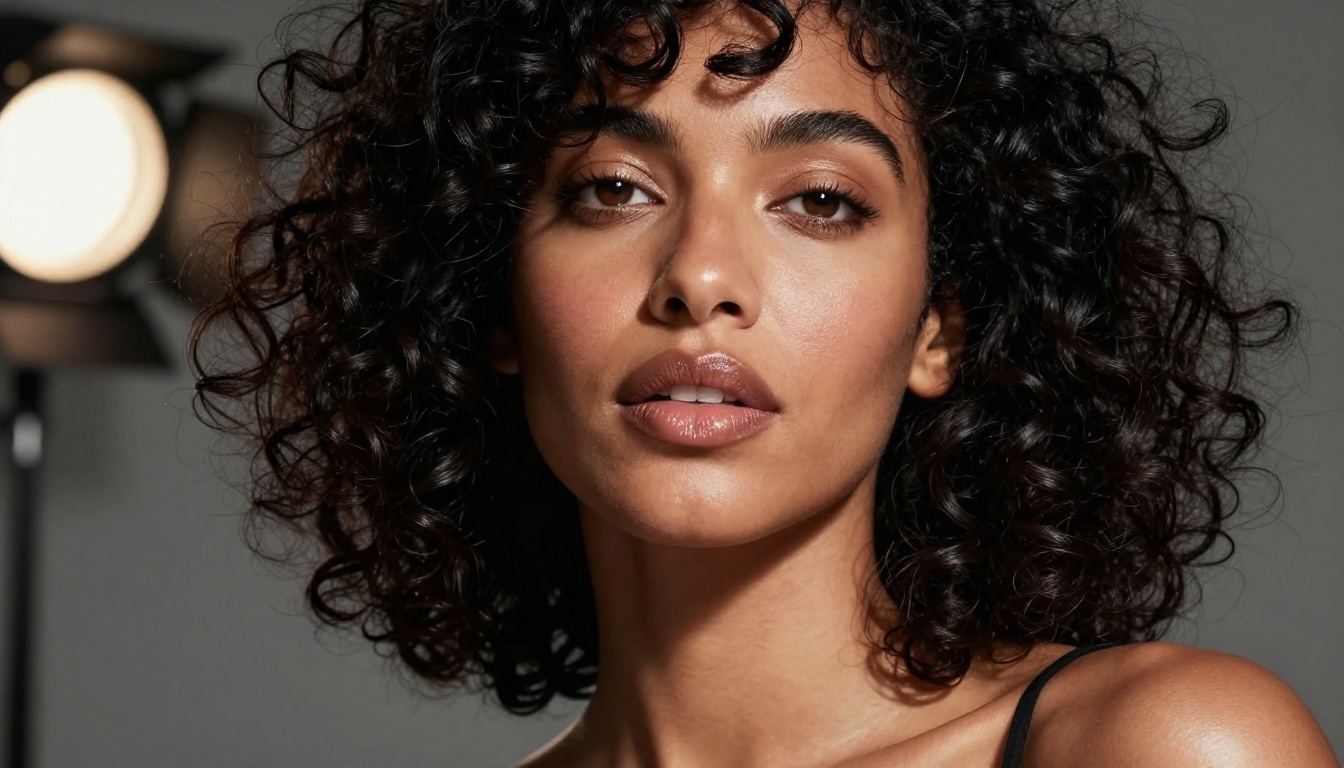
Flux 1.1 Pro Ultra from Black Forest Labs is widely considered the gold standard for photorealistic human portraiture. Its ability to render skin texture, hair detail, fabric folds, and natural lighting conditions is genuinely extraordinary. When people share AI images online that look like they could be professional photographs, there is a very good chance Flux was involved.
Why it works so well:
- Exceptionally accurate prompt interpretation
- Realistic skin tone rendering without the plastic look of older models
- Handles complex lighting scenarios including candlelight, natural light, and studio setups
- 8K-level detail in high-resolution outputs
Flux 2 Pro for the Latest Results
The newer Flux 2 Pro takes everything that made Flux great and pushes further with improved composition logic, better handling of complex poses, and more natural color grading. If you want results that genuinely surprise you with their quality, this is where to start. The model responds exceptionally well to photographic language in prompts.
RealVisXL for Glamour Photography
RealVisXL v3.0 Turbo has carved out a specific niche in the AI photography community for its ability to render what feels like authentic editorial glamour. The model was specifically fine-tuned on photographic data, and that training shows clearly in the final output. Skin tones feel warm and alive rather than rendered.
SDXL as the Versatile Workhorse
SDXL from Stability AI remains one of the most widely used models for generating artistic and suggestive content. Its community-driven fine-tunes and LoRA adapters have created a massive ecosystem around it, making it incredibly versatile for different aesthetics and styles. For creators who want fine-grained control over the visual output, SDXL's flexibility is hard to beat.
GPT Image 1.5 for Text Integration
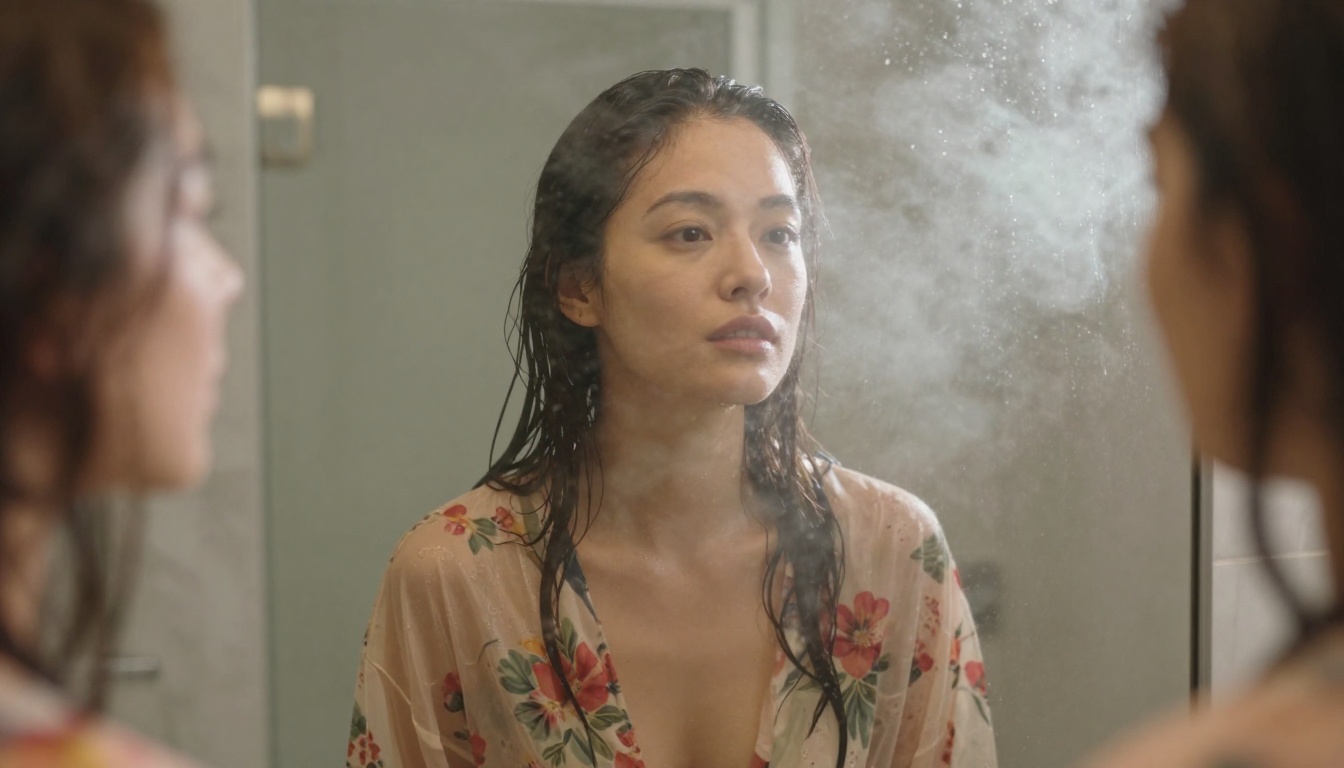
When the image needs to contain actual text elements, like artistic titles or minimal overlay copy, GPT Image 1.5 is the standout choice. Its text rendering capability is ahead of any other model currently available. For creators producing content that blends visual imagery with typographic elements, this is a significant advantage.
Writing Prompts That Actually Work
The single biggest factor separating mediocre AI imagery from stunning results is the quality of the prompt. This is the craft that serious creators in this space obsess over, and it is learnable.
The Anatomy of a Great Prompt
A great prompt for suggestive or glamour AI photography has five essential components:
- Subject description: Who the subject is, their appearance, expression, and pose
- Environment and context: Where they are, what surrounds them, the mood of the setting
- Lighting specification: The direction, quality, and color temperature of the light
- Camera and lens details: The focal length, aperture, and shooting angle
- Texture and atmosphere: Film grain, color grading, and atmosphere modifiers
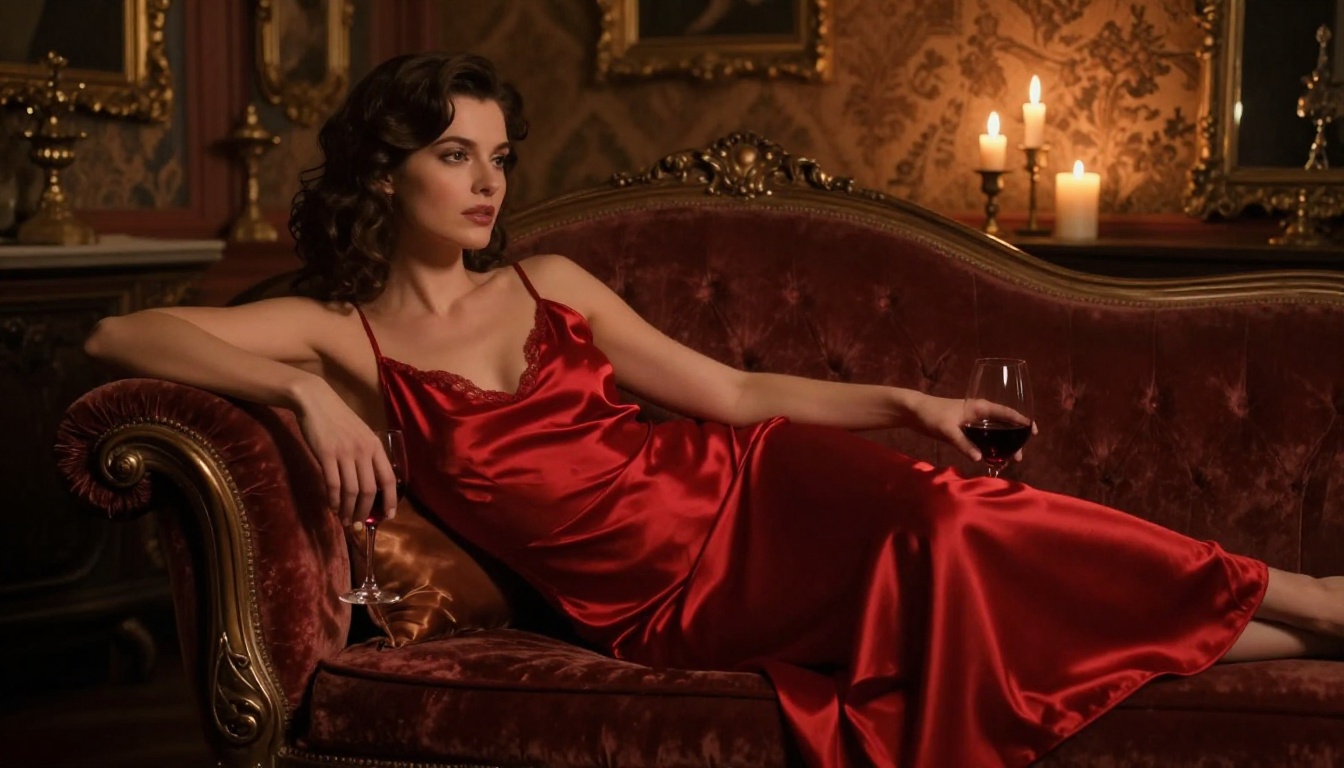
💡 Lighting is everything: Specify your lighting direction explicitly. "Volumetric morning light from the left side" produces dramatically better results than just "natural lighting." The model uses these specifics to create depth, shadow, and atmosphere that elevates the entire image.
What to Avoid in Prompts
Vague descriptors kill prompt quality. "A beautiful woman" gives the model almost nothing to work with. "A woman in her late 20s with copper-red hair and light freckles, wearing a cream silk camisole" is a completely different instruction with completely different results.
The models also respond strongly to photographic language. Words like "f/1.4 depth of field," "Kodak Portra 400 grain," and "Canon 85mm" act as signals that shift the model toward its photography training data, which is where the most realistic human rendering lives. Using this language consistently produces more photorealistic output.
3 Common Prompt Mistakes
- Too short: A 10-word prompt cannot convey the scene detail needed for a striking result. Aim for 50 to 100 words minimum.
- No lighting: Forgetting to specify light direction, quality, and source produces flat, lifeless images.
- Generic style tags: "Photorealistic" alone is not enough. Pair it with specific film stocks, camera models, and lens specifications for real impact.
The Role of LLMs in NSFW Chat
Beyond image generation, the chat component of NSFW AI deserves serious attention. Large language models have become genuinely capable creative partners for mature storytelling, and the gap between the best models and average ones is significant.

LLMs as Creative Writing Partners
Models like GPT-4o, Claude 4.5 Sonnet, and DeepSeek V3 have become the preferred tools for writers working in mature content categories:
- Writing romance and erotic fiction with nuanced character development
- Building interactive narrative scenarios where the user's choices drive the story
- Creating detailed character profiles for AI-generated personas
- Scripting dialogue for AI companion applications and interactive fiction
The quality gap between frontier models and older alternatives is substantial. A conversation with GPT-5 feels more coherent, more creative, and more emotionally intelligent than anything available two years ago.
Using Chat Models to Write Better Image Prompts
Many AI image creators use LLMs to generate and refine their image prompts before feeding them into a generation model. A user might ask Gemini 2.5 Flash to write a detailed scene description, then adapt that description into a precise image prompt for Flux 1.1 Pro Ultra. This workflow produces consistently better results than prompting from scratch.
💡 Workflow tip: Use an LLM to draft your image prompt, then paste it into your image generator. The LLM's ability to add sensory detail, lighting nuance, and compositional language dramatically improves the final image output.
Anything involving NSFW content online comes with legitimate questions about privacy and data handling. These deserve straightforward answers.
What Platforms Actually Store
Different platforms have very different data retention policies. Some store every generation in a user's history indefinitely. Others delete within hours. Before using any AI platform for mature content creation, it is worth reviewing the privacy policy specifically around:
- Whether generations are stored on servers after the session ends
- Whether content is used for model training
- Whether account data is linked to generation history
- What happens to your data if you delete your account
Being informed here is not paranoia. It is just good practice for anyone creating content they consider private.
3 Rules to Follow
Rule 1: Only generate consenting adults. Every reputable AI platform prohibits generating realistic imagery of minors. This is a legal matter, not just a policy matter.
Rule 2: Watermark and disclose. If you share AI-generated content publicly, transparent disclosure protects both you and the audience.
Rule 3: Check platform terms before commercial use. Some models permit commercial use of outputs; others require attribution or restrict commercial applications entirely. Flux 1.1 Pro Ultra and SDXL have different licensing structures. Know which applies before monetizing your work.
The market for AI NSFW tools is fragmented, with many options serving different needs. Here is a practical comparison for anyone deciding where to spend their time.
| Feature | Open Source Models | Single-Model Services | PicassoIA |
|---|
| Image Quality | Variable | High | High |
| Model Variety | Extensive (DIY) | Limited | 91+ models |
| Chat Integration | DIY | Rare | Yes |
| Privacy Control | Full | Partial | Standard |
| Ease of Use | Technical | Easy | Easy |
| Model Updates | Community-driven | Slow | Regular |
| LLM Access | DIY | No | Yes |
The combination of breadth, quality, and regular model updates is what separates multi-model platforms from running models locally or relying on a single-model service. Having access to Flux 2 Pro, Stable Diffusion 3.5 Large, RealVisXL v3.0 Turbo, and powerful LLMs in a single interface removes enormous friction from the creative process.
Your First AI NSFW Image on PicassoIA
If you have read this far, you probably want to try this yourself. Getting started takes less than five minutes, and the results from your very first generation can genuinely impress you.
Step 1: Pick the Right Model
Start with Flux 1.1 Pro Ultra for photorealistic portraiture, or try RealVisXL v3.0 Turbo if you want a more editorial, fashion-photography feel. For faster iterations while you are experimenting, Flux Schnell delivers quick results with solid quality.
Step 2: Write Your Prompt Using the Five-Part Framework
Use the structure above: subject, environment, lighting, camera, texture. Even a 40-word prompt following this structure will produce better results than a 200-word prompt that ignores it. Specificity beats length every time.
Step 3: Iterate Rapidly
The fastest path to great results is generating multiple variations in quick succession. Change one variable per iteration so you can see exactly what each adjustment does to the output. Swap the lighting condition. Change the camera angle. Adjust the expression descriptor in the subject description.
Step 4: Use an LLM to Sharpen Your Prompts
Use GPT-4o or Claude 4 Sonnet to help you write and refine prompts before using them. Describe what you want in plain language and ask the model to turn it into a detailed, photography-style image prompt. The quality jump is immediate.
💡 The real secret: Most people who get underwhelming results are using underpowered prompts. The model is rarely the limiting factor. Spend 80% of your effort on the prompt and 20% on model selection. Better prompts beat better models almost every time.
See What AI Can Actually Create
AI chat NSFW is not a passing trend. It is the intersection of two of the most powerful forces in technology right now: language models that hold genuinely intelligent and creative conversations, and image generation models that produce photography-quality visual art from a single text description. The people winning in this space are not necessarily the most technical. They are the ones who write specific, detailed prompts and iterate without fear.
PicassoIA gives you access to over 91 image generation models including Flux 1.1 Pro Ultra, Flux 2 Pro, Stable Diffusion 3.5 Large, RealVisXL v3.0 Turbo, and SDXL, along with a full suite of LLMs for creative chat and prompt assistance. Everything needed to produce world-class AI imagery is in one place.
Stop wondering what the best AI chat NSFW images look like. Open PicassoIA, write your first detailed prompt, and see for yourself what this technology is actually capable of.


