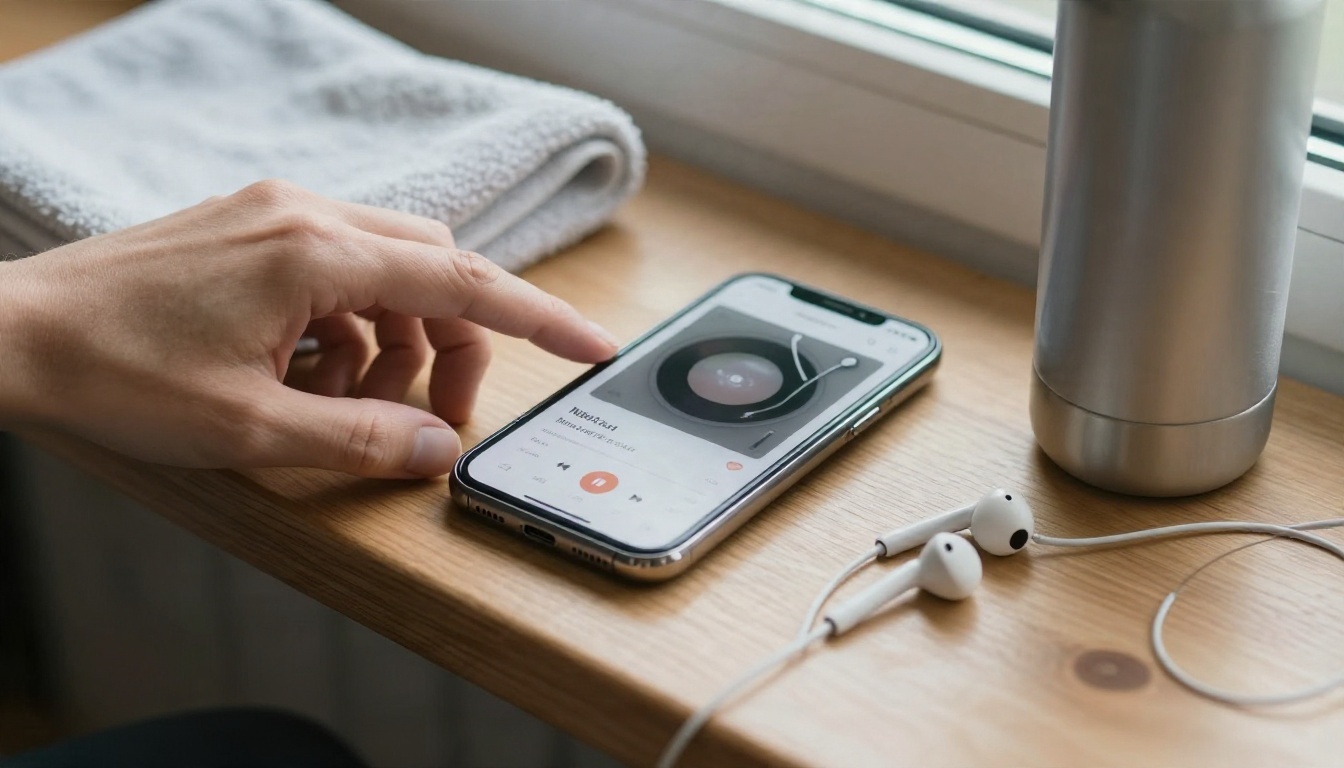
You know the moment. You are halfway through a set, or three kilometers into a run, and the song changes to something slow, shouty or just wrong. Your rhythm collapses, your hand goes to the phone, and the workout loses a minute it will never get back. An AI workout playlist fixes that at the source: instead of hunting for songs that roughly fit, you describe the exact tempo, mood and structure you want, and a music model writes tracks built around your session.
This article gives you the free prompts, the song styles and the tempo settings that actually matter. Copy the prompts, change two or three words, and you will have a custom mix for running, lifting, HIIT, boxing, cycling or a slow cooldown.
Why Generate Your Own Workout Music
The Problem With Streaming Playlists
Most premade workout playlists are built for popularity, not for your body. A song can be a huge hit and still sit at a tempo that makes your cadence awkward. Playlists also ignore the shape of a session. A real workout has a warm-up, a build, a peak, and a drop, but a typical "gym hits" list is just one long plateau of loud.
Then there are the small annoyances:
- Intros that run 40 seconds when you only rest for 30
- Tracks that end abruptly and leave silence in the middle of a round
- Lyrics that pull your attention away from form
- Ads or a surprise quiet ballad at the worst moment
What AI Changes
With an AI music model you set the rules. You choose the BPM, the genre, the energy curve, and whether there are vocals at all. You can ask for a 45 minute-style arc split into several tracks, each one with a clear job. You can also ask for instrumental only, which keeps your head on the rep instead of the chorus.
💡 Quick win: Write the prompt for the moment of the workout, not the whole workout. "Last 60 seconds of an interval, rising energy, no vocals" gives a much better result than "gym music."
Tempo Settings That Match Your Workout
Tempo is the single most useful number in a workout prompt. Music in the right range makes movement feel easier because your body naturally syncs to the beat. Put the number in the prompt directly, for example "128 BPM," and keep it consistent across the track.
BPM Ranges by Activity

These are practical starting points. Adjust by 5 to 10 BPM depending on your fitness and how you feel on the day.
| Activity | Suggested BPM | Feel |
|---|
| Warm-up and mobility | 90 to 110 | Easy groove, steady, light |
| Easy run or jog | 150 to 165 | Smooth, repetitive, no big drops |
| Tempo run | 165 to 175 | Driving, consistent, minimal breaks |
| Heavy lifting | 120 to 140 | Punchy, big low end, space for rests |
| HIIT work rounds | 140 to 160 | Urgent, clear beat, fast build |
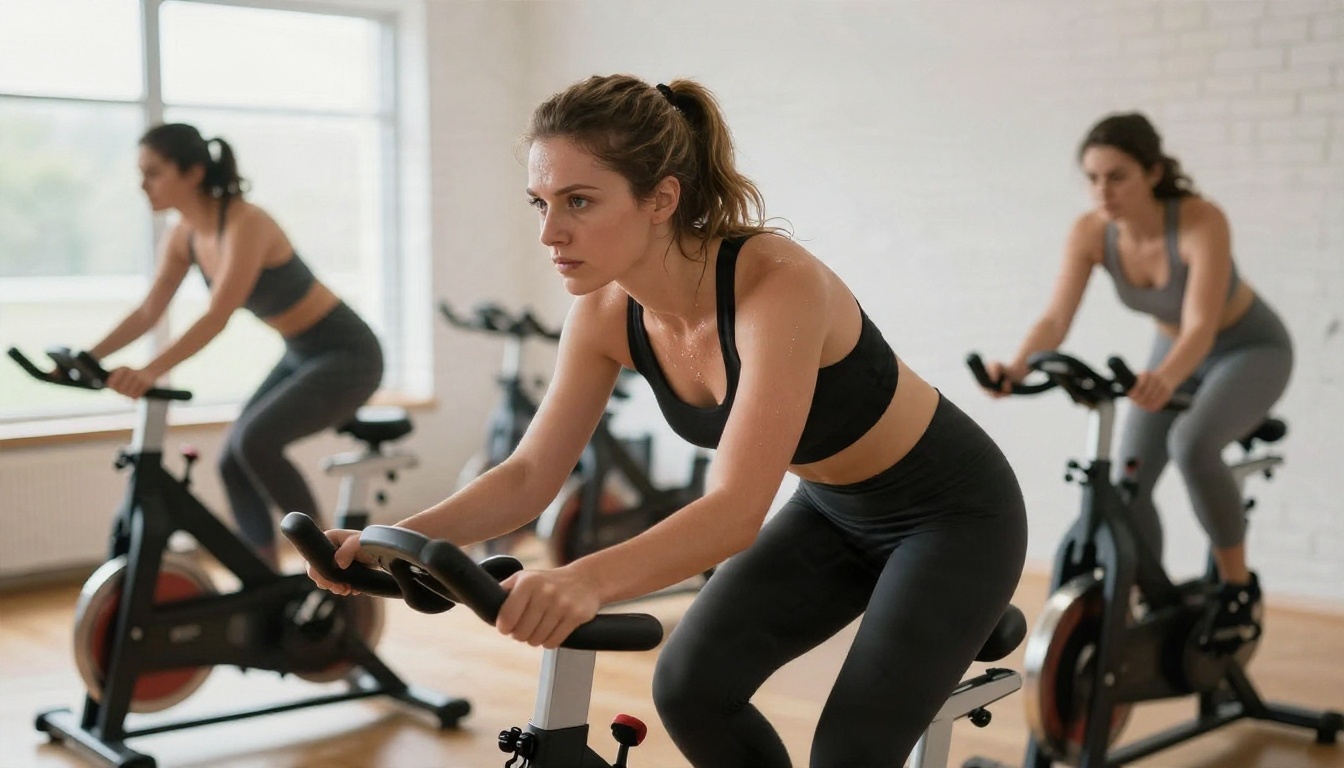
| Spin and cycling | 120 to 145 | Rhythmic, climbs and releases |
| Boxing and combat rounds | 130 to 150 | Aggressive, sharp snare, tense |
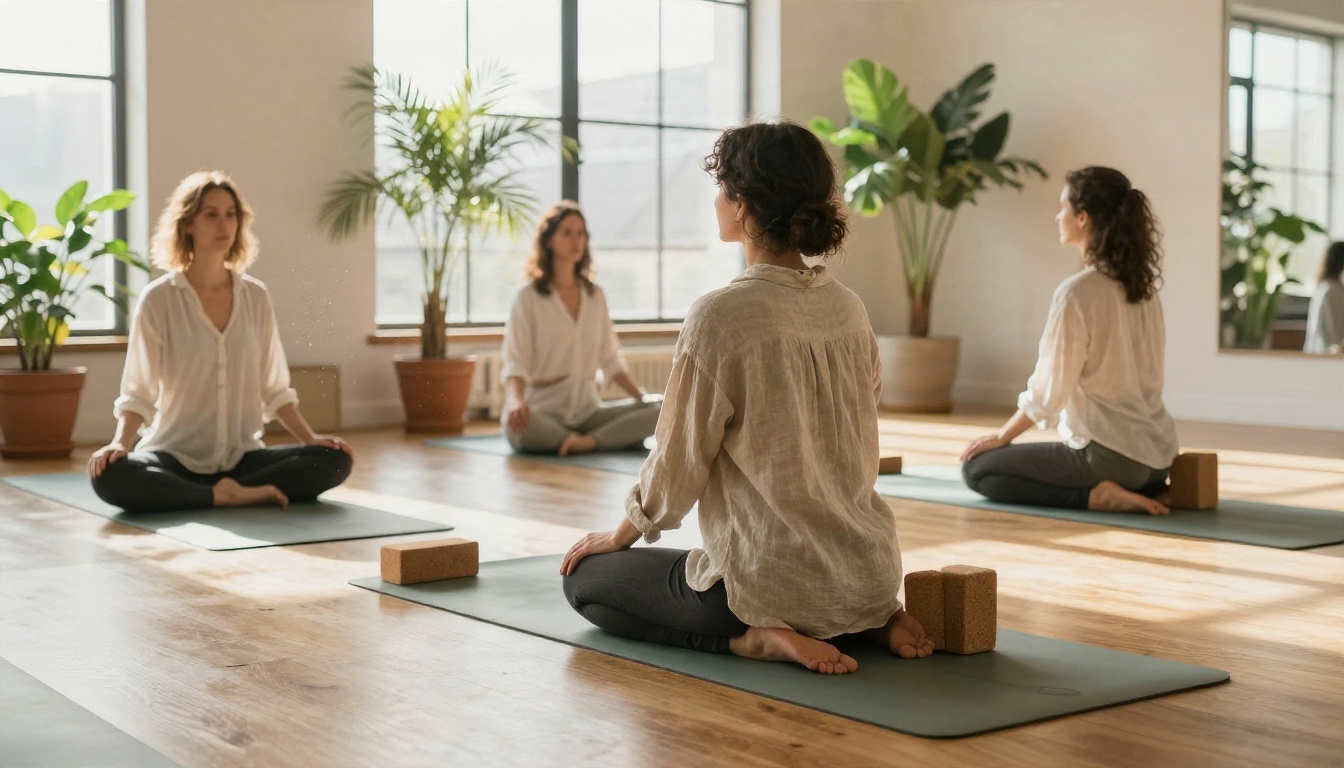
| Yoga and cooldown | 60 to 85 | Slow, warm, spacious |
💡 Running tip: Many runners aim for roughly 160 to 180 steps per minute. A track at 170 BPM lets each beat match one foot strike. If you prefer a more relaxed stride, a 85 BPM track in half time feels like every second beat lands on a step.
The Half-Time Trick for Lifting
Heavy lifting does not need a fast tempo. A set of squats at a grinding speed feels wrong over a 170 BPM track. Ask for a track at 140 BPM written in half-time, which makes the drums feel like 70 BPM. You get the energy of a fast song with the weight and patience that heavy sets need. Phrases that work well in prompts: "half-time drums," "slow heavy kick," "deep sub bass," and "space between hits."

Song Styles for Every Session
Style words steer the sound more than almost anything else. A good approach is to pick one genre, one mood word, and one production detail. For example: "drum and bass, relentless, tight punchy drums." Do not stack six genres together, since the model will blend them into something flat.
Gym and Strength
Strength training works well with styles that have a strong low end and a clear pulse.
- Trap and hip hop instrumentals: Heavy 808s, sparse hi-hats, plenty of room between hits
- Industrial rock: Distorted guitars, hard drums, a sense of weight
- Dark electronic: Slow builds, big drops, a steady kick
- Phonk-style beats: Gritty, cowbell accents, aggressive attitude
Cardio and HIIT
For cardio, you want a track that never stops moving.
- House and tech house: Four on the floor kick at 124 to 130 BPM, smooth for steady cardio
- Drum and bass: Fast breakbeats at 170 to 175 BPM, great for intervals and tempo runs
- Dance pop: Bright hooks, a big chorus, upbeat energy
- Hard techno: Pounding kick for final push rounds
Warm-Up and Cooldown
Both ends of a session deserve their own sound. Warm-ups work with mid-tempo funk, indie electronic or light groove. Cooldowns work with ambient, lo-fi, acoustic guitar, soft piano or downtempo textures. A deliberate drop in tempo at the end signals to your body that it is time to recover, which many people find makes stretching more effective.
Free Prompts to Copy and Paste
Every prompt below follows the same formula: genre, BPM, mood, instruments, structure, vocal choice. Swap any piece to fit your taste. Add "no vocals" or "instrumental" whenever you want focus, and add "with short chanted gang vocals" if you want a crowd feel.
Running and Cardio Prompts
Morning easy run
Uplifting indie electronic, 160 BPM, warm synth arpeggios, steady kick drum, light claps, gentle build over the first minute, bright and optimistic, instrumental, no big drops, consistent rhythm for a long jog.
Tempo run
Drum and bass, 172 BPM, rolling breakbeat, deep bass, tight snare, atmospheric pads, relentless forward motion, instrumental, constant energy with a small lift every 32 bars.
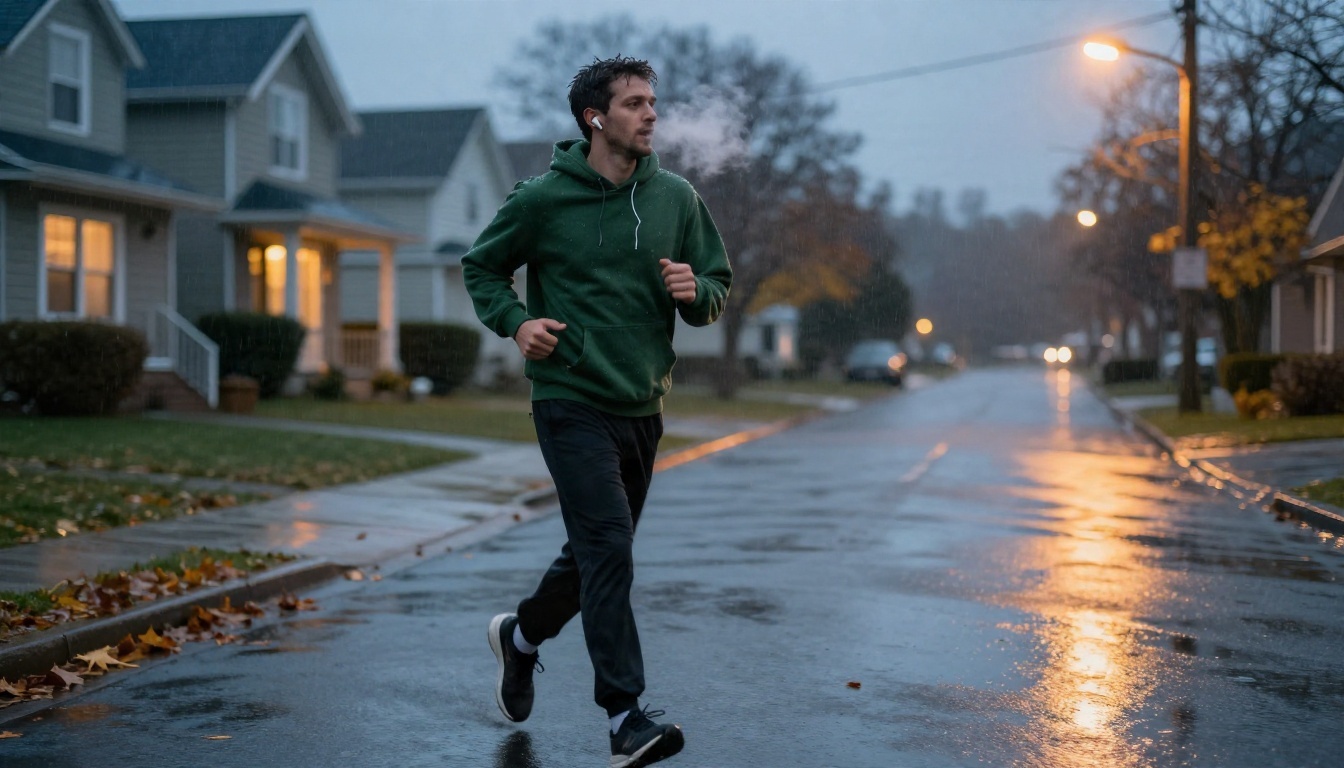
Rainy evening jog
Moody melodic house, 126 BPM, soft pads, muted bass pulse, light percussion, a sense of calm determination, instrumental, slow evolving layers.
Lifting and Boxing Prompts
Heavy leg day
Dark trap instrumental, 140 BPM in half-time feel, massive 808 bass, slow heavy snare, sparse hi-hats, ominous strings in the background, intense, space between hits for rest between reps.
Garage gym rock
Industrial rock, 130 BPM, crunchy distorted guitar riff, pounding live drums, aggressive but controlled, short build then full drop, instrumental with occasional shouted chant.
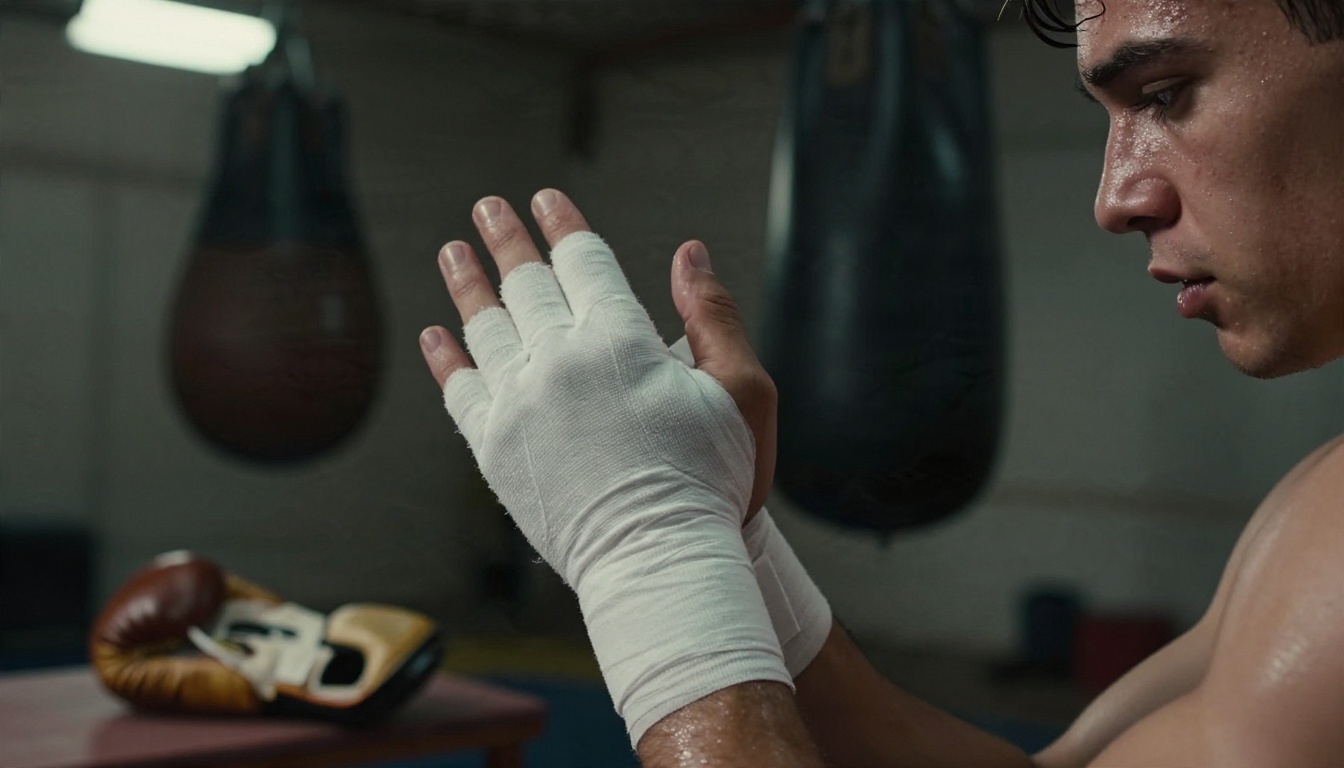
Boxing rounds
Aggressive hip hop beat, 145 BPM, hard kick, sharp snare, tense piano stabs, three minute structure with a rising energy at two minutes thirty, instrumental.
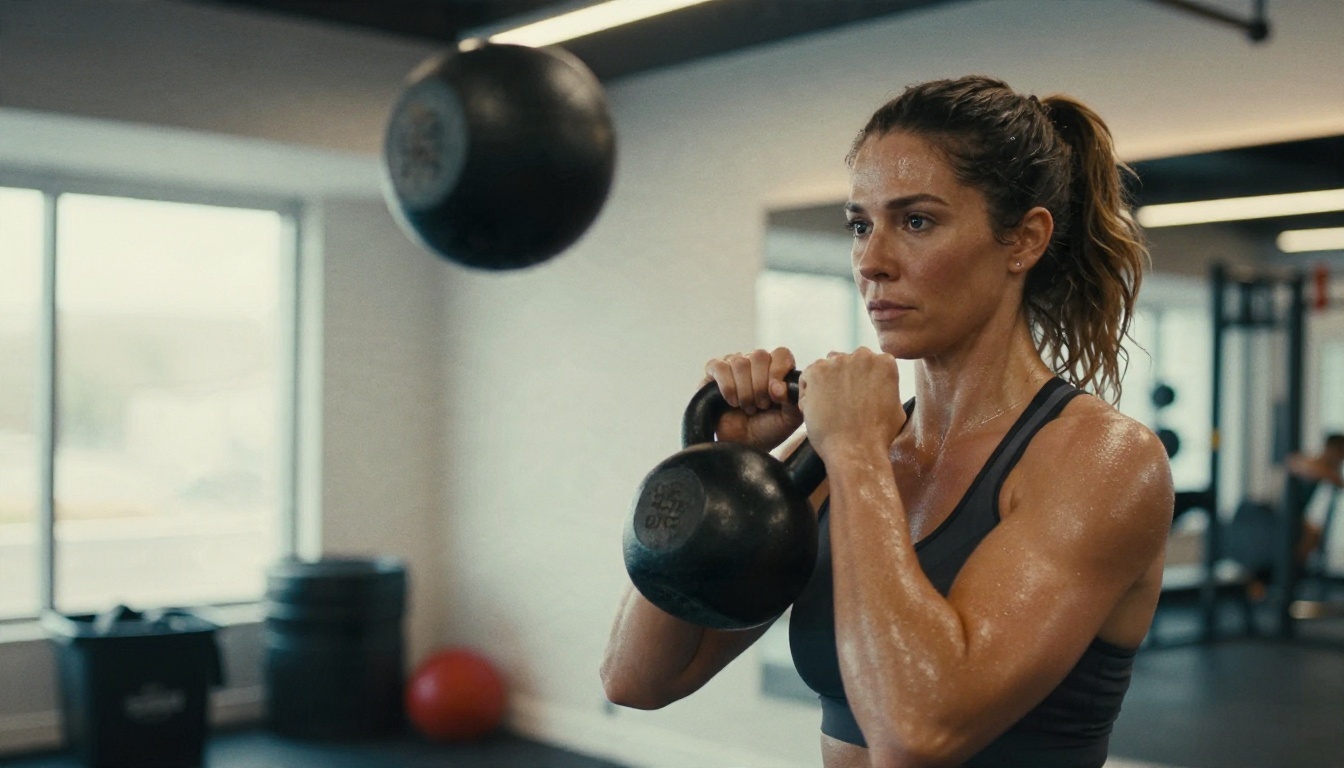
HIIT intervals
High energy electro house, 150 BPM, driving bass, clear four on the floor kick, 40 seconds of intense peak followed by 20 seconds of stripped back groove, repeating pattern, instrumental.
Cooldown and Stretching Prompts
Slow stretch
Warm ambient, 70 BPM, soft piano, slow evolving pads, gentle air texture, no drums, spacious and calm, instrumental, fades out gradually.
Lo-fi recovery
Lo-fi hip hop, 80 BPM, dusty drums, mellow electric piano, vinyl crackle, relaxed, instrumental, slow ending.
💡 Prompt formula to remember: genre + BPM + mood + instruments + structure + vocals. If a result feels off, change only one element, then regenerate.
How to Generate Your Tracks on PicassoIA
You do not need to be a producer. The process takes a couple of minutes per track, and PicassoIA has several music models that suit different needs.
Pick a Model
Older options such as Music 2.5 and Lyria 2 are also available if you want to compare results.
Step by Step
- Open a model page. Start with Music 2.6 if you want vocals, or Lyria 3 for instrumentals.
- Paste your prompt. Use one of the prompts above and keep the BPM number in the text.
- Add lyrics only if the model asks for them. For workout music, short repeated lines such as "keep moving, keep going" work better than long verses.
- Generate and listen to the first 30 seconds. Check whether the beat matches your target pace. If it feels too fast or too slow, change the BPM by 5 to 10 and regenerate.
- Save the best versions. Name them by purpose, such as "Warm-up 105," "Run 170," or "Cooldown 70," so you can build your playlist quickly.
💡 Check each model page for current free access and length limits, since these can change.
Turn Your Favorite Songs Into Workout Versions
If you already have a song you love but its style does not fit your session, try Music Cover. It restyles a track by genre, so a slow ballad can become a house version, or a pop track can become a drum and bass remix.
Build the Playlist Arc
A great workout playlist is a story with a clear beginning, middle and end. Plan the energy first, then generate each track to match its slot.
The 45 Minute Template
| Segment | Time | BPM | Style idea |
|---|
| Warm-up | 0 to 8 min | 95 to 110 | Funk groove or light electronic |
| Build | 8 to 15 min | 120 to 130 | House, dance pop |
| Main work | 15 to 35 min | 135 to 160 | Drum and bass, trap, electro house |
| Final push | 35 to 40 min | 150 to 170 | Hard techno, intense drums |
| Cooldown | 40 to 45 min | 60 to 80 | Ambient, lo-fi, piano |
Generate two or three tracks for each slot. This gives you variety and lets you shuffle within a section without breaking the arc.
Make Transitions Easy
Ask for tracks that start and end with simple rhythm, such as "begins with a four bar drum intro" and "ends with a clean fade." That makes it easy to chain songs without jarring jumps. Keep neighboring tracks within 10 BPM of each other when possible, except at the deliberate jump into your final push.
Mistakes That Ruin a Workout Mix
- Too many genres in one prompt. The model tries to please all of them and delivers a muddy middle.
- No BPM in the prompt. Without a number, tempo is a guess. Always include one.
- Vocals that fight your focus. If you lose your count while lifting, choose instrumental.
- Same energy for the whole hour. A flat mix tires your ears before your muscles. Plan peaks and valleys.
- Ignoring loudness at the cooldown. A loud track at the end keeps your heart rate up. Finish with something soft.
- Skipping a test run. Play your new playlist during a short session before the big workout day.
💡 Keep a notes file with your best prompts and the BPM that worked. After a few sessions you will have a personal library you can reuse and edit.
Try Your Own Workout Sound Today
You now have the tempo ranges, the style choices and a set of prompts that work as they are. The next step is simple: pick one session this week, paste a prompt into a music model on PicassoIA, and train with the result. Adjust the BPM, change a mood word, and regenerate until the beat feels like it was made for your stride.
Start with a Lyria 3 instrumental for your run, add a vocal anthem from Music 2.6 for your lifting day, and finish with a soft Stable Audio 2.5 cooldown. Once you hear music built around your own pace, a random shuffle will feel like a step backward. For more models to try, visit picassoia.com/en/all-models and build your own workout soundtrack.


