You typed a prompt, ChatGPT handed back a beautiful image, and now a thought is forming: could this pay for itself? In most cases, yes, you can sell it. But "can I sell it" is really four separate questions wearing one coat: who owns the image, can anyone stop others from copying it, will the marketplace accept it, and will it survive being printed on paper or fabric. Each one has a different answer, and mixing them up is how sellers end up with removed listings and refund requests.
This article walks through all four, with the practical details a seller actually needs. It is general information, not legal advice, and the rules shift often, so treat anything below as a starting point and check the current terms of every service you rely on.
The Short Answer
Here is the quick version before the detail.
| Question | Short answer | Main condition |
|---|
| Can I sell images made in ChatGPT? | Generally yes | You follow OpenAI's terms and content policy |
| Do I own them? | Per the terms, you hold the rights OpenAI has in the output | Ownership is not exclusive in practice |
| Can I copyright them? | Often not for raw output | Human authorship is required |
| Can I list them on Etsy? | Yes, with disclosure | Correct labels, no banned item types |
| Can I print them on products? | Yes | Resolution and print partner rules apply |
What OpenAI's Terms Say
OpenAI's terms of use, as widely reported, assign to you whatever rights it holds in the output of its tools and allow you to use that output for any purpose, including commercial use, as long as you comply with the terms. That is the contractual layer, and it is the reason selling ChatGPT images is considered permitted rather than a gray area.
Two details matter. First, the permission comes with conditions: OpenAI's content policy still applies, so images that break it can lead to problems no matter how you plan to sell them. Second, some sources disagree on whether free-plan users get exactly the same commercial permissions as paid users. If you are building a real shop, read the current terms for your specific plan instead of trusting a blog post, including this one.
Why Ownership Is Not Copyright
Contract ownership and copyright are different things. OpenAI can agree not to claim the image, but that does not create a copyright where the law does not recognize one. In the United States, copyright protection depends on human authorship, which is why the answer to "do I own it?" can be "yes by contract, but you may not be able to enforce it against copycats."
💡 Seller takeaway: you are free to sell the image. You may not be free to stop someone else from selling something nearly identical.
What You Can Actually Protect
Most sellers fixate on the sale and ignore the protection. If your business depends on a design being unique, this section is the one to read twice.
Raw Prompt Output
When an image comes straight out of a single prompt with no meaningful human changes, protection is weakest. The US Copyright Office has taken the position that purely machine-generated material lacks the required human authorship, and that a text prompt alone usually does not give you enough control over the result to count as authorship. Other countries handle this differently, and some are still debating it.
In practical terms, a raw output is sellable but hard to defend. If a competitor downloads your listing image and sells it, you may have little legal ground beyond marketplace rules.
Human Edits Change the Picture
Your odds improve when real creative work is layered on top. Selecting, arranging and combining images into an original collection, painting over a generated base, rebuilding a layout by hand, or adding your own typography and photography all add human contribution. In general, the protection attaches to your contribution, not to the machine-made parts underneath.
A simple habit pays off here: keep your working files. Save the prompt history, the layered project file and your rough sketches. If anyone ever questions how a design was made, a folder of process material is far more convincing than a single flattened export.
Similar Images Can Exist
Because these tools respond to similar prompts with similar results, another seller can end up with a near twin of your image without ever copying you. OpenAI's terms also do not promise that outputs are unique to you. That is why serious sellers stop treating one generated image as a product and start treating it as raw material for a product: a set, a series, a styled bundle.
Selling on Etsy Without Trouble
Etsy is where most people first ask this question, and it is also where the rules are most specific. Etsy has allowed AI-assisted work built from the seller's own prompts since its 2024 creativity standards, but it expects transparency about how an item was made. Rules have been tightened since, so always check the seller policies before you publish.
Disclosure and Labels
Etsy asks you to describe who made what. Based on reports of the current framework, AI art that comes from your own prompts and is sold as a digital download or printed by a third party fits the "Designed by" style of label, not "Made by" or "Handmade." Choosing the wrong label is the easiest way to invite a report from a competitor or a buyer.
A few habits keep a listing clean:
- Say it plainly in the description: the artwork was created with AI tools and then edited, arranged or finished by you.
- Never claim hand painting, photography or illustration for anything generated.
- Use honest process photos if you show your workspace, and do not imply a physical studio made something that came from a printer service.
- Match the item type to what you actually deliver, whether that is a digital file, a printed poster or a shipped product.
What Etsy Bans
Reports on the newer rules point to several restrictions worth knowing before you build a catalog:
- Selling AI prompts as a product is not allowed.
- AI-generated functional instructions such as knitting, crochet, sewing, embroidery, quilting and beading patterns, recipes, woodworking plans and manuals are prohibited. Artwork is not part of that ban.
- Items that copy another seller or a brand are removed under the usual intellectual property rules, AI or not.
💡 If you were planning to sell "ChatGPT prompt packs," stop and read Etsy's current policy first. That product type is exactly what the newer rules were written to stop.
Listing Copy That Works
Buyers searching for wall art care about size, paper and mood, not the tool you used. Lead with what they get: dimensions, aspect ratios, file formats, print resolution and room styling. Then add a short, honest line about how the artwork was made. Sellers who treat disclosure as a trust signal tend to field fewer complaints than those who hide it.
Prints, Mugs and Print on Demand
Selling a digital file is one thing. Selling a physical object adds a whole new set of technical limits, and this is where many ChatGPT images quietly fail.
Resolution Before Anything
Images from chat tools usually come out at modest pixel dimensions. That looks fine on a phone and falls apart on a 24 by 36 inch poster. Print sellers typically aim for roughly 300 pixels per inch at the final size, which means a large print needs far more pixels than a default export provides.
| Print size | Approx. pixels needed at 300 PPI |
|---|
| 5 x 7 in | 1500 x 2100 |
| 8 x 10 in | 2400 x 3000 |
| 11 x 14 in | 3300 x 4200 |
| 18 x 24 in | 5400 x 7200 |
| 24 x 36 in | 7200 x 10800 |
A dedicated upscaler can close much of that gap. On PicassoIA you can run an image through Clarity Pro Upscaler for photorealistic detail, P Image Upscale when you want speed, or Recraft Crisp Upscale for clean edges. Always order a physical proof before listing: smooth gradients, skin tones and fine textures are where weak files show their flaws.
Third-Party Print Partners
Print on demand services have their own acceptance rules on top of OpenAI's and Etsy's. Some restrict AI content in certain categories, some require you to confirm you hold the rights to what you upload, and nearly all prohibit trademarks, celebrity likenesses and copied characters. A design that passes one platform can be rejected by another.
Before you upload a design to a mug, tote or shirt, check three things:
- The partner's AI policy, which may differ from the marketplace's.
- The file specs: color profile, transparent background, safe margins and bleed.
- The rights declaration you are asked to accept, because you are the one making that statement.
Wall art tends to be the most forgiving product. A clean, well-composed print in a simple frame suits almost any room, and it does not depend on trendy slogans that date quickly.
Limits You Should Not Cross
Permission to sell does not mean permission to sell anything. These are the situations where sellers get into real trouble.
Real People and Faces
Generating a recognizable celebrity, politician or private individual and selling the result invites right-of-publicity and defamation claims, and it likely violates OpenAI's content policy as well. Even a "lookalike" can draw complaints. If you need people in your designs, use clearly invented characters and avoid anything that could pass for a specific person.
Brands, Characters and Styles
Trademarked logos, branded packaging, film characters and sports teams are off limits no matter how the image was made. Copying the named style of a living artist is less settled legally but very risky commercially: buyers and artists report it, marketplaces act on it, and your reputation suffers either way. Describe the look you want with neutral terms like palette, lighting and subject, not with someone else's name.
Content Policy Violations
OpenAI's terms depend on following its usage rules. Misleading images presented as real photographs, hateful material and violent content can put both the image and your account at risk. A good test: would you be comfortable explaining exactly how this image was made to the buyer, the marketplace and the tool provider at the same time?
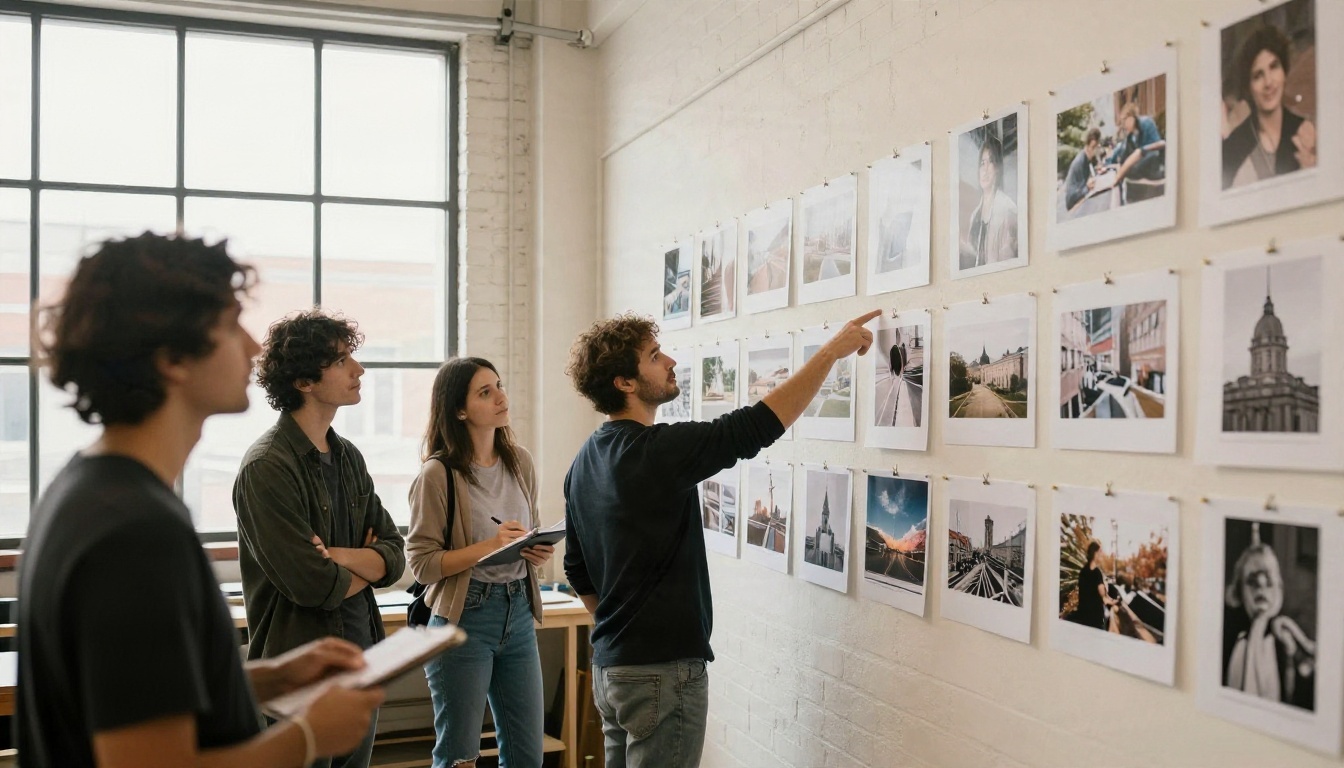
💡 Risk ranking, lowest to highest: original landscapes and abstract patterns, invented characters, stylized products, anything resembling a real person, anything resembling a brand. Build your catalog from the first group.
A Safer Selling Workflow
Pulling the rules together, this is a routine that keeps most sellers out of trouble:
- Read the current terms for your ChatGPT plan, your marketplace and your print partner. Screenshot or save the date you checked.
- Generate in sets, not single images, so you can offer bundles and series that are harder to copy.
- Add human work: edit, repaint, recompose, retouch or combine with your own photography.
- Upscale and test: bring the file to true print resolution, then order a proof.
- Label honestly on the marketplace, using "Designed by" style wording where it applies.
- Keep records: prompts, drafts, layered files and receipts.
- Avoid people, brands and artist names in prompts, always.
- Recheck every few months, because marketplace policies change quickly.
Make Sellable Images on PicassoIA
ChatGPT itself is not on PicassoIA, but you do not need it to build a catalog. PicassoIA offers GPT Image 2, an OpenAI image model, alongside other strong options such as Seedream 4.5 for sharp 4K output, Nano Banana Pro for detailed 4K images, and Imagen 4 Ultra for high-detail photorealism. Each tool has its own terms, so read the usage rights that apply to your account before selling.
Steps for a Print-Ready Image
- Open the GPT Image 2 page and write a prompt that names the subject, lighting, lens feel and color palette. Skip brand names, artist names and real people.
- Choose a landscape or portrait ratio that matches the print sizes you plan to sell, such as 2:3 for 8 x 12 or 24 x 36 inch posters.
- Generate several variations and pick the strongest, then generate matching companions in the same palette so you can sell a set.
- Edit the winner by hand: crop, adjust color, remove small artifacts and add your own finishing touches.
- Upscale with Clarity Pro Upscaler to reach your target pixel dimensions.
- Export at the format your marketplace or print partner requires, then order a physical proof.
💡 Parameter tip: keep prompts specific about light and texture ("soft side light, matte paper grain, muted earth tones") and loose about composition. Specific lighting produces consistency across a series, which is what turns single images into a collection.
If one model gives you a look that is close but not right, run the same prompt in another. Comparing outputs from Seedream 4.5 and Imagen 4 Ultra takes a minute and often reveals a better fit for your niche.
Your Next Batch Starts Now
Selling ChatGPT generated images is realistic, and plenty of people already do it. The sellers who last are the ones who treat the image as a starting point: they read the terms, add their own work, label honestly, print at proper resolution and stay away from faces, brands and borrowed styles.
If you want to build your own catalog, try creating a small set on PicassoIA today. Generate a few matching images with GPT Image 2, upscale your favorite, order one proof print and see how it looks on your own wall. You can also browse every available tool at picassoia.com/en/all-models and compare which one fits your style. One tested design that you made yourself will teach you more than any list of rules.


