The landscape of digital art creation has undergone a seismic shift as we approach 2027, with tools like the Nano Banana Pro model redefining what's possible for adult artists. This isn't about replacing human creativity but augmenting it with computational power that understands nuance, context, and sophisticated aesthetic principles. The intersection of artificial intelligence and artistic expression has matured beyond simple prompt engineering into a genuine partnership between human intuition and machine capability.
What makes 2027 particularly significant is the convergence of several technological and cultural trends. Compute costs have decreased while model sophistication has increased exponentially. Cultural acceptance of AI-assisted art has reached mainstream levels in creative industries. And tools specifically designed for adult artistic expression—with appropriate ethical safeguards—have emerged as serious creative instruments rather than novelty toys.
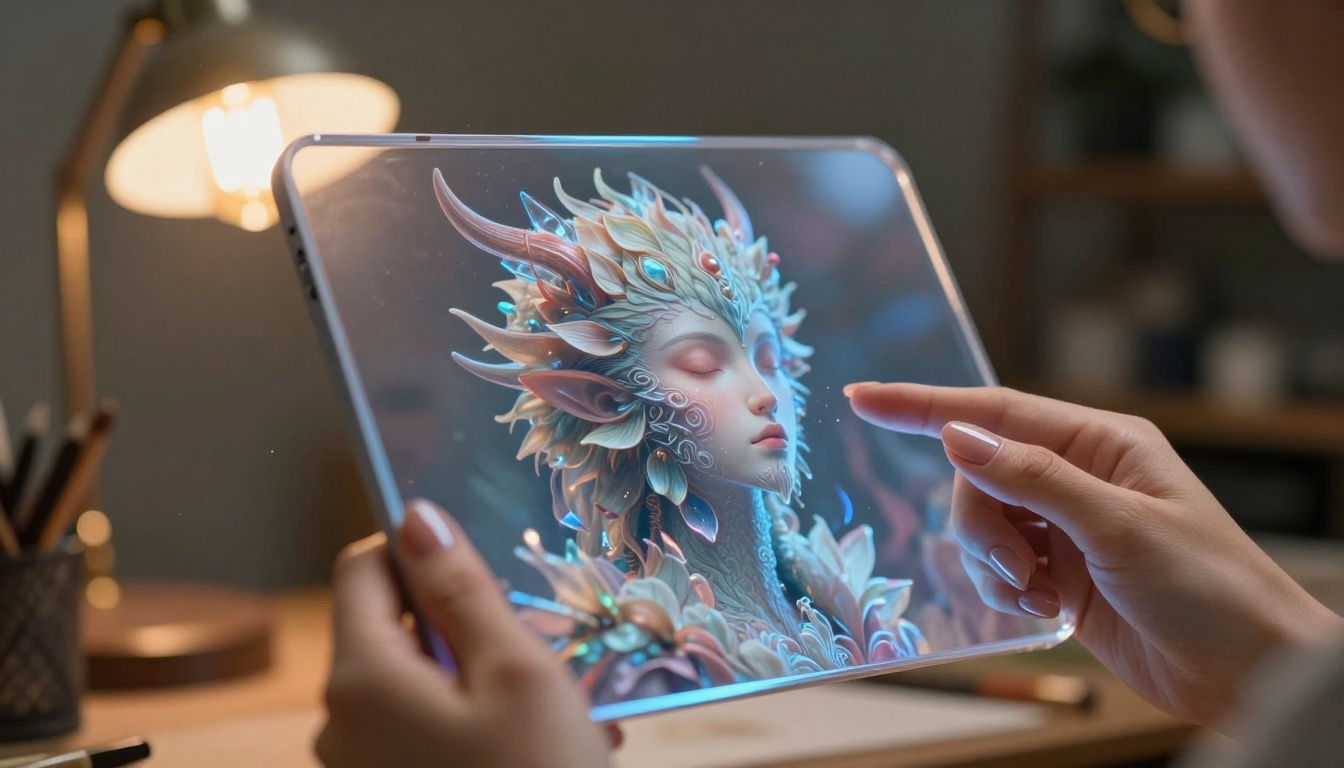
Close-up of the creative process where human touch meets digital generation
Why Nano Banana Pro Matters for Adult Artists
The Nano Banana Pro model represents a specific evolution in AI image generation—one that balances technical capability with creative flexibility. Unlike earlier models that produced generic or cartoonish outputs, this iteration understands subtle human expressions, complex emotional states, and sophisticated compositional principles.
For adult artists working with mature themes, the model offers several distinct advantages:
- Contextual Understanding: The model comprehends nuanced prompts about human experience, relationships, and emotional complexity
- Aesthetic Sophistication: Outputs maintain photographic realism while allowing for artistic interpretation
- Ethical Boundaries: Built-in safety filters provide appropriate content moderation without stifling creative expression
- Technical Precision: Support for multiple reference images and customizable aspect ratios allows for professional-grade outputs
💡 Artistic Note: The term "adult art" here refers to work dealing with mature themes, complex emotions, and sophisticated narratives—not explicit content. The Nano Banana Pro model's safety filters ensure artistic expression remains within appropriate boundaries while allowing for meaningful exploration of human experience.
Technical Architecture and Capabilities
Understanding the technical foundation of Nano Banana Pro helps artists leverage its full potential. The model operates on a transformer-based architecture optimized for visual generation, with several key features that distinguish it from previous iterations.
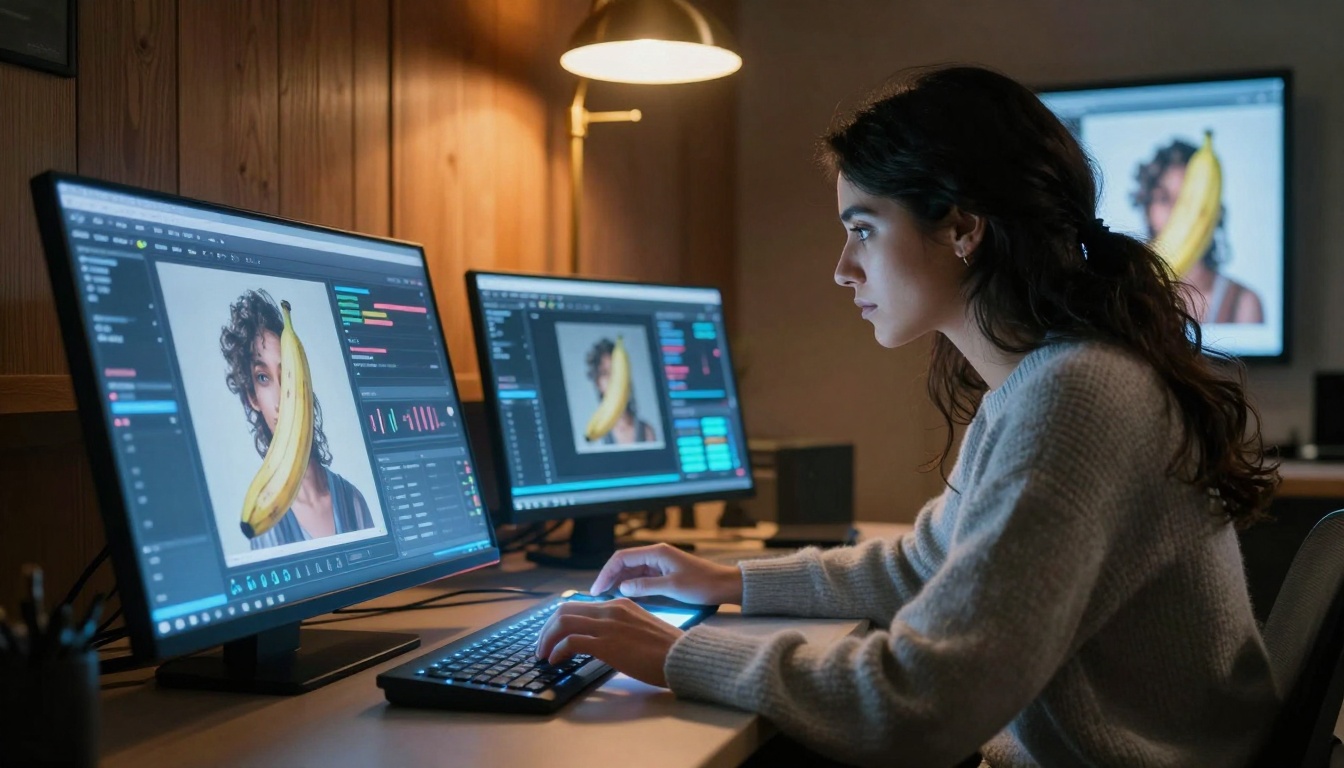
The sophisticated interface showing multi-layered creative controls
Input Flexibility
The model accepts up to 14 reference images, allowing artists to create complex compositions that blend multiple visual sources. This capability transforms the creative process from simple text-to-image generation into a true collage of visual inspiration. Artists can:
- Provide stylistic references from existing artwork
- Include compositional guides for layout and perspective
- Submit color palette references for mood establishment
- Combine multiple human references for character creation
Output Customization
| Parameter | Options | Artistic Impact |
|---|
| Aspect Ratio | 1:1, 2:3, 3:2, 3:4, 4:3, 4:5, 5:4, 9:16, 16:9, 21:9 | Determines composition flow and visual narrative |
| Resolution | 1K, 2K, 4K | Affects detail level and printing capability |
| Output Format | JPG, PNG | Influences file size and transparency needs |
| Safety Filter | Three levels | Balances creative freedom with content appropriateness |
Prompt Engineering for Artistic Expression
Effective prompt construction with Nano Banana Pro requires a different approach than with simpler models. The system responds to:
- Emotional descriptors ("melancholy contemplation," "joyful abandon")
- Art historical references ("in the style of Renaissance portraiture with modern sensitivity")
- Compositional instructions ("low-angle shot creating dramatic perspective")
- Atmospheric conditions ("volumetric lighting with golden hour warmth")
- Texture specifications ("Kodak Portra 400 film grain with subtle chromatic aberration")
Aerial view of gesture-controlled creative workflow
Creative Applications in 2027
The artistic landscape in 2027 sees AI tools integrated into professional workflows rather than operating as separate novelties. Nano Banana Pro serves multiple creative functions across different artistic disciplines.
Narrative Illustration
Visual storytellers use the model to generate consistent characters and environments across sequential artworks. The ability to maintain character continuity while exploring different emotional states and situations makes the tool invaluable for graphic novelists, storyboard artists, and concept developers.
Key Techniques:
- Seed value retention for character consistency
- Progressive refinement across multiple generations
- Environmental detail accumulation through layered references
Portrait Exploration
Artists exploring human expression and identity find the model particularly adept at capturing subtle emotional states. The photorealistic output combined with artistic interpretation allows for portraits that feel both technically accurate and emotionally resonant.
Considerations:
- Ethical use of reference imagery
- Respect for subject dignity and representation
- Cultural sensitivity in portrayal
Conceptual Development
The rapid iteration capability makes Nano Banana Pro ideal for exploring conceptual directions before committing to traditional media. Artists can generate dozens of variations on a theme, analyzing compositional approaches, color relationships, and narrative implications.
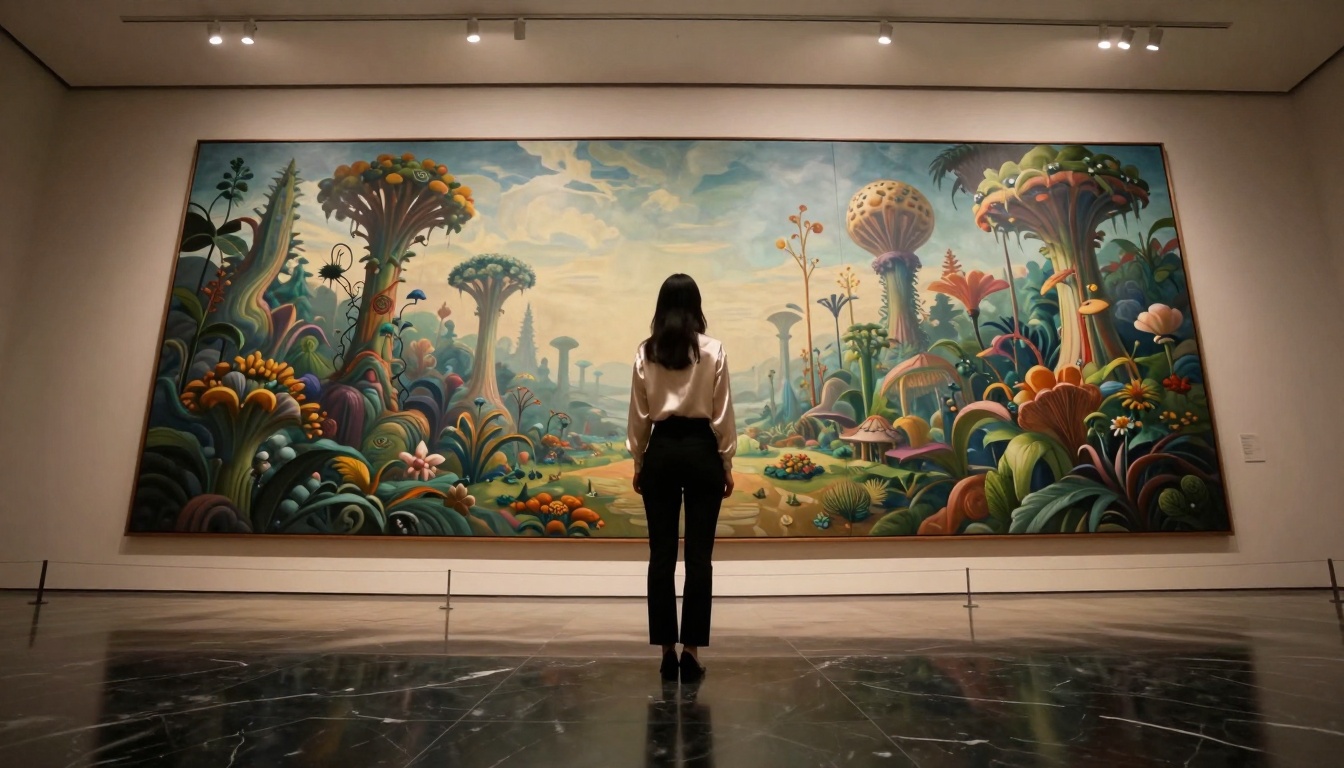
The professional presentation of AI-assisted artwork in gallery settings
Ethical Considerations and Best Practices
As with any powerful creative tool, ethical use of Nano Banana Pro requires thoughtful consideration. The adult-focused nature of the artwork potentially generated amplifies these considerations.
Representation and Dignity
Artists must consider how their AI-generated subjects are portrayed. The model's training on diverse datasets helps mitigate some biases, but human oversight remains crucial for:
- Avoiding stereotypical portrayals
- Ensuring dignified representation across demographics
- Respecting cultural contexts in imagery
Transparency in Process
Professional artists in 2027 typically disclose their use of AI tools, though the degree of disclosure varies by context. Galleries and collectors increasingly value transparency about:
- Percentage of AI involvement in final artwork
- Human creative direction versus machine generation
- Post-processing and refinement steps
Copyright and Ownership
The legal landscape for AI-generated art continues evolving. Current best practices include:
- Documenting prompt evolution and reference usage
- Registering significant human creative input
- Understanding platform terms for generated content
Technical Workflow Integration
Professional artists don't use Nano Banana Pro in isolation. The tool integrates into broader creative workflows that may include traditional media, digital painting software, and other AI tools.

The intersection of biological and digital creative processes
Hybrid Creation Process
A typical workflow might involve:
- Initial concept sketches in traditional media
- Reference photography for specific elements
- Nano Banana Pro generation for base compositions
- Digital painting refinement in software like Photoshop or Procreate
- Final output preparation for intended medium (print, digital, etc.)
File Management Considerations
Working with AI-generated assets requires organized file management:
- Version control for iterative generations
- Prompt documentation for reproducibility
- Reference image libraries organized by theme
- Output categorization by project and style
Comparative Analysis with Other Models
While Nano Banana Pro serves specific needs, artists often work with multiple AI models. Understanding comparative strengths helps select the right tool for each creative task.
| Model | Best For | Adult Art Suitability |
|---|
| Nano Banana Pro | Photorealistic human expression, emotional complexity | Excellent - specifically designed with appropriate safeguards |
| Flux Pro | Stylized illustration, conceptual abstraction | Good - strong artistic interpretation |
| Imagen 4 | Commercial imagery, product visualization | Moderate - more commercial focus |
| SDXL | Community styles, LoRA customization | Variable - depends on specific fine-tuning |
Economic Considerations for Professional Artists
The financial aspect of using Nano Banana Pro involves both costs and potential revenue streams.
Cost Structure Analysis
- Compute costs per generation
- Time investment in prompt refinement
- Software integration expenses
- Output preparation for different media
Revenue Model Adaptation
Artists in 2027 have adapted their business models to accommodate AI tools:
- Premium pricing for hybrid human-AI works
- Limited edition digital prints
- Commercial licensing for generated assets
- Educational content about creative process
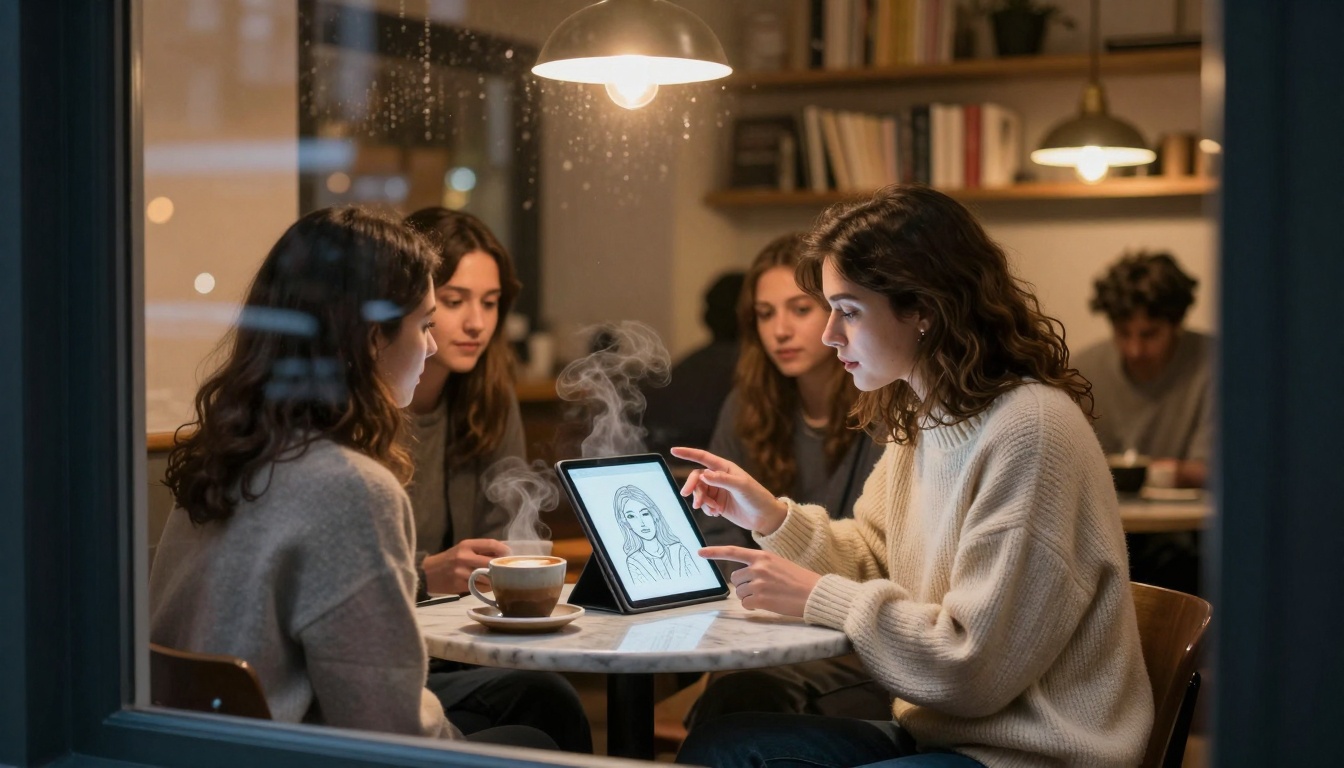
Community sharing and collaborative critique of AI-assisted artwork
Community and Collaborative Aspects
The rise of AI art tools hasn't diminished artistic community—it has transformed it. Artists using Nano Banana Pro participate in specialized communities focused on:
Knowledge Sharing
- Prompt library exchanges for specific effects
- Technical troubleshooting for complex generations
- Ethical discussion forums for boundary navigation
Collaborative Projects
- Multi-artist narrative development
- Style fusion experiments across different artistic approaches
- Collective exhibition organization
How to Use Nano Banana Pro on PicassoIA
Given that Nano Banana Pro exists on the PicassoIA platform, artists need practical guidance for effective utilization.
Step 1: Account Setup and Access
- Create a PicassoIA account if you don't have one
- Navigate to the Nano Banana Pro model page
- Review usage limits and pricing structure
- Set up payment method if required for your usage level
Step 2: Initial Configuration
- Select aspect ratio based on your intended output medium
- 16:9 for cinematic compositions
- 1:1 for social media focus
- 3:4 for portrait orientation
- Choose resolution appropriate to your needs
- 2K for most digital applications
- 4K for high-quality prints
- Set safety filter level based on your creative boundaries
Step 3: Reference Image Preparation
The model accepts up to 14 reference images. Prepare these thoughtfully:
- Style references (2-3 images establishing aesthetic direction)
- Composition guides (1-2 images showing layout preferences)
- Color palette sources (1-2 images with desired color relationships)
- Character references (if creating specific personas)
Step 4: Prompt Construction
Craft your prompt with attention to:
- Primary subject and action
- Emotional tone and atmosphere
- Compositional elements and perspective
- Stylistic references and artistic influences
- Technical specifications for output quality
Step 5: Generation and Refinement
- Generate initial output and evaluate
- Adjust parameters based on results
- Iterate with variations exploring different directions
- Select strongest outputs for further development
Step 6: Post-Processing Integration
- Import to digital painting software for refinement
- Apply traditional media techniques if working hybrid
- Prepare for final output format
- Document process for transparency and reproducibility

The fusion of natural inspiration and digital creation tools
Future Developments and Trends
As we look beyond 2027, several trends will likely shape the evolution of tools like Nano Banana Pro:
Technical Advancements
- Even more nuanced emotional expression understanding
- Longer narrative coherence across multiple generated images
- Improved consistency for character and environment maintenance
- Reduced computational requirements for complex generations
Creative Integration
- Tighter integration with traditional digital art software
- Real-time collaboration features for distributed artistic teams
- Enhanced version control for iterative creative processes
- Better metadata management for artistic provenance
Ethical Evolution
- More sophisticated content moderation that understands artistic context
- Improved bias mitigation across diverse cultural representations
- Clearer legal frameworks for ownership and attribution
- Community-developed standards for ethical AI art creation
The conceptual bridge between human creativity and AI assistance
Practical Tips for Getting Started
For artists new to Nano Banana Pro, these starting points can help navigate the initial learning curve:
Begin with Simple Projects
- Single subject portraits with clear emotional expression
- Still life compositions exploring texture and lighting
- Environmental studies focusing on atmosphere rather than narrative
Document Your Process
- Save all prompt variations and their results
- Note parameter adjustments and their effects
- Collect reference images that worked effectively
- Record time investments for workflow optimization
Join Community Discussions
- Participate in prompt sharing communities
- Seek constructive critique on your outputs
- Learn from others' technical solutions
- Contribute your discoveries to collective knowledge
Addressing Common Concerns
Artists often have specific concerns when beginning with AI tools like Nano Banana Pro. Here are evidence-based responses:
"Does using AI diminish my artistic value?"
No—when used as a tool rather than a replacement. The artistic value resides in:
- Creative direction and conceptual development
- Emotional resonance crafted through careful prompting
- Final refinement and personal touch in post-processing
- Narrative depth and thematic exploration
"Will galleries accept AI-assisted work?"
Increasingly yes, with appropriate transparency. Many contemporary galleries now:
- Categorize works by degree of AI involvement
- Value the conceptual strength regardless of tools used
- Recognize the skill in effective AI tool utilization
- Appreciate transparency about process and technique
"How do I develop a unique style with AI tools?"
Style emerges from consistent creative choices:
- Recurring thematic elements across your work
- Characteristic compositional approaches
- Signature color relationships and lighting preferences
- Distinct emotional tones and narrative perspectives
Resource Recommendations
Artists working with Nano Banana Pro benefit from complementary resources:
Educational Materials
- Prompt engineering guides specific to adult artistic expression
- Ethical framework discussions for mature theme exploration
- Technical optimization tutorials for professional workflows
Software Tools
- Digital painting applications for post-processing refinement
- File management systems for version control and organization
- Color management tools for consistent output quality
Community Platforms
- Specialized forums for AI-assisted adult art discussion
- Collaborative project spaces for multi-artist initiatives
- Critique groups focused on technical and artistic development
Final Perspective
The emergence of tools like Nano Banana Pro represents neither the end of human artistry nor the beginning of machine dominance. Rather, it marks another evolution in the long history of artistic tools—from charcoal on cave walls to oil on canvas to digital pixels and now to AI-assisted generation.
What remains constant is the human need for expression, connection, and meaning-making through visual language. The tools change; the fundamental creative impulse does not. Artists in 2027 who embrace Nano Banana Pro and similar tools aren't abandoning tradition but expanding their creative vocabulary.
The most compelling work will likely come from artists who understand both the capabilities and limitations of these tools, who maintain their unique creative voice while leveraging computational assistance, and who navigate the ethical considerations with thoughtfulness and respect. The future of adult art in the AI age looks less like replacement and more like collaboration—between human intuition and machine capability, between traditional skill and technological innovation, between individual expression and tool-enabled amplification.


