Marketing used to run on gut instinct and spray-and-pray budgets. That era is fading fast. AI is now doing measurable, documented work inside real marketing teams, and the gap between teams that use it effectively and those that do not is widening every quarter. The question has moved past whether AI belongs in your workflow. The only question worth asking now is which parts of your workflow actually improve with AI, and which ones stay broken regardless of what tool you throw at them.
This article cuts through the noise. No hype, no inflated promises. A real-world look at what AI tools do well for marketers, where they fall short, and how to build actual workflows around them that produce consistent results.

What AI Actually Does for Marketing Teams
Most AI marketing content focuses on what might be possible someday. Practical marketing teams need to focus on what works right now. AI, in its current state, does three things better than humans at scale: it generates content faster, it processes data more consistently, and it removes repetitive bottlenecks from creative workflows.
It does not replace creative direction. It does not replace brand intuition. And it does not replace the judgment that comes from deeply knowing your audience over years of direct interaction.

The 3 Real Jobs AI Does Well
1. Content generation at volume. Blog drafts, ad variations, email subject lines, product descriptions, social captions. AI produces first drafts of all of these in seconds. The drafts are not always strong, but they give your team a starting point that is faster to edit than to write from scratch. When you have 200 product descriptions to populate or 10 ad headline variants to test, that speed compounds into serious time savings.
2. Visual asset creation. This is where AI has made the most dramatic leap in the past two years. Generating campaign images, ad creatives, and branded visuals that previously required expensive photography or design work can now be done in minutes. The quality ceiling has risen to a point where, with skilled prompting, AI-generated images are indistinguishable from professional photography in many contexts.
3. Data processing and pattern recognition. AI identifies audience segments, predicts conversion likelihood, optimizes email send times, and surfaces anomalies in campaign performance data far faster than any manual review process. These are unglamorous capabilities that translate directly into revenue when applied consistently.
What AI Still Can't Replace
AI has no genuine taste. It has no memory of the specific conversation your brand has been having with its audience for the past decade. It cannot intuit whether a campaign concept is right for this particular cultural moment. Given a vague brief, it will produce something fluent and flat.
The marketers getting real results from AI treat it like a capable but context-free collaborator. They write detailed briefs. They edit aggressively. They use AI to move faster on tasks where speed matters most, and they keep humans in charge of every decision where judgment and brand feel matter more than throughput.
💡 The real skill in AI marketing is writing the brief, not pressing generate.
AI-Generated Visuals for Campaigns
Visual content is where most marketing teams see the fastest, most tangible return from AI. A single campaign hero image used to require a photographer, a stylist, a location, post-processing time, and a significant line item in the budget. That equation has changed substantially.

Why Visuals Are the Bottleneck
Most marketing teams are not short on ideas. They are short on assets. The strategy is ready, the brief is approved, the copy is written, but the images are not done. The shoot is scheduled for next week. The designer queue is backed up. The stock photo library has nothing that fits without looking like every other brand in the category.
AI image generation eliminates that bottleneck. Platforms like PicassoIA Image generate on-brand, photorealistic campaign visuals from a text prompt in under a minute. No shoot required. No licensing fees. No compromise on quality for teams that invest time in prompting correctly.
PicassoIA Image Editor Pro extends this further with inpainting and outpainting capabilities built into the same interface. Swap backgrounds on product shots. Adjust styling on existing images. Expand a canvas for a wide-format billboard placement. These used to be multi-hour Photoshop projects. Now they are prompt tasks that take minutes.
How to Use PicassoIA Image for Brand Campaigns
Here is a workflow that consistently delivers results for marketing teams using PicassoIA Image:
Step 1: Define your creative direction in text first. Before opening any tool, write down the subject, the setting, the mood, the lighting, and the emotional response you want the image to produce. Treat this exactly like a brief to a photographer. The more specific this brief, the better your results.
Step 2: Write a structured prompt. Use the format: subject and action, then environment and background, then lighting conditions, then camera angle and lens details, then style modifiers. Specificity is what separates a genuinely useful image from a generic one.
Step 3: Generate multiple variations. Produce four to six versions from the same core prompt with small adjustments. The cost per generation is low enough that this is always worth doing. Pick the strongest output and move forward with it.
Step 4: Refine with PicassoIA Image Editor Pro. Use inpainting to adjust specific regions of the image while preserving the overall composition. This is particularly valuable when adapting a single base image across multiple ad formats and placements.
Step 5: Create controlled variations with Flux Redux Dev. For brand consistency across a full campaign, this model generates style-matched variations of a source image while preserving its core visual identity. Useful when you need ten related images that all feel like they belong together.
| Task | Traditional Approach | With AI |
|---|
| Campaign hero image | 3-5 days, $1,500+ budget | Under 30 minutes |
| 10 ad size variations | 4-8 hours of design work | 1-2 hours with iterations |
| Localized versions for 5 markets | Multiple shoots or stock licensing | Single prompt adaptation |
| Background swap | Manual editing session | Inpainting in minutes |
Copywriting and Content at Scale
The copy problem in marketing is not that writing is too hard. It is that the volume is too high. Every campaign requires headlines, body copy, email subject lines, CTA variants, social captions, product descriptions, and ad scripts. The sheer quantity is what breaks teams, not any individual piece.

AI Writing vs. Human Writing
Here is the honest answer to the question every marketing team is working through: AI writing is built for volume and iteration. Human writing is better for voice and nuance. Both have a place in a well-run content operation.
AI is strong at producing ten email subject line variations for A/B testing without burning an afternoon in a brainstorm session. It handles first drafts of product descriptions when you have 200 SKUs to populate before a launch deadline. It adapts a single piece of content to five different audience segments with minimal effort once you have a solid base prompt.
What AI cannot do well is capture a brand voice that was built over years of deliberate craft. It approximates. It gets the vocabulary right but misses the rhythm. It produces copy that is grammatically correct and emotionally flat.
3 Ways to Write at Scale Without Sounding Generic
1. Use AI to generate options, then write the final version yourself. Give AI the task of producing 15 headline candidates. Let those options break you out of your default creative patterns. Then write the version you actually use, informed by the strongest elements of what AI produced. The AI is the starting point, not the final word.
2. Feed it your best existing work as examples. When you include actual samples of copy you are proud of in your AI prompt, the quality of its output improves significantly. Include two or three strong examples and tell the tool to match the structure, tone, and energy you see in them. The results are noticeably more on-brand.
3. Always rewrite the opening line. The first sentence of any AI draft tends to be the weakest part of the output. It sets scene, introduces context, provides background. It does everything except pull the reader in. Delete it and start from the second sentence, or write the opening yourself from scratch.
💡 One well-edited AI paragraph outperforms ten unedited ones every time. Quality control is still where your value lives.
Smarter Audience Targeting
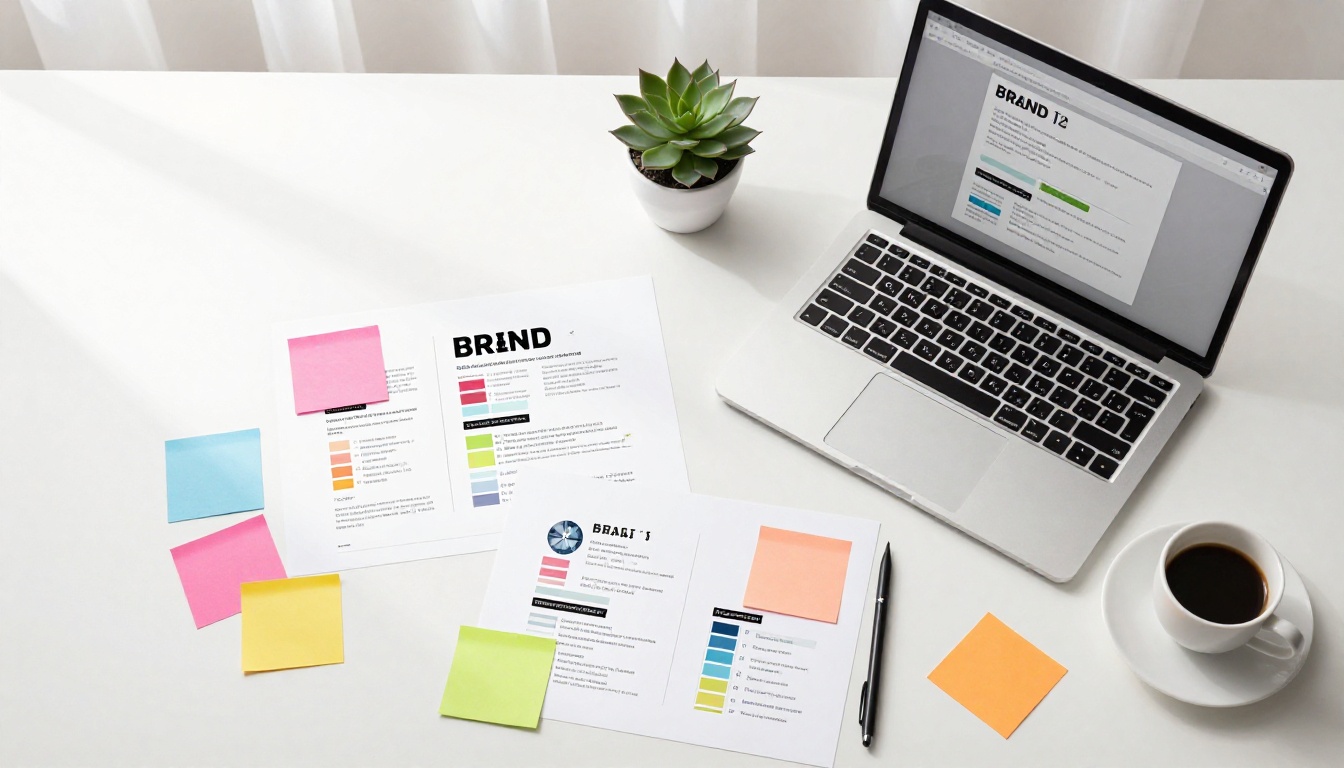
This is the area where most marketers dramatically underestimate what AI delivers, partly because the results are invisible. Better audience targeting does not produce a dramatic before-and-after visual. It shows up as a 23% improvement in conversion rate over three months, and most teams do not connect the two.
Predictive Data in Plain Language
The core concept is straightforward: AI looks at the behavior patterns of your past customers before they converted and uses those patterns to score your current leads and audience segments by purchase likelihood.
This means your sales team spends its time working the 20% of leads that are actually warm instead of calling the entire list with equal effort. Your email campaigns can suppress contacts who are statistically unlikely to respond to this type of message, and concentrate budget on segments that will. Repeated consistently, these gains accumulate into measurable revenue improvement.
Modern CRM and marketing automation platforms have predictive scoring built in now. The barrier is not technical. It is knowing what question to ask the tool, and being disciplined enough to act on the data rather than defaulting to instinct.
Personalization That Actually Converts
Putting a contact's first name in an email subject line is not personalization. Showing someone a different message based on what they purchased three months ago, what they ignored in the last email, and where they are in the buying cycle is personalization. That distinction is what drives revenue.
AI makes this feasible for mid-sized marketing teams without a dedicated data science department. Dynamic content blocks in email, differentiated homepage messaging for different audience segments, and behavioral trigger campaigns are all within reach for teams using modern marketing platforms with intention and consistency.
💡 The best personalization does not feel like personalization. It just feels like relevance.

Social media is where AI marketing tools are most visible to consumers, and where they are most frequently misused by brands. The promise is unlimited content. The result, when misused, is unlimited generic content. Volume without quality is not a strategy.
What to Automate vs. What to Keep Human
Automate:
- Caption drafts for routine posts: product updates, announcements, promotional content
- Hashtag research and selection for each post
- Posting schedule recommendations based on historical audience activity
- Performance reporting and anomaly detection across platforms
- Visual asset resizing and reformatting for each platform's specifications
Keep human:
- Responses to comments and direct messages
- Any communication during a brand issue or controversy
- Content that responds to cultural moments or breaking news
- Brand voice audits and tone consistency reviews
- Creative direction for paid campaign concepts
Platform-by-Platform Breakdown
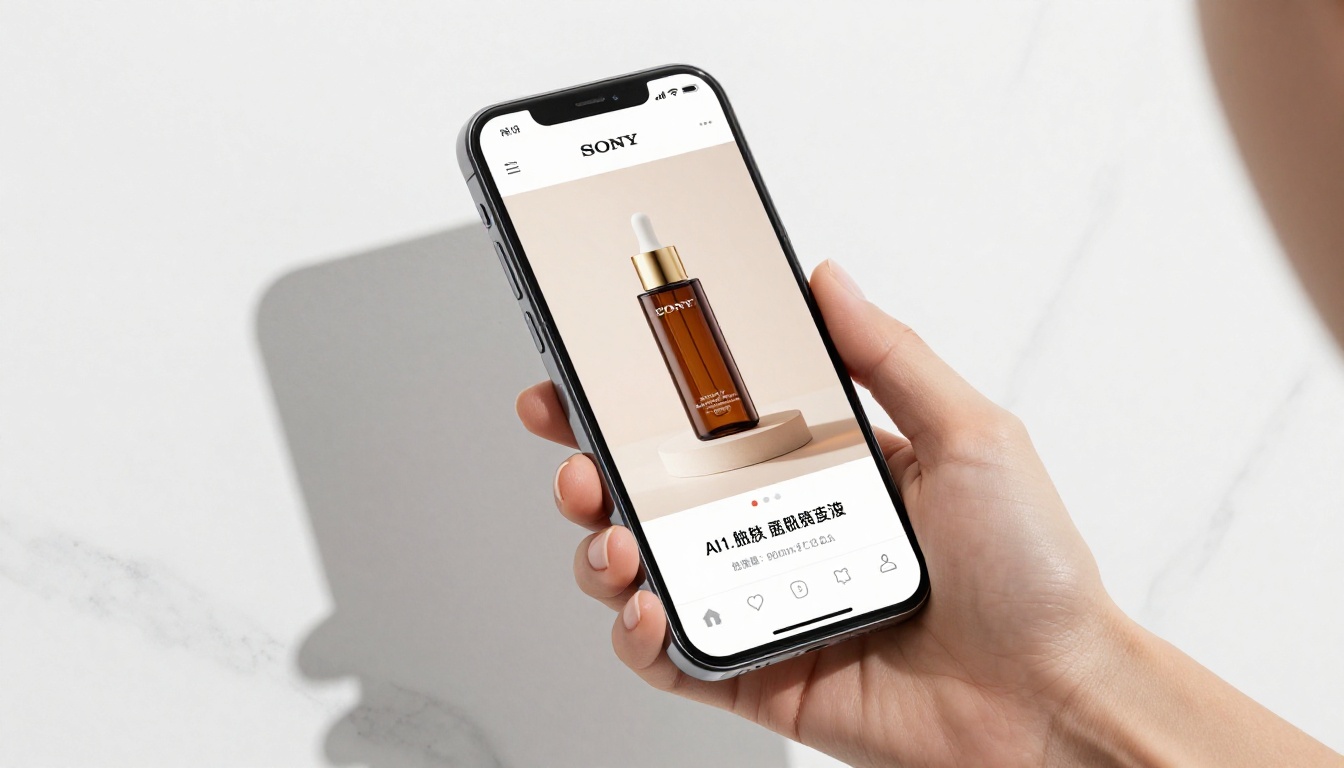
Instagram and Pinterest: These visual-first platforms are where AI image generation has its sharpest impact. Generating multiple product shot variations to test in Stories and Reels is now fast enough to be part of a standard weekly workflow. GPT Image 2 handles text-within-image content that previously required a graphic designer for every individual variation.
LinkedIn: AI writing tools are genuinely useful here. The content volume demand is high, the visual requirements are lower, and audiences reward substantive posts. A workflow of AI draft, human edit, human publish scales without losing the authenticity that LinkedIn audiences respond to.
TikTok and YouTube Shorts: Short-form video is the area where AI tools are still catching up. AI scripting and caption generation are solid. The video production itself still requires a human presence for anything that needs to feel real and relatable.
Email: This is where AI delivers the highest and most consistent ROI for marketing teams. Subject line testing at scale, send-time optimization, dynamic content blocks, and automated behavioral trigger sequences are all areas where AI consistently outperforms manual approaches by measurable margins.
Building Your AI Marketing Stack
The most common mistake teams make is over-subscribing. They sign up for every AI tool that gets a positive review and end up with six or seven overlapping subscriptions that none of them use consistently enough to see real value from.

The 5 Types of Tools You Need
| Category | What It Does | When to Invest |
|---|
| AI Image Generation | Campaign visuals from text prompts | Immediately |
| AI Writing | Copy, emails, ads, scripts at volume | Immediately |
| AI Predictive Data | Audience scoring, conversion prediction | After 6+ months of customer data |
| AI Social Scheduling | Post timing optimization, caption drafts | Once you publish on a consistent cadence |
| AI Video | Short-form video from prompts or images | When video is a primary channel |
For AI image generation, PicassoIA Image handles the majority of team needs from product photography to full campaign hero images. Qwen Image Edit Plus fills in the photo editing workflows when you need precision control over existing assets rather than generating from scratch.
Pricing Reality Check
Most AI marketing tools are priced for volume usage. The value case only holds if the team actually uses the tools consistently across multiple projects. Before subscribing to anything, answer one question honestly: does this solve a specific, recurring problem in our current workflow? If the answer is not immediate and clear, skip it for now.
The hidden cost of AI tools is not the monthly fee. It is the time spent onboarding the team, integrating the tool into real workflows, and maintaining quality standards on the output. Factor that in before you calculate whether any particular subscription makes sense at your team's current size and output volume.
3 Mistakes Marketers Make with AI
Mistake 1: Automating Too Much, Too Fast
Getting access to powerful automation creates a strong instinct to automate everything immediately. This almost always produces a dip in content quality before the team establishes where the guardrails need to go.
AI-generated content without human editing is recognizable. It reads like every other brand that automated their content pipeline without adequate review. Fluent, grammatically correct, and indistinguishable from the competition. The brands doing this well are not using AI to remove humans from the process. They are using it to make humans faster and more productive within a quality-controlled system.
Mistake 2: Skipping the Brief
The quality of AI output is directly and consistently proportional to the quality of the input it receives. A vague prompt produces a vague result without exception. If you type "write a social media post about our product launch," you will receive something technically functional and commercially useless.
A well-built AI brief includes: the target audience and their primary concern, the specific goal of the piece, the emotional tone required, the platform and its content norms, and any constraints on language, claims, or messaging. Spending five minutes on the brief saves thirty minutes of editing and often produces output that only needs one revision pass instead of three.
Mistake 3: Generating Without Testing
AI makes producing content variations fast and cheap. Teams not taking advantage of that are leaving the most obvious benefit on the table. If PicassoIA Image generates four ad visual options in two minutes, there is no reason to run a paid campaign with only one option untested. If an AI writing tool produces ten email subject lines in thirty seconds, there is no reason to launch without A/B testing at least two of them.
Build variation testing into every AI-assisted workflow. Generate options. Test them with real audiences. Feed the results back into better briefs. That is the compounding return on AI investment that most teams never reach because they stop at the generation step and skip the iteration.
Start Creating Your Own AI Marketing Assets
Theory is useful. Doing it once is more useful. The fastest way to internalize any of this is to generate something real for a current project, right now.
Pick a campaign you are actually working on. Write a prompt for the visual. Include the subject, the setting, the lighting, the camera angle, and the emotional tone you want a viewer to feel in the first three seconds of looking at it. Take that prompt to PicassoIA Image and generate four variations.
Notice which ones are close to what you wanted and which are off. Adjust the prompt and run it again. That iteration loop, repeated a few times on a real project, is how you build the prompting instincts that produce consistent, on-brand results.
For a broader view of what AI image generation, video creation, photo editing, and audio tools can do across your marketing channels, the full model library is available at picassoia.com/en/all-models. It includes photorealistic image generation, inpainting and outpainting for photo editing, super resolution for upscaling existing assets, AI video generation from text or images, and tools for audio production and voice generation.
The marketing teams winning with AI are not the ones with access to the most tools. They are the ones that build clear workflows, write strong briefs, hold the quality bar, and know exactly where human judgment is irreplaceable. That starts with one prompt, one image, and a willingness to iterate from there.


