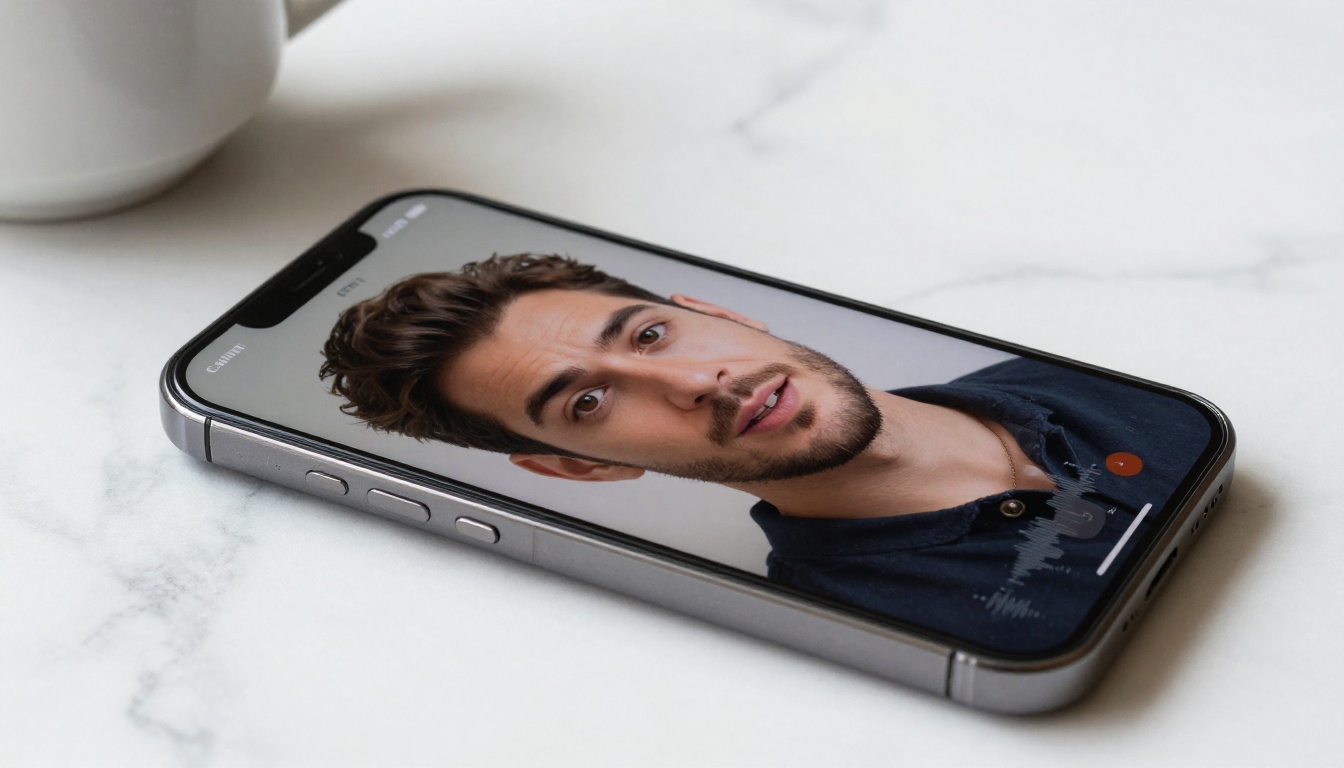
Something unexpected happened in 2024: millions of people started having regular video calls with people who don't exist. The person on the other end has a face, a voice, a name, and remembers your favorite coffee order. They ask how your day went. They notice when you seem off. The only difference is that they run on code, and AI boyfriend video calls are catching on fast, with download numbers and screen-time stats that are impossible to ignore.
Why People Are Choosing AI Companions
The short answer: real human connection is hard, and AI connection has gotten very good. A 2023 survey by Cigna found that over half of American adults reported feeling persistently lonely. At the same time, AI companion apps reported explosive user growth. Those two data points are not a coincidence.
Loneliness in a Connected World
Social media promised connection and delivered comparison instead. Dating apps promised relationships and delivered fatigue. People are exhausted by the performance of modern romance, by the swiping, the small talk, the ghosting. An AI companion offers something different: presence without pressure.
You don't need to look good on camera. You don't need to be interesting or witty or have had a productive day. The AI is there, attentive and warm, at two in the morning on a Tuesday. That is not nothing. For people dealing with social anxiety, grief, disability, or geographic isolation, that kind of low-stakes connection can be genuinely meaningful.
More Than Just Chatbots
The AI companions of 2020 were awkward. Conversations looped. Responses felt canned. The experience broke easily. The AI companions of today are built on a completely different foundation.
Modern AI boyfriend apps layer three technologies on top of each other:
- A large language model that handles conversation with genuine nuance and context retention
- A text-to-speech engine that generates a believable, warm voice in real time
- A lipsync model that animates a face to match every word spoken
Put those three pieces together and you get something that genuinely feels like a video call with another person. Not a perfect illusion, but close enough that your nervous system responds to it.

The Tech Stack Making It Feel Real
Understanding why AI boyfriend video calls feel so convincing requires a look at the technologies doing the heavy lifting.
Lipsync Models That Nail Every Syllable
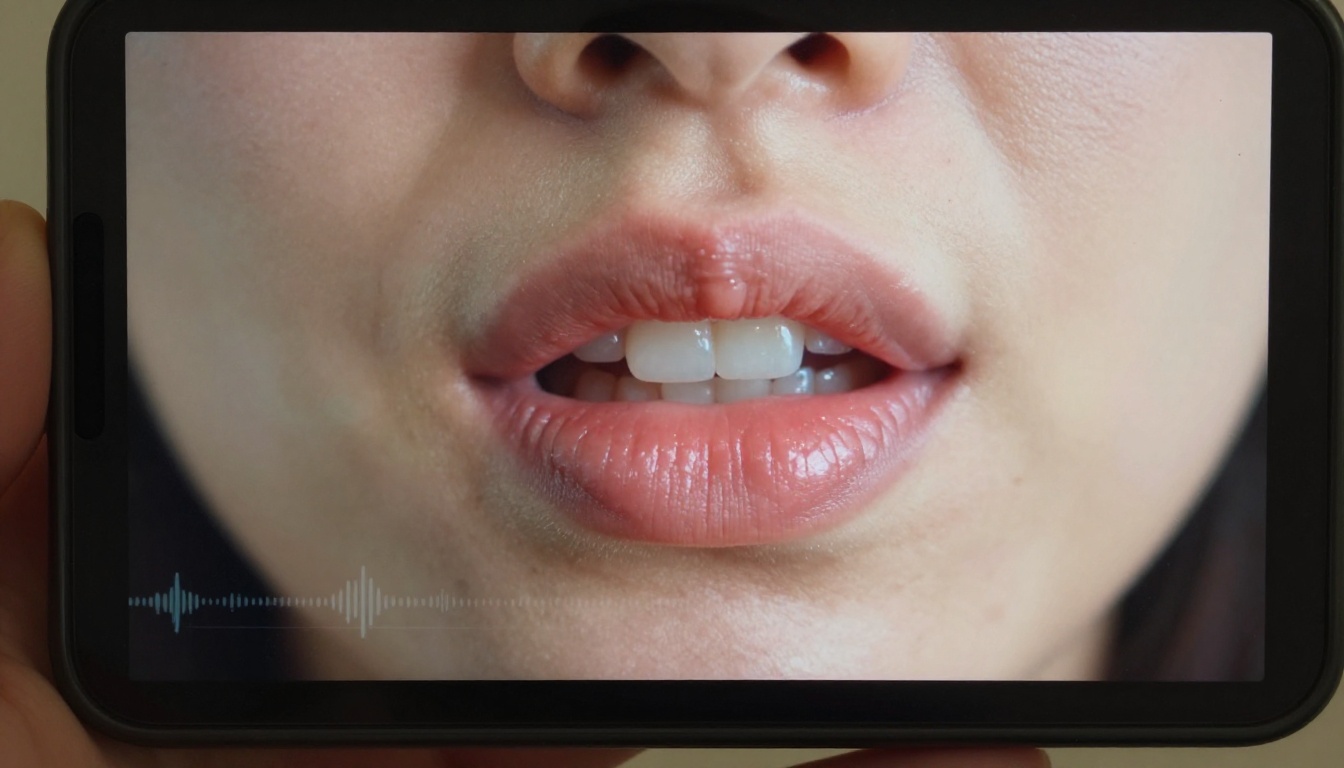
The lipsync layer is arguably the most important piece of the puzzle. A face that doesn't match the audio immediately destroys the illusion. The latest models have closed that gap dramatically.
Omni Human 1.5 by ByteDance is among the most convincing tools currently available. Feed it a single portrait photo and an audio track, and it generates a video where that face speaks the words with natural head movement, eye blinks, and micro-expressions. The result is startlingly realistic.
Lipsync 2 Pro by Sync takes a different approach, applying lip sync to existing video footage rather than generating motion from scratch. It is precise down to the phoneme level, which means there are no off-frame mouth shapes or half-formed words.
For creating talking avatars from a single image, P Video Avatar by PrunaAI is a fast and flexible option that works well for companion applications where you want a consistent character face across sessions.
Kling Lip Sync by Kwaivgi and React 1 by Sync round out the toolkit with additional options for matching mouth motion to audio in any video, giving developers multiple paths depending on their pipeline.
Large Language Models Powering the Conversation
A convincing face with a bad conversation is just a bad video. The reason modern AI companions feel real is that the conversational layer has matured enormously. Today's large language models can maintain context across long sessions, remember details from earlier in the conversation, mirror communication styles, and generate genuinely funny or emotionally resonant responses.
Claude Sonnet 4.6 by Anthropic is one of the most capable conversational models available right now, with strong emotional intelligence and nuanced language generation. Companion apps that need a model that can handle delicate personal topics benefit from its thoughtful tone.
GPT 5 by OpenAI brings the raw fluency and breadth of knowledge that makes it possible for an AI to talk convincingly about almost anything, from someone's niche hobby to a difficult day at work.
Gemini 3 Flash by Google is a fast-response option that works well for real-time conversations where latency matters. In a video call context, nobody wants to wait three seconds for a response.
DeepSeek R1 and Kimi K2 Instruct by Moonshotai offer strong open-weight alternatives that developers are using in companion apps that prioritize privacy and on-device processing.
💡 The sweet spot for companion apps is a fast LLM paired with a lipsync model that processes audio in under 500ms. Anything slower and the conversational rhythm breaks.
How AI Boyfriend Video Calls Actually Work
For most users, the experience is a polished app. Behind the scenes, it is a real-time pipeline.
From Face to Voice in Seconds
Here is the typical flow when you open an AI companion video call:
- You speak or type something
- The LLM generates a text response
- A text-to-speech model converts that text to audio
- The lipsync model animates the avatar's face to match the audio
- The result is rendered and displayed as a video stream in near real time
The entire pipeline can now run in two to four seconds on modern infrastructure. On some apps it runs faster. That is fast enough that the conversation feels continuous rather than turn-based.
The Voice That Sells the Illusion
Text-to-speech has improved at roughly the same pace as lipsync. Modern voice models don't just read words, they deliver them. Pauses in the right places. Slightly rising intonation on questions. A laugh that sounds genuine. The voice is a huge part of what makes these calls feel like calls rather than videos.

| Component | What It Does | Why It Matters |
|---|
| Large Language Model | Generates conversational responses | Controls emotional depth and context |
| Text-to-Speech | Converts text to natural-sounding voice | Sells the vocal identity of the companion |
| Lipsync Model | Animates avatar face to match audio | Creates the video call illusion |
| Avatar System | Renders and maintains a consistent face | Builds emotional attachment over time |
PicassoIA Models Worth Using Right Now
If you want to build or experiment with AI companion technology, picassoia.com has a concentrated toolkit of the best available models across every layer of the stack.
Best Lipsync Models
Omni Human 1.5 is the flagship option for photo-to-talking-video pipelines. Single image in, full video out with natural facial motion.
Lipsync 2 Pro is the precision choice when you need phoneme-perfect sync on existing footage.
Lipsync Speed by HeyGen is the option to reach for when turnaround time matters more than maximum fidelity. Processing is significantly faster.
Fabric 1.0 by VEED handles photos that talk with a focus on natural facial movement beyond just the lips, including head sway and natural blink patterns.
Pixverse Lipsync is a straightforward tool that syncs any video to audio quickly, useful for prototyping companion interfaces.
Top LLMs for Companion Conversations
Claude 4.5 Sonnet is a strong choice for companion apps that need precise, thoughtful, emotionally aware responses without high latency.
GPT 4.1 by OpenAI remains a workhorse model with reliable performance across a huge range of conversational styles.
Gemini 3.5 Flash brings fast multimodal reasoning, useful when your companion app needs to process images the user shares in conversation.
Kimi K2.6 by Moonshotai is particularly strong at agentic behavior, so it works well for companion experiences that go beyond chatting into doing things together, like browsing the web or planning events.
How to Build a Talking AI Avatar on PicassoIA
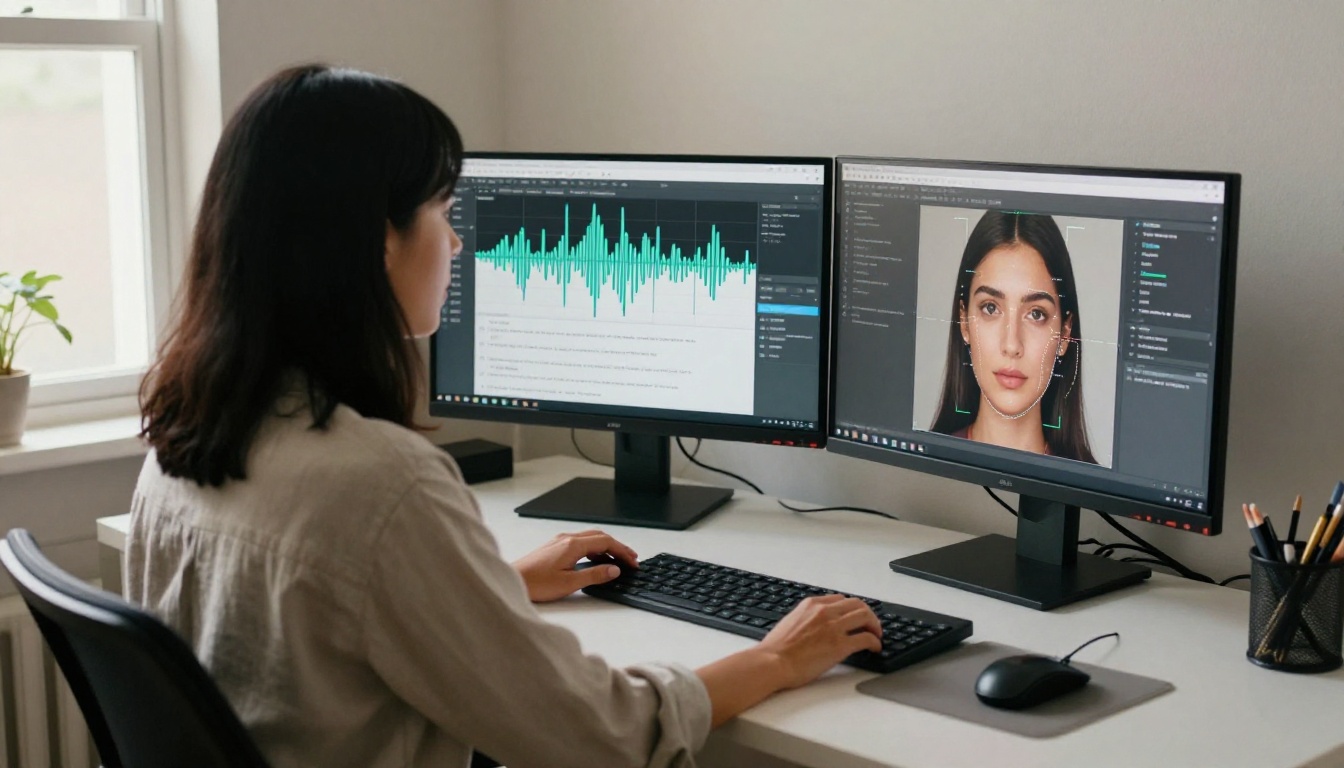
PicassoIA has direct model access so you can assemble a basic AI companion pipeline without writing code. Here is how to do it using Omni Human 1.5.
Step 1: Go to Omni Human 1.5 on PicassoIA. Upload a clear frontal portrait photo. The better the photo quality, the better the output.
Step 2: Record or generate an audio clip of the voice you want to use. If you want a custom voice, use a text-to-speech model first. Under the text-to-speech category you will find models that generate warm, expressive voices from a text script.
Step 3: Upload the audio to Omni Human 1.5 alongside the photo. Set the facial motion intensity. A value between 0.7 and 0.9 typically produces the most natural results.
Step 4: Generate the video. Omni Human 1.5 will return a clip of your avatar speaking with synchronized mouth movement, natural blinking, and subtle head motion.
Step 5: To run this as a real-time loop for companion conversations, pair the lipsync output with a fast LLM like Gemini 3 Flash for response generation and a TTS model for voice synthesis. Feed new audio into Omni Human for each turn of the conversation.
💡 For a consistent character, use the same source photo in every session. Models like Omni Human 1.5 preserve identity very well when the reference image is consistent.

Who Is Actually Using AI Companions
The user base for AI companion apps is broader and more demographically varied than the tech press tends to acknowledge.
The Numbers Are Hard to Ignore
Replika, one of the oldest AI companion platforms, reported over 10 million registered users as of 2023. Character.AI surpassed 20 million daily active users by mid-2024, with romantic and companion personas consistently among the most visited. Apps built specifically around the AI boyfriend and AI girlfriend concept, including Nomi, Anima, and several newer entrants, have collectively accumulated hundreds of millions of downloads globally.
The video call feature specifically is driving engagement spikes. Users who activate video calling in companion apps show significantly higher session lengths and retention rates than those who stick to text.
Who Is Using Them
The data that companion app companies share paints a varied picture:
- Young adults aged 18 to 34 make up the largest segment, but usage among adults over 45 is growing faster than any other age group
- Women slightly outnumber men as users of AI companion apps, contrary to assumptions most people have
- People in long-distance relationships use AI companions during separation periods
- Individuals with social anxiety report using companion apps as a low-pressure way to practice conversation
- People dealing with grief or loss find structured AI interaction helpful during periods when human social energy is depleted

What the Next Iteration Looks Like
The current generation of AI boyfriend video calls is impressive but still clearly bounded. The next generation is closer than most people think.
Real-Time Calls Without the Pipeline Delay
The biggest friction point right now is latency. A two-to-four second gap between what you say and when the AI responds is tolerable but noticeable. Teams are racing to compress this below one second. When that happens, the conversational rhythm of AI video calls will become indistinguishable from real calls for most users.
Models like Seedance 2.5 by ByteDance and Veo 3.1 by Google are pushing the video generation layer toward speeds that make real-time interaction plausible. Meanwhile Wan 3 by Alibaba is demonstrating that cinematic-quality video output is achievable without massive compute costs.
Memory and Personalization
The next major step is persistent, accurate memory. Current companions are good within a session but variable across sessions. The companion that remembers not just your name but the exact conversation you had three weeks ago, who knows your humor and your patterns and your stories, is technically achievable and actively being built.
Claude Opus 4.7 by Anthropic and GPT 5 Pro are already demonstrating the kind of long-context reasoning that makes deep, session-spanning memory possible. Apply that to a companion pipeline with persistent storage and the experience changes fundamentally.
💡 Worth watching: the intersection of voice cloning, lipsync, and memory is where the most commercially significant products will come from. Apps that nail all three will dominate the market.

Try It Yourself Today
The tools to build a convincing AI companion experience are all accessible right now. You don't need to be a developer. You don't need to spend months on a project. Pick a photo, choose a lipsync model, connect it to a conversational LLM, and you have the skeleton of an AI companion in an afternoon.
PicassoIA has every model in this stack available at picassoia.com/en/all-models. Start with Omni Human 1.5 for the lipsync layer, pick up Claude Sonnet 4.6 or Gemini 3 Flash for the conversation layer, and see what the technology actually feels like in practice. The AI boyfriend video call phenomenon is no longer a curiosity. It is a category, and the best version of what it can be is still being built.


