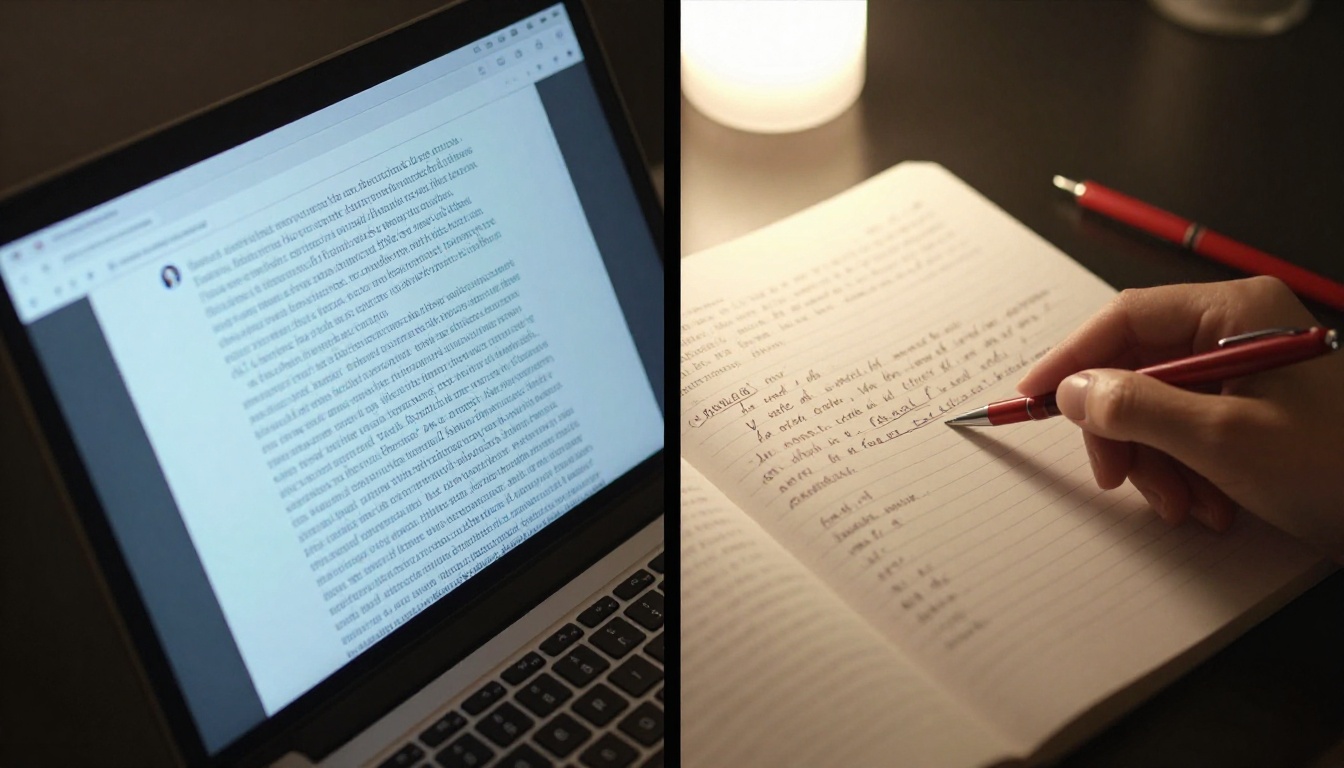
Most AI writing tools hit a wall around 4,000 words. Characters start forgetting their own names. Plot threads drop. The prose loses the intimate specificity that makes adult fiction actually compelling. That is exactly the problem Claude Sonnet 4.6 Long Context Adult Stories workflow solves, and once you see it working, the difference is immediate.
This is not about generating content in bulk. It is about writing fiction with sustained tension, character depth, and narrative payoff that makes readers come back. The model's 200K token context window is the mechanism that makes this possible at a scale no previous tool has matched.
The Token Ceiling Problem
Every language model has a context window: a limit on how much text it can "see" at once. For most popular AI writing tools, that ceiling sits between 8,000 and 32,000 tokens. That sounds generous until you realize a single chapter of adult romance fiction averages 3,000 to 5,000 words, and a full novel sits between 80,000 and 120,000 words.
When a model hits its context ceiling, it cannot reference earlier scenes. It forgets a character's physical description, their speech pattern, the wound from chapter two that should still be healing in chapter seven. Readers notice every time.
What "Long Context" Really Means
A 200K token window means roughly 150,000 words of context available at once. That covers the full draft of a novel-length adult story, plus your character sheets, your world-building notes, and your style instructions, all simultaneously visible to the model.
The practical result: when your protagonist walks into a room in chapter 12, the model still remembers the specific way she tilts her chin when she is nervous, because you described it in chapter 2 and nothing has pushed it out of context yet.

What Claude Sonnet 4.6 Does Differently
200K Tokens in Practice
Claude Sonnet 4.6 is not the first model with a large context window, but it is the first to combine that capacity with genuinely good prose generation. Earlier large-context models tended to produce flat, repetitive output, technically aware of what came before but unable to use that awareness for anything interesting.
Sonnet 4.6 reads context actively. It picks up on patterns you have established, vocabulary you favor, rhythms in your dialogue. Feed it 60,000 words of your draft and it writes chapter 20 in the same voice as chapter 1, matching the specific energy of your intimate scenes without being told explicitly to do so.
Real advantage: Writers report being able to run sessions of 40,000 to 80,000 words without once re-pasting character descriptions or reminding the model of earlier events.
Character Voice Across Many Chapters
This is where Claude Sonnet 4.6 separates itself. Adult fiction lives or dies on the interiority of its characters: what they want, what they fear, how they talk to themselves in the dark. These qualities must stay consistent or the reader loses the thread that drives the whole story.
Most models drift. After 10,000 words, a cautious character becomes bold. A sardonic voice becomes sincere. The model forgets the texture of the person and fills in with genre defaults.
With the full context window loaded, Claude Sonnet 4.6 holds the texture. It knows your character is cautious about being touched because of what happened in chapter three, and it writes the seduction scene in chapter fifteen with that particular history baked in.

How to Use Claude Sonnet 4.6 on PicassoIA
PicassoIA makes Claude Sonnet 4.6 accessible through a clean, fast interface with no API credentials required. You write directly in the chat, paste in your existing draft, and start building.
Starting a Session That Actually Goes Deep
Before you write a word of story, paste in a character document. Two to four paragraphs per major character, covering:
- Physical presence: Specific, not generic ("the way her collarbones catch light" not "beautiful")
- Speech patterns: Does she use contractions? Does she trail off mid-sentence?
- Emotional history: What has made her cautious, hungry, bold, or tender?
- What she wants: From the specific other character in this story
Then paste your story's premise, the setting, and the tone you are after. This costs tokens but pays back throughout every subsequent exchange.
Prompt Structure That Works
The most effective prompt structure for long-context adult fiction has three layers:
- Status update: Brief note on where the story stands ("They have just left the party. Both are pretending nothing happened at the bar.")
- What you want: The specific scene or passage, with emotional direction ("Write the car ride home. Tension. Neither speaks first. About 600 words.")
- A constraint: Something anchoring the character's specific nature ("She is still angry with him but also intrigued. She does not let herself show either.")
That third layer prevents drift. It keeps the model anchored to your character's specific psychology rather than defaulting to genre tropes.
What to Do When the Story Drifts
Even with 200K tokens of context, Claude Sonnet 4.6 can lose thread if you do not anchor it regularly. Symptoms of drift:
- Characters suddenly speaking out of established pattern
- Physical descriptions contradicting earlier ones
- Emotional beats resolving too easily
Fix: Paste the specific earlier passage that established the correct characterization, then ask the model to re-read and re-attempt the scene in light of it. This is faster than re-explaining from scratch.

Comparing LLMs for Adult Fiction
Not every model handles long-form adult narrative equally. Here is how the major options stack up on the criteria that actually matter.
Claude vs GPT 5 for Long Narratives
GPT 5 is a genuinely strong writing model. Its prose is clean, its pacing is competent, and it handles romantic tension well at shorter lengths. The problem shows up at 30,000 words and beyond: the 128K window cannot hold a full novel plus supporting documents, so something always gets dropped.
Claude Sonnet 4.6 wins on context capacity and on the specific quality of intimate prose. Where GPT 5 tends toward smoothed-out, commercially palatable romance, Claude Sonnet 4.6 is willing to sit in discomfort, to write a character who is attracted to someone she should not be attracted to, and to not resolve that tension prematurely.
Where DeepSeek R1 Fits
DeepSeek R1 is a strong reasoning model, excellent for structured writing, planning, and structural reasoning. For long-form adult fiction requiring sustained emotional interiority, it is not the right tool. Its context window is shorter, and its prose defaults to a more analytical tone that works against the intimacy adult fiction requires.
Use DeepSeek R1 for outlining, character arc mapping, and structural planning. Use Claude Sonnet 4.6 for the actual prose.

Bringing Your Stories to Life with AI Images
Text is one dimension of the story. The ability to generate the images your prose describes adds another layer entirely, and this is where PicassoIA's image generation tools become part of the writing workflow.
Why Visuals Change the Experience
Many writers find that generating an image of their protagonist, a specific scene, or a setting before writing about it sharpens the prose that follows. You have a specific visual anchor, so descriptions become more precise. Readers feel this specificity even if they never see the image.
For adult fiction specifically, the ability to visualize character appearance, sensory atmosphere, and scene staging produces more consistent, more lived-in prose.
Seedream 4.5 for Sensual Imagery
Seedream 4.5 is the first model to reach for when your adult story needs visual reference that is suggestive, beautiful, and photorealistic. It handles human anatomy with uncommon accuracy, produces natural skin textures and realistic lighting, and does not sanitize the sensual quality of the prompt.
For character portraits, intimate scene staging, and atmospheric images that carry an adult story's emotional tone, Seedream 4.5 consistently delivers results that feel authored rather than generated. Speed is excellent: most prompts resolve in under 30 seconds.
Tip for adult creative work: Seedream 4.5 is the correct starting point. Its results are uncensored within artistic limits and allow you to create specific, detailed visual references that make long-context writing sharper.

PicassoIA Image Editor Pro for Unlimited Iterations
Once you have a base image from Seedream 4.5, PicassoIA Image Editor Pro lets you refine specific elements without regenerating from scratch. Change a character's expression, adjust the lighting in a scene, add or remove elements from the background.
This tool offers unlimited generations, which matters when you are building a visual library for a novel-length project. Over the course of a full story, you might generate dozens of reference images. Having no generation cap means you can iterate freely without watching a credit counter.

3 Prompting Mistakes Writers Make
Starting Without a Story Bible
The most common mistake is diving directly into the story without establishing a character document first. This works fine for short fiction. For anything over 15,000 words, it produces inconsistency that is hard to fix retroactively.
Write the story bible before writing the story: one paragraph per character, one paragraph on setting tone, and a brief premise sentence. Paste all of it at the start of your session. This investment costs five minutes and saves hours of drift correction.
Letting the AI Lead Too Early
Adult fiction has a specific pacing problem: the AI will almost always accelerate toward the intimate scene faster than good storytelling demands. This is because training data for this genre skews toward the payoff, not the buildup.
The fix is explicit instruction in your prompt: "Do not rush this. They have not touched yet. Stay in the tension." Claude Sonnet 4.6 follows this kind of direction more reliably than other models, but it still needs it stated.
Ignoring the System Prompt
If you are using the API or a platform that exposes system prompts, the system prompt is where character voice belongs, not the chat. Put your character document, your tone instructions, and your style constraints there. They persist across every message without consuming your narrative context window.
On PicassoIA's interface, the opening message of the session functions similarly. Treat it like a system prompt: dense with character specifics, light on action.

AI Models Worth Knowing on PicassoIA
PicassoIA gives you access to a range of models depending on what part of the creative process you are in.
The full model library is at picassoia.com/en/all-models, where you can sort by category and output type to find exactly what your project needs.
Note: Do not use Seedream 5 Lite for adult creative work. It filters suggestive content. Stick with Seedream 4.5 or PicassoIA Image Editor Pro for uncensored, photorealistic results.

Your Story Starts Now
The combination of Claude Sonnet 4.6's 200K context window and PicassoIA's image generation tools removes the two biggest friction points in long-form adult fiction: narrative drift and the blank visual space where your characters should be.
Writers who use this stack consistently report staying in the story longer, writing more per session, and producing drafts with far fewer consistency errors than they experienced with shorter-context models. The work feels more personal because the model actually remembers what you built.
Try it with a story you have already started. Paste your existing draft into a session with Claude Sonnet 4.6, add your character document at the top, and write the next scene. Then generate a portrait of your protagonist with Seedream 4.5. The two experiences reinforce each other in ways that are genuinely surprising.
Start at picassoia.com/en/all-models and pick your tools. The story you have been trying to write is within reach.