FLUX.2 Max sits at the top of what AI image generation can currently produce for realistic, uncensored content. Black Forest Labs built it as the ceiling version of the FLUX.1 family, trained harder on photographic data and stripped of the content filters that most models ship with by default. If you have been chasing outputs that actually look like photographs rather than AI renders, this is where that search ends.
What FLUX.2 Max Actually Changes
Most image models plateau at "looks good at thumbnail size." FLUX.2 Max is built differently, and the difference shows most clearly when you zoom in.
The Realism Gap It Closes
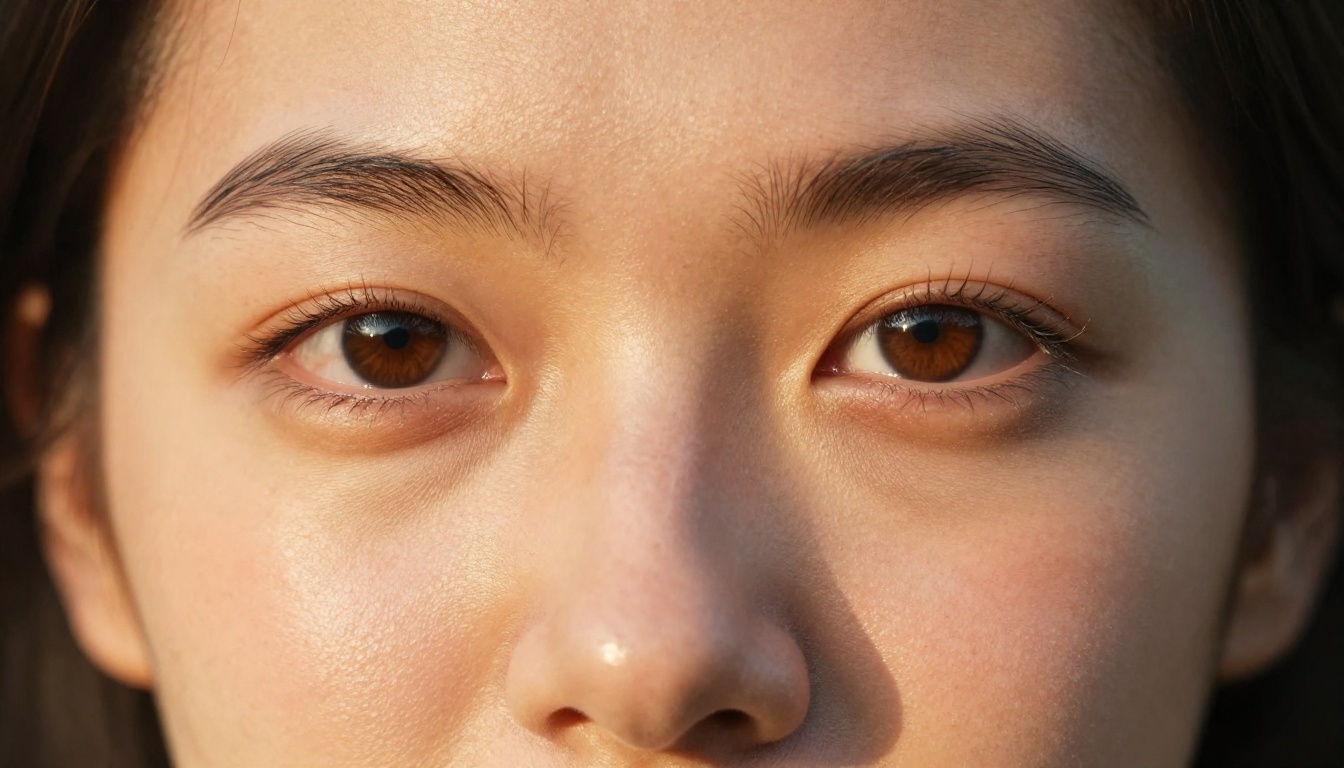
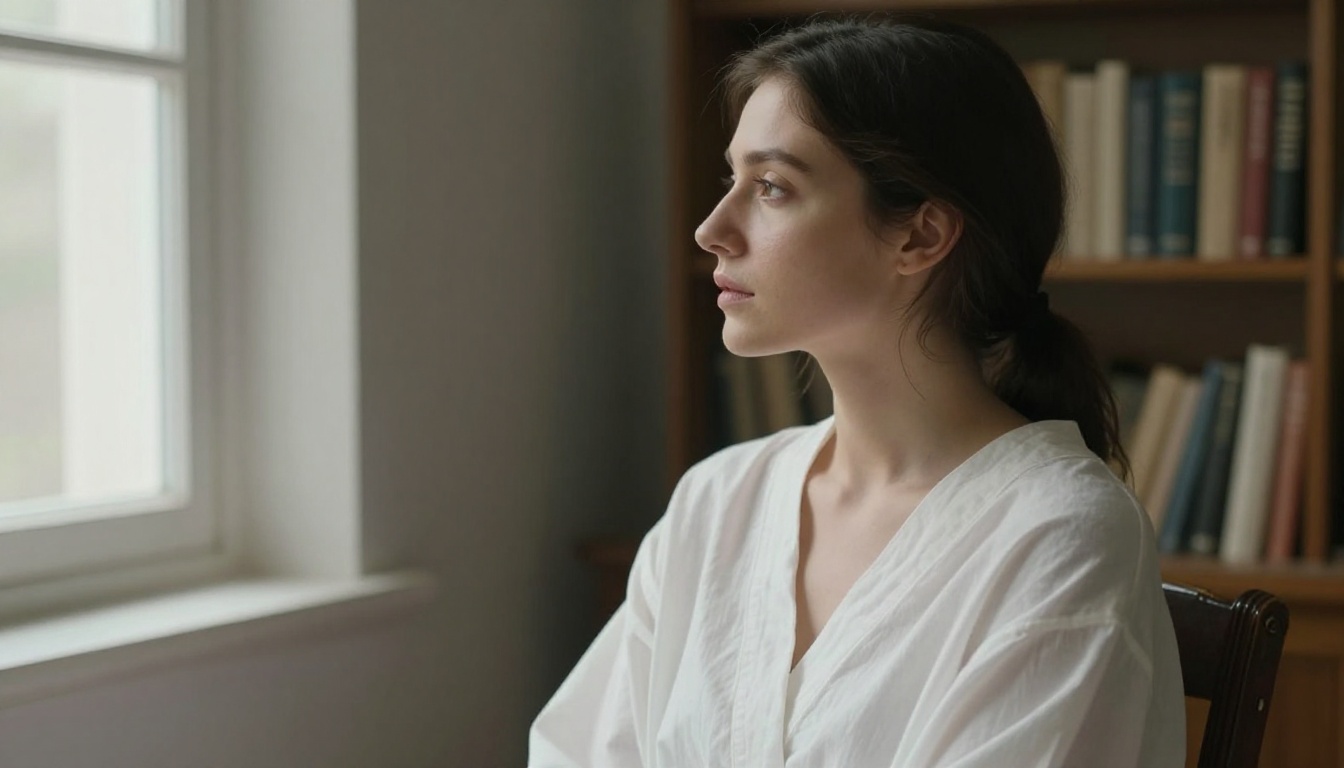
Earlier FLUX versions produced sharp images, but they had a specific failure mode: medium-distance shots that looked incredible from a distance fell apart up close. Skin became a smooth polygon mesh. Hair turned into a single merged shape. Eyes lacked the internal structure that makes a face feel inhabited.
FLUX.2 Max addresses this by training on significantly higher resolution source data with a stronger weighting toward photographic truth. The result is output where:
- Skin pores render as natural, irregular, and appropriately subtle rather than uniform or absent
- Hair strands separate and catch light individually, especially at the edges and in highlight zones
- Eye irises show radial fiber patterns and natural moisture sheen on the cornea
- Fabric shows thread count and drape behavior consistent with the material type in the prompt
This is not cosmetic. It is what separates a generated image you can use from one you can tell is synthetic.
Why Anatomy Was Always the Weak Point
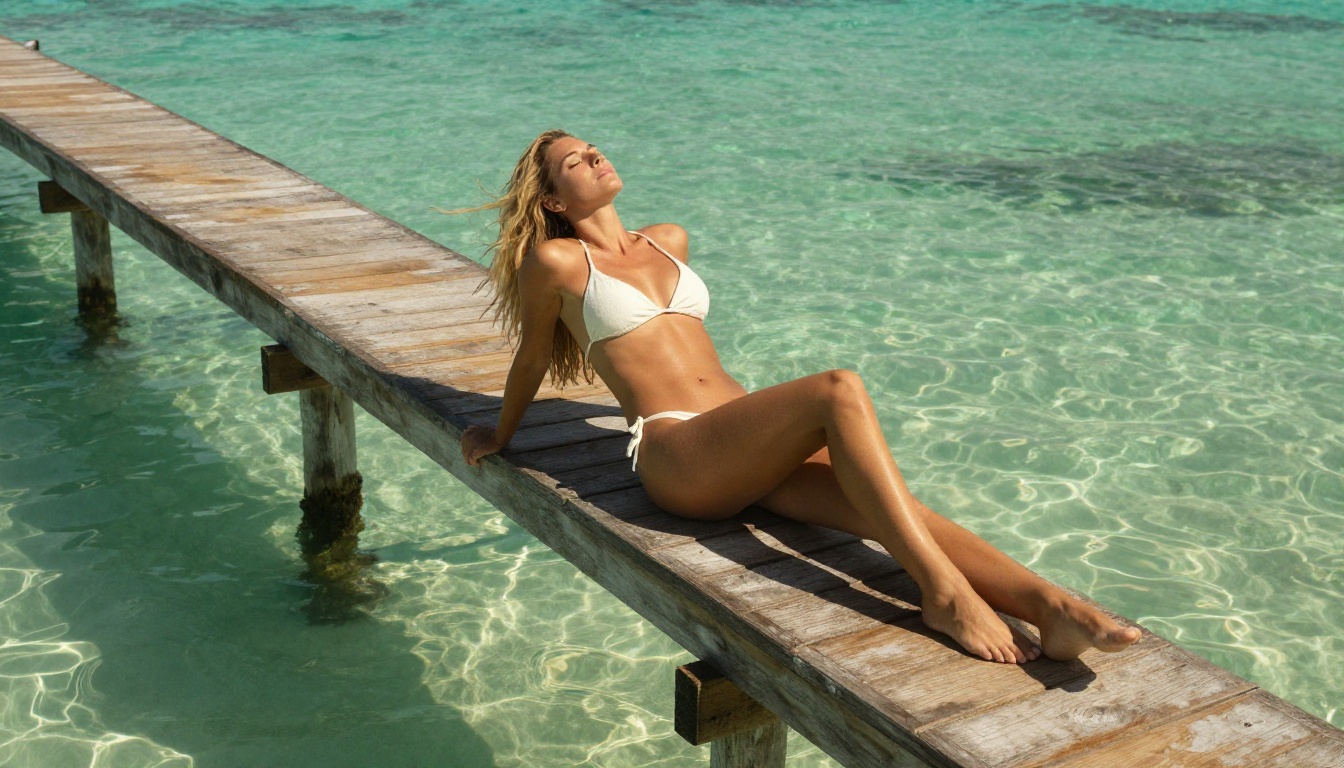
NSFW image generation has always had one dominant failure mode: anatomy. Hands with extra fingers became the meme, but the real problem ran deeper. Proportions would shift between crops. Body curves would lose physical consistency. Waist-to-hip ratios that looked natural in the reference would come out distorted in the generation.
FLUX.2 Max was trained with stronger anatomical grounding than FLUX.1 and most competing models. This means consistent proportions held across the full frame, not just in the focal zone. For creators working in bikini photography, glamour portraiture, or artistic figure work, this matters more than any other single improvement.
💡 Pro tip: The anatomical consistency of FLUX.2 Max shows up most in full-body shots. If you are generating close-up portraits only, you may not notice the difference over FLUX.1 Dev. Switch to full-body prompts to see where Max separates itself.
FLUX.2 Max vs. Earlier Models
The FLUX family has three public-facing versions below Max: Schnell (fast, lower quality), Dev (development license, higher quality), and Pro (commercial API). Max is the ceiling.
Output Quality at a Glance
| Model | Realism | Speed | NSFW | Best For |
|---|
| FLUX.1 Schnell | Good | Very fast | Limited | Rapid prototyping |
| FLUX.1 Dev | Very good | Medium | Partial | Creative experimentation |
| FLUX.1 Pro | Excellent | Medium | API-dependent | Commercial use |
| FLUX.2 Max | Best in class | Slower | Yes | Final outputs, NSFW realism |
| Seedream 4.5 | Excellent | Under 3s | Full | Speed plus NSFW on PicassoIA |
FLUX.2 Max generates at roughly 20 to 40 seconds per image depending on resolution, which is slower than most production models. That tradeoff buys you output fidelity that requires minimal post-processing.
Speed and Format
The slower generation time is FLUX.2 Max's main practical limitation. For workflows where you are generating dozens of test images to find the right composition, Schnell or a fast model like Seedream 4.5 makes more sense. Where Max earns its place is in final-output generation: the image you actually publish, post, or deliver.
FLUX.2 Max supports:
- Up to 2048x2048 native resolution
- 16:9, 1:1, 9:16, and custom ratios
- LoRA model support for style consistency
- Negative prompting for NSFW precision control
What Makes NSFW Realism So Hard
The technical challenge with NSFW realism is not the absence of content filters, it is the underlying model training. You can disable filters on a poorly trained model and get uncensored garbage. True NSFW realism requires both: permissive content policy and strong photographic training data.
Skin, Light, and Texture
Skin in photographic AI generation is the hardest problem in the space. Real skin has:
- Subsurface scattering: light penetrates the surface and scatters beneath it, creating the warm glow visible in strong sidelighting. Most models simulate this with a flat color wash. High-end models compute it per pixel.
- Microvariation: no real person has perfectly uniform skin tone across their body. Temperature differences, vein patterns near the surface, slight pigmentation variation, and the effect of physical pressure all contribute.
- Surface specular response: the glossiness of skin changes across the face and body. The nose bridge and lip area respond to light differently than matte areas like the jaw or forehead.
FLUX.2 Max captures all three. Models that do not tend to produce skin that looks either too matte, like chalk, or uniformly glossy, like plastic.
Where Most Models Break Down
Beyond skin, most NSFW models fail at three things consistently:
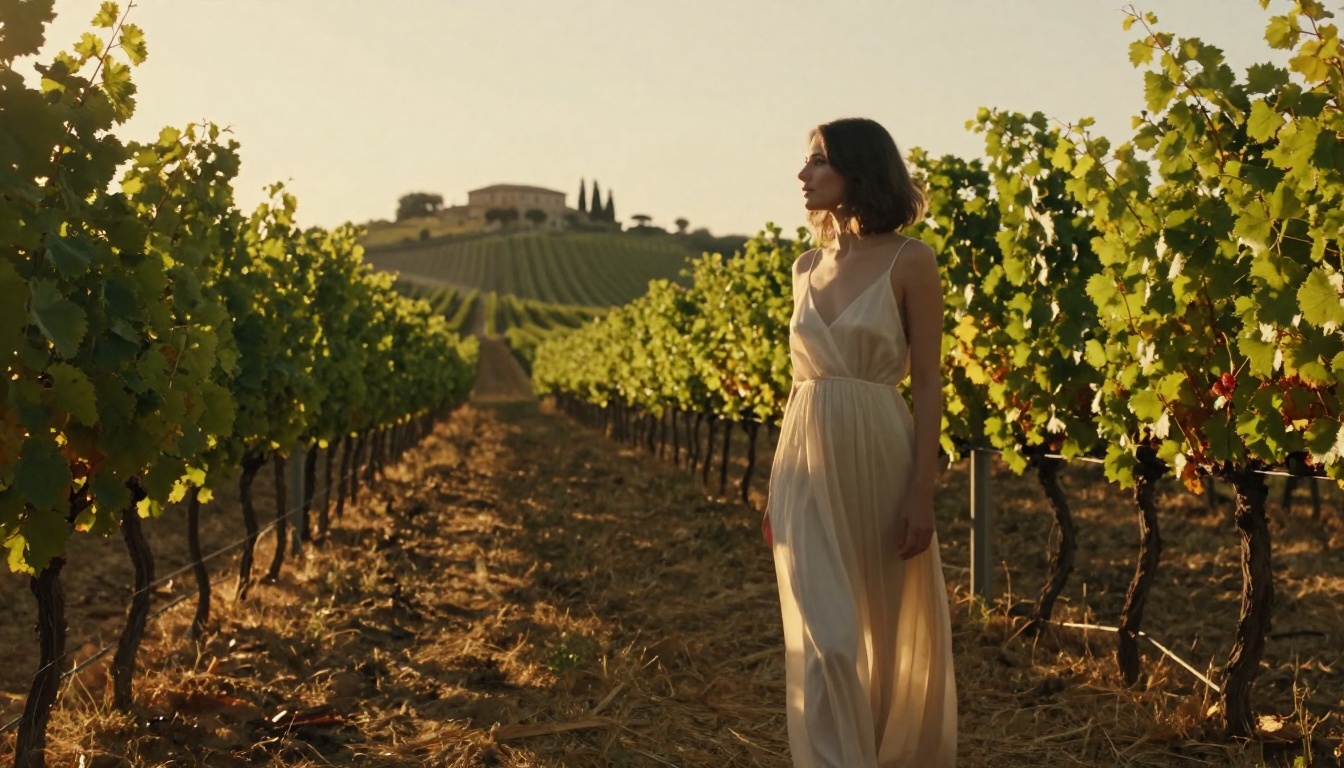
Lighting consistency: a woman lit by a window light source on the left should show shadows falling to the right across every part of her body. Models that cheat the lighting calculate it section by section and produce inconsistent shadow directions that feel subconsciously wrong even to viewers who cannot name the problem.
Fabric physics: sheer fabric, wet fabric, or fabric under pressure behaves in specific ways determined by the material properties and the body beneath it. Most models render fabric as a skin overlay with a texture applied. FLUX.2 Max renders it as a distinct layer with physical interaction with the body shape underneath.
Background coherence: the environment should respond to the same light source as the subject. A golden-hour beach portrait should show the water and sand lit from the same angle as the person in the foreground. Models that separate subject and background in their rendering pipeline create a composite feel that undermines the realism of the whole image.
💡 Worth knowing: FLUX.2 Max outputs at a higher dynamic range than most competing models. If your output platform compresses images aggressively (JPEG at 75% quality, for example), some of the fidelity advantage disappears in delivery. Export to WebP or PNG when possible to preserve the full output.
Best NSFW Models on PicassoIA Right Now
FLUX.2 Max is the benchmark, but it is not always the fastest or most accessible option depending on your workflow. PicassoIA runs several models that match or exceed its output for specific use cases, with full NSFW support and no content filtering blocking adult prompts.
Seedream 4.5: The Fastest Path to Realism
Seedream 4.5 is the top recommendation for NSFW realistic generation on PicassoIA. ByteDance built it with a strong photographic training base, full NSFW acceptance, and a generation time under 3 seconds that makes it practical for high-volume creative workflows.
Where FLUX.2 Max takes 20 to 40 seconds per image, Seedream 4.5 returns results in under 3 seconds at comparable quality for most use cases. For creators generating 50 or 100 test images to find the right composition, that speed difference is the difference between a 30-minute session and an all-day session.
Seedream 4.5 also supports image editing, not just text-to-image generation. You can generate a base image and use the edit interface to adjust specific areas including lighting, pose elements, clothing, or background without regenerating the full image from scratch.
Note: Seedream 5 Lite, the newer version, does not support NSFW content. Stick with Seedream 4.5 for adult content generation.
PicassoIA Image Editor Pro: Unlimited Generations
PicassoIA Image Editor Pro operates as an image-to-image model. You bring a source image and it transforms it according to your prompt. Where it pulls ahead of the competition is in its pricing model: Elite and Infinite subscribers get unlimited generations with no per-image cost.
If you are generating 1,000 images across a project, the math is straightforward. On models with per-generation pricing, that volume costs around $100. On PicassoIA Image Editor Pro with an Elite plan, it is included at no extra charge. The model generates in under a second, accepts full NSFW prompts, and includes a 3-generation free trial with no credit card required.
More Uncensored Options
Beyond those two, PicassoIA runs several additional models worth knowing for NSFW generation:
- Qwen Image 2: Open-source base, edits or creates images in seconds with strong realism. Good for both creation and targeted edits to existing images.
- Grok Imagine Image: Specializes in converting existing images to revealing formats with photorealistic results. Particularly effective for bikini and glamour outputs.
- Recraft V4: Text-to-image only, but produces very realistic results for fashion and portrait work.
- P-Image: NSFW text-to-image in under 1 second. The fastest option in the lineup for uncensored generation at scale.
- Wan 2.2 Image: Generates highly realistic images from text descriptions without content filters, built on a strong open-source photographic training base.
How to Write NSFW Prompts That Actually Work
The model does the rendering. The prompt does the directing. Most creators underspecify their prompts and then blame the model for outputs that do not match their vision. The gap is almost always in the lighting description and physical specificity.
Lighting Is Everything
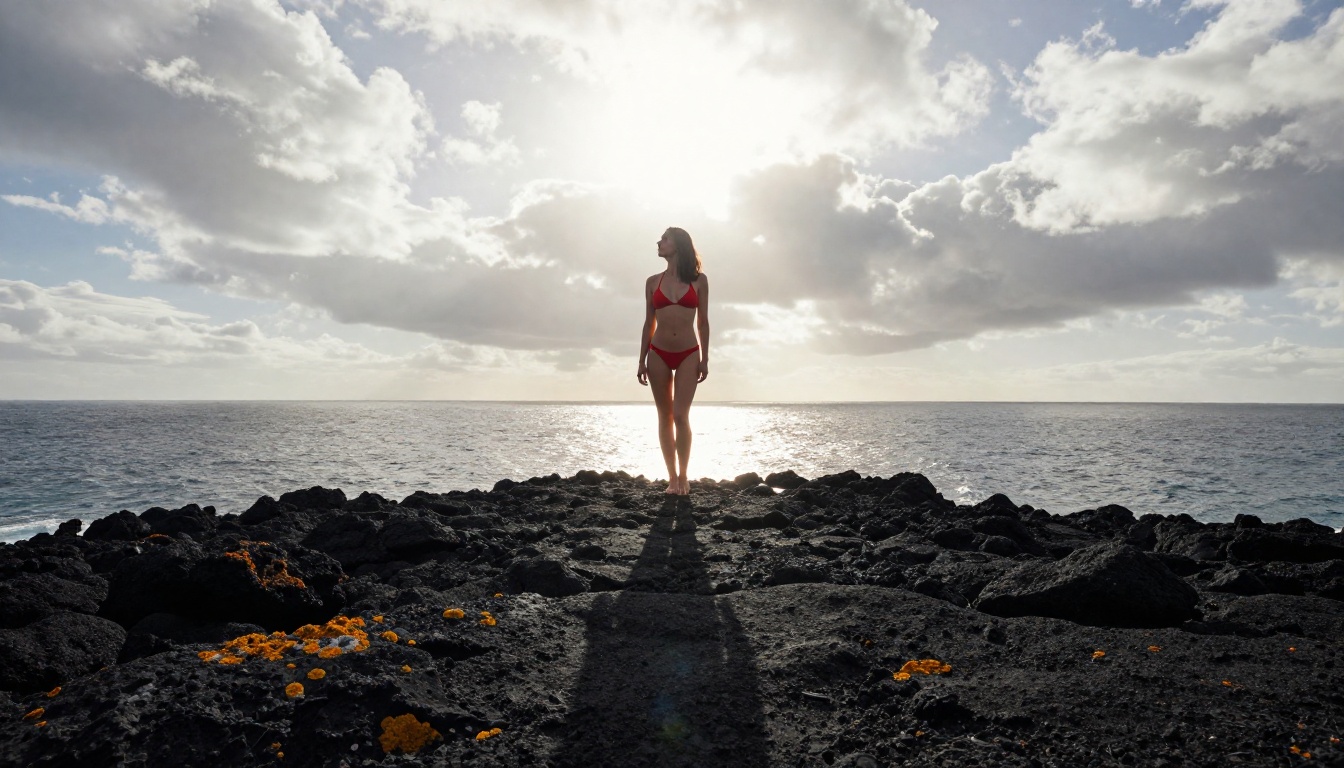
A prompt that says "a woman in a bikini on the beach" will generate something technically competent. A prompt that says "a woman in a white lace bikini on Tulum beach at 4:30pm in late October, the sun at a 35-degree angle from the right creating warm amber sidelighting across her torso and elongating her shadow to the left on wet sand" will generate something that looks like a photograph.
Lighting descriptors that consistently improve output quality:
- Direction: "light from the left at 45 degrees", "overhead noon sun", "window light behind the camera"
- Quality: "soft diffused overcast light", "sharp direct sunlight with hard shadows", "volumetric golden hour glow"
- Color temperature: "warm amber late afternoon", "cool blue-grey overcast", "golden hour orange"
- Secondary source: "fill light from a white wall on the right", "reflected light from the water surface below"
Prompt Structure That Converts
Build prompts in this sequence for maximum output control:
- Subject: who, what they are wearing, what they are doing
- Environment: where, what surrounds them, what is on the ground or behind them
- Lighting: direction, quality, color temperature, secondary sources
- Camera: focal length, aperture, angle, distance from subject
- Texture and film: "Kodak Portra 400", "35mm film grain", "RAW photographic texture"
- Style flag: "--ar 16:9 --style raw" at the end
💡 Negative prompting: FLUX.2 Max and most PicassoIA models accept negative prompts. Standard exclusions for NSFW realism: "cartoon, illustration, CGI, 3D render, neon, digital art, plastic skin, airbrushed, oversharpened, HDR filter"

Upscaling Your Results
Even at 2048x2048 native resolution, FLUX.2 Max output sometimes benefits from upscaling for print, large-format display, or high-density screens. PicassoIA's super-resolution category handles this without the quality degradation typical of basic software upscalers.
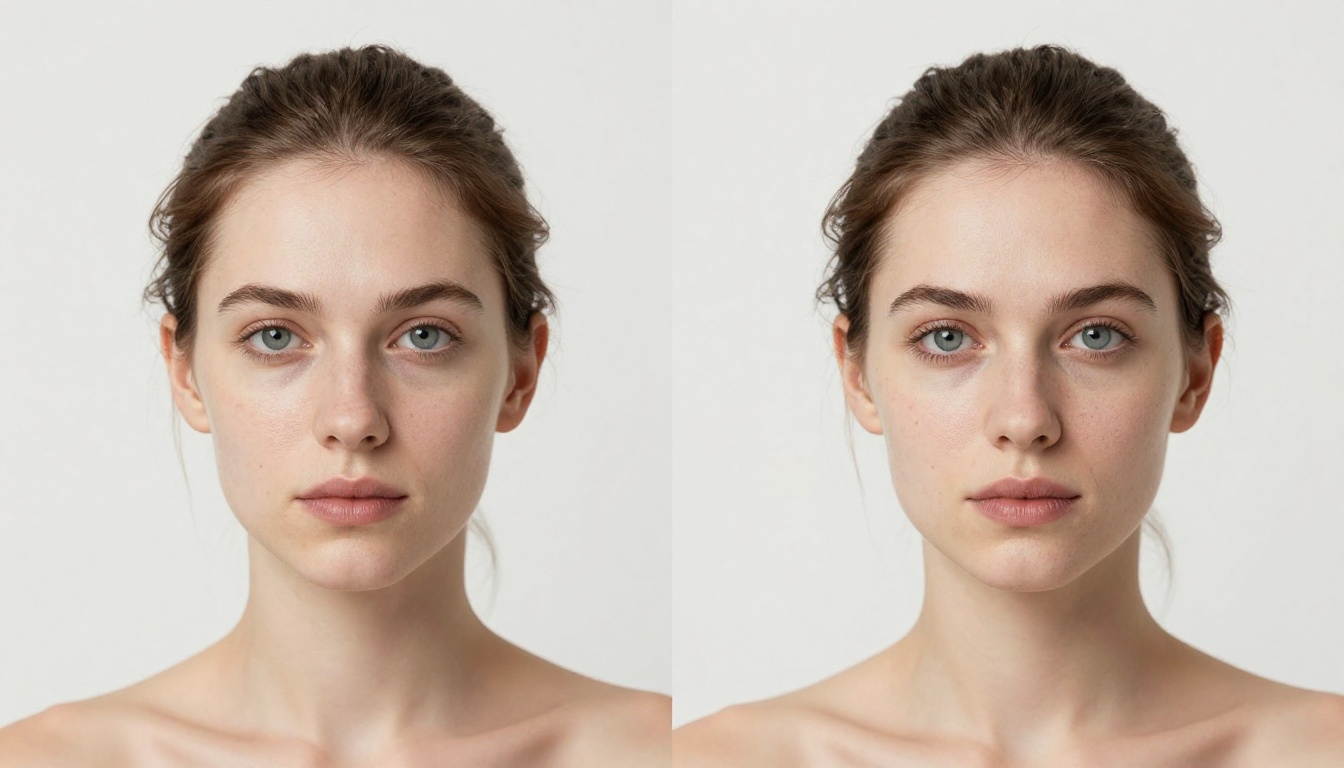
Standard software upscaling (Photoshop, GIMP, or even AI tools at the lower tiers) adds resolution by interpolating between existing pixels. The result is a larger image with the same information content, which means it looks blurry or soft at the new dimensions.
AI super-resolution works differently. It generates plausible new detail at the pixel level based on the content of the image: pore structures, hair strand continuations, fabric texture extension, environmental detail. The output is not just larger, it is more detailed.
When to upscale NSFW output:
| Use case | Native sufficient? | Upscale recommended? |
|---|
| Social media post (1080p) | Yes | No |
| Website hero image (1920px) | Yes | Optional |
| Print 8x10 at 300dpi | Borderline | Yes |
| Large format print (24"+) | No | Yes |
| Fine art print (gallery) | No | Yes, 4x minimum |
For NSFW content specifically, upscaling improves the most critical detail zones. Skin texture, facial features, and fine fabric details all benefit from a properly trained super-resolution pass in ways that standard resizing cannot replicate.
Start Creating on PicassoIA
FLUX.2 Max defines what photorealistic NSFW generation looks like right now. But the models available directly on PicassoIA match that quality ceiling for most outputs and beat it on speed, accessibility, and pricing.
Seedream 4.5 gets you FLUX.2 Max-tier realism in under 3 seconds. PicassoIA Image Editor Pro removes the per-generation cost entirely for subscribers who need volume. P-Image generates uncensored results in under a second for rapid iteration. And when your output needs to go to print or large-format display, the super-resolution tools on the platform handle the upscaling without destroying the detail that made the original generation worth keeping.
The tools are there. The models accept the prompts. What you create is up to you.
Ready to generate without limits? Visit picassoia.com/en/all-models to access Seedream 4.5, PicassoIA Image Editor Pro, and 90+ more text-to-image models with full NSFW support.


