The gap between image generation and video generation used to be enormous. Today, in 2027, it has narrowed to the point where picking the wrong model costs you hours of wasted renders and client revisions. Whether you are animating a product photo, bringing a portrait to life, or building a short film from still references, the model you choose determines whether your output looks like a professional production or a flickering experiment.
This breakdown puts the top image-to-video AI models side by side, across the metrics that actually affect your final output: motion coherence, temporal consistency, resolution fidelity, native audio generation, and processing speed. No hype, no vague promises — just what each model does and where it falls short.
The Metrics That Actually Matter
Before picking a model, you need to speak the right language. These are the five dimensions that separate usable video output from garbage.
Motion Coherence
Motion coherence refers to whether moving elements in your video behave like real objects in a real physical world. A human arm swinging, water flowing, fabric rippling: each has a natural trajectory. Models with weak motion coherence produce swimming artifacts, jerky transitions, and objects that pass through each other. In 2027, the best models have effectively solved basic motion coherence. The real differentiator is now complex multi-object scenes.
Temporal Consistency
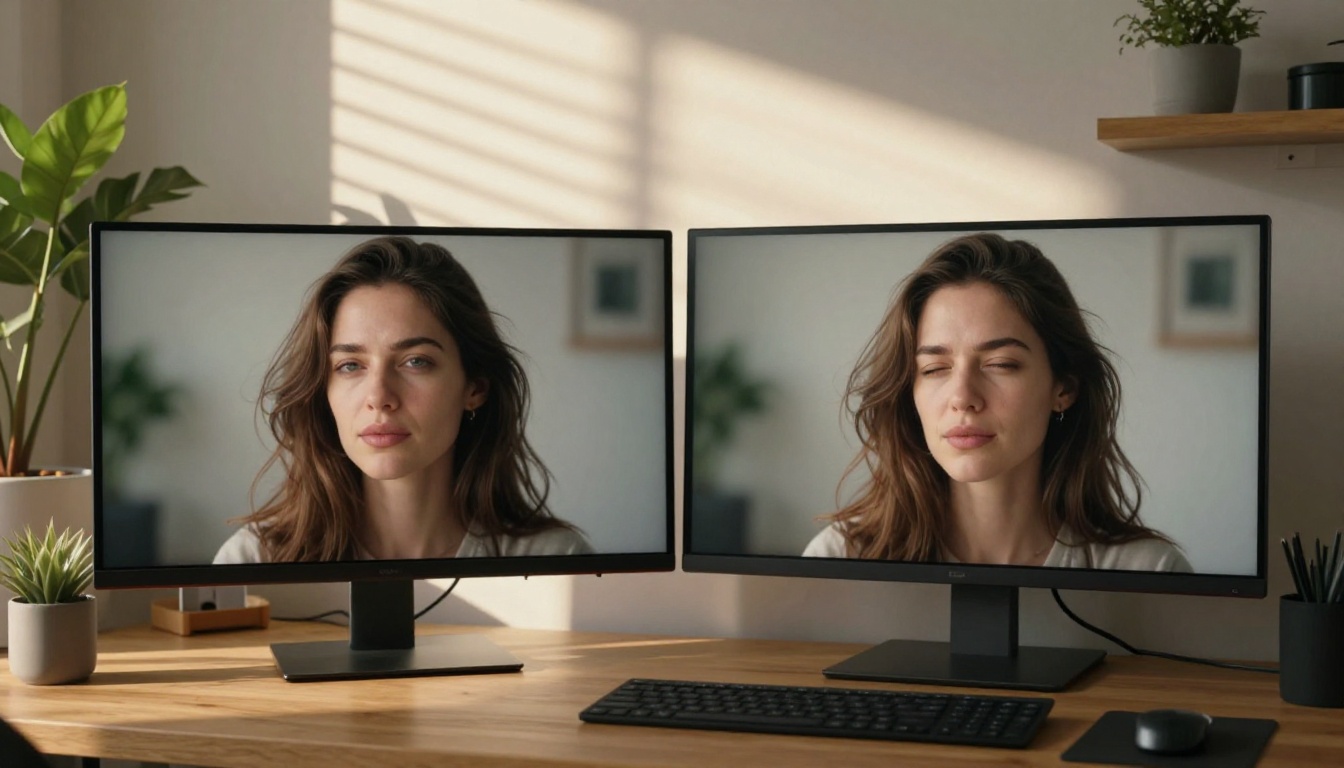
Temporal consistency asks: does the same object look the same from one frame to the next? This is where many mid-tier models still collapse. A face that subtly shifts shape between frames, a logo that warps, a background that breathes incorrectly — these are all temporal consistency failures. Models with strong temporal consistency maintain subject identity and scene geometry across the full clip duration.
Audio Generation
Native audio was the single biggest shift in the model landscape between 2024 and 2026. Several top-tier models now generate synchronized ambient sound, music, and speech directly from visual content without requiring a separate audio pipeline. This is no longer a bonus feature. For social media and short-form video, it is a baseline expectation.
💡 If you are building a workflow for social content, prioritize models with native audio. Post-processing audio sync adds hours to your pipeline.
The Top Tier: Models That Deliver in 2027
Seedance 2.0: The Audio-Visual Benchmark
Seedance 2.0 from ByteDance is the current reference point for image-to-video with synchronized audio. It generates 1080p video with native sound, meaning you get ambient audio that actually matches the motion in the frame. Drop in a photo of rain hitting a city street and Seedance 2.0 produces both the visual animation and realistic rainfall audio in a single pass.
Its image adherence is exceptional. When you pass in a source image, the model respects face structure, clothing detail, and background geometry in a way that mid-tier models do not. The fast variant, Seedance 2.0 Fast, trades some audio complexity for significantly faster generation, which makes it the right choice for high-volume iterative workflows.
Strengths: Audio-visual sync, high image adherence, 1080p output
Where it struggles: Long-form sequences beyond 8 seconds show temporal drift on detailed backgrounds
Kling v3: Cinematic Motion at 1080p
Kling v3 Video from Kwai is the closest competitor to Seedance 2.0 on pure visual quality. It produces genuinely cinematic motion: smooth camera simulation, realistic depth of field transitions, and subject motion that reads as organic rather than generated. The Kling v3 Omni Video variant adds text-to-video capability, giving you the same motion quality with pure prompt input.
For portrait animation and character motion specifically, Kling v3 outperforms most alternatives. The motion paths it generates for human subjects avoid the uncanny valley artifacts that make cheaper models unusable for character work. Kling v2.6 with Motion Control offers even finer directional control for demanding production requirements.
Strengths: Character motion, depth simulation, cinematic camera behavior
Where it struggles: Processing time is longer than fast-tier alternatives; audio requires a separate pipeline
Google Veo 3.1: Native Audio and 1080p HD
Veo 3.1 represents Google's most capable video generation model to date. It handles the rare combination of high-resolution 1080p output, native audio generation, and reliable temporal consistency across complex scenes. The Veo 3.1 Fast variant brings this capability to shorter generation windows, while Veo 3.1 Lite reduces cost at the expense of some detail.
Where Veo 3.1 sets itself apart is in scenic and environmental content. Wide landscape shots, atmospheric weather sequences, and architectural walkthroughs look more photorealistic in Veo 3.1 than in most competing models. The lighting simulation handles golden hour and overcast conditions with impressive accuracy.
The Speed vs. Quality Tradeoff
Not every project needs 1080p cinematic output. Fast-tier models have matured significantly, and several of them now produce output that is genuinely usable for social media, concept visualization, and rapid prototyping.
Fast Models Worth Using
💡 For client-facing deliverables, never settle for fast-tier output without a review pass. Fast models often clip fine detail in hair, water, and fabric.
Open-Source vs. Closed: The Wan Series
Wan 2.7: The Best Open Option
The Wan series from Wan Video has become the benchmark for open-weight image-to-video models. Wan 2.7 I2V takes a source image and produces smooth, temporally consistent video output at competitive quality. Wan 2.7 T2V covers the text-to-video direction, and Wan 2.7 R2V handles reference-based subject animation.
For teams with cost constraints or privacy requirements that prevent sending imagery to closed APIs, Wan 2.7 is the obvious starting point. Its motion quality has caught up significantly from earlier versions, and it handles moderate complexity scenes with reasonable fidelity.
The earlier Wan 2.6 I2V and Wan 2.5 I2V remain in active use for workflows that require specific version consistency. The Wan 2.6 I2V Flash variant prioritizes speed and is useful for preview generation before a full render pass.
Why Open Models Still Win on Budget
Closed models charge per second of generated video. At scale, this compounds fast. A batch of 100 product animation clips at 5 seconds each adds up quickly across commercial APIs. Wan models, when run through a platform like PicassoIA, democratize access to solid video quality at a fraction of the cost.
The tradeoff is real: closed models from ByteDance, Google, and Runway still produce visibly better output on complex scenes. For casual use and iteration, the gap is acceptable. For final deliverables on demanding projects, it is not.
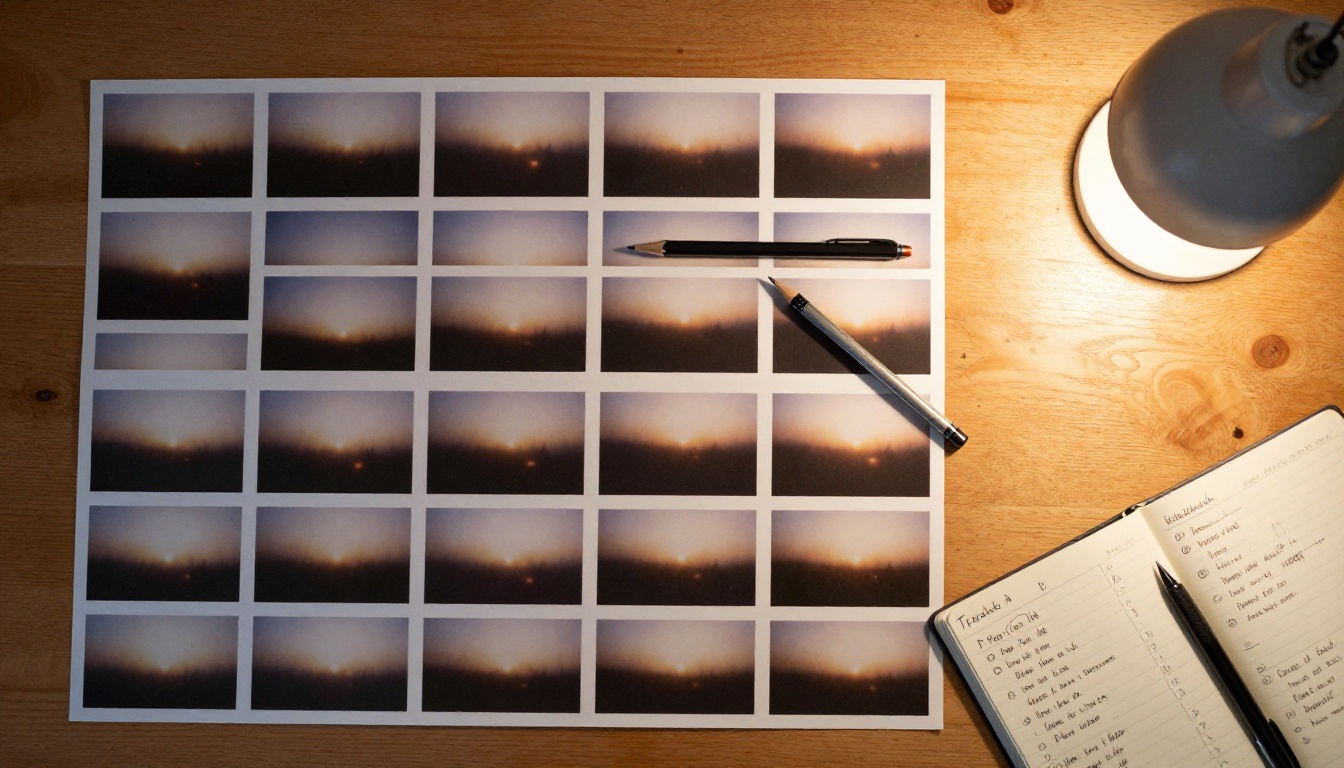
Image-to-Video: What Makes It Different from Text-to-Video
Most comparison articles treat image-to-video and text-to-video as interchangeable. They are not.
Text-to-video gives the model complete creative latitude. The model invents every visual detail from a prompt. This produces maximum variety but minimum control when you have a specific subject in mind.
Image-to-video anchors the first frame to your input. The model's job becomes animating within the constraints of what already exists: preserving identity, extending motion naturally from the frozen starting state, and maintaining the lighting and color relationships already in the source.
This means image-to-video models need a different set of capabilities:
- Identity preservation: Can the model maintain a specific face or product through movement without drifting?
- Motion plausibility from stasis: Does the motion inferred from a still image look natural, or does it feel applied rather than organic?
- Background stability: Does the background stay grounded while the foreground element moves?
Not all models excel at all three. Kling v2.1 Master and Wan 2.7 I2V are consistently strong across all three criteria. Hailuo 2.3 and Pixverse v5 perform well on identity preservation but show occasional background drift on complex scenes.
Resolution and Temporal Fidelity Compared
Here is where the practical numbers land in mid-2026:
💡 LTX 2.3 Pro is the only model in the table producing 4K output. If resolution is your primary constraint and budget is flexible, it is worth the longer render time.
How PicassoIA Brings All These Models Together
Wan 2.7 I2V on PicassoIA
Rather than integrating separately with each model API, PicassoIA consolidates access to over 87 video generation models in a single platform. You can test Wan 2.7 I2V against Seedance 2.0 on the same input image without managing multiple API keys, billing accounts, or format conversions.
The workflow is straightforward: upload your source image, select your model, set motion intensity and duration, and generate. Switching between models for A/B comparison takes seconds rather than hours.
Other Notable Models Available
PicassoIA includes several models that serve specific niches:
The Models That Don't Make the Cut in 2027
Not every model in the ecosystem is worth your time. Several models that dominated in 2024 have not kept pace.
Older diffusion animation models like Stable Diffusion Animation and AnimateDiff Prompt Travel produce output that looks dated by current standards. Motion paths are mechanical, temporal consistency is weak, and resolution caps out at levels that look soft on modern displays. They remain interesting for stylized or experimental work but are not competitive for realistic output.
Mochi 1 showed promise at launch but has not received significant updates. Its fluid motion has appeal for abstract content, but identity preservation is too weak for character or product work.
Early Pixverse versions have been superseded. Pixverse v3.5 and Pixverse v4 are available but offer no meaningful advantage over the current v5 and v6 releases.
The pattern is consistent: models that have not received architectural updates within the last 12 months have fallen behind the current generation in meaningful ways.
Choosing the Right Model for Your Project
For Social Media Creators
Speed and audio matter more than 4K resolution when your content lives at 1080p on a mobile screen. The practical stack for social is:
- Primary: Seedance 2.0 for clips where synchronized audio adds value
- Speed fallback: Seedance 2.0 Fast for rapid iteration and A/B testing
- Budget option: Wan 2.7 I2V for bulk content where per-clip cost matters
For Filmmakers and Directors
Visual fidelity and camera behavior are the priority. The recommended stack is:
- Primary: Kling v3 Video for character and scene work
- Camera control: Kling v2.6 Motion Control for directional precision
- High-resolution output: LTX 2.3 Pro for 4K deliverables
For Marketers and Brand Teams
Product fidelity and brand color accuracy take priority. Background stability during product animation is critical.
- Product work: Gen 4.5 for clean product animation with controlled motion
- Concept visualization: Veo 3.1 Fast for environmental and lifestyle content
- Avatar and spokesperson: Kling Avatar v2 for talking head video at scale

What the Next Six Months Will Change
The audio-native model race is not over. In mid-2026, only a handful of models generate synchronized audio without a separate pipeline. By the end of the year, expect audio generation to become table-stakes across the entire top tier. The differentiation will shift to semantic audio — models that not only generate ambient sound but understand what specific objects in the frame should sound like.
On resolution, 4K is currently the ceiling for a single model (LTX 2.3 Pro). Broader 4K access across multiple model families is likely within the next two quarters.
The open-source gap is closing. The Wan series has proven that open-weight models can compete meaningfully with closed APIs on standard benchmarks. The gap remaining is audio generation, which requires architectural choices that open releases have been slower to implement.
💡 Build your workflow around a primary model but test quarterly. The model landscape in video AI moves faster than in any other generative domain. What is best today may be mid-tier in 90 days.
Start Creating with PicassoIA
The fastest way to find your preferred model is not reading about it. It is testing the same source image through three or four different models back to back and watching how each one interprets motion, preserves identity, and handles your specific subject matter.
PicassoIA gives you access to over 87 video generation models, including every model discussed in this article, under a single interface. There is no multi-API management, no format wrangling, and no minimum spend per model. You run a test, see the result, and decide where to spend your render credits on full production.
Start with a still image you already have. Run it through Wan 2.7 I2V for a free baseline, then compare against Seedance 2.0 for audio-native output. The difference is visible in under two minutes, and it tells you more about your specific use case than any benchmark table.
Your image already has motion in it. The right model just knows how to release it.


