Grok 4.20 is not like the other large language models you have used for adult creative writing. While GPT 5 hedges, Claude politely declines, and most open-source models produce stilted prose that reads like a legal disclaimer, Grok 4.20 sits down at the table and actually writes. It produces explicit romance, layered erotic fiction, morally complex fantasy characters, and everything in between, with literary craft that matches the best human authors working the genre today. If you have spent any time bouncing prompts off filtered models and getting nothing useful back, this is where that frustration ends.
What Grok 4.20 Actually Does Differently

There are two things that separate Grok 4.20 from its contemporaries in this space: context size and content philosophy. Both matter enormously for adult creative writing, and neither is a minor technical footnote.
The 1M Token Context That Changes Everything
Grok 4.20 supports a one-million token context window. For adult fiction, that is transformative. You can load in a complete novel outline, detailed character profiles, a series bible, past chapters, and your current scene prompt, and the model holds all of it simultaneously. It does not forget your protagonist's voice in chapter 15. It does not lose track of the relationship arc you established in chapter 3. It maintains the internal logic of your fictional world across hundreds of pages.
Most adult fiction writers who have worked with shorter-context models know the pain: you spend fifteen minutes establishing a character's psychology, their specific patterns of desire, how they speak, what they fear, and two scenes later the model writes them as a generic placeholder. With 1M tokens you do not have that problem. The model tracks everything. Your character continuity stays intact.
💡 Pro tip: Load your complete character sheet at the start of every session. Include physical descriptions, backstory, relationship dynamics, and examples of their dialogue. Grok 4.20 will maintain that voice throughout.
Minimal Filtering, Maximum Creative Range
Most frontier models apply aggressive content filters to adult creative writing. This is not a moral position on their part as much as a business decision. Grok 4.20 was built with a different philosophy. xAI designed it with broader creative latitude, which means it handles mature themes, explicit scenes, dark fantasy elements, and morally ambiguous characters without the constant soft refusals that plague other models.
This does not mean it produces pure shock content. The model has craft. It uses sexual tension effectively. It builds emotional context before explicit scenes rather than jumping straight to mechanics. The result reads like literary adult fiction rather than the lowest common denominator of the genre.
How to Access Grok 4 on PicassoIA

Getting access to Grok 4 directly through xAI requires a paid subscription and navigating their API. Most writers do not want to deal with that. PicassoIA provides direct access to the model without needing your own API key, with a clean chat interface that handles long-form sessions well.
No API Key Needed
PicassoIA routes all inference through its own infrastructure. You open the model page, start writing, and that is it. There is no setup, no billing configuration, no token counting on your end. For writers who want to focus on the creative work rather than the technical stack, this is the practical solution.
The Interface for Long Sessions
When you are working on extended fiction, session management matters. PicassoIA's interface supports long context threads, which means you can continue a conversation across multiple exchanges without losing the thread. For adult fiction specifically, this is important: the model builds on what came before, tracks the emotional state of characters, and escalates tension naturally when you have given it enough runway.
Start each session by giving the model three things: who your characters are, what they want from each other, and what scene you are writing. The more specific your initial framing, the better the output.
Writing Romance and Erotica Fiction
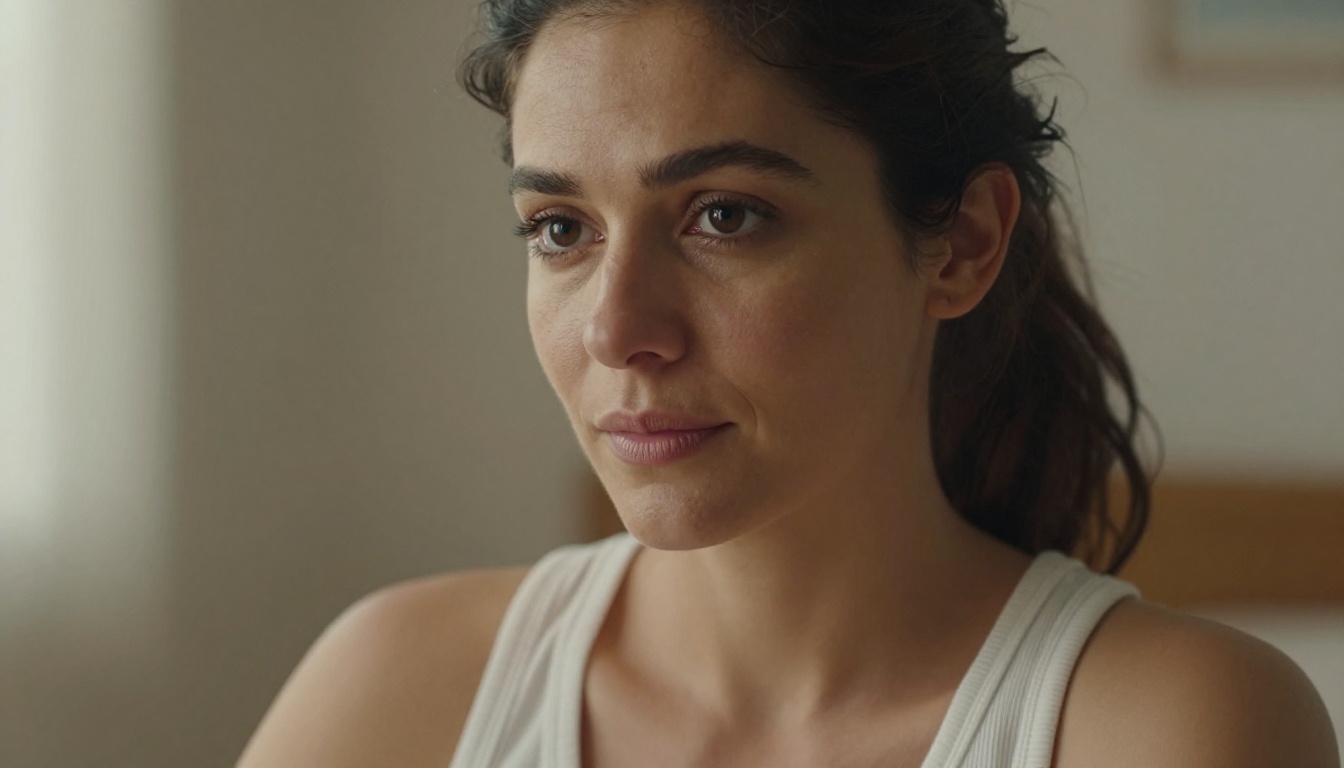
Adult creative writing covers a wide range, from slow-burn romance to explicit erotica to dark fantasy with violence and desire intertwined. Grok 4.20 handles all of it, but it performs best when you approach each genre with appropriate prompting strategies.
Scene-Setting Prompts That Work
The model responds well to setting as foreground, not background. Instead of telling it "write a romantic scene between Maya and James," give it the physical environment first: the specific room, the quality of light, the temperature, the sounds, the time of day. Then introduce the characters into that space.
This technique works because good erotic fiction is fundamentally sensory. The smell of rain through an open window, the specific texture of sheets, the exact quality of silence before someone speaks. Grok 4.20 takes environmental cues and translates them into mood, pacing, and desire. Give it a rich setting and it will write rich scenes.
Character Voice and Desire

Grok 4.20 excels at first-person and close-third perspectives because it can model interiority: what a character wants but will not say, what they notice that reveals their desire, how they rationalize decisions they have already made emotionally. Adult fiction lives in that gap between what characters think and what they do.
Ask the model to write from inside the perspective of a character who wants something they should not want. Ask it to make the desire specific and particular to that character's history. The model will find nuance that generic "write a romantic scene" prompts completely miss.
The First-Person Narrative Advantage
First-person narration is where Grok 4.20 pulls furthest ahead of competitors. The model writes a believable "I" voice, sustains it across scenes, and resists the tendency to break perspective that affects other models. For erotica especially, where the reader's immersion in a single perspective is everything, this matters.
💡 Prompt tip: Tell the model explicitly: "Write this in strict first person, present tense. Do not break perspective. The narrator does not know what other characters are thinking."
Pairing Your Writing with NSFW Visuals

Written content and visual content work together when you are building adult creative projects: character references, mood boards for fiction, visual chapter headers, or standalone creative pieces. The image model you use here matters as much as the language model.
Why Seedream 4.5 Is the Right Choice
Seedream 4.5 is the strongest NSFW-capable image model available on PicassoIA right now. It produces photorealistic, high-detail images with natural skin tones, authentic lighting, and genuinely beautiful composition. It handles suggestive and adult-adjacent content without the mechanical censoring that blocks useful creative work.
The model excels at:
- Glamour and boudoir photography aesthetics with editorial quality
- Intimate portraits with authentic expression and body language
- Fashion-adjacent content in lingerie, swimwear, and artistic implied nudity
- Cinematic scenes with environmental storytelling
Seedream 4 is the previous version and still strong for character reference work. Seedream 3 handles stylized approaches when you want something less strictly photographic.
💡 Do NOT use Seedream 5 Lite for NSFW content. It has stricter safety filtering baked in and will block adult-adjacent prompts. Stick to Seedream 4.5 for this use case.
Also consider PicassoIA Image Editor Pro when you need unlimited generations. It connects to the same underlying models without per-generation credit limits, which matters when you are iterating on character references for a long project.
Write the Scene First, Then Build the Image
The most effective workflow: write the scene with Grok 4.20 first, then extract the visual elements for your image prompt. Your scene will naturally establish the character's appearance, the setting, the mood, and the lighting. Convert those written details into a Seedream 4.5 prompt and you get visual and textual content that actually match each other.
Example workflow:
- Write a 500-word scene with Grok 4.20, detailed character description included
- Extract: subject, pose, environment, lighting, wardrobe, expression
- Structure that as a photorealistic RAW prompt for Seedream 4.5
- Use Flux Kontext Fast for any follow-up editing or variations on the generated image
Prompt Templates for Adult Creative Writing

Grok 4.20 responds to structure in prompts. These templates are tested starting points, not rigid rules. Modify them for your genre and characters.
The 3-Part Story Prompt
This template works for scene generation when you already have established characters:
Setting: [specific physical environment with sensory details]
Characters: [character names, who they are to each other, current emotional state]
Objective: [what this scene needs to accomplish, what changes by the end]
Write this in [POV and tense]. [Tone notes: raw, tender, tense, etc.] Minimum 600 words.
The objective line is the most important part. Grok 4.20 writes purposeful scenes when you give it a narrative goal, not just a vibe. Tell it what needs to shift emotionally or physically by the time the scene ends.
The Character Sheet Prompt
Use this at the start of a new session to establish a character before writing any scenes:
Create a detailed character profile for [Name]. Age: [X]. Background: [brief]. They are defined by [core desire or fear]. In intimate situations they tend to [behavioral pattern]. They use [speech patterns]. Their body language when [emotional state] looks like [description]. Do not write any scenes yet. Just build the profile.
Then in subsequent prompts you reference this character by name and Grok 4.20 applies everything it established.
The Escalation Prompt
For writers building tension across multiple scenes:
Continue from the previous scene. The tension between [characters] has increased. In this scene, [Character A] finally acts on what they want. Write the transition from tension to action in [Character A]'s perspective. Let the action happen slowly. Prioritize sensation and interiority over physical description.
The phrase "let it happen slowly" consistently produces better pacing in Grok 4.20. The model tends toward momentum; you have to explicitly ask for restraint.
Grok 4.20 vs. Other LLMs for Adult Content
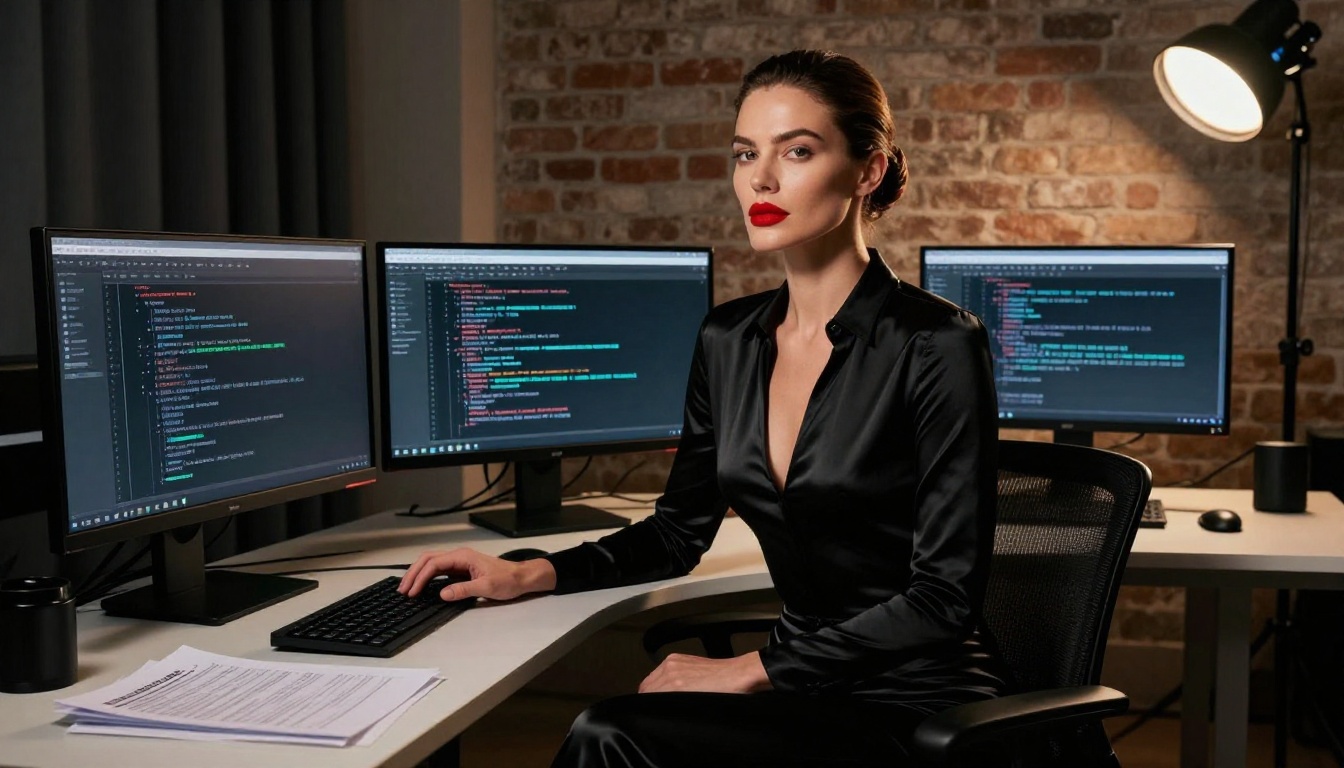
It is worth being direct about how Grok 4.20 compares to the other frontier models you can access on PicassoIA for this specific use case.
GPT 5 Falls Short Here
GPT 5 is OpenAI's most capable model and it writes extremely well in most domains. For adult creative writing it runs into a hard wall. The model will write romance up to a point, then produces what effectively amounts to a fade-to-black whether you wanted that or not. For suggestive tension it is fine. For explicit fiction it is not the right tool.
Claude 4 Sonnet Has Limits
Claude Opus 4.7 is arguably the best pure writing model available for literary fiction. Its prose quality is exceptional. But Anthropic's content policies make adult creative writing a consistent friction point. The model will often pause to discuss the content, suggest alternatives, or produce watered-down versions of what you asked for. The craft is there; the willingness to apply it to mature content is not.
DeepSeek R1 Comes Close
DeepSeek R1 has a more permissive stance than the American frontier models and produces solid prose in English. Where it falls behind Grok 4.20 is in the nuance of desire and interiority in English-language adult fiction. The writing is technically correct but misses some of the emotional layering that makes scenes land. It is a solid alternative when Grok 4 is unavailable, but not a first choice.
Start Writing Your Own Stories Now

The combination of Grok 4 for text and Seedream 4.5 for visuals is the most capable adult creative toolkit available through a single platform right now. You get a language model with the context, craft, and content latitude to write real fiction, paired with an image model that produces images worth putting next to that writing.

If you want to see what both tools can do before committing to a workflow, the fastest way is to take a scene you have already written, or even just a character concept, and drop it into both. Give Grok 4.20 the setup and ask for a single scene. Take the character description from that scene and give it to Seedream 4.5. Watch how quickly a complete creative piece comes together.
PicassoIA has over 90 image models across every visual style, plus the full range of frontier language models, all accessible without separate API accounts. For adult creative writers who want both word and image in one place, with models that will actually do the work, it is worth spending time at picassoia.com/en/all-models and seeing what fits your project.
The friction is gone. The only question now is what you want to write.


