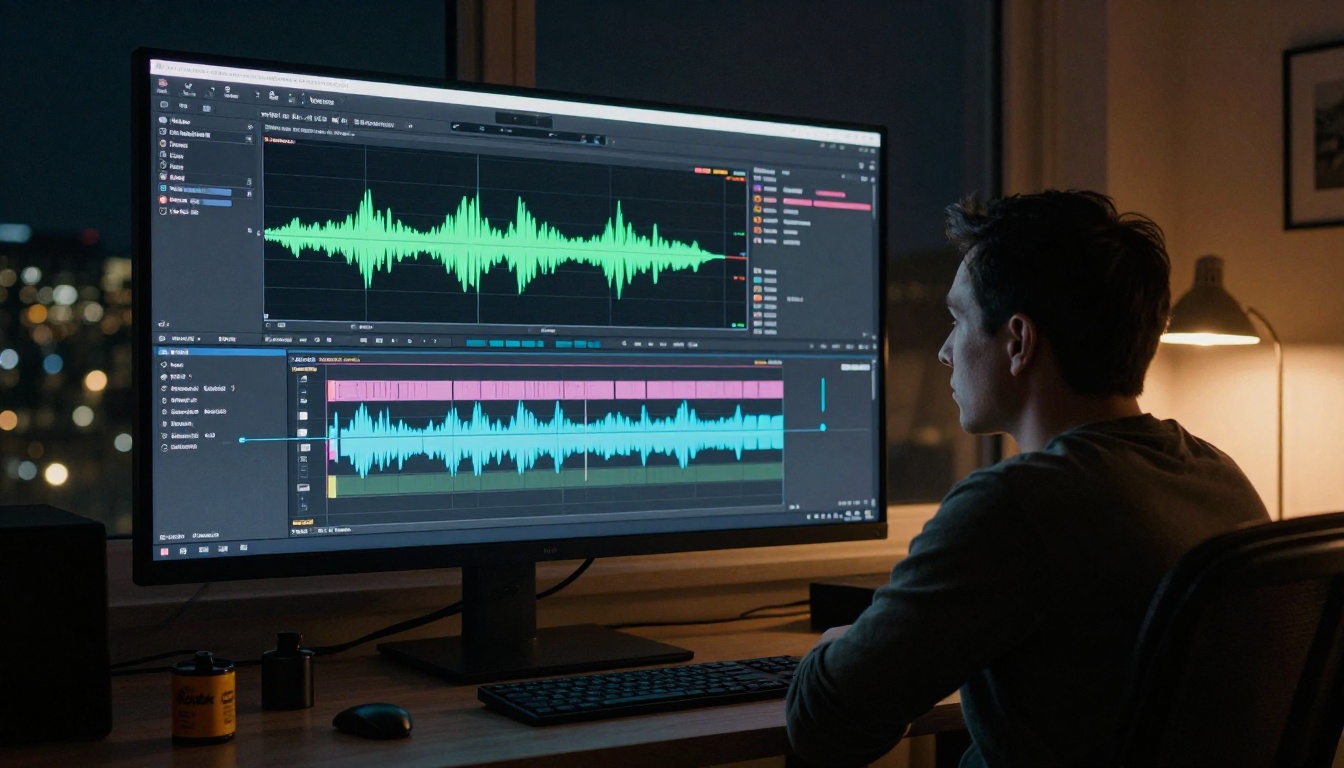
Making documentary narration used to be one of the most expensive, time-consuming parts of production. You needed a professional narrator with the right voice, a recording studio, multiple takes, and a sound engineer. The bill could easily reach $2,000 to $5,000 before you even touched post-production. AI text-to-speech has changed that calculation completely.
Today, filmmakers, YouTubers, journalists, and independent producers can generate cinematic, human-sounding narration in minutes. The voice quality from models like ElevenLabs V3, Minimax Speech 2.8 HD, and Resemble AI Chatterbox Pro is at a point where casual listeners simply cannot tell the difference. This is not about cutting corners. It is about freeing your budget for what actually matters: research, filming, and editing.
This article walks you through every step of producing documentary narration with AI, from choosing the right voice model to formatting scripts that sound alive.
Why Narration Makes or Breaks a Documentary
The visuals carry the emotion. The narration carries the meaning. Without clear, authoritative narration, even the most stunning footage leaves audiences confused about what they are watching and why it matters. This holds true for a Netflix-style true crime doc and equally for an indie piece about a local fishing community.
The Real Cost of Human Narrators
Professional narrators charge between $200 and $500 per finished hour of audio, and that is before studio time, which typically runs $75 to $150 per hour. For a 45-minute documentary, you are looking at multiple recording sessions, a sound engineer, and a director present for guidance. Revisions cost extra. Scheduling takes weeks.
For independent filmmakers, this pricing structure has historically meant one of two outcomes: either the documentary sounds amateurish because of a low-budget narrator, or it drains the production budget before the film is finished. Neither is acceptable.
What AI Changes for Filmmakers
AI narration removes the ceiling on quality for independent producers. You can iterate indefinitely. If the pacing feels wrong, regenerate with different punctuation in the script. If the tone needs to shift from somber to reflective, adjust the voice settings and run it again. No rescheduling. No additional invoice.
The production loop becomes: write, generate, review, refine, done. Projects that used to require three to four weeks to nail the narration track now get resolved in an afternoon.
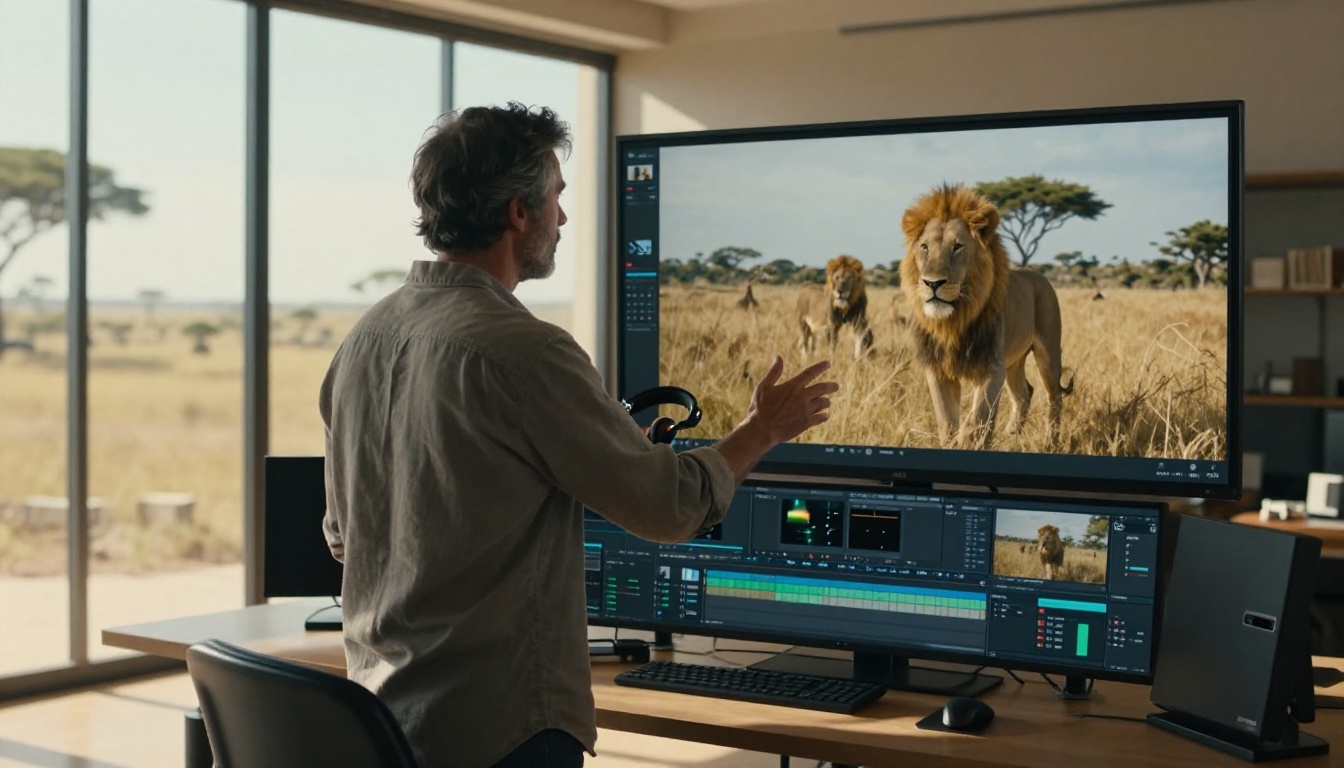
How AI Text-to-Speech Actually Works
Most filmmakers approaching AI narration for the first time have a misconception: they think the AI is simply reading text robotically, like an early GPS system. The best modern models are doing something far more sophisticated.
Voice Models and Natural Tone
High-quality text-to-speech models are trained on massive libraries of human speech, capturing not just pronunciation but prosody. Prosody is the rhythm, stress, and intonation of speech. It is what makes a sentence like "She did not survive the storm" land with weight instead of sounding like a weather report.
Models like ElevenLabs V3 and Minimax Speech 2.8 HD handle prosody with a level of nuance that was simply not possible two years ago. They pause at the right moments, drop in volume when the script calls for reflection, and push forward with urgency when the subject demands it.
Emotion and Pacing in AI Speech
Pacing is everything in documentary narration. Too fast and the audience cannot absorb what is being said. Too slow and they lose attention. The best AI models respond to punctuation signals in the script, using commas, periods, and paragraph breaks as breathing cues.
Resemble AI Chatterbox stands out for its emotion control features, letting you dial in the specific feeling behind each delivery. Its Pro variant, Chatterbox Pro, offers even finer control over vocal texture and expression, which is particularly useful for matching the specific mood of a documentary scene. Energetic scenes need forward momentum. Archival sequences need gravitas and restraint.
Tip: Use a longer pause (an extra line break in the script) before a pivotal revelation. This mirrors what experienced narrators do naturally: they hold the silence so the audience leans in.
The Best AI Models for Documentary Narration
Not all text-to-speech models perform equally for documentary work. The requirements are specific: the voice must hold up over long passages, stay natural across varied emotional registers, and never sound robotic in the middle of a tense sequence.
Top Text-to-Speech Models
Here is how the leading models compare for documentary narration:
For most documentary filmmakers, ElevenLabs V3 is the go-to for final production narration. The depth of voice options and the naturalness of long-form delivery make it the closest to what you would get from a professional studio narrator.

Voice Cloning for Consistent Brand Identity
If you are producing a documentary series, voice consistency across episodes matters enormously. Minimax Voice Cloning and Qwen3 TTS both offer voice cloning capabilities, meaning you can create a custom narrator voice and maintain it across every episode without rebooking anyone.
This is a significant advantage for branded documentary content, journalism projects, and educational documentary series where the narrator's voice is part of the show's identity.
How to Use ElevenLabs V3 on PicassoIA
ElevenLabs V3 is available directly on PicassoIA, making it accessible without any API configuration or subscription management. Here is the exact workflow.
Step 1: Access the Model
Navigate to the ElevenLabs V3 model page on PicassoIA. You will find the full voice library and generation interface without needing a separate account.
Step 2: Prepare Your Script
Paste your narration script into the text input field. Keep individual segments to 300 to 500 words for best results. Longer passages can be split at natural paragraph breaks and stitched together in your editing software.
Step 3: Select Your Voice
Browse the voice library and preview voices before committing. For nature documentaries, look for voices labeled as deep, warm, or authoritative. For true crime, measured and restrained voices work better than dramatic ones. For historical documentaries, voices with gravitas and neutral accents carry archival weight.
Step 4: Adjust Speed and Stability
- Stability: Higher settings produce more consistent, predictable delivery. Lower settings introduce slight natural variation that sounds more human.
- Speed: Start at 0.95x for documentary narration. Slightly slower than normal speech gives the audience time to absorb dense information.
Step 5: Generate and Review
Generate the audio and listen through once in full before downloading. Check for awkward pauses at line breaks and any words the model mispronounces. Proper nouns and technical terms often need phonetic spelling in the script.
Step 6: Export and Sync
Download the audio file and import it into your video editing software. Sync to your timeline at the rough cut stage so you can adjust visuals to match the narration rhythm rather than the other way around.
Writing Scripts That Sound Human
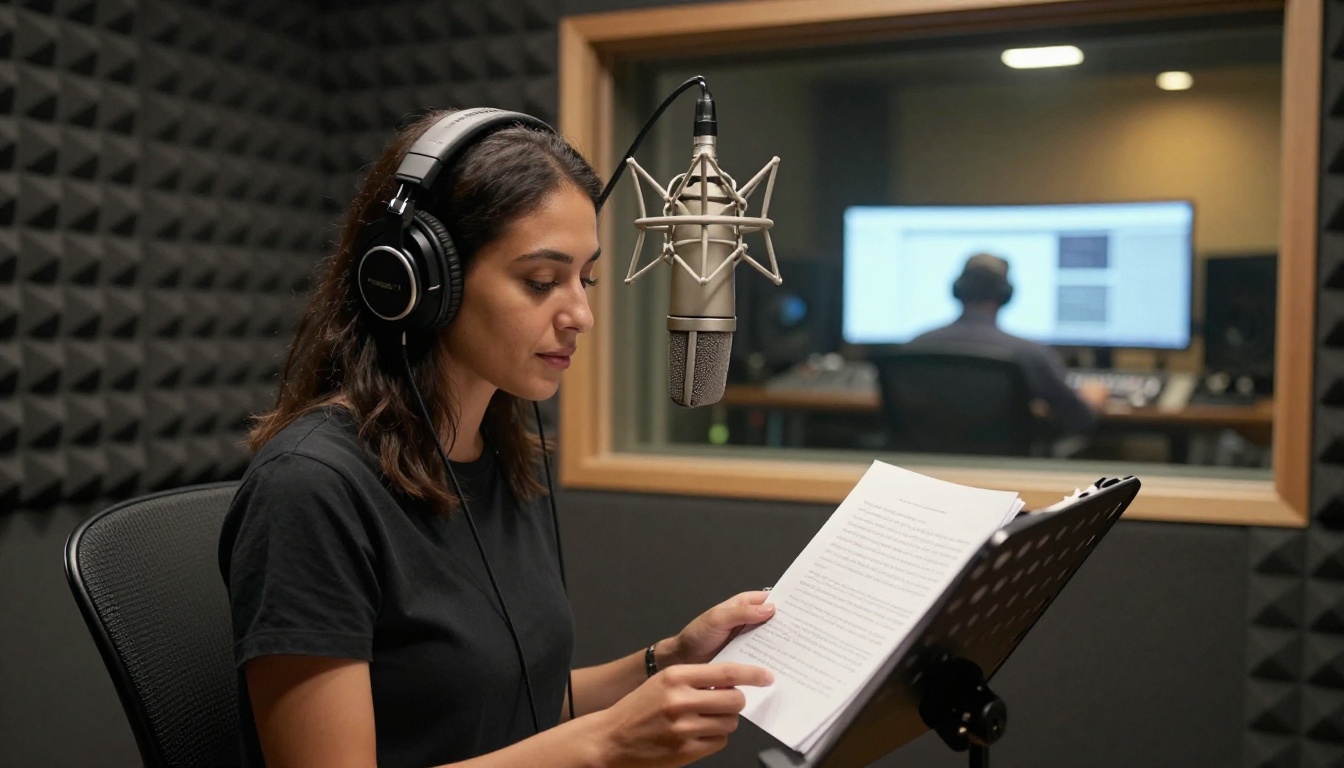
The quality of your AI narration is directly limited by the quality of your script. A well-formatted script produces natural-sounding output. A poorly structured one sounds mechanical regardless of which model you use.
The Right Sentence Structure
Documentary narration scripts are not essays. They are closer to speech transcripts. Short sentences. Active voice. Concrete nouns. Avoid abstractions and subordinate clauses that pile up ideas before landing the main point.
Avoid: "Despite the widespread belief that the population had been in decline for decades, the survey conducted in 2019 revealed that numbers were, in fact, stabilizing."
Use: "Scientists thought the population was shrinking. They were wrong. A 2019 survey showed numbers holding steady for the first time in thirty years."
The second version breathes. The AI model can deliver it with weight and rhythm because each sentence has a clear landing point.
Punctuation as Breathing Space
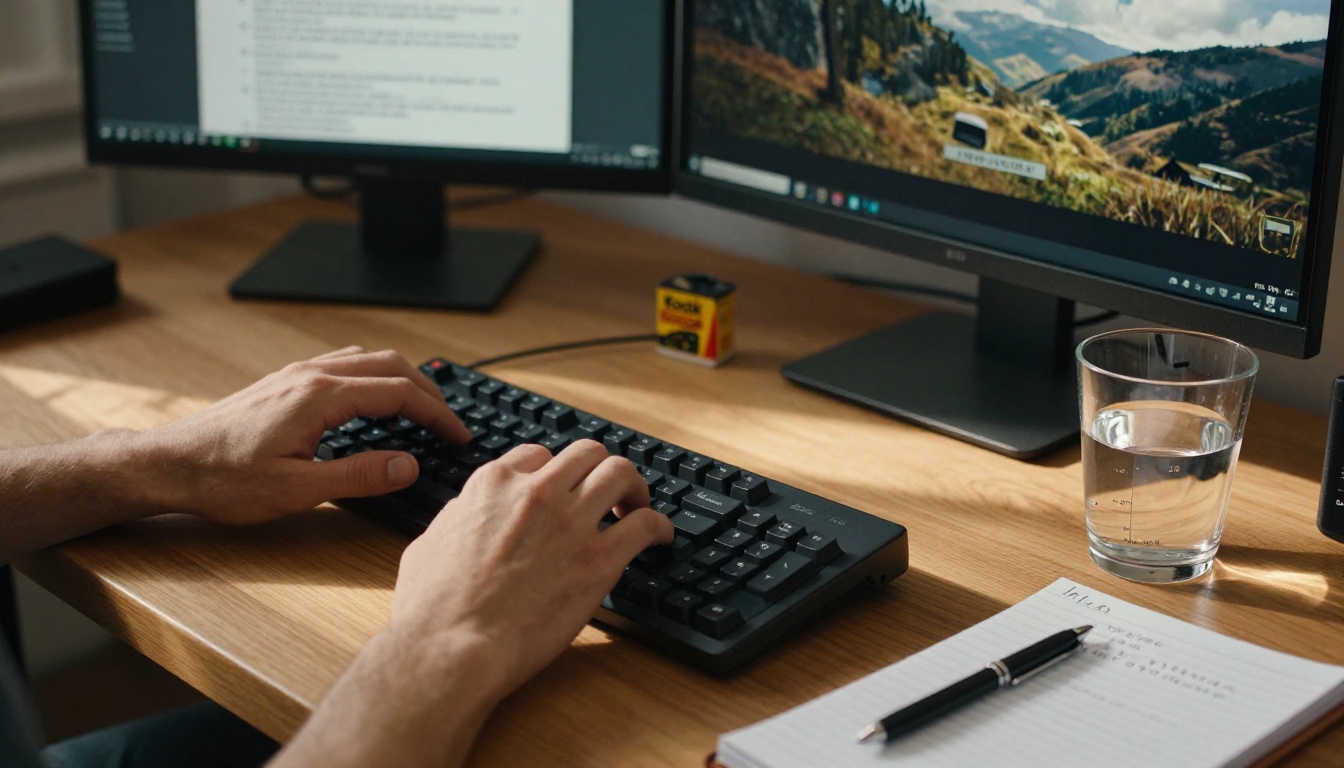
AI text-to-speech models read punctuation as cues for breath and rhythm:
- Period: Full stop, natural pause
- Comma: Short breath
- Ellipsis (...): Extended pause with trailing-off quality
- Line break: Additional pause between thoughts
- Question mark: Upward inflection on compatible models
Use these deliberately. If you want the narrator to hold on a phrase, follow it with a period and then put the next thought on a new line. The model will respond to the visual rhythm of the text.
Tip: Read your script aloud before submitting it to the AI. If you find yourself stumbling or running out of breath, the sentence is too long. Shorten it.
Documentary Styles and the Right AI Voice
Different documentary genres demand fundamentally different narration approaches. Choosing the wrong voice type for your genre is one of the most common mistakes filmmakers make with AI narration.
Nature Documentaries
Nature documentaries benefit from warm, measured voices with a sense of wonder. The narration should never feel rushed. Pacing matters as much as content. Minimax Speech 2.8 HD works particularly well here because its output has natural warmth and a full-bodied tonal range that complements sweeping landscape visuals.

Pair the narration with ambient sound design rather than music for the most immersive effect. The voice should feel like a companion in the landscape, not a commentator standing outside it.
Historical and Political Docs
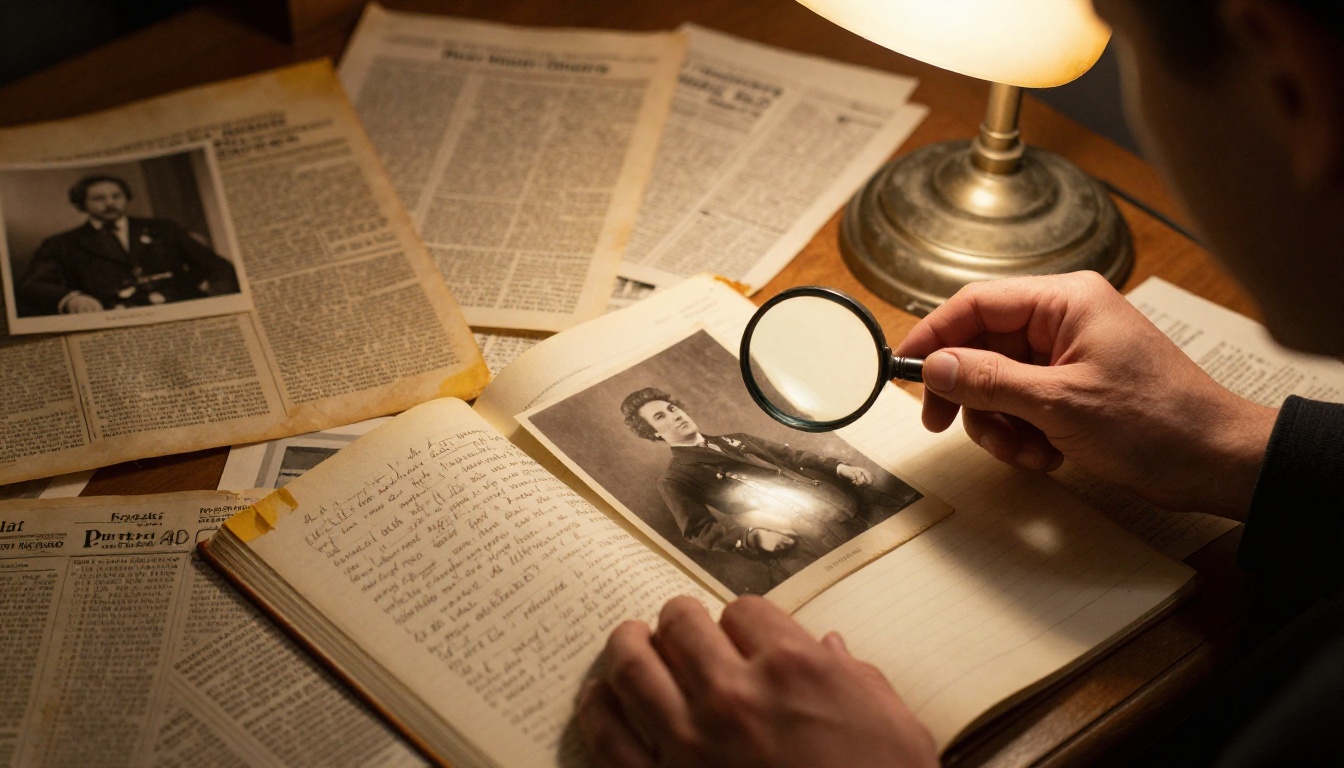
These productions demand gravitas. The narration needs to carry authority without feeling pompous. ElevenLabs V2 Multilingual offers a range of voices with measured, authoritative delivery that works across archival footage sequences. For international co-productions, the multilingual capability means you can produce versions in 30+ languages without re-narrating from scratch.
True Crime Narration
True crime has its own aesthetic: restrained, precise, letting the facts speak. Overly dramatic delivery kills credibility in this genre. Resemble AI Chatterbox with controlled emotion settings produces the flat, factual delivery that works best. Save the emotional coloring for pivotal moments and let the rest breathe quietly.
3 Mistakes That Make AI Narration Sound Robotic
Most failures in AI documentary narration come down to three specific, preventable problems.
1. Overloading Sentences
Long compound sentences with multiple clauses produce awkward, unnatural cadence in AI output. The model cannot always identify where the natural stress points fall across a complex sentence. Split everything into short, declarative units.
2. Ignoring Voice Selection
Choosing the first voice in the list without auditioning alternatives is a guaranteed way to get generic output. Spend fifteen minutes previewing voices with a sample paragraph from your actual script. The right voice makes an enormous difference.
3. Poor Script Punctuation
Submitting scripts with no commas, or with commas in the wrong places, produces stumbling, unnatural delivery. Punctuate for speech, not for grammar. A comma mid-sentence for grammatical reasons may produce an awkward pause at the wrong moment. Sometimes removing it gives better results.

Fast Iteration with Turbo Models
When you are in the drafting phase, you do not need final-quality audio for every revision. ElevenLabs Flash v2.5 and Minimax Speech 2.8 Turbo generate audio in seconds, making them ideal for quickly checking how a revised script sounds before committing to a full-quality render.
The workflow looks like this:
- Draft the script
- Generate a fast preview with a turbo model
- Review pacing and delivery
- Revise problem sentences
- Generate the final version with the HD model
This two-pass approach saves time and reduces waste. You only spend credits on final-quality generation after the script is genuinely ready.
For multilingual projects, Gemini 3.1 Flash TTS with its 70+ language support and 30 voice options makes previewing translated scripts fast and cost-effective.
Start Your First AI-Narrated Documentary
The gap between professional studio narration and AI-generated narration is narrowing every month. For most documentary projects, the difference is already imperceptible with the right model and a well-written script. The cost difference, on the other hand, is enormous and immediate.
PicassoIA gives you direct access to the best text-to-speech models available, with no separate subscriptions or API setup required. Whether you need the cinematic depth of ElevenLabs V3, the voice cloning capabilities of Minimax Voice Cloning, or the emotional control of Chatterbox Pro, every model is available to test with your own script right now.
Take your next documentary script, pick a voice, and run it. The result will surprise you.