Picking between AI image generation models is rarely as simple as reading a spec sheet. The numbers tell one story. The actual outputs tell another. Nano Banana Pro and Seedream 5 Lite have both generated significant buzz in creative communities recently, but most comparisons either cherry-pick results or skip the nuances that actually matter for real work. This article puts both through the tests that count: output quality, speed, prompt accuracy, creative control, and practical use cases.
What Each Model Was Built For
Understanding the design philosophy behind each model explains a lot of the output differences you will notice later.
Nano Banana Pro's Core Design
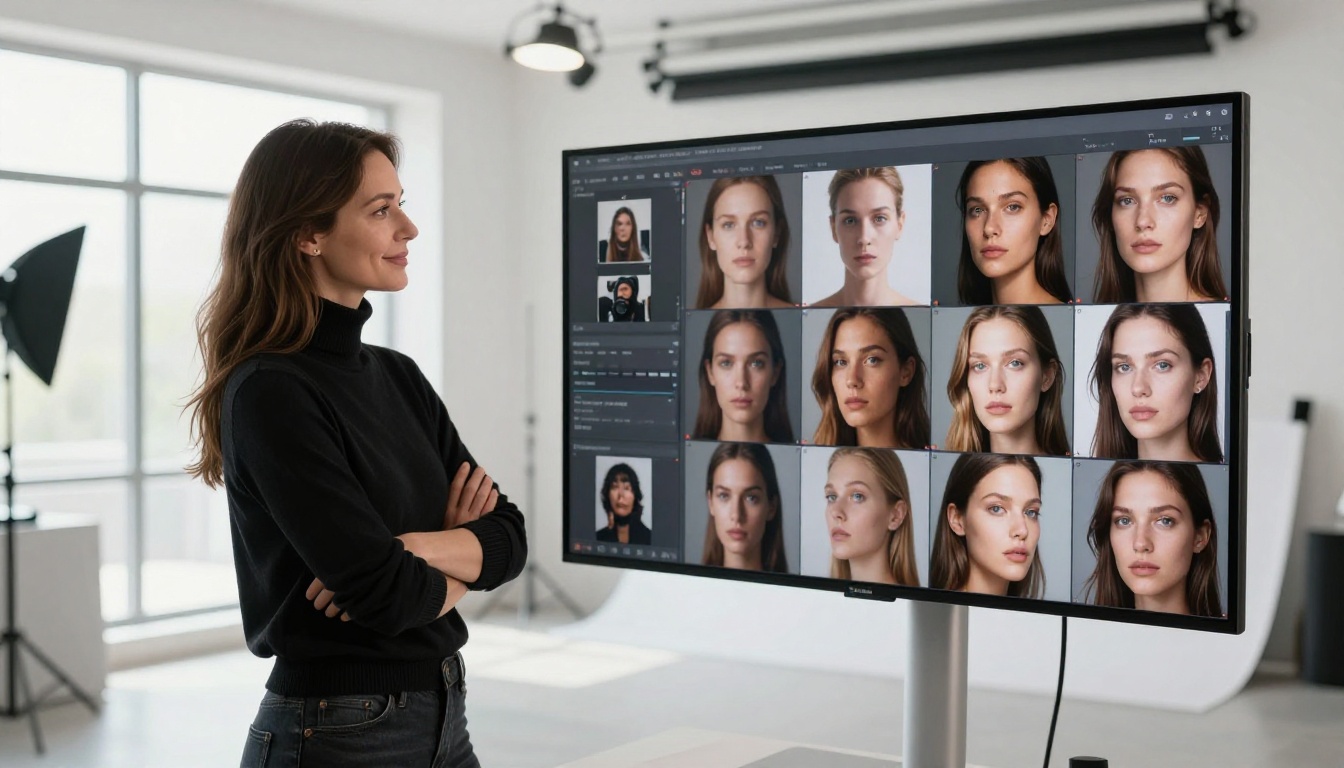
Nano Banana Pro was engineered with a focus on photorealistic rendering at high resolutions. Its architecture prioritizes skin texture fidelity, accurate light physics, and fine structural detail in complex scenes. The training pipeline leans heavily on curated photographic datasets, which gives it a distinct advantage in portrait generation and natural environment photography.
The model handles depth of field simulation particularly well, producing bokeh that looks optically accurate rather than algorithmically smoothed. This makes it a strong choice for product photography and portrait work where realism is non-negotiable.
💡 If your workflow involves generating images that need to pass as real photographs, Nano Banana Pro's photorealistic bias is a significant structural advantage.
Seedream 5 Lite's Approach
Seedream 5 Lite takes a different path. Developed by ByteDance, the Seedream series has always balanced generation speed with broad stylistic range. The "Lite" version strips back some of the heavier computation to achieve faster throughput without sacrificing what the series does best: consistent aesthetic quality across a wide variety of subjects.
Where Nano Banana Pro is a specialist, Seedream 5 Lite is a generalist. It handles portrait generation, stylized illustrations, product renders, and architectural visualization all within acceptable quality ranges. The trade-off is that it rarely reaches the ceiling of photorealism that Nano Banana Pro can hit.
If you want to test the ByteDance architecture directly, Seedream 4.5 on PicassoIA gives you hands-on access to what this lineage produces. ByteDance also offers Dreamina 3.1 for those who want a broader creative range from the same family of models.
Image Quality: Where They Actually Differ
This is where the rubber meets the road. Raw quality comparisons often focus on resolution, but the meaningful differences are more granular than pixel counts.
Portrait and Skin Texture
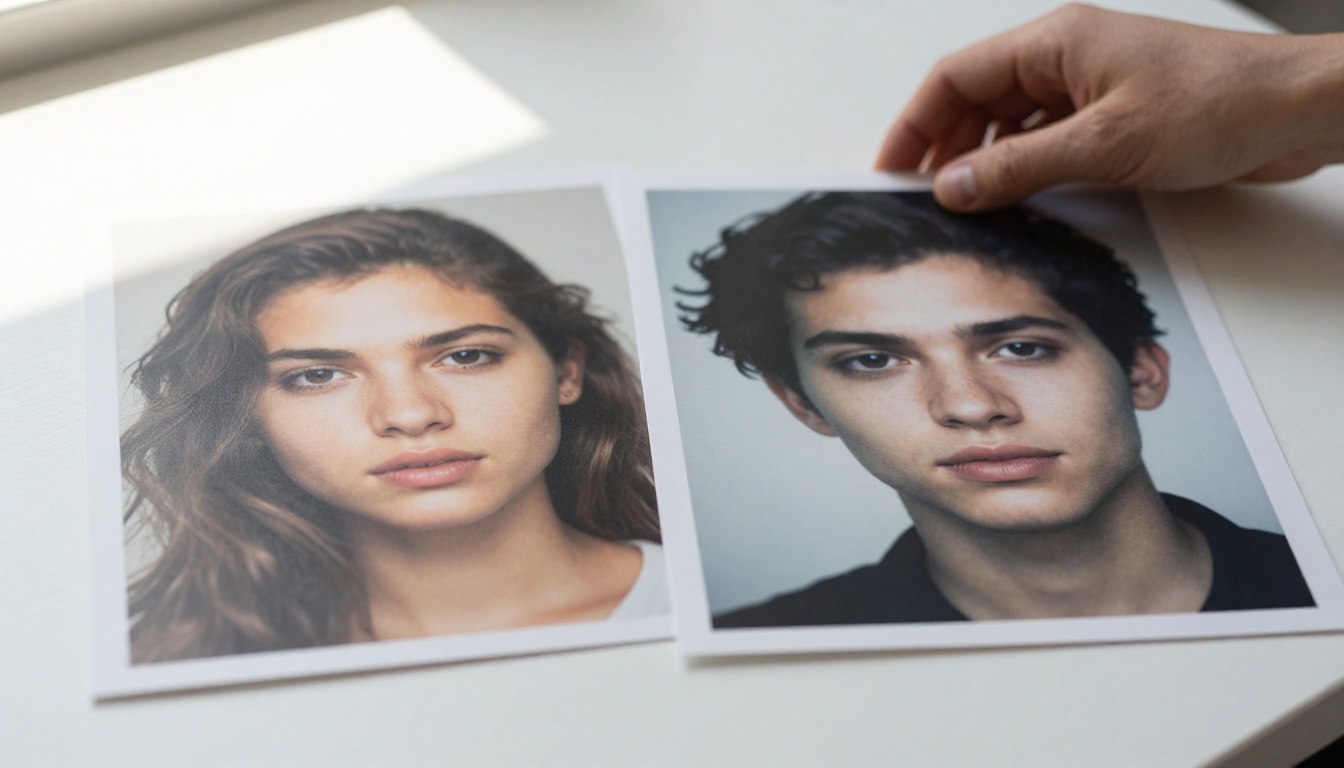
Nano Banana Pro consistently outperforms Seedream 5 Lite on human subjects. Skin pores, fine hair strands, eyelash separation, and micro-expressions all render with more anatomical accuracy. Under controlled testing with identical prompts describing a close-up portrait in natural light, Nano Banana Pro produces outputs where individual follicles and subtle iris color variation are clearly visible.
Seedream 5 Lite produces clean, attractive portraits. They look polished. But the skin tends toward a smoothed, slightly softened quality, which some users prefer for commercial applications where overly sharp texture reads as unflattering.
| Feature | Nano Banana Pro | Seedream 5 Lite |
|---|
| Skin texture fidelity | Very high | Moderate |
| Hair strand detail | Excellent | Good |
| Eye clarity and iris detail | Exceptional | Good |
| Facial symmetry handling | Natural variation preserved | Slightly idealized |
| Lighting on skin | Physically accurate | Aesthetically pleasing |
Landscapes and Complex Scenes
The gap narrows considerably in landscape and environment generation. Seedream 5 Lite handles foliage, atmospheric haze, water reflections, and wide shots with impressive competence. Its color science in these scenes is arguably warmer and more aesthetically pleasing straight out of the model.
Nano Banana Pro produces technically superior detail density in landscapes, but the tonal rendering can feel slightly cooler and more clinical unless you explicitly guide it toward warmer palettes in your prompt.
For architectural visualization, Seedream 5 Lite's slightly stylized quality can actually work in its favor, producing renders that look professionally lit without requiring extensive prompt engineering to get there.
Color Accuracy and Tone
Both models handle color well, but with different default biases:
- Nano Banana Pro: Neutral-to-cool color grading, high contrast, accurate shadow rendering
- Seedream 5 Lite: Warm tonal bias, slightly elevated saturation, softer highlights
If you are producing images for a brand with a strict color palette, Nano Banana Pro's neutrality gives you cleaner raw material to work with. If you want images that look visually appealing with minimal post-processing, Seedream 5 Lite's defaults are more forgiving.
Speed vs. Quality Tradeoffs
Generation speed affects practical workflows more than any benchmark number suggests. A model that takes twice as long compounds painfully across hundreds of iterations.
Generation Time in Practice
Seedream 5 Lite lives up to its "Lite" designation. Under typical API conditions, it generates a 1024x1024 image in significantly less time than Nano Banana Pro at comparable quality settings. For workflows requiring batch generation of dozens or hundreds of images, this difference stacks up fast.
Nano Banana Pro's generation time increases noticeably at higher resolutions and with more complex scene descriptions. The quality gain is real, but so is the time cost. You are trading throughput for ceiling.
| Scenario | Nano Banana Pro | Seedream 5 Lite |
|---|
| Single portrait, standard res | Slower | Fast |
| Batch of 50 images | Much slower | Practical |
| High-res 2K+ output | Significantly slower | Moderate |
| Simple background or object | Comparable | Slight edge |
💡 For rapid prototyping or creative brainstorming sessions where you need to iterate through many prompt variations quickly, Seedream 5 Lite's speed advantage is genuinely valuable.
When Speed Matters Most
Speed becomes critical in three scenarios: client presentations where you need a quick range of options before a meeting, social media content pipelines with high volume requirements, and prompt experimentation where you are testing many variations before committing to a direction.
For final deliverable generation where quality is the primary objective and turnaround time is flexible, Nano Banana Pro's slower output is worth the wait.
Prompt Adherence: Who Listens Better
Prompt adherence is one of the most practically important qualities in a text-to-image model, and one of the most frequently misunderstood in reviews.
Simple Prompts
For straightforward prompts like "a woman in a red dress standing in a park," both models perform reliably. Seedream 5 Lite shows a slight edge in literal subject placement, getting compositional elements where you specify them with fewer retries.
Nano Banana Pro occasionally adds interpretive flair that was not requested, enriching scenes with additional detail that sometimes enhances and sometimes complicates the intended output.
Complex Multi-Element Prompts
The gap opens significantly with complex prompts specifying multiple subjects, precise relationships, specific lighting conditions, and particular backgrounds simultaneously.
Nano Banana Pro handles multi-element scene composition with more structural coherence. When you ask for three people in specific positions under specific lighting, it more reliably delivers all specified elements in the correct spatial arrangement.
Seedream 5 Lite begins to simplify or merge elements under high prompt complexity, occasionally dropping a specified detail or reinterpreting a positional instruction. It compensates with more natural-looking results overall, but for precise prompt-to-output accuracy, Nano Banana Pro holds a clear edge.
💡 Long, detailed prompts work better with Nano Banana Pro. Short-to-medium prompts where aesthetic quality matters more than literal accuracy are where Seedream 5 Lite consistently shines.
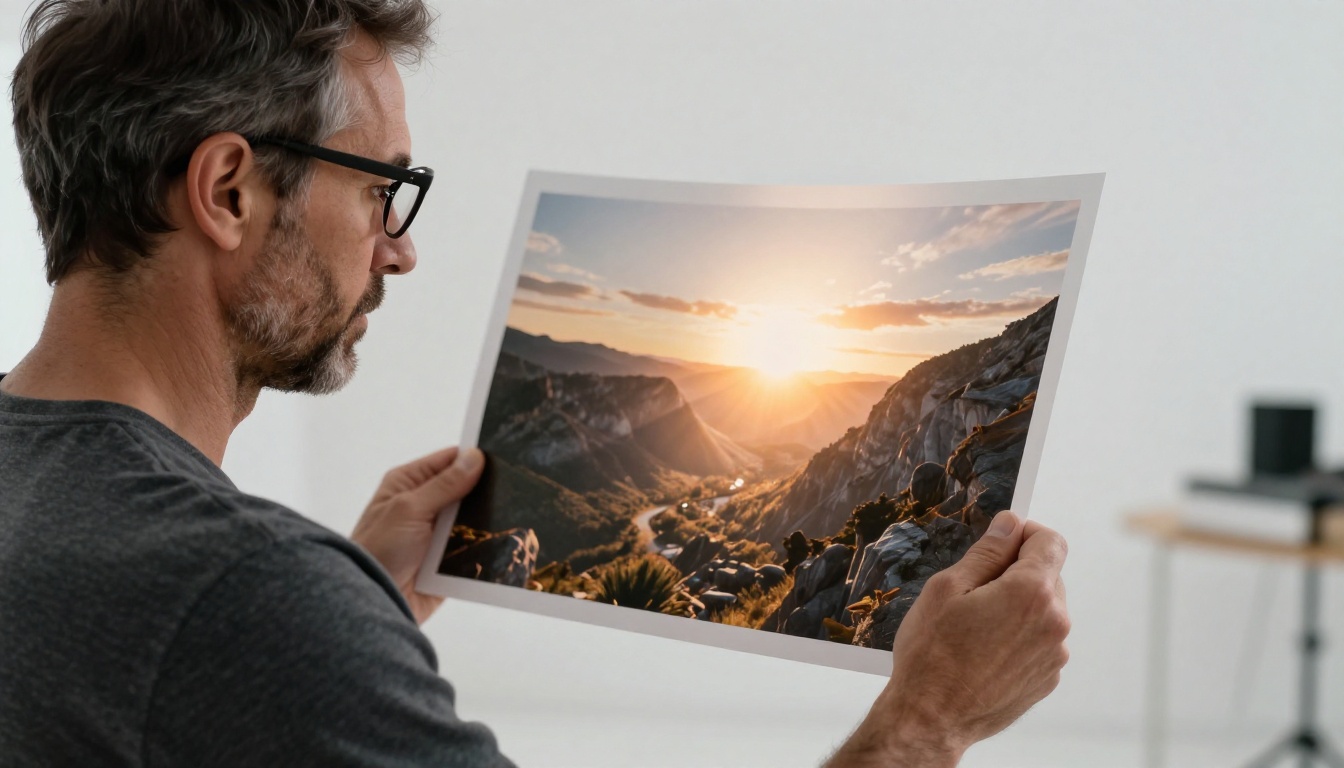
Neither model wins across every use case. Knowing which fits your actual work saves both time and API costs.
Best for Creative Professionals
Nano Banana Pro fits best for:
- Commercial photography simulation: Product shots, editorial portraits, lifestyle imagery that must pass as real photographs
- High-stakes single images: Campaign assets and hero shots where quality ceiling matters above all else
- Precise scene construction: Technical briefs with specific compositional requirements
- Architecture and interior visualization: When fine material texture and light physics need to be accurate
Best for Fast Iteration
Seedream 5 Lite fits best for:
- Content pipelines: Social media, blog imagery, e-commerce thumbnails at volume
- Stylistic exploration: When you want to test many creative directions quickly without burning budget
- Mixed-media projects: Where AI-generated images are one element among many
- Beginner workflows: More forgiving with imprecise prompts, producing attractive results with less effort

How to Use Seedream on PicassoIA
Seedream 4.5 is available directly on PicassoIA, which means you can test the ByteDance architecture without API setup or billing configuration. Here is how to get the best results from it.
Setting Up Your First Generation
- Open Seedream 4.5 on PicassoIA
- In the prompt field, structure your input in three layers: main subject first, then environment, then lighting
- Set aspect ratio to 16:9 for landscape and editorial uses, or 9:16 for portrait-oriented content
- For portraits, include specific lighting descriptions. "Soft natural side light from a north-facing window" consistently outperforms generic terms like "good lighting"
- Keep your prompt between 30 and 70 words for the best balance of adherence and creative output quality
Tips for Better Results
Color control: Start with a dominant color reference when brand consistency matters. "Warm amber afternoon tones with deep shadow contrast" steers the color grading effectively without needing post-processing.
Texture prompts: Seedream 4.5 responds well to texture-specific language. Include descriptors like "matte surface," "fine grain," or "worn leather texture" to increase tactile realism in your outputs.
Negative prompting: Explicitly listing what you do not want, such as blurry, oversaturated, cartoon, or CGI, tightens the output range and reduces wasted generations.
Resolution considerations: At standard resolution, the model is fast. Pushing to maximum resolution adds time but delivers noticeably more detail in facial features and fine materials.
For those who want to push even further, Flux Pro on PicassoIA offers another high-fidelity option when maximum detail density in a single image is the priority.

Pricing and Accessibility
API Costs Compared
Nano Banana Pro's higher computational demand translates directly to higher per-image costs on most platforms. At scale, a pipeline running thousands of images per week sees a meaningful cost difference between the two models.
Seedream 5 Lite's lighter architecture makes it more cost-efficient for high-volume applications. For teams monitoring generation budgets, the per-image cost difference can justify choosing Seedream 5 Lite even when Nano Banana Pro would deliver technically superior results.
| Cost Factor | Nano Banana Pro | Seedream 5 Lite |
|---|
| Per-image API cost | Higher | Lower |
| High-volume suitability | Limited by cost | Strong |
| ROI for single hero images | High | Moderate |
| Budget prototyping | Not ideal | Excellent |
Platform Availability
Both models are accessible through their respective APIs and on major AI generation platforms. For users who prefer a single platform with access to a wide model range, PicassoIA offers Seedream 4.5 alongside dozens of other text-to-image models including Dreamina 3.1 and Flux Pro, giving you comparative access without jumping between platforms or managing multiple API keys.
Time to Pick Yours
The real answer to "which model wins" depends entirely on what you are making and how often you make it.
Pick Nano Banana Pro when: quality is the ceiling, the image will be viewed at large sizes, or you need complex scene accuracy that holds up under close inspection. Its photorealistic rendering is genuinely harder to match for the right use cases, and the extra generation time pays back in output you can actually publish without edits.
Pick Seedream 5 Lite when: you are working at volume, prototyping rapidly, or need consistent aesthetically-pleasing results without extensive prompt engineering. Its speed and cost efficiency make it the practical backbone of high-output creative pipelines.
Most serious creative workflows end up using both. Seedream 5 Lite for exploration and iteration, Nano Banana Pro for finals and single hero images where quality is non-negotiable.
If you want to see how models like Seedream 4.5 actually perform on your specific use cases, PicassoIA lets you test them directly without any commitment. Start with a prompt you already know well so you have a real baseline for comparison. You might find the "better" model is not the one with the highest benchmark score, but the one that fits the shape of your actual work.
Try it, compare your own results, and build your workflow around what produces outputs you would actually publish.


