Three of the most discussed AI image generation models right now, and picking the wrong one costs you time, credits, and results that miss the mark. Nano Banana Pro, Seedream 5.0, and FLUX.2 Max each promise photorealistic output, but they handle prompts, skin textures, complex scenes, and edge cases in very different ways. This breakdown runs them against each other across every category that actually matters for real creative work.
What These Three Models Actually Do
Before comparing outputs, it helps to know what each model was built for. These are not minor variations of the same architecture. Each comes from a different research lineage with distinct strengths.
Nano Banana Pro at a Glance
Nano Banana Pro is a compact yet surprisingly capable text-to-image model designed for high-fidelity 4K output from natural language prompts. Its architecture emphasizes spatial coherence, meaning complex multi-subject scenes hold together without limb artifacts or floating objects. Where earlier versions like Nano Banana and Nano Banana 2 struggled with micro-details in fabric and hair, the Pro variant addresses this through an upgraded attention mechanism that processes fine-grain texture data at the latent level.
The model shines in portrait photography. Skin pore distribution, hair strand separation, and catchlight placement in eyes are rendered with a consistency that rivals dedicated portrait models. It also handles environmental portraits well, placing subjects convincingly in outdoor settings without the sterile, studio-pasted look that plagues many generative models.
💡 Tip: Nano Banana Pro responds particularly well to lens specification prompts. Adding "85mm f/1.4 shallow depth of field" to your prompt noticeably shifts the bokeh rendering toward photorealism.
Seedream 5.0 at a Glance
ByteDance's Seedream line has matured rapidly. Seedream 5 Lite (the accessible version of Seedream 5.0 on PicassoIA) builds on the solid foundation of Seedream 4.5 and Seedream 4. The 5.0 architecture was retrained on a significantly larger dataset with tighter aesthetic filtering, which shows up immediately in output quality. Colors are richer, shadows roll more naturally, and the model has an unusually strong grasp of cinematic composition.
Where Seedream 5.0 separates itself is in atmospheric and lighting scenarios. Fog, volumetric light rays, dusk reflections on wet surfaces: these are notoriously hard for image models to render without introducing noise or haze artifacts. Seedream 5.0 handles them with controlled precision.
One limitation worth noting: Seedream 5 Lite blocks explicit adult content. If that matters to your workflow, Seedream 4.5 is the better option within the Seedream family for broader content ranges.
FLUX.2 Max at a Glance
The FLUX.2 family from Black Forest Labs represents a significant step up from the original FLUX architecture. On PicassoIA you have access to several FLUX.2 variants including FLUX.2 Klein 9B and FLUX.2 Klein 4B, with LoRA fine-tuning support built into both. The Max configuration refers to running the full-parameter variant without quantization, which delivers the highest detail resolution at the cost of inference time.
FLUX.2 Max excels at architectural visualization, product photography, and any scene requiring strict geometric accuracy. Straight lines stay straight, perspective vanishing points are consistent, and reflective surfaces render without the telltale AI distortion that other models produce in metallic or glass objects.
Image Quality Head-to-Head
With context established, here is how the three models perform across different subject types.
Portrait and Skin Realism

Nano Banana Pro takes the lead for portraits. Its skin rendering is genuinely striking at 4K, with pore distribution, subsurface scattering effects, and natural blemish variation that create a lived-in human quality. Hair strands separate cleanly and react to simulated lighting without the clumping or plastic sheen seen in lesser models.
Seedream 5.0 produces beautiful portraits with excellent color science but occasionally over-smooths facial skin, particularly around the jawline and forehead. The result looks polished but slightly idealized rather than documentary-real.
FLUX.2 Max renders faces with precise geometry, which is a double-edged trait. The structural accuracy is impressive, but it occasionally produces a slightly clinical look, as though the image was lit for a passport photo rather than an editorial spread.
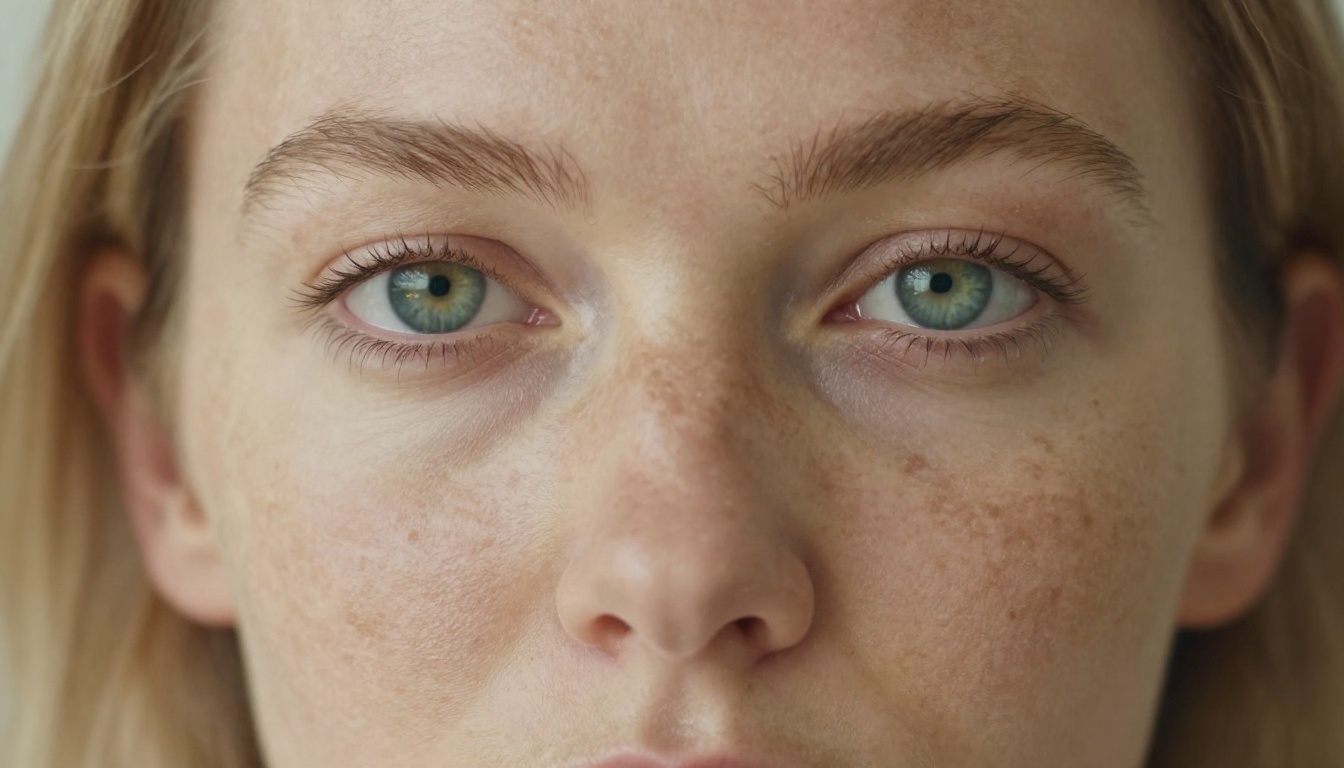
| Model | Skin Texture | Hair Detail | Eye Realism | Portrait Score |
|---|
| Nano Banana Pro | 9.5/10 | 9.2/10 | 9.4/10 | 9.4 |
| Seedream 5.0 | 8.8/10 | 8.9/10 | 9.0/10 | 8.9 |
| FLUX.2 Max | 9.0/10 | 9.1/10 | 8.7/10 | 8.9 |
Landscapes and Architecture
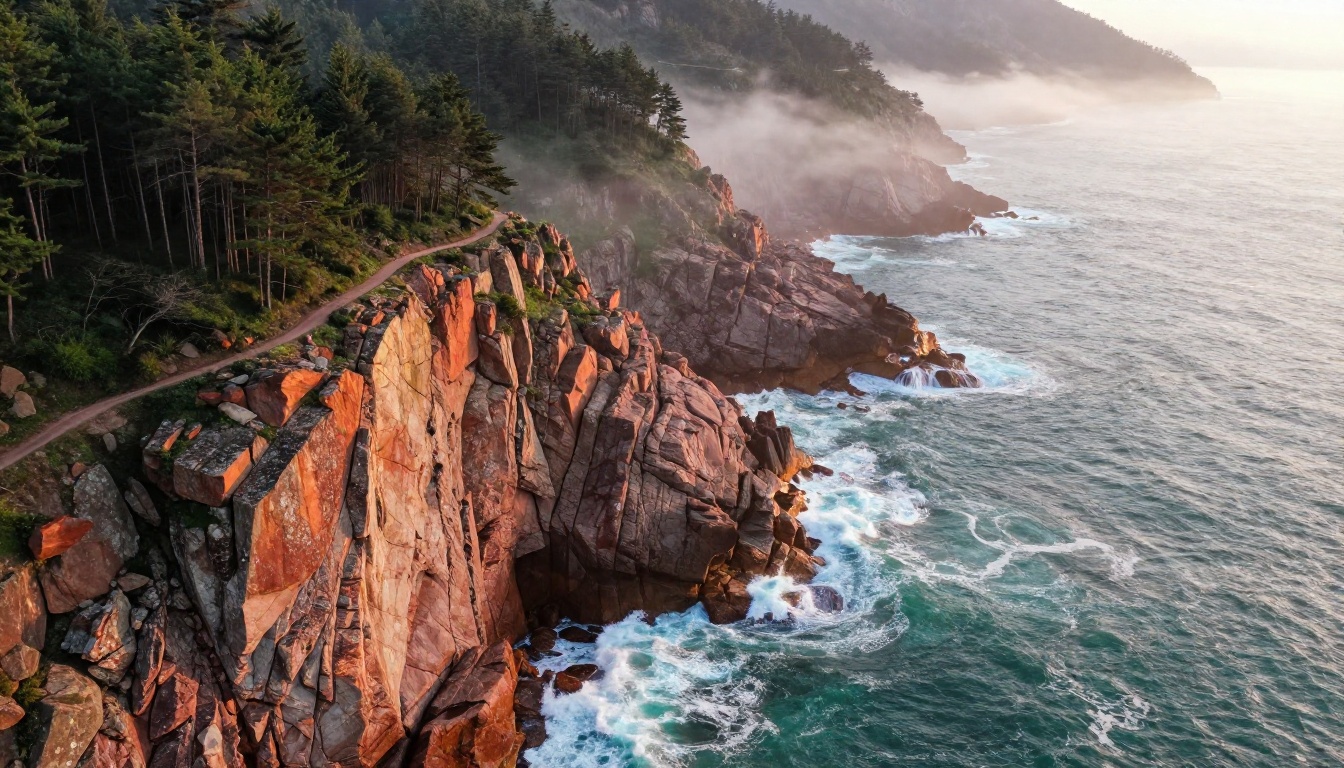
This is where FLUX.2 Max pulls ahead. Architecture, interior spaces, and aerial geography rely on geometric precision that FLUX.2 Max delivers consistently. Stone textures hold at pixel level. Windows in a building facade stay uniform in size. Shadows follow the correct angle throughout a scene without drift.
Seedream 5.0 produces stunning atmospheric landscape photography. The model's strength in mood lighting means sunrise and dusk scenes look genuinely cinematic. However, when architectural geometry enters the frame, slight perspective inconsistencies can appear at the edges of wide compositions.
Nano Banana Pro handles landscapes competently but does not match Seedream 5.0 in atmospheric quality or FLUX.2 Max in geometric precision. It sits comfortably in the middle, producing reliable results without standout moments.
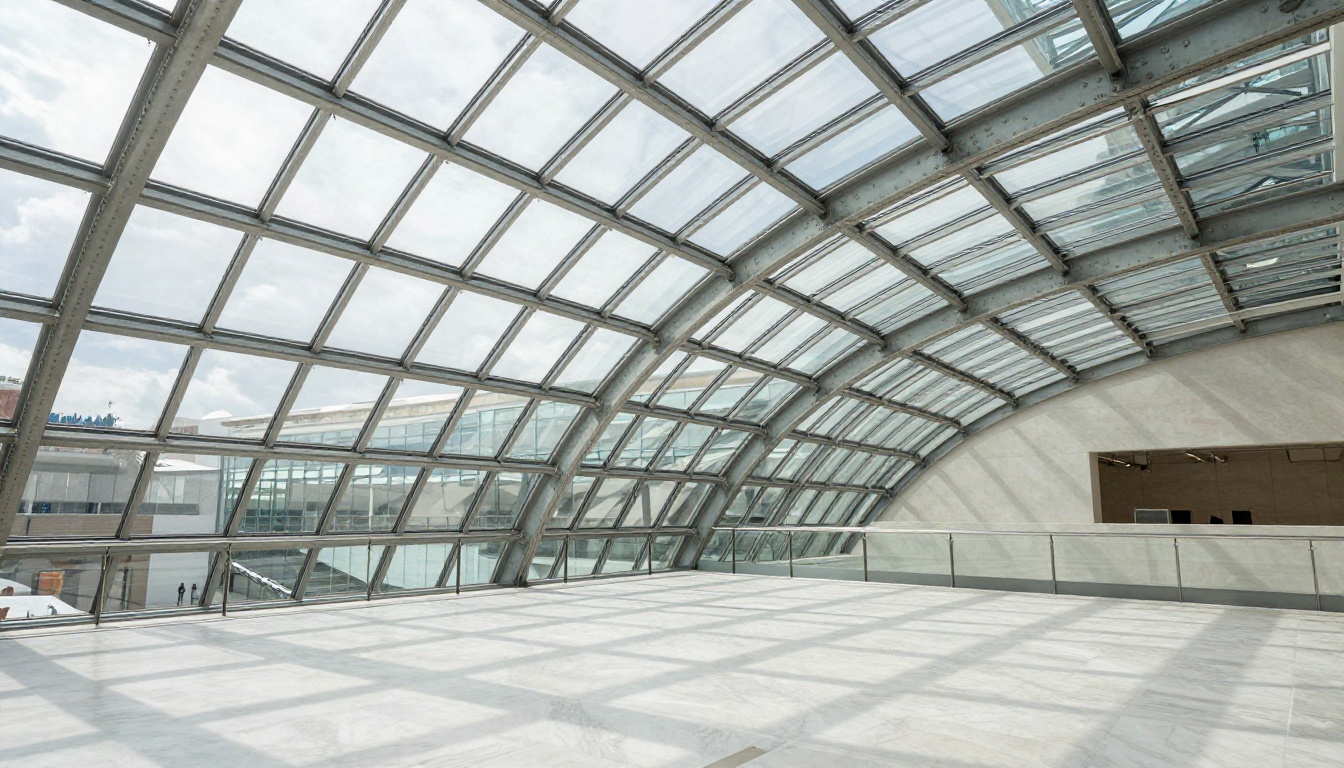
| Model | Atmosphere | Geometric Accuracy | Texture Detail | Landscape Score |
|---|
| Nano Banana Pro | 8.5/10 | 8.6/10 | 8.9/10 | 8.7 |
| Seedream 5.0 | 9.6/10 | 8.3/10 | 8.8/10 | 8.9 |
| FLUX.2 Max | 8.7/10 | 9.7/10 | 9.5/10 | 9.3 |
Fashion and Editorial Work
Fashion photography requires models to handle fabric texture, body proportion, pose authenticity, and lighting simultaneously. Seedream 5.0 and Nano Banana Pro perform best here.
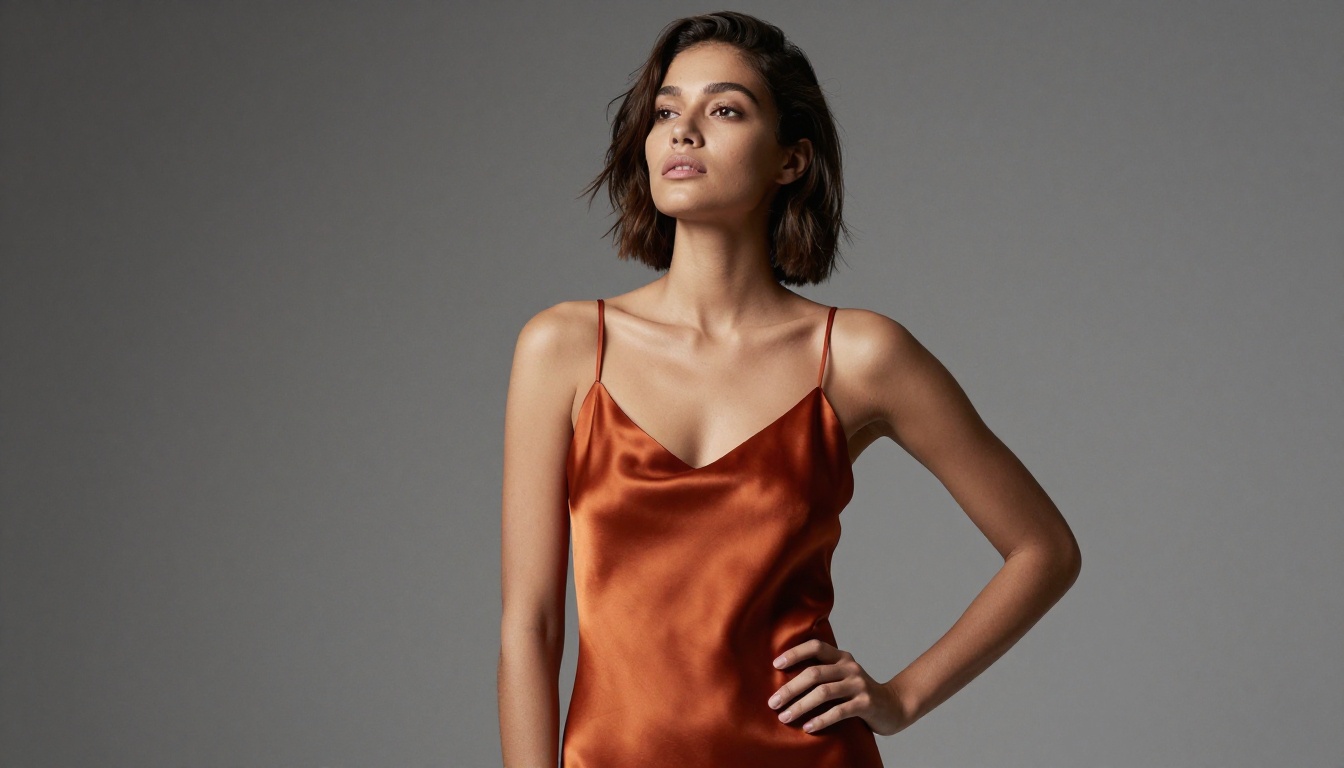
Seedream 5.0 brings natural color grading and cinematic light that elevates fashion content to editorial quality. The color richness in fabrics, particularly satin and silk, is exceptional. Nano Banana Pro handles the skin-to-clothing boundary better, the zone where fabric meets skin often exposes a model's limitations through artifacts or smearing. Nano Banana Pro avoids this consistently.
FLUX.2 Max produces the most technically accurate clothing folds and drape physics, but the output can feel cold for lifestyle or fashion use cases where warmth and personality matter more than technical precision.
Prompt Adherence: Who Follows Instructions Best?
Simple vs. Complex Prompts
For short prompts under 20 words, all three models perform comparably. Differences emerge with long, structured prompts that specify lens, lighting direction, subject action, and background simultaneously.
FLUX.2 Max wins on technical prompt adherence. If your prompt says "17mm tilt-shift lens, vertical perspective correction, overcast daylight," FLUX.2 Max will follow those instructions more precisely than the others. This makes it the preferred choice for professional workflows where output predictability matters.
Seedream 5.0 interprets prompts more creatively, sometimes producing a more beautiful image than what was literally described, but deviating from specific technical requirements. This is excellent for creative exploration and less ideal for precise commercial briefs.
Nano Banana Pro sits between the two in predictability. It follows compositional and subject instructions reliably but interprets lighting conditions with some creative latitude, occasionally producing warmer or more dramatic light than the prompt specifies.
Text Rendering in Images
None of the three models reliably renders multi-word text in images. For single short words under 5 letters, FLUX.2 Max performs best, with clean letterforms and consistent character spacing. Seedream 5.0 and Nano Banana Pro struggle with legible text beyond a single word.
💡 Practical note: If you need text in images, pair any of these models with an inpainting workflow. PicassoIA's Flux Fill Pro is ideal for adding clean text overlays after initial generation.
Speed and Cost Per Generation
The fastest model of the three is Seedream 5 Lite, reflecting ByteDance's focus on inference efficiency alongside quality. On PicassoIA infrastructure, typical generation times break down like this:
| Model | Average Generation Time | Resolution Ceiling |
|---|
| Nano Banana Pro | 8-12 seconds | 4K |
| Seedream 5.0 Lite | 5-8 seconds | 2K |
| FLUX.2 Klein 9B | 12-18 seconds | 4K+ |
Speed matters in iterative workflows where you run 20-30 prompt variations before settling on the right composition. Seedream 5 Lite's advantage compounds across large creative sessions. If you are generating hundreds of images for a batch content project, the time difference per image adds up to hours over a full workday.
💡 Workflow tip: Use Seedream 5 Lite for rapid draft iterations to find the right composition and mood, then switch to Nano Banana Pro or FLUX.2 Klein 9B for the final high-resolution render.
How to Use These Models on PicassoIA
All three models are accessible directly from the PicassoIA platform without any local setup, API management, or hardware investment.
Running Nano Banana Pro
Open Nano Banana Pro on PicassoIA and enter your prompt in the text field. For best results with portraits:
- Specify the camera lens and aperture ("85mm f/1.4")
- Describe the light source direction ("warm morning light from the left")
- Include a film stock reference ("Kodak Portra 400 grain")
- Add your subject's specific physical details, clothing material, and environment
The model responds well to granular physical descriptions. The more specific the prompt, the more the model's strength in micro-texture rendering activates.
Running Seedream 5 Lite
Seedream 5 Lite shines for atmospheric work. Write prompts that lead with the mood and lighting condition, then describe the subject:
- Open with the time of day and weather ("blue hour, light rain, wet pavement reflections")
- Follow with the subject and their positioning in the scene
- Close with the compositional angle and any film or lens reference
For creative iteration, Seedream 5 Lite's speed lets you run many variations quickly. Use it to find the right composition before switching to a slower, higher-resolution model for the final render.
Using FLUX.2 Variants
For FLUX.2 Klein 9B and FLUX.2 Klein 4B, these models accept LoRA weights which let you fine-tune output style without changing the base model. This is valuable for brand consistency across a series of generated images. You can also pair them with Flux Schnell LoRA for rapid draft iterations before committing to the full 9B render.
💡 Pro tip: For FLUX.2, front-load technical specifications at the start of your prompt. The model prioritizes the first 60-80 tokens for compositional decisions, so placing camera specs, lighting direction, and subject position early improves adherence significantly.
Also useful in combination with FLUX.2 is Flux Krea Dev, which strips out the typical AI look and produces images that feel more organic and less generated.
Real-World Use Cases
Social Media Content
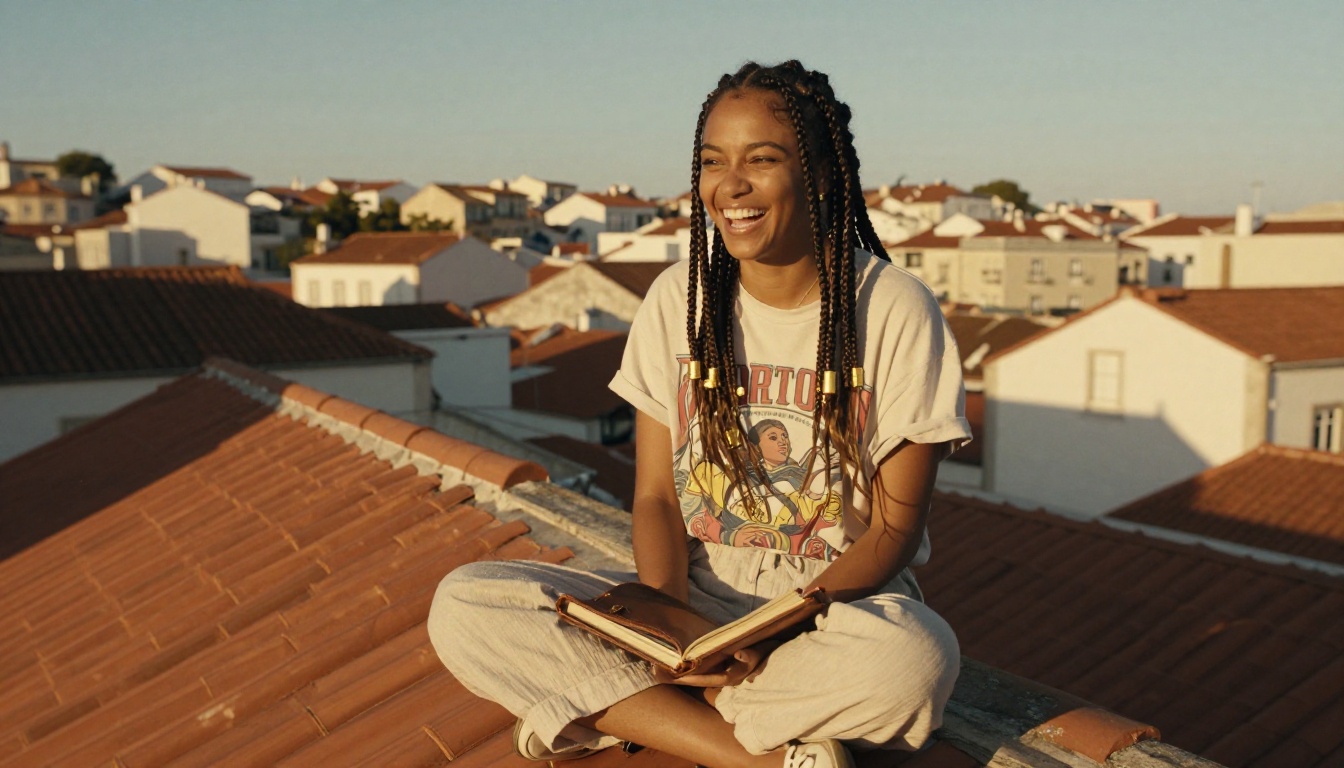
For Instagram-style lifestyle content and social media visuals, Seedream 5.0 and Nano Banana Pro are the most useful options. Their output has the warm, relatable quality that resonates on content feeds, with natural lighting and authentic-feeling candid compositions that do not read as AI-generated to most audiences.
FLUX.2 Max's clinical precision tends to produce images that read as stock photography rather than organic content, which works against the casual aesthetic most social media platforms reward.
Best model for social content: Seedream 5.0 for speed and mood. Nano Banana Pro for portrait-heavy content requiring skin realism.
Commercial Photography Replacement
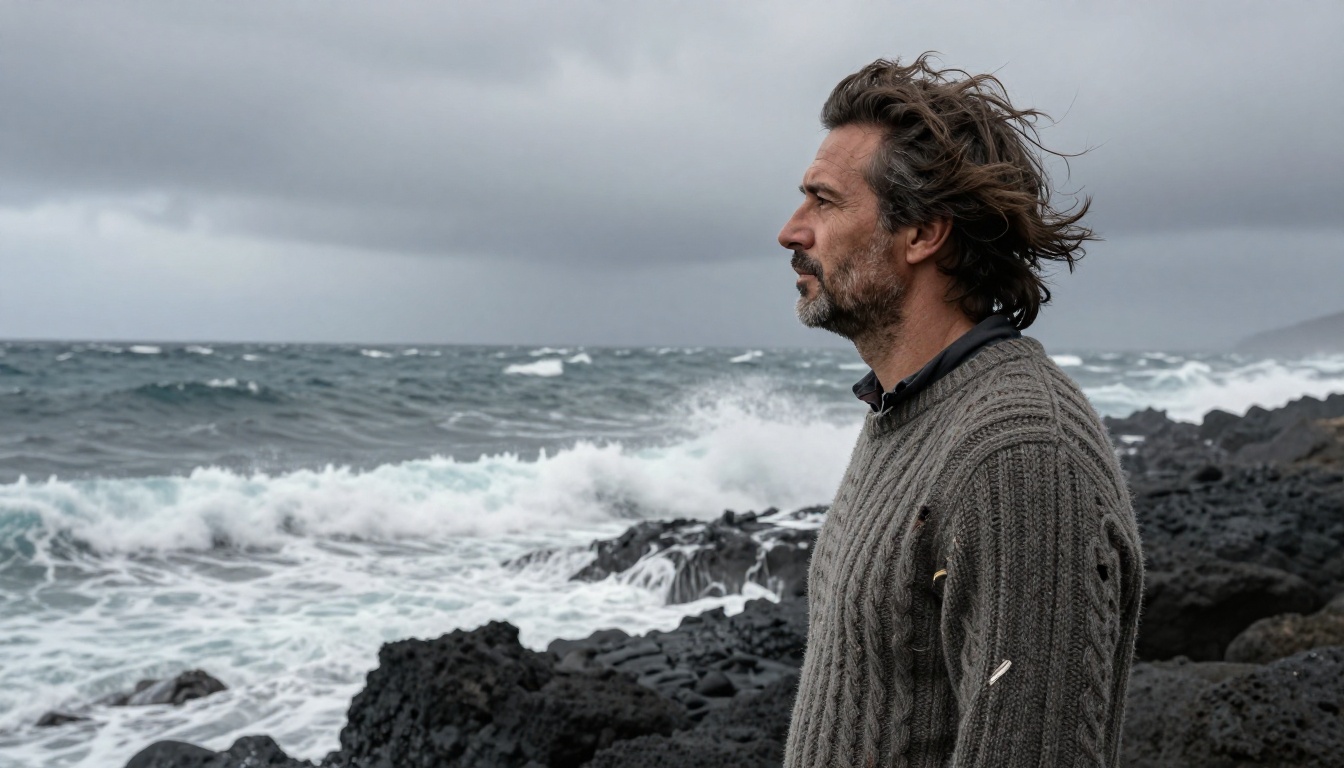
For product catalog images, brand visuals, and commercial photography use cases, FLUX.2 Max is the strongest choice. The model's geometric accuracy and detail precision produce images that meet commercial photography standards, particularly for hard-goods categories like furniture, appliances, and architecture.
For food photography and lifestyle product shots, Nano Banana Pro delivers rich textures that photograph well in both digital and print contexts.
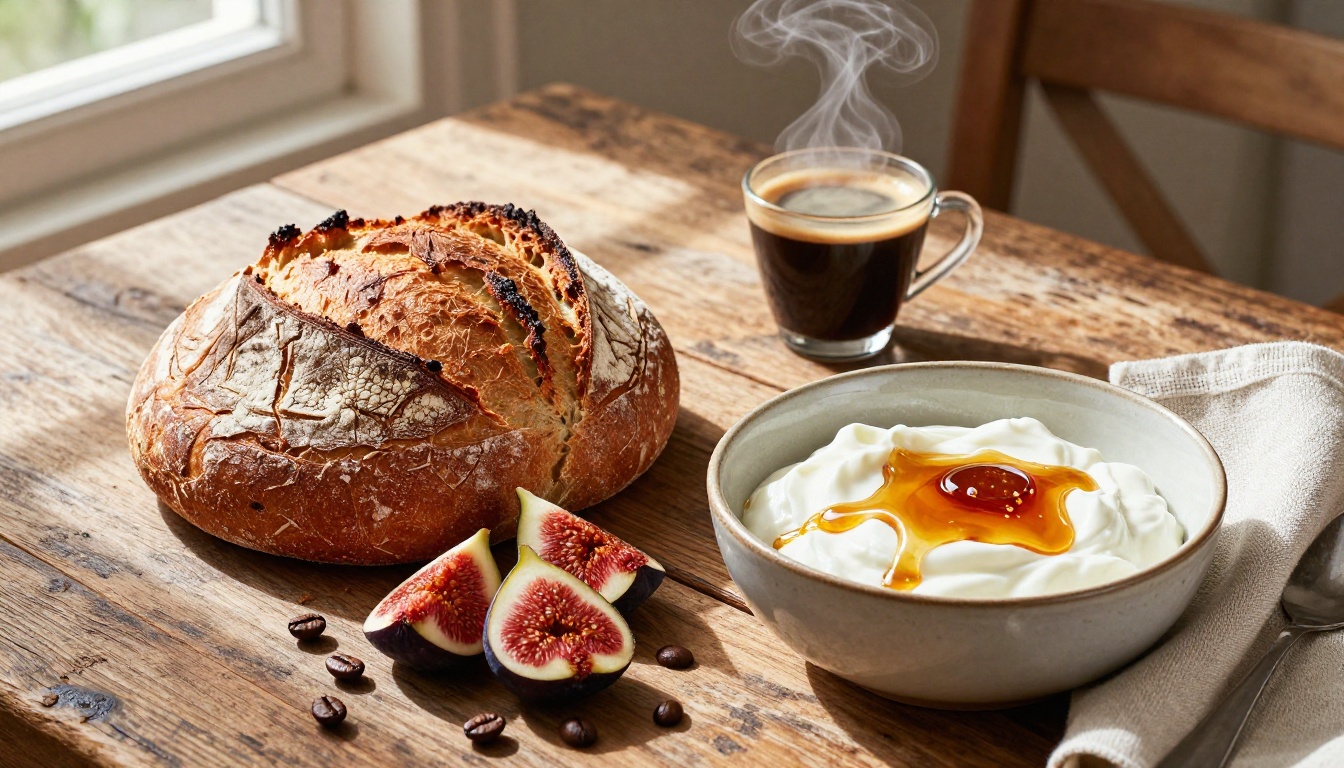
Best model for commercial work: FLUX.2 Max for hard-goods and architecture. Nano Banana Pro for food, lifestyle, and portrait-driven commercial content.
Upscaling and Post-Processing
After generating with any of these three models, the PicassoIA platform includes super-resolution tools for pushing images to even higher resolutions. If you generated at 2K with Seedream 5 Lite for speed, you can upscale to 4K without regenerating the entire image. This workflow, fast draft at lower resolution followed by AI upscaling, is often more efficient than running the 4K model directly for every iteration.
The Real Winner Depends on Your Work
There is no single best model across all use cases. The right pick depends on what you are actually making.
Choose Nano Banana Pro when portrait quality and human skin realism are the primary requirements. It produces the most convincing human subjects, with micro-detail in skin, hair, and fabric that reads as genuinely photographic rather than algorithmically generated.
Choose Seedream 5.0 when atmospheric quality, cinematic lighting, and generation speed matter most. For high-volume creative workflows and any content involving complex lighting scenarios, moody environments, or lifestyle photography, Seedream 5.0's combination of speed and aesthetic quality is hard to beat.
Choose FLUX.2 Max when geometric accuracy, technical prompt adherence, and LoRA fine-tuning are priorities. Architecture, product photography, and brand-consistent image series are where this model justifies its longer inference time.
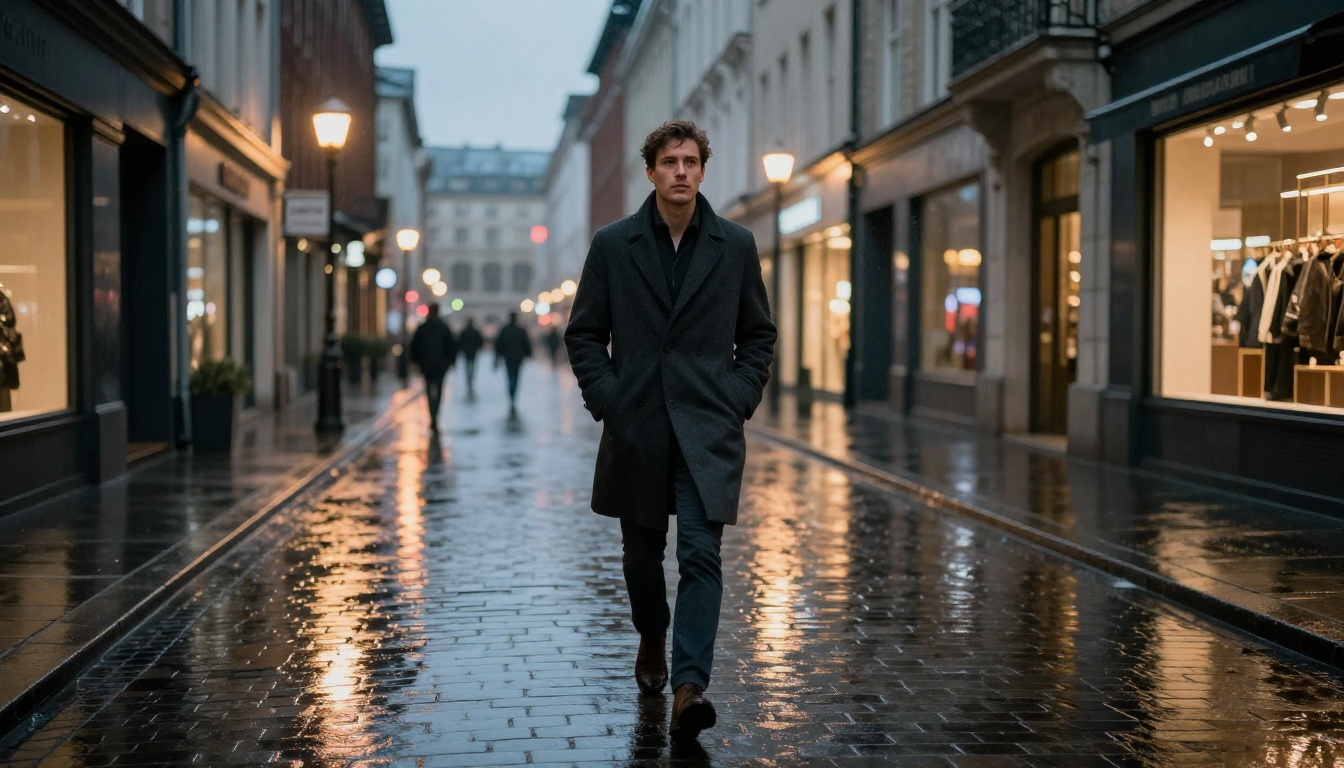
All three models are available right now on PicassoIA. The best way to settle the question for your specific workflow is to run the same prompt through each one and compare outputs side by side. The differences are immediately visible, and after two or three test generations you will have a clear sense of which model fits your creative style. You can also use PicassoIA Image Editor Pro for unlimited generation sessions if you want to run extensive comparison tests without worrying about credit limits, or try PicassoIA Image as a starting point before committing to a specific model family.


