Mood is the invisible conductor of every great track. When you tell an AI music generator "make me something chill," you get generic output. When you describe the specific emotional texture, the instrumentation, the tempo, and the feeling you're chasing, you get something that actually resonates. That gap between a forgettable track and one you want to replay is almost always a prompt problem. Below are 50+ battle-tested prompts for AI music that fits your mood, organized by emotional state, plus a framework for writing your own.
Why Your Prompt Decides Everything
AI music generators like MiniMax Music 2.6, Google Lyria 3 Pro, and ElevenLabs Music read your prompt as their entire creative brief. These models can generate full songs with vocals, instrumentals, mood-specific soundscapes, and genre-accurate arrangements. But they have no context beyond what you give them.
A weak prompt produces a weak track. A specific, emotionally loaded prompt produces music that feels intentional and personal.
The 3 Pillars of a Strong Music Prompt
Every high-performing music prompt contains three elements working together:
- Emotional tone: What feeling does this music need to carry? (melancholic, triumphant, anxious, peaceful)
- Genre and instrumentation: What sounds belong in this world? (lo-fi piano, orchestral strings, trap hi-hats, acoustic guitar fingerpicking)
- Tempo and energy level: How fast or slow? How loud or quiet? (slow 70 BPM, driving 140 BPM, sparse and minimal, dense and layered)
When all three are present, the AI has a complete picture. When any one is missing, it fills the gap with a generic default.
💡 Think like a film composer: A director doesn't say "make it sad." They say "strings only, no percussion, 60 BPM, the feeling of watching someone walk away in slow motion." That level of specificity is what separates a memorable track from a forgettable one.
Common Mistakes That Kill Your Track
| Mistake | What Happens | Fix |
|---|
| Too vague ("relaxing music") | Generic lo-fi, no character | Add genre, tempo, and specific instruments |
| Conflicting tone signals | Model averages them, flat result | Choose one dominant mood |
| No lyric direction | Vocals feel random and off-topic | Add "lyrics about [theme]" or "instrumental only" |
| Missing era reference | Timeless but characterless | Add "in the style of early 2000s R&B" |
| Single adjective only | Minimal, uninspired output | Use 8-10 descriptors minimum |
Sad and Reflective Moods
Sad music is some of the most-streamed content in the world because it validates emotion. The right prompt here leans into specificity: not just "sad," but which kind of sad. Heartbreak, nostalgia, quiet grief, and melancholic reflection all call for different instrumentation and tempo. Being precise about the type of sadness is what makes the output feel personal rather than generic.
Prompts for Heartbreak and Loss
These work well with ElevenLabs Music and MiniMax Music 2.6:
-
"Slow indie folk ballad, 58 BPM, fingerpicked acoustic guitar, female vocalist with a slightly cracked voice on the high notes, lyrics about saying goodbye at an airport, A minor, sparse arrangement with cello entering at the chorus, quiet rain ambience underneath the mix"
-
"Minimal piano instrumental, 64 BPM, single upright piano with light reverb, no percussion anywhere, key of A minor, the emotional weight of reading old text messages at midnight, 3-minute runtime, subtle vinyl crackle throughout"
-
"Dark alternative pop, 72 BPM, male vocalist with a low raspy timbre, electric guitar with slapback delay, bass-forward mix, lyrics about realizing you were never someone's priority, bridge drops to whispered vocals over a single sustained chord"
-
"Cinematic orchestral piece, 50 BPM, strings-only, absolutely no brass or drums, the sound of quiet grief after a long relationship ends, swells peaking at the 1:30 mark then gradually fading to silence, key of D minor"
-
"Post-rock instrumental, 66 BPM, clean electric guitar arpeggios building slowly over 4 minutes, bass enters at the halfway point, no vocals, the feeling of driving alone at 4 AM on an empty highway, melancholic but not desperate"
Prompts for Nostalgia and Longing
-
"Lo-fi hip-hop beat, 80 BPM, vinyl crackle, warm muffled kick drum, sampled jazz piano loop, the feeling of scrolling through old photos at 2 AM, no lyrics, slightly off-tempo humanized drums, total track length 3 minutes"
-
"Synthwave ballad, 68 BPM, soft analog synth pads, subtle arpeggiated bassline, female vocals with a dreamy reverb tail, lyrics about a summer that felt like it would never end, 1980s analog production aesthetic throughout"
-
"Acoustic singer-songwriter, 74 BPM, open-tuned guitar strumming in waltz time, male voice with textured grain, lyrics about returning to a hometown that no longer feels like home, minimal production, room ambience audible in the recording"
-
"Chamber folk, 62 BPM, acoustic guitar plus solo violin, no rhythm section, lyrics about a person who has been gone so long they feel like a memory rather than a real person, intimate and sparse throughout"
Happy and Uplifting Moods
The trap with happy music prompts is staying surface-level. "Happy pop song" tells the AI almost nothing. The prompts below specify a flavor of joy: celebration, carefree freedom, shared summer energy. That specificity gives the model something concrete to build from.
Prompts for Celebration and Joy
MiniMax Music 2.6 and Google Lyria 3 Pro handle these particularly well:
-
"Upbeat neo-soul track, 98 BPM, full brass section, Rhodes keyboard, tight funk drumming, female lead vocalist with call-and-response backing vocals, lyrics about hitting a personal milestone after years of quiet effort, key of E-flat major, bright and warm mix throughout"
-
"Afrobeats pop crossover, 105 BPM, talking drum, highlife guitar pattern, deep punchy bass, male vocalist switching between English and conversational phrases, the energy of an outdoor gathering just as the sun goes down over water"
-
"Indie pop anthem, 112 BPM, jangly electric guitar, bright piano chords, four-on-the-floor kick, group singalong chorus vocal texture, lyrics about a new beginning after a long period of uncertainty, key of E major, euphoric bridge with rising strings"
-
"Reggaeton-pop, 96 BPM, dembow rhythm, electronic bass with presence, female vocalist in Spanish, catchy melodic hook built for repetition, the feeling of a spontaneous road trip with nowhere specific to be"
Prompts for Summer and Carefree Energy
-
"Tropical house, 122 BPM, marimba lead melody, light steel drum hits, airy female vocal chops processed with reverb, clean punchy sub-bass, the feeling of lying on a pool float with eyes closed to the sun, purely instrumental"
-
"Classic 70s soft rock, 88 BPM, acoustic 12-string guitar, warm electric piano, male harmonies on the chorus, lyrics about freedom and open roads, lush but restrained production with a timeless road-trip quality"
-
"Bossa nova, 76 BPM, nylon string classical guitar, subtle shaker at low volume, breathy female vocals, the feeling of salt air and morning espresso at a sidewalk table, 2:30 runtime, intimate close-mic'd recording atmosphere"
Focus and Deep Work

Music for focus has one job: support concentration without demanding attention. These prompts produce tracks that hold a steady energy state without sudden changes that would pull you out of flow.
💡 The focus rule: No sudden dynamic shifts, no prominent lyrics, no dramatic tempo changes. Consistency across the full runtime is the single most important characteristic.
Prompts for Deep Concentration
Stability AI Stable Audio 2.5 and Google Lyria 3 handle long-form instrumental focus tracks particularly well:
-
"Minimal ambient electronic, 90 BPM, soft sine wave pads, gentle arpeggiated synth in the background at low volume, no percussion of any kind, the aural equivalent of an empty library at noon, 10-minute loopable structure, no dynamic variation above 20%"
-
"Lo-fi study beats, 85 BPM, warm tape-saturated piano, subtle vinyl crackle, brushed snare extremely low in the mix, jazz chord progressions that never resolve into drama, no lyrics, the quiet afternoon of a half-empty café"
-
"Evolving ambient drone, tempo-free, two sustained pad layers shifting imperceptibly over time, no melody, no rhythm, no lyrics, designed to run for 90 minutes without any disruptive element emerging"
-
"Generative piano ambient, slow rotating chords at 70 BPM, no melody line, just open voicings that leave space in the upper register, the musical equivalent of a blank page waiting for thought"
Prompts for Late-Night Productivity
-
"Dark minimal techno, 118 BPM, stripped-back kick and closed hi-hat only, light industrial texture underneath everything, no melody, just rhythmic structure and deliberate negative space, the feeling of being the only person awake in a building at 3 AM"
-
"Atmospheric trip-hop, 80 BPM, muffled distant beats, sparse electric piano chords, abstract found-sound samples at very low volume, zero lyrics, the mental state of solving a difficult problem slowly and methodically"
Calm and Meditative States
Meditation and calm music live at the intersection of music and sound design. The prompts below push toward soundscapes rather than songs, where the absence of tension is itself the primary creative element.
Prompts for Meditation and Breathwork
-
"Tibetan singing bowl ambience with a slow drone underneath, no tempo, fades in over 30 seconds, pure sustained resonance, light field recording of wind and distant birds woven in at low volume, 20-minute meditation track with no climax"
-
"Healing ambient piece, 432 Hz tuning, soft flute melody over long sustained strings, nature sounds layered throughout, stream and birdsong at low volume, tempo-free, flowing and breath-like in its natural rhythm"
-
"Yoga background music, 60 BPM, sitar drone as the foundation, acoustic handpan at very low volume providing texture, no climax or build whatsoever, consistent calm energy maintained across a 15-minute runtime"
-
"Binaural ambient soundscape, slow evolving pads with no sharp attacks, frequency range kept in the 200-800 Hz zone for maximum calm, field recordings of ocean waves underneath, 30-minute continuous track"
Prompts for Sleep and Rest
MiniMax Music 1.5 handles extended ambient and sleep-oriented tracks with steady, non-disruptive output:
-
"Sleep ambient track, extremely slow evolving synth drone, no melody, no rhythm, no percussion, pure continuous tone that shifts imperceptibly over 30 minutes, nothing that could pull conscious attention, designed for deep rest"
-
"Soft acoustic lullaby, solo female voice with light acoustic guitar only, no drums, no bass, 50 BPM, 3-minute runtime, lyrics about calm and rest, designed for adults winding down after a long and difficult day"
-
"Rain and piano sleep soundscape, genuine rain recording layered with soft piano notes in a pentatonic scale, no discernible rhythm, notes chosen for consonance and zero harmonic tension, infinite-feel looping structure"
High Energy and Workout
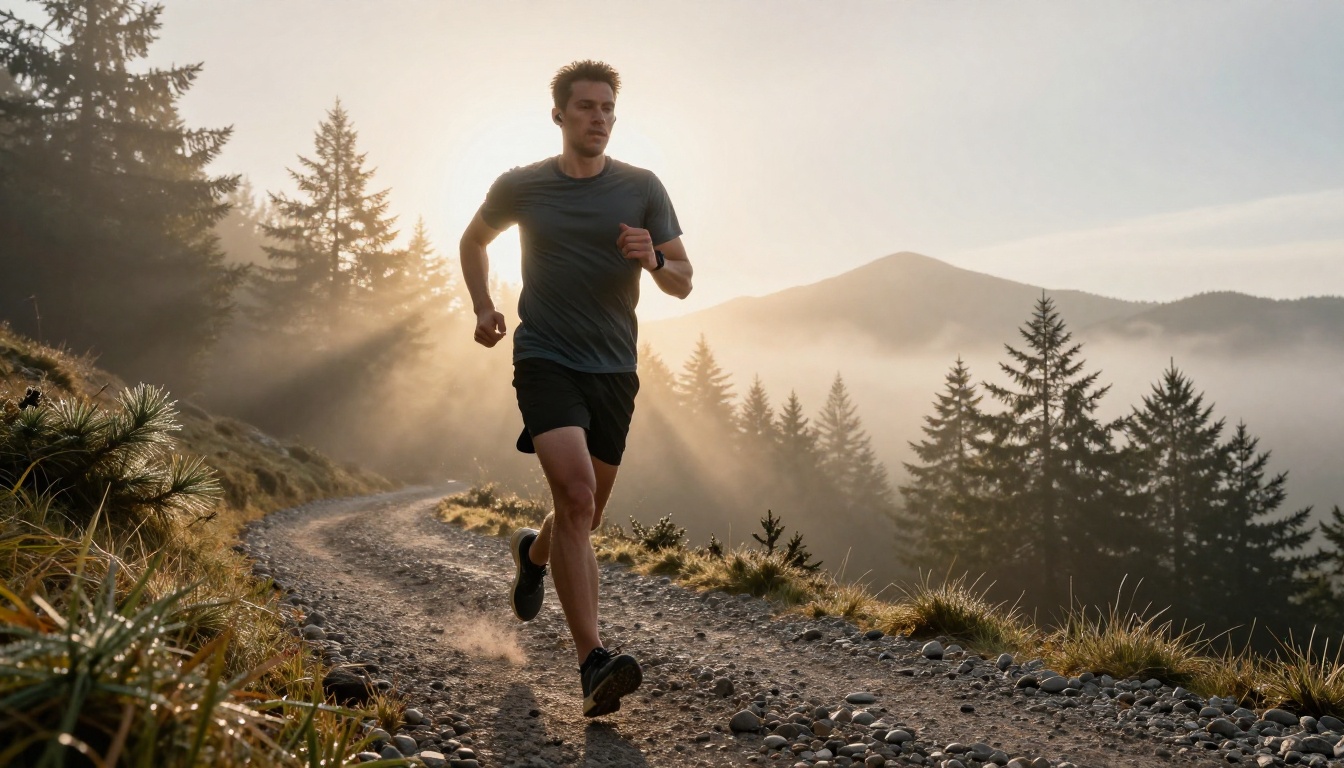
The mistake most people make with workout prompts is focusing only on BPM. Tempo matters, but texture, emotional aggression, and rhythmic relentlessness matter just as much. A 128 BPM pop track and a 128 BPM industrial techno track have identical tempo but completely different psychological effects on physical performance.
Prompts for Running and Cardio
-
"High-energy electronic pop, 128 BPM, punchy four-on-the-floor kick, side-chained bass that pulses on every beat, female vocal hook on the chorus, the feeling of running faster than you thought you could, key of F-sharp major, relentless forward momentum from the first second"
-
"Drum and bass, 174 BPM, heavy reese bass, rolling amen break variation, no vocals anywhere, pure kinetic energy, dark undertone to the pads underneath, designed for interval sprint training where you need to push through discomfort"
-
"Hip-hop workout track, 105 BPM, 808 kick with presence, snappy snare on the 2 and 4, motivational male hook about pushing through the last rep, hard-hitting brass stab on the drop, aggressive and driving energy from start to finish"
Prompts for Strength Training and Intensity
-
"Metal-influenced electronic, 140 BPM, distorted synth bass as the primary texture, aggressive arpeggiated riff cycling every 4 bars, no lyrics, industrial percussion hitting hard, the psychological intensity of maximum effort on a final heavy set"
-
"Dark hip-hop, 95 BPM, cinematic orchestral samples flipped over trap drums, no hook, relentless verse energy throughout the full track, the focus of training alone in a cold gym before the sun comes up"
-
"Breakbeat industrial, 132 BPM, broken kick pattern with heavy snare transients, distorted bass layer underneath, no melodic content, pure rhythmic aggression, the sound of controlled physical exertion at its limit"
Social and Celebratory
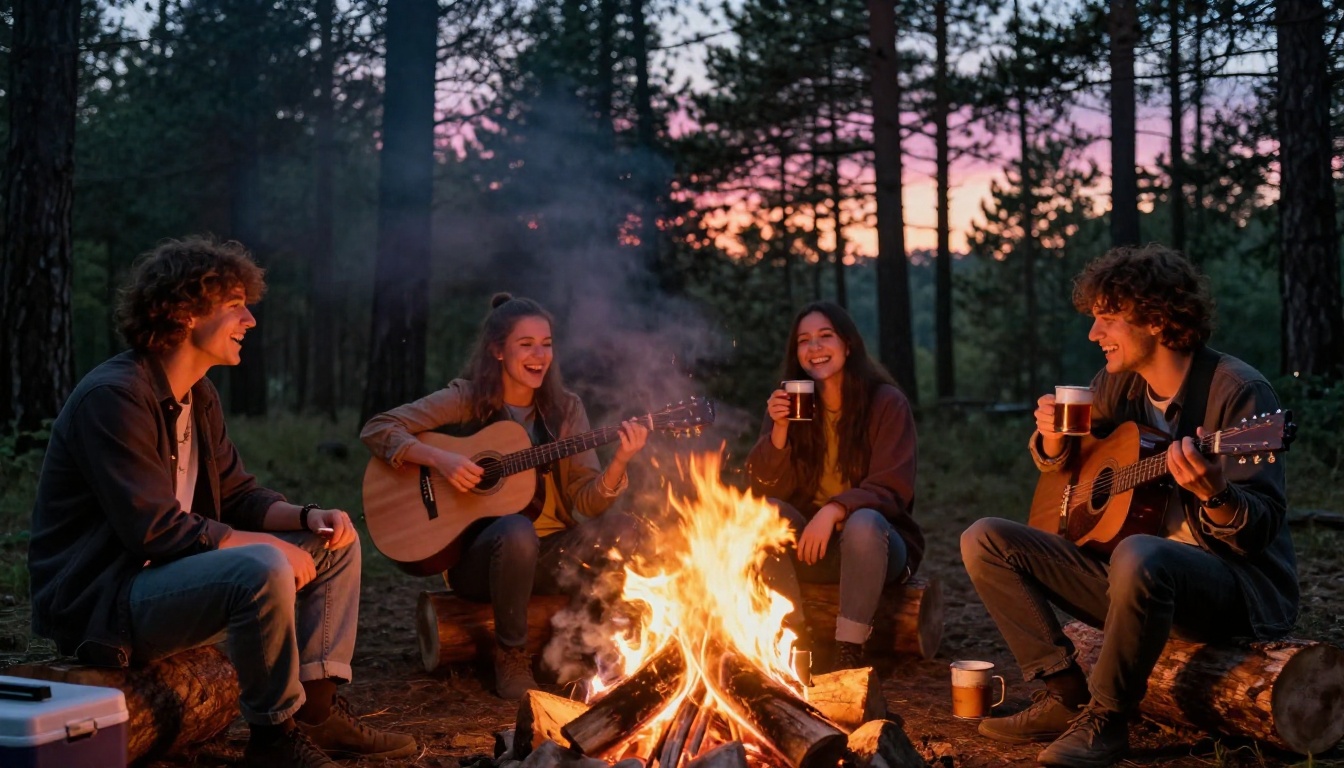
Prompts for Parties and Gatherings
MiniMax Music 2.6 and Music Cover by MiniMax are strong choices for party tracks. Music Cover lets you restyle an existing song by genre, which is useful for creating familiar-feeling party music with a fresh arrangement:
-
"House music, 124 BPM, classic 4/4 kick, deep bass groove, female vocal sample on the off-beat, the energy of a rooftop party at midnight, lush chord stabs, build and release structure across 5 full minutes"
-
"Indie folk party track, 104 BPM, acoustic guitar strumming on every beat, handclaps on 2 and 4, group chorus vocals with natural room reverb, the spontaneous energy of people singing together outdoors around a fire, key of G major, anthemic and warm"
-
"Cumbia-pop, 98 BPM, accordion melody as the hook, percussion-forward with congas prominent, dual Spanish vocals male and female trading lines, the sound of a backyard summer gathering at its peak, bright and warm production"
Prompts for Romantic Evenings
-
"Jazz ballad, 56 BPM, walking upright bass pattern, brushed snare extremely soft, muted trumpet as the lead melody voice, intimate room sound with natural reverb, the mood of a candlelit dinner for two in a small restaurant"
-
"Contemporary R&B, 78 BPM, smooth electric guitar lick cycling every 4 bars, warm bass with presence, male falsetto vocal, lyrics about closeness and being fully present with someone, key of B-flat major, soft and sensual"
-
"Acoustic neo-soul, 72 BPM, fingerpicked guitar, soft brushed drums barely audible, female voice close-mic'd with minimal processing, the intimacy of a late-night conversation that becomes something more"
How to Use These Prompts on PicassoIA
PicassoIA has 10 dedicated AI music generation models, each built for different creative goals. Choosing the right one for your mood cuts the number of generation attempts you need and improves output quality from the first try.
Pick the Right Model for Your Mood
Step-by-Step With MiniMax Music 2.6
- Go to MiniMax Music 2.6 on PicassoIA
- In the prompt field, paste one of the prompts from the section that matches your current mood
- Set your preferred track length (most models support 30 seconds to 3 minutes per generation)
- If lyric input is supported, add your thematic direction or leave it blank for an instrumental
- Generate and evaluate the first result. If the tempo feels off, add "strictly at [X] BPM" to the next attempt
- For longer tracks, generate a second segment and specify "continuation of the same key, tempo, and energy as the previous section" to maintain coherence
💡 Cross-model testing: Google Lyria 3 handles genre hybrids particularly well. If you want something sitting between two styles ("jazz meets lo-fi hip-hop"), run the same prompt through Lyria and compare it against MiniMax Music 2.5. Hearing how two models interpret the same emotional brief is one of the fastest ways to sharpen your prompting instincts.
What Separates Good from Exceptional
Most people plateau at "good" prompts because they describe only the music. Exceptional prompts describe the experience the music should create. There is a significant difference between those two approaches.
Compare these two prompts side by side:
Basic: "Sad piano music in minor key"
Exceptional: "Solo upright piano, key of F minor, 60 BPM, the emotional register of watching the last guest leave a party you didn't want to end, no sustain pedal overuse, dry close-mic'd recording with natural room presence, an occasional small imperfection in the timing to feel human rather than programmed"
The second version gives the AI:
- A specific instrument with a recording style attached
- A musical key and a tempo
- An emotional narrative anchor that is a scene, not just an adjective
- A performance character detail that affects the final feel
- A production note (dry recording)
That specificity is what changes the output from passable to personal.
The Emotional Anchor Technique
Instead of using feeling adjectives alone, describe a scene or moment that carries that feeling:
- Instead of "nostalgic": "the feeling of finding an old mixtape under the bed in a childhood bedroom"
- Instead of "anxious": "the soundtrack to sitting in a waiting room before difficult news"
- Instead of "triumphant": "the moment a long training sequence peaks before the final match"
- Instead of "lonely": "the sound of eating dinner alone in an apartment where two people used to live"
- Instead of "peaceful": "the stillness of being the first person awake in a house full of sleeping family"
Scene anchors give AI music models richer context because they imply tempo, dynamics, instrumentation, and arc simultaneously. The model does not need to guess what "nostalgic" means in terms of BPM and chord choice. The scene tells it.
Building Your Own Prompts From Scratch
If none of the 50+ prompts above match exactly what you need, use this structure to build your own:
[Genre] + [BPM] + [Primary instruments] + [Vocal or instrumental] + [Scene or emotional anchor] + [Key or chord quality] + [One production detail] + [Track length or structure note]
For example: "Acoustic folk, 68 BPM, 12-string guitar and harmonica, male vocals, the feeling of driving home after a long trip knowing things are different now, major key but bittersweet, natural room reverb, 3:30 runtime with a key change in the final chorus"
That formula covers every element a model needs to produce something specific and emotionally grounded.
Start Creating Right Now
You have 50+ prompts and a clear framework for writing your own. The next step is not reading more. It is generating your first track.
Go to PicassoIA's AI music generation collection and choose the model from the table above that fits your current mood. Paste one of the prompts from the matching section directly into the prompt field, or use it as a foundation and swap in your own scene anchor for the emotional core. Generate, listen, change one variable, and run it again.
MiniMax Music 2.6, Google Lyria 3 Pro, ElevenLabs Music, and Stable Audio 2.5 each interpret the same prompt differently. Running the same emotional brief through two models and comparing the results is one of the fastest ways to understand what each one does well and find the exact sound you are after.
Your mood deserves music that was built for it specifically. Pick the feeling, find the prompt that names it, and let the AI build the track.


