Two of the most talked-about AI photo models right now are competing for the same workflow slots. Seedream 5.0 from ByteDance and Nano Banana Pro from Google both promise photorealistic image generation, but they take completely different approaches to how they render light, texture, and human subjects. If you have been debating which one to build your creative process around, this is the breakdown that cuts through the noise and gives you the practical answer.
This is not a benchmark with abstract scores. What follows covers the differences that matter when you actually need convincing photos: portrait skin texture, landscape color science, low-light rendering, generation speed, and where each model hits a ceiling. Both are accessible through PicassoIA, which lets you run them side by side without juggling separate API keys or local GPU setups.
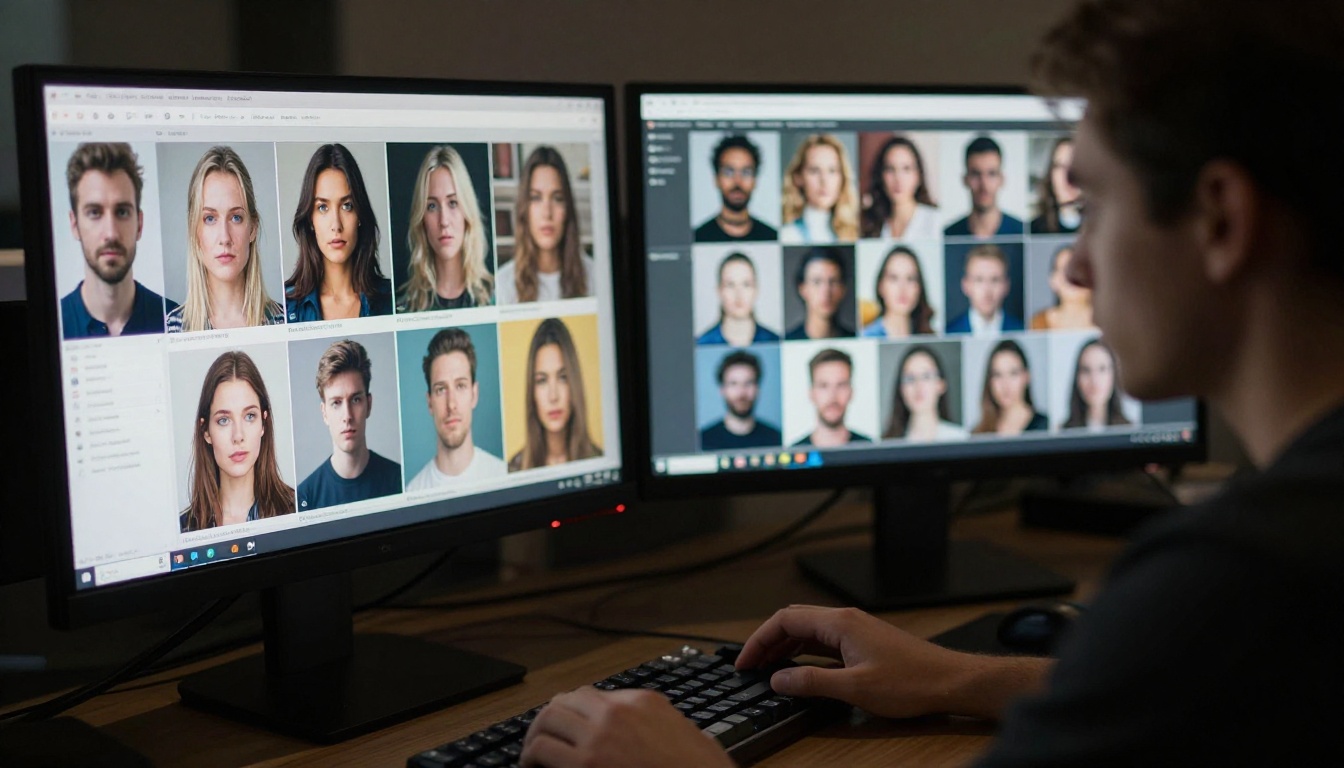
What Each Model Actually Does
Before comparing outputs, it pays to understand the design decisions behind each model. They were built to solve different problems, and that origin shapes every output.
Seedream 5.0 at a Glance
Seedream 5.0 is ByteDance's flagship text-to-image model, succeeding Seedream 4.5 and the earlier Seedream 4. The model was trained on a dataset weighted heavily toward cinematic photography references, which gives it a distinctly warm, filmic quality out of the box. Its core strength is tonal gradients: the transition between highlights and shadows on skin, the way afternoon light wraps around architectural surfaces, the gentle roll-off in bokeh backgrounds.
Seedream 5.0 operates at native 4K resolution and delivers significantly improved prompt adherence over earlier versions. Where Seedream 3 could struggle with complex multi-element compositions, the 5.0 iteration handles layered scenes more reliably. One behavior worth noting: it applies a subtle natural desaturation in deep shadows that reads as analog film rather than digital processing. This is either a feature or a limitation depending on your specific use case.
On PicassoIA, the lightweight variant is available as Seedream 5 Lite for rapid iteration cycles when you want the core aesthetic at faster generation speeds.
Nano Banana Pro at a Glance
Nano Banana Pro is Google's entry into the high-fidelity AI photography space. Where Seedream 5.0 leans cinematic, Nano Banana Pro leans toward clinical precision. It renders crisp edge definition, vivid color saturation, and produces outputs that read more like a modern smartphone's computational photography pipeline at its best: clean, punchy, and technically accurate.
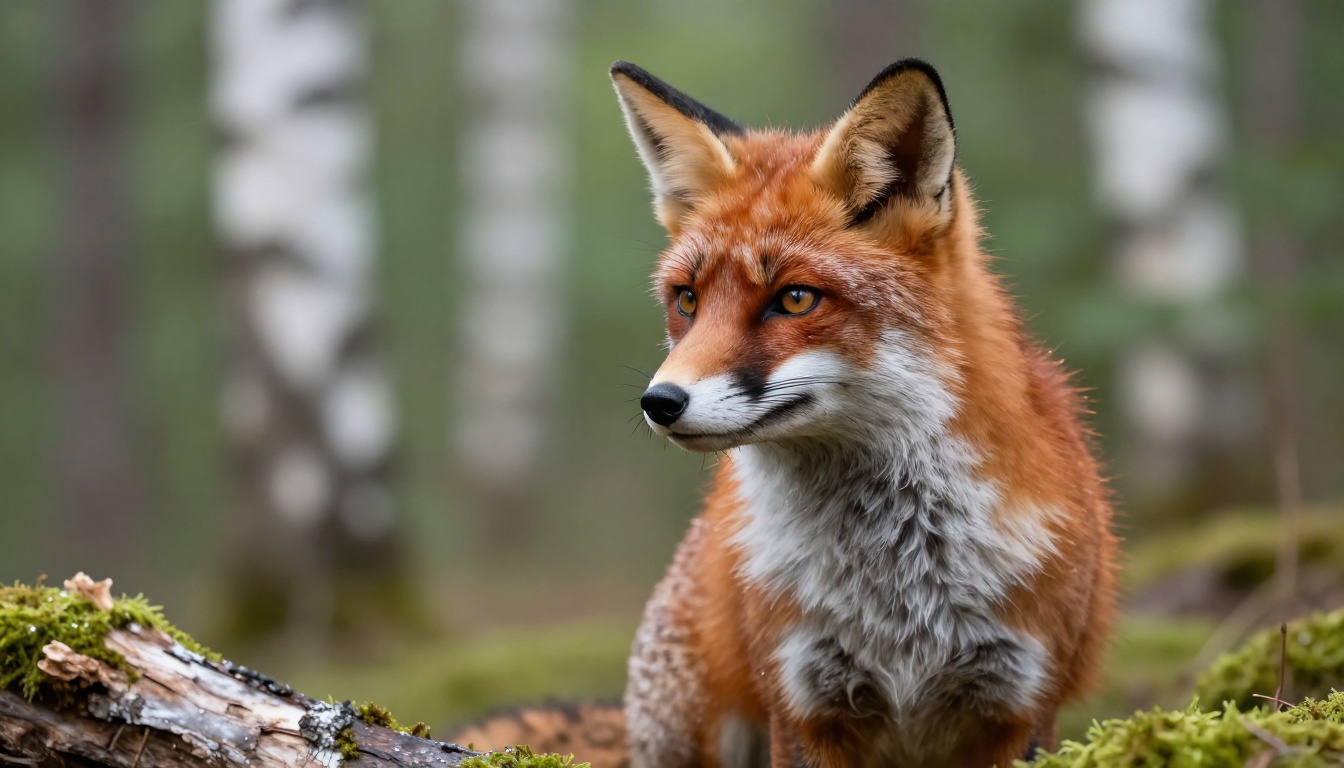
The model's training emphasized diversity across subject matter, scene geometry, and lighting conditions. It handles difficult scenarios including dappled forest light, specular highlights on reflective surfaces, and complex fabric textures with notable accuracy. Nano Banana Pro also benefits from Google's natural language understanding architecture, making it highly responsive to nuanced prompt phrasing.
Compared to earlier Google models like Nano Banana and Nano Banana 2, the Pro version shows substantially improved photorealism in human subjects and complex indoor environments.
Portrait Photography Results
Portraits are where the philosophical differences between these two models emerge most clearly. Each model has a distinct approach to what a convincing human face looks like.
Skin Texture and Facial Detail
Seedream 5.0 renders skin with what photographers call micro-frequency detail: pores, fine hair strands, and subtle surface variations are present but never aggressive. The model seems to understand that well-photographed skin is slightly imperfect, with gentle tonal variation rather than uniform color maps. A portrait from Seedream 5.0 typically looks like it was shot on Kodak Portra 400 at f/1.8: subject-sharp with creamy background separation, warm skin tones with just enough green-teal in the shadows to feel convincingly real.
Nano Banana Pro renders skin with higher frequency texture: more visible pores, sharper hair detail, stronger micro-contrast between skin tones. This produces portraits that look sharper at 100% zoom, but can feel slightly over-processed compared to Seedream's more natural rendering. In perfect studio lighting conditions, Nano Banana Pro's portrait detail is genuinely impressive. In softer, ambient light scenarios like window light or overcast outdoor shooting, Seedream 5.0 consistently produces more flattering and believable results.
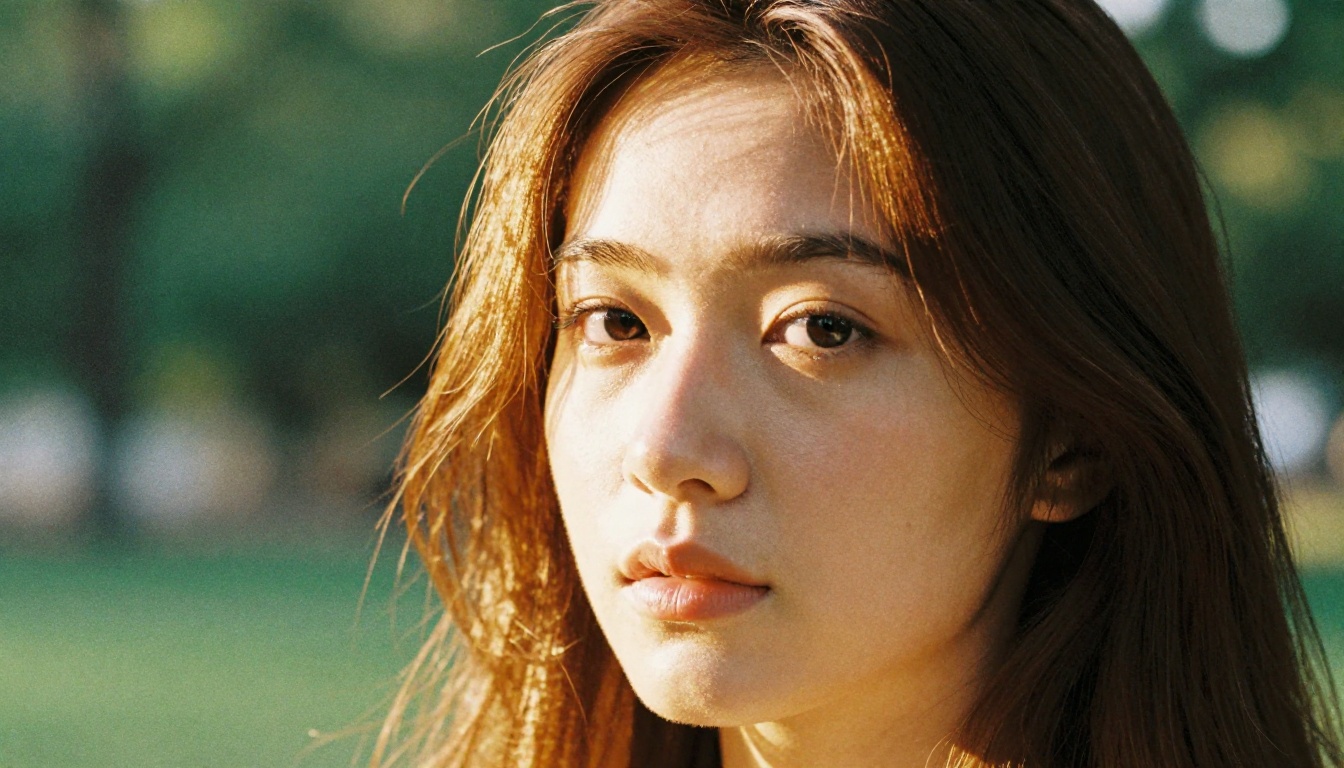
💡 For commercial portraits requiring clinical sharpness, Nano Banana Pro wins on detail. For editorial portraits with a natural, filmic look, Seedream 5.0 has the edge on tonal quality.
Expression and Lighting Accuracy
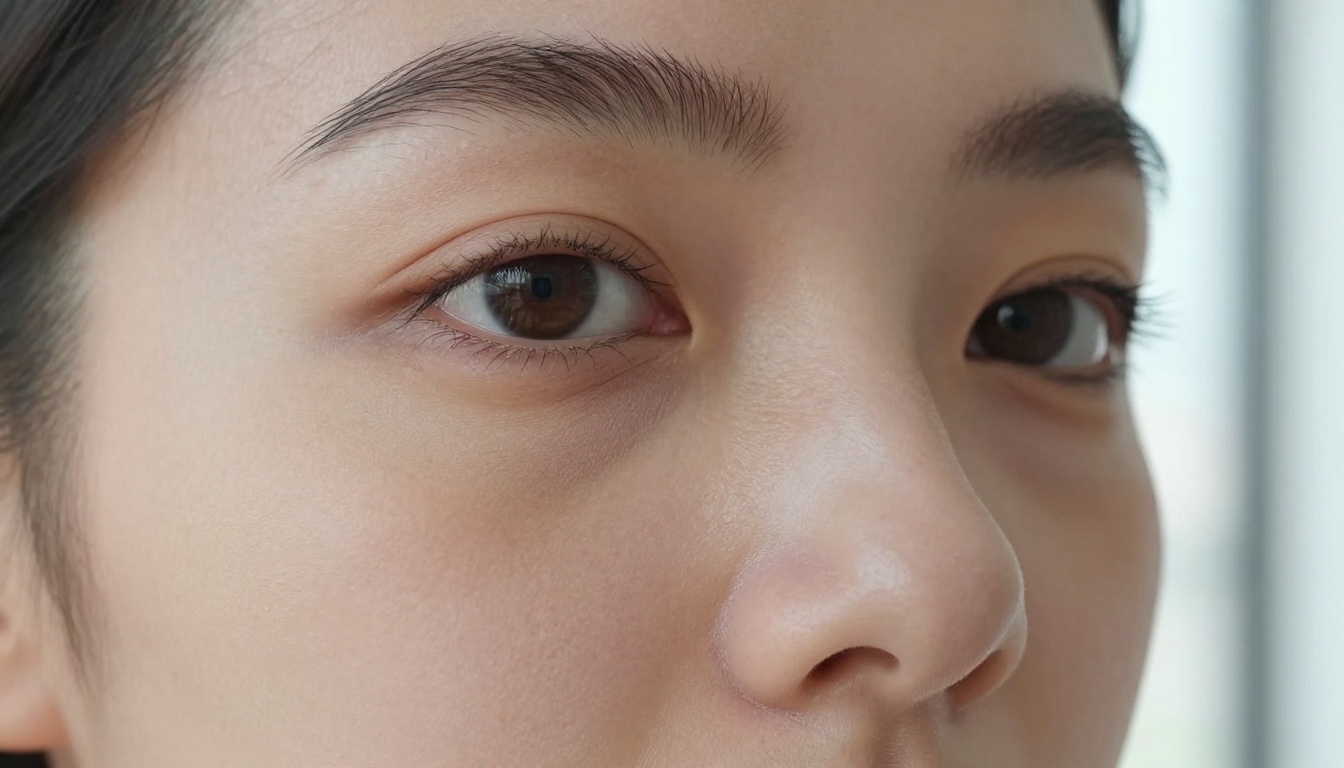
Both models handle directional lighting well, but they differ in how they interpret subtle expression cues and lighting transitions. Seedream 5.0 is better at rendering the soft shadow that forms in the nasolabial fold under low-contrast lighting, which is one of the critical markers of realism in portrait photography. It also handles catchlights in eyes more convincingly, placing them with correct shape and position for the described light source.
Nano Banana Pro produces more symmetrically accurate facial geometry overall, which helps in scenarios where precise proportions matter more than mood. Its strength is in defined, structured lighting setups: hard directional light, studio strobe simulation, and high-contrast dramatic portraits where edge definition and strong shadow separation are priorities.
Landscape and Environment Photos
Both models perform well on landscapes, but their outputs tell visually different stories about the same scene.
Natural Elements and Depth
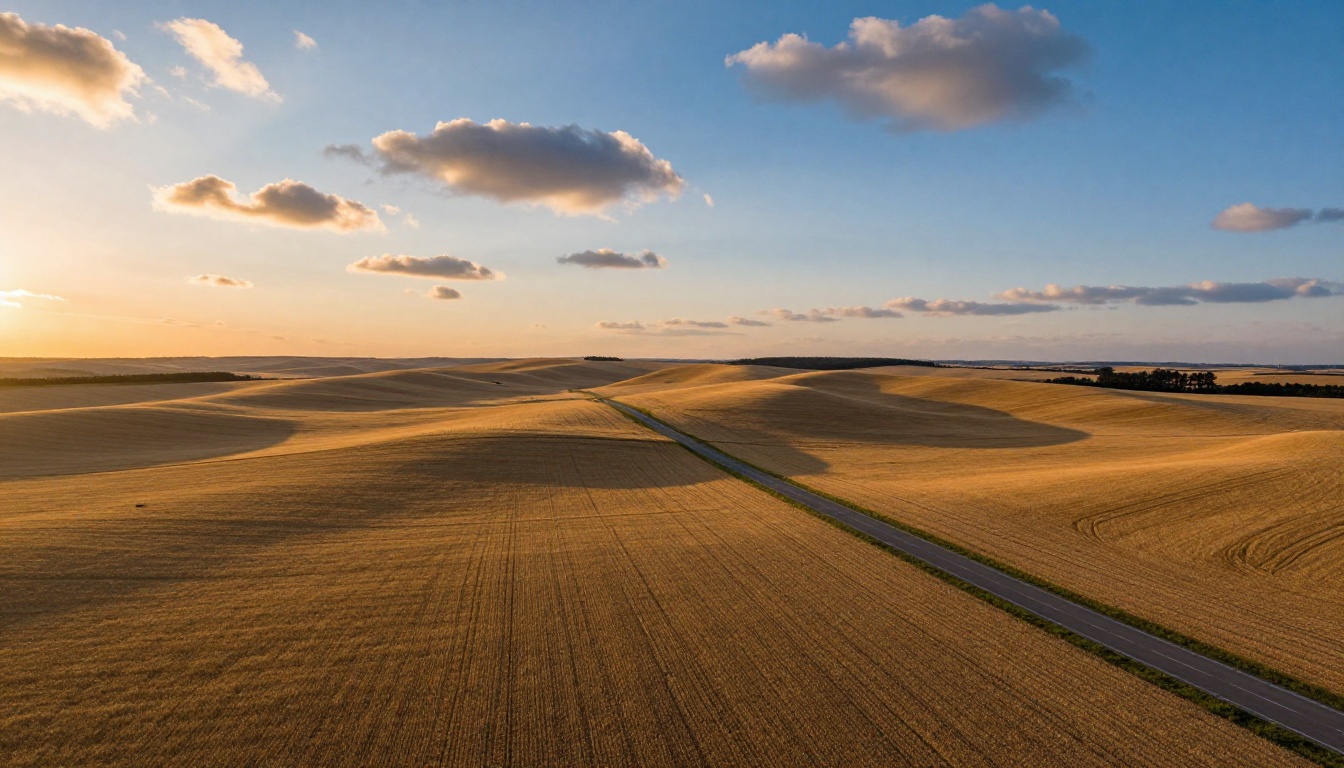
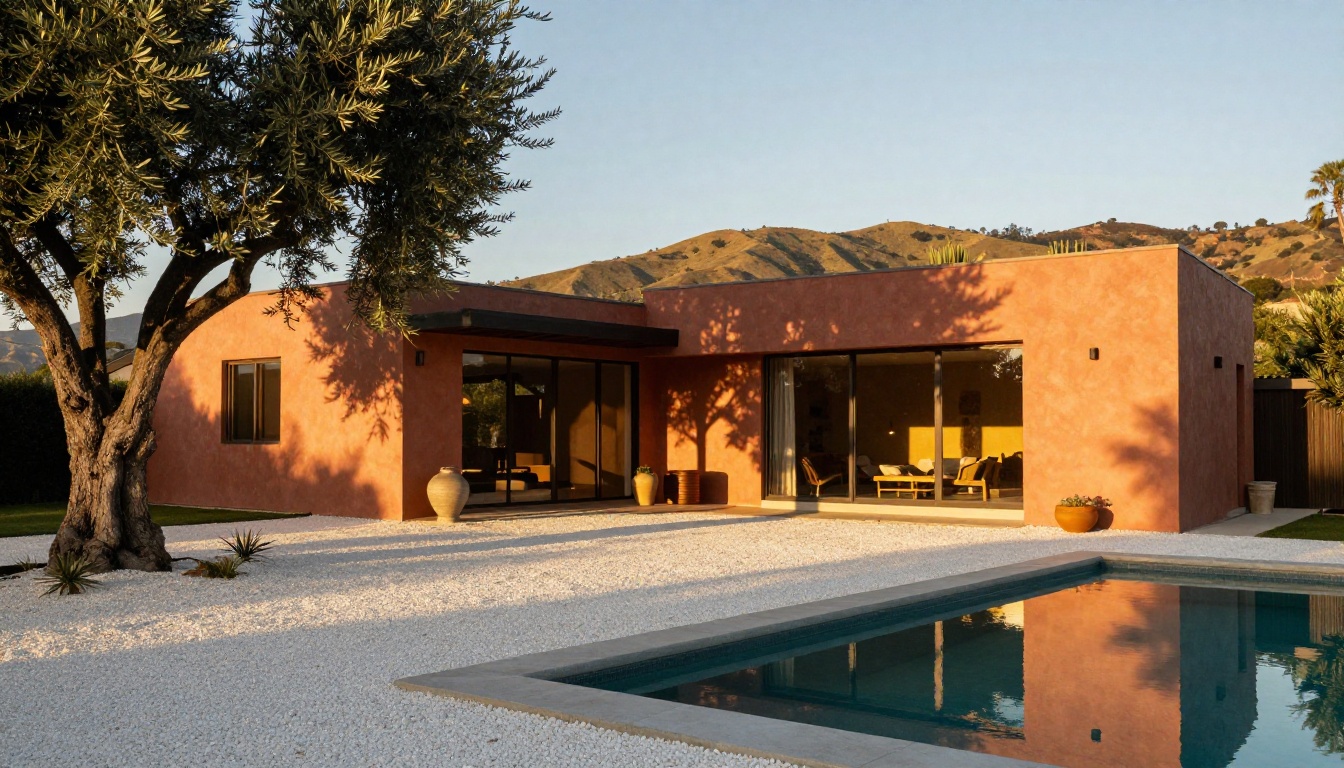
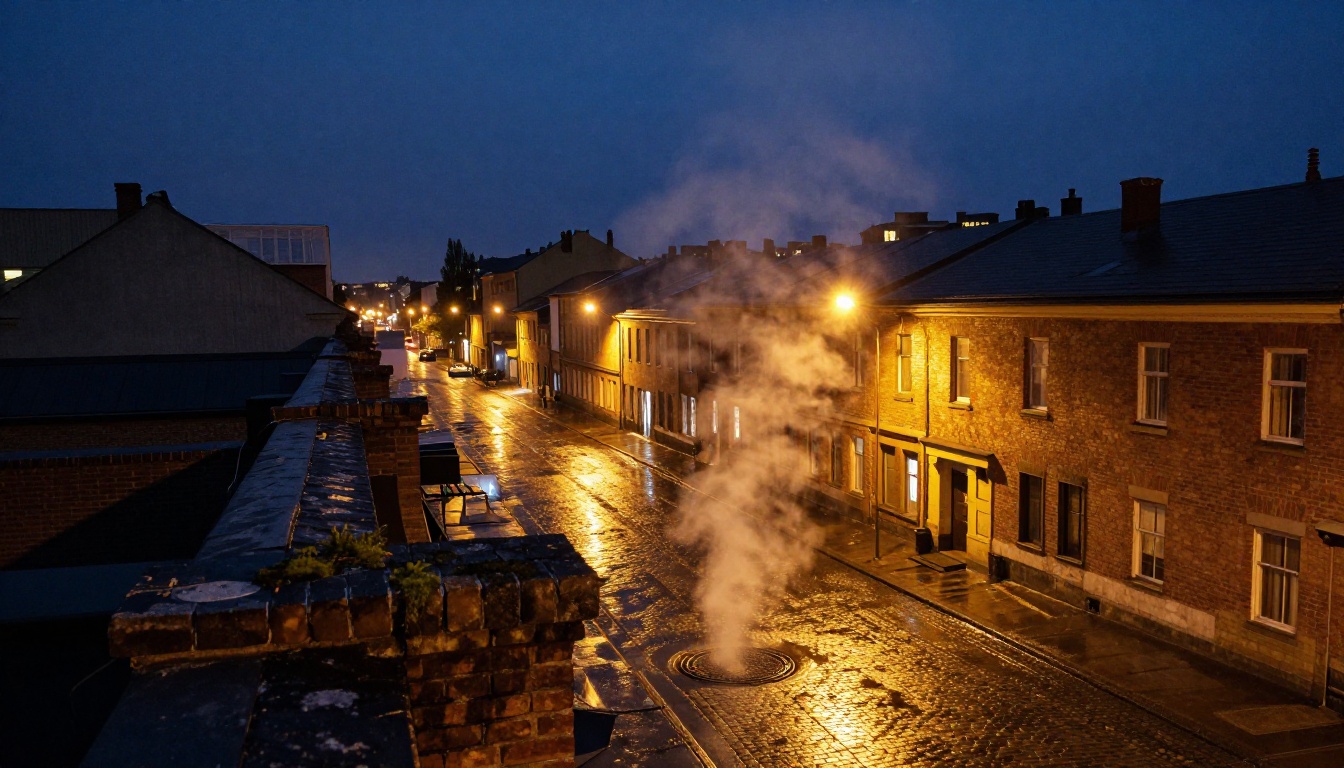
Seedream 5.0 renders atmospheric perspective convincingly. Distant mountains fade with the correct amount of haze, trees in a mid-ground show appropriate detail falloff, and the gradation between a lit sky and shadowed ground feels photographically accurate. The model also handles water surfaces and wet reflective materials well: the reflective quality of a lake or wet cobblestones takes on correct specularity without the artificial plasticity that cheaper models produce.
Nano Banana Pro produces landscapes with exceptional foreground-to-background sharpness. Its depth rendering more closely resembles modern mirrorless cameras with computational sharpness enhancement applied: the transition between focus planes is abrupt and technically precise. This is ideal when you want to emphasize the scale of an architectural subject against a landscape background, or when you need an environmental context shot that stays sharp from edge to edge.
Color Science Differences
This is where the models diverge most noticeably in side-by-side comparisons.
| Feature | Seedream 5.0 | Nano Banana Pro |
|---|
| Highlight rendering | Soft roll-off, warm | Hard clip, neutral |
| Shadow color | Slight cool-blue tint | Near-neutral gray |
| Midtone saturation | Moderate, organic | High, vivid |
| Skin tone bias | Warm amber | Neutral-accurate |
| Sky rendition | Desaturated blue | Vivid cyan-blue |
| Overall style | Filmic, analog | Digital, precise |
| Best for | Lifestyle, editorial | Product, architecture |
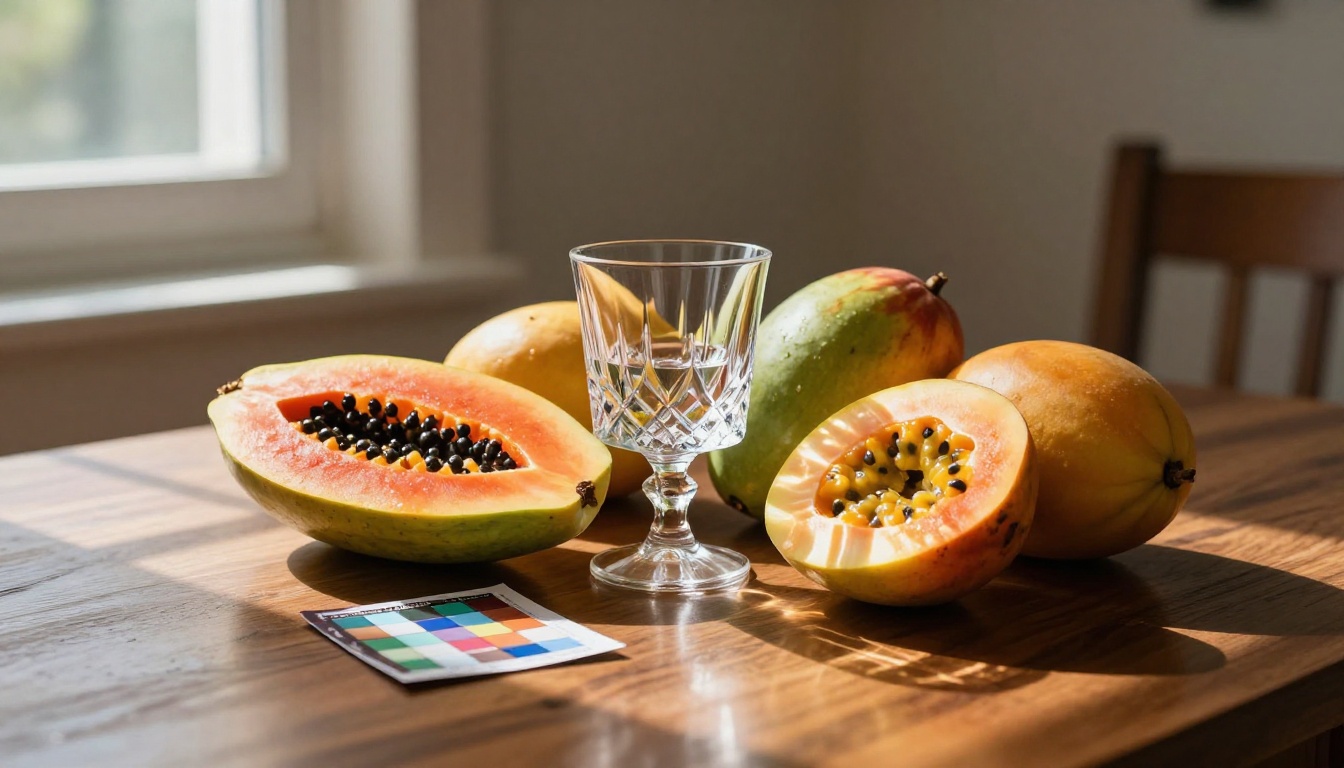
Seedream 5.0's warm highlight roll-off and slightly desaturated shadows create images that feel like they were finished in Lightroom with a film simulation applied. This aesthetic strength works particularly well for lifestyle content, travel photography, and human-centered scenes. Nano Banana Pro's neutral-accurate color rendering is better suited to product photography, architecture documentation, and technical applications where color accuracy matters more than emotional tone.
Speed, Resolution, and Output
Generation Time Comparison
In practical testing at standard 4K configurations:
- Seedream 5.0: approximately 15-25 seconds per image
- Nano Banana Pro: approximately 10-18 seconds per image
Nano Banana Pro holds a meaningful speed advantage, particularly at higher resolutions. This matters in iterative workflows where you are cycling through prompt variations and need fast feedback loops. Seedream 5.0's longer generation time reflects its more computationally intensive rendering pipeline, which accounts for some of its quality advantages in tonal complexity and atmospheric realism.
For rapid iteration, Seedream 5 Lite on PicassoIA offers substantially faster generation while preserving the core aesthetic characteristics of the 5.0 lineup. Use it for prompt development before switching to the full model for final outputs.
Native Output Resolution
Both models support native 4K output. Nano Banana Pro offers slightly better sharpness at 100% pixel-level inspection, which matters when you need to crop aggressively or prepare output for large-format printing. Seedream 5.0 images at 4K appear slightly softer at extreme zoom but more natural and convincing at normal viewing distances.
For use cases requiring output beyond 4K, both models pair well with AI upscalers. On PicassoIA, the Clarity Pro Upscaler and Crystal Upscaler both handle AI photo upscaling cleanly, preserving texture without introducing obvious artifacts. For maximum resolution output, Topaz Image Upscale pushes images up to 6x their native dimensions, making it the right choice for print-ready large-format work.
Where Each Model Falls Short
No AI model is perfect. Knowing where each one struggles helps you avoid frustrating results before they happen.
Seedream 5.0 Weak Points
- Text inside images: Like most diffusion models, Seedream 5.0 struggles with coherent typography. Signs, labels, and text overlaid on generated scenes tend to appear distorted or illegible.
- Deep shadow detail: Below a certain luminance threshold, the model loses micro-detail in dark regions, rendering them as flat patches rather than maintaining texture in darkness.
- Dense complex compositions: Scenes with many overlapping objects, such as crowded marketplace scenes or packed urban environments, can produce spatial inconsistencies where objects blend unnaturally.
- Hard studio strobe setups: Its natural-light bias means that prompts requesting harsh studio lighting occasionally produce slightly softened results rather than the intended clinical separation.
Nano Banana Pro Weak Points
- Filmic warmth: If you want a naturally warm analog output, Nano Banana Pro requires significant prompt effort to move away from its default neutral rendering.
- Portrait naturalness in soft light: Human subjects at default settings can show slight over-sharpening around the hairline and eyes, particularly in low-contrast ambient lighting scenarios.
- Atmospheric depth: It underperforms Seedream 5.0 on atmospheric haze and the subtle tonal desaturation that makes distant landscape elements read as truly far away.
- Low-light interiors: Night scenes and dim interior environments are less convincing, with shadows that feel flat and noise patterns that read as artificial rather than photographic grain.
💡 Run the same challenging prompt through both models before committing to one. The differences become visible immediately, and you will build fast intuition about which tool to reach for in each scenario.
How to Use These Models on PicassoIA
Step-by-Step for Seedream on PicassoIA
PicassoIA's Seedream 4.5 is the full-capability Seedream model available on the platform and shares the core rendering philosophy with Seedream 5.0. Here is how to get the best from it:
- Go to Seedream 4.5 on PicassoIA
- Write your prompt with specific lighting direction: "volumetric morning light from the left," "soft diffused overcast daylight," or "late golden hour backlight"
- Include camera specifications in the prompt: focal length, aperture, and film stock references (Kodak Portra 400, Fujifilm Pro 400H) all influence output rendering
- Set aspect ratio to 16:9 for landscape and scene compositions, or 3:4 for portrait orientation
- For skin-heavy portraits, add texture cues: "visible pore detail, natural skin imperfections, fine hair strands catching backlight"
- Generate 2-3 variants per prompt before iterating on the text
For faster iteration, Seedream 5 Lite is available for quick prompt testing before committing to the full 4.5 pipeline for final outputs.
Tips for Nano Banana Pro
Nano Banana Pro responds exceptionally well to technical, precise prompt language.
- Navigate to Nano Banana Pro on PicassoIA
- Specify color temperature explicitly: "5600K daylight balanced," "warm 3200K tungsten interior lighting"
- Use compositional photography terminology: "rule of thirds framing," "leading lines toward subject," "frame-within-frame composition"
- For product and architectural work, describe material properties: "polished anodized aluminum reflecting soft light," "rough-cast concrete with visible aggregate texture"
- To reduce over-sharpening for portrait work, add softening cues: "gentle skin rendering, naturally diffused lighting, soft focus"
- Pair final outputs with Real ESRGAN for cost-effective 4x upscaling that preserves Nano Banana Pro's characteristic sharpness without over-processing
Upscaling Your AI Photos
Both Seedream 5.0 and Nano Banana Pro respond well to AI upscaling, but matching the upscaler to the model improves final results.
For Seedream outputs, the Clarity Pro Upscaler preserves the filmic tonal quality while adding detail convincingly. The Crystal Upscaler adds more pronounced sharpness and works especially well for portrait crops where facial detail needs emphasis.
For Nano Banana Pro outputs, Real ESRGAN maintains edge sharpness without over-processing the already-crisp base. The Google Upscaler on PicassoIA is also worth testing since it was trained by the same team and tends to align well with Nano Banana Pro's color rendering preferences.
For maximum output resolution that goes beyond 4K, Topaz Image Upscale on PicassoIA pushes images up to 6x their original dimensions. This is the right tool when preparing output for large-format printing, billboard-scale graphics, or any use case where you need to maintain quality at extreme viewing sizes.
Pick Your Starting Point
The choice between Seedream 5.0 and Nano Banana Pro comes down to two distinct photographic aesthetics: analog warmth with filmic tonal rendering on one side, digital precision with vivid color accuracy on the other.
For lifestyle, editorial, portrait, and travel photography, Seedream 5.0 produces naturally beautiful results with less prompt engineering. Its default output looks like a well-shot photograph, which means you spend less time fighting the model and more time refining composition and subject.
For product, architecture, commercial, and technical photography, Nano Banana Pro's clinical precision and color accuracy make it the more reliable choice. When your deliverable needs to be technically convincing rather than atmospherically beautiful, this is the tool.
In most professional workflows, both models earn a permanent slot. Run portrait and lifestyle work through Seedream's pipeline, and reach for Nano Banana Pro when maximum sharpness or neutral color fidelity is the brief.

Both models are available on PicassoIA right now. Nano Banana Pro and Seedream 4.5 sit alongside 91 text-to-image models in the collection, meaning you are not locked into a single tool. Run the same prompt through both. Let the outputs tell you which model fits the specific shot you need. Then build from there.
Start generating with PicassoIA's full model collection and see the difference in the first set of results.


