The question isn't which AI video model has the most features or the fastest generation time. The question that actually matters is brutally simple: does it look real?
In 2025, two models have pulled ahead of the pack and sparked a genuine debate among creators, researchers, and filmmakers: Sora 2 Pro from OpenAI and Wan 2.7 Pro from Alibaba's research team. Both claim photorealism. Both produce footage that can fool a casual viewer. But they do it in different ways, they fail in different places, and knowing those differences will save you hours of wasted generation time.
This is a side-by-side breakdown of both models across the dimensions that matter: motion physics, human realism, lighting accuracy, and the edge cases where each one quietly breaks down.
Why Realism Is the Only Metric That Matters
What "real" actually means in AI video
When someone says a video "looks real," they're not describing a single property. They're describing a constellation of things your visual system evaluates simultaneously. Skin that behaves like skin. Water that moves with the right inertia. Light that falls from a single believable source and doesn't shift between frames. Hair that interacts with wind the way hair does, not the way a cloth simulation does.
This is why realism is so hard to benchmark. A model can nail skin texture and completely fail at motion blur. Another might have perfect fluid dynamics but produce faces with that uncanny valley quality in close-up shots. The models that score highest aren't the ones that are perfect at any single thing. They're the ones with the fewest catastrophic failures.
The standard most creators actually use
In practice, the test most creators run is simple: they generate the same prompt on both models and ask someone who hasn't seen AI video before to spot the fake. If that person hesitates, the model passed. If they immediately point to a floating hand or a light source that appears from nowhere, it failed.
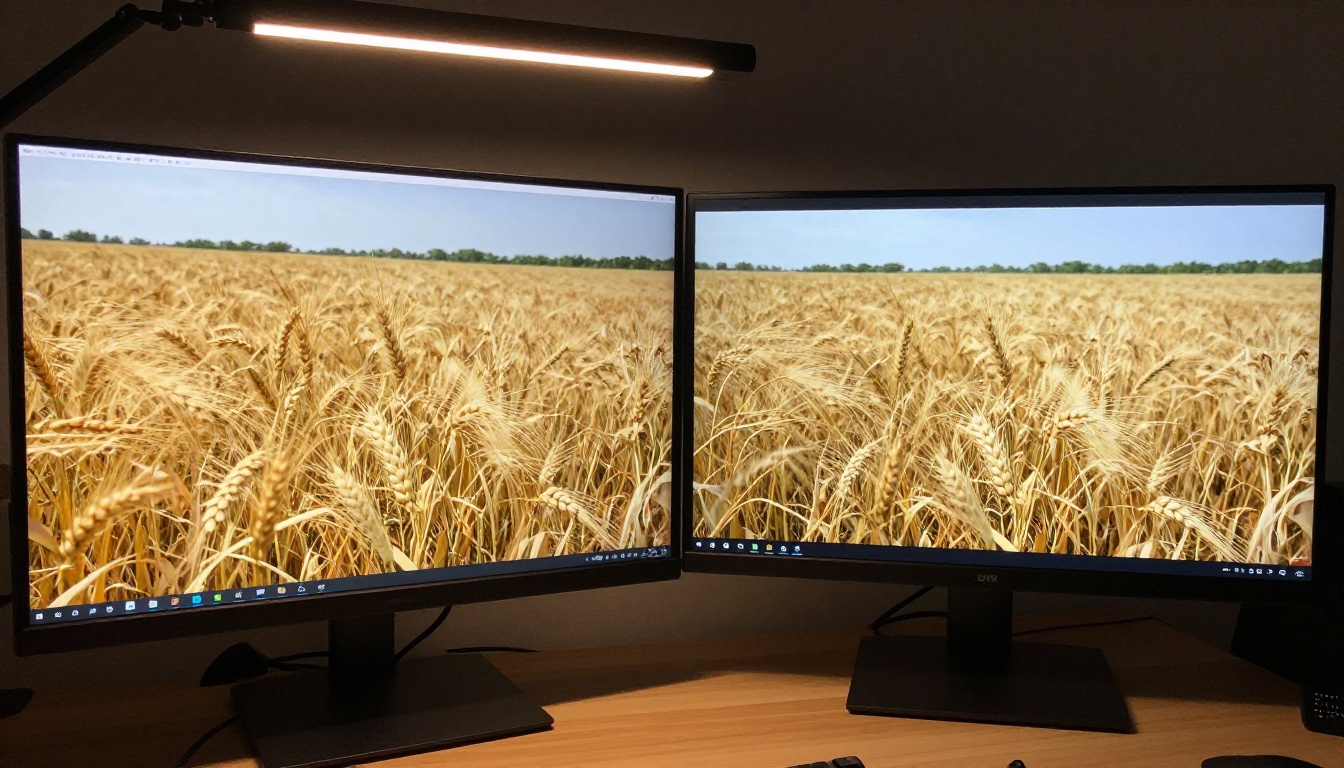
💡 The best test for realism isn't technical specs. It's showing the output to someone who doesn't know what to look for.
Sora 2 Pro: What OpenAI Got Right
Sora 2 Pro arrived as OpenAI's most capable video model yet, and the improvements over the original Sora 2 are not subtle. The team clearly prioritized temporal consistency above everything else, and it shows.
Temporal consistency as a core strength
The single most impressive thing about Sora 2 Pro is how objects behave across time. In most AI video models, objects drift. A coffee mug will slowly slide across a table over 10 seconds with no cause. A person's jacket will change subtle shades between cuts. Sora 2 Pro's temporal consistency is genuinely class-leading. Objects stay where they're placed. Light sources stay where they should be. Surfaces maintain consistent texture across frames.
This matters enormously for longer clips. At the 5-10 second mark, most models start showing drift. Sora 2 Pro holds up significantly better, which is why it's become the go-to for creators producing content that will be watched rather than just screenshotted.
Photorealistic environments
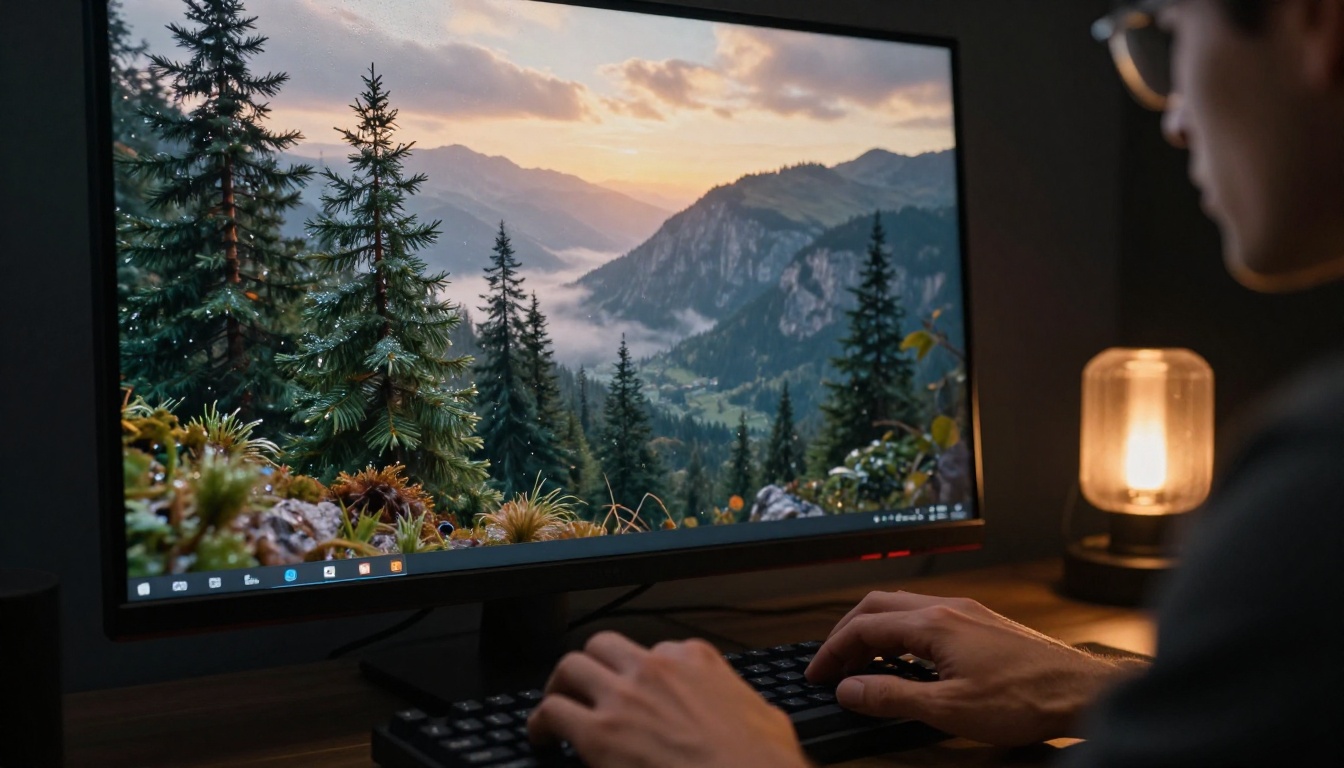
Sora 2 Pro handles complex environmental footage with real confidence. Outdoor scenes with natural lighting, urban environments with wet streets, indoor scenes with practical light sources. The model was clearly trained on a massive library of real cinematography, because its grasp of how light scatters through space is often indistinguishable from real camera footage.
Where Sora 2 Pro has limits
The weaknesses are real. Hand anatomy remains a consistent pain point, though less catastrophically bad than in earlier models. Complex crowd scenes with many individually moving people still show synchronization artifacts where too many people move in too-similar patterns. And the model has a tendency toward a certain "cinematic polish" aesthetic that can actually work against raw realism in documentary-style footage. Everything looks slightly too perfect, too color-graded. Real footage has imperfections that Sora 2 Pro unconsciously corrects.
| Strength | Weakness |
|---|
| Temporal consistency | Hand anatomy in motion |
| Environmental lighting | Crowd synchronization |
| Surface texture fidelity | Overly cinematic aesthetic |
| Long-form stability | Raw or documentary style |
Wan 2.7 Pro: How Alibaba Changed the Game
Wan 2.7 T2V represents a significant architectural leap from the Wan 2.1 and 2.5 lineage. Where earlier versions were impressive for their cost-to-quality ratio, Wan 2.7 Pro is competing at the frontier on raw output quality.
Motion physics as the differentiator
This is where Wan 2.7 Pro pulls ahead of nearly everything. Fluid dynamics, cloth simulation, hair movement, the behavior of smoke and fire: all of these are handled with a physical fidelity that makes Sora 2 Pro look slightly artificial by comparison. When a person in a Wan 2.7 clip moves through a curtain, the curtain responds the way a curtain actually responds. When rain hits a surface in a Wan 2.7 scene, the droplets scatter with convincing physics.
The model appears to have a fundamentally stronger grasp of Newtonian mechanics, and that strength cascades into almost every scenario involving movement.

Human motion and walking cycles
For many creators, the acid test of any video AI is a person walking. Walking cycles are deeply embedded in human visual processing, and we detect even slight wrongness immediately. Wan 2.7 Pro's walking cycles are, in most conditions, the most convincing in the field. Natural weight shift, appropriate foot-strike, correct torso movement. It's the kind of quality that makes the footage usable in commercial contexts.
Wan 2.7 I2V and Wan 2.7 R2V extend this capability to image-to-video and reference-video workflows respectively, making the physics engine accessible across multiple generation modes.
Where Wan 2.7 Pro has limits
The tradeoff for Wan 2.7 Pro's physics strength is temporal consistency over long clips. On clips beyond 6-8 seconds, the model begins to show more drift than Sora 2 Pro. Objects move slightly when they shouldn't. The lighting source can shift subtly. It's not catastrophic, but it's noticeable on close inspection.
Skin rendering is also slightly less convincing in extreme close-up face shots. Wan 2.7 Pro tends to produce smoother skin than is natural, which paradoxically hurts realism in macro close-ups even though the overall aesthetic reads as more natural at medium distances.
💡 For short, motion-heavy clips, Wan 2.7 Pro wins. For longer, camera-steady footage, Sora 2 Pro holds the edge.
Motion Physics: The Real Dividing Line
Fluid and particle simulation
Both models were tested across the same set of challenging prompts involving water, fire, smoke, and wind-affected foliage. The gap here is meaningful.
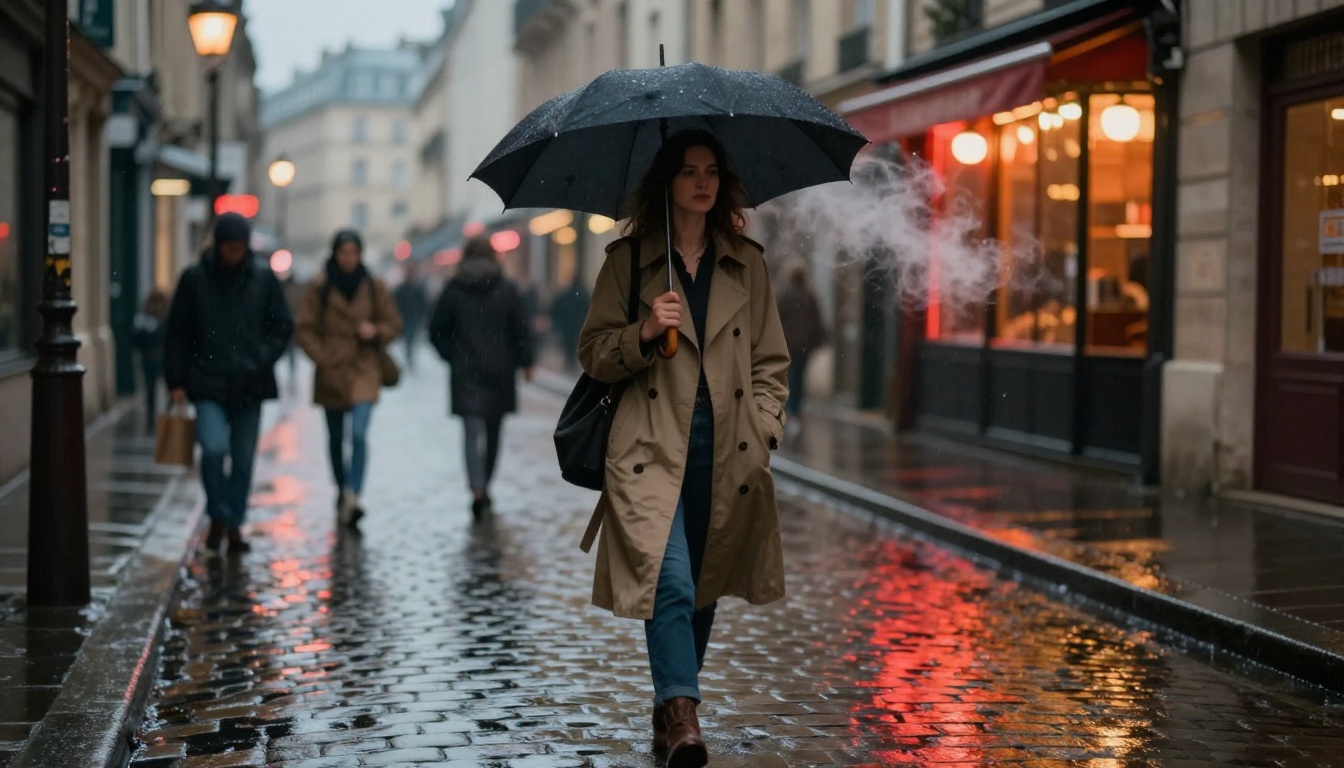
Wan 2.7 Pro's fluid simulation consistently produced more convincing results. Ocean waves with the correct energy profile. Coffee stirring with the right vortex behavior. Steam rising from a mug with appropriate density variation. Sora 2 Pro produces plausible fluid behavior, but it reads as slightly more procedural, less physically grounded.
Camera motion and stabilization
Sora 2 Pro has the advantage when it comes to camera motion. Dolly shots, slow pan movements, handheld simulation: the model knows how cameras move and produces camera shake with authentic characteristics. Wan 2.7 Pro's camera motion is slightly more artificial, with movements that sometimes read as animated rather than physically recorded.
Object interaction and contact
When objects interact with each other or with surfaces, Wan 2.7 Pro generally handles contact dynamics better. A person sitting down interacts with the chair convincingly. A book placed on a table makes physical sense. Sora 2 Pro occasionally produces floating or clipping in interaction scenarios, particularly at the frames immediately around the moment of contact.
Faces, Skin, and Human Realism
The close-up test
This is where many creators make their final call. Generated a portrait? Zoomed to 50% playback? If you can see individual pore details, consistent subsurface scattering, and eyes that have authentic iris texture, the model passed.
Sora 2 Pro produces faces with exceptional structural fidelity. Proportions are accurate. Expressions are believable. The model rarely produces the distorted geometry that plagued earlier video AI. However, skin texture at extreme close-up retains a slightly processed quality, as if a soft skin smoothing filter was applied during training.
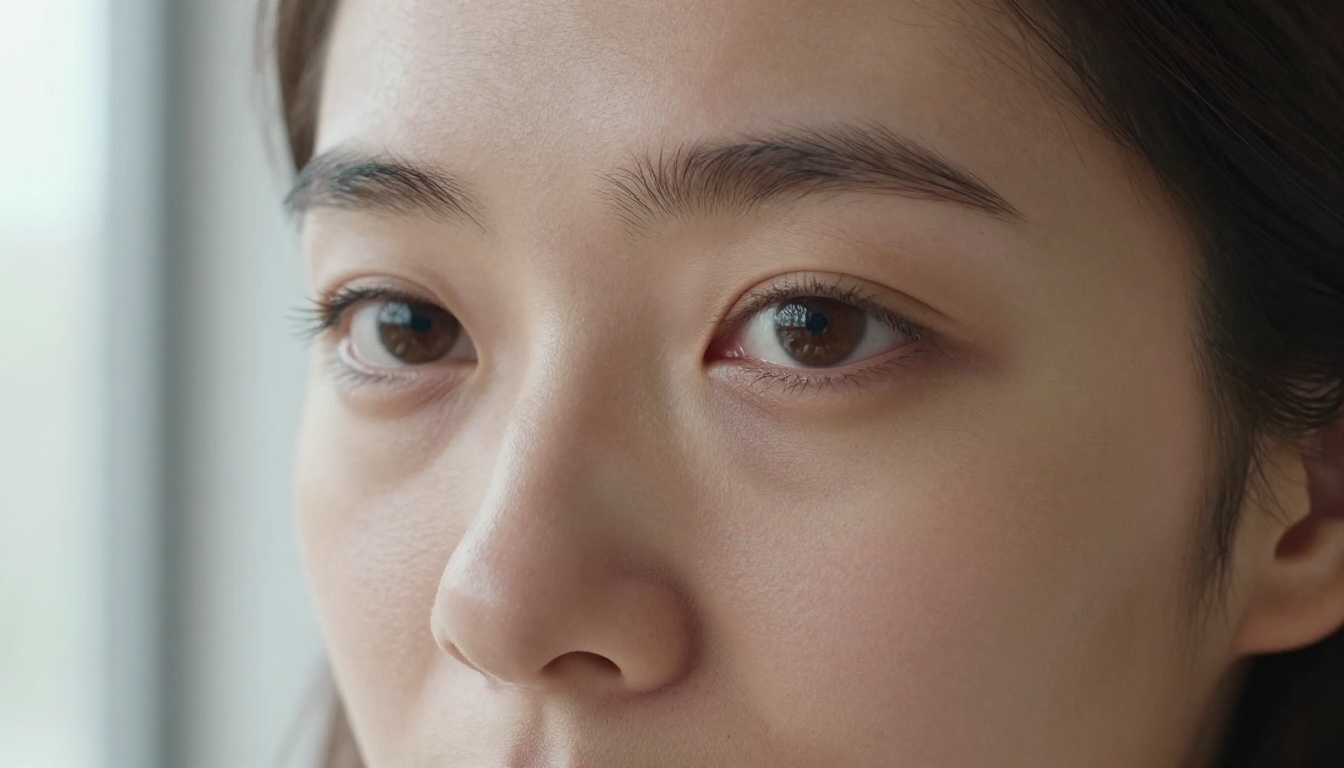
Wan 2.7 Pro faces are structurally slightly less consistent, but at medium shot distances (head and shoulders), the skin rendering reads as more natural. Less smoothed, more physically accurate at a perceptual level. The irony is that Wan 2.7 Pro loses to Sora 2 Pro in macro face tests but wins at the distances where faces are actually framed in real film.
Eye rendering and the uncanny valley
Eye rendering is the fastest path into uncanny valley territory in AI video. Both models have improved dramatically, but Sora 2 Pro's eyes still occasionally show that characteristic "glass eye" quality where the iris and pupil look correct but the dynamic light interaction doesn't respond naturally to scene lighting changes. Wan 2.7 Pro handles this better in static lighting conditions, but eye movement across camera cuts remains a weak point in both.
Lighting, Texture, and Environmental Detail
Natural light simulation
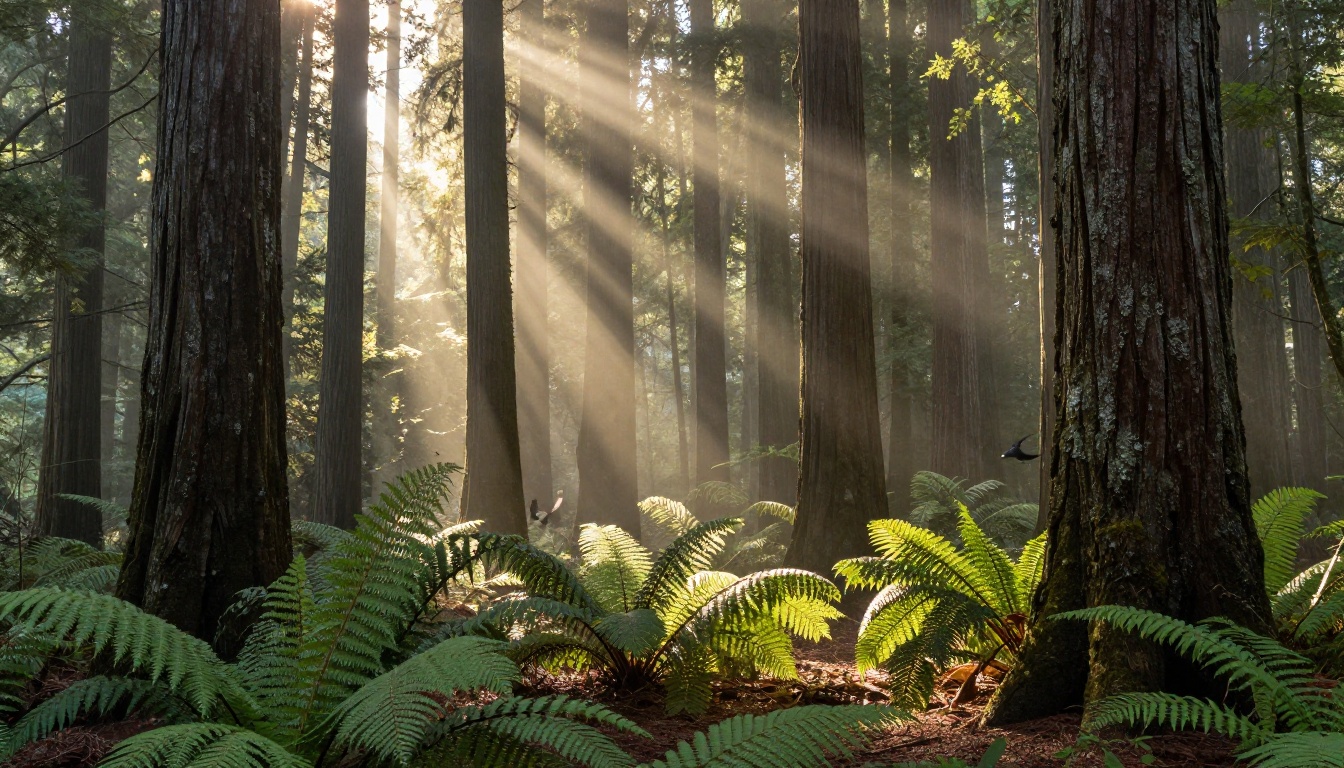
Sora 2 Pro is, simply, better at light. The model has a superior grasp of how light scatters through atmospheres, bounces off surfaces, and creates realistic shadow detail. Golden hour footage from Sora 2 Pro is exceptional, with the volumetric light quality that usually requires real cinematography or hours of 3D rendering.
Wan 2.7 Pro's lighting is competent but more flat in complex multi-source scenarios. Scenes with a mix of artificial and natural light, or scenes transitioning from interior to exterior, show more discontinuity in Wan 2.7 Pro's output.
Surface material accuracy
Both models handle common surfaces well: concrete, wood, fabric, glass. The divergence appears in complex or unusual materials. Worn leather, rusted metal, wet sand with footprints, the specific texture of aged brick, these are where Wan 2.7 Pro's physics-informed training shows advantages. The material behavior during motion is more accurate, particularly for materials that deform or respond to contact.
Urban and architectural realism
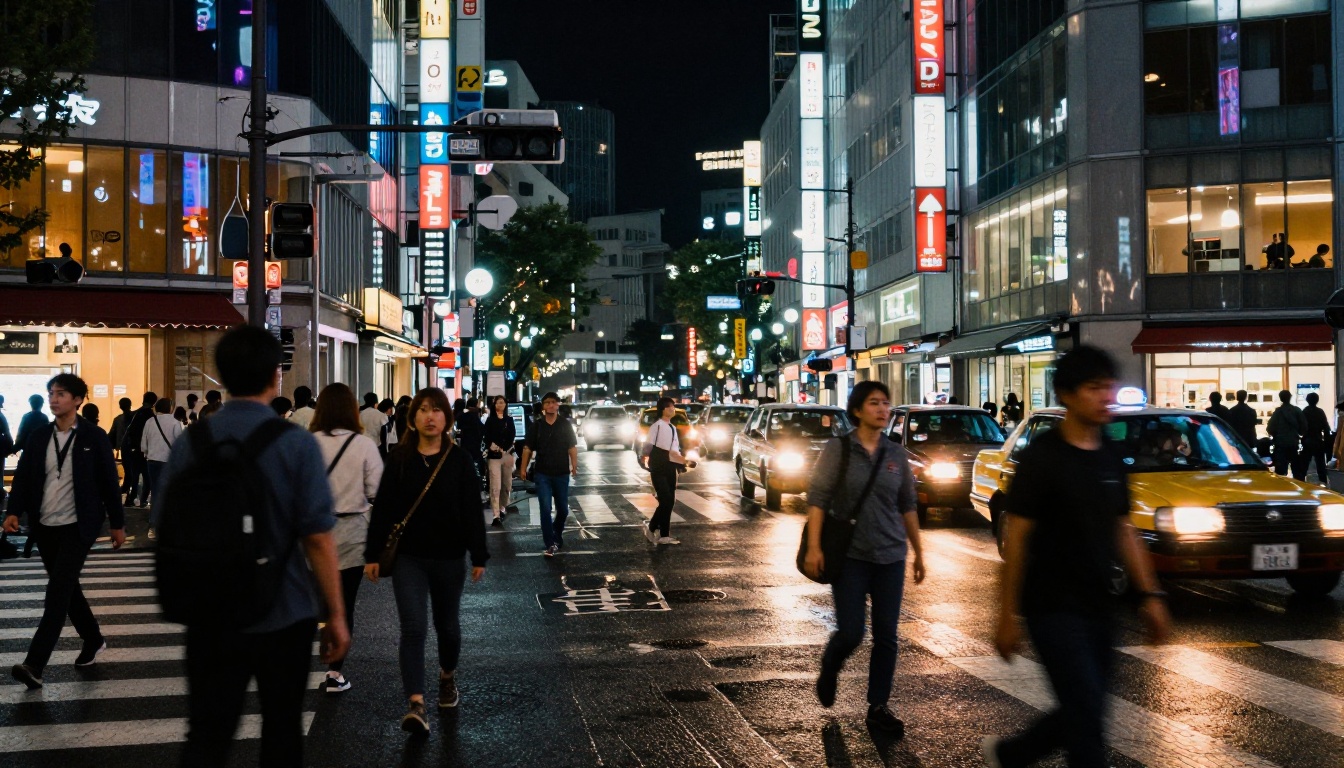
For urban environments, both models perform at a high level, but Sora 2 Pro has a clear edge in architectural accuracy. Buildings maintain correct geometry across camera moves. Perspective doesn't subtly warp. For creators producing footage of real-world environments, this consistency matters.
Where Both Models Still Struggle
The problems that haven't been solved
Neither model has cracked certain categories of realism. These are worth knowing before you spend credits on prompts that will consistently fail:
- Detailed hand movement: Both models still produce hands with incorrect geometry in active scenes. Static hands are fine. Moving, articulated hands remain unreliable.
- Text in scene: Any text visible in a generated video, on signs, screens, or books, will be distorted or incorrect. This is not a solvable prompt problem.
- Crowds at high density: Large crowds with individually distinct motion patterns break both models. Synchronization artifacts become visible at roughly 15 or more people.
- Long clips beyond 10 seconds: Both models show quality degradation in extended clips. Sora 2 Pro holds longer, but neither is reliable beyond 12-15 seconds.
- Specific real people: Neither model should be used to generate realistic footage of real, living individuals.
💡 Both models work best with generic subjects in well-lit, physically simple environments. Complexity is the enemy of realism in current-generation video AI.
Why short-form still wins
The practical takeaway from every weakness above is that both models are optimized for short, focused clips. The highest-quality output from both Sora 2 Pro and Wan 2.7 Pro comes from 4-8 second scenes with a single subject, a clear light source, and limited background complexity. That isn't a limitation to fight. It's a production constraint to design around.
How to Generate Realistic AI Videos on PicassoIA
Both Sora 2 Pro and Wan 2.7 T2V are available directly on PicassoIA, alongside the complete Wan 2.7 family including Wan 2.7 I2V for image-to-video workflows.
Choosing the right model for your use case
Use this as a quick reference:
Prompting for maximum realism
The single biggest determinant of output quality is prompt specificity. Vague prompts produce average results. Specific prompts with camera and lighting details produce cinematic results. A few principles that consistently improve output:
- Name the camera: "Shot on 35mm film" or "Arri Alexa footage" signals the training distribution you want.
- Specify the light source: "Warm afternoon sun from the left" outperforms "natural lighting."
- Describe motion explicitly: "Slow dolly-in" or "handheld walk-and-talk" gives the model a motion target.
- Set the distance: "Medium shot" vs "extreme close-up" dramatically affects how the model allocates texture detail.
The iteration workflow
Neither model produces its best output on the first generation. Professional creators typically run 3-5 variations of a prompt, then select and refine. On PicassoIA, you can also use Wan 2.7 I2V to animate a still image you've already selected, which bypasses the compositional randomness of text-to-video and gives you more control over the starting frame.
For creators who want to push further, LTX 2 Pro and Kling v2.6 offer alternative architectures that occasionally outperform both Sora 2 Pro and Wan 2.7 Pro on specific prompt types. Veo 3.1, Ray 2 720p, and Pixverse v5 round out a versatile toolkit when one model's weaknesses show.

The Verdict: Situational Realism Wins
There isn't a single winner here. Sora 2 Pro is the stronger model for footage that needs to hold up over time, in controlled lighting, with steady or deliberate camera work. Wan 2.7 Pro is the stronger model for dynamic, motion-forward content where physical accuracy in short bursts matters more than long-term consistency.
The real answer for serious creators is to have both in your toolkit and know which problems each one solves. On PicassoIA, you can switch between Sora 2 Pro, the full Wan 2.7 family, and over 80 other models from a single interface without managing API keys, GPU queues, or billing from multiple providers.
The question of which looks real doesn't have one answer. But knowing what each model does well means you stop guessing and start generating with purpose. Try both on your own prompts and the difference becomes clear within a few generations.
Start testing at picassoia.com/en/all-models, where every model in this comparison is available alongside the full catalog of text-to-video, image-to-video, and video editing tools. Your own content is the only benchmark that actually matters.


