Three years ago, generating a usable 3D asset from a single photograph felt like science fiction. This year, it felt like a Tuesday afternoon. The pace of change in AI 3D generation between 2024 and 2025 has been remarkable, with foundational methods replaced, new open-source models flooding the ecosystem, and workflows once reserved for well-funded studios now available to individual creators on a consumer laptop. Here is what actually shifted, why it matters, and what it means for your creative work right now.
The NeRF Era Is Mostly Over
Neural Radiance Fields (NeRF) dominated the conversation around AI 3D reconstruction for several years. If you circled an object with a camera, NeRF could synthesize novel views of it with impressive fidelity. But using it in practice meant hours of training time per scene, enormous compute requirements, and output that lived inside a black-box volumetric representation rather than a clean, editable 3D mesh. Getting a NeRF output into Blender, a game engine, or a film production pipeline required painful additional steps that most studios were not willing to absorb.
What Made NeRF Exciting
The original NeRF paper introduced the idea of representing a 3D scene as a continuous neural function optimized from 2D images. It was elegant and produced unusually sharp novel views. Follow-on research exploded: Instant NGP, Mip-NeRF 360, Zip-NeRF, and dozens of variants all attacked the core bottlenecks of speed and scale. For a time, NeRF felt like the inevitable direction for 3D capture and reconstruction.
Why It Hit Its Ceiling
The problem was structural. NeRF representations are implicit, meaning you cannot easily extract geometry, edit individual objects, or export to standard mesh formats. Real-time rendering from a NeRF required hardware-specific tricks and baking steps. For professional creators who live in DCC tools and game engines, the friction was simply too high. The community had grown attached to the concept, but the tooling never fully caught up with the ambition.
Gaussian Splatting Changed the Entire Field
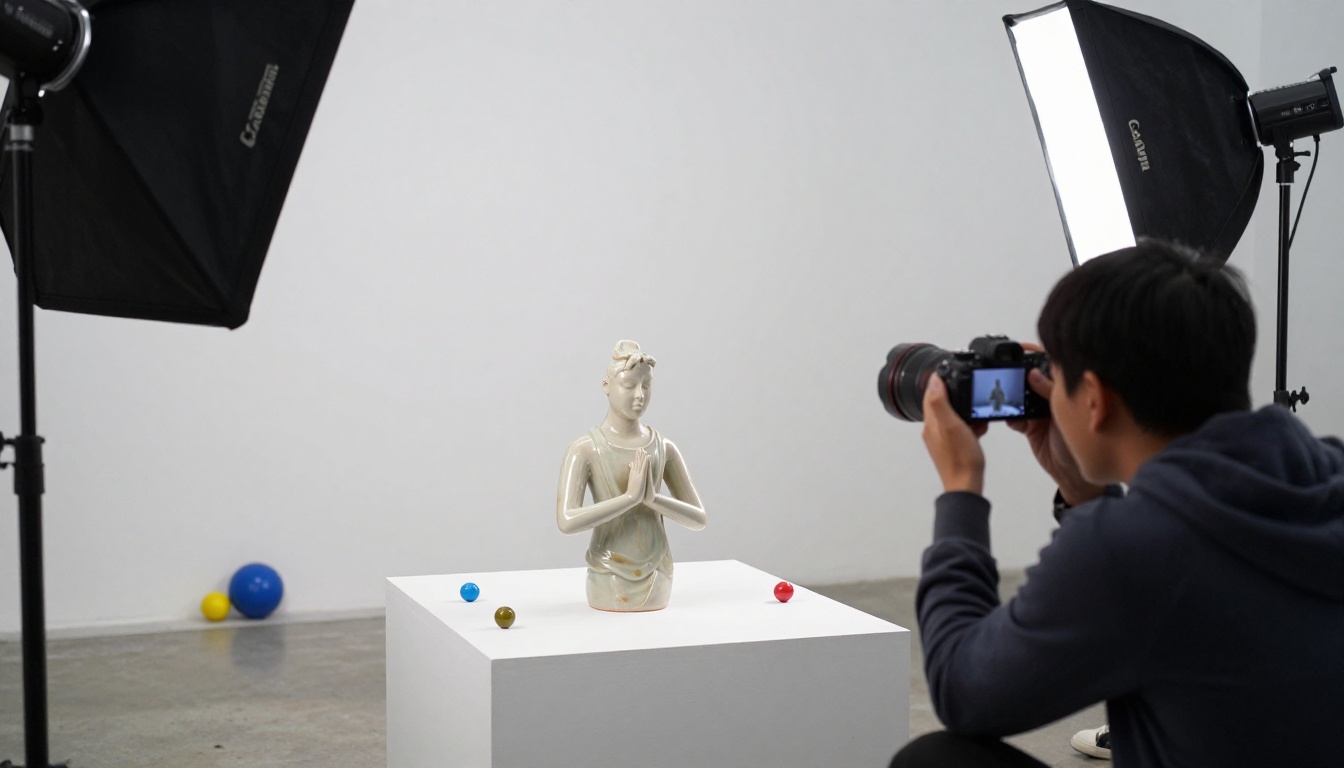
3D Gaussian Splatting (3DGS) arrived in late 2023, and by 2025 it had effectively displaced NeRF as the default method for real-world 3D reconstruction. Instead of an implicit neural function, Gaussian Splatting represents a scene as millions of tiny 3D ellipsoids, each with a position, rotation, scale, opacity, and color. Rasterizing those ellipsoids is fast enough to run in real time on consumer GPUs.
Speed Numbers That Changed Minds
Where a standard NeRF might take 6 to 12 hours to train on a moderately complex scene, Gaussian Splatting brought that down to under 30 minutes for comparable quality. More critically, rendering speed jumped from sub-realtime to genuine 60fps-plus on mid-range hardware. That is not a marginal improvement. That is a category change.
The research community did not stop there. Mesh extraction pipelines like SuGaR and 2D Gaussian Splatting variants now produce clean editable geometry directly from Gaussian scenes. Community plugins let you load a 3DGS scene into Unreal Engine, Unity, and Blender with a few clicks. The workflow from phone video capture to interactive 3D is now measured in an afternoon rather than a week.
The Rendering Quality Leap
Beyond speed, visual quality surpassed what NeRF could produce in well-lit, controlled capture conditions. Fine surface detail, translucent materials, and complex lighting interactions that NeRF tended to smear or approximate are now rendered far more faithfully. The trade-off is that Gaussians can look "splodgy" in areas with sparse capture coverage. But tools like Luma AI, Polycam, and several open-source pipelines now use 3DGS as their primary reconstruction method. If you have tried any of these apps recently, you have been using Gaussian Splatting without necessarily knowing the name.
💡 Worth knowing: 3DGS scenes can be exported directly into Unreal Engine, Unity, and Blender with community plugins that are actively maintained and improving monthly.
Text-to-3D Models Finally Got Useful
For most of 2023 and early 2024, text-to-3D models were more impressive in demos than in practice. DreamFusion showed what was possible, but the outputs were blurry, blobby, and covered in the infamous Janus problem: the model would bake a recognizable face or feature onto every visible side of an object, because it had no real spatial awareness of consistent 3D geometry.
By 2025, that era is largely behind us. A new generation of text-to-3D and image-to-3D models has arrived with multi-view consistency built into the architecture from the start, not retrofitted after the fact.
Single-Image 3D Now Works
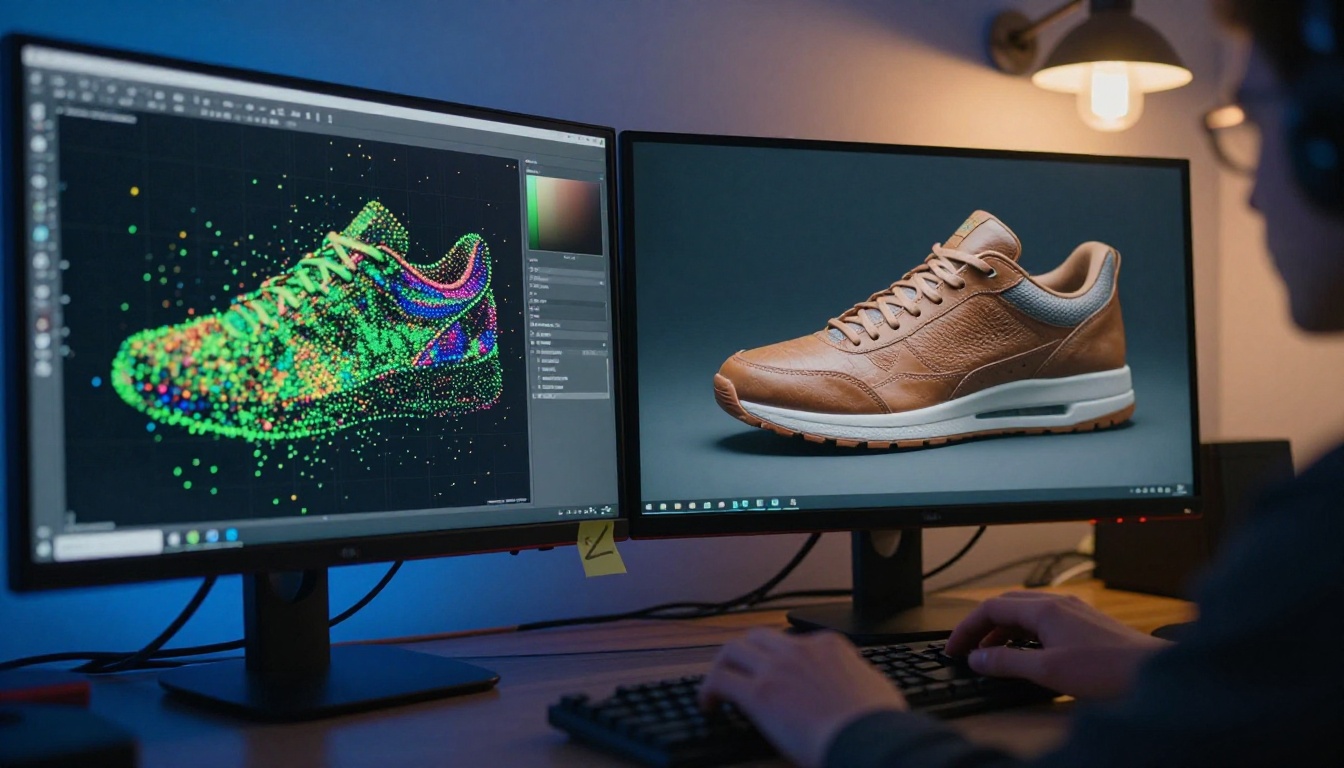
The most significant practical shift is that single-image 3D reconstruction has become genuinely reliable. Models like Zero123++, TripoSR, CraftsMan, and InstantMesh can take a single photograph and produce either a consistent multi-view set or a direct 3D mesh in seconds. The outputs are not final-render quality, but they are usable as a starting point for professional work. That changes the economics of concept modeling, product visualization, and game asset creation substantially.
| Method | 2023 State | 2025 State |
|---|
| Text-to-3D | Blurry blobs, Janus artifacts | Coherent geometry, workable textures |
| Image-to-3D (single image) | Proof of concept | Production-ready starting point |
| Video-to-3D | Research demo only | Practical pipeline for controlled capture |
| Real-time generation | Not possible | Sub-second on consumer GPU |
Open-Source 3D Models Arrived
The open-source availability of capable 3D models is itself a major development this year. Shap-E, Large3D, InstantMesh, and several newer releases have been published with permissive licenses. Independent developers and researchers can now fine-tune, self-host, and integrate 3D AI models without paying per-generation API costs. The surrounding ecosystem has grown rapidly, with ComfyUI nodes, Blender add-ons, and web-based workflows all expanding what is accessible to creators who do not work inside a large studio.
Diffusion Models Moved Into 3D Space
The biggest conceptual shift of the past year is that 2D diffusion models have become the backbone of 3D generation. Instead of training expensive 3D-native architectures from scratch, researchers discovered that pre-trained 2D diffusion models already contain enough spatial and material knowledge to supervise 3D reconstruction, even without any explicit 3D training data in their pipeline.
Multi-View Diffusion Solved a Hard Problem
The core challenge in text-to-3D has always been consistency: generate multiple views of the same object and they need to agree with each other geometrically. Multi-view diffusion models, trained to generate several viewpoints simultaneously under shared attention layers, addressed this directly. Zero123, MVDiffusion, SyncDreamer, and their successors tackled this problem in different ways. The result is that you can now generate six or more consistent views of a 3D object and feed them into a Gaussian Splatting or mesh reconstruction pipeline to get a coherent result.
3D Without 3D Training Data
This matters more than it might first appear. Training a model to produce 3D directly requires large labeled 3D datasets, which are expensive, slow to produce, and limited in variety. Training on 2D images and using diffusion priors as geometry supervisors sidesteps that limitation entirely. The internet provides billions of 2D images. By teaching models to extract spatial and structural knowledge from those images, researchers unlocked a path to 3D generation that scales with 2D data availability rather than 3D annotation budgets.
💡 Practical implication: This is why progress in text-to-3D accelerated so dramatically once large 2D diffusion models became widely available. More capable 2D models directly improve the quality of 3D outputs that use them as geometric priors.
Video-to-3D Became a Real Workflow
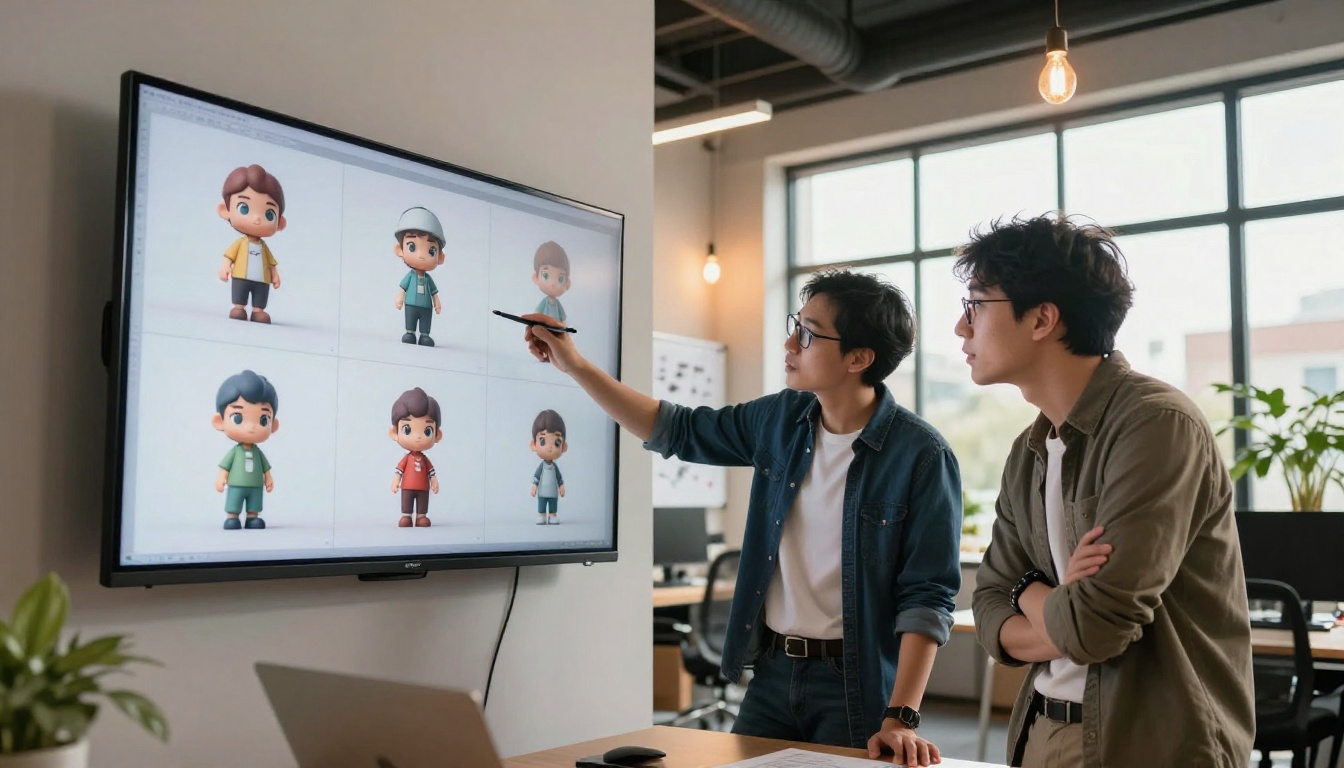
One of the less-covered revolutions of this year: video input is now a first-class citizen in 3D reconstruction pipelines. Previously, reconstruction from video was possible but required careful manual frame selection and preprocessing to get usable results. Today, models can process a short phone video (10 to 30 seconds of footage) of an object and output a usable 3D asset with minimal intervention from the operator.
From 30-Second Clips to Meshes
Pipelines like MonST3R (Monocular Scene Reconstruction in the Wild), RealDreamer, and several commercial implementations now accept standard smartphone video as direct input. They handle motion blur, inconsistent lighting, and minor dynamic content far better than their predecessors. For product photography, heritage object scanning, and architectural previsualization, this has become a practical daily tool rather than a lab experiment reserved for specialists.
What Breaks, What Does Not
Still genuinely hard in 2025: highly reflective or transparent surfaces such as glass, chrome, and water; very thin structures like wire mesh, hair, or rope; and large outdoor scenes with significant subject motion during capture. No model handles these reliably yet.
Works well now: matte objects with consistent surface texture, compact manufactured products, architectural interiors under controlled lighting, and organic objects like ceramics, furniture, or fabric. The practical working range is substantially wider than it was 18 months ago, even if it is not yet universal.
Real-Time 3D Generation Has Arrived
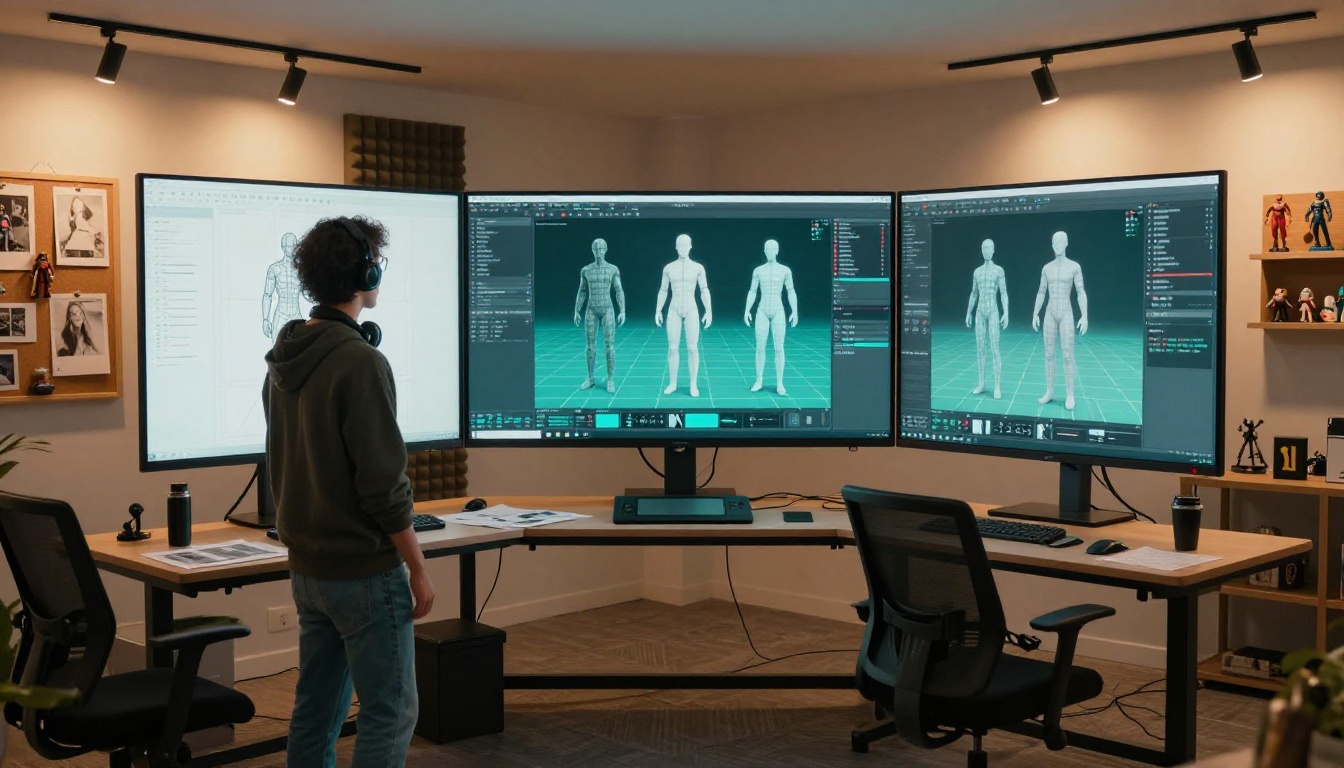
Perhaps the most surprising development of the past year is that real-time 3D generation from text is now technically possible. Not production-grade at scale for all use cases, but the threshold has been crossed. Research models are generating rough 3D assets in under two seconds on high-end consumer hardware, with quality improving rapidly with each new publication.
Sub-Second Inference Changed How People Work
When generation takes 20 minutes, you design your workflow around batches. You queue requests, go do other work, and return later to evaluate results. When generation takes two seconds, the interaction model changes entirely. You iterate in real time. You accept a result or immediately try a different prompt. That shift in feedback loop speed changes not just how fast you work, but what you are willing to try, which directly affects the quality and originality of what you produce.
Hardware Requirements Dropped
Running 3D Gaussian Splatting and the latest image-to-3D models no longer requires an enterprise GPU cluster. A modern consumer GPU in the RTX 4070 class handles most practical workflows without specialized infrastructure. Cloud-based inference has also become significantly cheaper, with per-generation costs low enough for individual creators to use regularly without institutional funding or expensive subscription tiers.
💡 For context: A professional photogrammetry scan that cost a studio several thousand dollars in hardware and hours of operator time in 2020 can now be approximated to a usable starting point using AI tools for free or near-free. The gap between studio capability and individual creator capability has narrowed substantially.
What Creators Are Actually Doing With This
Technology shifts matter only when they change what people build. Here is how the 3D AI advances are translating into real workflow changes across different creative fields in practice.
Game Studios Shifted Starting Points
Indie game studios and mid-size teams are the most aggressive adopters of AI 3D tools right now. The typical use case is not replacing an artist. It is changing the starting point. Instead of a 3D artist spending four hours modeling a prop from scratch, they use an AI tool to generate a rough mesh from a reference image, clean it up in their DCC tool of choice, and apply finished textures. A task that previously occupied half a workday now takes under 90 minutes. The artist's judgment and craft remain central. The repetitive setup work is largely gone.
Larger studios are watching carefully but moving more slowly. Concerns around training data provenance and IP compatibility with existing pipeline dependencies are real constraints. But competitive pressure from smaller studios moving faster is forcing more serious internal evaluation at every major studio.
Architects, Designers, and Filmmakers
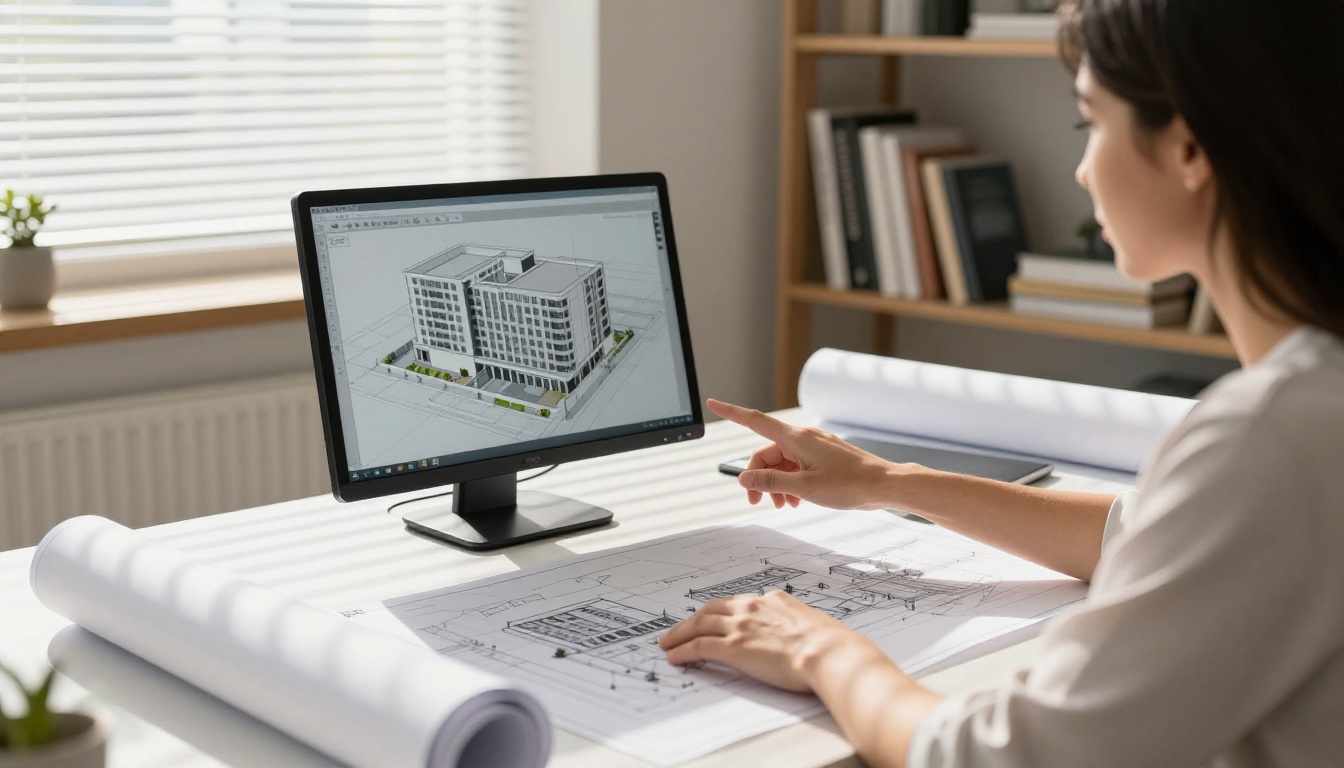
Architectural visualization has been one of the fastest-adopting professional verticals. The ability to take a rough sketch or a photograph of an existing site and spin up an interactive 3D exploration environment for a client presentation in under an hour is a genuine shift in how pitches and design approvals work.
Product designers use similar workflows for rapid concept visualization, producing 3D-like representations of physical product ideas without building physical prototypes. In film and television, AI 3D tools are being used for previsualization and rough set extension, while larger VFX houses wait for clearer IP guidance before incorporating AI-generated assets into final renders.
| Industry | Primary Use Case | Adoption Level |
|---|
| Indie game development | Prop and environment mesh generation | High, growing |
| Architectural visualization | Concept models, client walkthroughs | High |
| Film and VFX | Previsualization, rough set modeling | Medium, cautious |
| Product design | Concept visualization, prototype review | Medium |
| E-commerce | Product photography from 3D scans | Emerging |
Create 3D-Like Images Right Now on PicassoIA
While dedicated 3D reconstruction pipelines have made enormous strides, many creators need something faster and simpler: photorealistic images that convey strong depth, volume, and spatial presence without the overhead of a full 3D pipeline. That is exactly where AI image generation models on PicassoIA have become surprisingly capable tools for 3D-style visual production.
Flux and Seedream for Depth and Volume
Flux Dev and Flux Pro are particularly strong at producing images with convincing spatial depth and layering. When your prompt specifies foreground, midground, and background elements with clear distance relationships and realistic lighting direction, these models render the result with impressive spatial coherence. The output reads as three-dimensional even in a flat image.
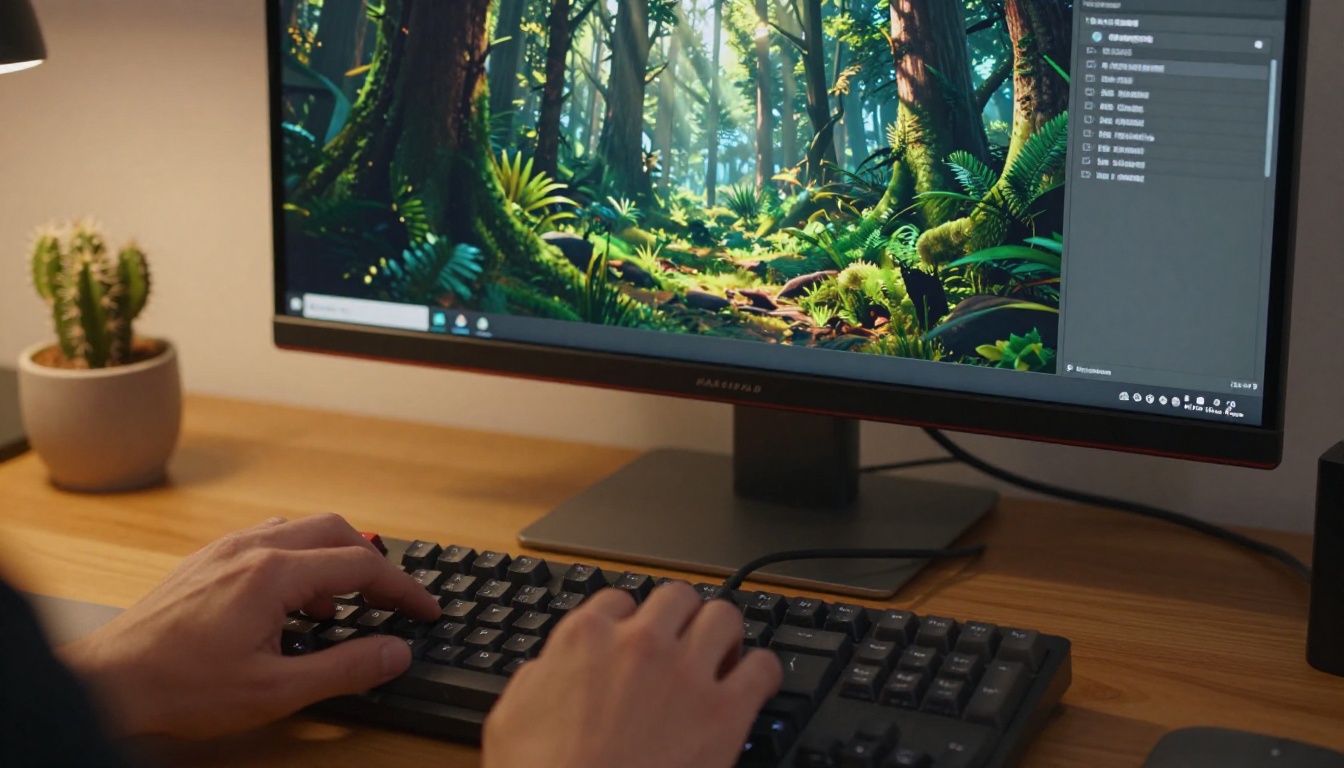
Seedream 4.5 takes this further with 4K output and excellent handling of complex volumetric environments: dense forest scenes, interior spaces with multiple light sources, and product shots with realistic surface reflections. For creators who need 3D-style visuals without the 3D pipeline overhead, it is one of the most capable options currently on the platform.
For maximum fidelity, Flux 1.1 Pro Ultra produces 4-megapixel images with the kind of surface texture and volumetric lighting that makes flat images read as genuinely spatial. Wan 2.7 Image Pro offers 4K output with a stylistic character that works particularly well for product and architectural visualization subjects.
Simple Steps to Start Today
Getting strong 3D-like results from image generation comes down to consistent prompt habits:
- Specify camera lens and depth of field: Prompting "shot with 85mm f/1.4 lens, shallow depth of field with sharp foreground and soft background" signals spatial depth to the model directly and reliably.
- Describe volumetric lighting explicitly: "Volumetric morning light from upper left, light rays visible in dust particles, soft shadow falloff across midground" creates physical depth in the rendered scene.
- Layer your scene description spatially: Describe foreground, midground, and background elements as separate spatial layers. A prompt structured this way consistently produces stronger perceived depth than a flat single-layer description.
- Use Flux Kontext Pro for spatial editing: Once you have a strong base image, Flux Kontext Pro lets you adjust specific depth relationships or swap background elements without regenerating from scratch.
- Upscale for surface detail: Run your generated image through the Super Resolution tools on PicassoIA to bring out fine material textures at 2x or 4x resolution, which substantially increases the perception of volume and material realism.
Also worth experimenting with: GPT Image 2 for complex scenes with multiple interacting spatial elements, and Flux 2 Pro for high-fidelity outputs where texture accuracy and material definition matter most. Both are available on PicassoIA alongside the full catalog of over 90 text-to-image models at picassoia.com/en/all-models.
The Shift Is Still Accelerating
AI 3D generation in 2025 is not a settled technology. It is a field in motion, with new models, methods, and benchmarks arriving every few weeks. What changed this year is not just capability, it is momentum. Gaussian Splatting dethroned NeRF. Diffusion models became the engine behind 3D output quality. Single-image reconstruction went from research curiosity to practical workflow. Real-time generation crossed from impossible to achievable on consumer hardware.
If you have not revisited what AI 3D tools can do since early 2024, the gap between your mental model and the current state of the field is substantial. For creators who want to start producing images with real spatial presence right now, without waiting for dedicated 3D pipelines to mature further, PicassoIA offers some of the most capable generation models available, from Flux Dev and Seedream 4.5 to Flux 1.1 Pro Ultra and beyond. The tools are there. Go create something with depth.