Type a sentence, wait ten seconds, and a striking image appears on your screen. Then a less fun question shows up: who actually owns it? The honest answer is more nuanced than "you do" or "nobody does." In the United States, a picture produced purely from a text prompt is not protected by copyright. A picture you shaped with your own creative choices can be, but only the parts that came from you. Other countries draw the line in different places, and the rules are still moving.
This article walks through the current rules in plain language, from the Supreme Court's refusal to take up the Thaler case in March 2026 to the UK's plan to scrap its special rule for computer-generated works. You will also see how music and video are treated, what platform terms really grant you, and a simple routine for building proof of your own authorship. This is general information, not legal advice. For a client contract, a dispute, or a high-value registration, talk to a copyright lawyer in your country.
The Short Answer
Here is the version you can repeat to a client or a friend:
- Pure prompt output: in the US, no copyright. Nobody owns it in the legal sense, which means anyone can copy it without permission.
- Output plus real human creative work: copyright can protect your contribution, such as your edits, your composition, and the way you arranged the pieces.
- Platform terms: a contract decides what you may do with the file, even where copyright gives no protection at all.
- Other countries: the answer differs, and the UK and China show how split the world still is.
Ownership in everyday conversation and ownership in copyright law are two different things. You can hold the file, sell it, and print it on a poster without having a copyright that stops other people from copying it. That gap is where most of the confusion comes from.
💡 Quick test: if you can point to specific creative decisions that are visible in the final image, such as a hand-painted correction or a deliberate arrangement of several pieces, you probably have something to protect. If your only input was a sentence, you probably do not.
What US Law Says Today
The United States has the most developed body of rulings on this question, and it is the market many creators sell into. Three things matter: a court case, an official report, and a handful of registration decisions.
The Human Authorship Rule
US copyright law protects "original works of authorship," and the Copyright Office has long held that an author must be a human being. The test case was Thaler v. Perlmutter. Stephen Thaler built a system he called the Creativity Machine, which produced an image titled A Recent Entrance to Paradise. He listed the machine as the author and himself as the owner. The Copyright Office refused, a federal court agreed, and the D.C. Circuit affirmed in March 2025. On March 2, 2026, the US Supreme Court declined to hear the appeal, so the lower rulings stand.
Notice what the case did not decide. Thaler insisted the machine was the sole author, with no human creative role at all. The court pointed out that the rule does not bar protection for work made with the assistance of AI. It only says the author must be a person.
What the Copyright Office Allows
In January 2025 the US Copyright Office published the second part of its report on AI, the one focused on copyrightability. Its findings, in short:
- Prompts alone are not enough. The model fills in too many expressive details on its own, so a prompt works more like instructions given to a commissioned artist than like brushwork.
- Your own input stays yours. A drawing or photo you feed in remains protected where it is still perceptible in the output.
- Selection and arrangement can be protected. Creatively choosing and arranging AI-generated material into a whole can earn protection for the whole.
- Meaningful modifications count. Changes you make to a generated output can be protected as your own authorship.
- No new law is needed. The Office found that existing doctrine is enough to handle these cases.
The Office left a small door open. If technology ever lets a prompt control the expressive elements of an output tightly enough, the answer could change. Today, a longer and more detailed prompt does not move the needle by itself, and neither does running it fifty times until you like the result.
Real Cases Worth Knowing
| Case | When | What happened |
|---|
| Zarya of the Dawn | 2023 | The Office protected the text and the arrangement of the comic book, but not the individual Midjourney images inside it. |
| Théâtre D'opéra Spatial | 2023 | The Office refused to register the Midjourney image that won an art competition. Its creator, Jason Allen, challenged the decision in court. |
| A Single Piece of American Cheese | 2025 | Registered for the selection and arrangement of AI-generated elements, built through repeated inpainting edits. |
| Thaler v. Perlmutter | 2025 to 2026 | Human authorship confirmed as a requirement. The Supreme Court declined review. |
The pattern is consistent. The Office protects the human layer and refuses the machine layer.
Rules Change by Country
If you publish globally, your work lives under several legal systems at once. Here is the quick comparison:
| Region | Purely AI-generated output | Work with real human input |
|---|
| United States | Not protected | Protected for the human contribution |
| United Kingdom | Protected for 50 years today under a special rule, which the government intends to remove | Protected when a human is the author |
| European Union | No special AI rule; originality requires a human's free and creative choices | Protected for those choices |
| China | Decided case by case | Courts have protected images when the user's creative input was substantial |
The UK Is Rewriting Its Rule
UK law is unusual because it has a dedicated provision for computer-generated works, section 9(3) of the Copyright, Designs and Patents Act 1988. Where no human author exists, copyright lasts 50 years and belongs to the person who made the arrangements for the work's creation. A government report in March 2026 called that provision unclear and of little economic benefit, and set out a provisional view that it should be removed. A final decision has not been made, so nobody should build a business plan on it.
EU and China Approaches
In the European Union, originality means the author's "own intellectual creation," a standard from the Court of Justice that points to a human making free and creative choices. There is no separate rule for AI output, so lawyers apply the human-choices test to each work.
China has produced the most pro-creator rulings so far. In 2023 the Beijing Internet Court protected an image generated with Stable Diffusion because the user had made many deliberate choices about prompts, parameters, and revisions. Other Chinese courts have weighed how much creative input a user actually contributed before deciding either way. The lesson is that effort alone does not decide the outcome. Visible, deliberate creative control does.
💡 Selling across borders? Work to the strictest market you sell into. If your process satisfies the US human authorship standard, it will usually satisfy the others too.
Edits That Create Ownership
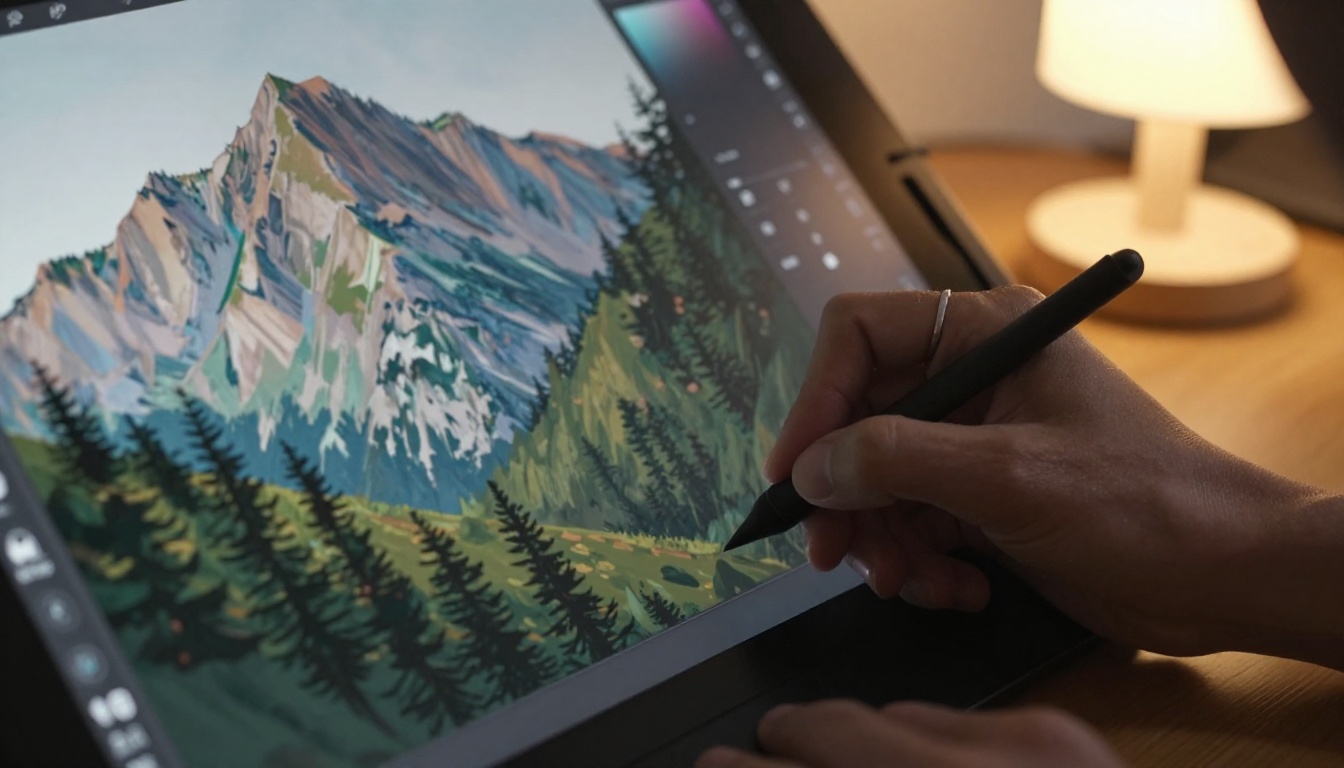
Every ruling above points to the same rule: ownership follows human creative contribution. Three routes give you something real to claim.
Selection and Arrangement
Generate many variations, then make deliberate editorial choices about which pieces to use and how to combine them into a layout, a comic page, a series, or a collage. The protection applies to your arrangement, not each generated image on its own, so it is thin. Someone could copy a single image from your set without infringing, but not your whole composed layout.
Editing the Output by Hand
Repainting areas, compositing several images, retouching details, and rebuilding parts of a scene all create human authorship you can point to. For targeted changes, inpainting tools such as Flux Fill Pro and Qwen Image Edit Plus let you change a chosen region while leaving the rest intact. Keep a record of what you changed, because the protection reaches only those changes.
One caution: running a picture through a tool like Clarity Pro Upscaler raises its resolution but is a technical step. It probably will not count as authorship on its own.
Starting From Your Own Sketch
This is the strongest route. Draw or photograph something yourself, then feed it into an image model as a reference. Many image models accept reference images, including Seedream 5 Pro, GPT Image 2, Flux 2 Pro, and Nano Banana Pro. Your original expression stays protected wherever it is still visible in the result.
| What you did | Likely protected? |
|---|
| Typed a prompt and published the result | No |
| Picked the best of four outputs | Unlikely |
| Arranged twelve generated images into a designed comic page | Yes, the arrangement |
| Painted over a generated image by hand | Yes, your modifications |
| Fed in your own drawing and kept it recognizable | Yes, the visible parts of your drawing |
| Upscaled the image and nothing else | Unlikely |
Many creators assume that the line "you own your outputs" in a platform's terms settles everything. It does not.
What Licenses Actually Grant
A platform's terms are a contract between you and the company. Most major image tools say you can use outputs commercially, and many assign to you whatever rights exist. That helps in one important way: the company will not come after you. It cannot create a copyright where the law refuses one, so a third party could still copy a pure prompt image without breaking any law.
Free tiers sometimes restrict commercial use, and individual models can carry their own licenses. Read the commercial-use terms of both the platform and the specific model before you deliver work to a client.
💡 Watch the other direction too: lacking your own copyright does not shield you from someone else's. If an output closely resembles an existing character, logo, or artwork, publishing it can still infringe. Check results before you sell them.
Training Data Disputes Are Separate
Lawsuits against image generator companies, such as the artists' case Andersen v. Stability AI and Getty Images' UK claim against Stability AI, which ended in a mixed ruling in late 2025, ask whether training on copyrighted images was lawful. That is a different question from who owns your output. In March 2026 the UK government also said it will not introduce a broad copyright exception for AI training, so developers there need licenses unless a specific exception applies. None of this changes your own ownership position, but it is worth watching if you work with clients who are cautious about risk.
Music and Video Follow the Same Logic
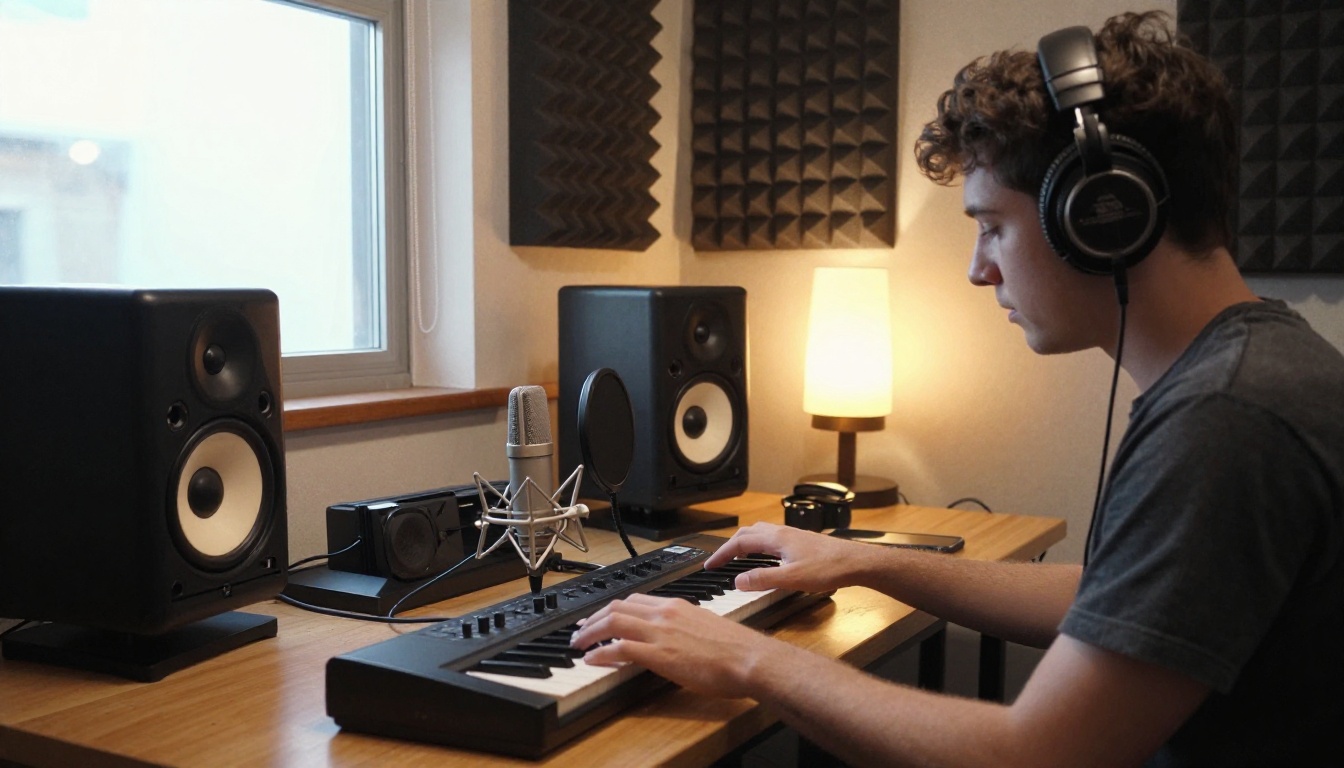
The Copyright Office's reasoning is not limited to pictures. Human authorship is the test for songs and films too, and the same split between machine output and human contribution applies.
AI Music Ownership
A track generated from a text description, with no human input beyond the prompt, sits in the same unprotected position as a prompt-only image. What you can protect is what you add: lyrics you write yourself, melodies you compose, vocals or instruments you record, and an arrangement you build from edited stems.
Models such as Lyria 3 Pro, MiniMax Music 2.6, and ElevenLabs Music are best used as collaborators, not as one-click songwriters. Write the words, record a live layer, and edit the structure yourself, and you end up with a song that has a defensible author.
AI Video Ownership
Raw clips from a text-to-video model are treated like raw images: no human authorship in the footage itself. But a finished film contains plenty you did create, including the script, the storyboard, the shot selection, the edit, the pacing, and the sound design. Models like Seedance 2.0, Veo 3.1 Fast, and Kling v3 can produce the building blocks, and your editing decisions turn them into a work with a human author.
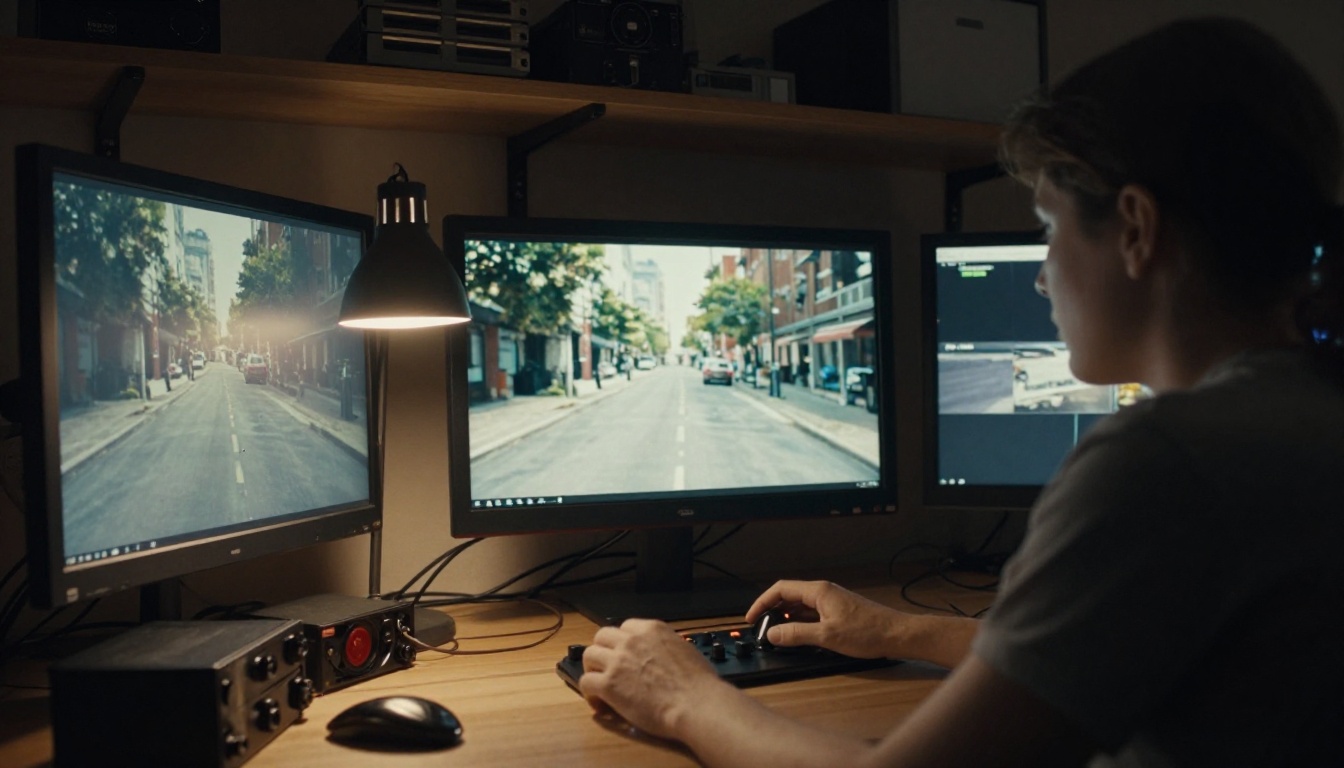
Mixing generated clips with footage you shot yourself strengthens your position further, because the live material is plainly yours.
A Practical Paper Trail
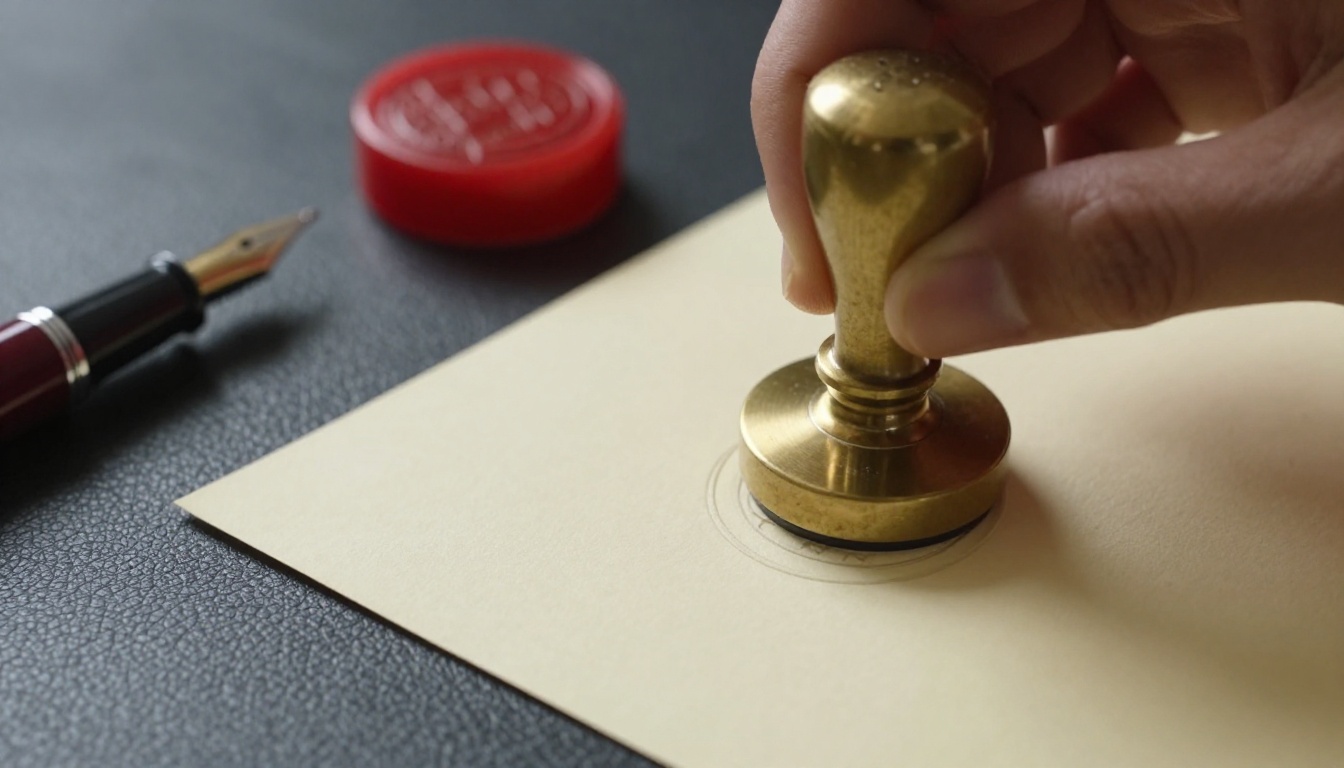
Good habits cost almost nothing and pay off if anyone ever questions your authorship. You are not proving that you used no AI. You are proving which parts of the work are yours.
What to Save
- Prompts and settings for every generation you keep, including the model name and the seed where available.
- Drafts and iterations, so you can show how the work developed.
- Layered source files with timestamps, such as PSD or similar files showing your edits.
- Your own sketches, photos, and reference material that went into the process.
- Short notes on what you changed by hand and why.
- Platform terms and receipts as they stood on the day you created the work.
Registering With Disclosure
In the US you can register a work that includes AI-generated material, but you must say so. The application asks you to identify AI content beyond trivial amounts and to claim only your own contribution, such as the text, the selection and arrangement, or the human edits. Leaving out the disclosure can put the registration at risk later, so be accurate rather than generous.
💡 Registration is optional but useful. In the US it is required before you can sue for infringement, and it creates a clear public record of what you claim.
Start Creating Your Own Work
The best protection is a creative process you can show. Open Picasso IA, pick a model for images, video, or music, and generate a few options. Then do the part only you can do: sketch your own starting point, choose with intent, edit by hand, arrange the pieces, and write the words. Save each step as you go.
Try it on a small project first. Make a poster, a short clip, or a track, keep your paper trail, and compare the result with a plain one-line prompt. You will see the difference in the final piece, and your records will show exactly where your authorship begins.


