The number of free AI image generators available in 2026 has exploded past the point where anyone can test them all. Dozens of platforms promise photorealistic results from a simple text prompt, but the reality is far more uneven. Some produce stunning, print-quality images. Others look like they were generated in 2022 and forgot to upgrade. This article cuts through that noise. We tested the most widely used free text-to-image generators available right now, rated them on output quality, resolution, ease of use, and what "free" actually means in practice.
What "Free" Actually Means in 2027
Not every tool that calls itself free is actually free. In 2027, most platforms have adopted a tiered model where the free tier is functional but throttled. Before reviewing specific generators, it helps to define what we mean by "free AI image generator."
The Three Tiers of "Free"
There are three distinct categories in the wild:
- Truly free with no signup: A handful of tools still let you generate images without creating an account. Outputs are often watermarked or resolution-capped.
- Free tier with daily credits: The most common model. You get 10-50 free generations per day, then hit a paywall.
- Free trial only: Some platforms are technically free for 7-14 days, then charge. These are not free generators in any meaningful sense.
💡 Pro tip: If a tool requires a credit card to access the "free" tier, it is not free. Real free tiers do not require payment details upfront.
Why Resolution Matters More Now
In 2024, 512x512 was acceptable. In 2026, the bar is 1024x1024 at minimum, with serious use cases requiring 2K or 4K output. Several generators on this list offer resolutions up to 4K even on their free plans, while others cap at 512x512 regardless of your subscription. We weighted this heavily in our rankings.
The gap between 512px and 4K is not just pixels. It is the difference between an image that works as a social thumbnail and one that prints cleanly on a magazine spread or serves as a hero image for a commercial website.
LSI Keywords That Signal Quality
When creators search for the best AI image generator no watermark or a free AI image generator without signup, they are asking the same fundamental question: can I get professional output without paying? In 2027, the honest answer is yes, with limits. The tools below tell you exactly where those limits are.
The Top Free Generators, Ranked
The following table shows our overall ratings. All tools were tested on the same 10 prompts covering portraits, landscapes, product shots, and abstract compositions.
| Generator | Free Tier Quality | Max Free Resolution | Watermark-Free | Daily Limit |
|---|
| GPT Image 2 | ★★★★★ | 2K | Yes | 15 |
| Flux 2 Klein | ★★★★★ | 2K | Yes | 20 |
| Seedream 4.5 | ★★★★☆ | 4K | Yes | 10 |
| Wan 2.7 Image Pro | ★★★★☆ | 4K | Yes | 8 |
| Hunyuan Image 2.1 | ★★★★☆ | 2K | Yes | 15 |
GPT Image 2: OpenAI's Best Gets a Free Tier
OpenAI's GPT Image 2 shocked the industry when it became available on PicassoIA's free tier in early 2026. The model that powers premium image generation across major platforms is now accessible without a paid subscription, within daily limits.
What makes it stand out is instruction following. You can write a genuinely complex prompt with multiple subjects, specific lighting conditions, and compositional requirements, and GPT Image 2 will actually honor them. Most free models ignore half your prompt. This one reads it carefully and executes with precision.
Best use cases: Editorial imagery, complex multi-subject scenes, any prompt where specificity matters.
Where it falls short: The 15-image daily limit fills up faster than you expect. Heavy users will hit the ceiling by early afternoon. The model also occasionally over-saturates colors in outdoor scenes, a minor quirk that a quick post-processing pass in Lightroom fixes immediately.
Flux 2 Klein: Black Forest Labs Raises the Bar
Black Forest Labs has been the most consistent AI image lab of the past 18 months. Their Flux 2 Klein 9B Base LoRA is a leaner version of their flagship model that runs faster without sacrificing much quality. For portrait work especially, it is difficult to beat at any price point.
The model's strength is photorealism at the pixel level. Skin texture, hair detail, clothing fabric, the way light catches a cheekbone, these are handled better than anything else in the free tier. If your primary use case is people photography or editorial imagery, Flux 2 Klein is the one to use.
Flux Redux Dev is also available on PicassoIA for image variation work, letting you generate multiple styled versions from a reference image without re-prompting from scratch.
💡 Workflow tip: Generate your base portrait with Flux 2 Klein, then use Flux Redux Dev to create variations at different angles or in different lighting without losing character consistency.
Seedream 4.5: ByteDance's 4K Surprise
Seedream 4.5 is ByteDance's entry into serious AI image generation, and it is not playing small. The model generates at 4K resolution even on the free tier, which is rare. Output quality is notably strong for architecture, landscapes, and product photography.
Where it lags slightly is portraiture. Faces have an occasional softness that puts it below Flux 2 for human subjects. But for everything else, 4K free output is a significant practical advantage, particularly for social media creatives who need large files for print, billboard use, or large-format digital advertising.
Unique advantage: Seedream 4.5 handles complex backgrounds with multiple distinct elements better than most models. A city street at golden hour with 15 people, three vehicles, and specific architectural details will render more coherently here than in most alternatives.
💡 Best for: Creators who need high-resolution outputs for print, large-format social posts, or digital advertising mockups.
Wan 2.7 Image Pro: The 4K Powerhouse
Wan 2.7 Image Pro generates at 4K and has exceptional handling of complex scenes with multiple elements. Architecture interiors, crowd scenes, elaborate still-life compositions, this model stays coherent where others start to hallucinate extra limbs and physics-defying objects.
The lower daily limit of 8 free generations is the main practical constraint. You need to be deliberate with your prompts. But when you get it right, the output quality is publication-grade.
For creators who need standard 2K output at higher volume, Wan 2.7 Image offers the same model at faster speed and higher daily limits, a practical option when you are iterating quickly on a concept.
Hunyuan Image 2.1: Tencent's Quiet Contender
Hunyuan Image 2.1 does not get the same press coverage as the OpenAI or Black Forest Labs models, but it deserves more attention. Tencent's model produces strong results across most use cases, with particularly impressive handling of lighting, specifically the way it renders shadows and highlights in complex indoor scenes.
It is also notably good at following style directives. Tell it you want a shot that looks like it was taken on Kodak Portra 400, and it delivers the grain, the color cast, the latitude in the shadows. For photographers who want a specific film aesthetic in their AI-generated images, Hunyuan Image 2.1 is worth testing seriously.
Standout feature: Color science. Hunyuan produces the most natural-looking color profiles of any model in this roundup, with pleasing highlight rolloff and shadow detail that rivals what you would get from a well-exposed RAW file.
How PicassoIA Changes the Calculation
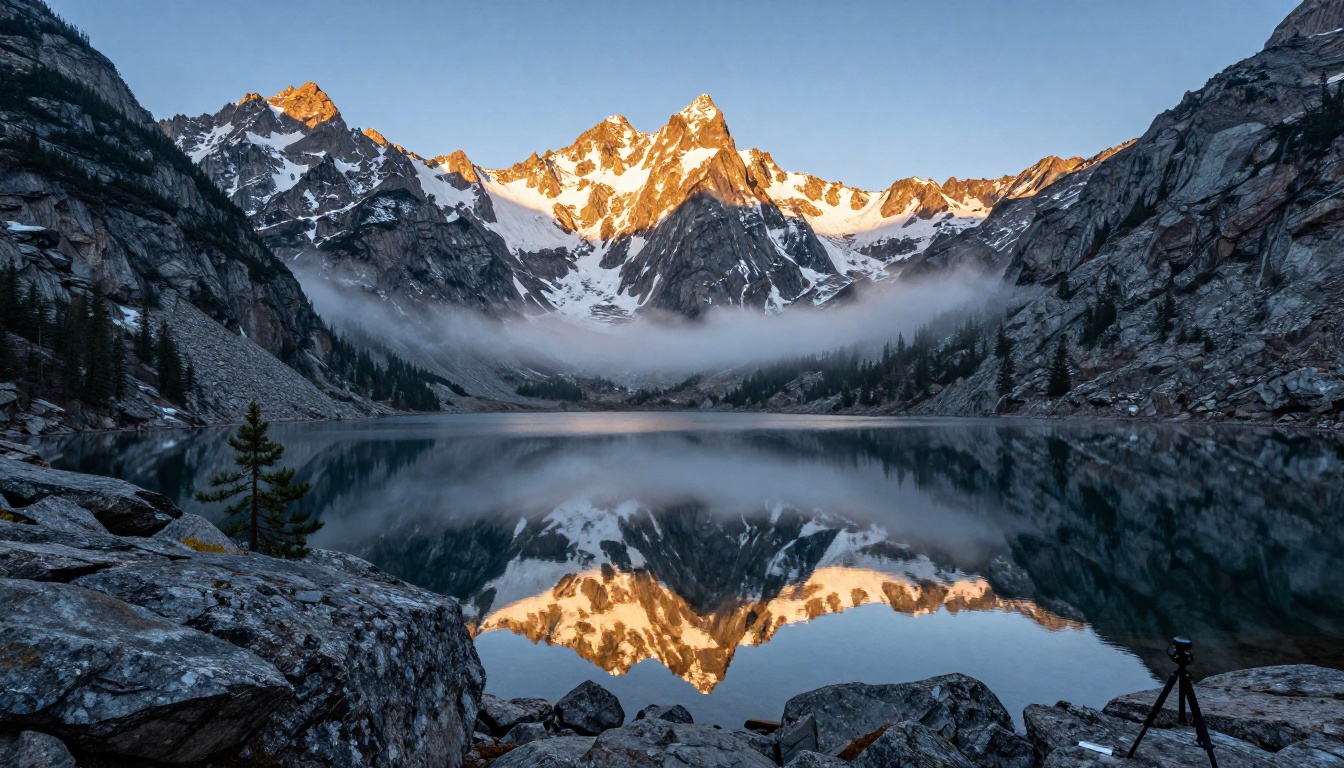
Most articles about free AI image generators treat each tool as a standalone product. What they miss is that platforms like PicassoIA aggregate multiple models into a single interface, which changes the economics entirely.
Instead of maintaining five different accounts, remembering five different interfaces, and juggling five separate daily credit limits, PicassoIA gives you access to over 90 text-to-image models from one login. The PicassoIA Image flagship model is available directly, along with the entire library of third-party models covered in this article.
One Platform, Many Specialties
The real advantage is task switching. You might use GPT Image 2 for a complex editorial prompt that needs strong instruction following, then switch to Flux 2 Klein for portrait work, then use Seedream 4.5 when you need 4K resolution for a print asset. All of this happens in the same workflow without leaving the platform or resetting your mental context.
This is how professional creators actually work in 2027. The question is not "which generator is best overall" but "which generator is best for this specific task right now."
Beyond Image Generation
PicassoIA extends well past text-to-image generation. The same platform covers:
- Image editing: Qwen Image Edit Plus lets you edit any part of an existing image with text instructions, replacing objects, changing backgrounds, and adjusting lighting.
- LoRA training: The P Image Trainer lets you fine-tune a custom model on your own visual style or a specific subject.
- Super resolution: Upscale outputs 2x to 4x without losing quality, turning a 1K output into a print-ready 4K file.
- Background removal, face swap, video effects, and audio generation round out a complete creative toolkit.
💡 Workflow tip: Generate your base image with one of the top models, then run it through a super-resolution upscaler to get print-ready resolution without burning your high-resolution daily credits.
Results Compared: Three Common Use Cases
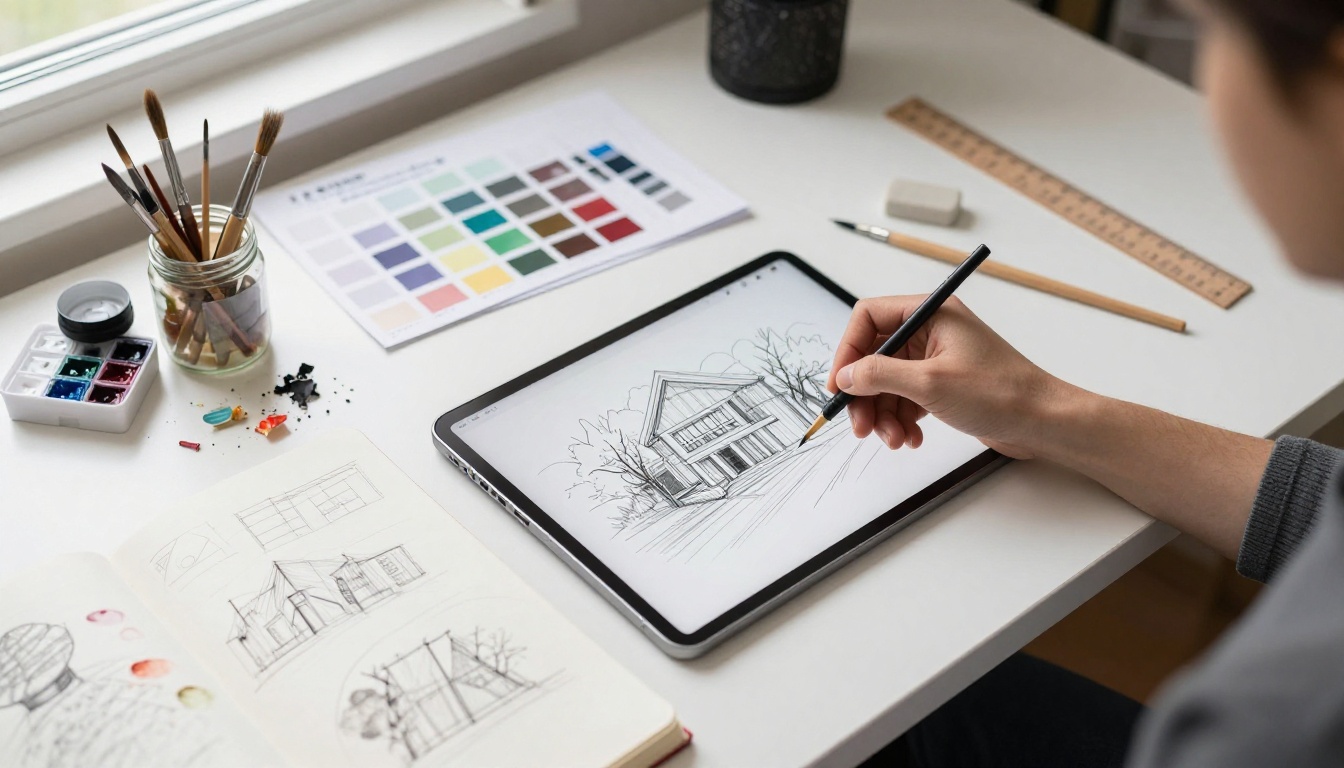
Portrait Photography
For portrait work, the ranking is clear:
- Flux 2 Klein for the most photorealistic skin and hair detail
- GPT Image 2 for complex multi-person compositions with specific staging
- Hunyuan Image 2.1 for atmospheric, film-style portraits with natural color
The gap between first and third is meaningful. Flux 2 Klein's portrait outputs could plausibly pass as real photography to a casual viewer. The others produce excellent results that read more obviously as AI-generated on close inspection, particularly in the eyes and teeth.
Landscape and Architecture
Here, the 4K models pull ahead decisively:
- Seedream 4.5 for clean architectural work and natural landscapes at high resolution
- Wan 2.7 Image Pro for complex multi-element outdoor scenes
- Flux 2 Klein still competitive but shows more compression artifacts at large scale
The ability to generate at 4K matters more for landscapes than portraits. Fine detail in vegetation, water surface tension, and stone texture benefits from the extra resolution in ways that portrait subjects generally do not.
Product Photography
This is where results diverged most significantly across our tests. Product photography requires precise control over lighting, shadows, and surface reflections.
| Use Case | Best Free Model | Why |
|---|
| Jewelry and glass | GPT Image 2 | Best light refraction rendering |
| Apparel and fabric | Flux 2 Klein | Superior textile texture detail |
| Food and beverage | Hunyuan Image 2.1 | Natural color and shadow depth |
| Architecture models | Wan 2.7 Image Pro | Structural coherence at 4K |
The Hidden Limits of Free

The daily generation limits on every free tier are real constraints, but they are not the only friction points. Several other limitations are worth knowing before you build a workflow around any of these tools.
Resolution Throttling
Some platforms advertise free image generation but do not mention that free-tier outputs are capped at 512x512. That is fine for social media thumbnails and nothing else. Always check the actual output resolution before assuming a tool meets your requirements. Platforms worth using in 2027 offer at least 1024x1024 on the free tier, with the best offering 4K.
Commercial Use Rights
This one catches people off guard. Several popular free generators grant personal use rights only. If you plan to use AI-generated images commercially, whether for client work, advertising, or product imagery, verify the licensing terms before publishing. PicassoIA's terms are explicit on commercial use, which is a meaningful reason professional creators prefer it for paid work.
Rate Limiting vs. Credit Limits
There is a practical difference between a hard credit limit (you get 15 generations, then stop for 24 hours) and rate limiting (you can generate more but must wait between requests). The former is more disruptive for burst workflows. The latter is manageable with task planning and batching your prompts thoughtfully.
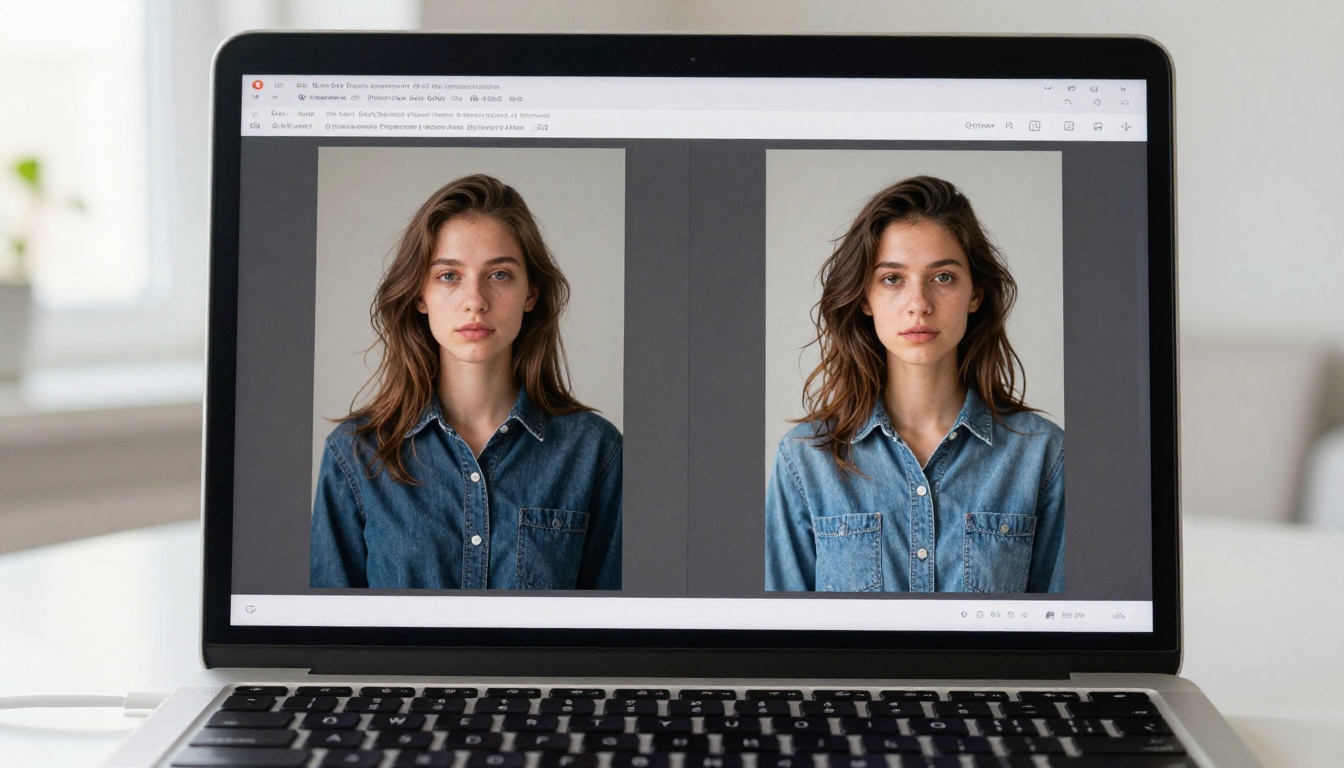
Different generators suit different creators. Here is a practical breakdown based on actual workflow patterns:
Social media creators benefit most from Seedream 4.5 and Wan 2.7 Image Pro. The 4K resolution gives flexibility across platform formats, and the higher output fidelity means less post-processing.
Editorial and content teams will gravitate toward GPT Image 2 for its prompt adherence. When you need a specific scene described in detail, it is the model most likely to render what you actually asked for rather than a close approximation.
Product photographers and e-commerce teams should test Flux 2 Klein and GPT Image 2 side by side for their specific category. The right choice depends heavily on what you are shooting. Apparel favors Flux; jewelry and glass favor GPT Image 2.
Developers and automation users benefit most from PicassoIA's API access, which lets you integrate any of these models into production workflows programmatically, without maintaining separate API keys and rate limits for each provider.
Hobbyists and casual creators are best served by starting with PicassoIA Image, which balances quality, speed, and ease of use without requiring any understanding of model-specific quirks.
Try It Yourself on PicassoIA
Every model discussed in this article is available directly on PicassoIA. You do not need to create five accounts or remember five different interfaces. Sign up once and you have access to over 90 text-to-image models, including GPT Image 2, Flux 2 Klein 9B, Seedream 4.5, Wan 2.7 Image Pro, Hunyuan Image 2.1, and the PicassoIA Image flagship.
The practical next step is simple: take three or four of your most common prompt types, whether that is portraits, product shots, or landscape work, and run the same prompt through three different models to see which output works best for your specific needs. That 20-minute test will tell you more than any ranking article.
Start with the PicassoIA Image Editor Pro if you want a tool that combines generation and editing in a single workflow. Or go straight to the model that matched your use case from the comparison tables above. Either way, the free tier is genuinely capable, and the ceiling is higher than most creators expect.
The best free AI image generator in 2027 is not a single model. It is having access to all of them.


