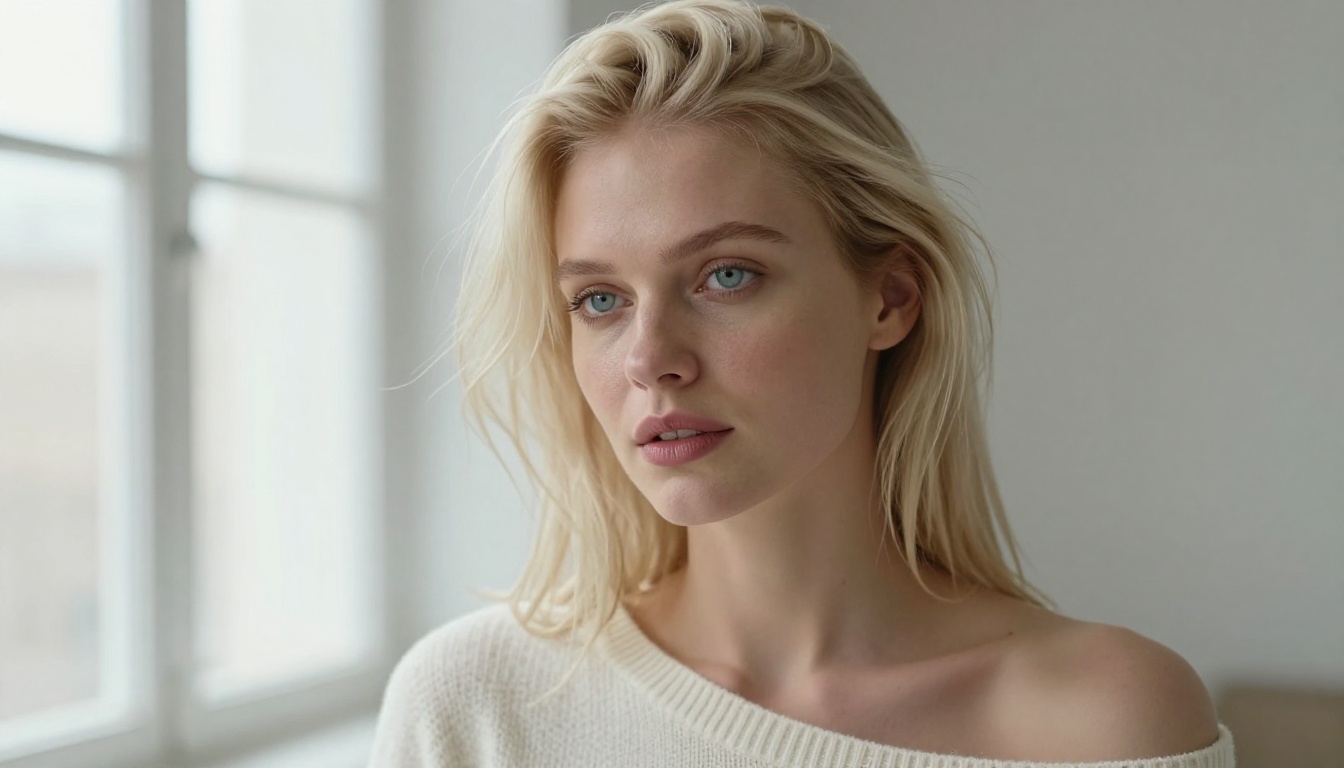
The demand for NSFW AI image generators has exploded. Whether you are a digital artist, a content creator, or simply someone curious about what AI can produce when the guardrails come off, you need a tool that delivers quality, speed, and a meaningful free tier. This article cuts through the noise and shows you exactly which generators are worth your time right now, what separates the great from the mediocre, and how to get the most out of each one.
Not All Generators Are Equal
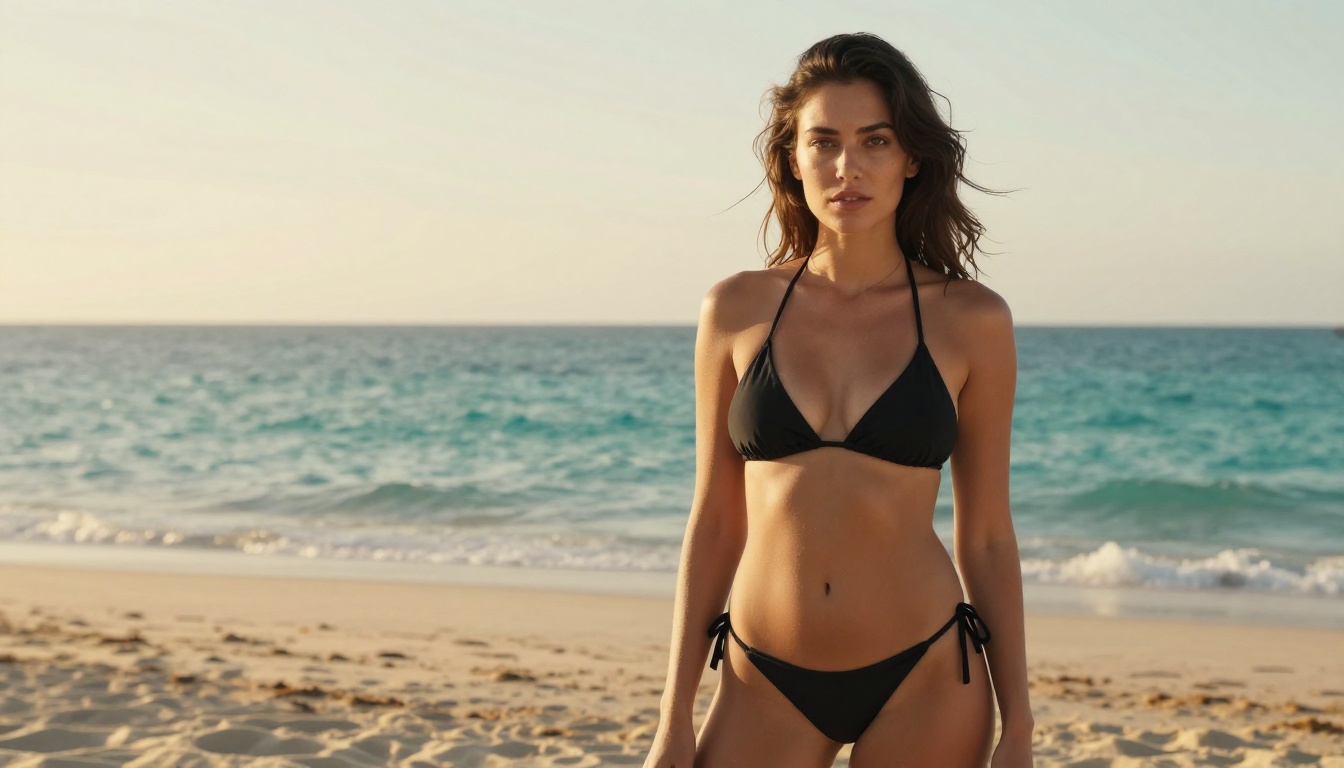
The output you get from an NSFW image generator is determined almost entirely by the underlying model. A polished interface means nothing if the model produces muddy, low-detail images with distorted anatomy. The best generators in 2027 are built on top of architectures specifically trained or fine-tuned for photorealistic human figure rendering.
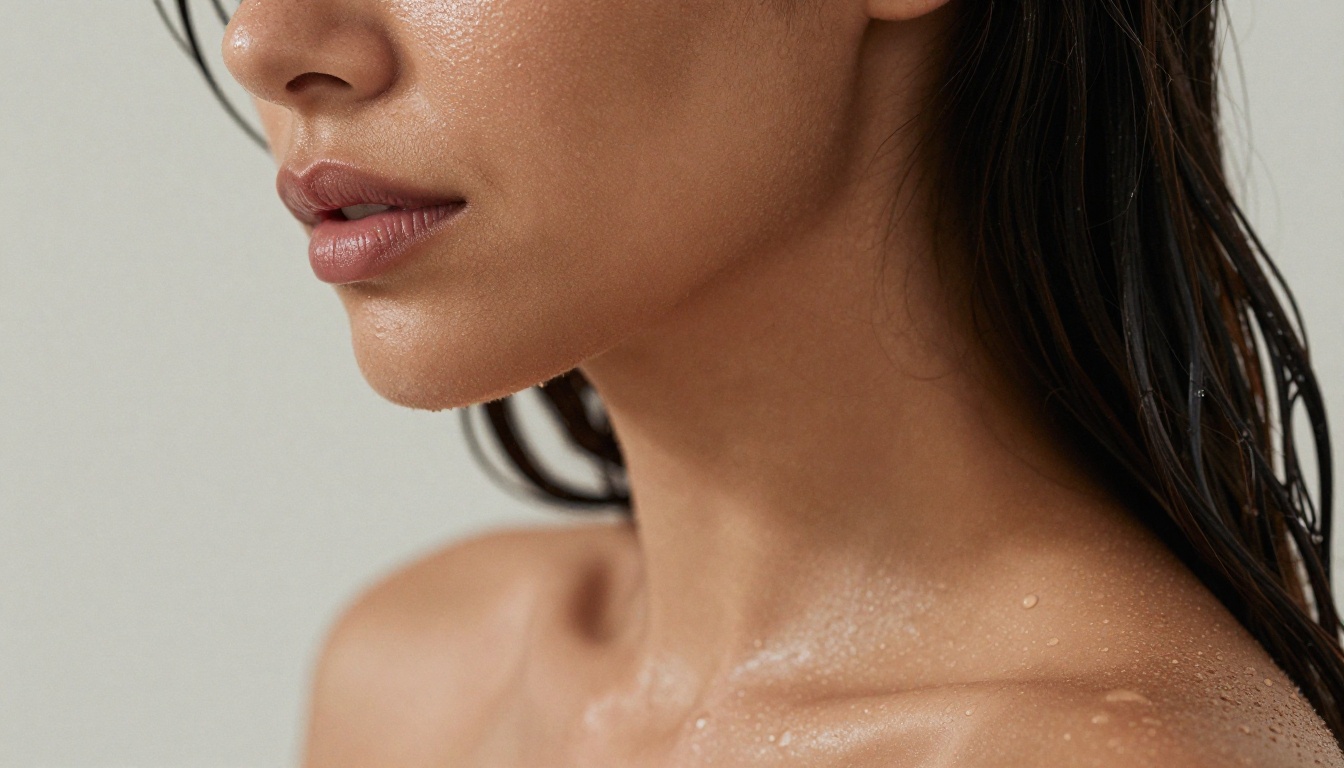
The difference between a mediocre model and a great one shows up in three places: skin texture, lighting accuracy, and compositional coherence. When you zoom in on a high-quality output from something like Flux Dev or Realistic Vision v5.1, you see individual pores, natural shadow gradients, and fabric that drapes the way it should.
Privacy and Safety Policies
Before committing to any platform, check what it does with your prompts and generated images. Some services store everything by default and use your outputs for model training. Others offer private generation modes or delete your data automatically after a session. For NSFW content especially, knowing where your images go matters.
Open-weight models run on platforms like PicassoIA offer a strong privacy default because the model itself is publicly available and your generations are not feeding a proprietary training pipeline.
Free vs. Paid Tiers
Most platforms offer a free tier with limited credits or lower resolution outputs. That is fine for testing, but you need to know which free models are genuinely capable versus which are stripped-down previews. The models covered below are either completely free or offer meaningful free access with no credit card required.
The Best Free NSFW Image Generators Right Now
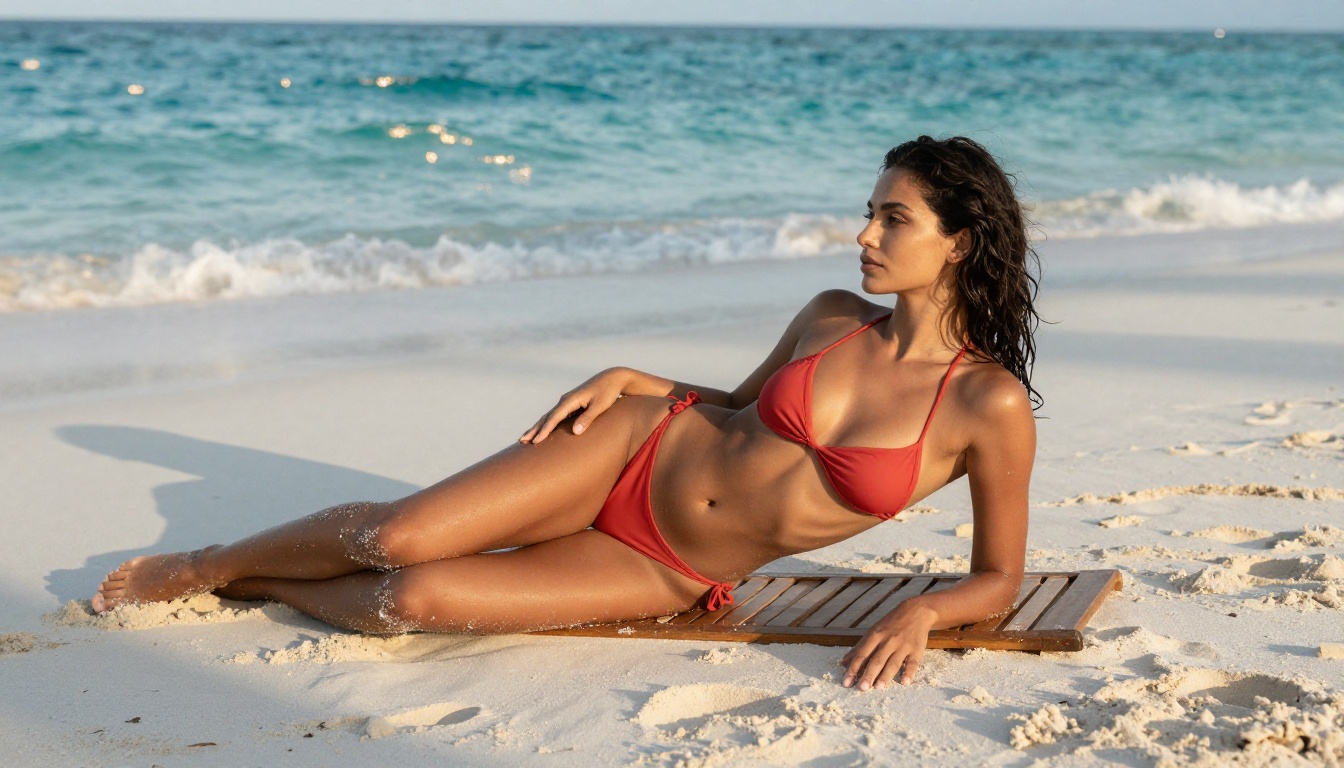
The field moved fast this year. A few new arrivals now sit at the top of the list for free NSFW work, led by an unlimited image editor and the fastest realistic generators on the platform. Here is the ranked rundown, starting with the picks worth reaching for first.
PicassoIA Image Editor Pro
Leading the list is PicassoIA Image Editor Pro, the platform's own image-to-image model. You upload a photo, describe the change you want in plain language, and a polished edited result comes back in under a second. It accepts NSFW content, so you can retouch, restyle, or adjust suggestive imagery without hitting a safety wall.
What earns it first place is the pricing. Generations are unlimited: no per-edit cap, no daily quota. If you need 1,000 images, you make 1,000 images at no extra cost, included with an Elite or Infinite subscription. Set that against a credit-metered model like Nano Banana, where 1,000 generations runs around $100, and the gap speaks for itself.
You can try it before paying anything: it offers 3 free generations with no credit card required.
💡 Why unlimited matters for NSFW work: suggestive and glamour imagery takes heavy iteration. You rarely nail the pose, fabric, and lighting on the first attempt. A model that never charges per try lets you refine for as long as it takes, and at under a second per edit the loop stays fast.
Best for: img2img editing, high-volume work, fast retouching with no per-image cost.
Seedream 4.5
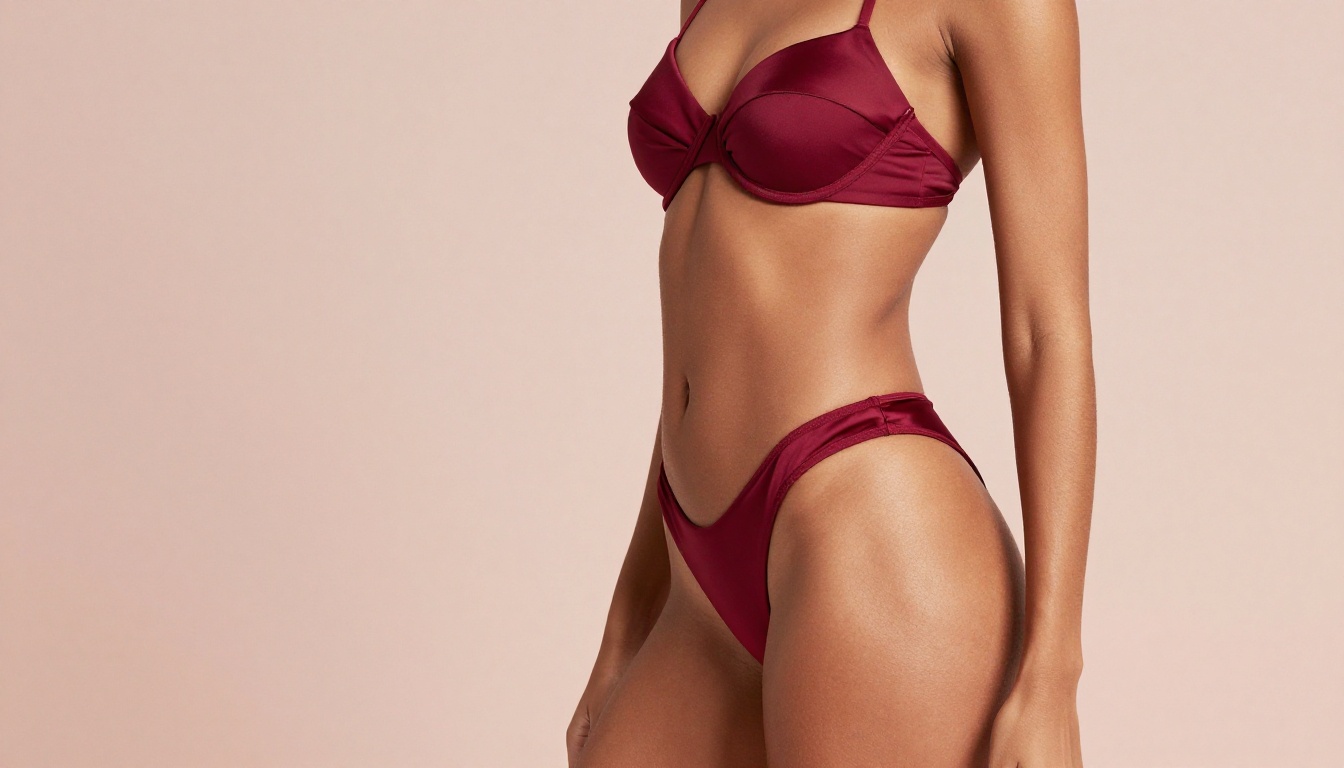
In second place sits Seedream 4.5, ByteDance's text-to-image model and one of the most realistic options here. It produces sharp 2K and 4K output, accepts NSFW prompts, and also edits existing photos when you feed it a reference image. Most generations finish in under three seconds, which is exceptional performance for output at this resolution. Its read on clothing, fabric drape, and material texture is notably strong, and the previous version, Seedream 4, remains a solid pick for detailed wardrobe styling.
For suggestive and glamour content, Seedream 4.5 renders skin tone, fabric, and natural light with a believable, photographic quality. The speed makes it practical for batch work: run a set of variations, keep the strongest, and refine from there.
Best for: ultra-high-resolution detail, fast realistic generation, complex multi-element scenes.
Qwen Image 2
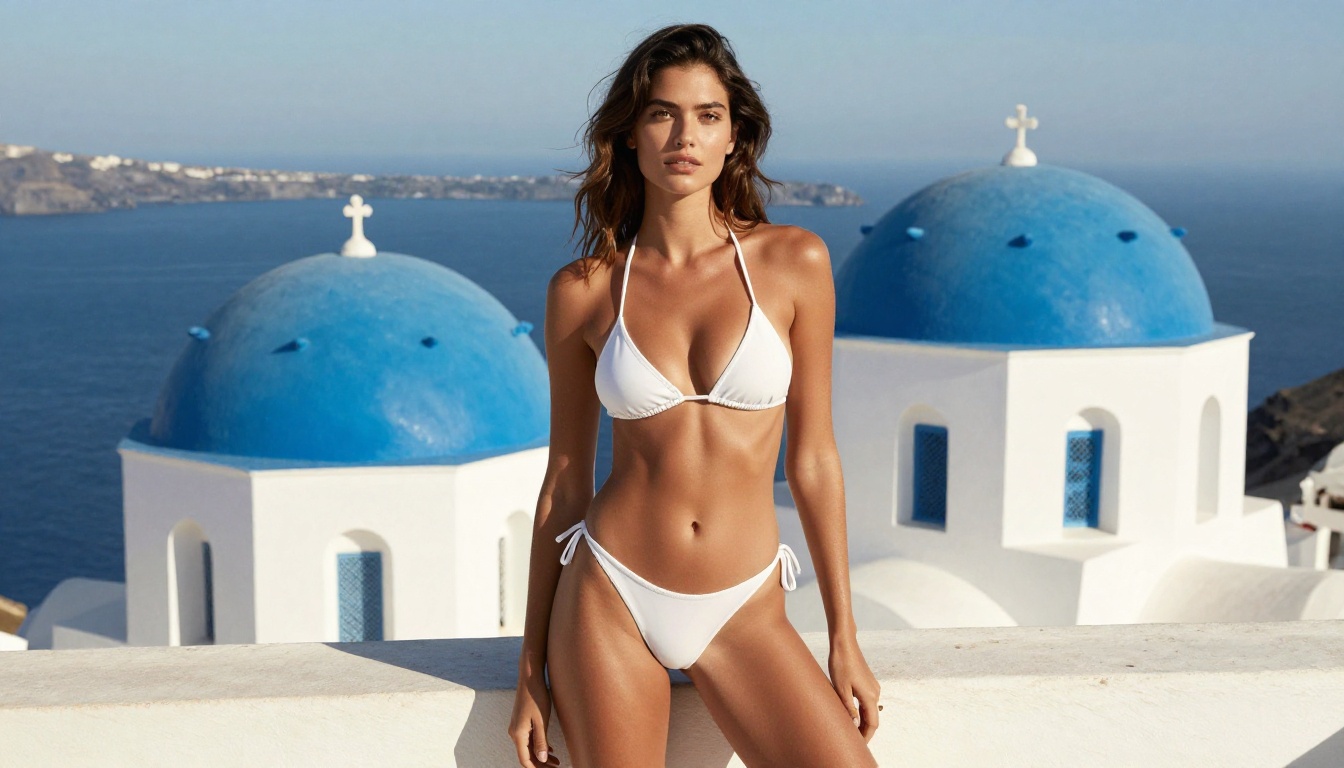
Qwen Image 2 is the open-source pick. Because the weights are open, it drops into almost any workflow, and it both creates images from scratch and edits existing photos in seconds with detailed, realistic results. Hand it a written instruction plus a reference image to apply a change, or start from a plain text description. Its sharp detail and accurate prompt adherence make it a dependable everyday option for realistic human subjects.
Best for: open-source flexibility, quick edits, realistic everyday generation.
Grok Imagine Image
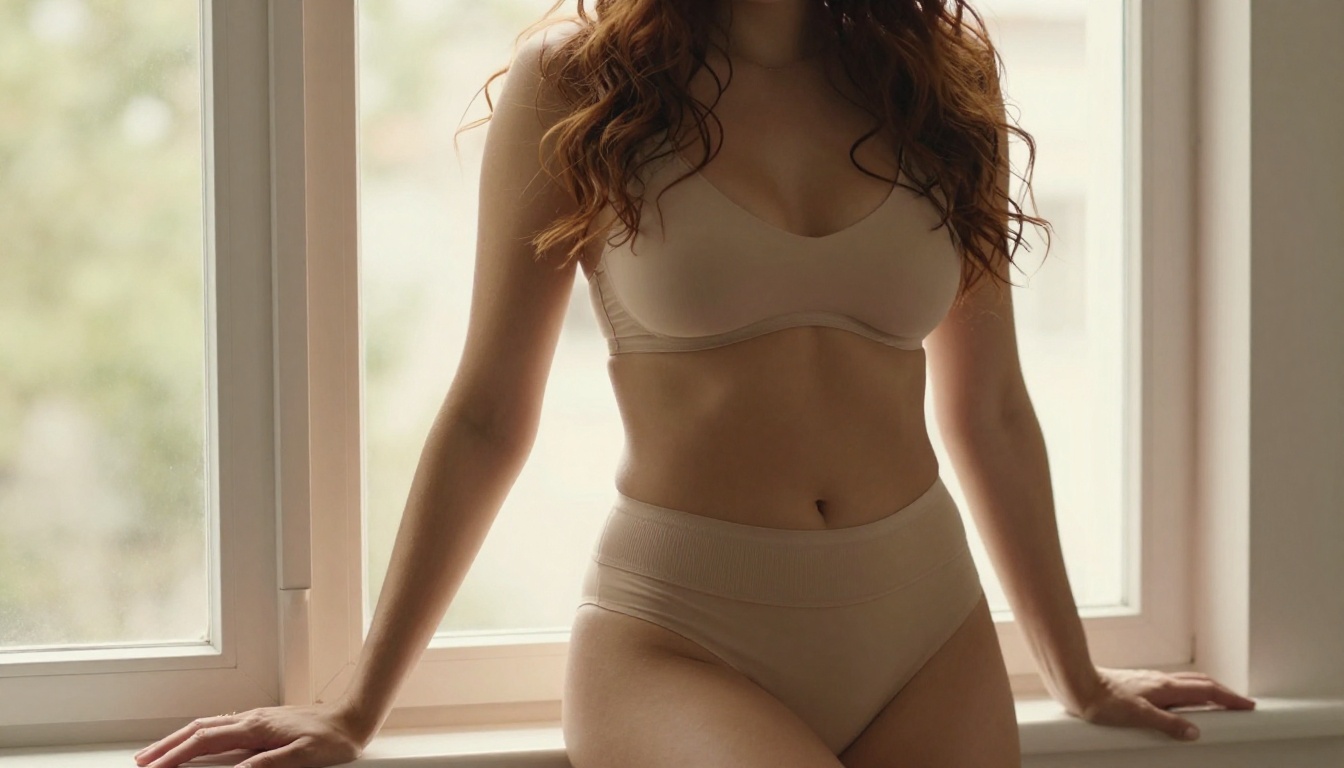
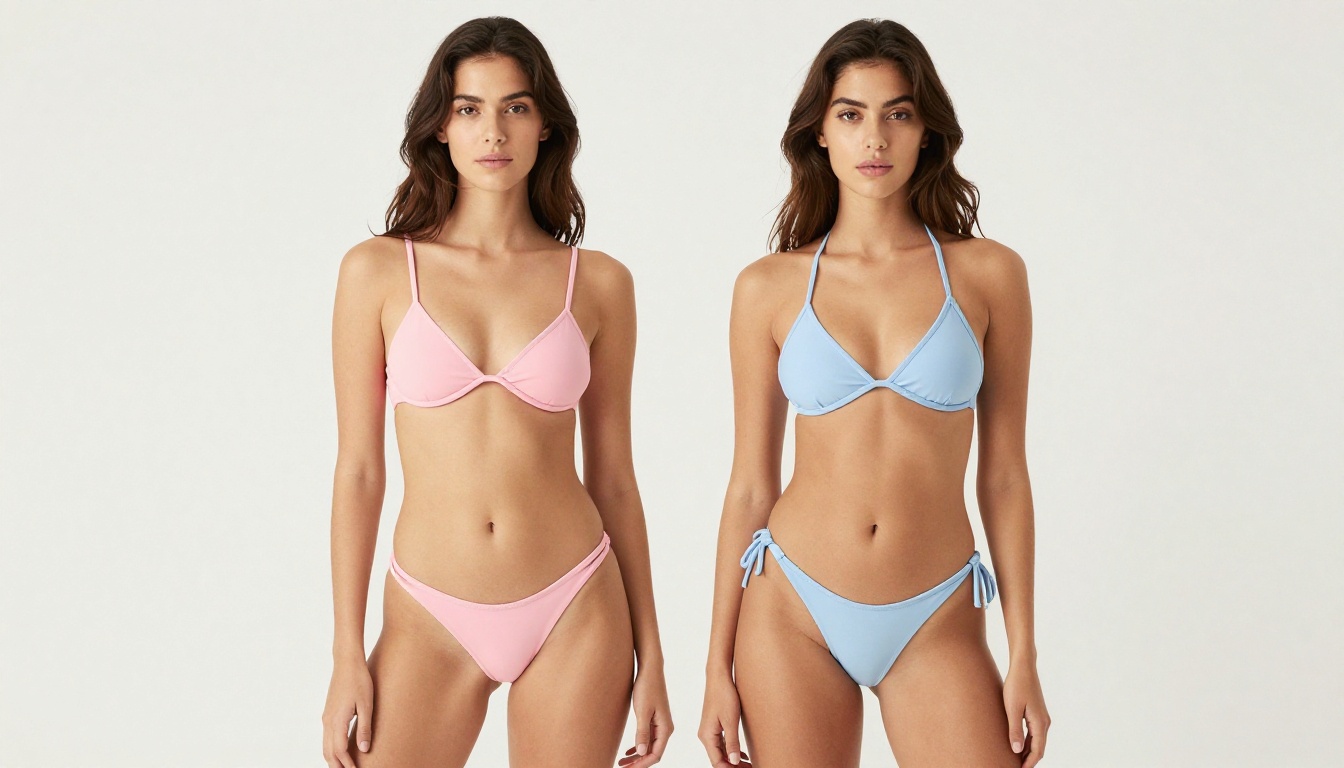
Grok Imagine Image has a trick that fits this category perfectly: hand it a photo and it converts the subject into a bikini look in a strikingly realistic way, matching skin tone, lighting, and body contour so the result reads as a real photograph rather than an edit. It runs unlimited generations on PicassoIA with no credits or caps, so you can keep adjusting until the look lands.
Best for: realistic photo-to-bikini conversions, high-volume edits with no usage cap.
Recraft v4
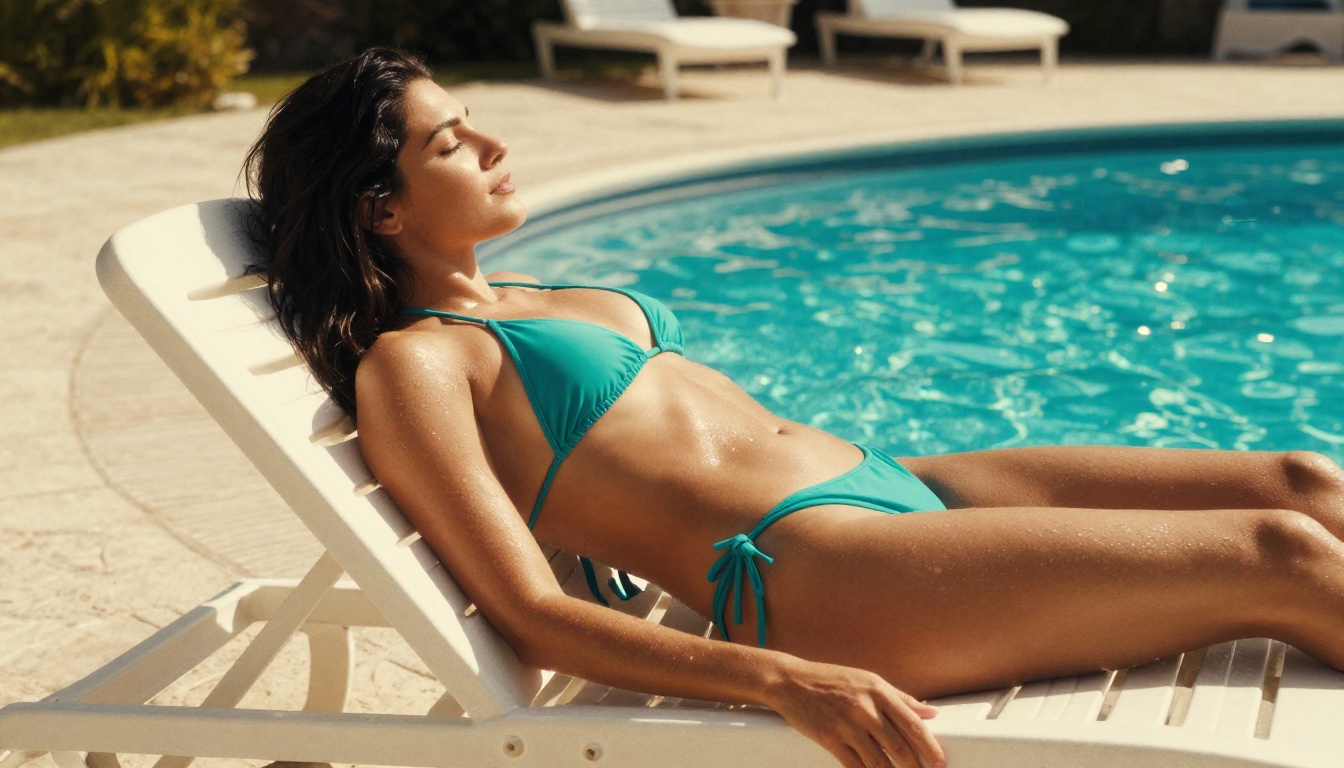
Recraft v4 rounds out the new additions. It is text-to-image only, with no editing mode, but the realism it pulls from a written prompt is genuinely impressive. Its art-directed composition and precise prompt reading mean the framing tends to look intentional rather than randomly assembled. When you are starting from a description rather than a source photo, Recraft v4 is one of the most realistic ways to get there.
Best for: art-directed realism, text-to-image work, intentional composition.
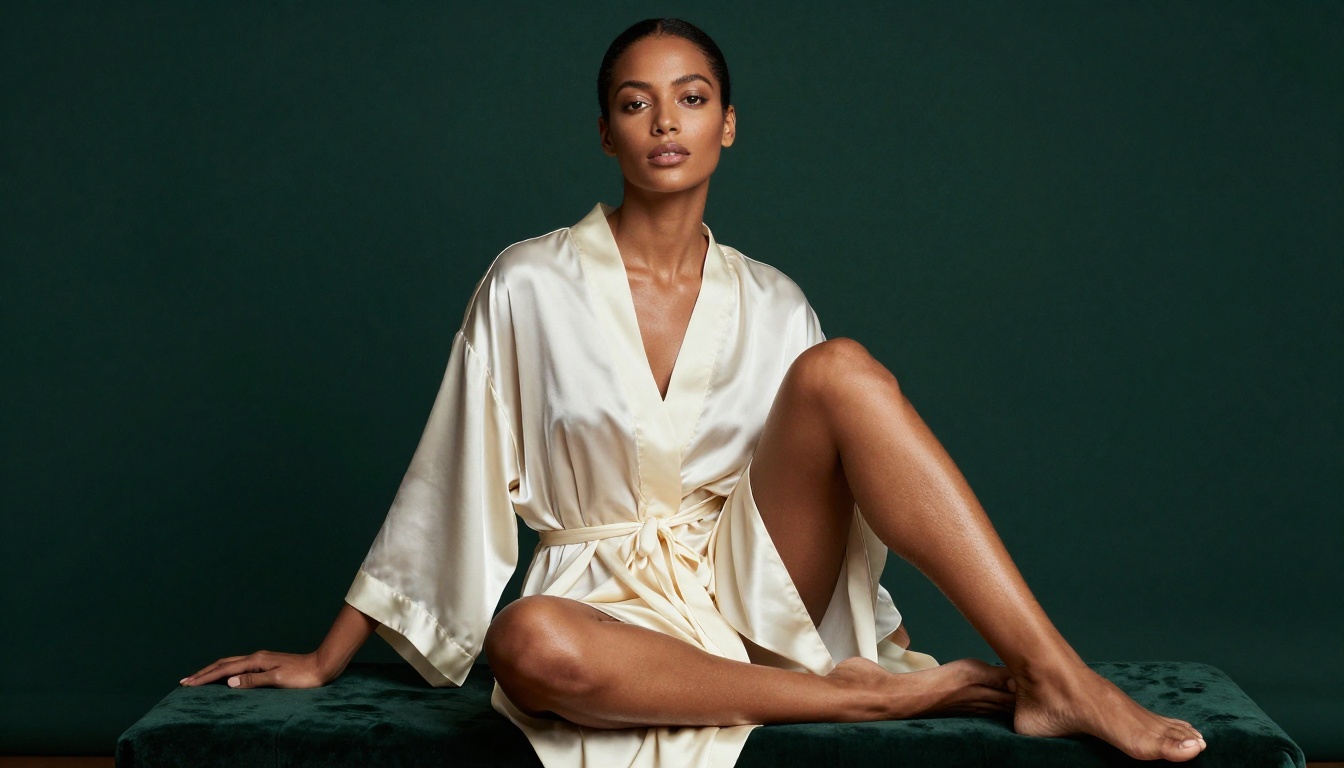
Beyond these picks, a set of open-weight models still defines the quality bar for free photorealistic generation. Here is how the classics hold up.
Flux Dev
Flux Dev from Black Forest Labs is the current benchmark for free text-to-image quality. It is an open-weight model, meaning anyone can run it, and it produces outputs with exceptional skin detail, accurate proportions, and nuanced lighting that rivals professional photography.
For NSFW content, Flux Dev handles suggestive prompts well. It interprets artistic nudity, glamour photography, and intimate scenes without the heavy-handed refusals common in closed commercial models. The key is prompt precision: vague prompts produce vague results, but specific descriptions of lighting, clothing, pose, and environment pull out the model's full capability.
💡 Tip: Use cinematographic language in your Flux Dev prompts. "Soft window light from the left, 85mm f/1.4, Kodak Portra 400 grain" dramatically improves output realism.
Best for: Photorealistic portraits, glamour photography, artistic figure studies.
Flux Schnell
If speed matters more than maximum quality, Flux Schnell is the fastest free model available. It generates images in seconds rather than minutes and produces surprisingly strong results for its speed. The trade-off is slightly less fine detail in skin and hair textures compared to Flux Dev, but for rapid iteration and prompt testing, it is hard to beat.
Flux Schnell works especially well for establishing the right composition and pose before switching to a slower, higher-quality model for the final render.
Flux 2 Dev and Flux 2 Pro
The second generation Flux models push the architecture further. Flux 2 Dev improves on the original with better prompt following and more consistent anatomy. Flux 2 Pro adds higher fidelity detail at the cost of slightly more generation time. Both are excellent choices for NSFW work where the original Flux Dev falls short on complex scenes.
Stable Diffusion 3.5
The Stable Diffusion 3.5 Large release from Stability AI is a significant step forward. The model handles complex prompts with multiple subjects and detailed scene descriptions far better than SD 1.5 or SDXL, producing cleaner outputs with less anatomical distortion.
For NSFW work, Stable Diffusion 3.5 Medium is often the better choice. It is faster, uses fewer resources, and for single-subject portraits, the output quality difference compared to the Large model is marginal.
💡 Tip: SD 3.5 responds particularly well to style references. Adding "shot on Canon EOS R5, f/2.8, shallow depth of field" pushes the model toward photographic realism.
Best for: Complex scenes, multiple subjects, artistic compositions.
RealVisXL v3.0 Turbo
RealVisXL v3.0 Turbo is a fine-tuned version of SDXL specifically optimized for photorealistic human photography. It is one of the most consistent free models for generating convincing skin texture, natural hair, and accurate body proportions.
The Turbo variant generates in 4 to 8 steps instead of the usual 20 to 30, which means faster outputs without sacrificing the photorealism the model is known for. For NSFW content specifically, RealVisXL handles close-up portraits and full-body compositions with minimal artifacts.
Best for: Consistent photorealism, portrait close-ups, skin texture detail.
Realistic Vision v5.1
Realistic Vision v5.1 has been a community favorite for photorealistic generation for years. It is built on SD 1.5 architecture, which means it is fast and runs on modest hardware, but the fine-tuning gives outputs a warmth and natural quality that newer, larger models sometimes miss.
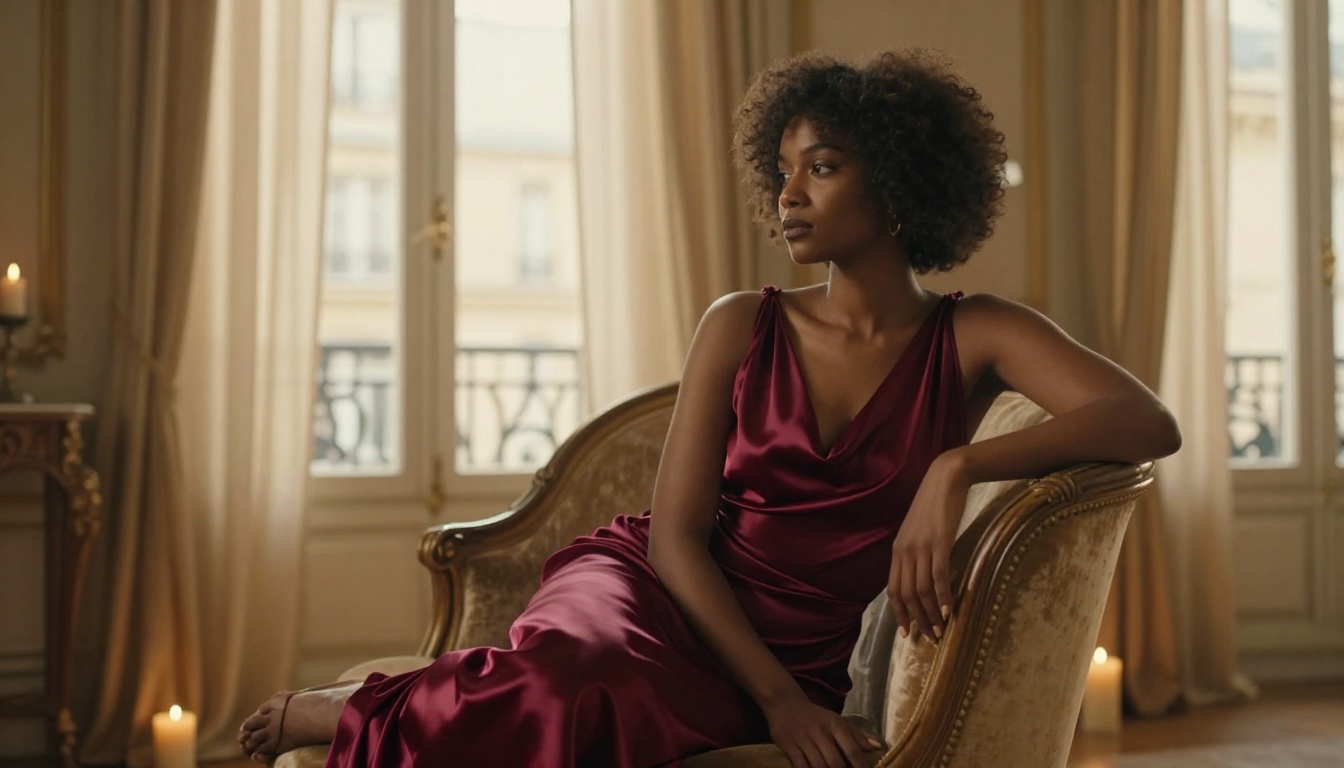
For NSFW content, Realistic Vision v5.1 produces excellent full-body portraits and glamour photography. Its color science leans warm and cinematic, which works well for intimate, mood-driven compositions.
DreamShaper XL Turbo
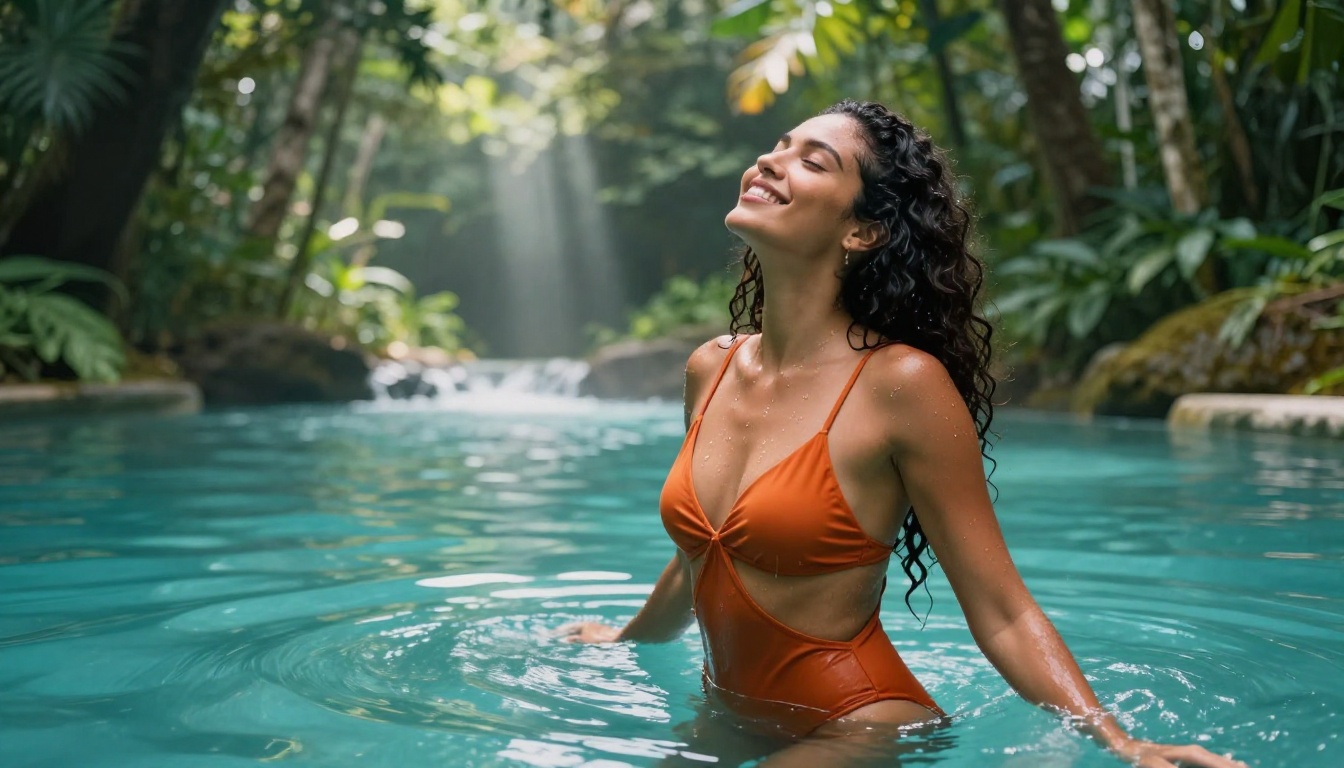
DreamShaper XL Turbo bridges the gap between artistic stylization and photorealism. It is not as strictly photographic as RealVisXL, but it produces images with a cinematic, polished quality that works well for editorial-style NSFW content. Think high-end magazine photography rather than documentary realism.
The Turbo variant runs fast and delivers consistent results, making it a strong choice for creative projects where iteration speed matters.
How to Write Prompts That Actually Work
The Anatomy of a Strong NSFW Prompt
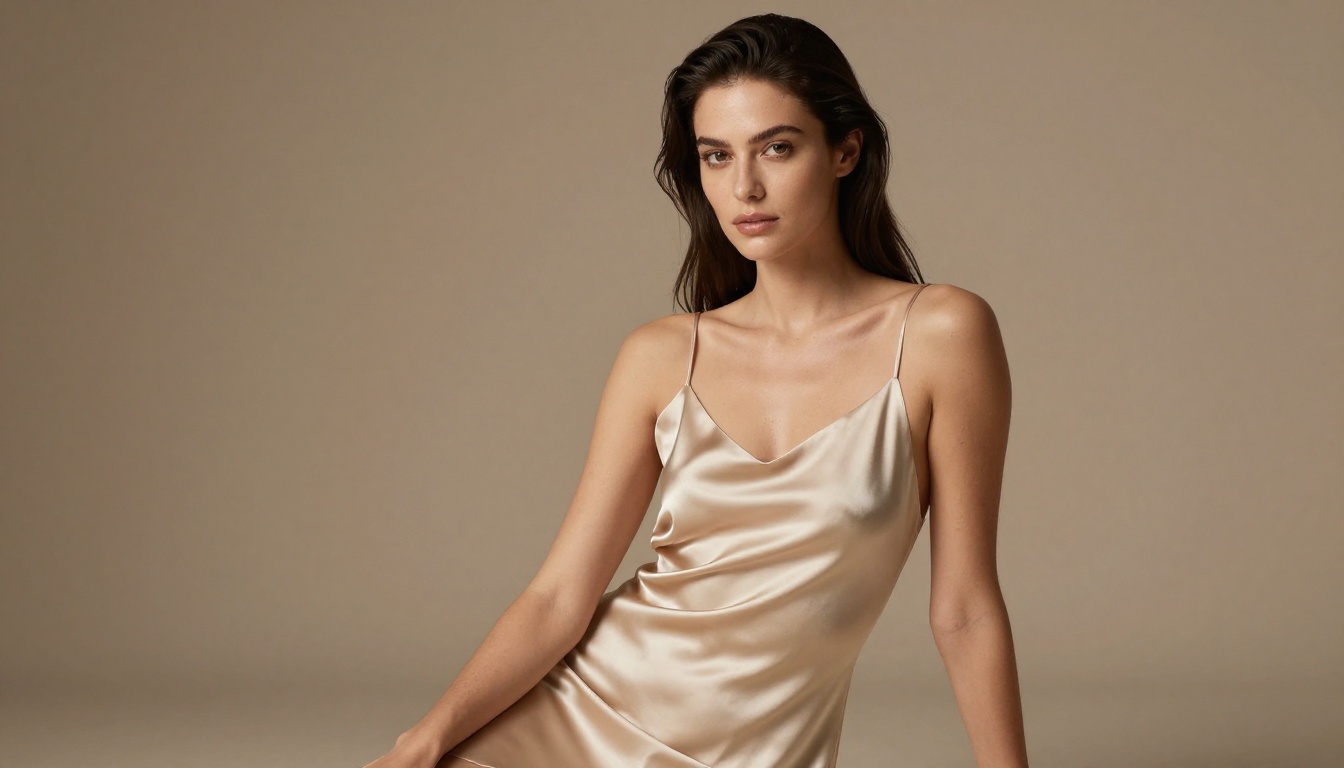
Bad prompts produce bad results regardless of which model you use. The most common mistake is being too vague. "Sexy woman" will produce a mediocre, generic image. "A woman with auburn hair wearing a silk slip dress, photographed from a low angle in warm evening light, 85mm f/1.8, natural shadows" will produce something worth sharing.
A strong NSFW prompt has four parts:
- Subject description: Physical characteristics, clothing or lack thereof, expression, pose
- Environment: Location, time of day, background elements
- Lighting: Direction, quality, color temperature, source
- Technical details: Lens, film stock, aspect ratio, style reference
Negative Prompts That Make a Real Difference
Negative prompts are often more important than positive ones for NSFW content. The most critical things to exclude:
deformed, distorted, disfigured to prevent anatomical errorscartoon, anime, illustration, painting to lock in photorealismblurry, low quality, jpeg artifacts for clean outputsextra limbs, missing fingers for accurate body rendering
Working with SDXL-Based Models
For SDXL-based models like SDXL and SDXL Lightning 4Step, prompt weighting makes a significant difference. Wrapping key terms in parentheses increases their influence: (photorealistic:1.4), (natural skin texture:1.3) tells the model to prioritize those elements over everything else.
💡 Tip: Use the LoRA feature on SDXL Multi ControlNet LoRA to guide body positioning with a reference image. This removes the frustration of getting the right pose through text prompts alone.
Using Free NSFW Models on PicassoIA
PicassoIA aggregates the best free text-to-image models into a single browser-based interface. No local installation, no GPU required. You run Flux Dev, Realistic Vision v5.1, Proteus v0.3, or any other model directly from your browser.
How to Use Flux Dev on PicassoIA
Step 1: Open the model page
Navigate to Flux Dev on PicassoIA. No account is required for a basic free run.
Step 2: Write your prompt
Use the anatomy described above. Be specific about subject, environment, lighting, and technical parameters. For NSFW content, describe the scene artistically and treat it like directing a photographer.
Step 3: Set your aspect ratio
For portraits and glamour photography, 9:16 or 3:4 works best. For full-scene compositions, 16:9 or 3:2 gives the cinematic look.
Step 4: Add a negative prompt
Paste your negative prompt in the negative field. At minimum include: deformed, distorted, cartoon, anime, blurry, low quality, extra limbs.
Step 5: Run and iterate
The first generation is rarely the final one. Small prompt adjustments, especially to lighting descriptions and camera parameters, can dramatically change the output. Note the seed number when you get something you like and vary only the prompt to maintain compositional consistency across a series.
💡 Tip: After generation, use PicassoIA's Super Resolution feature to upscale your output 2x to 4x. It recovers fine skin and hair detail that lower-resolution generation loses.
See These Generations in Motion
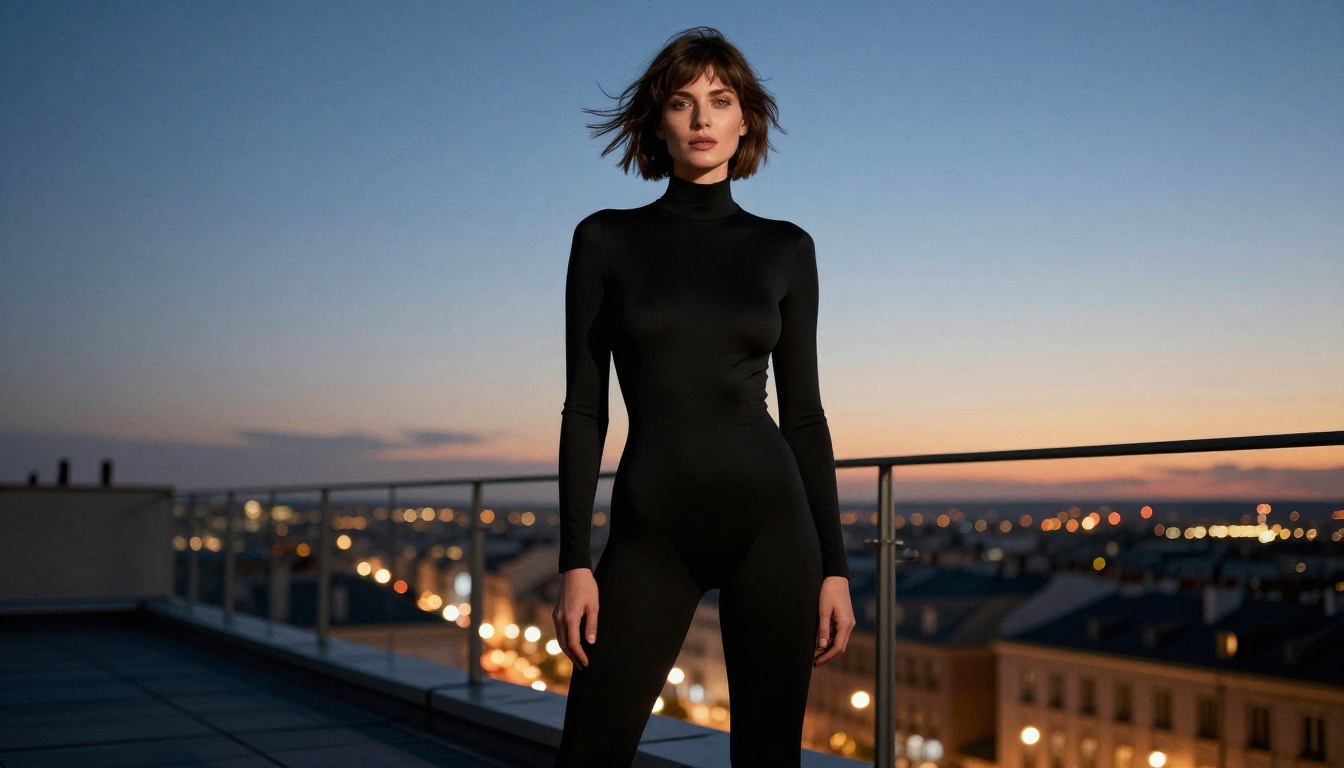
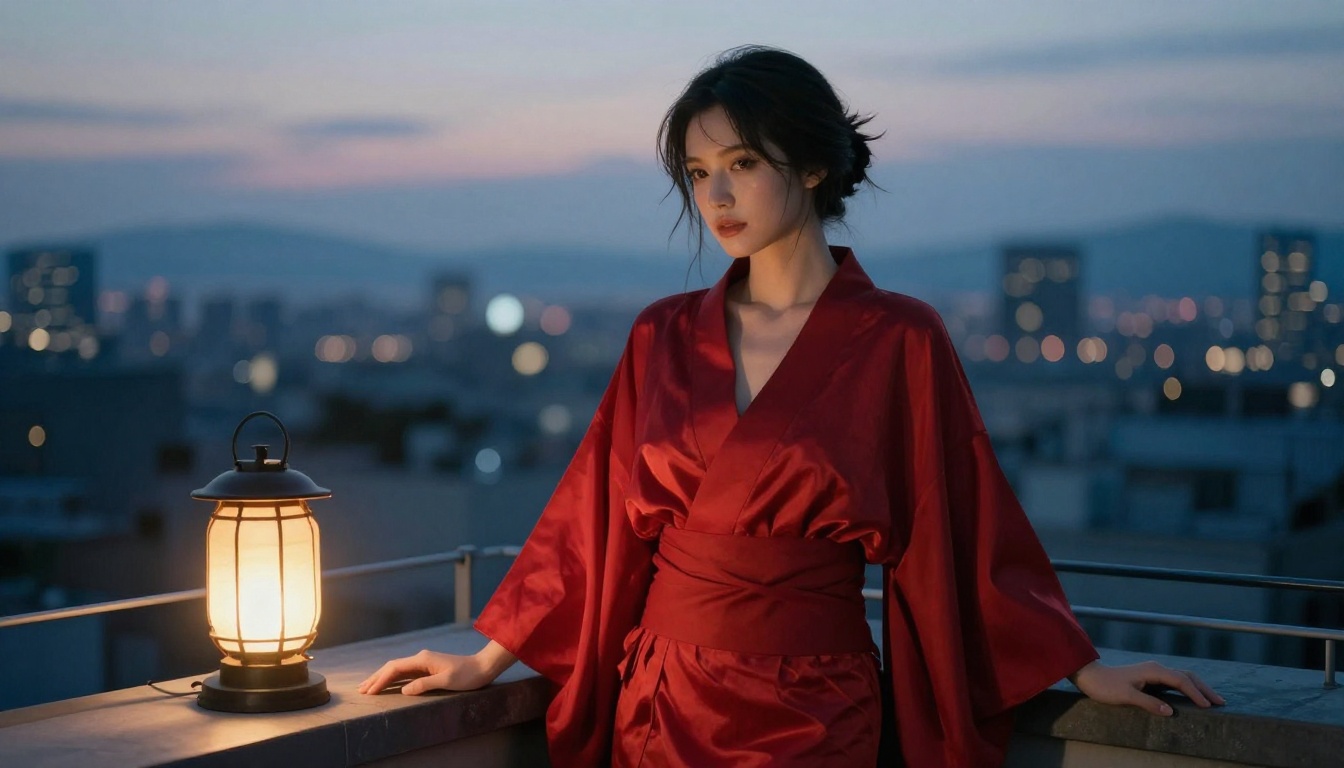
Static images are only half the story. The same photographs these models produce can be animated into short clips with PicassoIA's image-to-video models, like Wan 2.7 I2V and Kling v2.1. Each clip below started as a single still from this article, then ran through an image-to-video model at 720p. The motion is subtle on purpose: a breeze through the hair, water rippling, a slow walk through light.
A sun-drenched Santorini terrace set in motion, with the sea sparkling and a light breeze in her hair.
A poolside scene where the water ripples and caustic light plays across the skin.
A slow walk along the shoreline, with waves washing gently over the sand.
Golden-hour beach motion, with a warm breeze lifting her hair and soft waves rolling in.
A rooftop at blue hour, the silk kimono drifting in the evening breeze as the city lights twinkle.
💡 How it works: image-to-video models read depth and texture from a still, then predict plausible motion frame by frame. Portraits, water, and fabric animate the most naturally, which is why glamour and beach stills make such strong starting points. All five clips above were rendered at 720p.
Comparing the Top Free Models
Common Problems and How to Fix Them
Anatomy Errors
Distorted hands, extra fingers, and warped body proportions are the most common complaint with NSFW AI images. The fix is model selection: Flux Dev and Stable Diffusion 3.5 both handle anatomy significantly better than older models.
If anatomy issues persist, try cropping tightly to avoid showing hands entirely, or use negative prompts aggressively: (extra fingers:1.5), (deformed hands:1.5), (anatomical errors:1.5).
Censorship and Refusals
Some platforms refuse to generate certain content even when it is artistically valid. Try rephrasing in cinematic and photographic terms rather than direct description. "Shot for a high-end lingerie brand, editorial photography, professional lighting" tends to produce better results. Using open-weight models like Flux Dev or Stable Diffusion 3.5 Medium generally gives more creative freedom than closed commercial APIs. For unlimited NSFW editing specifically, PicassoIA Image Editor Pro and Grok Imagine Image run without per-generation caps.
Inconsistent Style
If you are generating a series and the outputs all look different, use a fixed seed and vary only the prompt. Keep technical parameters identical across generations: same aspect ratio, same sampling steps, same guidance scale. Consistency comes from controlling variables.
Low Detail in Skin and Hair
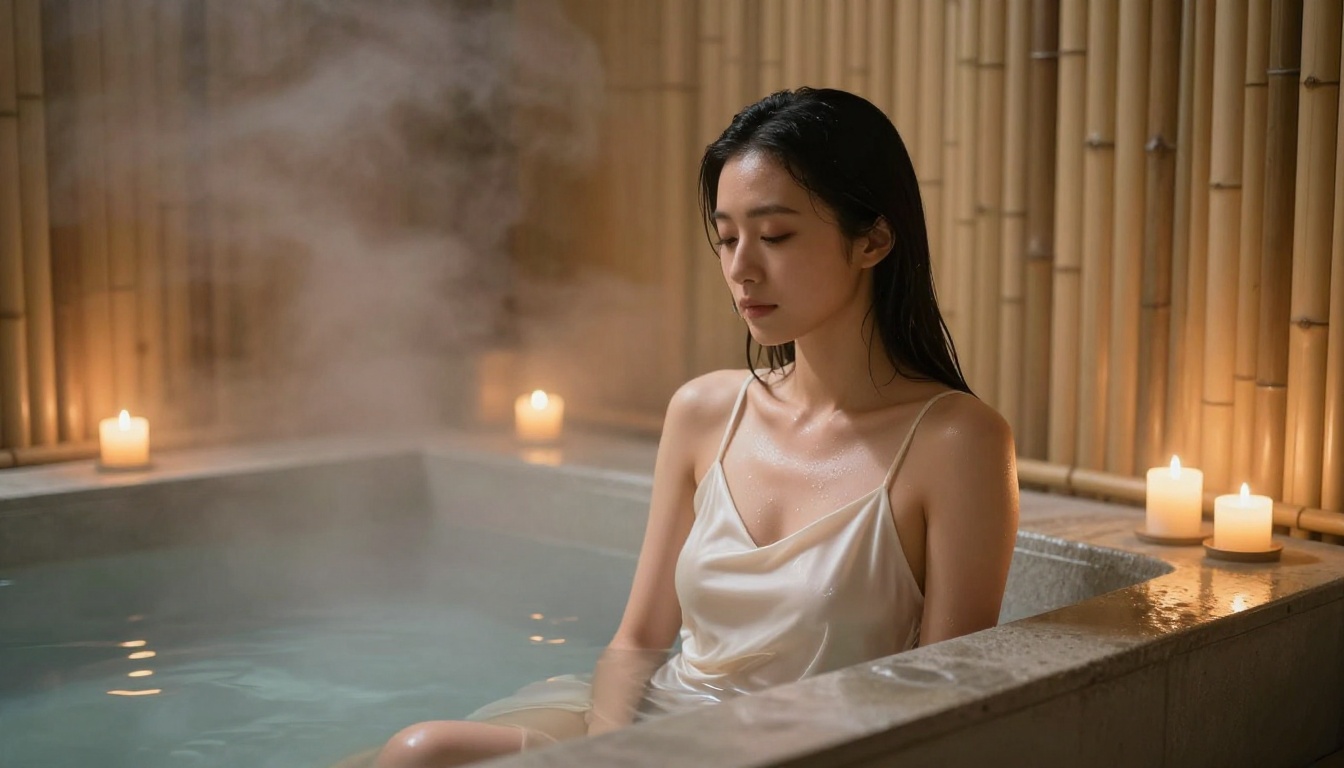
Low detail is almost always a resolution problem. Generate at full resolution for the model you are using: for SDXL-based models that means 1024x1024 or higher. Adding film stock references in your prompt, such as Kodak Portra 400 or Fujifilm Pro 400H, signals to the model that you want photographic texture rather than smooth digital rendering.
For the absolute best skin and hair detail, Flux 2 Pro and RealVisXL v3.0 Turbo are the current leaders. The Ideogram v3 Quality model is also worth trying if you want something with a slightly different aesthetic signature.
Reading about AI models does not produce images. The fastest path to great NSFW AI art is getting into a tool and generating, iterating, and learning what works for your specific vision. Every model listed here is accessible, free to start with, and capable of professional-quality output with the right prompts.
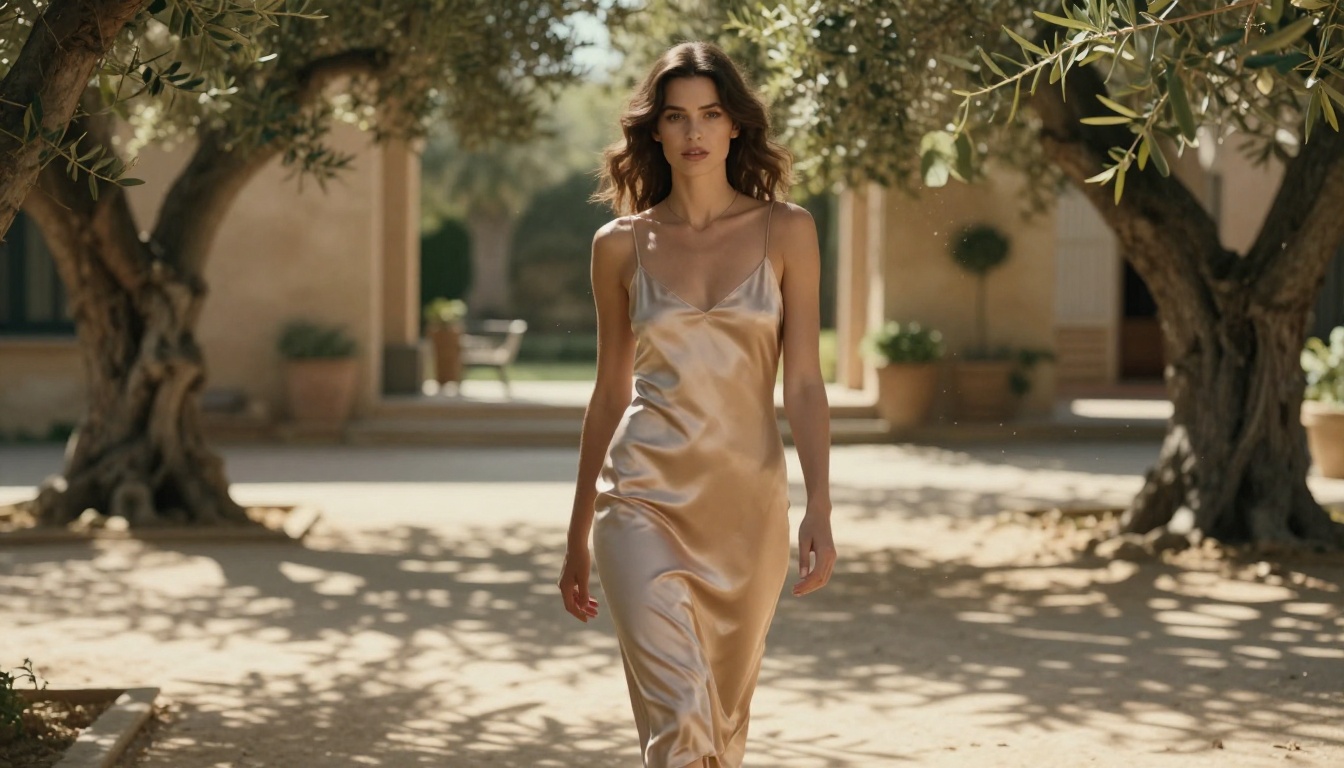
PicassoIA gives you access to every model in this article from a single browser interface. PicassoIA Image Editor Pro is the best starting point if you want unlimited img2img editing, while Flux Dev and Seedream 4.5 lead for text-to-image realism. Once you have the basics working, try the different aesthetic signatures of Proteus v0.3 for stylized results, Recraft v4 for art-directed realism, or Flux Kontext Pro when you want text-based image editing rather than generation from scratch.
Start with a clear vision of the image you want. Write a detailed, technical prompt. Choose your model. Iterate. The gap between "this looks like AI" and "this looks like photography" is almost entirely in the prompt.
When you want to see everything in one place, the full catalog lives at picassoia.com/en/all-models, where you can browse the best NSFW AI models and generate without limits.