Something quietly broke on social media in the past eighteen months. Feeds that used to show blurry selfies and half-eaten lunches are now packed with cinematic visuals, AI-generated portraits so real they pass as professional photography, and videos that look like they cost thousands of dollars to produce. The scroll-stopping content flooding TikTok, Instagram Reels, and YouTube Shorts is not coming from big studios. It is coming from a kid in their bedroom with a free account and a generative AI tool.
This is the AI trend crashing social media apps, and if you have not noticed it yet, you will very soon.
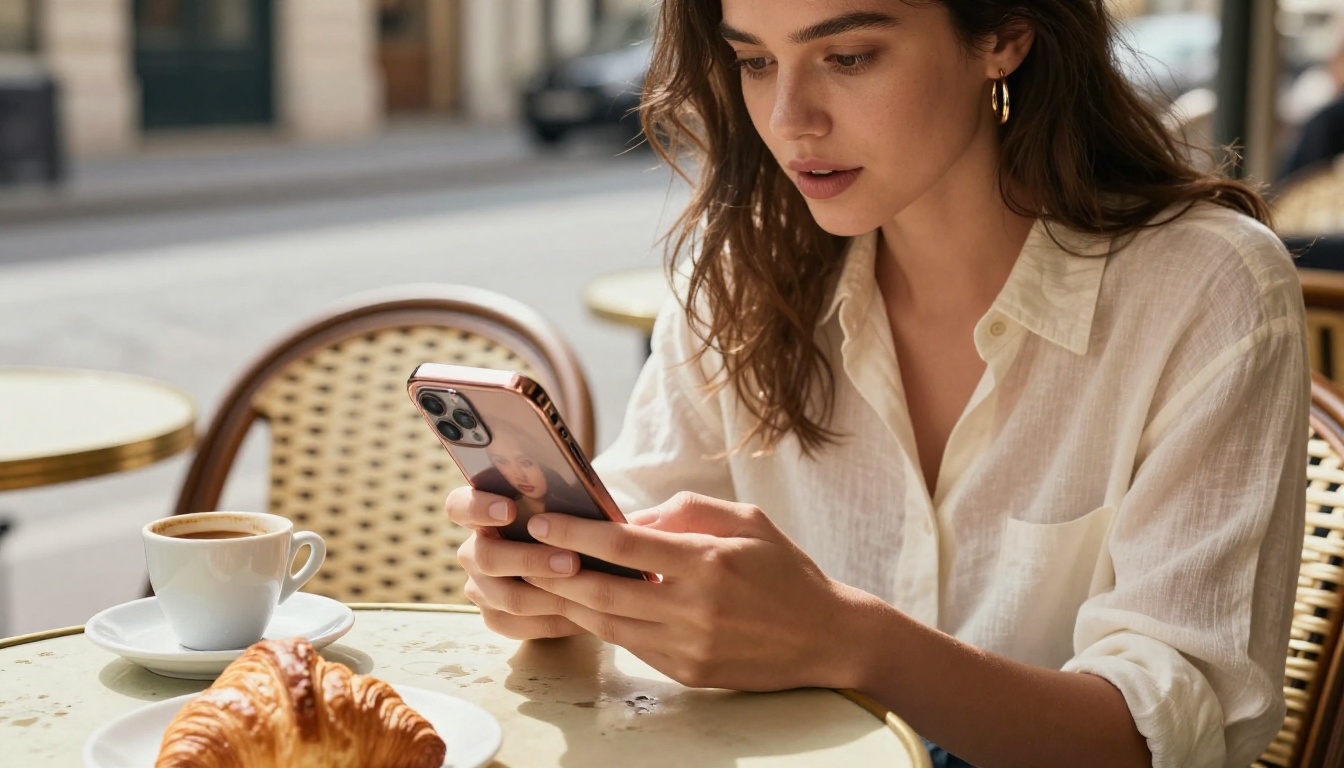
Why AI Content Is Dominating Feeds Right Now
The timing is not accidental. For years, creating polished, high-performing content required gear, editing skills, and hours of work. AI tools collapsed that barrier almost overnight. Now anyone can produce content that competes visually with professional creators, and the platforms are responding by pushing that content harder than ever before.
The Numbers Behind the Viral Surge
The data tells a clear story. Posts featuring AI-generated visuals saw engagement rates spike across every major platform through 2024 and into 2025. On TikTok, AI-generated transformation videos routinely hit over 10 million views without a single paid ad. On Instagram, accounts posting nothing but AI-generated portraits gained 100,000 followers in under a month.
This is not a niche trend anymore. It is mainstream, and it is accelerating.
💡 Research from 2024 showed that AI-assisted content gets shared 3x more often than traditional posts across Instagram and TikTok, primarily because the visuals are more striking and generate genuine surprise responses.
What Makes AI Posts So Shareable
There is a specific psychological trigger behind why AI content performs so well on social media. Human brains are wired to detect when something is slightly off, and hyper-realistic AI images create a kind of visual tension. Viewers pause. They look twice. They share it with a "wait, is this real?" caption that drives secondary waves of attention.
- Novelty factor: AI images can present scenarios impossible to photograph in real life
- Aesthetic polish: Even simple AI prompts produce results that look more professional than most smartphone photos
- Curiosity loops: Viewers watch twice to look for clues, which boosts watch-time metrics that platforms reward with more reach
- Comment bait: The "real or AI?" debate fills comment sections, which signals high engagement to the algorithm
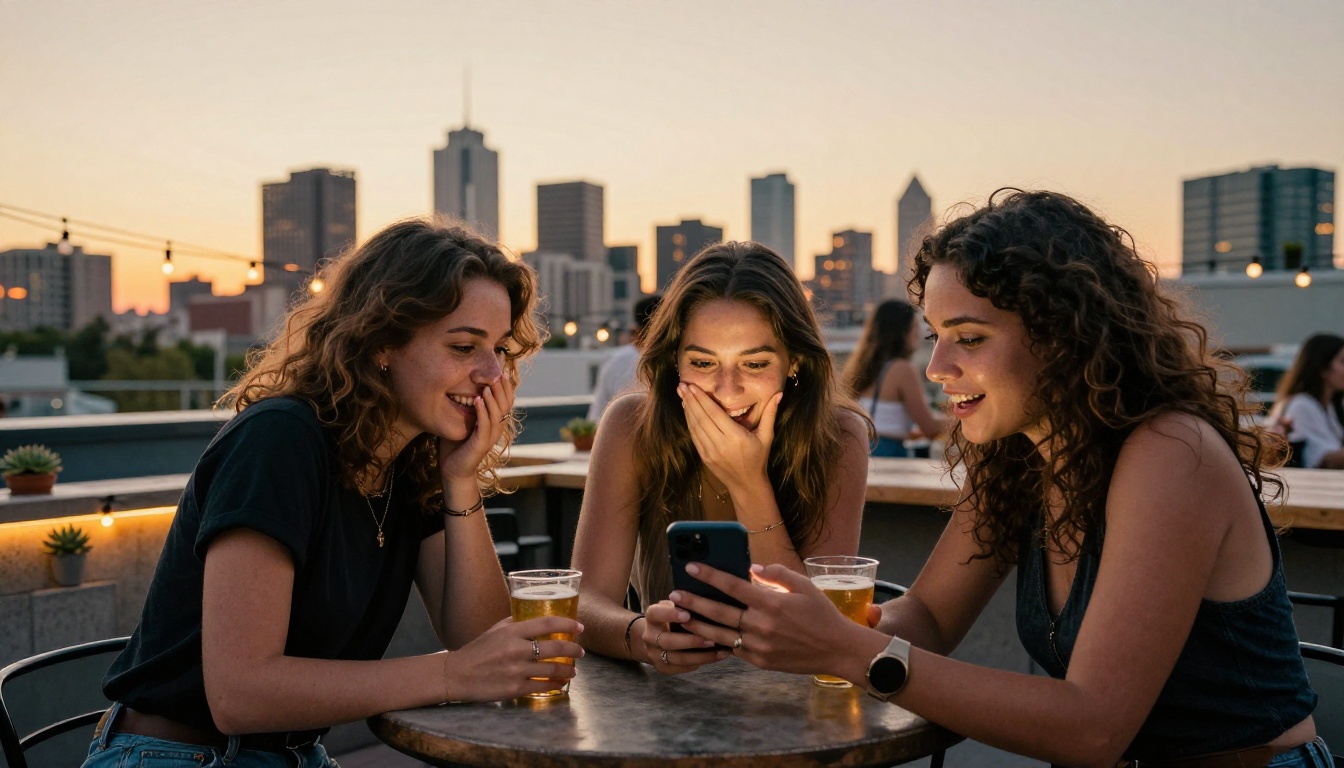
Not all AI tools perform equally when it comes to social media virality. The ones eating up feeds right now fall into two clear categories: video generators and image generators. Each has its own ecosystem of standout models.
AI Video Generators Taking Over TikTok
Short-form video is the beating heart of social media right now, and AI video tools have arrived at exactly the right moment. Models like Kling v2.6, Seedance 1.5 Pro, and Veo 3 are producing cinematic clips from a single text prompt that would have required a full production crew just two years ago.
The format performing best is deceptively simple: a hyper-realistic scene that looks like a movie trailer but was generated in under two minutes. These videos hit TikTok and the comments fill up with "how did you make this?" That curiosity drives shares at a rate traditional video content rarely achieves.
Pixverse v5 has become a particular favorite for creators who want fast turnaround without sacrificing quality. It produces 1080p video that, at a glance, passes for professional footage. Hailuo 02 is gaining ground fast too, with a strong ability to handle complex scenes and fluid realistic motion.
| AI Video Model | Resolution | Best For | Speed |
|---|
| Kling v2.6 | 1080p | Cinematic short clips | Fast |
| Seedance 1.5 Pro | 4K | High-fidelity video with built-in audio | Medium |
| Veo 3 | 1080p | Native audio and realistic motion | Fast |
| Pixverse v5 | 1080p | Quick viral clips with high volume | Very Fast |
| Hailuo 02 | 1080p | Complex realistic scenes | Medium |
| Ray by Luma | 1080p | Artistic cinematic aesthetic | Fast |
AI Image Tools Flooding Instagram
On the image side, the dynamic is slightly different. Instagram's visual-first culture means quality has to be impeccable. AI image generators have now crossed a threshold where the output can fool experienced photographers scrolling at normal speed.
The posts getting the most saves and shares on Instagram right now are AI-generated portraits and lifestyle photos that look like they belong in a fashion magazine. The person in the photo does not exist. The location was never visited. The whole thing was created from a text description in about thirty seconds. And it is getting hundreds of thousands of impressions.

The gap between knowing these tools exist and making them work for social media growth is where most people get stuck. The creators winning right now are not just generating random content and hoping something lands. They have a specific, repeatable approach.
The "One-Click" Content Strategy
The most viral AI creators on TikTok and Instagram are using a batch content approach. They generate 20 to 30 images or video clips in one session, schedule them across a week, and track which ones perform. This approach ensures consistent posting, and volume dramatically increases the odds of hitting the algorithm's sweet spot.
The actual workflow that successful creators are running:
- Pick a consistent niche visual style across all posts (cinematic portraits, surreal landscapes, luxury lifestyle, dramatic fashion)
- Generate in batches using tools that support high-volume output
- Test multiple variations of the same concept with different angles and lighting
- Double down immediately on whatever performs in the first 24 hours
- Iterate the prompt, not the concept, to maintain a recognizable visual identity
💡 The biggest mistake new AI content creators make is treating each post as a standalone. The algorithm rewards consistency and volume. Generate more, post more, and iterate fast. Your tenth post will perform better than your first.
From Zero to Millions of Views
There is a predictable pattern behind the AI content that keeps going viral. The video or image creates an instant emotional response (surprise, desire, or disbelief). It looks expensive. And it leaves just enough ambiguity that viewers feel compelled to comment or share to verify what they are seeing.
Creators who consistently hit these three notes are growing accounts from zero to hundreds of thousands of followers in months, not years. The AI tools handle the visual production. The creator handles the concept, the hook, and the posting cadence.
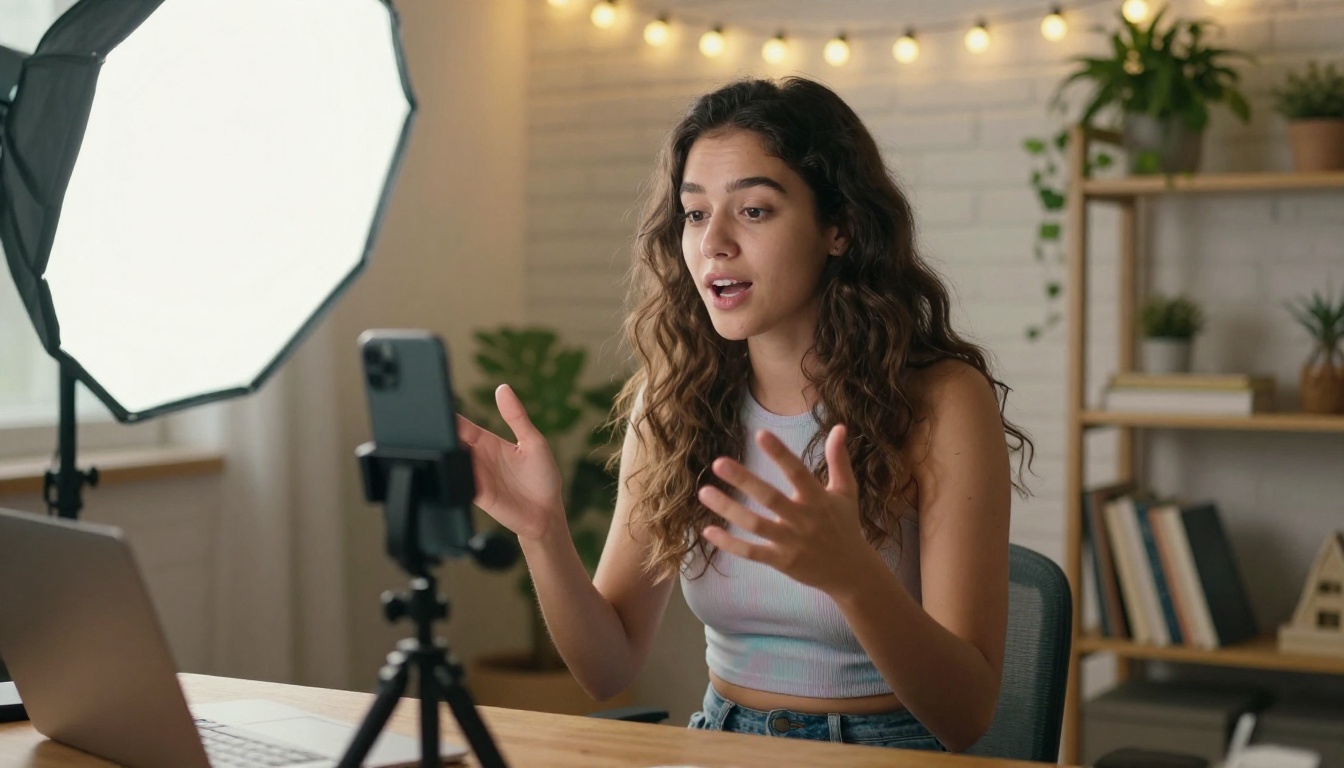
Social media platforms are not passive observers watching this trend unfold. They are actively shaping how AI content performs, and the rules are evolving fast.
Algorithm Changes Nobody Talks About
TikTok's algorithm has quietly begun treating AI content as its own content category. Early patterns suggest that clearly labeled AI content gets boosted in entertainment and art categories specifically. Instagram rolled out an AI content label, and initial data shows that the label does not hurt reach for purely creative AI posts.
This means the playbook is shifting. The creators who will win long-term are not the ones trying to hide that their content is AI-generated. They are the ones leaning into it, building a brand around the transparency, and treating AI as their creative production team rather than a secret shortcut.
When AI Content Gets Flagged
Platforms are also building detection and moderation systems. There are clear categories of AI content that get suppressed or removed consistently:
- Deepfakes of real, named individuals get flagged aggressively across all platforms
- AI-generated misinformation (fake screenshots, fabricated events, false claims with AI visuals) gets removed
- Purely aesthetic and creative AI content with no deceptive intent performs without issue on all major platforms
Stay in that third category and the platforms are, for now, mostly working in your favor.
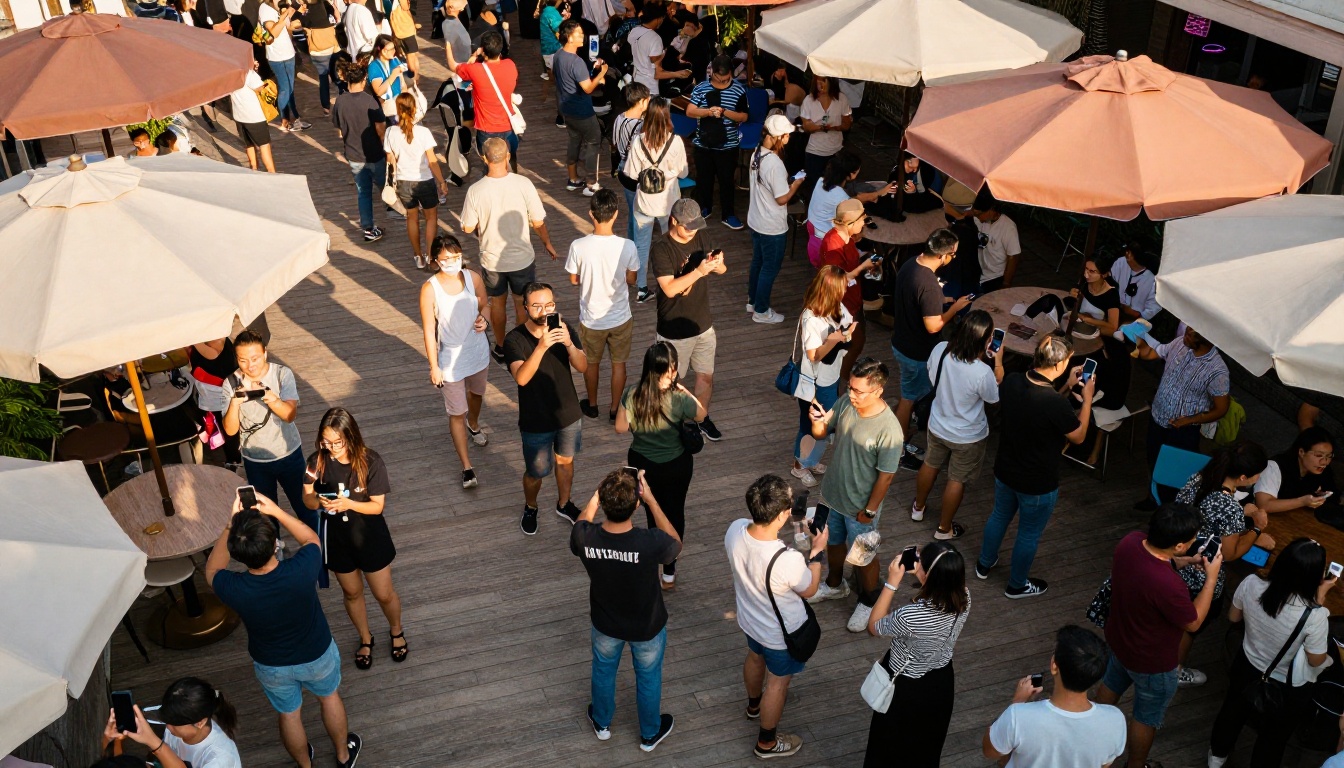
If you want to get into this trend seriously, model choice matters. Different tools produce outputs that perform differently depending on the platform, the content category, and what the algorithm is currently rewarding.
For Video: What's Actually Working
The tools generating the most viral social media content right now are the ones that produce the most natural motion and realistic lighting. After analyzing thousands of high-performing posts, patterns become clear.
Kling v2.6 is producing the most cinematic results for short 5 to 10 second clips, which is the exact length TikTok's algorithm pushes hardest. The motion quality is smooth enough that the "is this real?" reaction happens consistently.
Seedance 1.5 Pro handles audio natively, a significant advantage for social media. Posts with authentic ambient sound outperform silent clips across every engagement metric. For creators who want audio-first content without the editing overhead, this is the current top choice.
Ray by Luma has a devoted following among creators who want a specific cinematic aesthetic. The output quality has a distinctive look that has become a recognizable visual signature for high-end AI content accounts.
For creators who want to animate their own photos rather than generate from text alone, Kling v2.6 Motion Control is the standout tool. It applies realistic motion to a static image without distorting the original composition, which is especially powerful for portrait-based content.
LTX 2.3 Pro rounds out the list for creators who need 4K output for platforms or use cases that reward ultra-high resolution.
For Images: What Gets the Most Saves
On the image side, the posts saved most often on Instagram fall into consistent visual categories: luxury lifestyle, cinematic portraits, dramatic natural landscapes, and aspirational fashion. The AI image tools producing convincing output in these categories are the ones driving the biggest growth numbers.
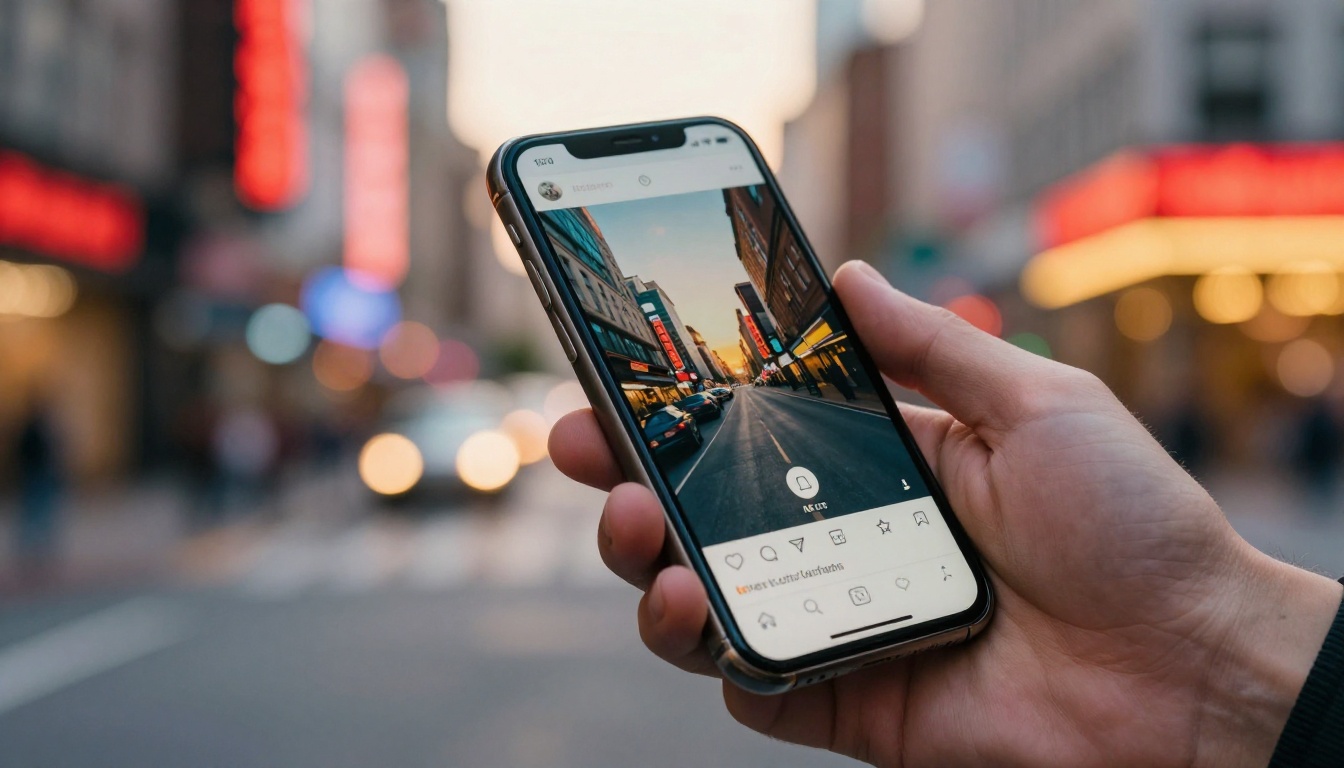
The quality bar on Instagram is unforgiving. Images that look even slightly artificial get scrolled past. This is where learning to write detailed, technically specific prompts pays off more than any other skill. Specifying lighting direction, lens focal length, film stock, and texture in your prompt separates convincing photorealistic output from generic-looking generations.
The Dark Side Nobody Warns You About
There is a less comfortable conversation happening inside creator communities about where this trend is heading, and it is worth being honest about it.
Saturation Is Coming Fast
The AI content trend is moving from novelty to normal at an accelerating rate. Six months ago, an AI-generated video got attention just for being AI-generated. Today, the bar is significantly higher. What grabs attention now has to be genuinely well-crafted, not just technically impressive.
This is both a warning and an opportunity. Creators who are building real skills with these tools right now, learning to write highly detailed prompts, developing an understanding of composition and lighting, building a consistent visual identity, are building a competitive advantage that compounds. Creators treating it purely as a shortcut are going to find that shortcut closes.
The Quality Gap Is Closing
Ironically, the better AI tools become, the harder it is to stand out by using them alone. When every creator has access to the same models, differentiation shifts back to fundamentals: storytelling, consistency, and personality. The technology levels the production playing field. The ideas and the voice still have to come from a human.
💡 Use AI to execute your vision faster, not to replace having a vision. The feeds are filling up with technically impressive content that says nothing. That is the gap worth filling right now.
How to Stay Ahead of the Curve
The window to get in early on the AI content trend is still open, but it is not going to stay open indefinitely. The first-mover advantage in any social media trend is real, and the creators who moved early on short-form video, on Stories, on Reels, all have audiences today that are nearly impossible to replicate from scratch.
Combining AI With Real Personality
The accounts growing fastest right now are not pure AI generators. They are creators who use AI to handle the visual production work while they bring personality, commentary, and storytelling. Think of it as having an instant production team that executes your creative vision without the cost or time.
A creator posting AI-generated travel visuals with their own genuine voiceover storytelling is building something that cannot be easily copied. The visuals can be replicated by anyone with the same tool and prompt. The voice, the perspective, and the storytelling cannot.
The Tools Worth Learning Right Now
For video, the priority list based on current social media performance data:
- Kling v2.6 for short cinematic clips that perform on TikTok and Reels
- Seedance 1.5 Pro for polished content with native audio
- Veo 3 for maximum realism in complex scenes
- Pixverse v5 for speed and high-volume posting strategies
- Ray by Luma for building a distinctive cinematic visual identity
For images, invest time in prompt engineering above everything else. Learning to specify volumetric lighting, exact lens parameters, film emulation, and texture detail is what produces images that get saved rather than scrolled past.
The creators who will still be growing from AI content a year from now are not the ones generating the most. They are the ones generating the best, with the most consistent voice, in the most well-defined niche.
Start Creating Your Own Viral AI Content
The AI trend crashing social media apps is not slowing down. It is accelerating, and the creators who move now have an advantage that compounds every month they stay consistent.
Everything covered in this article is actionable today. The tools are accessible. The platforms are actively rewarding AI-generated content in creative categories. The only thing standing between you and your first viral AI post is sitting down and making one.
Picasso IA brings every tool covered in this article into one platform. From AI video generation with models like Kling v2.6 and Seedance 1.5 Pro to hyper-realistic image generation, lipsync for talking-head content, super-resolution upscaling, and background removal, the entire creative workflow lives in one place.
Stop watching other people post the content. Start posting your own. Pick a model, write a prompt, and see what the algorithm does with it. The first post will not be perfect. The tenth might be the one that changes everything.
💡 Not sure where to start? Generate a short cinematic video with Kling v2.6 or a photorealistic portrait using the image tools on the platform. Post it with honest context about how you made it. Sharing your creative process often outperforms trying to pass AI content off as real, and it builds a community around what you are building.


