There is a specific kind of frustration that hits about 3,000 words into an AI-assisted story. The model forgets what the character looks like. The tone shifts. A subplot established in chapter one disappears. This is not a prompt problem. This is a context window problem, and it is why Claude Opus 4.7 has become the most-discussed large language model for long-form NSFW storytelling in 2027.
With a 200K-token context window, Claude Opus 4.7 holds more of your story in active memory than any previous Anthropic model. That changes how you write, how characters develop, and how narrative tension builds across extended adult fiction.
Why Context Window Size Matters for NSFW Stories
Most writers discover the context window problem the same way. They are three chapters deep, the tension is building, and the AI suddenly writes a character as though they have never met the protagonist. It is jarring. It kills the immersion. In adult fiction, immersion is everything.
The Short-Context Problem
Standard context windows in the 8K to 32K token range are fine for short stories. They start to break for anything longer. By the time you have established your main characters, their emotional history, the setting, and the specific sensory details that make a scene feel real, you have already consumed a significant portion of available context.
What follows: the model begins to lose the thread. Characters act inconsistently. Callbacks to earlier moments disappear. The narrative voice drifts. Writers working in adult fiction feel this especially hard because the genre depends on emotional continuity. A slow burn that forgets it is burning is just a cold story.
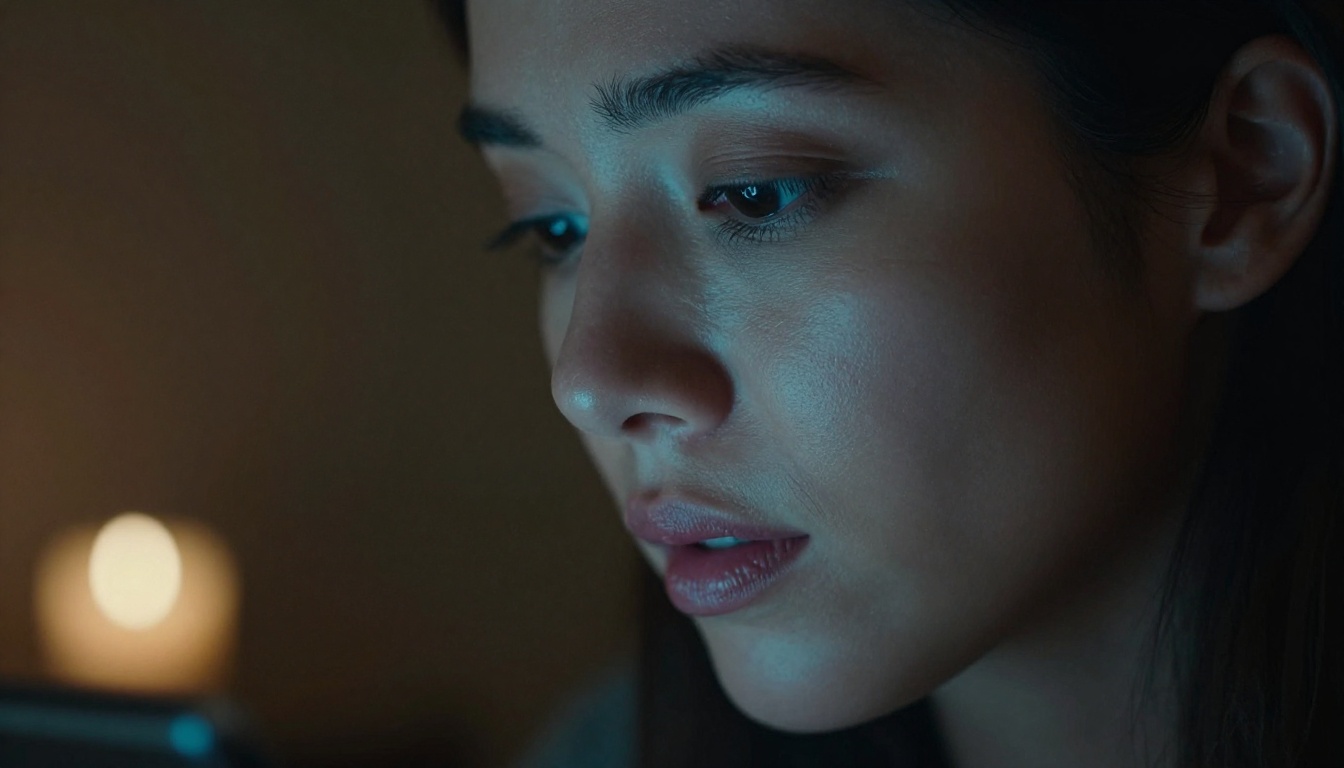
200K Tokens: The Math
200,000 tokens is roughly 150,000 words. A full novel. A single Claude Opus 4.7 conversation can hold your entire manuscript, all your character bibles, your world-building notes, and still have room to continue writing.
For NSFW storytelling specifically, this means:
- Character descriptions stay loaded: Physical details, personality traits, and relationship dynamics persist without you re-injecting them every few thousand words.
- Slow burns stay slow: You can build tension across chapters without the model resetting emotional distance between characters.
- Scene callbacks work: Reference a moment from 50,000 words back and the model draws on it naturally.
- Dialogue voice stays distinct: Each character's speech patterns remain consistent deep into a long work.
💡 Writers using Claude Opus 4.7 for adult fiction report that the most valuable capability is not raw context size. It is what the model does with that context. It synthesizes across the full window rather than weighting only recent tokens heavily.
What Claude Opus 4.7 Brings to Adult Narratives
Claude Opus 4.7 is not just a context window upgrade. Anthropic's reasoning improvements in this version translate directly into writing quality in ways that matter for long-form adult content.
Character Arc Retention at Scale
A romance arc across 80,000 words requires the AI to track not just facts but emotional states. Where are these characters in their relationship? What has been said that cannot be unsaid? What does character A know about character B that has not yet been acted on?
Claude Opus 4.7 tracks this with a sophistication that earlier models handled poorly. The difference shows up in how characters react to each other rather than simply how they are described.

Tone and Tension Consistency
Adult fiction lives and dies on atmosphere. The specific weight of a scene, the rhythm of prose, the level of intensity at any given moment: all of it must calibrate to the story's arc. A model that writes chapter eight with the same intensity as chapter two has no sense of escalation.
Claude Opus 4.7 maintains authorial tone across long passages better than its predecessors. If you establish in chapter one that this is a slow, literary story, it will still feel that way in chapter ten. If you want the tone to shift at a specific moment, it shifts with intention rather than drift.
Handling Complex Multi-Character Plots
Two characters is manageable for almost any model. Five characters with overlapping histories, competing motivations, and a web of relationships is where earlier context windows fall apart. Claude Opus 4.7 holds ensemble casts with notably less drift, making it practical for writers who want to build genuinely complex adult fiction rather than two-person scenes strung together in sequence.

Claude Opus 4.7 vs. Earlier Models
The Opus line from Anthropic has always sat at the top end of writing quality. The difference between versions is not always obvious in short samples. In long-form work, it is pronounced.
Opus 4.6 vs. Opus 4.7
Claude Opus 4.6 is a capable writing model with strong character voice. But at the 60K to 80K token range, users consistently report that 4.6 begins to show the seams. References to earlier events become less precise. Character motivations soften toward the model's defaults rather than the writer's specific characterization.
| Feature | Claude Opus 4.6 | Claude Opus 4.7 |
|---|
| Context Window | 200K tokens | 200K tokens |
| Synthesis across full context | Moderate | Strong |
| Character arc consistency | Good to ~60K tokens | Good to 150K+ tokens |
| Reasoning depth | High | Higher |
| Tone stability in long sessions | Moderate | Strong |
The leap is not in raw window size. Both support 200K. It is in what the model does with the context it holds.
Where Other LLMs Fall Short
GPT 5 and Gemini 3 Pro are competitive for general writing tasks. For adult fiction specifically, Claude Opus 4.7 tends to outperform them in two areas: sustaining tension without artificially resolving it, and resisting the impulse to default to generic prose when it loses confidence in what a character would do next.
Models that lose context tend to write safe. They generalize. They smooth out the specific details that made your characters feel real. Claude Opus 4.7 holds those specifics longer.
💡 Practical tip: When starting a new Claude Opus 4.7 session for a continuing project, paste your character bibles, relationship maps, and core plot points first. The model uses them throughout the session without you re-referencing them manually.
Pairing Long-Context Text With AI Images
A 200K-token story generates a lot of scenes. Writers increasingly want visuals to accompany their work, whether for personal creative reference, collaborative projects, or illustrated fiction platforms.

From Scene Description to Image
Working with Claude Opus 4.7 for prose produces the kind of rich scene descriptions that translate directly into strong image generation prompts. A passage describing a character's specific posture, the direction of light through a window, and the texture of what she is wearing is already most of an image prompt.
The workflow is direct:
- Write your scene in Claude Opus 4.7.
- Ask the model to extract the core visual details as a concise image prompt.
- Take that prompt to Seedream 4.5 or Flux Dev on PicassoIA.
This loop is fast once you develop a rhythm with it.

How to Write Prompts From Prose
The best image prompts carry the same specificity as good prose: light source, direction, texture, and emotional atmosphere. If Claude Opus 4.7 wrote "the amber light from the bedside lamp caught the edge of her shoulder as she turned," you already have most of an image prompt.
Add a camera angle, a lens specification, and a film stock reference, and you have something that Seedream 4.5 will render with photorealistic accuracy. The cinematic quality you built into the prose transfers directly into the image.
How to Use Claude Opus 4.7 on PicassoIA
Claude Opus 4.7 is available directly on PicassoIA without requiring a separate Anthropic account. The process is immediate.
Step-by-Step Setup
- Go to Claude Opus 4.7 on PicassoIA.
- Start a new conversation and paste your project context: character descriptions, existing chapters, relationship dynamics, and tone notes.
- Begin your writing session. The model references your pasted context throughout without prompting.
- For each major scene, ask the model to produce a visual summary you can use as an image generation prompt.
Prompting Tips for Long Narratives
Long-context models reward structured input. A few practices that produce real differences:
- Open with a project overview: Two to three sentences about what kind of story this is, its genre, and its tone. This anchors the model from the start.
- Name your characters fully at first mention: Do not rely on pronouns in the first few hundred words of a new session.
- State the emotional goal of each scene: "This scene is the first moment of real vulnerability between X and Y. The tone should be hesitant and charged." Give the model a target.
- Use section headers in longer prompts: They help Claude Opus 4.7 organize what it receives, especially when you paste large blocks of existing text.
💡 PicassoIA also offers Claude Sonnet 4.6 for faster, lighter writing tasks. Use Sonnet for drafting outlines and dialogue, and Opus 4.7 for the final prose passes that require full context retention across tens of thousands of words.

The Best NSFW Image Models on PicassoIA
If your story contains adult content and you want to visualize specific scenes, PicassoIA has a focused set of models built for this.
Seedream 4.5 for Adult Content
Seedream 4.5 is the strongest starting point for adult image generation on PicassoIA. It produces 4K-quality photorealistic results, handles skin texture with natural accuracy, and responds well to the atmospheric lighting descriptions you pull from Claude Opus 4.7 prose.
What sets Seedream 4.5 apart:
- Accurate body proportions without artificial smoothing
- Strong response to specific lighting direction in prompts
- Handles suggestive and glamour content without blocking or softening results
- Uncensored generations on PicassoIA with no artificial cap on how many images you can produce
PicassoIA Image Editor Pro extends this further. Once you have a base image from Seedream 4.5, the editor lets you refine specific details through inpainting, expand the scene through outpainting, and replace individual objects without regenerating the full image. Writers building consistent character visuals across a long project will find the editor essential for maintaining visual coherence from scene to scene.

Flux Dev and Flux Pro for Scene Visualization
For images that are more environmental than explicitly adult, Flux Dev and Flux Pro offer a distinct richness in setting detail: the texture of a room, the quality of light through a window, the atmosphere of a specific location. These work well for establishing shots, location visuals, and ambient images that give your story a physical world beyond the characters.
| Model | Best For | Content Handling |
|---|
| Seedream 4.5 | Adult/NSFW photorealism | Uncensored on PicassoIA |
| Flux Dev | Environmental and atmospheric renders | Standard |
| Flux Pro | High-fidelity character renders | Standard |
| Seedream 4 | Fast NSFW draft images | Uncensored |
Do not use Seedream 5 Lite for adult content. That model applies content filtering that blocks NSFW generations.
View all available image models at picassoia.com/en/all-models.

Write Your Story. Build the World.
Most people who try Claude Opus 4.7 for long-form adult fiction do not go back to shorter-context models. The difference in narrative coherence is too clear. Characters that actually remember each other, tension that actually builds, prose that stays true to your voice across 100,000 words: these are real and measurable improvements over what was possible even a year ago.
The image generation layer adds something else entirely. Your story gains a visual world. Scenes you wrote become images you can look at. Characters you imagined become faces you can reference across chapters. The combination of Claude Opus 4.7 for text and Seedream 4.5 for images is, right now, the most capable stack for adult creative projects available on a single platform.
Try it at PicassoIA. Start with your character bibles. Let a model that remembers your story from page one to the last page show you what narrative consistency at scale actually feels like.