Two tools dominate almost every conversation about AI voice generation in 2027: ElevenLabs and Murf AI. Both promise natural-sounding speech, broad language support, and voice cloning that sounds shockingly close to a real human being. But they are built for different people, priced differently, and perform very differently on real-world tasks.
This breakdown is for anyone who needs to make an actual decision, whether you are a content creator producing weekly podcasts, a developer building a voice assistant, a marketer running ad scripts, or a product team adding narration to a SaaS onboarding flow.
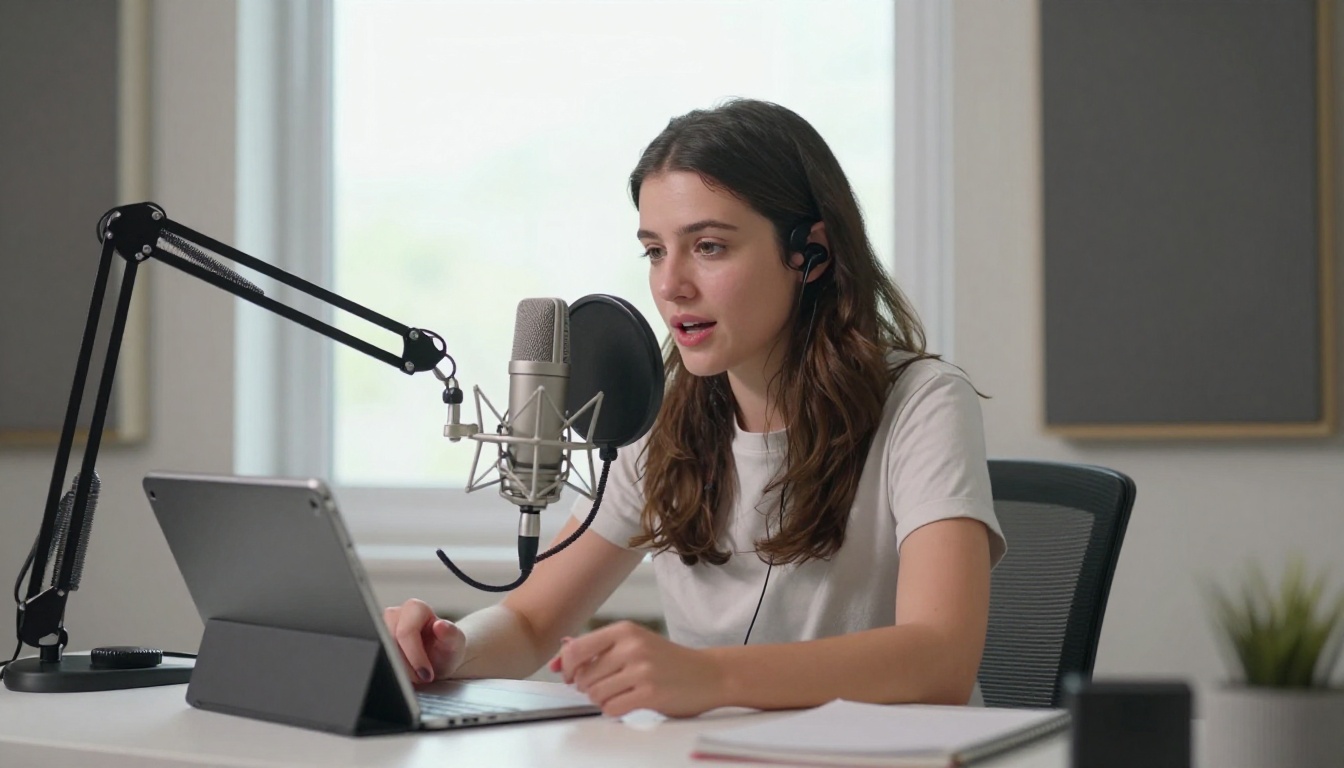
The Two Biggest Names in AI Voice
ElevenLabs launched in 2022 and moved fast. By 2026, it holds the largest selection of pre-built voices in the industry, runs models that support over 30 languages, and has become the default choice for anyone who needs voice that does not sound synthetic. Murf AI, launched in 2020, took a different route: it built a polished studio-style interface that appeals to non-technical users, packaged its voice library with a visual editor, and focused heavily on the corporate training, e-learning, and presentation markets.
Neither platform is objectively better for every situation. The right answer depends entirely on what you are trying to produce.
What ElevenLabs Does Differently
ElevenLabs bet everything on voice quality from the start. Its flagship text-to-speech models, particularly ElevenLabs V3 and V2 Multilingual, are among the most emotionally expressive AI voices available today. The prosody, the way stress and rhythm flow through a sentence, is noticeably closer to how real people speak compared to most competitors.
ElevenLabs also offers two speed-optimized variants: Flash v2.5 for ultra-low latency use cases like real-time voice apps, and Turbo v2.5 for fast generation at scale. This range lets developers pick exactly the model that fits their pipeline, whether they need response times under 300ms or batch processing for thousands of scripts overnight.
💡 ElevenLabs strength: Emotionally dynamic voices that adapt tone based on context. A dramatic line sounds dramatic. A calm explanation sounds calm. This is rare in TTS.
What Murf AI Brings to the Table
Murf AI is a studio product. It ships with a drag-and-drop script editor, background music integration, automatic slide sync for presentations, and a library of over 120 voices in 20+ languages. The interface is polished to a degree that ElevenLabs does not try to match.
Where ElevenLabs gives you API keys and raw audio, Murf gives you a finished workflow. You write a script, choose a voice, tweak pitch and speed with sliders, drop in background music, and export a finished voiceover in minutes without touching a single line of code. For corporate training videos, HR announcements, or product demos, that workflow is valuable.
Voice Quality: Side-by-Side Test
Voice quality is the single most important variable. Both platforms have improved significantly between 2023 and 2026, but they still have clearly different characters.
Naturalness and Prosody
Run the same paragraph through ElevenLabs V3 and Murf AI's best voice at default settings. The ElevenLabs output will have more variation in pitch, more breathing patterns, and more of the micro-pauses that real speakers insert between phrases. The Murf output will sound clean, clear, and broadcast-ready but slightly more uniform. The pitch curve does not bend as naturally at the end of questions, and emotional coloring is more subtle.
That distinction matters for long-form content. Over a 20-minute narration, a voice that sounds slightly robotic in its rhythm becomes noticeable. ElevenLabs holds up better across extended audio.
Emotional Range and Expressiveness
ElevenLabs explicitly trains models to pick up emotional cues from text. If your script contains an exclamation, the voice responds. If the sentence is a reflective question, the model shifts tone. ElevenLabs V3 represents the peak of this approach in 2027.
Murf handles emotion through manual controls: you adjust the "emphasis" and "pitch" parameters on individual words. This gives you precise control but requires more work per sentence. For short scripts with predictable tone, Murf's approach is fine. For long documents or spontaneous-sounding narration, it becomes tedious.
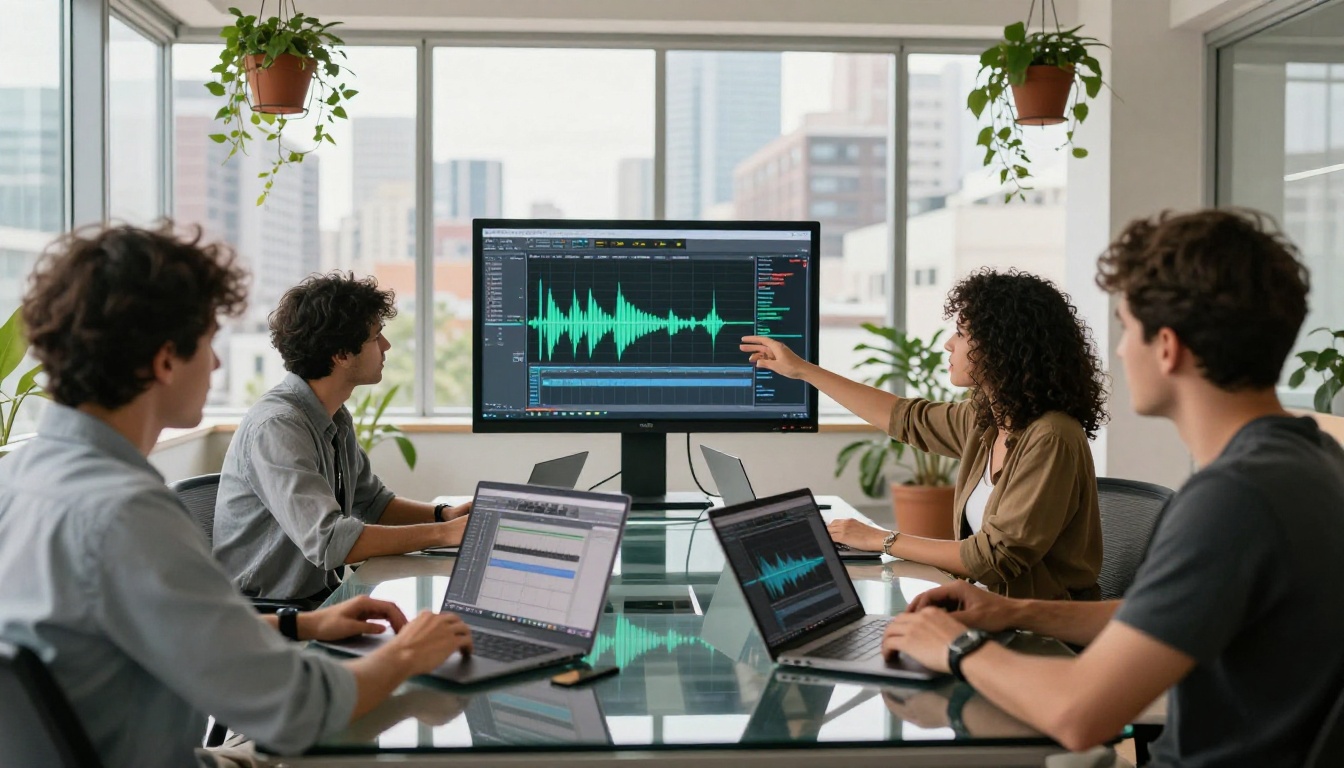
Language and Voice Library
Both platforms support multiple languages, but the depth of support differs considerably.
ElevenLabs Language Support
ElevenLabs V2 Multilingual covers 32 languages with the same voice quality available in English. This is critical: many TTS tools degrade sharply when you switch from English to Spanish or French. ElevenLabs maintains accent accuracy and prosody in all supported languages, not just the main ones.
The voice library contains over 3,000 pre-built voices, spanning accents, ages, and genders. Most voices are available in all supported languages without needing separate uploads.
Murf AI's Voice Catalog
Murf offers 120+ voices in 20 languages. The coverage is narrower but the voices are curated specifically for professional use, meaning clear diction, standard accents, and consistent quality. For corporate material that needs a specific "broadcast news" or "e-learning narrator" sound, Murf's curation is an advantage.
💡 For global reach: ElevenLabs wins on language count and per-language quality. For polished single-language content in corporate settings, Murf's focused library is more practical.
Voice Cloning Capabilities
This is where the two platforms diverge most sharply.
ElevenLabs Instant Clone vs Professional Clone
ElevenLabs offers two cloning tiers. Instant Clone takes a 1-minute audio sample and creates a functional voice replica within seconds. Quality is good enough for most use cases. Professional Clone requires uploading 30+ minutes of high-quality audio, processes the sample over several hours, and produces a clone that is difficult to distinguish from the original speaker.
The professional tier is exceptional. Podcasters, authors, and public figures use it to create AI voice libraries that match their authentic voice across unlimited scripts.

Murf AI's Custom Voice Feature
Murf added voice cloning in 2024, and while it works, it remains a secondary feature rather than a core product. The clone quality from a short sample is noticeably lower than ElevenLabs Instant Clone. Murf's strength is still its pre-built voice library, and the cloning feature feels like it was added to match a checklist rather than to genuinely compete at this level.
If voice cloning is a priority for your workflow, ElevenLabs is the clear choice.
Pricing in 2026: What You Actually Pay
Pricing has shifted since both platforms raised rates in 2025. Here is the current breakdown:
| Feature | ElevenLabs Starter | ElevenLabs Creator | Murf AI Basic | Murf AI Pro |
|---|
| Monthly Price | $5 | $22 | $19 | $39 |
| Characters per Month | 30,000 | 100,000 | Unlimited | Unlimited |
| Voice Cloning | Instant only | Instant and Professional | Basic | Advanced |
| Commercial License | Yes | Yes | Yes | Yes |
| API Access | No | Yes | No | Yes |
| Languages | 32 | 32 | 20 | 20 |
The key insight: Murf's Basic plan is unlimited on characters, which makes it more cost-effective for heavy users generating long-form audio. ElevenLabs charges by character, which adds up quickly for audiobooks or large script libraries.
However, if you need API access and professional voice cloning, ElevenLabs Creator at $22/month beats Murf Pro at $39/month in value per dollar.
💡 Budget tip: For under $25/month with API access, ElevenLabs Creator is the best deal in TTS. For unlimited production volume without API needs, Murf Basic is more economical.

Latency for Real-Time Use Cases
ElevenLabs Flash v2.5 generates audio with latency as low as 150ms on short texts. This is the model you want for voice assistants, conversational AI agents, or any real-time application where the delay between a user's input and audio output must feel instant.
Murf does not publish latency figures and does not position itself as a real-time tool. Its architecture is optimized for batch production, not streaming.
Developer API Quality
ElevenLabs' API is one of the most complete in the TTS industry. It supports streaming audio, websocket connections for real-time delivery, voice design parameters, and detailed language and accent controls. The documentation is thorough, and there are official SDKs for Python, TypeScript, and several other languages.
Murf offers a REST API on its Pro plan but with fewer customization options. It handles basic use cases well but lacks the low-latency streaming mode that serious voice app developers need.
When ElevenLabs Wins
- Audiobook production: Long-form content where emotional consistency matters across hours of narration
- Voice apps and chatbots: API performance and latency support real-time use without noticeable delay
- Voice cloning at scale: Professional clone quality has no real competitor at this price point
- Global content: 32 languages with consistent quality across all of them
- Developers: Full API access even on the $22 Creator plan
When Murf AI Wins
- E-learning and corporate training: Studio interface makes team collaboration and review easy
- Presentations and slides: Slide sync feature is unique to Murf
- Unlimited volume on a budget: Basic plan removes character caps for heavy users
- Non-technical users: No API setup, no code, just paste and export in minutes
- Branded narration: Curated voice library fits corporate tone consistently
The PicassoIA TTS Advantage
If you want access to both ElevenLabs models and a much wider range of text-to-speech options under one roof, PicassoIA offers 23+ TTS models that cover every use case, including several that surpass what ElevenLabs and Murf offer on their own.
How to Use ElevenLabs on PicassoIA
PicassoIA hosts the complete ElevenLabs model family. Getting started takes about two minutes:
- Go to the ElevenLabs V3 page on PicassoIA
- Paste your script into the text field
- Select a voice from the dropdown
- Set language and speed as needed
- Click Generate and download your MP3 or WAV
The same workflow applies to Flash v2.5 for fast generation and Turbo v2.5 for the balance between speed and quality.

Other TTS Models Worth Knowing
Beyond ElevenLabs, PicassoIA gives you access to models that outperform Murf AI on specific tasks:
- MiniMax Speech 2.8 HD: Studio-quality output ideal for premium audiobook narration, with exceptional tonal richness
- MiniMax Speech 2.8 Turbo: Fast generation with natural prosody for high-volume script processing
- Inworld Realtime TTS 2: Designed specifically for real-time voice apps, with sub-100ms generation targets
- Qwen3 TTS: Voice cloning and voice design in one model, supports custom voice creation from a reference clip
- Chatterbox Pro: Emotion-aware voice cloning from Resemble AI with fine control over delivery style
- Chatterbox: Voice cloning with emotion control for creators who want expressive custom voices
- Play Dialog: Designed for two-character dialogue, perfect for podcast-style audio and character conversation
- Gemini 3.1 Flash TTS: Google's 30-voice, 70-language TTS with sub-200ms response times
- Grok TTS: xAI's instant audio model, fast and versatile for short-form content
Transcription When You Need It
If your workflow also involves converting recorded audio back to text, PicassoIA has dedicated speech-to-text models: Gemini 3 Pro for high-accuracy transcription and GPT-4o Transcribe for OpenAI-quality text output from audio files.

The Verdict: Which One in 2027
There is no single winner because the use cases do not overlap cleanly.
Choose ElevenLabs if voice quality is non-negotiable, if you need API access for a development project, or if voice cloning is part of your workflow. The $22 Creator plan is the best value in TTS for anyone who generates audio programmatically.
Choose Murf AI if you are a non-technical team producing corporate or educational content, if you want unlimited character generation at a fixed price, or if you value a polished studio interface over raw voice quality.
Choose PicassoIA if you want access to all of the above plus 20+ additional TTS models without managing multiple subscriptions. Running ElevenLabs V3 through PicassoIA, then comparing it with MiniMax Speech 2.8 HD or Chatterbox Pro on the same script takes seconds, and you only pay for what you generate.
| Decision Factor | ElevenLabs | Murf AI | PicassoIA |
|---|
| Voice Quality | Excellent | Very Good | Varies by model |
| Voice Cloning | Best in class | Basic | Multiple options |
| Language Count | 32 | 20 | 70+ via Gemini |
| API Access | Yes at $22 | Yes at $39 | Yes |
| Studio Interface | No | Yes | No |
| Model Variety | ElevenLabs only | Murf only | 23+ TTS models |
| Transcription | No | No | Yes |
Start Creating Your Own AI Voice
The best way to settle this question is to generate audio yourself. Both tools offer free trials, and PicassoIA lets you run the ElevenLabs models alongside a dozen alternatives in the same session.
Go to picassoia.com/en/all-models, filter by text-to-speech, paste the same paragraph into three different models, and listen. You will have a clear answer in five minutes that no review can give you.
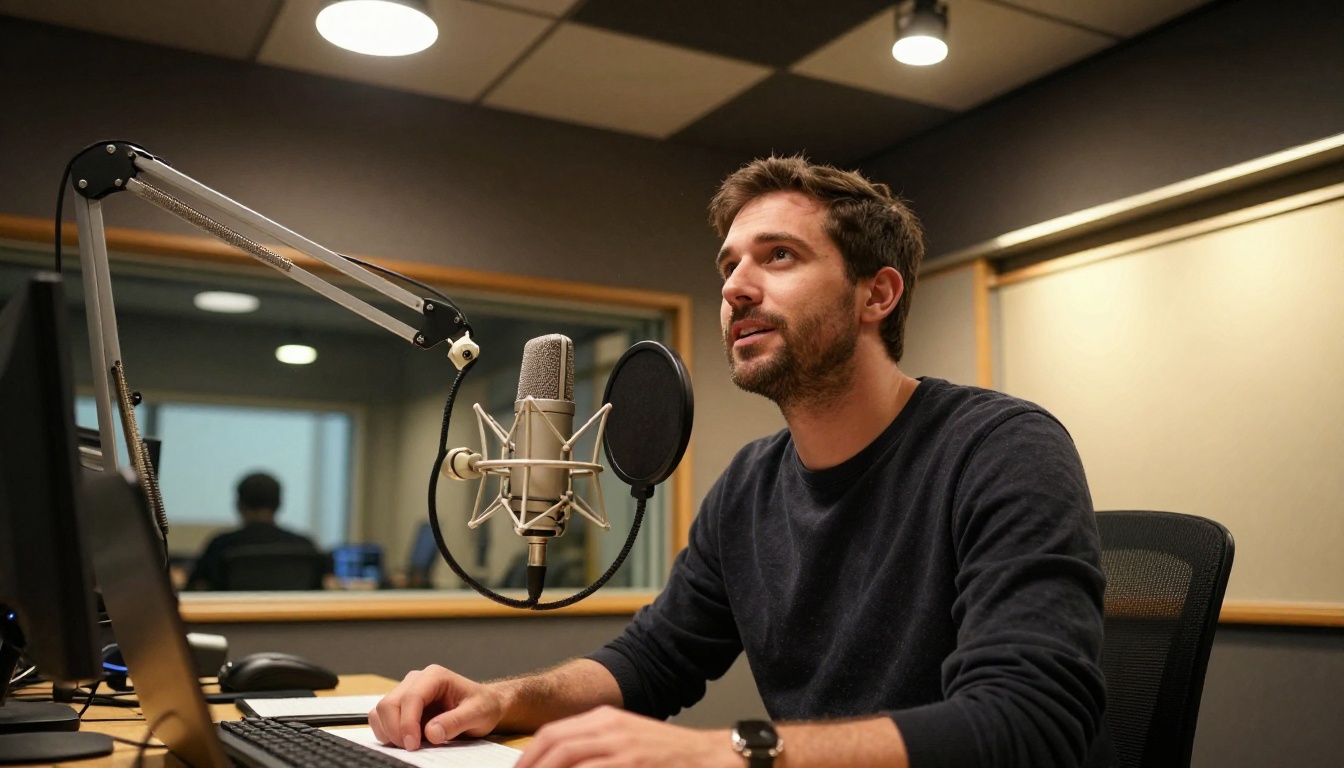
Voice generation in 2027 is not a guessing game anymore. The tools are mature, the quality gaps between platforms are measurable, and the right choice for your project is findable in a single afternoon of testing. Pick your use case, run the models, trust your ears.


