The first time most people try to generate a NSFW image with a mainstream AI tool, they hit a wall. A blurred output. A polite refusal. Or worse, a sanitized version of what they asked for that looks nothing like their original idea. That frustrating experience has pushed millions of creators toward a new generation of uncensored AI models, and FLUX.3 Max sits right at the front of that shift. If you want to generate NSFW images free with FLUX.3 Max and stop fighting the censorship filters, this is exactly where to start.

What FLUX.3 Max Actually Does
FLUX.3 Max is the latest generation model from Black Forest Labs, the team behind the widely praised FLUX family. It was trained on a significantly larger and more diverse dataset than its predecessors, with specific emphasis on photorealistic output, anatomical accuracy, and fine fabric and skin texture rendering at high resolution.
Where earlier models in the FLUX lineage would occasionally produce distorted body proportions or melted hands, FLUX.3 Max corrects those issues at the architecture level. The result is output that can pass as professional photography to the untrained eye, especially at full resolution.
The Raw Resolution Difference
Most consumer-grade AI image generators top out at 1024x1024 pixels. FLUX.3 Max outputs natively at 1440x810 in 16:9 widescreen and supports custom resolutions pushing toward 4K on capable hardware. That difference is enormous for NSFW content, where the gap between 512px and 1440px output shows in every inch of skin texture, fabric fold, and lighting gradient.
💡 Real-world impact: At 1440p, every photographic detail, including fine hair strands, skin pores, and fabric weave, resolves at a level that makes outputs indistinguishable from a DSLR shot at f/1.8. That level of detail is what separates usable content from content that looks obviously AI-generated.
Speed Without Sacrificing Quality
One of the strongest arguments for FLUX.3 Max is inference speed. Previous high-quality models like SDXL required 40 to 60 seconds per image at full resolution. FLUX.3 Max generates a 1440p output in under 12 seconds on modern GPU servers. For platforms running shared GPU infrastructure, that translates directly into faster free-tier access without frustrating queue times.

Why NSFW AI Generation Took Off
It is not a niche use case anymore. By mid-2025, adult AI art represents one of the largest segments of text-to-image requests globally. The reason is straightforward: people want creative freedom that mainstream platforms refuse to give them.
The demand does not come only from hobbyists. Independent artists, adult content creators, platform developers, and digital photographers all rely on uncensored AI image generation as a core production tool. When your livelihood depends on volume, waiting 20 minutes in a filtered queue is simply not viable.
The Problem With Censored Models
Mainstream tools like DALL-E 3, Midjourney, and Adobe Firefly have built content policies that are, understandably, conservative. They serve broad corporate audiences. A woman in a bikini can trigger a refusal. A suggestive scene that would comfortably pass a magazine's editorial standards gets blocked outright.
This is not a technical limitation. It is a policy choice. The models can generate it. They are instructed not to.
FLUX.3 Max Changes the Equation
FLUX.3 Max, deployed through uncensored platforms, removes those policy filters at the output level. The model itself does not carry built-in censorship, which is why platform choice matters so much. The same FLUX.3 Max weights running on an unrestricted server produce entirely different results from the same model behind a corporate safety wrapper. The architecture is the same. The permissions are not.

Not all platforms offering FLUX.3 Max access are equal. Some throttle outputs, limit resolution, or quietly re-apply filters that contradict their "uncensored" marketing. Here is what separates the genuinely useful from the frustrating.
What to Look for in a Platform
| Feature | Why It Matters |
|---|
| No watermarks | Commercial-ready output without post-processing cleanup |
| 1080p+ resolution | Usable at print and screen sizes without upscaling artifacts |
| Uncensored model weights | No hidden filters silently overriding your prompts |
| No daily generation cap | Sustained production workflows without hitting walls |
| Fast inference | Under 15 seconds per image at full quality |
| Model variety | Access to multiple NSFW-capable architectures in one place |
PicassoIA checks every box on that list. It runs FLUX models alongside Seedream 4.5 and PicassoIA Image Editor Pro, all without forcing you through a paywall to access core generation tools.
Seedream 4.5: The Top NSFW Model in 2027
If you are generating NSFW images today, Seedream 4.5 is where to start. Built by ByteDance and deployed without censorship filters on PicassoIA, it handles adult content with a level of anatomical accuracy and photorealism that puts it ahead of most FLUX variants for this specific category.
The model was trained on a vast dataset of real-world photography with particular strength in human figure rendering. Its output looks like it came from a professional camera, not an algorithm. That quality gap is immediately visible when you compare it side by side with filtered or lower-fidelity alternatives.
Why Seedream 4.5 Works for Adult Content
Three specific architectural choices make Seedream 4.5 exceptional for suggestive and NSFW content:
- Anatomy accuracy: Joint positions, proportions, and musculature render correctly without the warping commonly seen in older models. Hands, in particular, are dramatically improved.
- Skin texture fidelity: Pores, freckles, tan lines, and subtle natural imperfections appear without being smoothed into the plastic-looking skin that plagues lower-quality models.
- Lighting response: The model correctly simulates how light interacts with skin, fabric, and water surfaces, which is central to any photorealistic glamour or NSFW photography workflow.
Unlike Seedream 5 Lite, which blocks adult content at the filter level, Seedream 4.5 delivers fully uncensored output when run through PicassoIA's infrastructure.
💡 Quick tip: Seedream 4.5 responds especially well to camera and lighting descriptors in your prompt. Add terms like "85mm f/1.4", "golden hour backlight", or "Kodak Portra 400 grain" to push outputs toward true photographic realism rather than stylized AI-generated aesthetics.
How to Use Seedream 4.5 on PicassoIA
- Go to the Seedream 4.5 model page on PicassoIA
- Type your prompt in the text field. Be specific about subject, environment, lighting, and camera details.
- Set resolution to 1440x810 for widescreen outputs, or 1024x1024 for portrait-format generations.
- Hit generate. Your first output arrives in 8 to 14 seconds.
- Refine by adjusting specific elements of your prompt. Seedream 4.5 is highly responsive to iterative prompting, so small changes to lighting or environment descriptions produce meaningfully different results.
No credit card required. The free tier gives you access to full-resolution uncensored output without a subscription gate.

PicassoIA Image Editor Pro: No Limits, No Subscriptions
Once you have generated a base image you love, PicassoIA Image Editor Pro takes it further. This is not just a generation tool. It is a full editing suite with inpainting, outpainting, and style transfer, all running on the same uncensored infrastructure that powers the generation models.
What Unlimited Really Means Here
"Unlimited generations" is a phrase that gets thrown around loosely across the AI tool landscape. On PicassoIA Image Editor Pro, it means:
- No daily image cap: Generate 50 or 500 images in a single session without hitting a cooldown wall.
- No resolution waterfall: You do not get high resolution on the first image and then get downgraded after 10 generations.
- No hidden filter layers: The same prompt that worked on generation 1 works identically on generation 200. There is no adaptive content moderation that tightens restrictions as you use the tool.
For creators running production workflows, that consistency matters more than almost any other feature. Unpredictable quality degradation across a session is a workflow killer when you are producing at volume.

Writing NSFW Prompts That Actually Work
The difference between a mediocre NSFW AI output and a stunning one is rarely the model. It is the prompt. FLUX.3 Max and Seedream 4.5 can produce extraordinary results, but only if you give them the right instructions. Vague prompts produce vague images.
The Anatomy of a Strong Prompt
A well-structured NSFW prompt has six components working together:
- Subject: Who is in the image, what are they wearing, and what are they doing?
- Environment: Where are they? What surrounds them? What textures are on surfaces nearby?
- Lighting: What is the light source, its direction, its quality (hard or soft), and its color temperature?
- Camera: What lens, focal length, shooting angle, and distance from the subject?
- Film or texture: What grain, color palette, or film stock simulates the photographic look?
- Quality modifiers: Resolution, realism level, and specific style tags.
Example prompt:
A woman in a minimal silk slip dress standing on a rooftop terrace in Barcelona at dusk, the city lights beginning to appear below her. Volumetric warm side-light from the west catching the fabric folds. Canon EOS R5, 85mm f/1.4. Kodak Portra 400 grain. Photorealistic, RAW 8K, no filters.
That six-part structure tells the model exactly what to build. Every absent element is a decision the model makes without you, and those default decisions rarely match your intent.
3 Prompt Mistakes That Kill Results
1. No lighting description. Lighting accounts for roughly 60% of what makes an image look genuinely photographic. If you do not specify it, the model applies a generic neutral lighting that produces flat, unconvincing results regardless of model quality.
2. Generic style tags only. "Photorealistic" alone is weak instruction. Add the specific film stock, camera body, and lens. These are signals that push the model toward actual photographic simulation rather than a stylized approximation of realism.
3. Detailed subject, absent environment. A fully fleshed-out subject description placed "in a room" or "on a beach" produces images where the background looks AI-generated but the subject looks real. Those two halves fight each other visually. Describe both at equal depth for cohesive results.

Model Comparison: Which One Fits Your Style?
Different NSFW use cases call for different models. Here is a practical breakdown of the top options available on PicassoIA right now.
For pure text-to-image NSFW generation, Seedream 4.5 is the go-to starting point. When you need to edit an existing image, whether that means refining a pose, extending the background, or modifying clothing details, PicassoIA Image Editor Pro is unmatched in both quality and iteration speed.
The Flux 2 Max and Flux Kontext Max are excellent when you want FLUX's specific rendering character, which leans slightly more toward editorial photography rather than the pure photojournalistic realism that Seedream 4.5 delivers.
💡 Pro tip: Run your prompt through both Seedream 4.5 and Flux 2 Max, then compare the two outputs. These models interpret the same prompt differently. One will almost always produce a base image you prefer. Take that base into PicassoIA Image Editor Pro to refine lighting, composition, or specific details.
Background Removal for NSFW Content
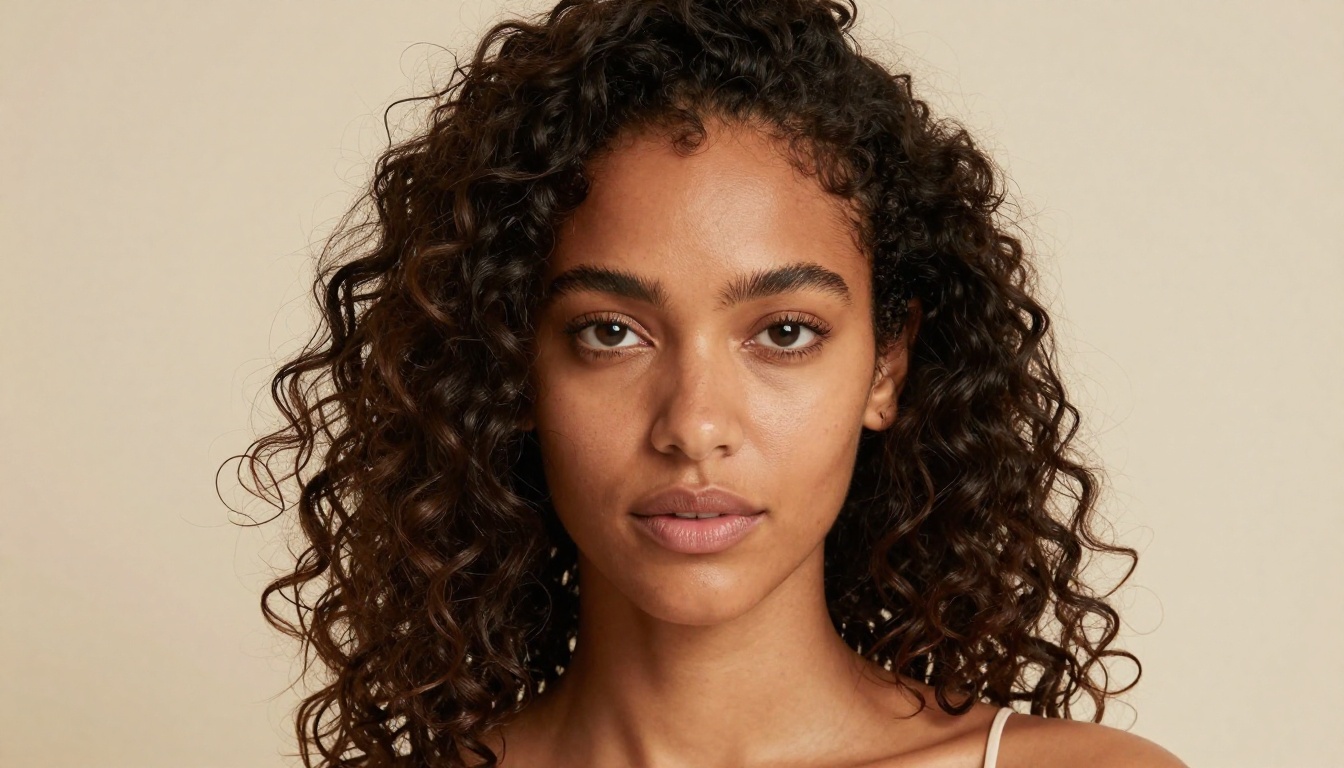
One underrated workflow step for NSFW AI images is background removal. After generating a strong subject image, you can isolate the figure and place her against a custom background, or prepare the asset for compositing into larger creative projects.
PicassoIA's background removal pipeline handles NSFW-generated images without the intermediate content filtering that trips up many other tools. On several platforms, background removal actually triggers a secondary content moderation check during the processing step, which rejects the image even though the final output would be identical to any other portrait. That hidden filter layer wastes time and destroys creative momentum.
On PicassoIA, the pipeline is clean from generation to output. Generate with Seedream 4.5, remove the background, drop the subject onto any custom environment. The entire workflow stays uncensored at every step.

The FLUX.3 Max Advantage for Skin and Fabric
What separates FLUX.3 Max from its predecessors is not only resolution. It is the model's understanding of how different materials behave under light at a physical simulation level.
Skin is a notoriously difficult surface to render convincingly in AI. It has subsurface scattering properties, meaning light penetrates the surface slightly before reflecting back out, which creates the warm, slightly translucent quality of real human skin in photography. Earlier FLUX models approximated this effect. FLUX.3 Max simulates it with accuracy that holds up under close inspection at full resolution. That is the primary reason FLUX.3 Max outputs at 1440p look like photographs rather than renders.
The same applies to fabric. Silk, lace, cotton, and wet fabric all behave entirely differently under the same light source. FLUX.3 Max was specifically trained on material-light interaction data, which makes it particularly strong for glamour and NSFW photography workflows where clothing texture is central to the image's believability.
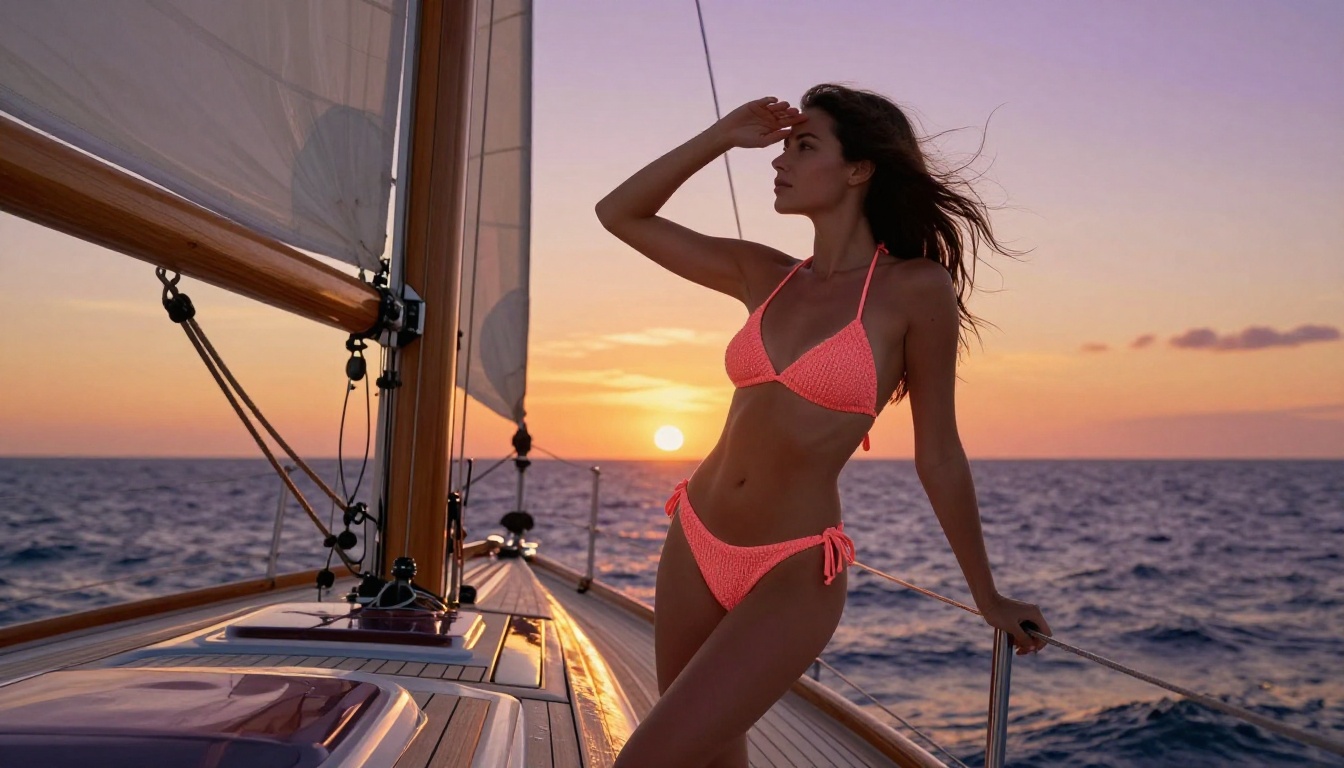
💡 Use this: When generating lingerie or beachwear content, specify the fabric type explicitly in your prompt. Use terms like "sheer chiffon", "knitted cotton mesh", "wet silk clinging to skin", or "textured lace". FLUX.3 Max simulates each material's specific optical properties rather than applying a generic fabric texture.
Practical Settings for Maximum Quality
Beyond prompt structure, a few model settings dramatically affect output quality on any FLUX.3 Max or Seedream 4.5 generation.
Guidance scale (CFG): Keep this between 4 and 7 for photorealistic NSFW content. Higher values make the model adhere more strictly to the prompt but reduce natural variation and can produce over-processed looks. Lower values give the model more creative latitude, which sometimes produces surprisingly better compositions than what you described.
Steps: 25 to 35 steps is the sweet spot for FLUX.3 Max. Fewer steps produce faster but softer outputs. More than 40 steps rarely improves quality and can introduce artifacts in skin regions.
Seed control: Save seeds from generations you love. Running the same seed with a slightly modified prompt lets you iterate on a specific composition, lighting scheme, or subject position without starting from scratch each time.
Negative prompts: Use them. Even on uncensored models, negative prompts help eliminate artifacts. Common useful negatives for photorealistic NSFW content include: "distorted limbs, extra fingers, watermark, text, logo, cartoon, illustration, painting, 3D render, anime".
Try It Right Now
Everything described in this article is accessible through PicassoIA without a credit card or subscription barrier.
Start with Seedream 4.5. Write a detailed prompt following the six-component structure above. Generate three variations with different seeds. Pick the one that resonates, then bring it into PicassoIA Image Editor Pro to refine lighting, adjust composition, or swap backgrounds entirely.
If you want to push resolution and detail further, try Flux 2 Max for 4-megapixel outputs, or Flux Kontext Max when you want to rewrite specific elements of an existing image using a simple text instruction.
The full catalog of models, including all FLUX variants and every Seedream generation, is available at picassoia.com/en/all-models. Browse by category, filter by output type, and find exactly the model architecture that fits your creative direction. NSFW image generation at this quality level, without subscriptions, without filters, and without queue frustration, is available right now.


