In 2027, the most sought-after capability in AI video generation is not 4K resolution or synchronized audio. It is the ability to generate content without a content filter standing between your prompt and your output. Most mainstream platforms have tightened their restrictions, not loosened them. But a specific set of models hosted on PicassoIA operates differently, and they are producing results that creators have been waiting years to access.
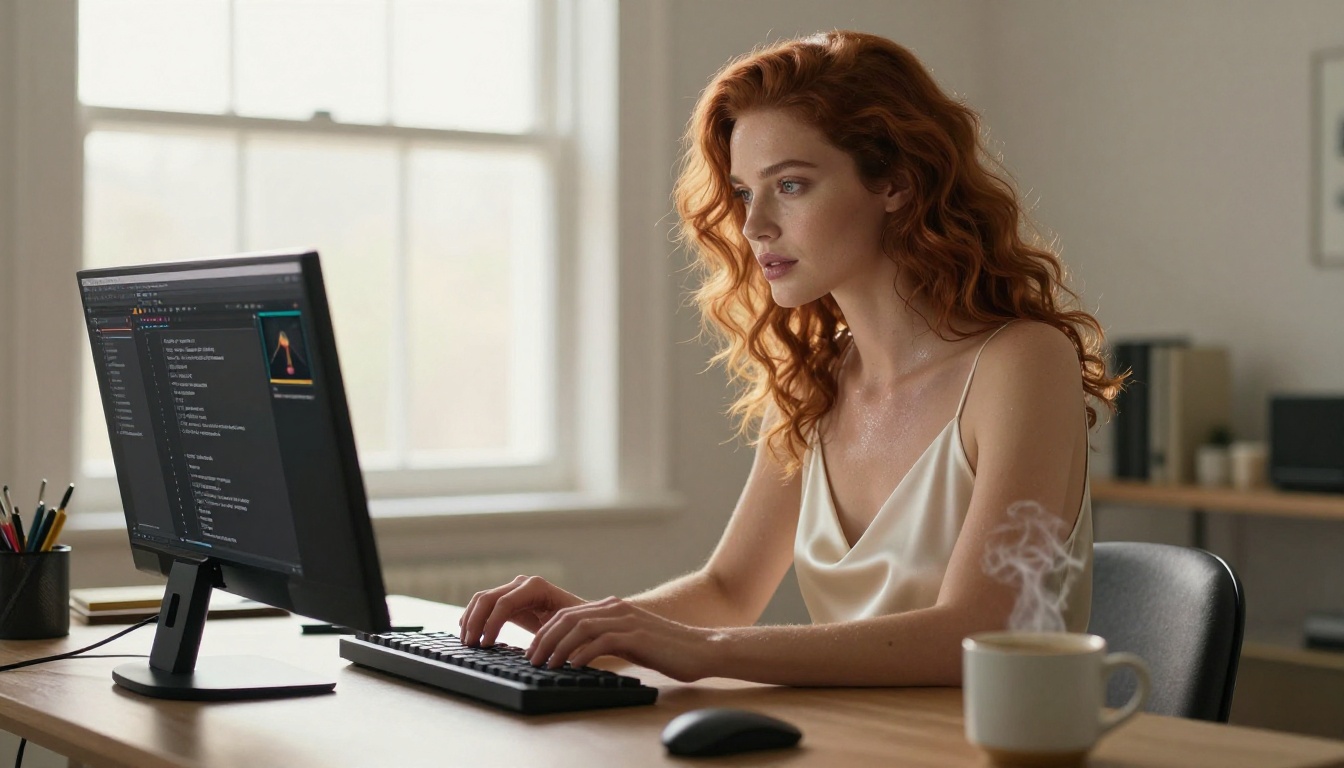
Why AI Platforms Restrict Video Content
The short answer is liability. Major AI companies built safety filters into their video models not because the models cannot generate unrestricted content, but because their terms of service, app store requirements, and advertising relationships demand it. The filter is a business decision, not a technical limitation.
The Safety Filter Problem
Most mainstream text-to-video tools run every prompt through a moderation layer before generation even begins. If the system detects certain keywords or image compositions that fall outside its allowed content policy, the generation fails. You get an error, a blank output, or a thoroughly sanitized result that bears no resemblance to your original intent.
The problem is that this moderation layer is blunt. It does not distinguish between a legitimate creative project and genuinely harmful content. A fashion photographer trying to generate reference imagery for a swimwear shoot gets the same rejection as someone trying to produce something objectionable.
What Gets Blocked in 2027
The list of blocked content on major platforms has grown, not shrunk. In addition to explicit content, many mainstream tools now reject:
- Bikini and swimwear on certain body types and compositions
- Implied nudity in clearly artistic contexts
- Physical contact between adults in poses the algorithm reads as ambiguous
- Certain camera angles on the human form
- Lingerie and form-fitting clothing flagged as suggestive
For photographers, filmmakers, content creators, and adult entertainment producers working within legal bounds, these restrictions are genuinely limiting. The models capable of producing what you need exist. The question is where to access them without hitting a rejection wall on every generation.
Who Gets Affected
The creators hitting these restrictions hardest are not trying to produce anything illegal. They are swimwear brands running social campaigns, boudoir photographers looking for AI reference shots, adult content creators with legal businesses, and filmmakers working on projects with mature themes. The filter does not care about your use case. It fires on pattern matching alone.
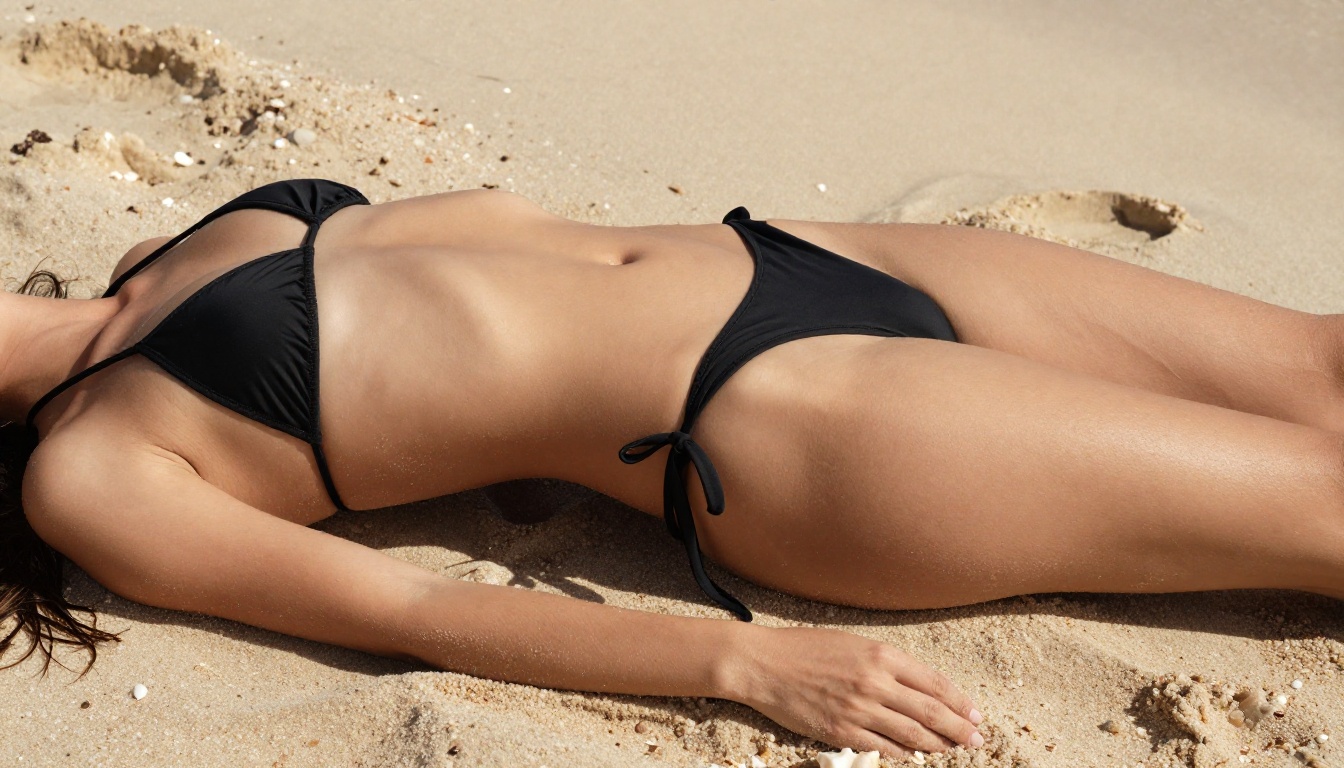
The Best Uncensored AI Video Models in 2027
PicassoIA hosts a curated set of models that do not apply restrictive content filtering. These are the ones that actually deliver results, listed in order of recommendation.
Seedream 4.5 for Your Source Images
Before touching a video model, you need a strong source image. Seedream 4.5 is the top recommendation for generating that starting frame. It accepts NSFW prompts directly, produces ultra-realistic results, and returns generations in under 3 seconds. The image quality is detailed enough to serve as a reliable first frame for any image-to-video pipeline.
One critical note: The newer Seedream 5 Lite does not support NSFW content. For adult content generation, use Seedream 4.5 specifically.
💡 Start here: A high-quality source image is the single biggest factor in your video output quality. A weak source image produces a weak video regardless of which video model you use. Spend time on the image first.
PicassoIA Image Editor Pro for Volume
If you need to iterate quickly or produce a large number of source image variations, PicassoIA Image Editor Pro is the better choice. It is an img2img model with unlimited generations on the Elite and Infinite plans. That means 1,000 image variations at no additional per-generation cost. Compare that to models like Nano Banana 2, where the same volume would cost around $100. It accepts NSFW content, returns results in under one second, and includes a 3-generation free trial with no credit card required.
P-Video with the Filter Off
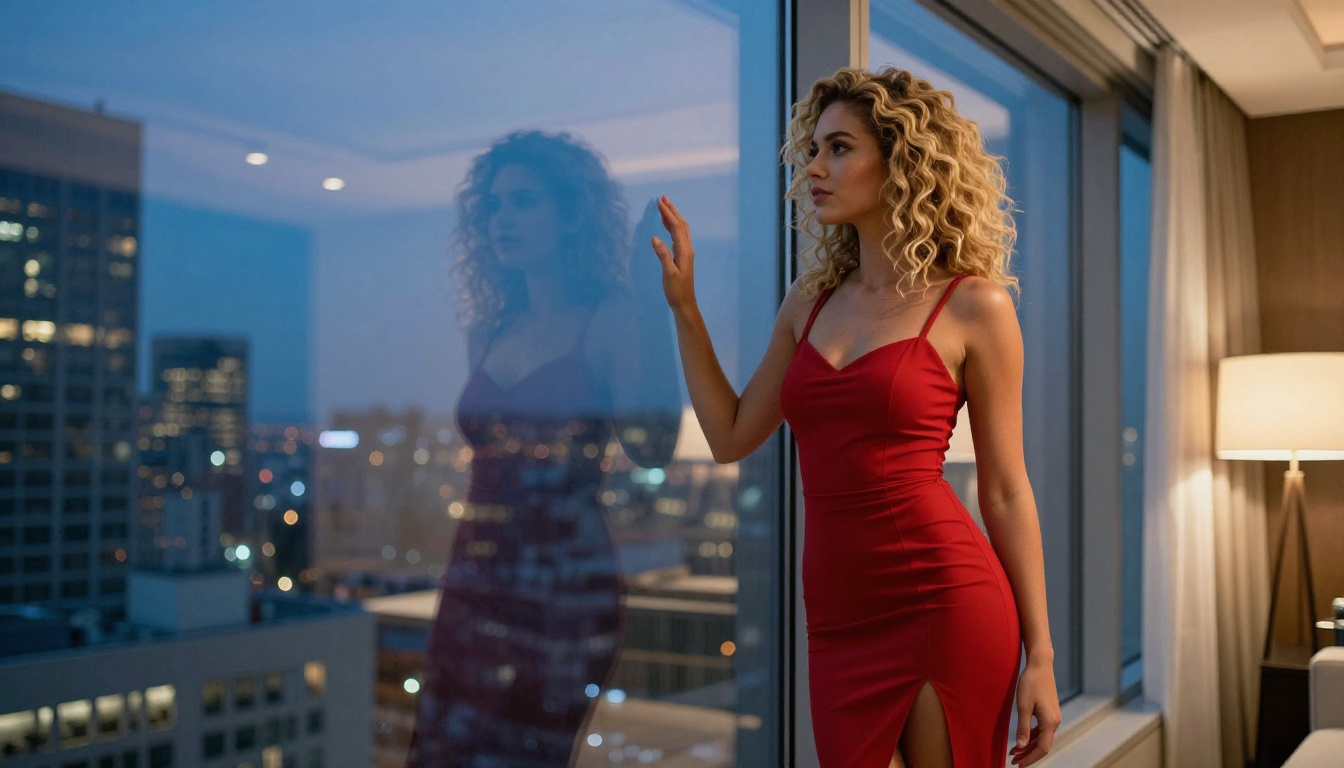
P-Video is the most direct answer to the question this article addresses. Its safety filter is off by default. You pass your prompt, you get your video. No moderation layer, no content policy rejection mid-generation.
It supports text, image, and audio as input. Output reaches up to 1080p at 24 or 48 fps. Duration is adjustable from 1 to 10 seconds across seven aspect ratios. Use draft mode to get a low-resolution preview of the motion and composition in seconds, then commit to the final render only when the motion is right.
PicassoIA Video for Unlimited Output
PicassoIA Video generates video directly from text prompts. Its biggest operational advantage is volume: unlimited video generation at up to 720p and 5 seconds per clip, with no per-generation cost on Elite and Infinite plans. If you are running a high-output workflow that needs dozens of clips, this is the model that makes that economically viable.
Grok Imagine Video for Longer Clips
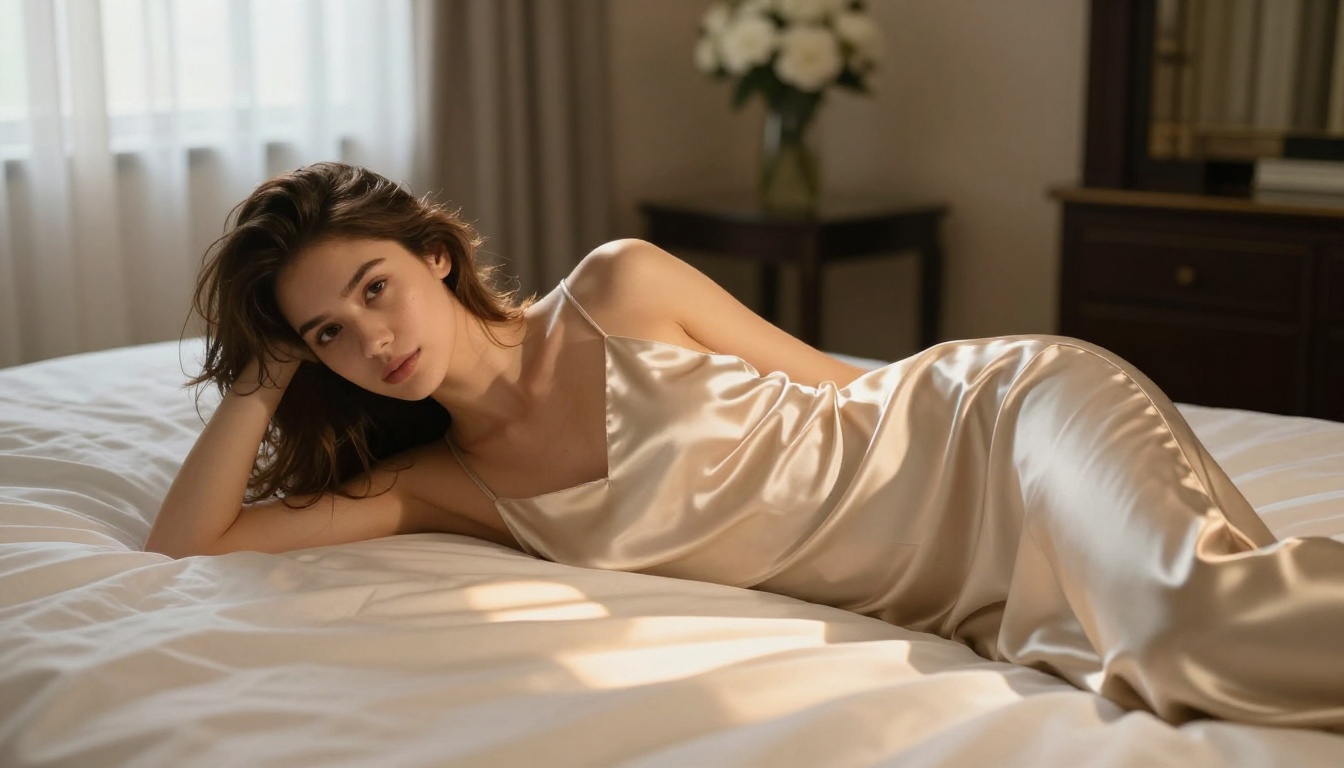
Grok Imagine Video extends the clip length to 15 seconds. It accepts text prompts, a reference image, or an existing video clip you want to re-edit. Output is at 720p or 480p across eight aspect ratios, with no watermarks on the final file. In image-to-video mode, it automatically matches the aspect ratio of your source photo.
For situations where you need a clip longer than 5 seconds without a watermark, this is the practical choice. It pairs naturally with Grok Imagine Image for source material, which is already one of the top-rated NSFW image models on the platform.
LTX 2.3 Pro for Premium Quality
LTX 2.3 Pro is for situations where output quality is non-negotiable. It exports up to 4K at 50fps. It runs five generation modes from one interface: text-to-video, image-to-video, audio-to-video, retake (replace a specific segment without re-rendering the full clip), and extend (append footage to the start or end of an existing clip). Camera motion presets include dolly, jib, and focus-shift. You can specify both the first and last frame for precise interpolated motion.
If you are producing client-ready work or final deliverables that need to hold up at full resolution, LTX 2.3 Pro is the model that reaches that quality ceiling.
How to Use P-Video on PicassoIA
P-Video is the most direct path to uncensored AI video output in 2027. Here is exactly how to use it.
Setting Up Your First Generation
- Go to P-Video on PicassoIA
- Select your input type: text prompt, image upload, or audio file
- For image-to-video, upload your source image (generated with Seedream 4.5 or P-Image)
- Set your resolution: 720p for general use, 1080p for final deliverables
- Set duration: 3 to 5 seconds for short clips, up to 10 seconds for extended sequences
- Select your aspect ratio: 16:9 for landscape, 9:16 for vertical and social formats
- Enable draft mode first to preview motion before committing to a full render
Prompt Structure That Gets Results
The most common mistake is treating a video prompt the same as an image prompt. Video prompts need to describe motion, not just appearance. Structure them chronologically.
A format that works consistently:
[Subject + starting position] → [what moves and how] + [camera movement] + [atmosphere and lighting]
Examples that work well:
- "Woman in white bikini standing by pool, turns slowly toward camera with a relaxed expression, camera gently dollies forward, warm golden afternoon light from the left"
- "Model on hotel bed, shifts position slightly and turns to look toward window, camera holds still at eye level, soft morning light through sheer curtains"
- "Two women at poolside, one slides into the water while the other watches and smiles, camera holds wide at eye level, warm sunset light with pool water reflections"
What to avoid:
- Multi-step actions in a single 5-second clip (the model cannot process them reliably)
- Conflicting directional movements such as camera pan combined with subject walking toward camera
- Very dark or low-contrast source images where motion tracking degrades
Resolution and Length
| Use Case | Resolution | Duration | Mode |
|---|
| Social media clip | 720p | 3 to 5 seconds | Final |
| Preview or motion test | 480p | 3 seconds | Draft |
| Client deliverable | 1080p | 5 to 10 seconds | Final |
| Long sequence | 720p | 8 to 10 seconds | Final |
The Image-First Workflow
The most important workflow decision for uncensored AI video in 2026 is generating a strong source image before you open a video model. Video generation from text-only prompts is less predictable than image-to-video. When you control the source image, you control the composition, the lighting, the subject, and the setting before any motion is added.
Start with a Strong Image
Use Seedream 4.5 to generate your source frame. Write a detailed image prompt that establishes exactly what you want in the video: the subject, the environment, the lighting, and the composition. Get the still right before you animate it.
P-Image is a faster alternative that generates NSFW images in under 1 second, useful for rapid iteration when testing multiple source frames. Qwen Image 2 is another strong choice if you want open-source quality with very detailed realistic output.

Animate with Wan 2.2 I2V Fast
Once you have a solid source image, Wan 2.2 I2V Fast is one of the most reliable options for converting it to video. It handles image-to-video with smooth natural animations and supports NSFW content from the source image through to the final output.
The workflow:
- Generate your source image with Seedream 4.5 or P-Image
- Upload that image to Wan 2.2 I2V Fast
- Write a motion-focused prompt describing the action over the clip duration
- Generate and review the result
- If the motion is wrong but the composition is right, adjust the motion prompt and regenerate from the same source image
This is faster than restarting from text-to-video every time. You lock in the visual composition at the image stage and iterate only on motion at the video stage, cutting down time and cost per final clip significantly.
Model Comparison: Side by Side
Here is a direct comparison of the main uncensored models on PicassoIA:
Video Models:
Image Models (for source frames):
What You Actually Get
There is a gap between what the models can produce and what people expect when they first try uncensored AI video. Setting realistic expectations saves frustration.
Motion Is Still Imperfect
Even the best uncensored video models in 2027 produce motion that can be inconsistent across longer clips. Faces can shift unexpectedly. Backgrounds can warp slightly. The human body in motion is still one of the hardest things for video diffusion models to render with full consistency across every frame.
The practical solution is shorter clips with simpler motion. A 3 to 5 second clip with one defined motion direction is almost always better than a 10-second clip attempting complex multi-part action. Generate more clips, pick the best ones, and cut them together in post.
Prompt Precision Matters More in Video
A vague prompt that produces a decent image will produce a poor video. Motion needs to be specified. Camera movement needs to be described. The more precise your video prompt, the more consistent the output.
💡 Pro tip: Write your video prompt in chronological order. Describe what happens at the start, what moves during the clip, and what the final frame looks like. The model responds significantly better to a narrative description than to a flat list of visual attributes.
Draft Before Final Render
On P-Video, always run draft mode before committing to a full render. Draft mode returns a low-resolution preview in seconds. If the motion direction is wrong or the subject morphs unexpectedly, you catch it before spending time and credits on a full-quality generation.
Every NSFW Model in the Catalog
PicassoIA hosts one of the most extensive collections of unrestricted AI generation tools available in 2027. The image side:
- Seedream 4.5 — Top all-around NSFW image model. Realistic, fast, includes image editing. (Seedream 5 Lite does not support NSFW.)
- PicassoIA Image Editor Pro — Unlimited generations on Elite and Infinite plans, under 1 second per image, free trial with no credit card.
- Qwen Image 2 — Open-source model with detailed realistic output for both creation and editing.
- Grok Imagine Image — Converts any image to a realistic swimwear or bikini format.
- Recraft V4 — Highly realistic text-to-image with strong prompt adherence.
- P-Image — NSFW text-to-image in under 1 second, the fastest option.
For video: P-Video (filter off by default), PicassoIA Video (unlimited), Grok Imagine Video (15 seconds, no watermarks), LTX 2.3 Pro (4K/50fps), and Wan 2.2 I2V Fast (image-to-video, smooth animations).
The full catalog is at picassoia.com/en/all-models.
Start Generating Right Now
The models in this article are live on PicassoIA and generating results right now. If content filters on other platforms have blocked your work, the path forward is to switch tools, not to keep trying to work around restrictions that are baked into the model architecture.
Start with Seedream 4.5 to generate your source image. Pick the frame that best represents what you want to animate. Take that image into P-Video or Wan 2.2 I2V Fast and write a motion prompt that describes the action over 5 seconds.
Run draft mode. Check the motion. Adjust and re-run if needed. Render the final clip at your target resolution.
That workflow, done consistently, produces results that mainstream platforms with safety filters simply cannot match. PicassoIA Image Editor Pro with unlimited generations means you can iterate on source images without hitting a cost ceiling. The video models then animate those polished source frames without filtering the output.
Your creative vision does not need a content moderation layer between the prompt and the result. In 2027, the tools to skip that layer are available, accessible, and producing genuinely high-quality output.
👉 See the full model catalog at picassoia.com/en/all-models.


