If you have been searching for an AI that actually gets adult fiction, one that delivers scenes with real emotional weight, sustained narrative tension, and characters who feel alive, you have probably tried a few models and walked away disappointed. Most large language models hit an invisible wall the moment prompts lean intimate or romantic. They sanitize outputs into something clinical, return refusals mid-scene, or produce prose so generic it reads like it was written by a committee.
Kimi K2.6 is built differently. This is a reasoning-class model from Moonshot AI that applies a structured internal thinking process before generating any text, making it unusually capable at character psychology, sustained narrative tension, and prose that does not feel like it was assembled from templates. On PicassoIA, you can access it right now with no waitlists and no special credentials required.
This article covers what makes Kimi K2.6 exceptional for adult creative writing, how to use it on PicassoIA, the prompts that produce the strongest results, how it stacks up against other models, and how to pair your stories with stunning AI-generated visuals from the platform's best NSFW image models.
What Kimi K2.6 Actually Does Differently
Before getting into the practical side, it helps to understand why this model performs so well on intimate, emotionally complex content. The answer comes down to its reasoning architecture and what that means for fiction.
The Thinking Layer That Changes Everything
Most language models respond to a prompt by predicting the next word, then the next, in a straight line from beginning to end. The output is only as good as whatever pattern the model has learned to associate with your prompt. Kimi K2.6 adds an internal chain-of-thought step before committing to any output. The model reasons about the scene first: what the characters want, what emotional subtext is at play, what the pacing of the moment should be. Only then does it begin writing.
For adult fiction, this distinction matters enormously. Romance and intimacy are not just about what happens physically. They are about anticipation, about the gap between what characters say and what they mean, about tension that builds across several exchanges before it finally breaks. A model that reasons about those dynamics before writing produces scenes that feel authored rather than generated.
The closest comparison on the platform is Kimi K2 Thinking, the earlier version of this reasoning architecture. Kimi K2.6 improves on it significantly in terms of prose quality, context retention, and the subtlety with which it handles character voice. You can also try Kimi K2 Instruct if you prefer a faster, less reasoning-heavy response, but for long-form adult fiction, the thinking variant is worth the slightly longer generation time.
Context Window and Story Continuity
One of the practical problems with adult fiction is that scenes rarely exist in isolation. A seduction scene lands harder if the reader has spent three chapters watching tension build between two characters. A confrontation becomes electric when the history between those people is already established. Most models lose the thread of that history the moment a conversation gets long enough.
Kimi K2.6 carries a large effective context window and handles long story sessions better than most models at its capability tier. You can paste in several thousand words of story background, character sheets, and prior scenes, and the model will incorporate all of it coherently. The character who is guarded and slow to trust in chapter one will still behave that way in chapter ten, because the model is actively tracking the internal logic of who these people are.

Why Kimi K2.6 Works So Well for Adult Stories
The technical capabilities explain the how. But what does it actually feel like to use Kimi K2.6 for romantic or erotic fiction?
Tone Control You Can Actually Feel
Describe the tone you want in the system prompt and Kimi K2.6 will commit to it fully. If you say the scene should feel tender and slow, the prose slows down. Sentences become shorter. Dialogue gets quieter. If you ask for something charged and high-tension, the rhythm accelerates, the language sharpens, and physical details become more precise.
This is not a trivial feature. Many models claim to follow tone instructions but drift back toward their default voice after the first few paragraphs. Kimi K2.6 maintains tone discipline across long outputs in a way that feels deliberate rather than accidental. It holds the atmosphere you ask for and does not let the story slip into neutral territory on its own.
Character Depth in Every Scene
The internal thinking process gives Kimi K2.6 a meaningful advantage for character-driven adult fiction. When you establish a character's psychology upfront, the model uses that information actively in every scene it writes. A character with trust issues will hesitate before a vulnerable moment. A character who uses humor as armor will crack a joke at exactly the wrong time. These are the details that separate good fiction from generic content, and Kimi K2.6 produces them reliably because it reasons about the character before writing their dialogue and actions.

How to Use Kimi K2.6 on PicassoIA
Getting started is straightforward. PicassoIA makes the model available directly at its collection page with no additional setup required.
Step 1: Set Up Your Story in the System Prompt
The system prompt is where the most important work happens. This is where you establish the world, the characters, and the rules the model should follow. A strong system prompt for adult fiction includes:
- Character profiles: Name, age, personality, backstory, and any relevant emotional history or desires
- Relationship dynamic: How do these characters relate to each other? What is the shared history? What does each want from the other?
- Tone directive: What emotional register should the prose carry? Slow and tender? Charged and urgent? Melancholy and restrained?
- Content guidance: What level of explicitness are you aiming for? The model will follow specific parameters here
- POV and tense: First person present? Third person limited past? Establish this upfront so the model does not shift mid-scene
A 300 to 500 word system prompt produces significantly better results than a single line of instruction. The model's thinking layer uses all of that context actively when reasoning through each scene.
Step 2: Use the Thinking Mode for Better Results
When using Kimi K2.6 or Kimi K2 Thinking, you may see the model display a reasoning step before the final output. Do not skip past it. The reasoning trace reveals how the model has interpreted your characters and your scene setup. If the reasoning is off, you can catch it before you receive three paragraphs of prose built on a misunderstanding. Correct it in a follow-up message and the model recalibrates before the next generation.
Step 3: Iterate Scene by Scene
The most effective workflow treats the story as a collaborative session within a single long conversation. Give the model the setup, let it generate the opening scene, then respond with direction for the next beat. You are acting as a director, not a transcriptionist. Say things like "good, but slow that down — she would take longer to decide" or "he would not use that word, he is more formal with her." The model responds well to specific directional feedback and improves with each turn.

The Best Prompts for Adult Stories
Not all prompt structures work equally well. Here are the patterns that consistently produce the strongest results with Kimi K2.6 for romantic and adult fiction.
Prompts for Romantic Tension
Romantic tension is built from what is not said. The best prompts for this ask the model to write around the desire rather than directly into it. For example:
"Write the scene where they are stuck in a small apartment during a rainstorm. They are both aware of the tension between them but neither will address it directly. Show the tension entirely through physical action and subtext, not internal monologue."
The instruction to use physical action and subtext rather than internal monologue is key. It forces the model to write showing rather than telling, which produces far stronger romantic scenes. Characters pick up objects, move across rooms, avoid each other's eyes, and speak about anything except the thing they are both thinking about.
Prompts for Scene-Setting
The quality of intimate scenes rises dramatically when the physical environment is richly established first. A setup prompt like:
"Describe the hotel room in precise sensory detail before either character enters. Temperature, the sound of traffic from below, the exact color of the light through the curtains, the texture of the linen."
This gives the model a vivid stage on which to place the characters. When the scene itself arrives, the sensory grounding makes it feel immediate and real rather than abstract.
| Prompt Strategy | What It Does | Best For |
|---|
| Subtext-only instruction | Forces showing over telling | Romantic tension scenes |
| Sensory pre-description | Grounds the scene physically | Opening intimate moments |
| Character psychology first | Informs every action and line | Long-form character arcs |
| Explicit pacing instruction | Controls scene rhythm | Escalation and deceleration |
| Dialogue-led scenes | Reveals character through speech | Seduction, confrontation, reunion |

Kimi K2.6 vs Other LLMs for Adult Fiction
How does Kimi K2.6 compare to other models available on PicassoIA when writing adult creative content?
| Model | Reasoning | Tone Control | Context Retention | Adult Content |
|---|
| Kimi K2.6 | Thinking layer | Excellent | Very high | High flexibility |
| Kimi K2 Thinking | Thinking layer | Very good | High | High flexibility |
| Kimi K2.5 | Standard | Good | High | High flexibility |
| DeepSeek R1 | Chain-of-thought | Good | High | Moderate |
| GPT-5 | Integrated | Good | Very high | More restricted |
| Claude Sonnet 4.6 | Integrated | Excellent | Very high | More restricted |
The key differentiator is the combination of reasoning architecture, precise tone control, and higher flexibility for adult content. Models like GPT-5 and Claude Sonnet 4.6 produce excellent prose but apply content policies that frequently interrupt adult fiction sessions at critical moments. DeepSeek R1 reasons well but its tone control is less consistent across long sessions. Kimi K2.6 sits in a productive position: capable reasoning, responsive prose style, and fewer interruptions when writing mature creative content.
For those who want faster responses without the full reasoning overhead, Kimi K2.5 is a solid middle-ground option available on the platform.
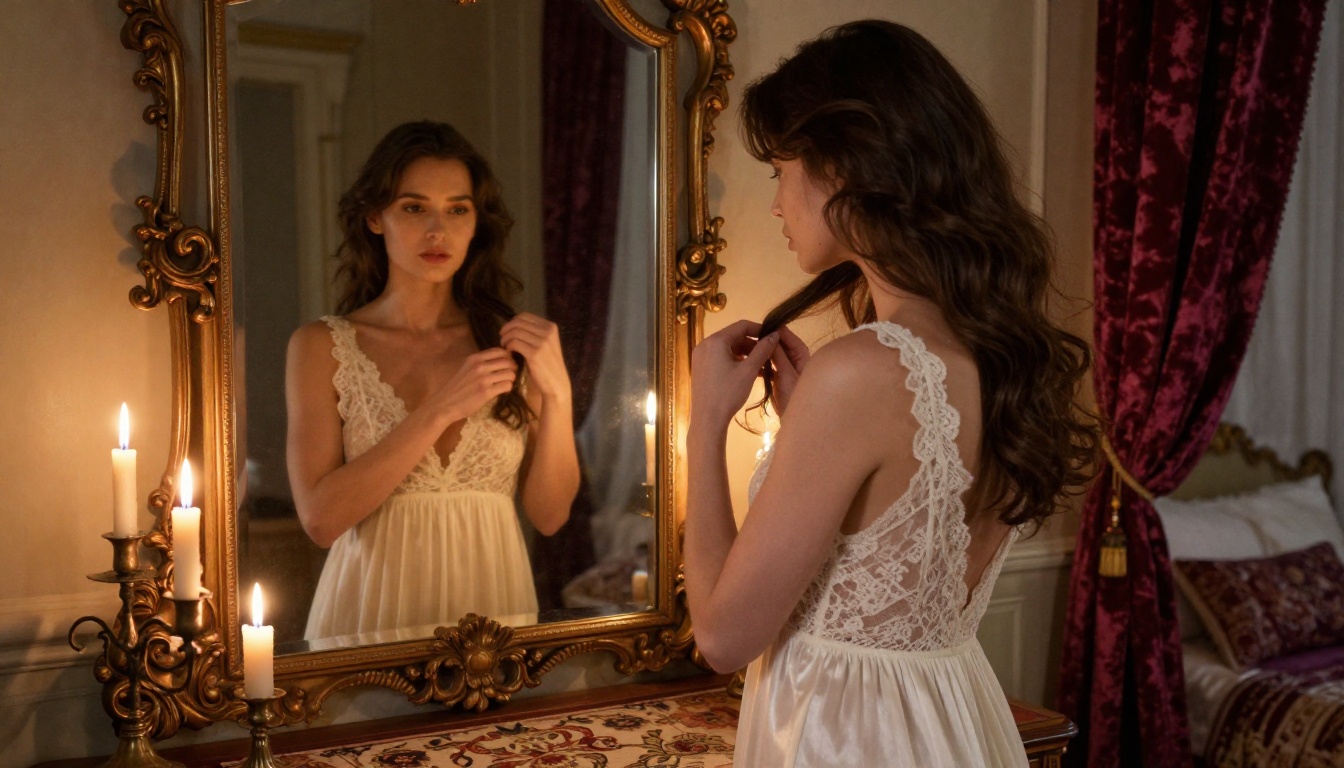
From Story to Image: Pair Kimi with NSFW Models
Writing a story is one thing. Seeing that story visualized is a different experience entirely. PicassoIA lets you take the characters and scenes Kimi K2.6 has helped you build and generate photorealistic images that match your creative vision, all from the same platform.
The workflow is straightforward. Once Kimi K2.6 has written a scene, pull out the most visually charged moment and describe it as an image prompt. Feed that prompt into one of PicassoIA's NSFW-capable image models and within seconds you have a photorealistic visual that corresponds to the scene. This is particularly effective for visual novel projects, illustrated stories, and character reference sheets that keep visual consistency across a long work.
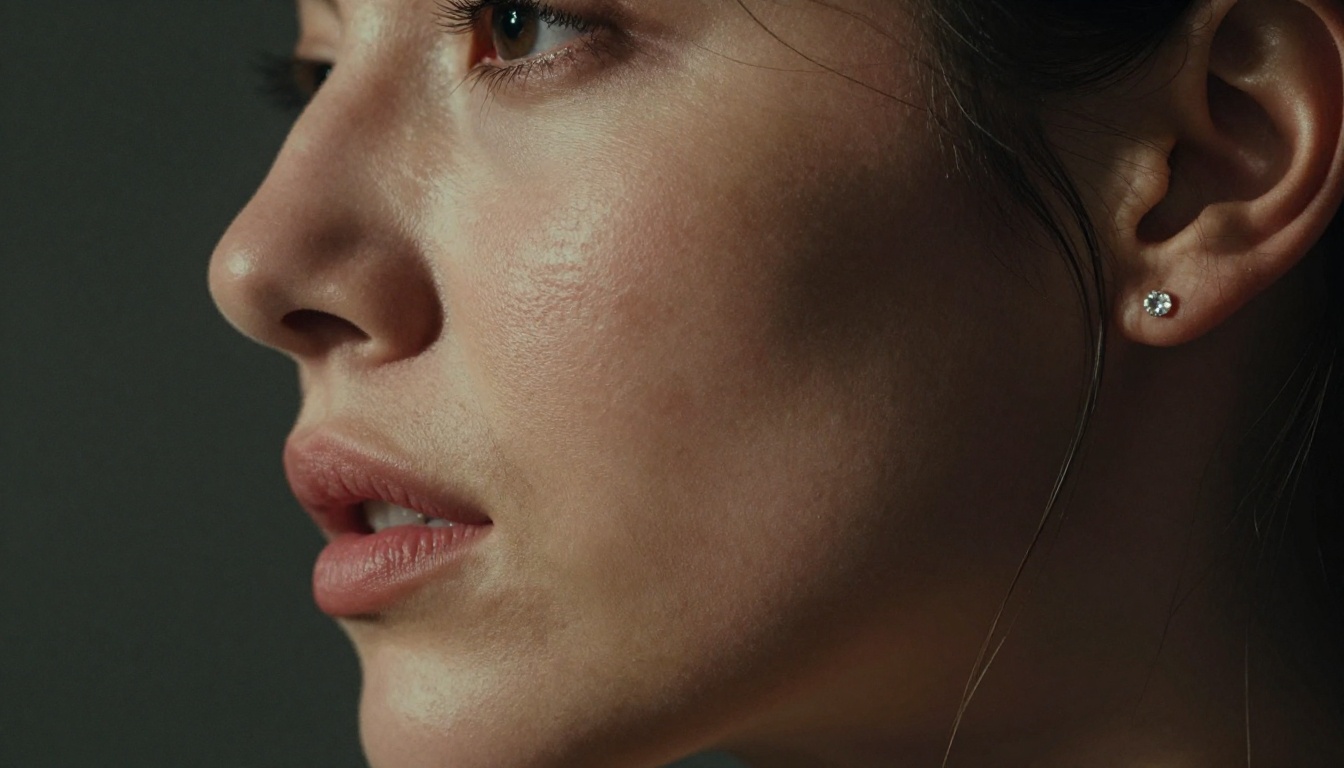
Seedream 4.5 for Story Illustration
Seedream 4.5 is the strongest NSFW image model on PicassoIA for this purpose. It accepts adult content, generates ultra-realistic results in under 3 seconds, and supports image editing so you can refine a generated scene without starting over. When you describe a character from your Kimi K2.6 story in precise visual terms, Seedream 4.5 produces photorealistic portraits that can feel remarkably close to the person you have been writing.
Note: The newer Seedream 5 Lite does not support NSFW content. For adult creative work, Seedream 4.5 is the correct choice.
PicassoIA Image Editor Pro for Scene Refinement
PicassoIA Image Editor Pro is an img2img model with one standout practical advantage: unlimited generations on Elite and Infinite plan subscriptions. If you are generating a visual for each chapter or iterating on a character's appearance across dozens of scenes, that matters significantly. The equivalent volume on a per-generation model would cost around $100 for 1,000 images. With Image Editor Pro, it is included in your subscription. Results arrive in under one second and a 3-generation free trial is available with no credit card required.
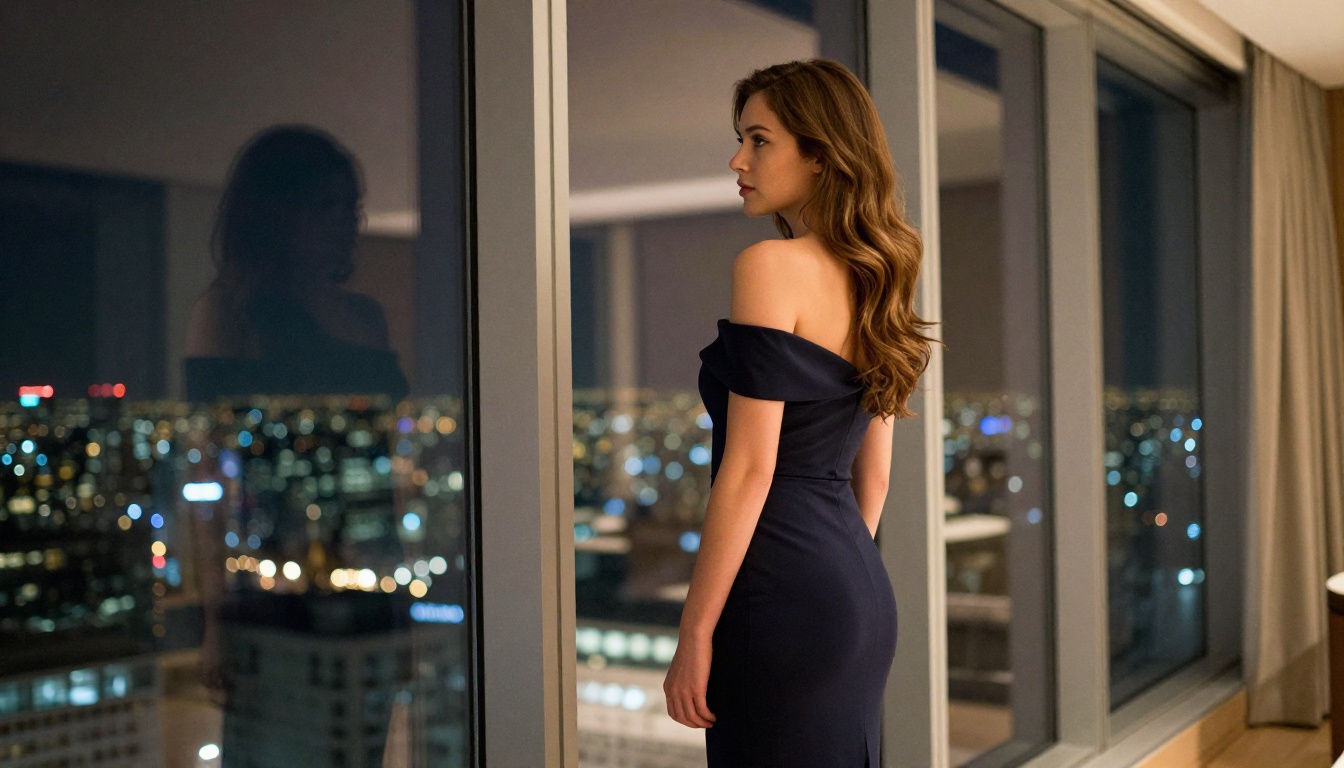
The Best NSFW Models on PicassoIA
For anyone building an adult creative workflow around their Kimi K2.6 stories, here is the full ranked lineup of NSFW-capable image models on PicassoIA.
- Seedream 4.5 — The best all-around choice. Accepts adult content, supports image editing, generates ultra-realistic results in under 3 seconds. Start here.
- PicassoIA Image Editor Pro — Unlimited generations on Elite/Infinite plans. Need 500 images for a visual novel project? All included. Results in under one second. Free trial, no credit card required.
- Qwen Image 2 — Open-source model that creates or edits images with very detailed realism. Strong for complex scene illustration.
- Grok Imagine Image — Excellent for transforming reference images into new compositions. Realistic and flexible.
- Recraft V4 — Very realistic text-to-image results for establishing-shot style scene imagery.
- P-Image — Fast NSFW text-to-image in under 1 second. Ideal when you want to visualize multiple scene options quickly.

Explore the full catalog of unrestricted, high-performance models at picassoia.com/en/all-models. New models are added regularly, with the same no-filter approach across the board.
Your First Adult Story Starts Here
The combination of Kimi K2.6's reasoning-powered prose and PicassoIA's NSFW image generation creates a creative workflow that most platforms simply cannot offer. You get a model that thinks about your characters before writing them, produces prose with real emotional architecture, and respects your creative direction without constant interruption. Then you get a full suite of image models that can visualize any scene you have written, at photorealistic quality, in seconds.
The practical steps look like this:
- Open Kimi K2.6 on PicassoIA
- Write a detailed system prompt with your characters, their dynamic, and your tone directive
- Let the model's thinking layer reason through the scene before generating
- Refine scene by scene, directing the model like a creative collaborator
- Pick the most visual moment from each scene and generate a matching image with Seedream 4.5 or PicassoIA Image Editor Pro
Whether you are writing a single short story or building a full illustrated novel chapter by chapter, this workflow scales with the ambition of the project. The tools are already there. The creative direction is entirely yours.

Start with a character you believe in. Give them something to want and something to be afraid of. Then ask Kimi K2.6 to write the scene where those two things collide. The reasoning layer handles the rest.


