MiniMax Speech 2.8 HD has become the quiet favorite among after dark audio creators, and when you hear what it actually sounds like, the reason is obvious. This is not another robotic text-to-speech system that spits out flat, lifeless audio. It is a 128kHz HD voice synthesis model with natural breathing, micro-pauses, emotional intonation, and enough character variation to make a five-minute narration feel like it came from a real person in a real room.
The after dark audio market has a problem. Most TTS tools were built for corporate explainer videos and accessibility software. They handle "Please hold while we transfer your call" with grace, but they fall apart the moment you need whispers, sighs, or the kind of slow, deliberate pacing that makes sensual audio actually land. MiniMax Speech 2.8 HD was built differently, and this article breaks down exactly why it matters and how to put it to work.
What MiniMax Speech 2.8 HD Actually Does

At its core, MiniMax Speech 2.8 HD is a text-to-speech model trained specifically for high-definition audio output. The "HD" designation is not marketing. It refers to the model's 128kHz output sampling rate, a genuine step above the 44.1kHz ceiling that most TTS tools work within. The difference is audible: consonants are crisper, sibilance is controlled rather than harsh, and the low-end warmth in male voices reads as genuinely resonant rather than digitally padded.
The model handles long-form content without the vocal drift you get from many competitors. Drop a 3,000-word script in and the voice does not start losing its character by paragraph four. Pacing stays consistent, emotional cues remain anchored to the text, and the output lands as a cohesive performance rather than a stitched-together audio file.
Studio-Quality at $0.10 per 1000 Tokens
The pricing structure makes this model genuinely accessible for independent creators. At approximately $0.10 per 1,000 input tokens, a 2,000-word after dark audio chapter typically runs under $0.25 to generate. Compare that to hiring a voice actor for the same content, or to the subscription tiers that professional narration studios charge, and the math is not close.
💡 Cost tip: A 10-minute sensual narration averages around 1,500 tokens at normal speaking density. That is roughly $0.15 per piece before any platform fees.
On PicassoIA, the model is synchronous. You submit your text, the model processes it, and you get the audio URL back immediately. No polling, no async queue to manage, no waiting for a prediction ID to resolve. For after dark content creators who batch-produce weekly releases, that speed-to-output ratio is significant.
Voices That Sound Human
The built-in voice library covers a wide emotional spectrum. The default voice for English content is English_Explanatory_Man, which reads as authoritative and warm. But the model ships with voices across multiple registers: breathy female voices, deep resonant male voices, accented options, and voices calibrated for narrative reading rather than announcement-style delivery.
For after dark content specifically, the voices that perform best are those with a naturally slower cadence and higher breathiness scores. These parameters can be adjusted through the API, giving creators control over how much air carries through consonants and how long micro-pauses linger between sentences.
Why After Dark Audio Needs a Real Voice

After dark audio is not like any other content category. The listener is typically alone, often wearing headphones, and paying close attention to every vocal nuance. A flat delivery, an unnatural pause, or a robotic inflection pattern will break immersion completely. Unlike background music or ambient podcasts, sensual audio narration lives or dies by how believable the voice sounds in the listener's ear.
This is precisely where most AI TTS models fail in the after dark space. They were optimized for clarity and intelligibility, not for intimacy. MiniMax Speech 2.8 HD was trained on a broader corpus that includes naturally paced speech, theatrical delivery, and interpersonal dialogue, which means it handles the slower, more deliberate cadences of after dark narration without sounding like it is reading a terms and conditions document.
Emotional Range and Breathing

The breathing patterns in MiniMax Speech 2.8 HD are worth calling out specifically. Most TTS models either ignore breath entirely, producing unnaturally continuous speech, or insert breath sounds at mechanical intervals that sound like an audio glitch. This model places breath sounds contextually, meaning they appear at natural sentence and clause breaks rather than on a fixed timer.
For after dark audio, where a soft exhale before a key line is as important as the words themselves, this matters enormously. The model also handles emotional shifts within a single piece of text. A paragraph that starts with calm description and builds toward an intense scene will carry audibly different energy by the final sentence, rather than staying at the same flat vocal intensity throughout.
| Feature | MiniMax Speech 2.8 HD | Standard TTS |
|---|
| Sampling Rate | 128kHz | 44.1kHz |
| Breathing Patterns | Contextual | Fixed interval or none |
| Emotional Modulation | Yes, per-sentence | No |
| Long-form Stability | Consistent up to 10,000 tokens | Degrades after 500 tokens |
| Voice Variety | 30+ characters | 5-10 generic options |
The Whisper Effect
One of the most requested capabilities from after dark audio creators is a convincing whisper. Whispers are acoustically complex: they require breath-forward delivery, reduced resonance, and a specific pattern of unvoiced consonants. Most TTS systems produce whispers that sound like the volume was simply turned down on a normal voice, which sounds wrong immediately.
MiniMax Speech 2.8 HD handles whisper passages through markup tags in the input text, allowing creators to flag specific lines for whispered delivery without affecting the rest of the narration. The result is a whisper that actually sounds like a person leaning close rather than an audio engineer turning down a fader.
How to Use MiniMax Speech 2.8 HD on PicassoIA

PicassoIA makes MiniMax Speech 2.8 HD available directly in its text-to-speech collection, with no API key management or SDK setup required. The workflow is straightforward.
Step-by-Step Setup

Step 1: Access the Model
Navigate to the MiniMax Speech 2.8 HD page on PicassoIA. No account verification beyond the standard signup is required.
Step 2: Paste Your Script
Drop your narration text into the input field. The model handles scripts up to 10,000 tokens per request. For longer pieces, split at natural chapter breaks and run them as separate generations.
Step 3: Select Your Voice
Choose from the available voices in the voice selector. For after dark content, the female voices with higher breathiness and the male voices with lower pitch generally produce the most effective results. Test two or three options on a short paragraph before committing to a voice for your full production.
Step 4: Adjust Parameters
- Speed: Reduce to 0.85-0.90 for narration pacing. Default (1.0) reads slightly fast for intimate content.
- Volume: Leave at default unless you are layering with background audio.
- Language: English is the default and performs best. The model also handles Spanish, French, and Japanese with strong naturalness scores.
Step 5: Generate and Download
Submit the request. The audio returns within 2-5 seconds for a typical 500-word script. The output URL points to a re-uploaded R2 file you can download directly or embed in your player.
💡 Pro tip: Run your final script through the model twice with different voices and listen to both before committing. The same text can feel completely different depending on the voice character. PicassoIA stores both results so you can compare without regenerating.
Choosing the Right Voice
Voice selection is where many first-time creators leave significant quality on the table. The wrong voice for a given script undermines even excellent writing. Here are the working voice categories for after dark content:
- Deep male voices: Best for dominant narrator roles, slow-burn story arcs, and first-person masculine perspectives.
- Breathy female voices: Best for close-mic intimate narration, ASMR-adjacent content, and character voice work in romantic audio fiction.
- Neutral professional voices: Best for framing segments, intros, and any meta-commentary within a production.
- Accented voices: Best when character consistency requires a specific regional identity that matches the story setting.

After dark audio is not a single format. The market has fractured into several distinct categories, each with different production requirements and audience expectations. MiniMax Speech 2.8 HD performs well across all of them, but the optimal settings differ.
Erotic Audiobooks and Long-Form Fiction
This is the highest-volume category in the after dark audio market. Creators are producing multi-chapter audio adaptations of erotic fiction, with individual chapters running 15-30 minutes. The production requirement here is consistency above all else: the same voice character, the same pacing energy, and the same emotional baseline across sessions that might be recorded days apart.
MiniMax Speech 2.8 HD handles this through stable voice seeding. When you use the same voice ID and parameters across multiple generations, the output is vocally consistent even across separate API calls. This is a practical necessity for serial content where listeners will notice if the narrator sounds different in episode 3 versus episode 7.
💡 Chapter production tip: Keep a generation log with the voice ID, speed setting, and language parameter for each chapter. Recreating a consistent voice weeks later is trivial if you have those three values on record.
ASMR and Sensual Podcast
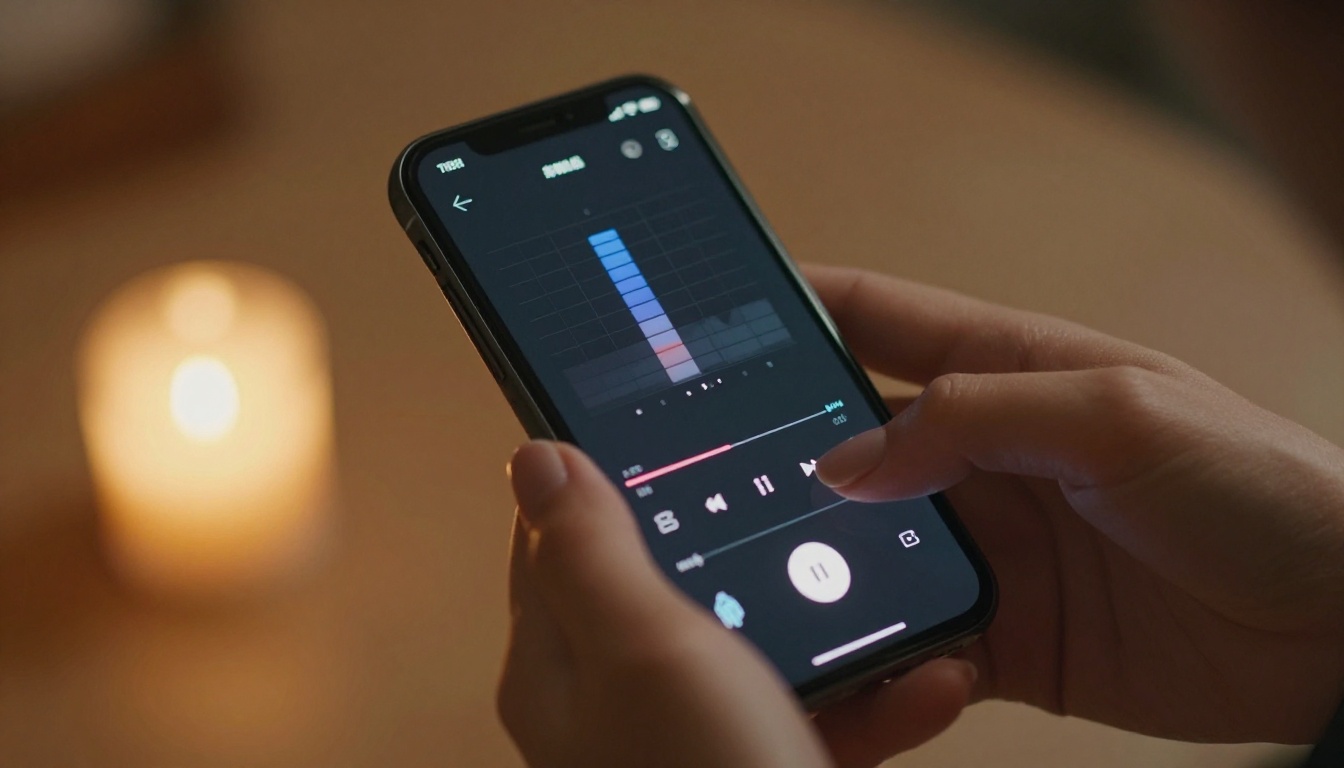
ASMR-oriented after dark content places heavy emphasis on the physical qualities of the voice rather than narrative content. Listeners want to hear breath, proximity, and the sense that the speaker is very close. For this format, reduce the speed to 0.80 or below, select the most breath-forward voice available, and consider using whisper markup for the most intimate segments.
The sensual podcast format sits between ASMR and traditional narration. It typically involves a presenter-style delivery with occasional scripted story segments. For this format, the Speech 2.8 Turbo variant is worth considering for the presenter segments, where speed matters more than maximum audio fidelity. Use Speech 2.8 HD for the scripted story portions where quality is paramount.
MiniMax vs Other TTS Models
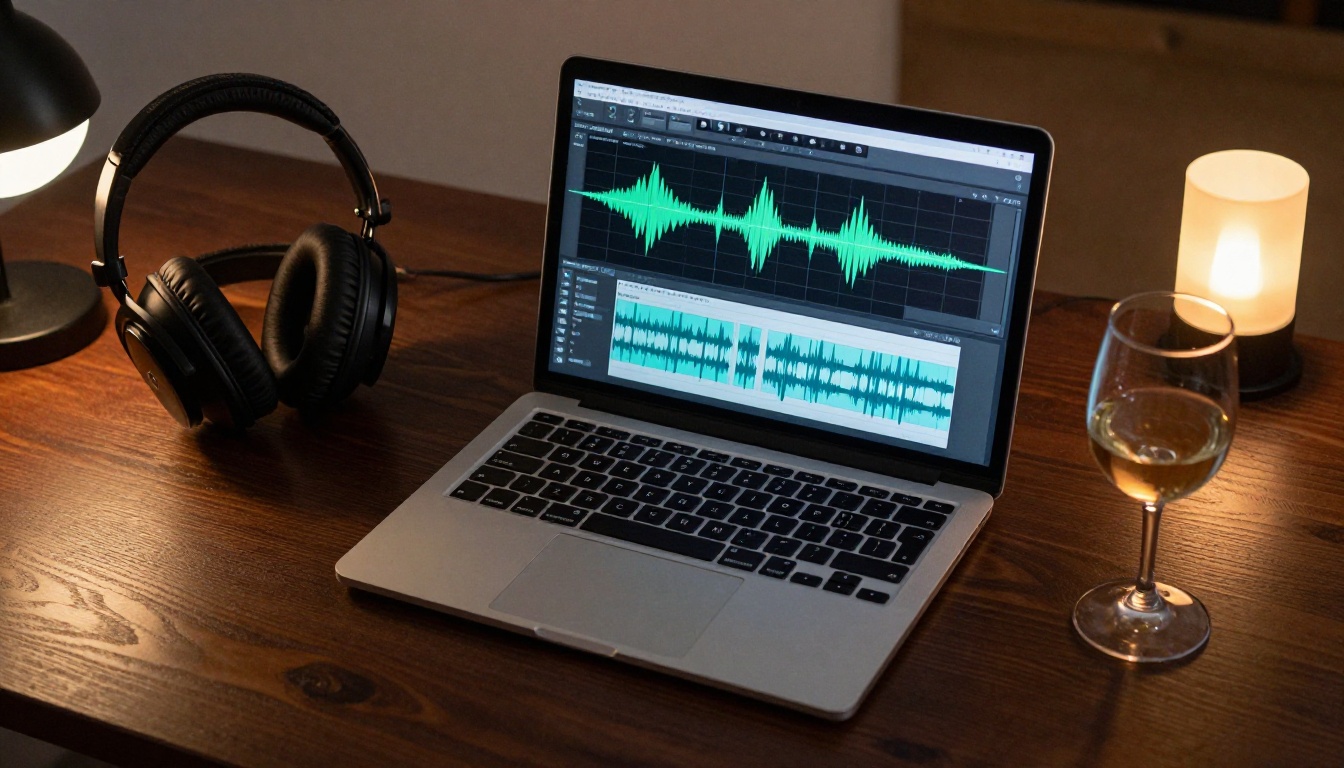
PicassoIA hosts 24 text-to-speech models, which means creators have genuine choices. Not all of them are equally suited to after dark content.
Speech 2.8 HD vs Speech 2.8 Turbo
The turbo variant of the same model trades audio fidelity for speed. Where Speech 2.8 HD delivers 128kHz output with full emotional processing, Speech 2.8 Turbo runs faster with slightly compressed audio quality. For after dark content, the HD version is almost always the right call. The quality difference is audible on headphones, which is exactly where your audience is listening.
The turbo version makes sense for draft previews: generate with Turbo to check pacing and voice fit, then run the final production through HD. That workflow saves costs without compromising the finished product.
When to Use ElevenLabs Instead
ElevenLabs V3 and ElevenLabs v2 Multilingual are the main alternatives worth considering. ElevenLabs has a strong voice acting library and excels at highly theatrical delivery with dramatic shifts in tone and volume. If your after dark content leans heavily into theatrical storytelling with multiple characters and dramatic tension, ElevenLabs may produce better results on those specific passages.
MiniMax Speech 2.8 HD wins on consistency, breathiness naturalness, and cost per token for long-form content. ElevenLabs wins on voice character breadth and extreme emotional range. Many professional after dark producers use both: MiniMax for narration and transition segments, ElevenLabs for character dialogue moments that require strong vocal performance.
Other models worth knowing about on PicassoIA:
- Qwen3 TTS: Strong voice cloning capabilities. Good for creating a signature branded voice.
- Play Dialog: Specialized for two-person dialogue. Useful for scripted conversation formats.
- Resemble AI Chatterbox: Emotion control at the clip level. Useful for scenes requiring rapid emotional shifts.
- Gemini 3.1 Flash TTS: 30 voices, 70+ languages. Best for multilingual content production at scale.
Voice Cloning for After Dark Creators
One of the most significant revenue opportunities in after dark audio is building a recognizable voice brand. Listeners who enjoy an audio series develop an attachment to the specific vocal character delivering it. If that voice changes or disappears, the audience does not automatically transfer to a replacement.
MiniMax offers voice cloning through the MiniMax Voice Cloning model available on PicassoIA. The workflow involves providing a reference audio sample of the target voice, after which the model synthesizes new content in that voice's style. This is particularly valuable for:
- Creators who have previously recorded in their own voice and want to scale production beyond what manual recording allows.
- Persona-based after dark brands where the "character voice" is part of the product identity.
- Collaboration projects where a creator wants to maintain a consistent voice across content produced by different writers.
For completely original branded voices, Qwen3 TTS offers voice design capabilities that let you specify vocal characteristics from scratch rather than cloning an existing voice. This approach creates a genuinely original voice asset that no other creator can replicate.
Building a Consistent Audio Brand
After dark audio brands that perform well over time share a few structural qualities:
- One primary narrator voice used consistently across all content in a series.
- A distinctive intro sound (music or a signature phrase) that signals to returning listeners.
- Consistent pacing parameters so that new releases feel sonically familiar.
- A backup voice generated from the same parameters, in case the primary voice needs to be regenerated or changed.
MiniMax Speech 2.8 HD supports all four of these through its stable voice parameters. Document your settings from the first production and the consistency takes care of itself.
Your First After Dark Audio Piece Starts Here
The barrier to producing professional-quality after dark audio has dropped significantly. What once required a soundproofed recording booth, a professional voice actor, and a mixing engineer can now be produced from a browser tab in under ten minutes.
MiniMax Speech 2.8 HD on PicassoIA is the starting point that serious creators in this space are using. The model is fast, the audio quality is genuinely competitive with professional narration, and the pricing makes it viable to produce at scale rather than one-off.
Write a 500-word after dark piece, open the MiniMax Speech 2.8 HD model page, select a voice, and listen to what comes back. Then compare it to your current production method and decide what that time and quality difference is worth to you. The platform has additional TTS models available for experimentation alongside Speech 2.8 HD, including Speech 2.6 HD and Speech 02 HD for comparison testing across the full MiniMax lineage. Browse the full model catalog at picassoia.com/en/all-models to see everything available.
The quality is there. The workflow is accessible. The only thing left is the script.


