Something changed in AI chat, and most people haven't fully registered it yet. The old signs that gave it away, the robotic phrasing, the context amnesia, the sudden tonal lurches, have largely disappeared. What replaced them is something that reads as disturbingly, sometimes uncomfortably, human. NSFW AI chat feels almost too real now because, in many ways, it actually is. This article breaks down why that shift happened, which models are responsible, and how to use them to build experiences that would have been technically impossible just two years ago.
The Shift That Changed Everything
From Rigid Scripts to Fluid Conversation
For most of AI chat history, the experience was defined by its failure points. You'd be three messages into a scene and the model would lose the thread. It'd forget a character's name, introduce contradictions, or respond to something intimate with the energy of a FAQ bot. These weren't minor annoyances. They were immersion-killers, constant reminders that you were talking to software.
That's mostly gone now.
The architectural shift from rule-based pattern matching to deep neural language modeling changed the nature of conversation at a fundamental level. Modern models don't retrieve canned responses from a lookup table. They generate each reply by predicting what a thoughtful, contextually aware speaker would say next, drawing on billions of examples of real human communication. The result is conversational fluency that doesn't just hold up under casual use. It holds up under pressure, under sustained emotional intensity, under the kind of off-script moments that used to break everything.
Why Today's Models Feel Different
The models that define the current state of AI chat, GPT-5, Claude 4.5 Sonnet, DeepSeek V3, Gemini 2.5 Flash, all share a quality that earlier systems lacked: they read you as much as they respond to you. Your word choice, sentence length, emotional register, and pacing are all signals that shape the reply. Type something clipped and urgent, you get clipped urgency back. Write something slow and atmospheric, the model matches it.
That responsiveness to conversational cues is what mimics the actual experience of talking to someone who's paying attention.

What Makes It Feel So Real
Context Memory That Actually Works
Older chatbots had a five-message attention span, maybe ten if you were lucky. Ask them something at the start of a conversation and they'd have no memory of it by the end. This killed any attempt at sustained intimacy or coherent roleplay. The persona would drift. The relationship logic would collapse.
Current frontier models carry context across tens of thousands of tokens, which in practical terms means they can hold an entire long conversation in working memory. They reference things you said thirty messages ago. They track the internal logic of a persona with consistency. They remember the emotional tone you established at the start and maintain it.
That continuity is the single biggest driver of perceived realism. Humans don't have to re-introduce themselves mid-conversation. Now, neither does the AI.
💡 The longer and more specific your persona setup at the start of a session, the more coherent and immersive the experience becomes. Front-load the important details. The model will use them throughout.
Tone, Emotion, and Timing
Realism in conversation isn't just vocabulary. It's register, pacing, and emotional texture. A real person doesn't respond to flirtation with clinical precision. They lean in, they tease, they hold back sometimes. The variance in their responses is what makes it feel alive.
GPT-5 has demonstrated a specific ability to modulate between registers without being asked. It picks up on tonal cues embedded in how you write and adjusts accordingly. Claude 4.5 Sonnet goes further in emotional granularity, producing responses that read with warmth, hesitation, humor, and longing in proportions that shift naturally as the conversation moves.
The timing effect matters too. Because these models generate responses in seconds, the rhythm of exchange can feel like real-time communication. That pace, combined with tonal intelligence, produces something that passes the informal "does this feel real" test more often than not.

Persona Customization at Deep Levels
Most people still use AI chat at the surface level. A first name, a vague description, a line or two of backstory. This produces surface-level results. The model complies, but the experience stays thin.
What changes the quality dramatically is deep persona specification. These models can hold and express a character with genuine internal consistency if you give them enough to work with. That means specifying not just who the persona is, but how they think, what their communication patterns are, what they respond to with excitement versus what makes them pull back, what their history is with the person they're talking to.
Specific things worth building into a persona:
- Vocabulary and speech patterns (formal, casual, poetic, blunt)
- Relationship history and emotional context with the user
- Emotional baseline and how it shifts across different topics
- Specific responses to intimacy escalation (whether they lead or follow)
- Internal contradictions that make the character feel layered rather than flat
When a persona is built with that level of detail, the model inhabits it with a consistency that's genuinely hard to recognize as generation. It stops feeling like prompting and starts feeling like correspondence.

The Models Behind the Realism
GPT-5 and the New Benchmark
GPT-5 set a new standard for conversational AI when it released, and in NSFW chat contexts, that standard is especially visible. Its context handling is exceptional. Its ability to maintain narrative logic across long sessions without drift is unmatched by previous generations. And its natural language output has a quality that sits convincingly in the space between authored fiction and spontaneous speech.
For extended roleplay, complex personas with internal contradictions, or sessions where the stakes of immersion are high, GPT-5 is the current reference point.
Claude 4.5 Sonnet's Emotional Intelligence
Claude 4.5 Sonnet occupies a distinct position in the AI chat landscape. Where GPT-5 tends toward confident, direct, well-constructed prose, Claude prioritizes emotional texture. Its responses carry subtext. It communicates things obliquely when oblique is more effective. It produces the kind of writing that makes you feel like something was meant, not just generated.
For users whose priority is emotional resonance rather than narrative density, Claude 4.5 Sonnet is the right choice. Its warmth reads less like a trained simulation of empathy and more like the real thing.

Open Source Models Worth Your Attention
The frontier models get the headlines, but open source has caught up in meaningful ways. Meta Llama 3 70B Instruct delivers strong conversational quality and has become a base for numerous community fine-tunes targeting adult roleplay specifically. The base quality is high, and the community output built on top of it is genuinely impressive.
DeepSeek V3 surprised many users with creative writing fluency that rivals closed-source competitors. It handles long, narrative-driven conversations without losing coherence and generates prose with a literary quality that distinguishes it from models that produce more workmanlike output.
For pure speed without sacrificing too much quality, Gemini 2.5 Flash is worth knowing. In rapid-fire exchanges where conversational pace matters, the latency difference becomes part of the experience. Fast models feel more like real conversation.
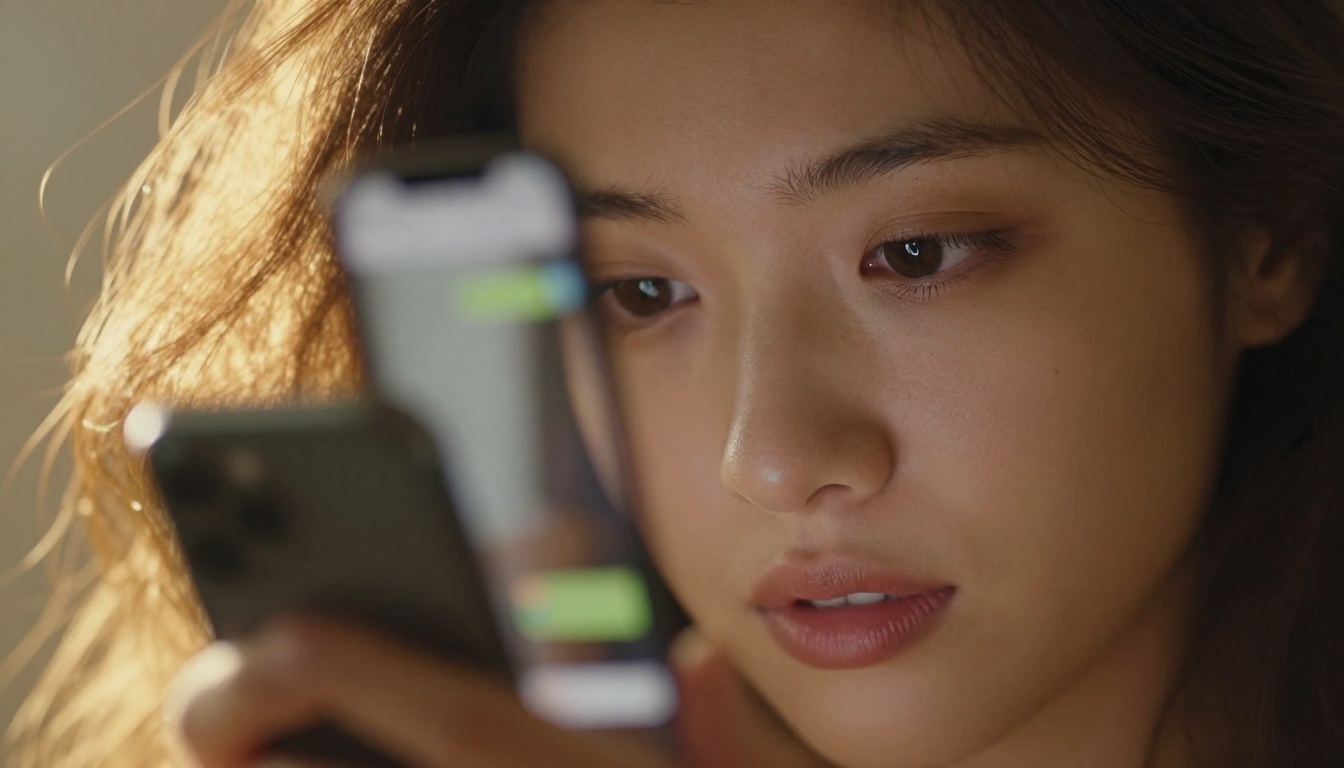
Using AI Chat Models on PicassoIA
PicassoIA gives you direct access to every model discussed above through its Large Language Models collection. No setup, no API key management, no technical configuration. Open a model and start talking.
Here's how to run a session that actually feels real:
Step 1: Pick the right model for your goal
Start with GPT-5 for narrative depth or Claude 4.5 Sonnet for emotional warmth. Both handle sustained roleplay well. If you want faster iteration or want to experiment without committing to a session, Gemini 2.5 Flash is a solid starting point.
Step 2: Write a real persona setup
Don't use a single sentence. Write a paragraph, minimum. Cover the persona's name, physical description, backstory, current emotional state, and how they relate to you in this conversation. The more specific, the better the output.
Step 3: Build before escalating
The models reward patience. Establish the scene. Let the conversation develop context and emotional weight before moving into more intimate territory. Sessions that take time to build feel qualitatively different from ones that rush. The payoff in immersion is real.
Step 4: Direct the model in natural language
If a response isn't landing right, say so. "Be more playful here," "respond shorter," "stay in character, that felt off," all work. These models accept real-time direction and adapt immediately. You're not locked into whatever the first response gives you.
Step 5: Pair the conversation with a visual
Once the persona has a clear identity, use Flux 2 Pro or GPT Image 1.5 to generate a matched visual. Pull physical description details from the conversation and feed them into the image model. The combination of a coherent chat identity and a matched realistic portrait creates an immersive compound effect that neither tool achieves alone.

The Visual Layer
Generating the Right Companion Image
The text side of NSFW AI has historically outpaced the visual side by a significant margin. That gap has closed. The current generation of photorealistic image models produces human portraits with skin texture, light response, and expression detail that competes with professional photography.
Flux 2 Pro and Flux 1.1 Pro Ultra are the current benchmarks for photorealistic generation at scale. Feed them a detailed prompt describing your persona's appearance, lighting mood, and setting, and they produce results that feel photographed rather than generated. Stable Diffusion 3.5 Large is worth knowing as an alternative with different aesthetic tendencies and strong community support.
For portrait-focused results where skin texture and natural facial expression are the priority, Realistic Vision V5.1 and RealvisXL v3.0 Turbo are specialized for exactly this use case. Both can produce results that pass a casual glance as real photography.

Combining Text and Image AI
The real power move is iterating between chat and image generation in a loop. Build a persona in GPT-5, extract the physical description that emerges naturally from the conversation, feed those details into Flux 2 Pro with a detailed photorealistic prompt, and bring the resulting image back into the chat as a visual anchor.
This creates consistency. The persona in your conversation matches the image you're looking at. The immersion compounds across both dimensions simultaneously.
💡 Use GPT Image 1.5 when you need precise adherence to detailed specifications. It handles complex descriptions of pose, expression, clothing, and lighting with more fidelity than most alternatives, making it ideal for matching a specific chat persona to a visual output.

3 Things Nobody Tells You
1. The prompt quality gap is vast
Two people using the same model at the same time can have experiences that feel completely different. The variable is almost entirely setup quality. A one-line persona description produces one-line-quality results. A 300-word persona with specific emotional detail, speech patterns, and relational context produces results that feel authored. The model is capable of far more than most users ever see, because most users never ask for it properly.
2. Longer messages produce better responses
There's a natural instinct to keep messages brief. For immersive AI chat, that instinct works against you. Longer messages with embedded emotional context, atmospheric detail, and situational specificity give the model more signal to work with. The replies you get back match the richness of what you put in. Short messages beget short, surface-level responses. Detailed, emotionally loaded messages produce something that reads more like a real exchange between two people who are genuinely present with each other.
3. Switching models mid-session is a legitimate strategy
Most people pick one model and stay with it for an entire session. But models have different strengths, and there's nothing stopping you from starting with Claude 4.5 Sonnet for emotional depth and switching to GPT-5 when you want more directness and narrative power. The context you've built transfers if you paste the conversation history as context. You get the best of both without losing continuity.

Start Your Own Experience Right Now
The technology described in this article isn't coming. It's already here, available without setup, without a waitlist, without technical knowledge. What used to require jailbroken models, custom fine-tuning, and technical infrastructure is now accessible through a single platform in a matter of minutes.
PicassoIA gives you direct access to every model discussed above. GPT-5 and Claude 4.5 Sonnet for conversation. DeepSeek V3 and Meta Llama 3 70B Instruct for open-source alternatives. Flux 2 Pro, GPT Image 1.5, and Flux 1.1 Pro Ultra for the visual layer.
Build a persona. Give it depth. Pair it with a matched image. See what the conversation actually feels like when you take the time to set it up right.
The realism you've been reading about isn't a feature coming in the next update. It's what happens when you use these tools with intention today.


