2026 did not ease into NSFW AI generation quietly. It arrived with new model architectures, rewritten platform policies, and a leap in photorealistic output quality that genuinely blurred the line between AI art and photography. If you last checked in on this space sometime in 2024 or early 2025, you are looking at a fundamentally different landscape.
The 2026 Shift Nobody Expected
The biggest story this year is not a single model. It is the collapse of the quality ceiling that defined NSFW AI output for years. Through 2024, even the best uncensored AI art suffered from telltale artifacts: overly smooth skin, anatomical inconsistencies, plastic-looking hair, and that flat "AI glow" that photographers could spot instantly.
That changed in 2026. Models trained on dramatically larger and more curated datasets now produce results that hold up under close inspection, in the same way a real photograph does.
Models That Dropped the Quality Wall
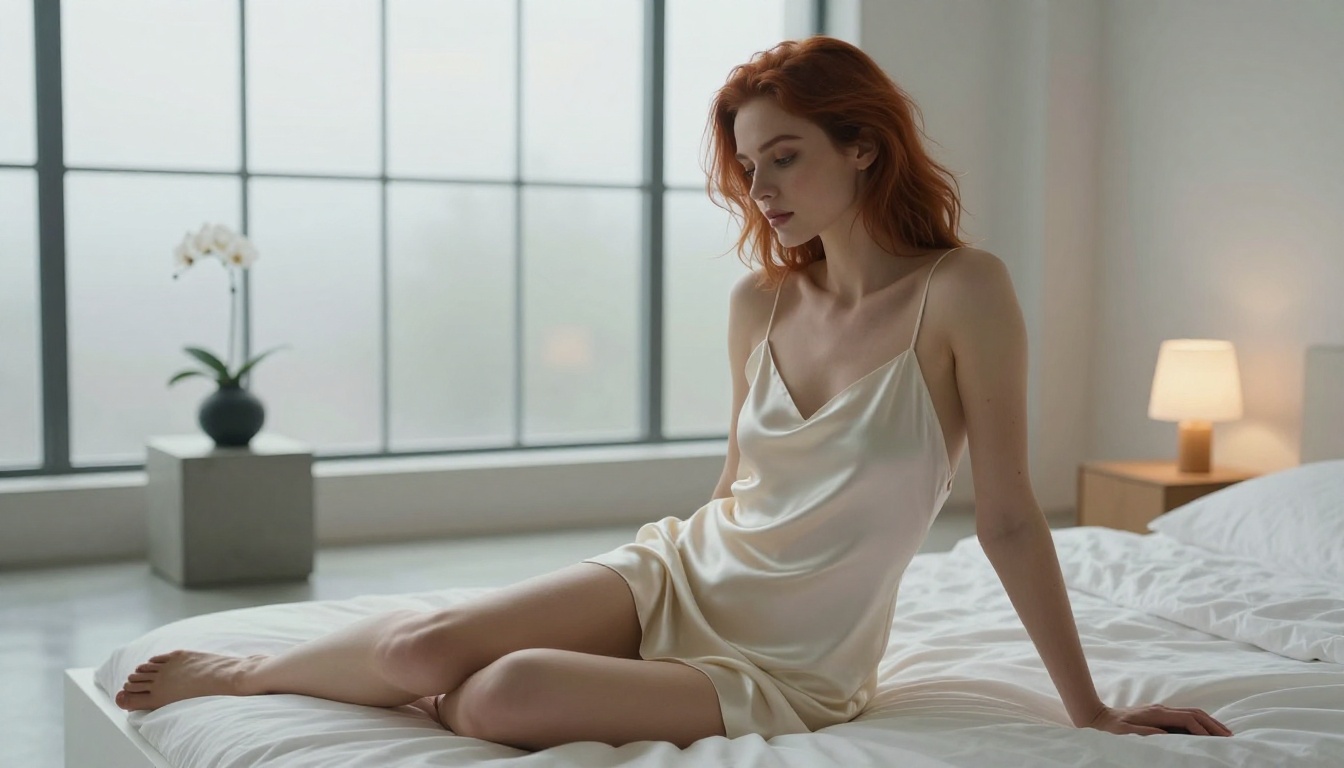
The shift toward photorealism in adult AI content was led by the diffusion model generation that matured through late 2025. Flux 2 Pro from Black Forest Labs set a new standard for detail rendering that directly benefited NSFW content creators. Flux 2 Dev and Flux 2 Max followed with different speed and fidelity tradeoffs, giving creators real options depending on their workflow.
Skin texture rendering, which had been the most obvious weakness of AI-generated images, saw the largest improvement. Where older SDXL-based outputs required heavy post-processing to look natural, 2026-era models produce realistic pore-level detail, subsurface light scattering, and anatomically consistent proportions on the first generation pass.
The Anatomy Problem Got Solved
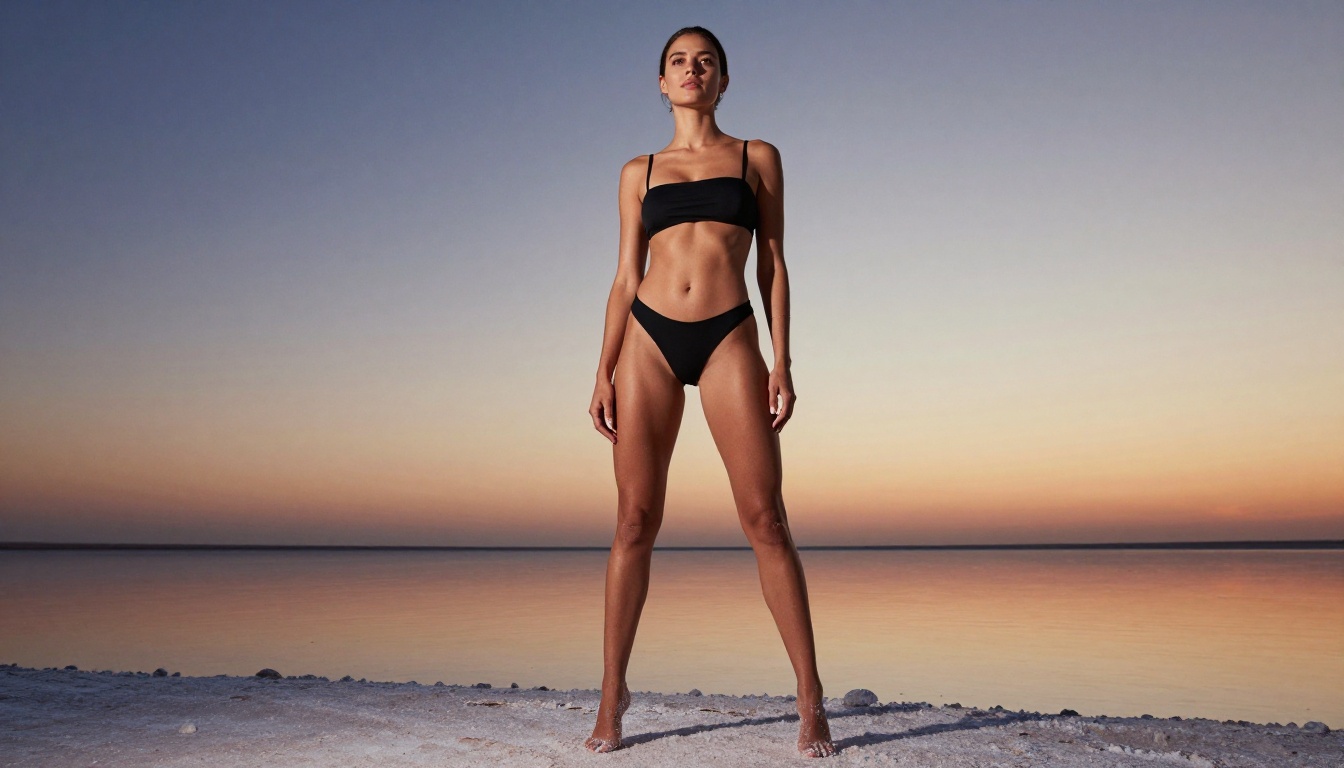
For years, NSFW AI users spent enormous energy writing negative prompts to avoid distorted hands, malformed anatomy, and uncanny valley faces. 2026 models have largely closed this gap. Stable Diffusion 3.5 Large introduced a triple-text-encoder architecture that significantly improved spatial reasoning, directly reducing anatomical errors in complex poses. Prompts describing difficult body positions now render correctly far more often than they did in previous model generations.
Top NSFW AI Models Right Now
Not all models perform equally for adult content. Some excel at photorealistic skin detail. Others handle complex scenes or specific aesthetics better. Here is the actual breakdown of what works in 2026.
Flux 2 Pro and the Realism Bar
Flux 2 Pro sits at the top of photorealistic NSFW generation in 2026. Its attention to lighting directionality, fabric texture, and skin tone variation across body surfaces is unmatched in speed-to-quality ratio. It handles soft diffused studio light and harsh outdoor sun with equal competence, which matters when you are trying to produce consistently usable output across different scene setups.
Flux 1.1 Pro Ultra remains relevant for users who want maximum resolution output. At ultra settings, it generates detail that holds up when printed or displayed at large sizes without degradation.
RealVisXL and Skin Detail
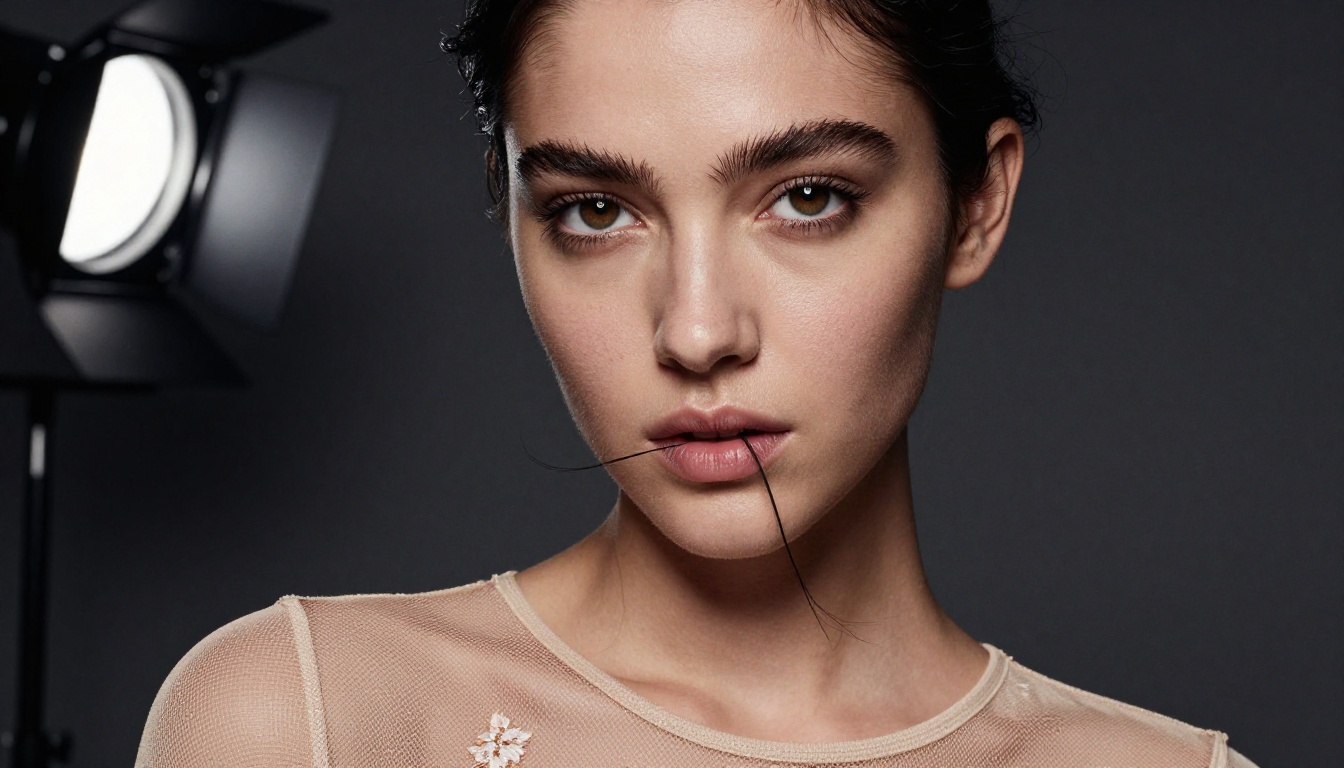
RealVisXL v3.0 Turbo deserves specific mention for skin rendering. This model was trained on high-quality photographic data with a focus on realistic human subjects, and it shows. Fine body hair, vein detail on hands and forearms, mole and freckle distribution, and the way fabric presses against skin are all rendered at a level that competing models struggle to match. For close-up and portrait-focused NSFW work, it remains a top choice in 2026.
💡 Combine RealVisXL v3.0 Turbo with specific lighting keywords like "Rembrandt lighting" or "volumetric morning light from left" to get dimensionality that flat prompts miss. The model responds exceptionally well to photographer-style lighting descriptions.
LoRA Fine-Tuning Changed Everything
The single biggest shift in NSFW AI generation this year is not a base model. It is the explosion of LoRA fine-tunes built on top of those base models. Flux Dev LoRA and p-image LoRA allow users to inject specific aesthetic training into generation without starting from scratch.
In practical terms: you can now use a LoRA trained on a specific photographic style, a specific body type aesthetic, or a specific lighting mood, stacked on top of a photorealistic base model. The results are consistent in ways that prompt engineering alone cannot achieve.
The platform-side changes in 2026 are as significant as the model improvements. The blunt approach of blanket content restrictions that defined 2023 and 2024 is largely gone. Platforms that survived and grew this cycle adopted more sophisticated access models.
Tiered Access Replaced Blanket Bans
The most significant platform policy shift of 2026 is the widespread adoption of tiered content access. Rather than maintaining two separate products (one safe, one uncensored), leading platforms now operate graduated access systems where:
- Tier 1 (Default): Standard content, family-safe outputs
- Tier 2 (Verified Adult): Suggestive and glamour content, artistic nudity implied
- Tier 3 (Full NSFW): Explicit content, available to verified users on appropriate platforms
This model reduces friction significantly for the vast majority of users who want suggestive but not explicit output. Previously, many legitimate use cases (swimwear photography, boudoir aesthetics, artistic figure work) were blocked by overly aggressive filters targeting anything adjacent to adult content.
Age Verification Went Mainstream
2026 saw the first real enforcement wave for age verification on AI generation platforms, driven by regulatory pressure in the EU and several US states. What this means in practice is that platforms serving adult content now implement actual verification rather than checkbox agreements.
For users, this creates a one-time friction that then unlocks permanent access to appropriate content tiers. For platforms, it creates legal clarity. The net result is a healthier ecosystem with clearer rules, even if the verification process itself occasionally feels tedious.
💡 When using platforms with tiered access, your verification status persists across sessions. You will not need to re-verify unless you clear cookies or log out completely.
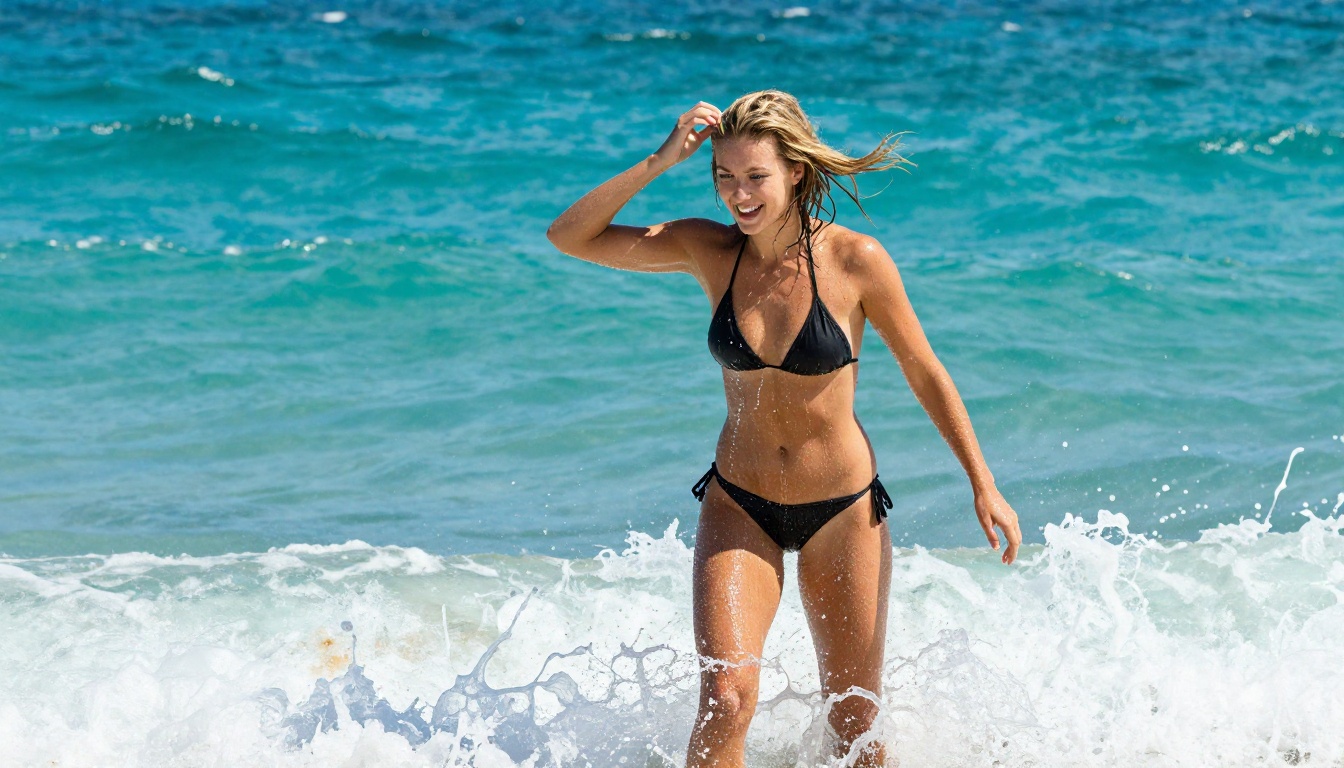
How to Use NSFW Models on PicassoIA
PicassoIA's text-to-image collection includes several of the top models discussed in this article, accessible through a straightforward interface. Here is how to get the best results for NSFW and glamour content specifically.
Step 1: Select the right base model
Navigate to the Flux 2 Pro model page. For photorealistic human subjects, this is your best starting point in 2026. If you want more stylistic control, Flux Dev LoRA gives you the ability to apply custom fine-tunes on top of the base.
Step 2: Build a layered prompt
Effective NSFW prompts in 2026 follow a specific structure:
- Subject descriptor: Physical characteristics, expression, pose
- Wardrobe/state: What they are wearing and how it fits against the body
- Environment: Location, background, atmosphere
- Lighting spec: Direction, quality (hard/soft), color temperature
- Camera spec: Lens focal length, aperture, distance from subject
- Film emulation: Kodak Portra 400, Fuji Provia 100F, etc.
- Micro-detail cues: Skin texture, fabric weave, environmental detail
Step 3: Use negative prompts deliberately
Even in 2026, negative prompts matter. Common negatives that improve photorealistic NSFW output:
low quality, blurry, deformed, plastic skincartoon, illustration, 3D render, CGIwatermark, text, logobad anatomy, extra limbs, fused fingers
Step 4: Iterate on lighting first
More than any other variable, lighting defines whether an image reads as photographic or artificial. If an output looks generated rather than photographed, change the lighting description before changing anything else. Specificity helps: "warm diffused morning window light from the left at 30 degrees" beats "good lighting" by a wide margin.
Step 5: Use RealVisXL v3.0 Turbo for close-ups
When the shot is a portrait or close-up body shot where skin detail is the primary subject, switch to RealVisXL. The pore-level detail rendering justifies the extra generation step over faster models.
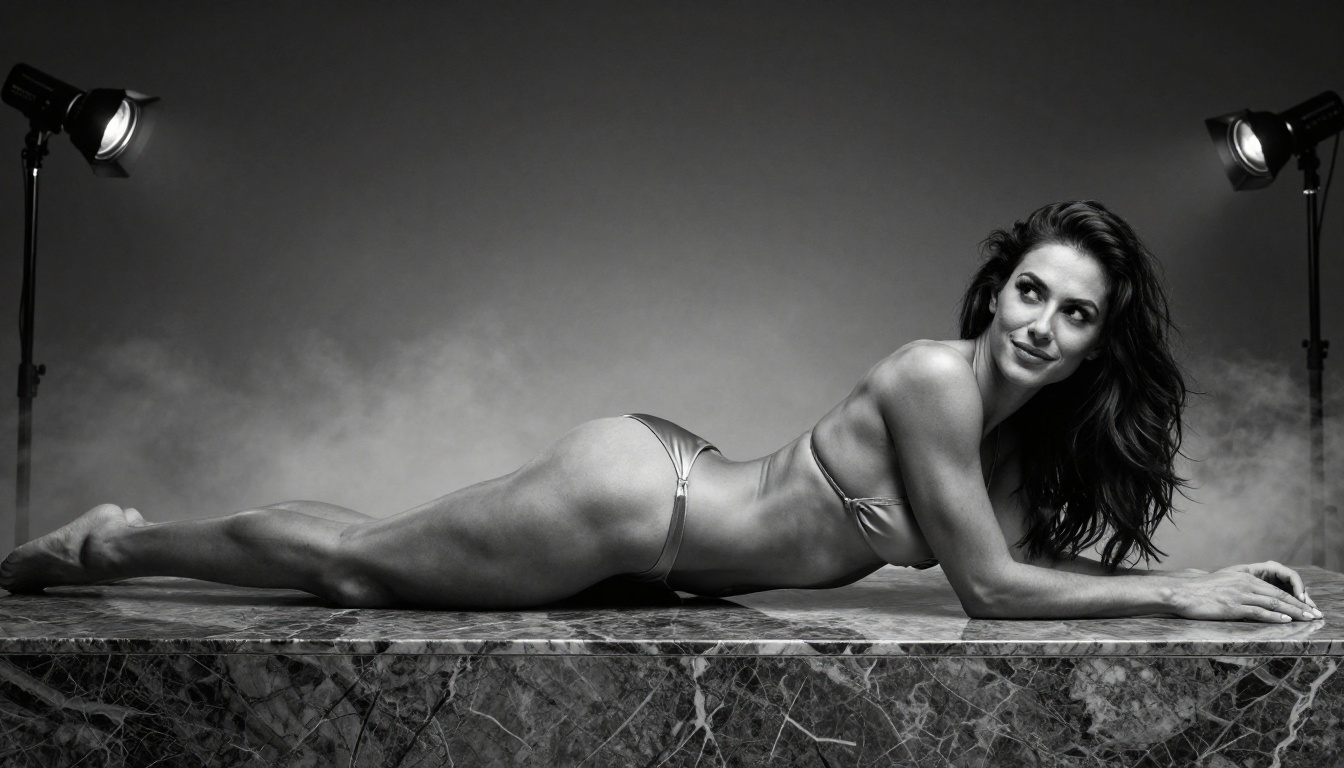
Image Quality in 2026 vs. 2025
The improvement in output quality from 2025 to 2026 is measurable across several specific dimensions. Here is an honest comparison across the areas that matter most for NSFW output.
| Dimension | 2025 State | 2026 State |
|---|
| Skin texture realism | Smooth, plastic-like at close inspection | Pore-level detail, subsurface scattering |
| Anatomical accuracy | Errors common in complex poses | Significantly improved, rare errors |
| Hair rendering | Clumped, artificial shine | Individual strand detail, realistic sheen |
| Fabric realism | Basic texture, poor drape physics | Convincing weave detail, gravity response |
| Lighting direction | Often inconsistent within scene | Physically accurate shadows and highlights |
| Eye detail | Often uncanny, glassy | Iris detail, natural moisture reflection |
| Prompt adherence | ~65-70% fidelity | ~85-90% fidelity |
These numbers reflect the shift from 2nd-generation diffusion architectures (where SDXL was cutting-edge) to the 3rd-generation models that dominate 2026, particularly the Flux 2 family and the updated Realistic Vision v5.1 lineage.
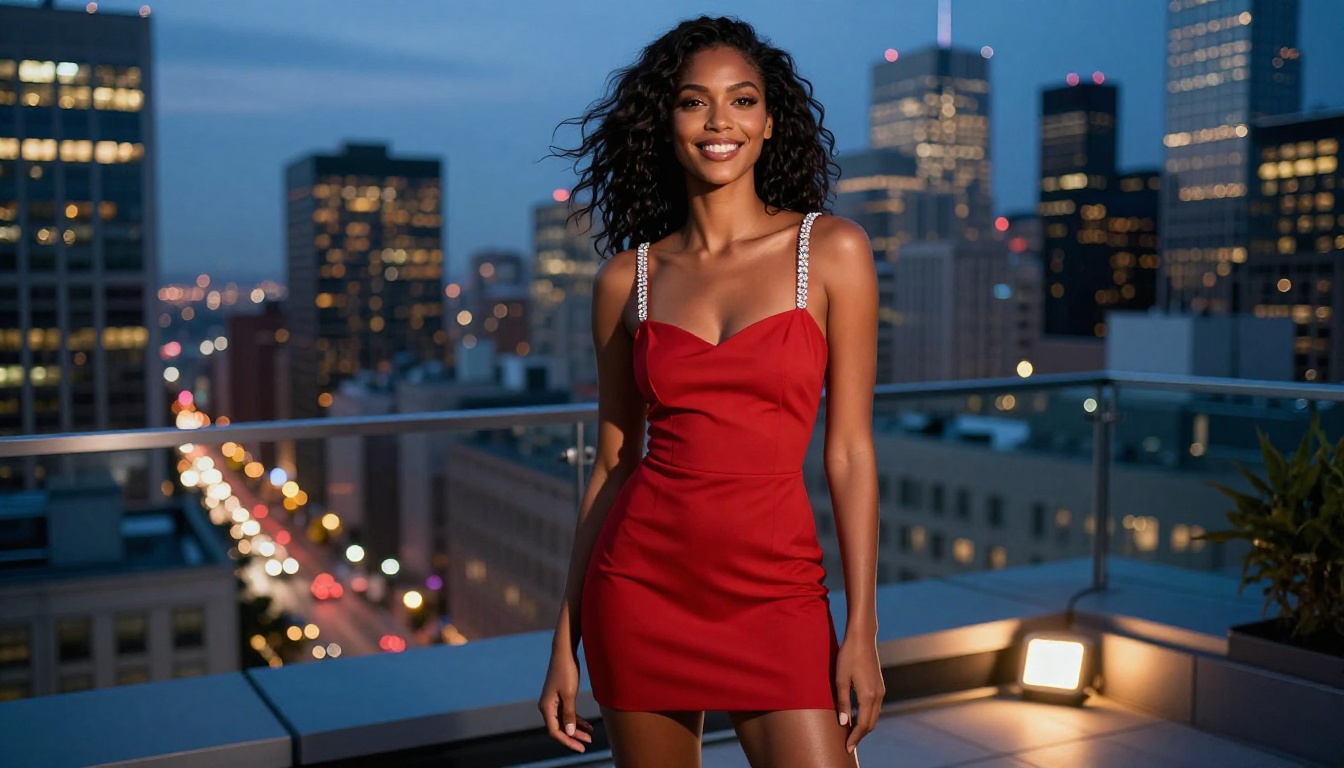
The Prompt Craft That Actually Works
Two years ago, writing NSFW prompts required extensive negative prompt libraries and a lot of trial and error. The model improvements of 2026 have simplified this considerably, but there are still specific approaches that consistently outperform generic prompting.
Anatomy and Lighting Prompts
The two variables with the most impact on photorealistic NSFW output are anatomy specificity and lighting language:
Anatomical specificity means describing the exact pose, position, and body language in spatial terms. Instead of "standing confidently," write "weight shifted onto right hip, left shoulder slightly forward, right arm hanging loose at side, chin angled 15 degrees toward camera." The more spatial information the model receives, the more accurate the anatomical output.
Lighting as photography means treating lighting description the same way a photographer sets up a shoot. Name the light source type (octabox, ring light, practical window), its position relative to the subject (45 degrees camera-left, 60 degrees above horizon), and its quality (hard, soft, diffused, rim, Rembrandt). Flux 2 Dev in particular responds exceptionally well to photography-style lighting language.
Negative Prompts Matter More Now
The irony of better models is that their outputs are more sensitive to negative prompt quality. Sloppy negatives that were acceptable for older models now leave artifacts that stand out more sharply against otherwise high-quality output. An essential 2026 negative prompt block for photorealistic NSFW:
(deformed, distorted, disfigured:1.3)(poorly drawn face, bad proportions:1.2)(plastic skin, airbrushed, overly smooth:1.4)(artificial lighting, flat lighting:1.2)(cartoon, illustration, painting, drawing, anime:1.5)(watermark, signature, text:1.5)
💡 Weighted negatives using the parentheses-colon syntax like (plastic skin:1.4) give you much more control than unweighted ones. Use weights between 1.1 and 1.5 for negatives that matter most to your specific use case.

What the Numbers Tell Us
The NSFW AI generation space has grown substantially through 2026, with photorealistic adult content now representing a significant share of total AI image generation volume across major platforms. A few specific patterns stand out from this cycle:
- Mobile usage surpassed desktop for the first time this year, driven by platform apps rather than browser-based interfaces
- LoRA custom fine-tunes account for a growing share of the most-used model configurations, with NSFW-focused LoRAs among the most active categories
- Prompt complexity increased significantly, with average prompt length on photorealistic platforms nearly doubling from 2024 to 2026 as users learned that detail produces better results
- Inpainting workflows became a major NSFW production approach, allowing users to fix specific body areas or adjust clothing without regenerating the full image
The Flux Kontext Pro model represents a particularly interesting 2026 direction: context-aware editing that can modify specific elements of an existing image while preserving everything else. For NSFW workflows, this means correcting anatomical issues, adjusting wardrobe details, or changing lighting in one specific area without touching the rest of a composition that already looks right.
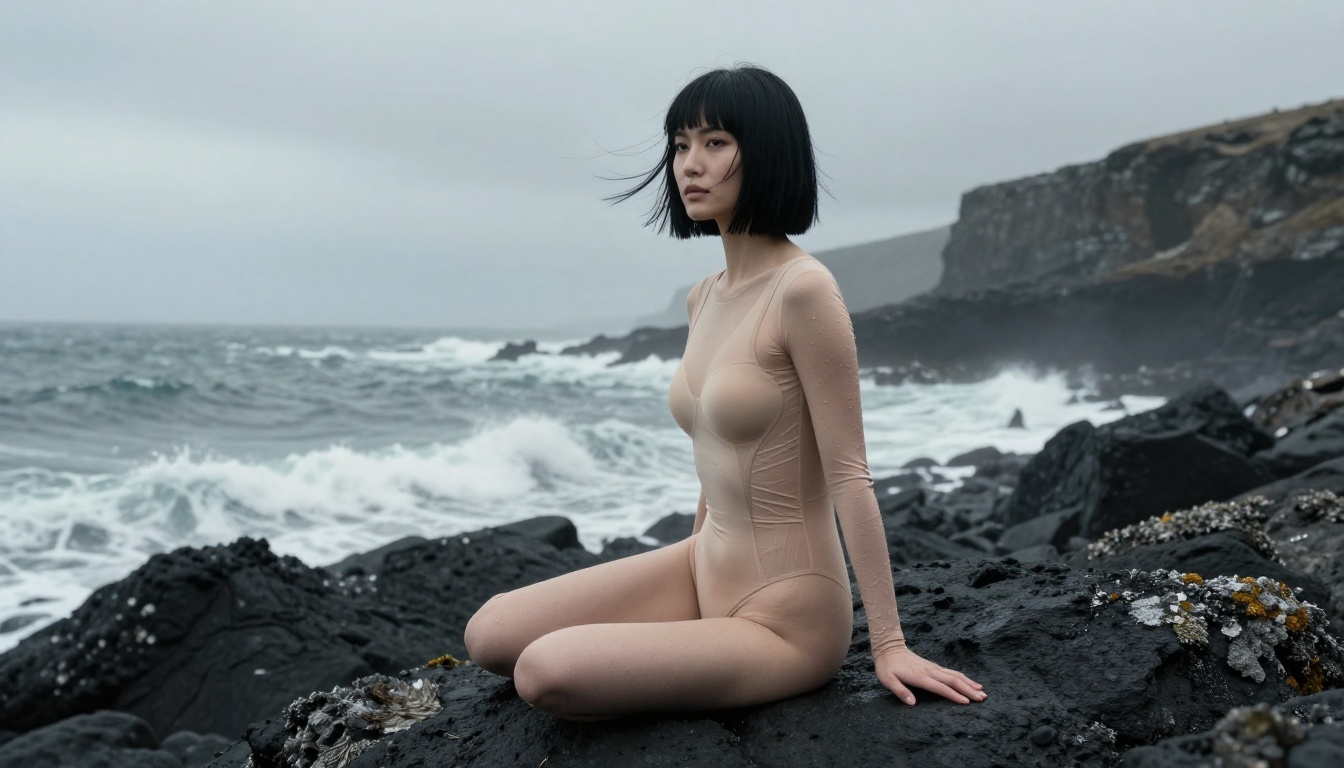
Ready to Create Your Own Images
The tools available in 2026 are genuinely impressive in ways they were not even 18 months ago. If you have been waiting for AI-generated images to reach a quality threshold where they are actually usable for professional or creative work, that threshold has been crossed.
PicassoIA brings together the best models discussed in this article, including Flux 2 Pro, RealVisXL v3.0 Turbo, Flux Dev LoRA, and Stable Diffusion 3.5 Large, in one accessible interface. No local installations. No VRAM management. No ComfyUI configuration headaches.
Start with a detailed prompt using the layered structure outlined above, pick Flux 2 Pro for your first run, and iterate from there. Use RealVisXL v3.0 Turbo when you need close-up skin detail to hold. Add Flux Dev LoRA when you want consistent aesthetic direction across a series. The gap between what you can imagine and what you can actually generate has never been smaller than it is right now.


