The same prompt. Two different AI tools. One gives you exactly what you asked for. The other serves up a blurred mess with a "content policy violation" warning. If you've spent any time with AI image generators, you know this frustration well.
The divide between NSFW image generators and regular AI art tools runs deeper than most people realize. It's not just about adult content. It's about creative control, prompt fidelity, output quality, and who gets to decide what you can and cannot create. This article breaks it all down so you can make an informed choice.
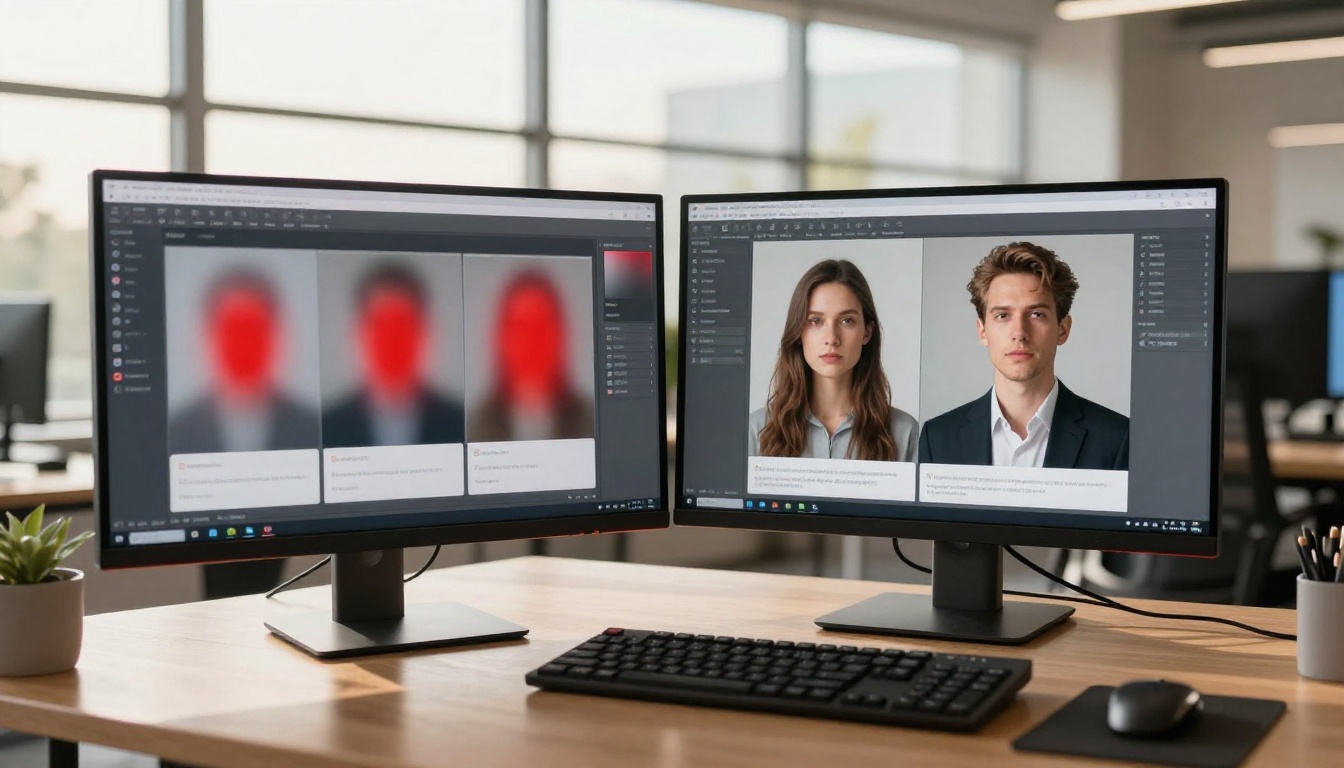
The Core Difference Nobody Talks About
Most people assume the only thing separating NSFW generators from regular AI art tools is pornography. That's a massive oversimplification. The real divide is about content policy architecture: how models are trained, what data they're filtered on, and how aggressively the safety layer intervenes at inference time.
Regular tools like Midjourney, Adobe Firefly, and DALL-E ship with safety classifiers that scan both your input prompt and the generated output. These classifiers are conservative by design, trained on broad community standards that err heavily on the side of caution.
NSFW-capable tools, by contrast, either train on uncensored datasets, bypass the safety layer at inference, or give users direct control over safety thresholds.
Content Filters: How They Actually Work
Every mainstream AI art tool runs your prompt through a toxicity classifier before it ever touches the image generation model. Words, phrases, and semantic patterns that match the classifier's blocklist trigger a refusal. The image never gets generated.
Then there's a second layer: a post-generation safety filter that scans the output image for visual content crossing certain thresholds. Even if your prompt passes the text filter, an image showing too much skin, certain poses, or suggestive compositions can get flagged and replaced with an error.
NSFW generators typically disable or significantly lower these thresholds. Some use separate model checkpoints trained specifically for uncensored generation. Others let users toggle safety levels manually.
What "Safe Mode" Actually Blocks
Here's where it gets interesting. Regular AI art tools don't just block explicit content. Their safe mode classifiers often flag:
- Natural nudity in clearly artistic or medical contexts
- Swimwear and lingerie depending on pose and framing
- Violence references even in historical or fictional contexts
- Dark themes in horror, gothic, or noir aesthetics
- Anatomical accuracy in educational or figure-drawing contexts
- Political and satirical content that touches sensitive figures
This means a photographer generating bikini reference shots for a fashion moodboard, or an artist wanting to practice figure drawing, runs into the same wall as someone generating genuinely harmful content. The blunt instrument of mass-market content filters treats everyone as a potential bad actor.
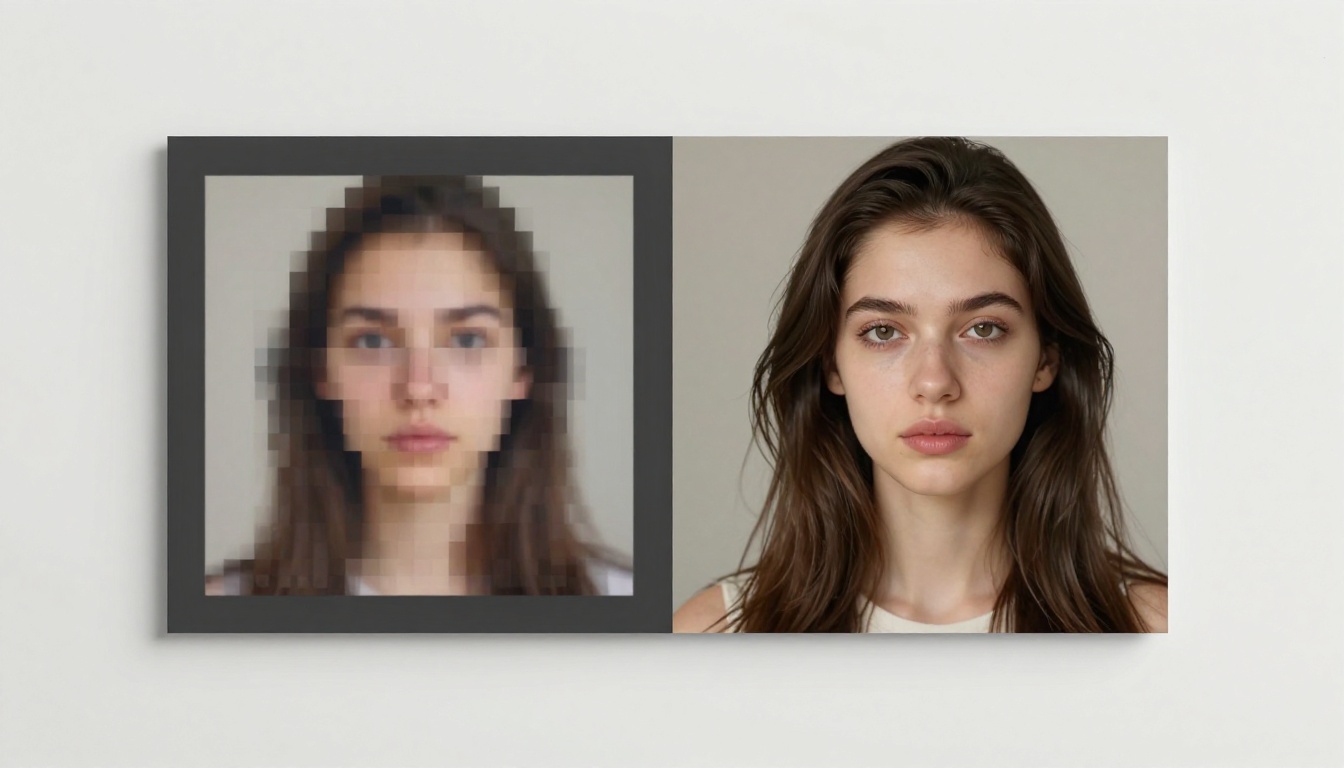
What NSFW Generators Actually Do Better
Setting aside the content question entirely, NSFW-focused generators often produce technically superior results in specific categories. Here's why.
Realism in a Different League
NSFW models are almost always fine-tuned on high-quality photographic datasets that include realistic human figures in detail. This training push means they typically produce:
- Better skin texture rendering: pores, subsurface scattering, natural blemishes
- More accurate human anatomy: proportions, muscle tone, joint articulation
- Superior lighting on skin: specular highlights, shadow gradation, depth cues
- More natural poses and expressions: less of the "AI stiffness" common in filtered models
Regular AI tools often deliberately blur or simplify human body rendering as part of their safety approach. The same classifier that prevents explicit content also causes models to produce oddly smooth, flat, or poorly proportioned human figures even in completely safe scenes.
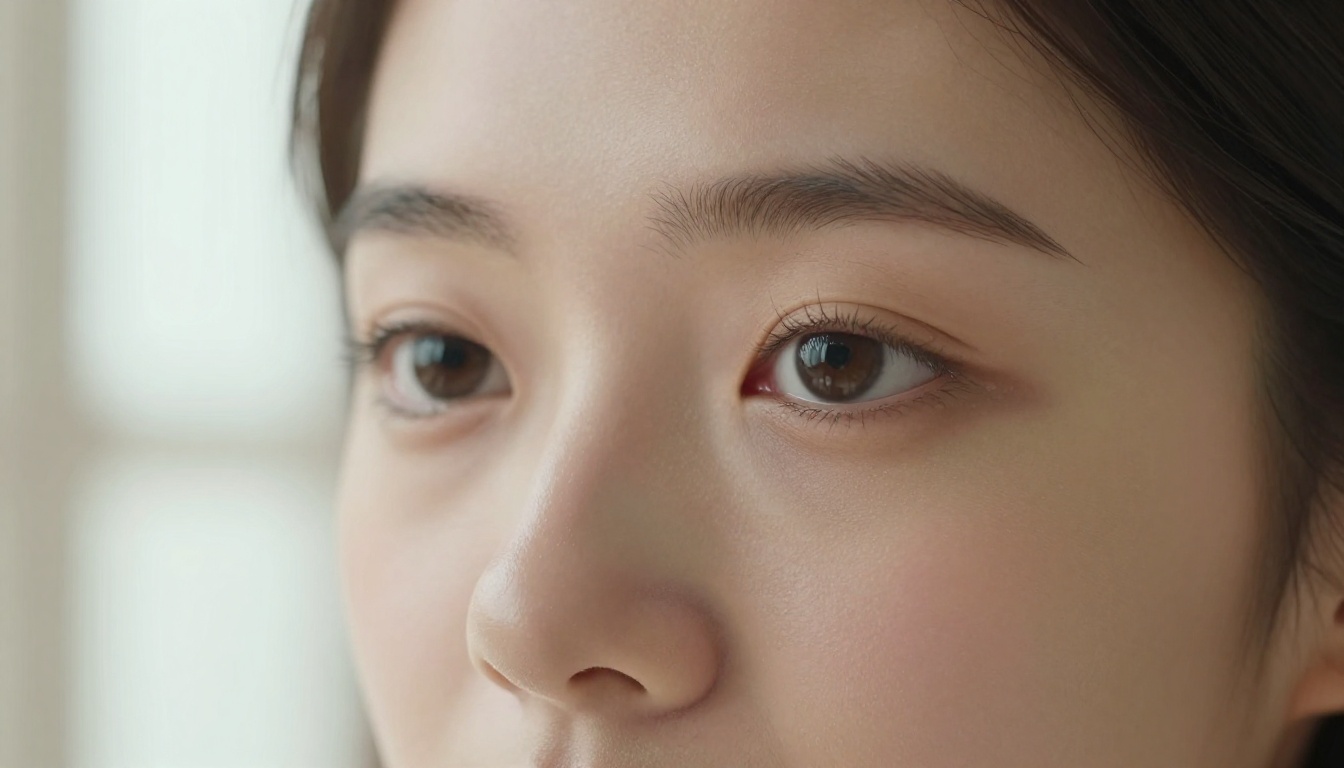
Prompt Fidelity and Creative Control
NSFW generators tend to honor your prompts more literally. When you ask for a "woman in a black evening gown with dramatic side lighting," a filtered tool might change the neckline, add fabric coverage, or modify the pose. An uncensored model gives you what you described.
This matters enormously for:
- Character design work where specific visual traits are non-negotiable
- Fashion photography references requiring precise clothing and composition
- Concept art where mood, aesthetics, and specificity drive everything
- Photography simulation where the goal is realism over sanitization
💡 Prompt tip: Detailed prompts with specific technical photography language (lens specs, lighting direction, film stock) produce dramatically better results on any platform. NSFW generators respond especially well because nothing in your technical language triggers safety filters.
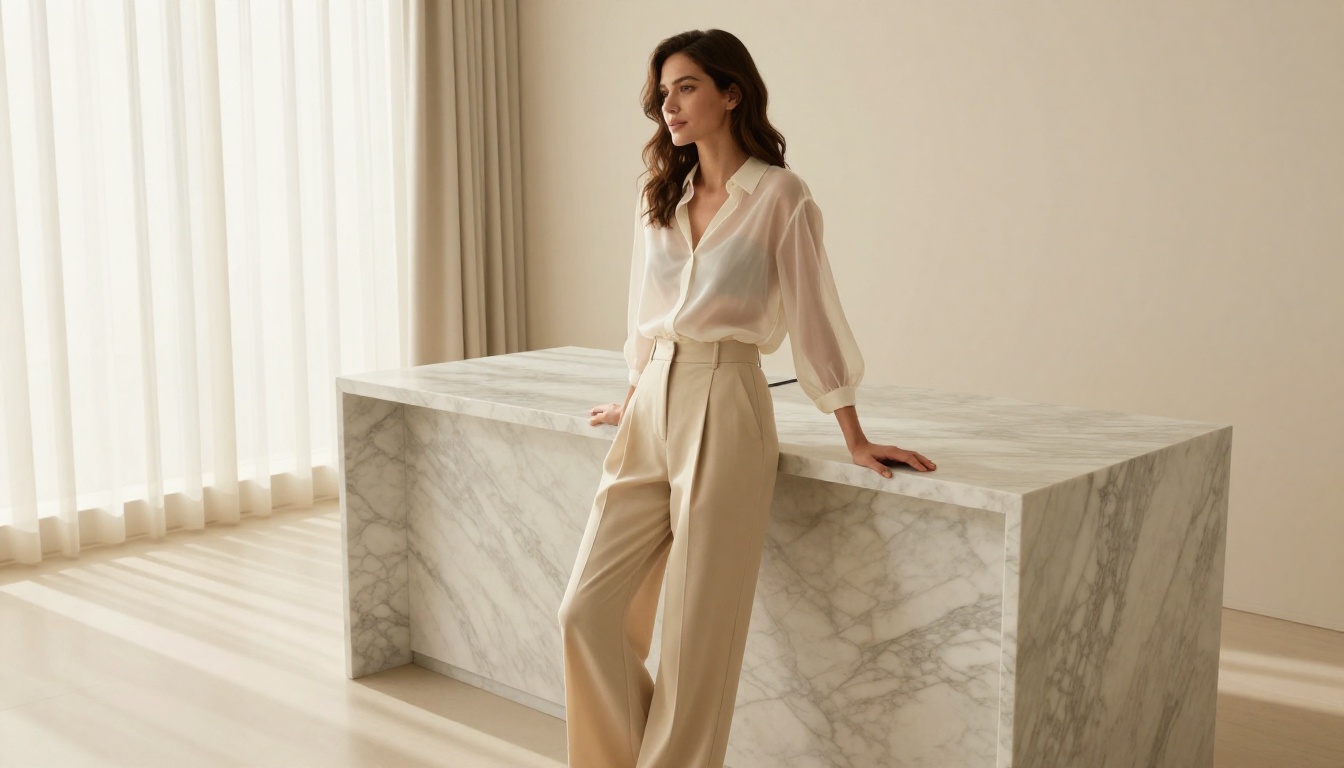
You might be shocked by what triggers content warnings on mainstream platforms. These aren't edge cases:
- A shirtless man on a beach in a family vacation photo context
- Classical nude sculpture references like recreating Michelangelo's David
- Childbirth or pregnancy imagery for medical or personal projects
- Horror film stills involving blood or injury even in clearly fictional contexts
- Intimate couple photography that's no more revealing than a Hollywood rom-com
Each of these has been widely reported as blocked or heavily modified by mainstream AI tools. An NSFW image generator treats these as normal creative requests.
Best Models for Unrestricted Creation
Not all NSFW-capable models are equal. Here's a breakdown of the top performers, with significant differences in style, speed, and output quality.
The Flux Family
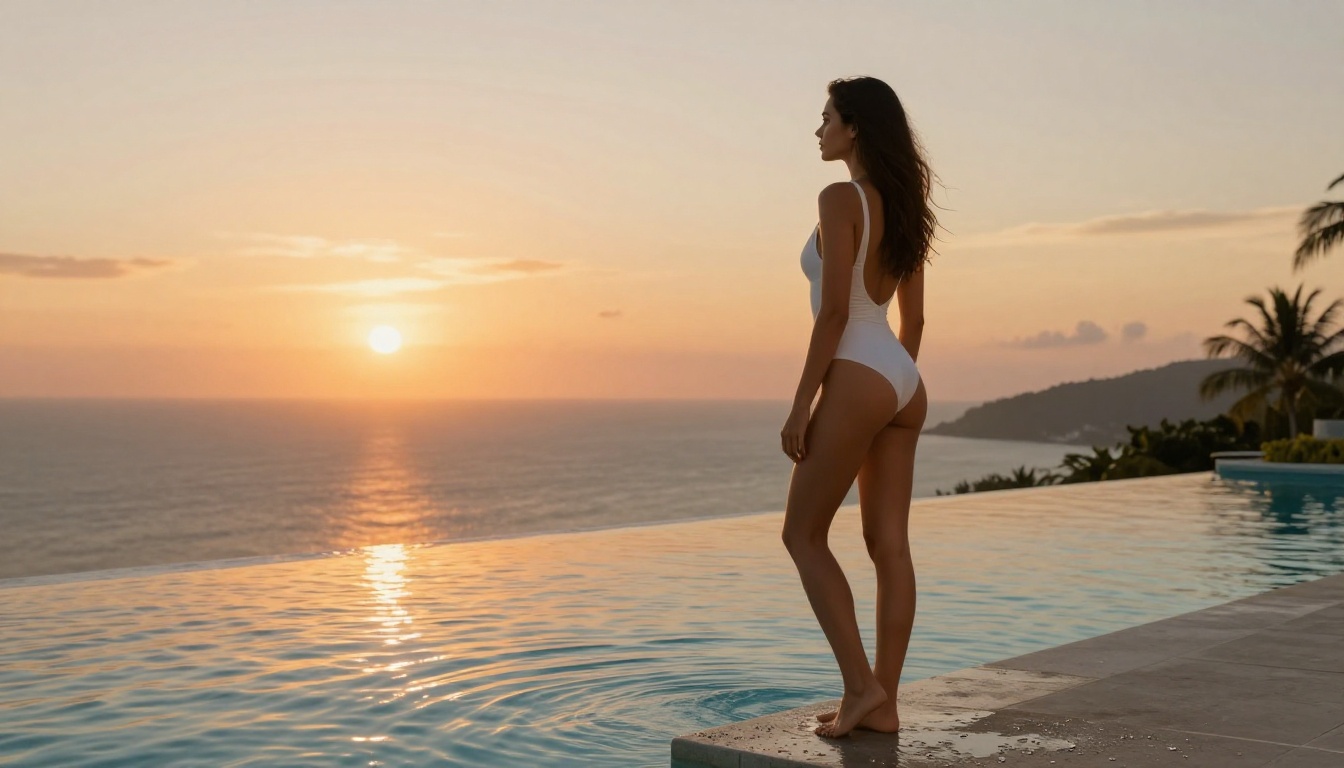
The Flux 1.1 Pro model from Black Forest Labs sits at the top of the realism hierarchy right now. Its training on diverse, high-quality datasets results in exceptional human figure rendering and skin texture. Prompts translate almost literally into outputs with minimal artistic drift.
Flux 1.1 Pro Ultra pushes this further with higher resolution outputs, making it ideal when you need print-ready or large-format results.
For faster iteration at slightly lower fidelity, Flux Dev hits a sweet spot between speed and quality. And Flux 2 Pro brings the next generation of photorealistic generation with improved coherence on complex scenes.
Flux Schnell rounds out the family as the fastest option for rapid prototyping, generating drafts in seconds to test compositions before committing to a full-quality render.
Stable Diffusion Variants
Stable Diffusion 3.5 Large represents a significant leap in the open-source diffusion space. Its architecture improvements address many of the anatomical accuracy issues that plagued earlier SD versions, particularly around hands, faces, and complex poses.
SDXL remains a workhorse for photorealistic outputs at 1024x1024 resolution. Its ecosystem of fine-tunes and LoRA adapters means you can dial in extremely specific visual styles, from soft editorial fashion to high-contrast dramatic lighting.
| Model | Speed | Realism | Best For |
|---|
| Flux 1.1 Pro | Medium | Exceptional | Final renders, editorial |
| Flux 1.1 Pro Ultra | Slow | Best in class | Large format, print |
| Flux Dev | Fast | Very Good | Iteration, drafts |
| SD 3.5 Large | Medium | Excellent | Versatile creative work |
| SDXL | Fast | Good | Quick photorealistic outputs |
Photorealism Specialists
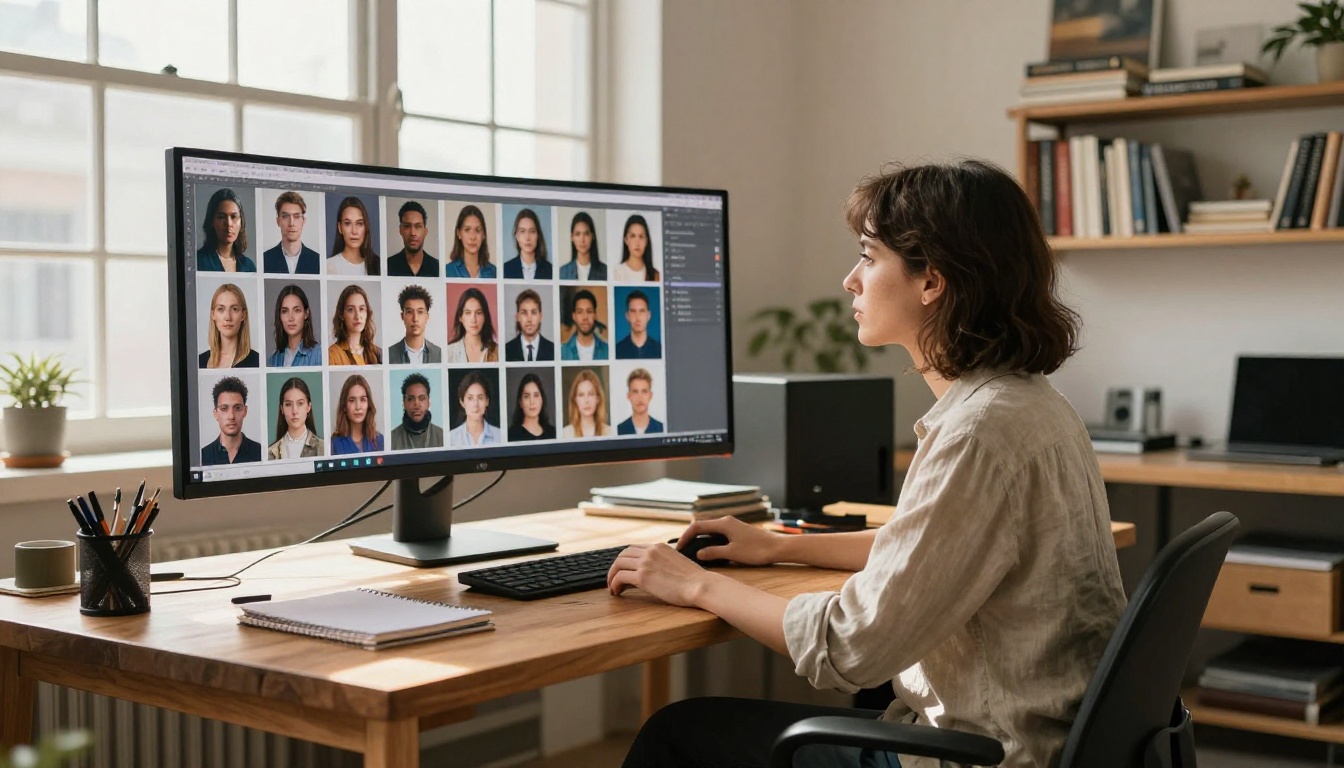
Realistic Vision v5.1 is purpose-built for photorealistic human generation. It's a fine-tune trained specifically on high-fidelity photography data, producing results that regularly fool people into thinking they're looking at real photographs.
RealVisXL v3.0 Turbo brings this photorealism focus to the SDXL architecture, combining speed with fine-tuned quality. For fashion, portrait, and glamour generation, it's one of the most capable options available.
Prompting for Photorealistic Results
Getting the most out of any NSFW or uncensored generator comes down to prompt construction. The gap between a mediocre output and a stunning one is almost always in the prompt.
Technical Photography Language Works Best
Specify your image like a photographer briefing a shoot:
- Camera: "Canon EOS R5, 85mm f/1.4 prime lens"
- Lighting: "volumetric morning light from camera left, soft shadow falloff"
- Distance: "medium shot from waist up" or "extreme close-up"
- Film stock: "Kodak Portra 400 film grain, natural tones"
- Atmosphere: "shallow depth of field, subject isolated from background"
This language does two things: it bypasses vague classification triggers, and it steers the model toward its photographic training data rather than its illustrated or artistic data.
Negative Prompts Are Your Safety Net
Most models accept negative prompts, letting you explicitly exclude unwanted elements:
- "cartoon, illustration, painting, digital art, CGI, anime"
- "deformed hands, extra fingers, blurry, low quality"
- "overexposed, artificial lighting, plastic skin texture"
Adding these keeps outputs anchored to photorealism rather than drifting toward the model's artistic tendencies.
💡 Quality tip: Adding "RAW 8K, photorealistic, film grain, natural lighting" to any prompt significantly improves output quality across nearly every model. These tokens are associated with high-quality training data in most diffusion models.
The audience for uncensored and NSFW AI generators is significantly broader than the obvious assumption. Actual use cases span several professional categories:
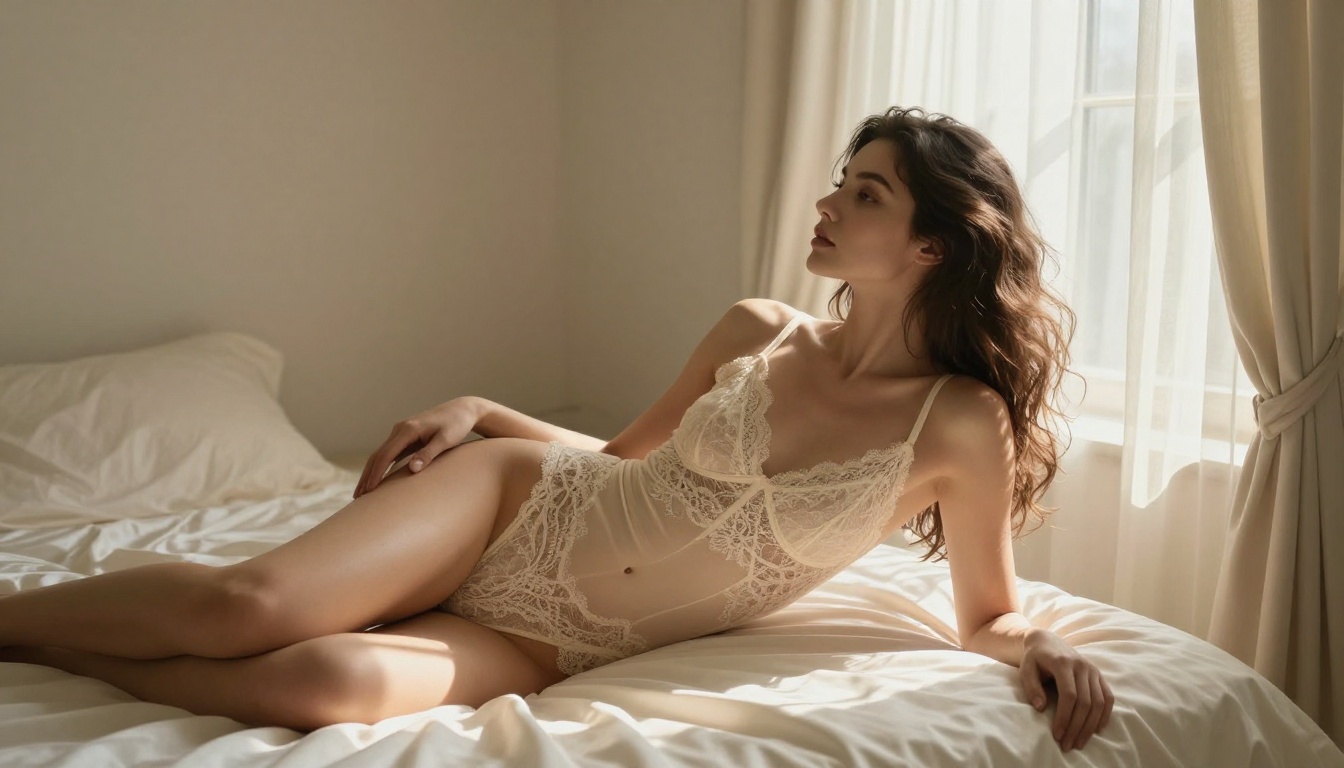
Fashion and commercial photography: Generating reference images, mood boards, and client-presentable concepts for shoots involving swimwear, lingerie, or implied sensuality.
Character artists and game designers: Building out character sheets, costume references, and body proportion studies without the distortions that safety filters introduce.
Writers and creative directors: Visualizing scenes and characters from fiction that mainstream tools refuse to render.
Adult content creators: Legal adult content production is a significant industry, and these tools offer ways to produce visual references and content at scale.
Photographers and retouchers: Using AI generation for reference, composite elements, and texture libraries where precise anatomical rendering matters.
What's notable is that the majority of NSFW generator users aren't producing explicit content at all. They're producing work that should never have been blocked in the first place.
The Quality Gap Is Closing Fast
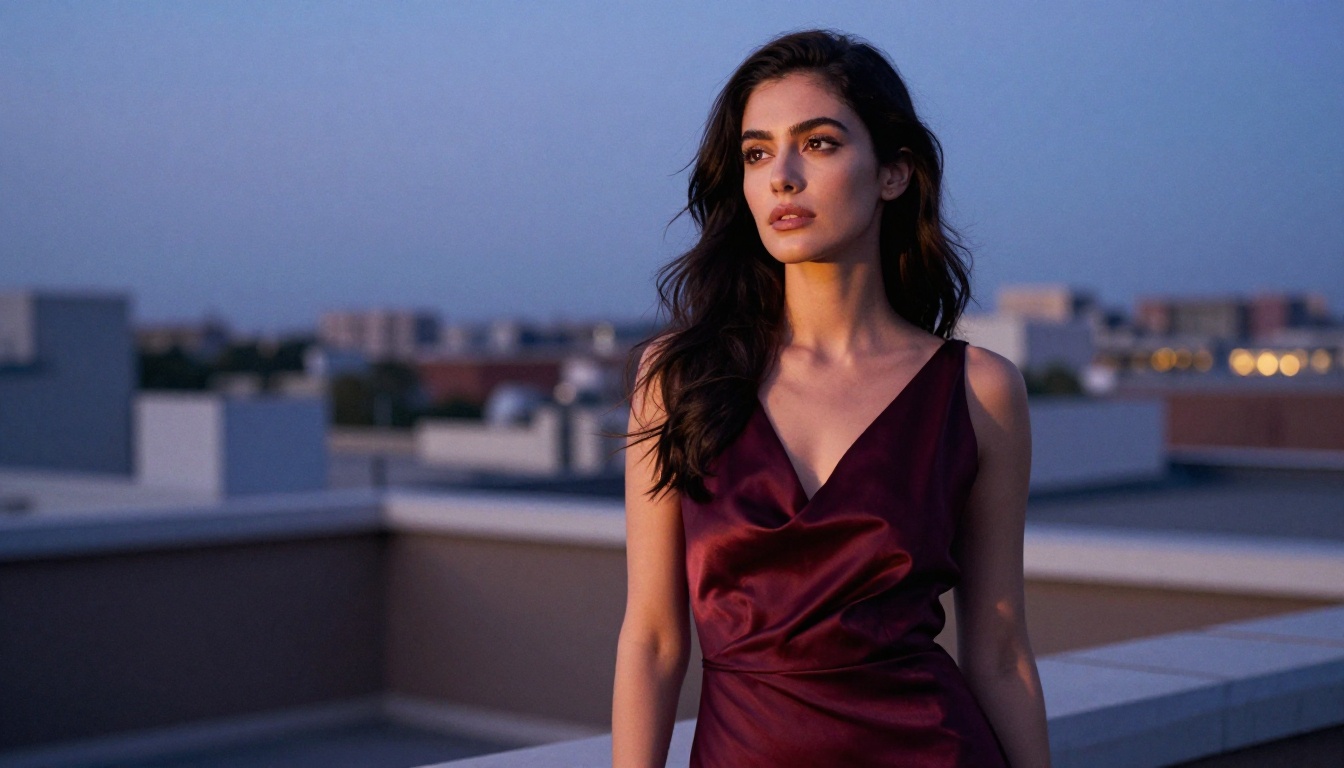
It's worth noting that the realism gap between NSFW-specialized models and mainstream tools is narrowing. Models like GPT Image 1.5 and Ideogram v3 Quality produce genuinely impressive photorealistic outputs while operating within content policy frameworks.
The difference isn't that mainstream tools can't produce realistic images. The difference is that their content policies make them unreliable for creative work that brushes against their classifiers. You never know when a legitimate creative request will trigger a refusal, which breaks creative flow and wastes time.
An NSFW generator gives you predictability. What you prompt is what you get.
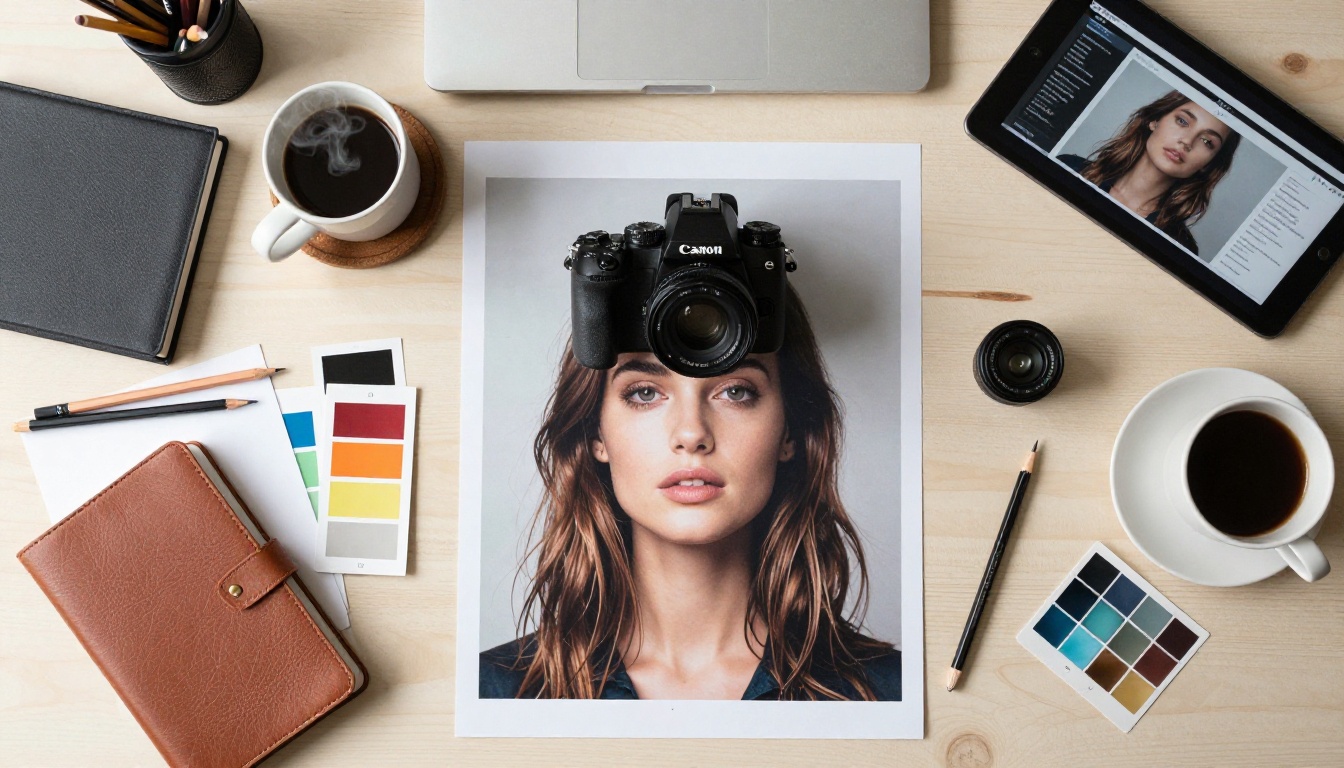
See the Difference for Yourself
The fastest way to grasp this divide is to run the same prompt through both types of tools and compare. Fashion reference shot. Swimwear. Specific lighting. Specific pose. See what each returns.
PicassoIA gives you access to the full Flux family (Flux 1.1 Pro, Flux Dev, Flux 2 Pro), Realistic Vision v5.1, SDXL, RealVisXL v3.0 Turbo, and 80+ more models, all in one place.
Write your prompt. Pick your model. See what unrestricted creative generation actually looks like when the tool gets out of your way.


