If you've been generating AI video with both Seedance 2.0 and Kling v2.6, you've probably noticed the outputs feel completely different, even on identical prompts. The motion profile of each model has its own signature, and choosing the wrong one for your project will cost you time and quality. This is not a vague "both are good" review. It's a real comparison of how each model handles temporal consistency, physics simulation, character animation, and camera movement, so you know exactly which one to reach for.
The Motion Problem in AI Video
Motion quality is the single hardest problem in AI video generation. Text-to-image models can cheat because a single frame does not need to be temporally consistent with anything. Video has no such luxury. Every frame has to agree with the one before it and the one after it, across dozens or hundreds of frames. When that agreement breaks down, you get the classic AI video tells: flickering textures, sliding feet, jelly limbs, and background elements that subtly shift between frames.
Why Motion Quality Decides Everything
Bad motion is immediately visible to the human eye. We are biologically wired to detect unnatural movement because survival depended on it for millions of years. This is why even a technically impressive AI video with minor temporal inconsistency reads as "off" to any viewer. Motion quality is not a secondary spec you can ignore. It's the difference between footage you can actually use and footage that goes straight to the trash.
The two critical dimensions are:
- Temporal consistency: Do textures, shapes, and positions hold stable across frames?
- Motion plausibility: Does the physics and weight of movement feel believable?
Seedance 2.0 and Kling v2.6 each have strong opinions about both of these dimensions, and they differ significantly.
Our Testing Methodology
The comparison below is based on generating matched prompt sets across both models, covering:
- Human movement (walking, running, dancing, gesturing)
- Camera movements (pan, dolly, orbit, crane)
- Fluid and particle motion (water, fire, fabric, hair)
- Complex scene dynamics (crowds, vehicles, weather systems)
Each category was evaluated on temporal stability, artifact frequency, motion naturalness, and direct controllability from the prompt. Let's get into it.
Seedance 2.0 Pro Motion Breakdown
Seedance 2.0 was built by ByteDance with an explicit focus on smooth, flowing video output. The model's training emphasizes fluid transitions and high temporal consistency, which shows up clearly and immediately in the outputs.
Temporal Consistency
Temporal consistency is where Seedance 2.0 earns its reputation. Textures hold across frames with remarkable stability. If you generate a woman in a red dress walking down a corridor, the fabric pattern stays fixed relative to the body without the shimmering and blinking that plagues earlier models. The same goes for faces: skin tones and facial structure remain stable across the entire clip with very little drift.
💡 Tip: Seedance 2.0 particularly excels at "continuous motion" subjects like dancers, athletes, and flowing water. Its temporal model was clearly trained heavily on these movement categories.
This stability extends to backgrounds too. A brick wall in the background of a Seedance 2.0 clip stays a brick wall, with the same mortar lines, the same texture variation, across every frame. This sounds basic but it remains a weak point for many models in 2027. Where Seedance 2.0 slightly loses ground is in very fast, sharp motion. High-velocity impacts or extremely rapid hand movements can introduce some motion blur that reads as slightly synthetic rather than optical. It is a minor complaint but perceptible on close inspection.
Camera Movement Control
Camera motion in Seedance 2.0 is smooth and consistent. Pan shots, dolly movements, and orbital camera paths all execute with minimal judder or drift. The model understands camera motion as a distinct signal from subject motion, which means a slow dolly forward maintains proper parallax behavior between foreground and background layers.
The controllability of camera movement is moderate. You can reliably prompt for "slow pan left" or "zoom in" and get clean results, but precise camera choreography still requires some iteration. The Seedance 2.0 Fast variant sacrifices some camera motion precision for generation speed, so for projects where camera work matters, the standard model is the better choice.
Object Tracking Accuracy
Seedance 2.0 tracks primary subjects well through complex motion. A person walking from background to foreground scales correctly and maintains consistent proportions throughout. However, multi-subject scenes introduce more artifacts. When two or more moving subjects interact closely, the model occasionally produces brief inconsistencies at intersection points. This is most noticeable in close physical interactions like handshakes or embraces where the spatial relationship between two bodies becomes ambiguous.
Kling 2.6 Motion Breakdown
Kling v2.6 takes a fundamentally different approach to motion. Where Seedance 2.0 optimizes for smoothness and visual cleanliness, Kling v2.6 prioritizes physical plausibility. The outputs have more weight, more inertia, and more natural deceleration curves, which creates a distinctly different feel.
Physics That Feel Real

This is Kling 2.6's strongest category by a significant margin. The model produces remarkably convincing physical simulations for fluids, rigid bodies, and soft materials. Water behaves like water: it accelerates downward, splashes with correct energy distribution, and settles with natural damping. Cloth drapes and swings with proper weight. Even secondary motion, like the way a jacket's hem responds when someone starts walking, is handled better here than in almost any other model at this tier.
💡 Tip: For any scene that involves natural phenomena such as rain, fire, fabric in wind, or falling objects, Kling v2.6 is the default choice. The physics quality is a genuine differentiator that is immediately visible even on a casual watch.
The practical result is that Kling 2.6 footage tends to pass the "that could be real" test more often in scenarios involving physical interaction with the environment. A character picking up a glass, a door swinging open, a ball rolling across a floor: these all look more grounded and believable in Kling 2.6 outputs.
Character Motion Fidelity
Character motion is where the comparison gets nuanced. Kling v2.6 handles natural human locomotion with excellent weight distribution. Walking cycles have proper heel-strike patterns and hip sway. Running maintains believable spine angle and arm drive. This is the result of a training process that clearly prioritized biomechanical accuracy over aesthetic smoothness.
Where Kling 2.6 can fall short is in stylized or highly performed movement. Dance sequences, for example, sometimes produce poses that are anatomically correct but artistically rigid. The movement hits the right physical notes but lacks the expressive quality that Seedance 2.0 brings to movement-forward content. Put simply: Kling 2.6 is biomechanically accurate; Seedance 2.0 is kinetically beautiful.
For those interested in the next generation, Kling V3 Video has addressed some of these stylized movement limitations, but v2.6 remains highly relevant for its physics quality at its current price point.
Motion Artifacts Under Pressure
Kling v2.6 handles motion artifacts reasonably well but does show temporal seams in complex backgrounds with lots of high-frequency detail: dense foliage, crowd scenes, or heavily textured stone walls. The physics focus of the model appears to come at some cost to background consistency, particularly when the camera is moving at the same time as the subject.
Another artifact pattern specific to Kling 2.6 is what could be called "momentum overcorrection": subjects occasionally continue moving slightly past their intended stopping point before correcting back. It reads as a tiny overshoot of inertia. For many use cases this actually enhances realism, but for scripted hit-the-mark blocking it can be frustrating to work around.
Head-to-Head Numbers

Here's how both models stack up across the core motion metrics tested:
| Motion Category | Seedance 2.0 | Kling v2.6 |
|---|
| Temporal Consistency | ⭐⭐⭐⭐⭐ | ⭐⭐⭐⭐ |
| Physics Simulation | ⭐⭐⭐ | ⭐⭐⭐⭐⭐ |
| Character Motion | ⭐⭐⭐⭐⭐ | ⭐⭐⭐⭐ |
| Camera Movement | ⭐⭐⭐⭐ | ⭐⭐⭐⭐ |
| Object Tracking | ⭐⭐⭐⭐ | ⭐⭐⭐⭐ |
| Artifact Resistance | ⭐⭐⭐⭐ | ⭐⭐⭐ |
| Motion Controllability | ⭐⭐⭐⭐ | ⭐⭐⭐⭐ |
| Background Stability | ⭐⭐⭐⭐⭐ | ⭐⭐⭐ |
Both models reach high overall quality, but through completely different strengths. The choice comes down entirely to what your footage needs to communicate.
Real-World Results by Use Case
For Content Creators
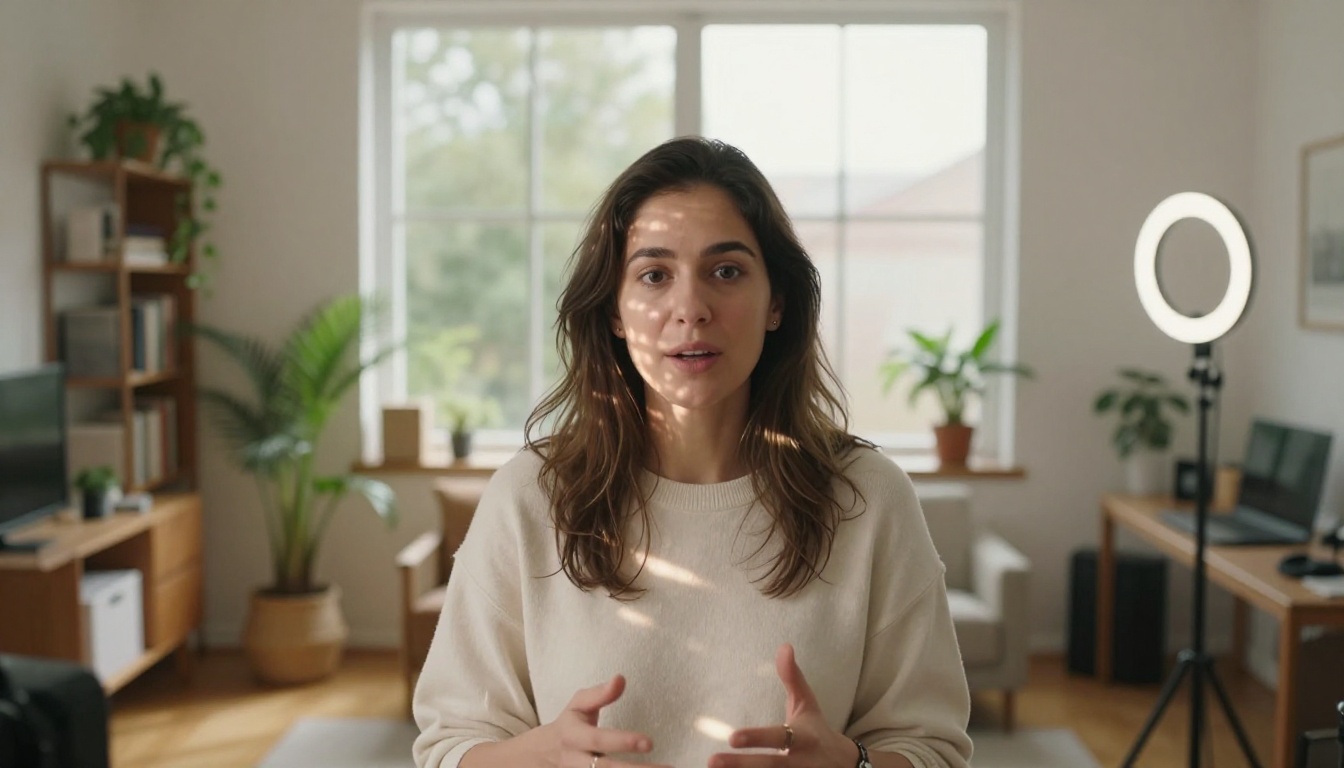
If you're producing social content, brand videos, or short-form entertainment, Seedance 2.0 is typically the stronger fit. Its smooth motion and strong temporal consistency create polished, professional-looking outputs that edit cleanly without requiring frame-level cleanup. The model's strength with human subjects also means your talent looks good in motion, which is the priority for this content category.
Content creators working on lifestyle, fashion, or beauty content in particular will find Seedance 2.0's outputs more immediately usable. The frames are clean, consistent, and color-stable across the clip.
Strong Seedance 2.0 prompts for content work:
- "Woman walking through sunlit café, slow motion, natural warm light"
- "Hands styling hair in morning bathroom, smooth and natural"
- "Person laughing at outdoor table, golden afternoon light"
For Cinematic Work
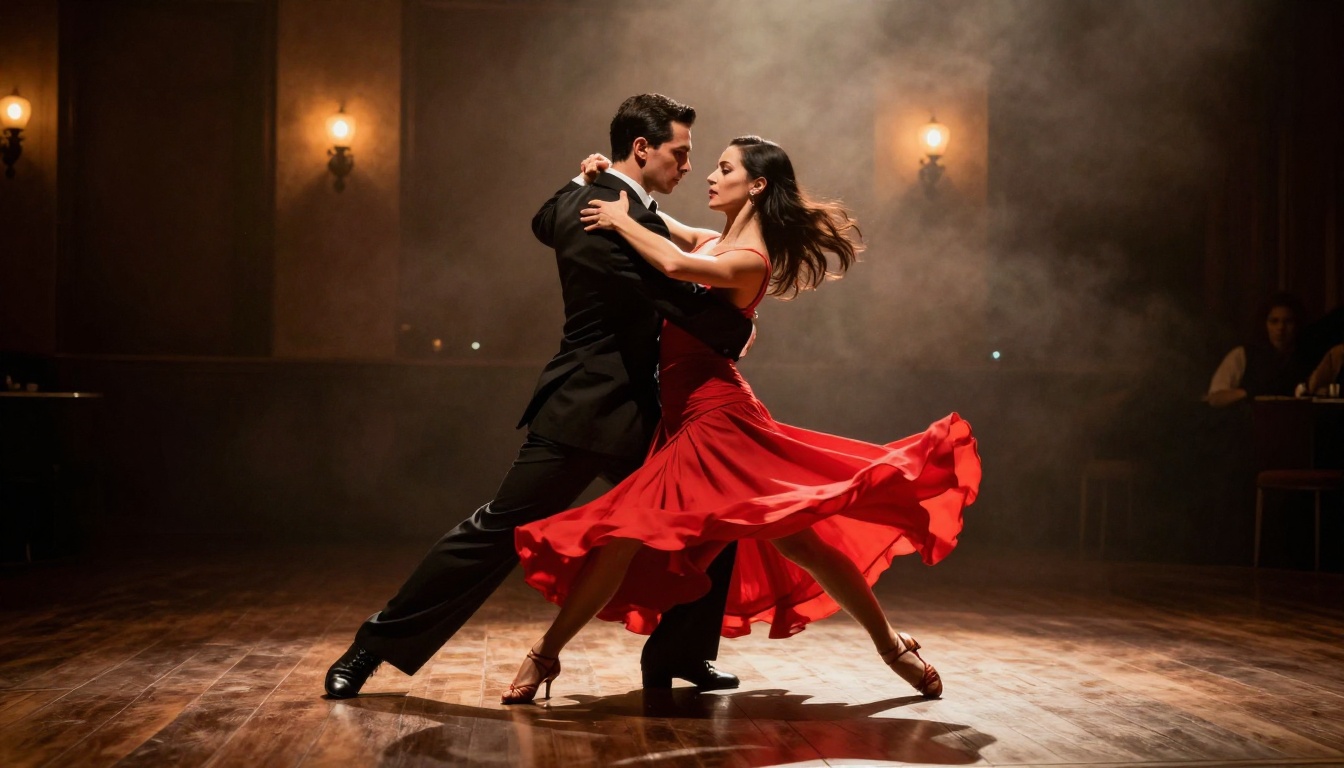
For cinematic projects where physical world behavior matters, Kling v2.6 has the edge. Its physics engine produces footage that holds up under close scrutiny. When you need rain to fall correctly, fabric to behave with real weight, or objects to move with genuine inertia, Kling 2.6 consistently delivers what Seedance 2.0 cannot at the same consistency level.
Filmmakers developing pre-viz, concept footage, or AI-assisted production sequences will find Kling 2.6's motion profile more credible for audiences viewing on large screens where physics errors are immediately obvious.
💡 Also worth testing: Kling V3 Motion Control and Kling v2.6 Motion Control add precise trajectory control on top of the physics quality, giving cinematic users even more precise motion authoring capabilities.
For Social Media Clips
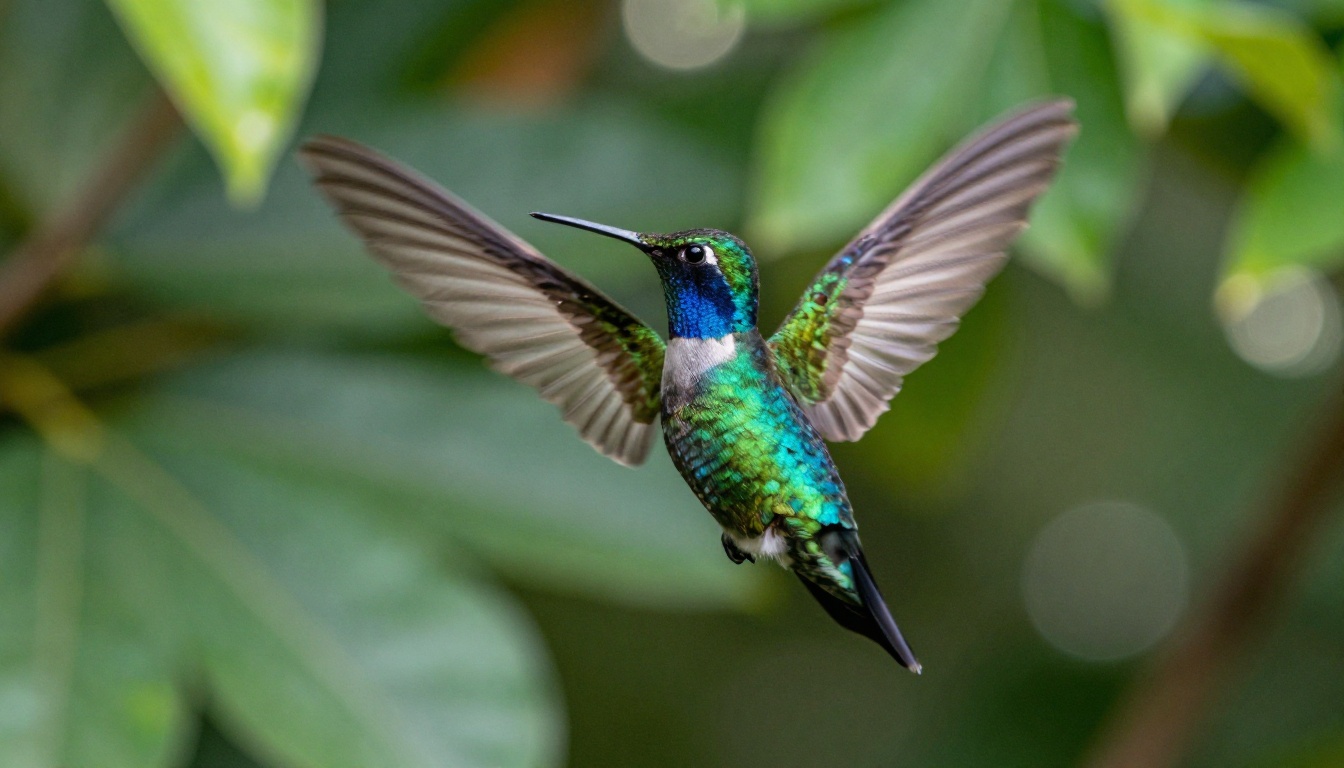
For short, punchy social media clips where visual impact matters more than physical realism, the choice depends on content type. Nature, action, and sports-style content where kinetic energy reads well on small screens tends to favor Kling 2.6. Human-centered lifestyle and fashion content favors Seedance 2.0.
For TikTok and Reels specifically, Seedance 2.0's stronger temporal consistency means fewer unusable frames in short-form edits where every second counts. Kling 2.6 works best when the physical drama of the scene, a jump, a splash, a dramatic clothing movement, is the primary visual hook.
How to Use These Models on PicassoIA
Using Seedance 2.0 on PicassoIA
Seedance 2.0 is available directly on PicassoIA. Here is how to get the best motion quality from it:
- Open the model page at Seedance 2.0 on PicassoIA
- Write a motion-specific prompt: Describe the movement explicitly, not just the subject. "Woman walking briskly with natural arm swing" outperforms "woman in a park" every time
- Specify camera behavior: Add phrases like "slow dolly forward," "static camera," or "tracking shot" to control how the camera moves relative to the subject
- Use shorter durations first: Seedance 2.0 produces cleaner temporal consistency at 4 to 6 second clips. Longer clips increase the risk of drift
- Describe the environment simply: Backgrounds with low-frequency texture such as painted walls or open sky minimize background artifacts
- Add motion quality language: Modifiers like "smooth motion," "natural movement," "fluid animation" reliably improve output quality
💡 For rapid iteration and prompt testing, Seedance 2.0 Fast uses the same architecture at reduced cost. Use it for prompt development, then switch to the standard version for your final output.
Using Kling 2.6 on PicassoIA
Kling v2.6 on PicassoIA gives direct access to one of the most physically accurate motion models available right now:
- Open the model page at Kling v2.6 on PicassoIA
- Emphasize physical properties in your prompt: "Heavy wooden door swinging slowly," "water rushing over smooth stones," "silk fabric billowing in wind" all produce excellent results
- Include weight and mass language: Describing the implied weight of objects in motion helps the physics model calibrate correctly. "Massive stone rolling," "light silk dress," "dense slow-moving crowd" all signal physical properties
- Try the Motion Control variant: Kling v2.6 Motion Control lets you define start and end positions for subjects, giving you precise trajectory control
- Limit complex multi-subject scenes: Kling 2.6 performs at its best with one or two main subjects. Complex crowd scenes can degrade temporal quality noticeably
- Use image-to-video input when available: Kling 2.6's physics quality is often higher when the model has a reference frame to anchor from, rather than building the scene entirely from text
Which One Actually Wins
The honest answer is neither. They are optimized for different definitions of good motion, and both deliver at a professional level within their respective strengths.
Reach for Seedance 2.0 when:
- Your content features human subjects and expressive movement
- Temporal stability and clean textures across the full clip are the priority
- You are producing lifestyle, fashion, or social video content
- You need footage that edits smoothly without frame-level cleanup work
Reach for Kling v2.6 when:
- Physical world accuracy matters: fluids, cloth, rigid body interactions
- You are making cinematic content that needs to hold up under close scrutiny
- Weight, inertia, and biomechanical accuracy are non-negotiable requirements
- You need motion control for precise subject trajectories via Kling v2.6 Motion Control
The most efficient workflow is running both models in parallel on the same prompt and selecting the better output for each scene type. At the scale of a real production project, the differences compound quickly across dozens of clips.
Both models are ready to use right now on PicassoIA: Seedance 2.0, Seedance 2.0 Fast, Kling v2.6, Kling v2.6 Motion Control, and Kling V3 Motion Control are all accessible in one place without separate accounts or API tokens. Stop reading about which motion profile is better and start running your own prompts. The answer will be obvious within your first three clips.


