Seedance 2.0 and Sora 2.5 are two of the most-discussed AI video generators right now, and not only because of their technical specs. The real conversation happening in creator communities, adult content studios, and experimental filmmaking circles is about what these models do when you remove restrictions. When moderation layers drop and prompts get specific, which engine actually delivers photorealistic, uncensored results without artifacts, blurring, or content refusals? This article puts them side by side across the dimensions that matter most to creators who need real creative freedom from their AI video tools.
What Separates These Two Engines
The fundamental difference between Seedance 2.0 and Sora 2.5 is not just architecture; it is intent. ByteDance built Seedance 2.0 as a fast, high-throughput video generator optimized for social content and commercial production, meaning its filtering approach reflects a platform-first philosophy focused on volume and speed. OpenAI built Sora with cinematic ambition and tight safety guardrails baked deeply into every layer of the generation pipeline.
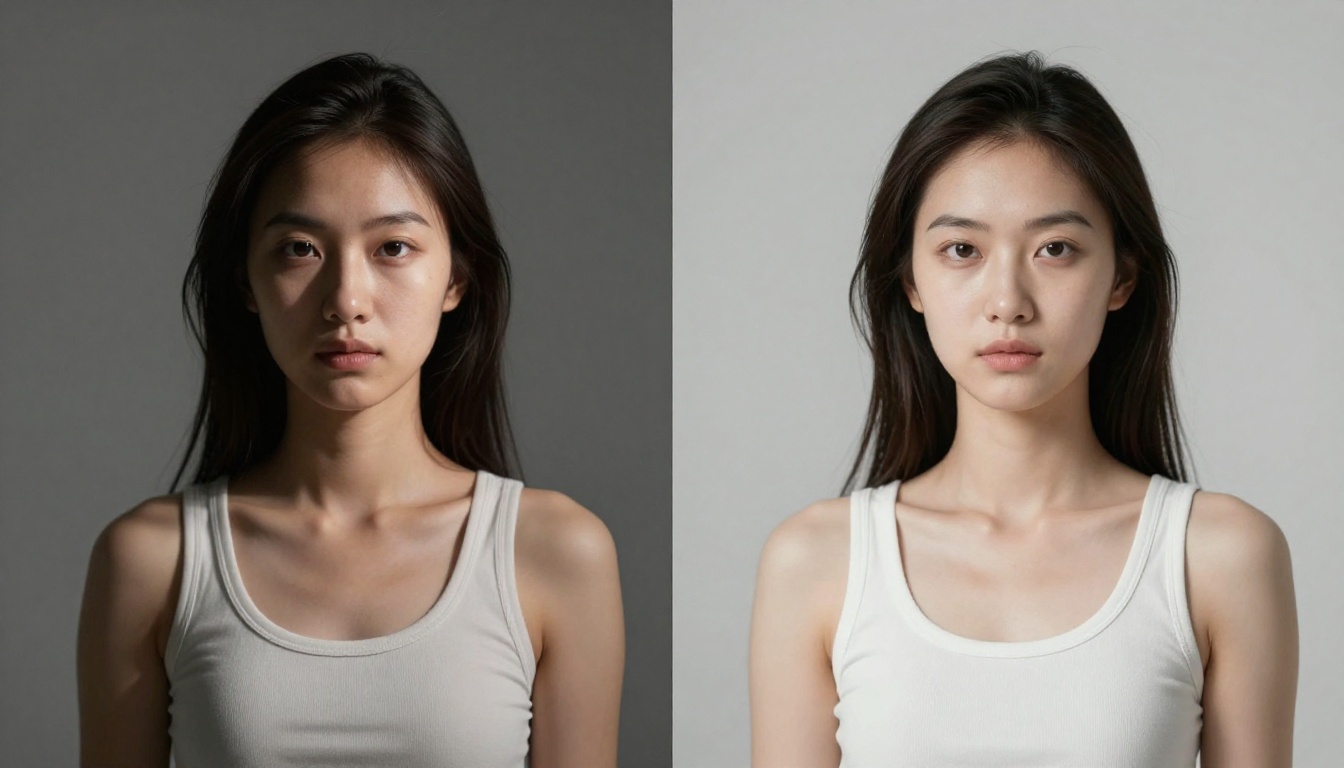
Understanding this philosophical split is the starting point for anyone choosing between them for uncensored video production. One model was built for volume and speed; the other was built for prestige and safety. That trade-off runs through every comparison below.
How Seedance 2.0 Works
Seedance 2.0 uses a diffusion-based video synthesis architecture that generates native audio alongside visual content in a single pass. ByteDance trained it on an enormous corpus of real-world video data, giving it strong temporal coherence: objects and bodies move naturally from frame to frame without the flickering, limb distortion, or texture swimming that plagued earlier generation models.
The architecture is optimized for speed and accessibility. Seedance 2.0 Fast can produce a 5-second clip in under a minute, while the standard Seedance 2.0 variant prioritizes visual fidelity. There is also a lighter Seedance 2.0 Mini for shorter runs and reduced credit spend per generation. On PicassoIA, all three variants are available with no account-level content review delays slowing down your workflow.
Seedance 2.0 at a glance:
- Resolution: up to 1080p
- Duration: 5 to 10 seconds per clip
- Native audio synthesis included
- Temporal coherence: very high across body and face
- Prompt adherence: strong on physical and environmental descriptors
- Content filtering: significantly lower than OpenAI's Sora line
Sora 2.5 in Practice
OpenAI's Sora line (available on PicassoIA as Sora 2 and the premium Sora 2 Pro) approaches video generation with a different priority set. It focuses on physics simulation, natural environmental interaction, and cinematic camera work that feels genuinely filmic. Sora 2 Pro in particular produces stunning depth of field, natural motion blur, and convincing material interaction. A character walking through rain feels like real footage, not rendered animation.
The tradeoff is moderation aggressiveness. Sora's content filtering layer is intentional and pervasive. Prompts that describe clothed or semi-clothed scenarios in even mildly ambiguous language are frequently declined or significantly softened by the model. The system attempts to interpret creative intent, not just flag explicit vocabulary, which means workarounds that function reliably on other platforms often fail here.
💡 Bottom line on content access: Sora 2 Pro is the better cinematic choice if your content stays firmly within mainstream boundaries. Seedance 2.0 gives you significantly more creative freedom at the cost of slightly lower camera simulation quality in complex scenes.
Uncensored Output: Where Things Get Real
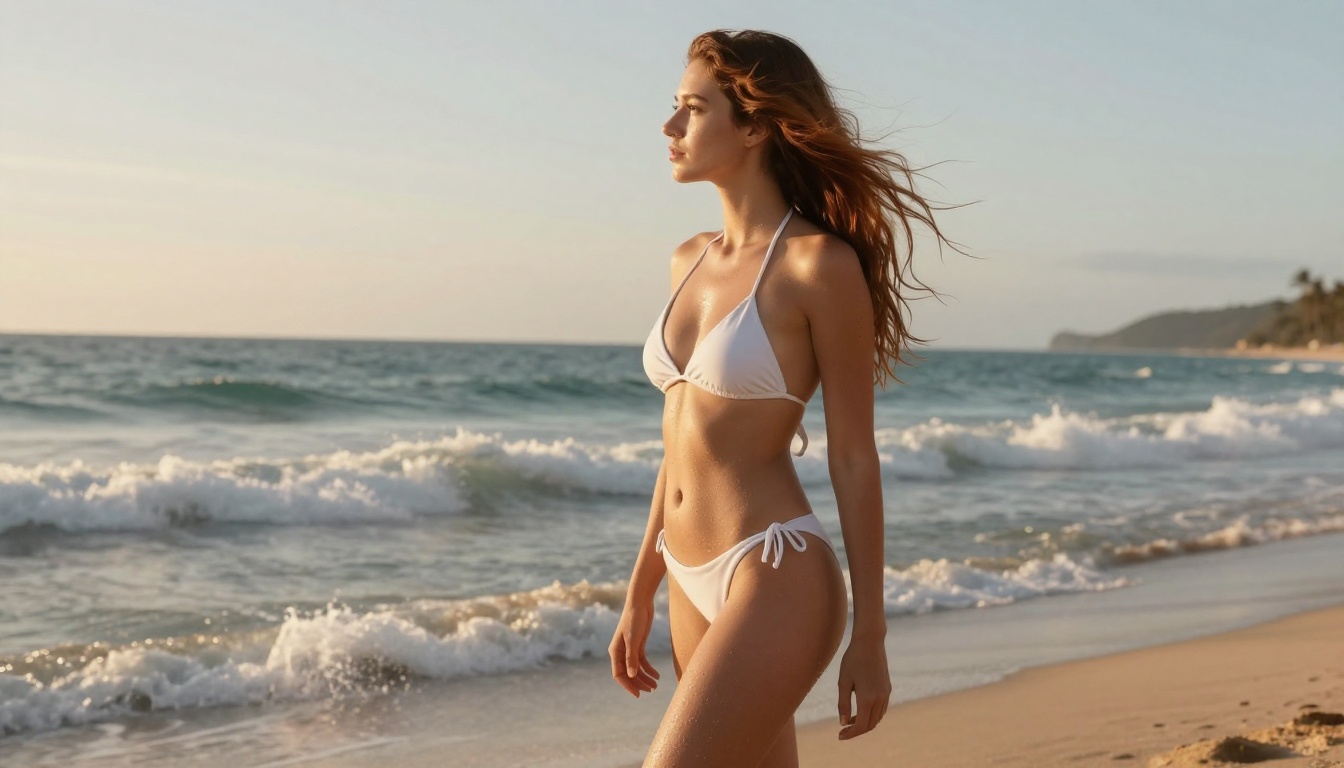
The term "uncensored" in AI video generation means different things depending on who is using it. For most professional creators, it means generating content showing the human body in natural, suggestive, or explicitly adult contexts without the model softening physical details, applying automatic fog effects on skin, or simply refusing the prompt with a generic safety message. This is where the real performance gap between these two models becomes visible.
Skin Texture and Realism
Seedance 2.0 excels at producing realistic skin in motion. When you prompt it with a subject in minimal clothing, the result shows genuine pore detail, natural subsurface scattering under varied lighting conditions, and accurate fabric physics against the body surface. The wetness simulation is particularly strong: water on skin renders convincingly, with droplets that catch light realistically and flow according to body contour rather than sitting as flat texture overlays.
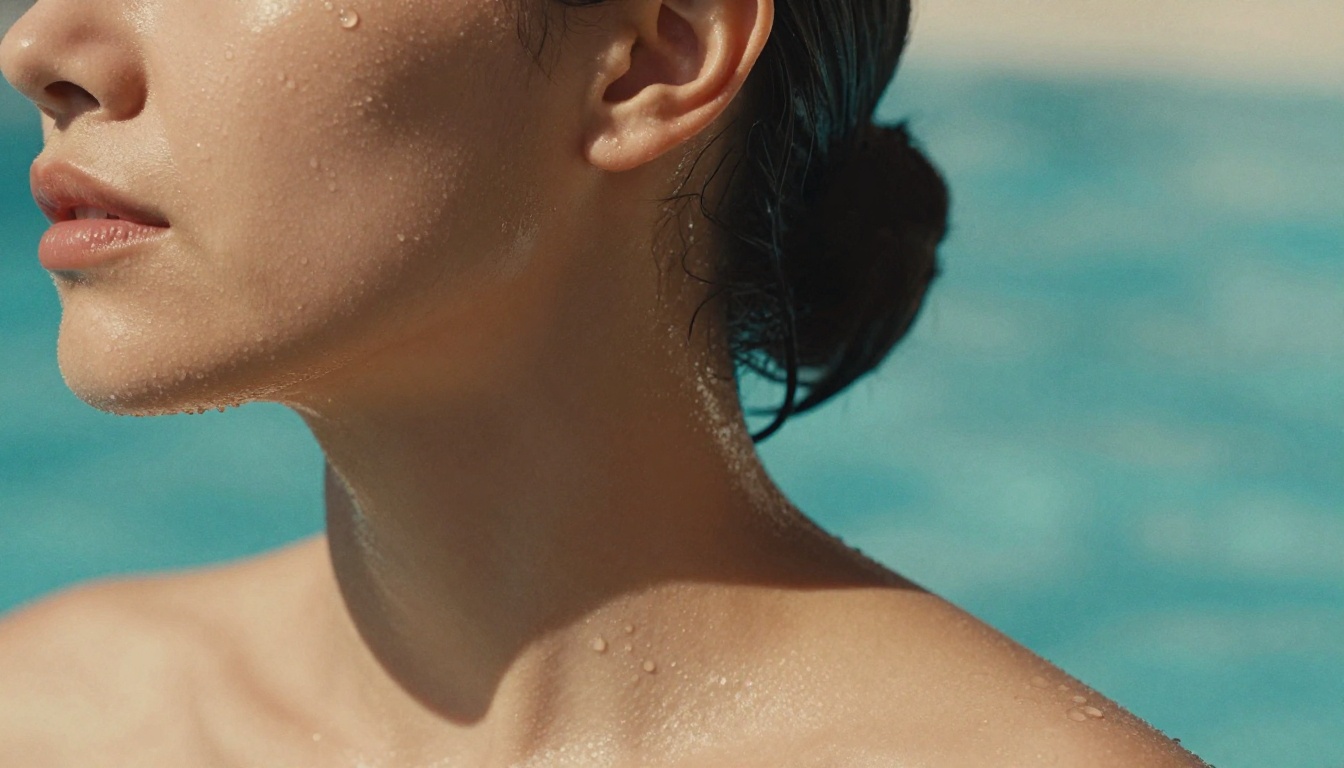
Sora 2 Pro produces sharper initial frames across most scene types, but the skin rendering tends to carry a processed quality, as if a high-end beauty filter was applied automatically during generation. Fine texture details in close-up shots are consistently smoothed rather than preserved. For content that depends on authentic physical realism, this distinction matters significantly and compounds across longer clips.
| Feature | Seedance 2.0 | Sora 2 Pro |
|---|
| Skin texture accuracy | Natural, pore-level detail | Polished, beauty-filtered |
| Wetness simulation | Excellent | Minimal |
| Body physics | Realistic fabric and mass | Strong but conservatively posed |
| Content refusal rate | Low | High on suggestive content |
| Temporal coherence | Very high | Very high |
| Native audio | Yes | Yes |
| Camera simulation | Good | Excellent |
Body Motion Without Filters
One of the most consistent failure modes in AI video generation is temporal body distortion: arms, legs, or fingers that lose coherence between frames because the model cannot maintain a stable physical model over time. Both Seedance 2.0 and Sora 2 Pro handle this substantially better than any previous generation of models, but they fail differently under pressure.
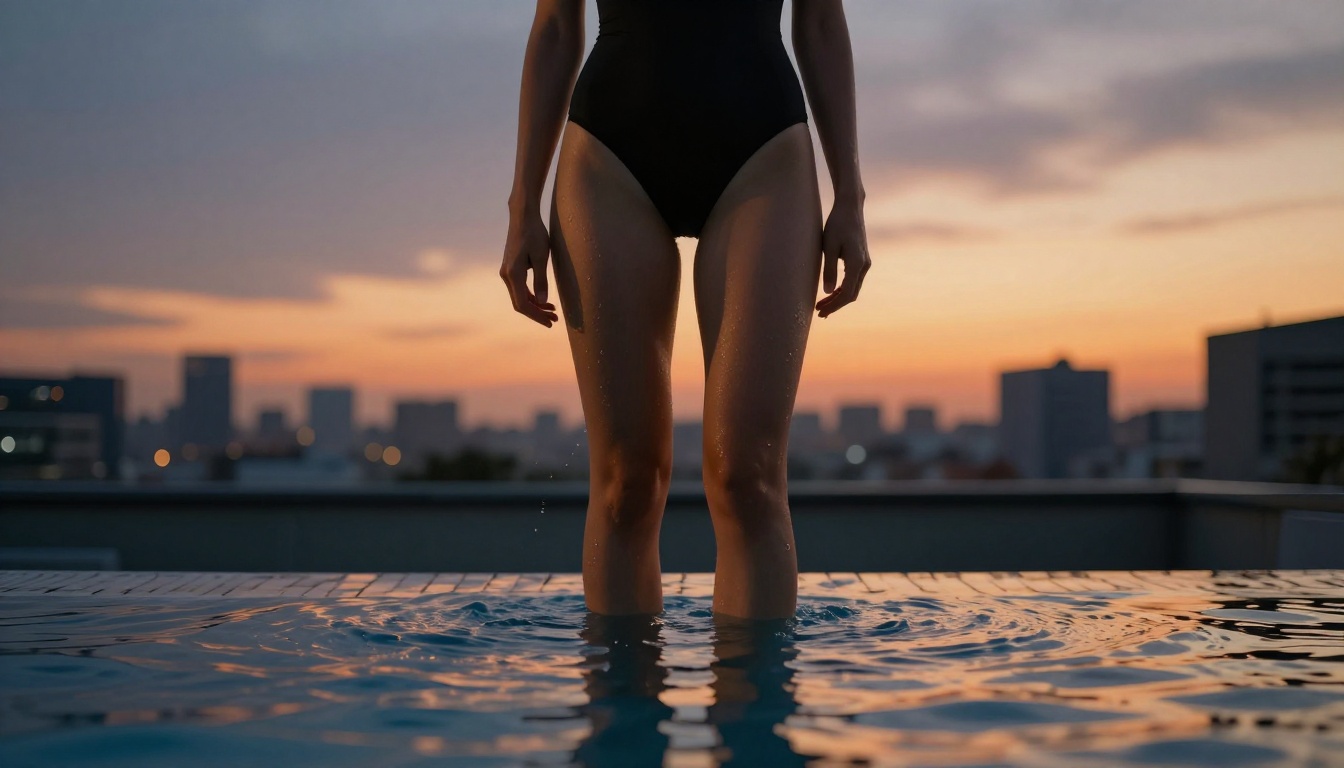
Seedance 2.0 maintains anatomical integrity through slow and medium-paced motion extremely well. Rapid movements, such as dancing or spinning, can introduce subtle warping at the extremities over longer clips. Sora 2 Pro handles fast motion with slightly more grace but applies more conservative pose interpretations when the requested action involves physical expressiveness or body exposure.
The critical difference compounds at longer durations. In 10-second clips, Seedance 2.0 bodies remain physically consistent for the full duration. Sora 2 Pro at 10 seconds occasionally loses thread continuity around the neck and shoulder area during turning motions, particularly in close-up shots.
Prompt Accuracy on Sensitive Topics
Getting accurate results from an AI video model on adult-adjacent content is less about the specific words you use and more about the structural logic of your prompt. Both models respond to different prompt architectures in predictable ways once you map their training biases through systematic testing.
What Seedance 2.0 Gets Right
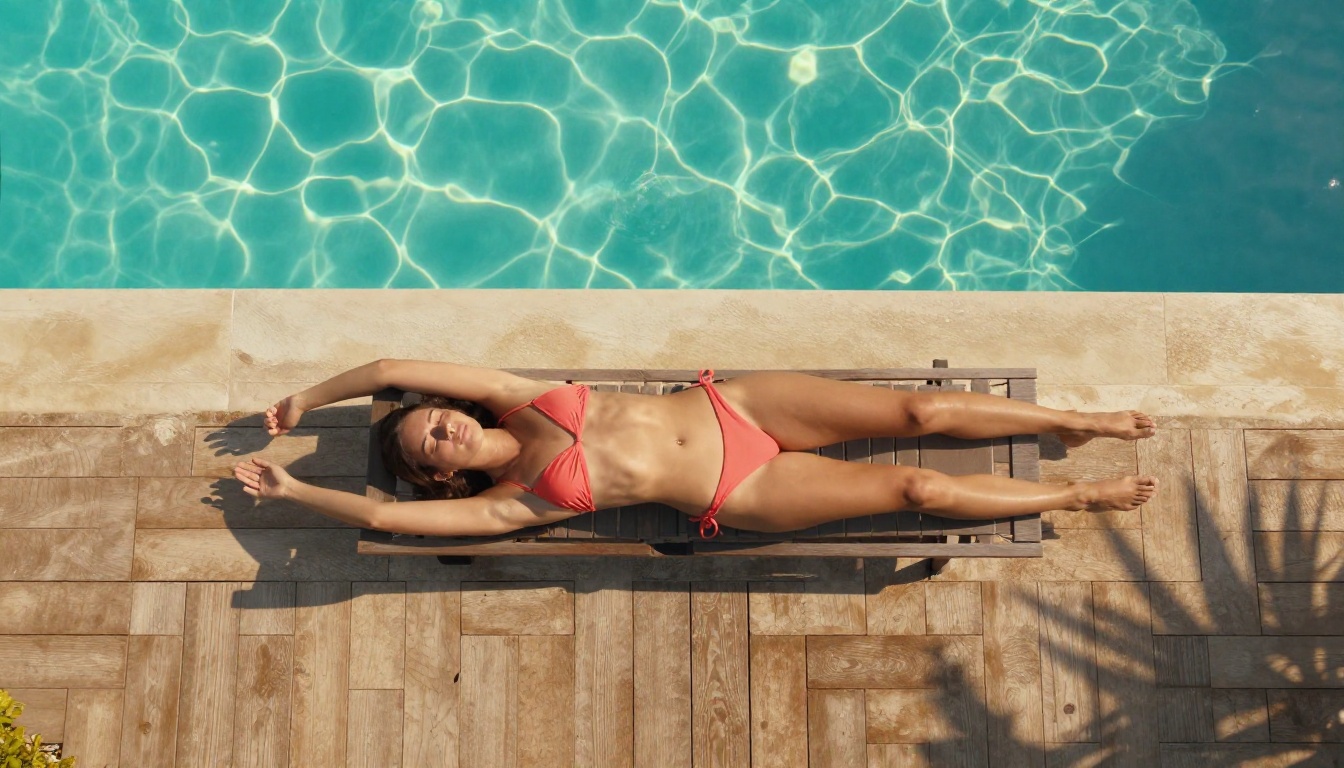
Seedance 2.0 responds most accurately to physical and environmental description rather than behavioral framing. When you describe the lighting conditions, camera angle, clothing or state of dress, and the setting in precise physical terms, the model delivers without second-guessing or softening the creative intent. Descriptors like "bikini", "swimwear", "sheer fabric", and "natural" work reliably across all three Seedance 2.0 variants.
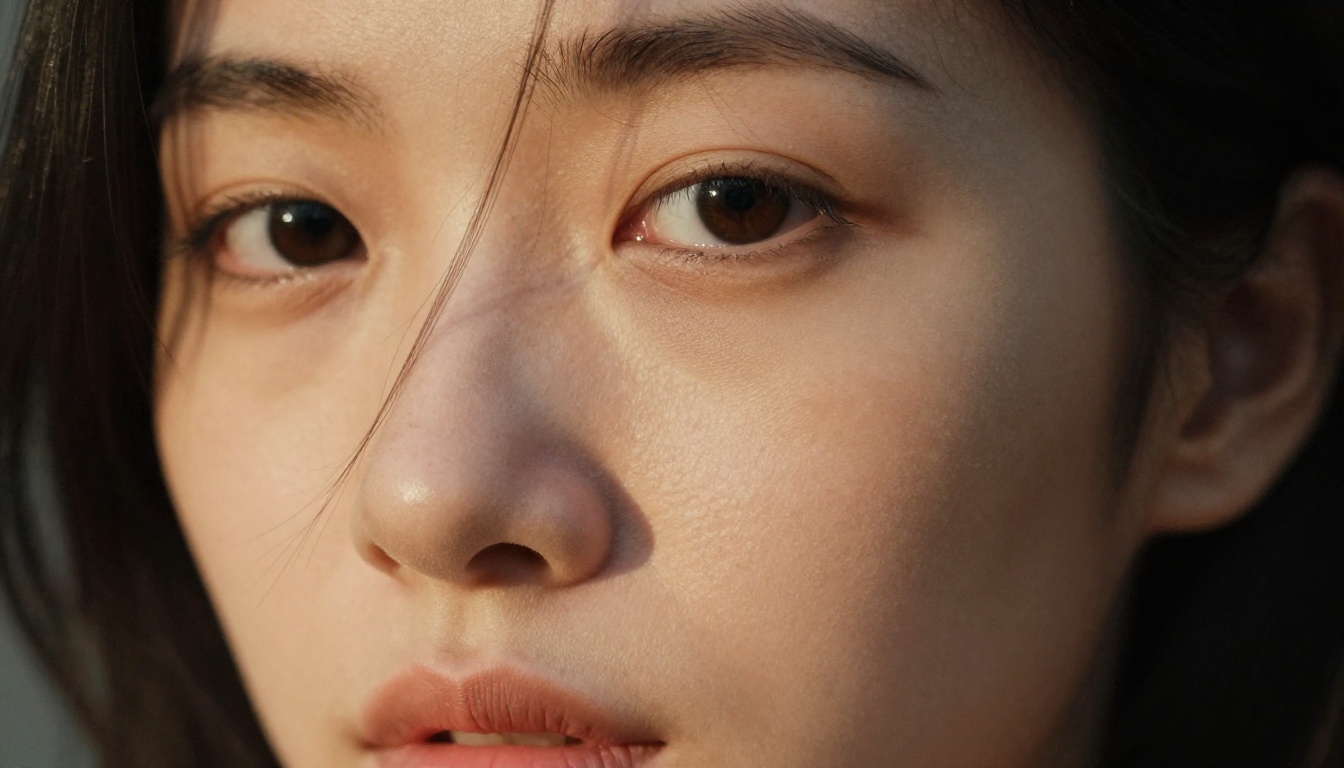
Skin-related descriptors such as "glistening", "tanned", "wet after swimming", and "lit from below" produce accurate and detailed outputs consistently. Prompts that describe ongoing states rather than implied actions tend to perform best. This is where Seedance 2.0's broad training data advantage shows clearly: it has absorbed enough real-world visual context to understand what a scene should look like without flagging the intent as problematic.
💡 Prompt structure that works with Seedance 2.0:
[Subject + state] + [clothing detail] + [environment] + [lighting direction + color temperature] + [camera angle + lens] + [motion style]
Example: "Woman in a white string bikini stepping out of a tropical infinity pool, water streaming down her back, slow camera pan from feet to shoulders, warm 5500K golden afternoon light, photorealistic 8K, 50mm f/1.8 natural depth of field"
Where Sora Draws the Line
Sora 2 and Sora 2 Pro apply more aggressive content interpretation. Action-based prompts that imply undressing, physical intimacy, or body exposure are regularly softened or declined. The model frequently substitutes a fully-clothed version of the requested scene, defaults the subject's pose to something non-suggestive, or returns a content policy error without producing any output.
Interestingly, Sora 2 Pro shows better results when prompts use artistic or editorial framing. Describing a scene as "editorial fashion photography style" or "artistic film production" sometimes shifts the model's interpretation toward delivery. But this approach is inconsistent, and production pipelines that depend on reliable output cannot afford that variability.
Speed, Cost, and Access
Both models are available via API and through platforms like PicassoIA. The differences in speed and credit cost are significant for anyone running production-scale workflows rather than one-off tests.
Seedance 2.0 Pricing Tiers
On PicassoIA, Seedance 2.0 runs at competitive credit costs. The Seedance 2.0 Mini is the most affordable entry point for testing prompts and iterating on scene compositions before committing to full-quality runs. Seedance 2.0 Fast trades a small amount of visual fidelity for significantly faster generation time, making it the right tool for high-volume workflows where iteration speed matters more than peak quality on each individual clip.
For studios generating large volumes of adult or NSFW content, Seedance 2.0's combination of speed, uncensored tolerance, and accessible pricing makes it the most practical economic choice by a clear margin.
Sora 2 Pro Pricing
Sora 2 Pro carries a notable premium reflecting both OpenAI's infrastructure costs and the model's higher cinematic quality ceiling. For productions that require exceptional camera movement simulation, precise depth of field, and environmental physics in scenes that comfortably stay within mainstream content boundaries, the premium pricing is justified by output quality.
For uncensored or adult-adjacent content creation workflows, paying a premium for a model that frequently refuses or softens your prompts creates both a cost problem and a production reliability problem. Sora 2 is a reasonable middle ground if you want OpenAI's visual quality without committing to Pro pricing, though the content tolerance issue affects both variants equally.
How to Use Seedance 2.0 on PicassoIA
PicassoIA gives you direct access to Seedance 2.0 without account-level content restrictions, manual review queues, or approval delays. Here is the complete workflow for getting your first uncensored clips generated.

Step-by-Step Setup
- Navigate to Seedance 2.0 on PicassoIA
- Select your output resolution: 720p for fast iteration and prompt testing; 1080p for production-ready clips
- Choose your clip duration: 5 seconds for individual scene moments; 10 seconds for complete sequences
- Write your prompt using the physical descriptor structure outlined in this article
- Optionally upload a reference still image to use as the first frame for image-to-video generation
- Submit and wait approximately 30 to 90 seconds depending on resolution and queue load
- Download the resulting MP4 directly or copy the hosted URL for embedding
Prompt Engineering for Better Results
The single biggest improvement most creators make when switching to Seedance 2.0 is shifting from vague intent prompts to specific physical description prompts. These concrete strategies improve output quality and consistency:
Use camera language explicitly. Terms like "slow dolly-in", "gentle upward pan", "static close-up at 85mm", and "handheld tracking shot" all change the resulting camera behavior in predictable ways. Seedance 2.0 understands cinematography vocabulary well.
Specify lighting direction and color temperature. "Warm 5500K golden hour light from the right" produces very different skin rendering than "cool 4000K overcast diffused light." Being specific here changes the mood and the quality of skin and texture rendering significantly.
Close every prompt with quality modifiers. Adding "photorealistic, 8K, natural film grain, Kodak Portra 400" at the end consistently reduces over-stylization and pushes the output toward photography rather than animation aesthetics.
Use image-to-video for precision. If you have a specific composition in mind, generate that still image first with Seedream 5 Pro and upload it as the source frame. The resulting video will animate from your exact composition rather than generating a new one from scratch.
Best Alternatives for NSFW Content
If your workflow combines still image generation with video production, or if you want to generate high-quality source frames before animating them, these are the platforms and models worth building into your pipeline.

Seedream 5 Pro for Source Frames
For generating the still images that feed into your video production pipeline, Seedream 5 Pro is the leading choice on PicassoIA. It generates sharp 2K images with excellent skin detail, realistic lighting response, and strong prompt adherence on suggestive and NSFW content. Because ByteDance maintains consistent training data aesthetics across the Seedream and Seedance model families, visual style transfers cleanly from still to animated output when you use them together.
Important: Do not use Seedream 5 Lite for adult content. The Lite version applies content filtering that blocks most NSFW prompts. Use Seedream 5 Pro for uncensored still image generation without exceptions.
Other Video Models Worth Testing
Beyond Seedance 2.0, several other video models on PicassoIA handle adult-adjacent content with varying levels of creative freedom and visual quality:
- Kling v2.6: Strong cinematic output with reasonable content tolerance. Slightly lower temporal coherence on extreme close-up skin detail compared to Seedance 2.0, but very good on full-body and environmental shots
- Kling v3 Video: The newest Kling variant, with meaningfully improved natural skin texture rendering and better camera movement quality than previous versions
- Seedance 2.5: The direct successor to 2.0, supporting up to 30-second clips with native audio and improved temporal consistency. The right choice for longer scene production where multiple cuts need visual coherence
- Veo 3: Google's video model with excellent audio synchronization, though content filtering is similar in philosophy to Sora and limits its usefulness for uncensored production
Start Generating Your Own Results

If you have been looking for a platform that provides real, direct access to these models without content review friction or bureaucratic delays, PicassoIA is where to start. Seedance 2.0 is available right now with no queue restrictions specific to content type. You can test Seedance 2.0 Mini at low credit cost before committing to full production runs, and Seedance 2.0 Fast for rapid-iteration prompt testing sessions.
For still image production that feeds into your video pipeline, build your workflow around Seedream 5 Pro as the source frame generator. For complete video production at scale, use Seedance 2.0 as your primary engine with Kling v2.6 as a secondary option for scenes where you want a different aesthetic approach.
The verdict between Seedance 2.0 and Sora 2.5 for uncensored video production is clear: Seedance 2.0 wins on creative freedom, output reliability, and cost efficiency. Sora 2 Pro wins on cinematic quality within mainstream content guidelines. For content creators who need both quality and freedom without constant refusals, Seedance 2.0 on PicassoIA is the practical answer.
The full catalog of video, image, and audio models is at picassoia.com/en/all-models. Every model referenced in this article is accessible directly from that page, and new models are added regularly as the AI video generation field evolves rapidly.
💡 Quick start: Go to Seedance 2.0 on PicassoIA, write your first prompt using the physical descriptor structure from this article, and run a 5-second test at 720p. The uncensored output quality speaks for itself without any additional configuration or platform approval needed.


