Two AI video giants went head-to-head this year, and the results are more interesting than anyone predicted. Sora 2 Pro from OpenAI and Kling v3 Video from Kuaishou represent fundamentally different philosophies about what makes video look real. One prioritizes physics simulation depth. The other prioritizes motion data breadth. Depending on what you create, that difference could completely reshape your output quality and your entire production workflow. This article puts both through their paces across the metrics that matter most: fluid dynamics, human movement, camera coherence, and raw output fidelity across short and long-form clips.
What "Realistic Motion" Actually Means
Most people assume "realistic" means "high resolution." That assumption leads to consistently wrong tool choices. A 4K video of a person walking with unnatural weight distribution is far less convincing than a lower-resolution clip where the footfall timing, momentum carry, and body rotation all feel grounded in physics. Motion realism in AI video is a specific, measurable discipline with distinct, separable components.
Physics vs. Temporal Coherence
Temporal coherence means objects in frame stay physically consistent frame to frame. No teleporting arms. No cloth that forgets it has weight between seconds three and four of a clip. No backgrounds that subtly shift between cuts in a single continuous scene.
Physics simulation means the model actually understands how water flows, how hair responds to directional wind, how a jacket hem behaves during a fast turn. These are two separable capabilities, and most models are genuinely strong at one while struggling at the other.
Knowing which model excels at which type of realism separates professional AI video creators from beginners who pick tools based on marketing alone.
Why Most AI Video Still Fails
The failure mode for AI video has been consistent since the category first emerged: the model does not know what it does not know. It generates a convincing first second of a clip, loses track of its own physical logic mid-duration, and produces something that looks passable as a thumbnail but breaks immediately on playback.
The difference between a mediocre and an exceptional AI video model is how long it maintains internal physical logic across an entire clip, especially when the scene contains multiple interacting elements with distinct physical behaviors.
💡 The real stress test for any AI video model: ask it to generate water pouring into a glass, a person climbing stairs with a bag on their shoulder, or a crowd scene with natural idle movement. These three prompts expose most motion quality differences between models.
Sora 2 Pro: Where It Shines
Sora 2 Pro is not an incremental update to the original Sora. It operates on a substantially different architecture that treats video generation as a physics problem first and an aesthetic rendering problem second. That fundamental prioritization shows in every output.
Temporal Consistency at Scale
Sora 2 Pro holds temporal consistency over longer clips better than virtually any other model available in 2027. When you prompt a 20-second clip of a person walking through a market at dusk, the background details, ambient lighting on the subject, cast shadows, and environmental elements all remain physically plausible across the full duration. Competing models tend to drift at the six-to-eight second mark. Sora 2 Pro routinely holds coherence past 15 seconds without visible artifacts.
This matters practically across several production scenarios:
- Long-form narrative scenes where drift becomes visible and breaks immersion
- Static camera setups that expose inconsistencies in ambient environmental detail
- Multi-element scenes where objects must interact with each other across time
- Commercial spots requiring a single take to hold together without cuts to hide drift
Physics Simulation Depth
This is where Sora 2 Pro most clearly earns its professional positioning. Fluid dynamics, cloth simulation, particle systems, and atmospheric effects all feel weighted and natural in ways that competing models still approximate rather than simulate.
Water pouring from a container does not just look like water. It behaves like water: the stream narrows as it falls, the splash follows realistic dispersion patterns, the surface of the receiving liquid shows credible ripple propagation. Smoke disperses with actual turbulence. Falling leaves tumble with natural randomness. Hair moves with appropriate weight and inertia relative to described wind conditions.
For creators working on cinematic content, product shots involving liquids, or any scene with meaningful environmental interaction, Sora 2 Pro sets the current benchmark for the category.
Sora 2 Pro Weak Spots
No model is without limitations. Sora 2 Pro has two persistent problem areas worth understanding before committing to a workflow:
1. Human facial expressiveness at close range. Faces at mid-to-close distance can register as slightly uncanny during emotional moments, particularly when the subject is speaking or displaying strong affect. Neutral and mild expressions hold up well, but intense emotions still produce occasional artifacts.
2. Stylistic prompt control. Sora 2 Pro interprets cinematic prompts with high fidelity but resists strong aesthetic overrides. If you need a very specific visual style beyond naturalistic photorealism, such as a particular film stock look or a highly stylized color treatment, it may require significantly more iteration than Kling 3.0 to achieve.
Kling 3.0: The Challenger
Kling v3 Video from Kuaishou takes a fundamentally different training approach. Rather than prioritizing physics-first generation, Kling 3.0 was trained on an enormous volume of real human motion data, and that decision shapes every output the model produces.
Human Motion Mastery
Ask Kling v3 Video to generate a dancer mid-performance, a martial artist executing a technique, or simply a person rising from a seated position, and the results are consistently the most naturalistic human motion available from any AI video model in 2027.
Weight transfer, momentum carry, the subtle delay between intention and physical action, the natural asymmetry of a relaxed walking gait, Kling 3.0 captures these with a level of biomechanical accuracy that feels genuinely different from other tools. It does not approximate human movement. It appears to have internalized it at a deep structural level.
The Kling V3 Motion Control variant extends this capability further, allowing you to transfer specific motion patterns from reference footage directly to any generated character or subject. For creators working in fashion, fitness content, choreography visualization, sports media, or any human-centric narrative video, this represents a material competitive advantage over every other tool in the category.
Speed and Iteration Friendliness
Kling v3 Video generates meaningfully faster than Sora 2 Pro across most clip configurations. For iterative creative workflows where you need to preview six to ten versions of a scene concept before committing to a direction, that speed differential translates directly into more productive working sessions.
The Kling V3 Omni Video variant adds multimodal input support, accepting both text prompts and reference still images. This makes it particularly powerful for creators who want to start from a carefully composed photograph and animate outward with specific motion instructions.
Where Kling Falls Short
Kling 3.0 has a well-documented limitation: environmental physics. Scenes involving complex fluid dynamics, fire behavior, or detailed particle simulation tend to look notably less convincing than equivalent Sora 2 Pro outputs. The model excels when humans are the dominant focus of the frame but loses physical coherence when the environment itself needs to behave with mechanical accuracy over time.
💡 Practical test: prompt both models with "a glass of iced water tipping over on a wooden table in afternoon sun." The difference in how each model handles the water behavior, the ice movement, and the reflective surface will reveal their respective strengths faster than any written benchmark.
Head-to-Head: Motion Quality Breakdown
Here is a direct comparison across the core categories that define realistic motion output:
| Category | Sora 2 Pro | Kling 3.0 |
|---|
| Temporal Coherence (long clips) | Excellent | Good |
| Human Movement Naturalness | Good | Excellent |
| Fluid and Particle Physics | Excellent | Fair |
| Camera Motion Simulation | Excellent | Good |
| Facial Expressiveness | Fair | Good |
| Style Prompt Responsiveness | Moderate | High |
| Generation Speed | Moderate | Fast |
| Image-to-Video Quality | Good | Excellent |
| Multi-character Scenes | Good | Excellent |
| Environmental Coherence | Excellent | Good |
The pattern is consistent. Sora 2 Pro wins on physics, environment, and long-form coherence. Kling 3.0 wins on human motion, creative responsiveness, and speed. Neither model has a clean overall victory.
Motion Quality by Scenario Type
Breaking down specific motion scenarios gives a clearer picture of which model to reach for at each stage of production.
Water and Fluid Dynamics
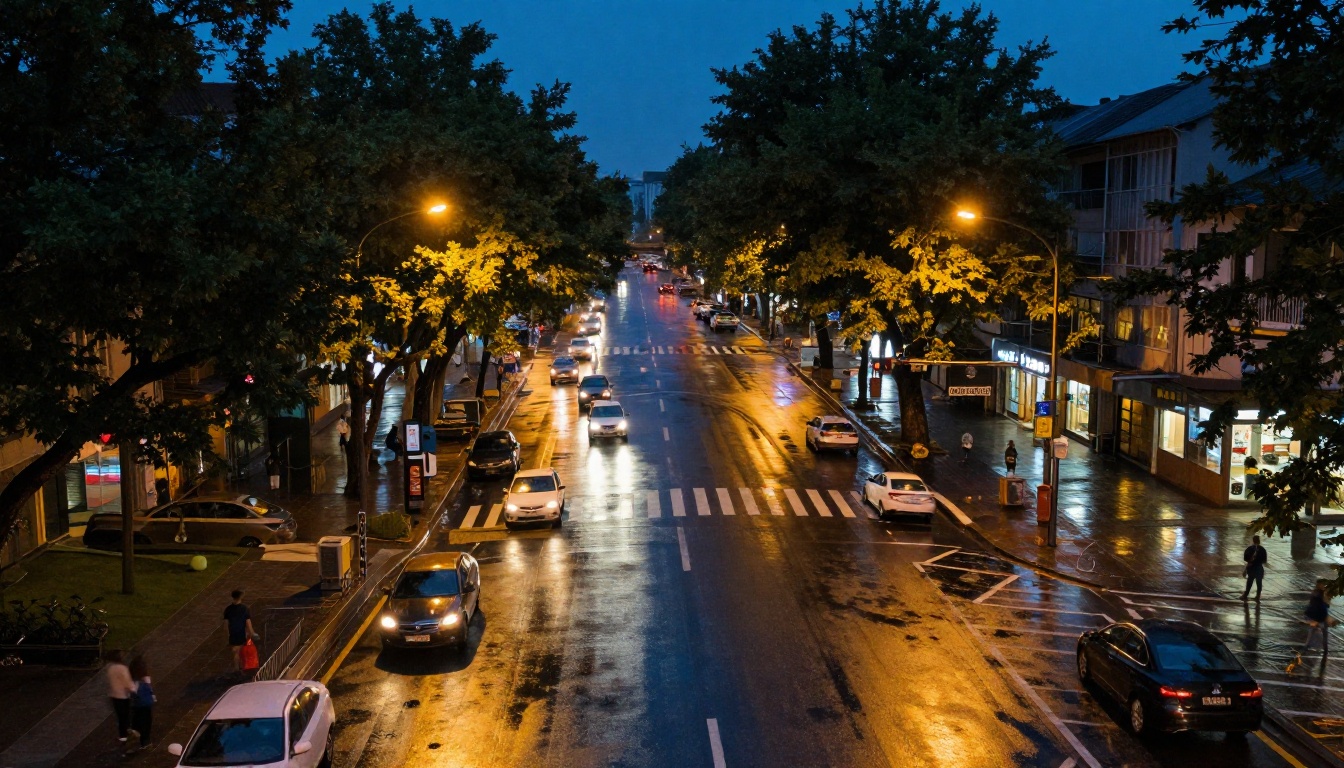
Sora 2 Pro wins here, and it is not close. Water pouring, waves breaking, rain hitting pavement, the model produces fluid motion that obeys realistic viscosity and surface tension behavior. Kling 3.0 outputs look visually similar to water, but the underlying physics are approximated rather than genuinely simulated.
For product advertising involving beverages, cosmetics with serums or oils, or any nature content involving rain or ocean footage, Sora 2 Pro is the unambiguous choice.
Human Body Movement
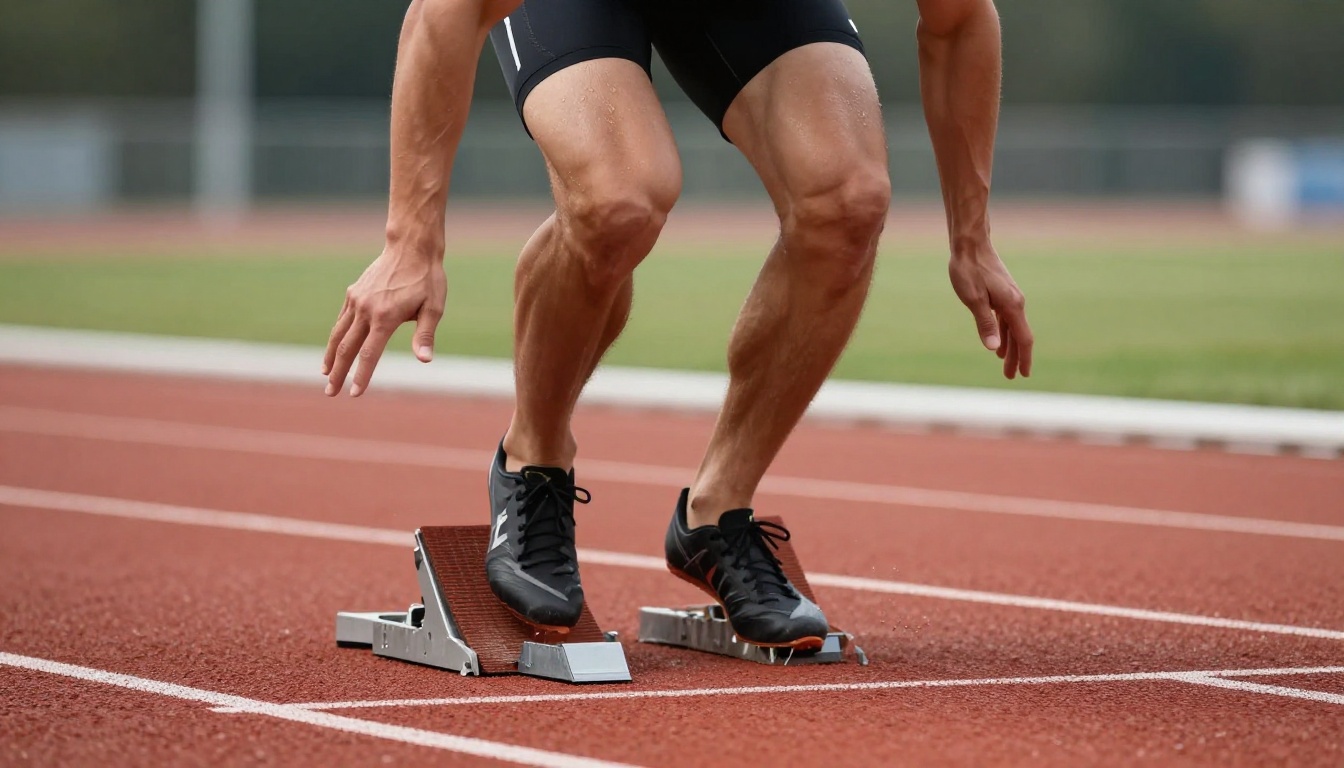
Kling v3 Video wins this category with a clear margin. Walking gaits, athletic movement, subtle idle animations like natural breathing and slight weight shifting, all feel genuinely captured rather than generated. For any content where a person is the primary subject and their movement needs to feel authentic, Kling 3.0 currently has no peer.
The Kling V3 Motion Control tool extends this with direct reference-based motion transfer. If you have footage of a specific movement pattern, Kling can apply it to any generated character with strong fidelity.
Camera Work and Cinematic Tracking
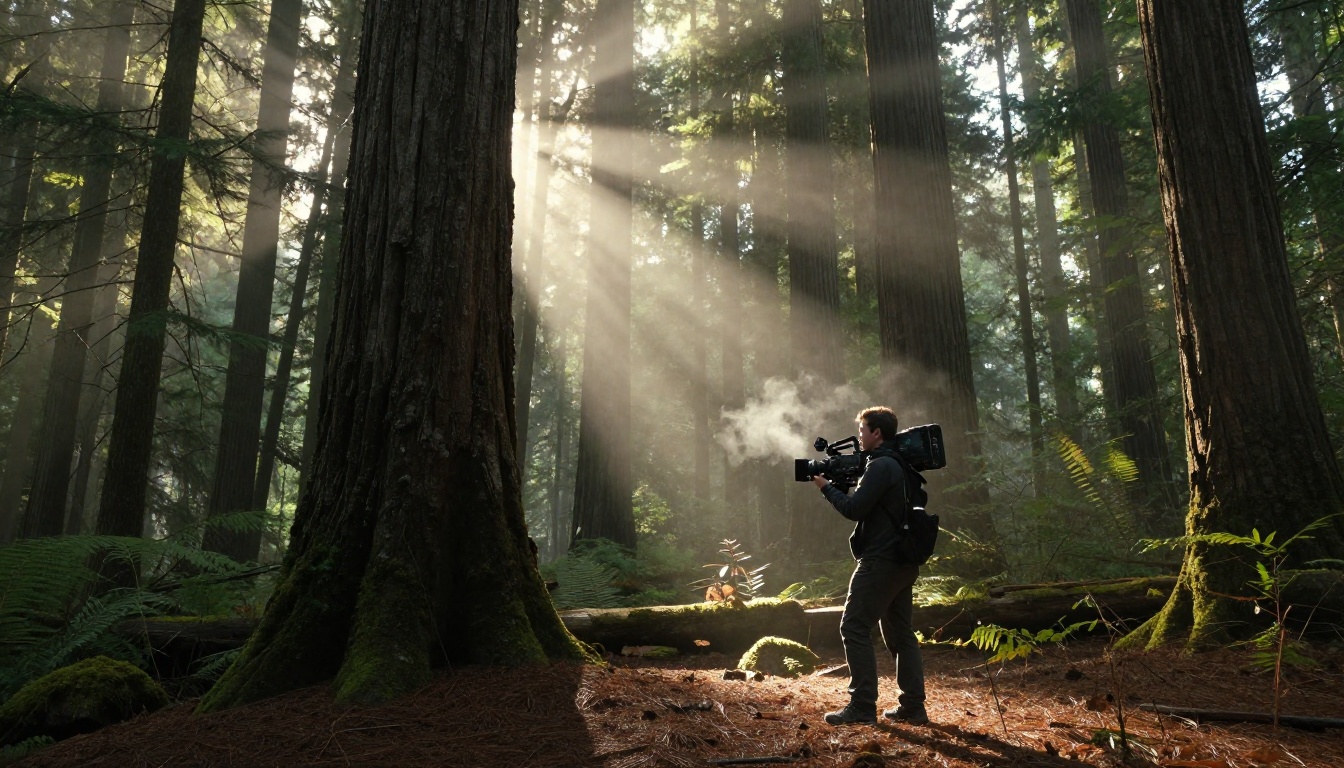
Sora 2 Pro handles cinematic camera movement with more sophistication. Dolly shots, parallax depth in environment, focus pulls with natural lens breathing, all behave with the kind of optical physics that make footage feel shot on real glass rather than rendered. This matters significantly for content that needs to pass as professional cinematography on a large screen.
Which One for Professional Creators?
The choice between these models is not about which is categorically better. It is about matching the right tool to the specific production requirement in front of you.
For Social Media and Short-Form Content
Kling 3.0 is the stronger default. Its speed advantage, its superiority with human subjects, and its responsiveness to creative prompt direction make it better suited to the fast iteration cycles that social content demands. For influencers, brand content creators, and anyone producing people-centric short-form video, Kling 3.0 delivers better outputs with fewer attempts.
The Kling V3 Omni Video variant is especially useful for animating reference stills with precise motion instructions, making it practical to turn a single product photograph into a compelling short clip.
For Film and Commercial Production
Sora 2 Pro is the professional's tool for high-stakes work. When footage needs to hold up on a large screen under close scrutiny, when physics must be convincing, and when temporal drift over a 20-second clip would be immediately visible to a trained eye, Sora 2 Pro's architecture is the more reliable foundation.
Brands working on automotive content with natural environmental context, beauty campaigns with product liquid shots, or any cinematic narrative requiring environmental accuracy will find the physics fidelity worth the additional generation time. The base Sora 2 model is also available for lower-stakes projects where the Pro tier's additional compute is not required.
💡 Recommended workflow for professional creators: use Kling v3 Video for rapid concept development and human-centric previsualization, then move to Sora 2 Pro for hero shots requiring environmental physics or long-form temporal coherence.
How to Use Both Models on PicassoIA
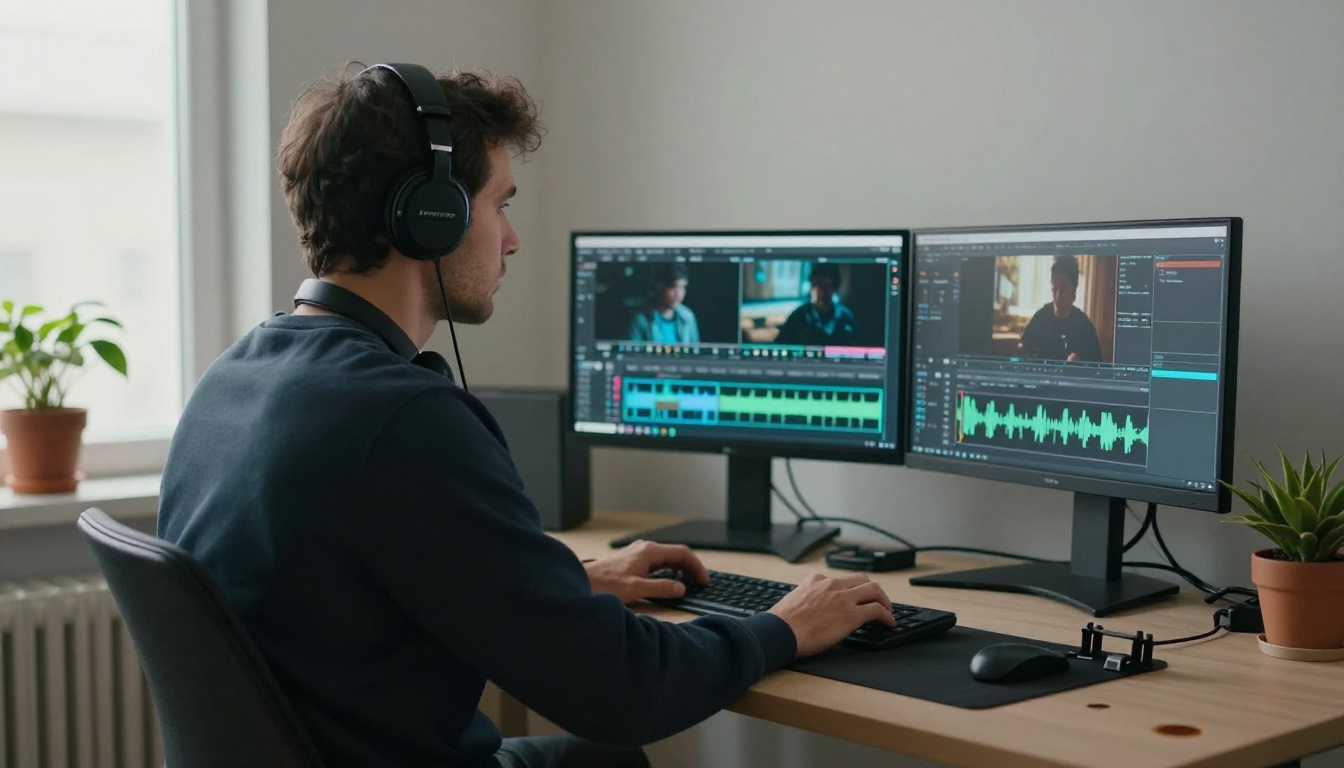
Both Sora 2 Pro and Kling v3 Video are available directly on PicassoIA. Here is how to prompt each one for best results.
Prompting Sora 2 Pro Effectively
- Navigate to Sora 2 Pro on PicassoIA
- Lead your prompt with environmental details before the action: describe setting, lighting conditions, and physical elements first
- Set clip duration to at least 10 seconds to let the model demonstrate its temporal coherence strengths
- Use natural camera direction language: "slow push in," "wide establishing shot with dolly left," "rack focus from foreground to background"
- Include specific physical descriptors: "morning diffuse light from the north," "still water surface with natural drift," "fabric moving from a persistent left wind"
- For product shots, describe material properties explicitly: surface texture, translucency, weight, and how it interacts with the described light source
Prompting Kling v3 Effectively
- Navigate to Kling v3 Video on PicassoIA
- Describe human movement with biomechanical specificity: "weight shifting onto right foot before turning," "relaxed arm swing with natural asymmetry," "deliberate stride with slight forward lean"
- Use Kling V3 Motion Control when you have specific reference footage to transfer motion from
- Start from reference images using Kling V3 Omni Video for precise creative control over the starting frame composition
- Iterate with short clips first at lower resolution, then extend and upscale your strongest results
PicassoIA also offers strong complementary options in the same video generation library: Gen-4.5 by Runway excels at stylized cinematic output with strong art direction control, Veo 3 brings Google DeepMind's research depth to realistic scene generation, and LTX-2.3-Pro offers fast turnaround with strong prompt responsiveness for iterative workflows. Having access to all of them on one platform makes it practical to compare outputs across models on the same prompt before committing to a production direction.
Put It to the Test Yourself
The comparison between Sora 2 Pro and Kling v3 Video does not have a single winner. It has a right answer for every specific use case. Physics, environment, and long-clip coherence belong to Sora 2 Pro. Human movement, creative speed, and stylistic flexibility belong to Kling 3.0.
The creators who get the most out of both are the ones who stop treating them as competing choices and start treating them as complementary tools in a single production workflow: Kling for concepting and iteration, Sora 2 Pro for finals and hero shots.
PicassoIA gives you access to both models, plus over 85 other video generation tools, from a single platform. Try the same prompt in both. Run a scene through Sora 2 Pro and Kling v3 Video and compare the motion quality directly. That firsthand comparison will tell you more than any written analysis can. Start generating now and find the model that fits the way you actually create.