If you've been searching for the most effective AI image generator for NSFW and suggestive content, you've already noticed something: every platform handles it differently. Stable Diffusion gives you open weights and total control. Flux Dev brings next-generation photorealism to the table. Midjourney delivers stunning aesthetics but locks you behind one of the strictest content policies in the industry. So which one actually performs when you need convincing skin textures, realistic body proportions, and the freedom to push creative limits?
This breakdown cuts through the noise. It's a direct side-by-side look at how each model handles what matters most for NSFW generation: realism, censorship, anatomy accuracy, fine-tuning support, and speed.
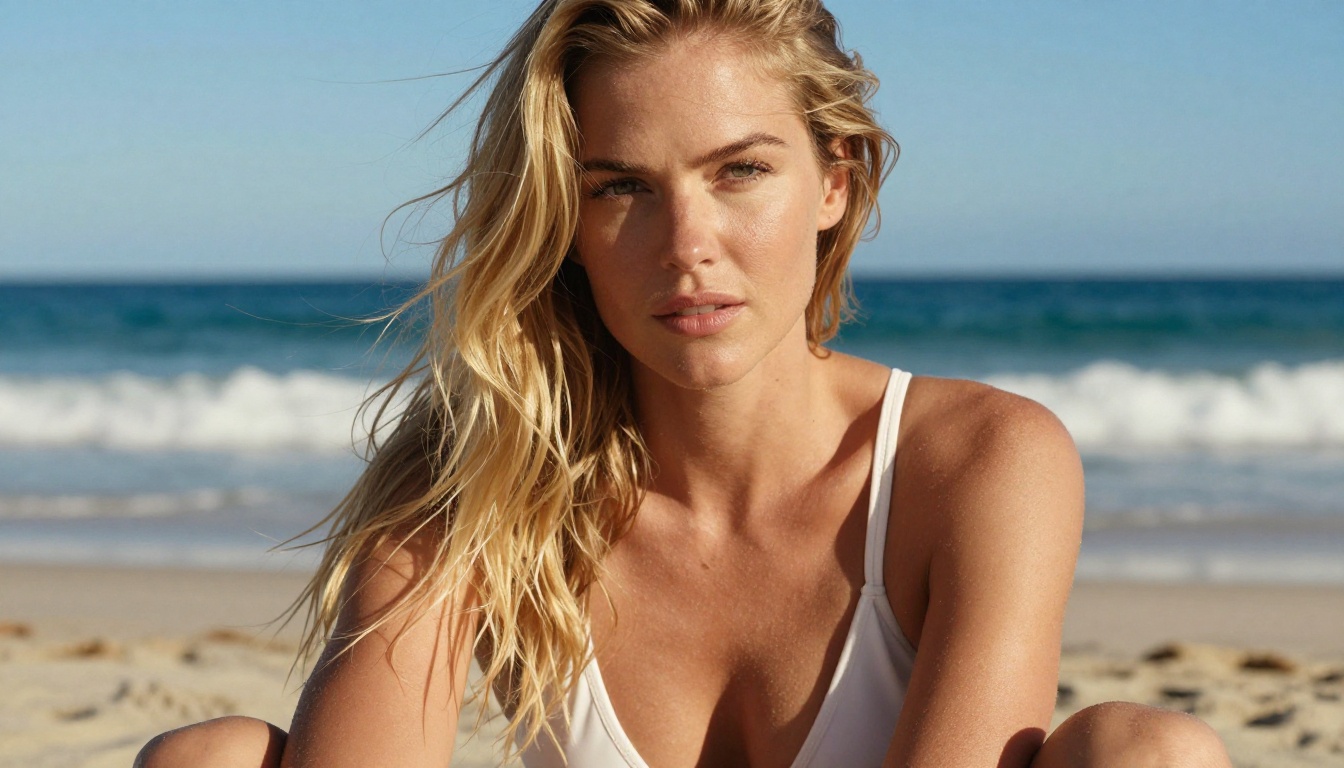
What Each Model Is Built For
Before comparing outputs, it's worth understanding what each model was designed to do, because that design intent shapes everything, including what content it will and won't generate.
Stable Diffusion: Open Weights, Open Doors
Stable Diffusion is an open-source model released by Stability AI. The base weights are publicly available, which means anyone can download, modify, fine-tune, or run it locally without censorship filters. This is the core reason it became the dominant choice for NSFW generation early on. No API middleman, no moderation layer, no terms of service rejecting your prompt.
The ecosystem built around it, including SDXL, Stable Diffusion 3.5 Large, and community fine-tunes like Realistic Vision v5.1, represents years of specialized community work aimed at photorealism, anatomy accuracy, and explicit content generation.
Flux: The New Photorealism Standard
Flux Dev and Flux Pro come from Black Forest Labs, a team that includes former Stable Diffusion researchers. The architecture is fundamentally different, using a flow-matching transformer that produces results with significantly better prompt adherence, skin texture realism, and anatomical accuracy than older diffusion approaches.
Flux 1.1 Pro and Flux 1.1 Pro Ultra push that further with higher resolution and finer detail. The newer Flux 2 Pro and Flux 2 Max represent another step forward in prompt accuracy and top-tier photorealism.
Midjourney: Beautiful But Controlled
Midjourney is not open source. It runs exclusively through Discord or its web interface, and its content policy strictly prohibits explicit NSFW content, even in private server settings for standard users. The platform is exceptional at producing stylized, aesthetically polished images, but for anything beyond tasteful glamour, it frequently soft-refuses prompts or produces clothed variations without warning.
Censorship: Who Actually Lets You Create
This is the biggest practical difference between the three.
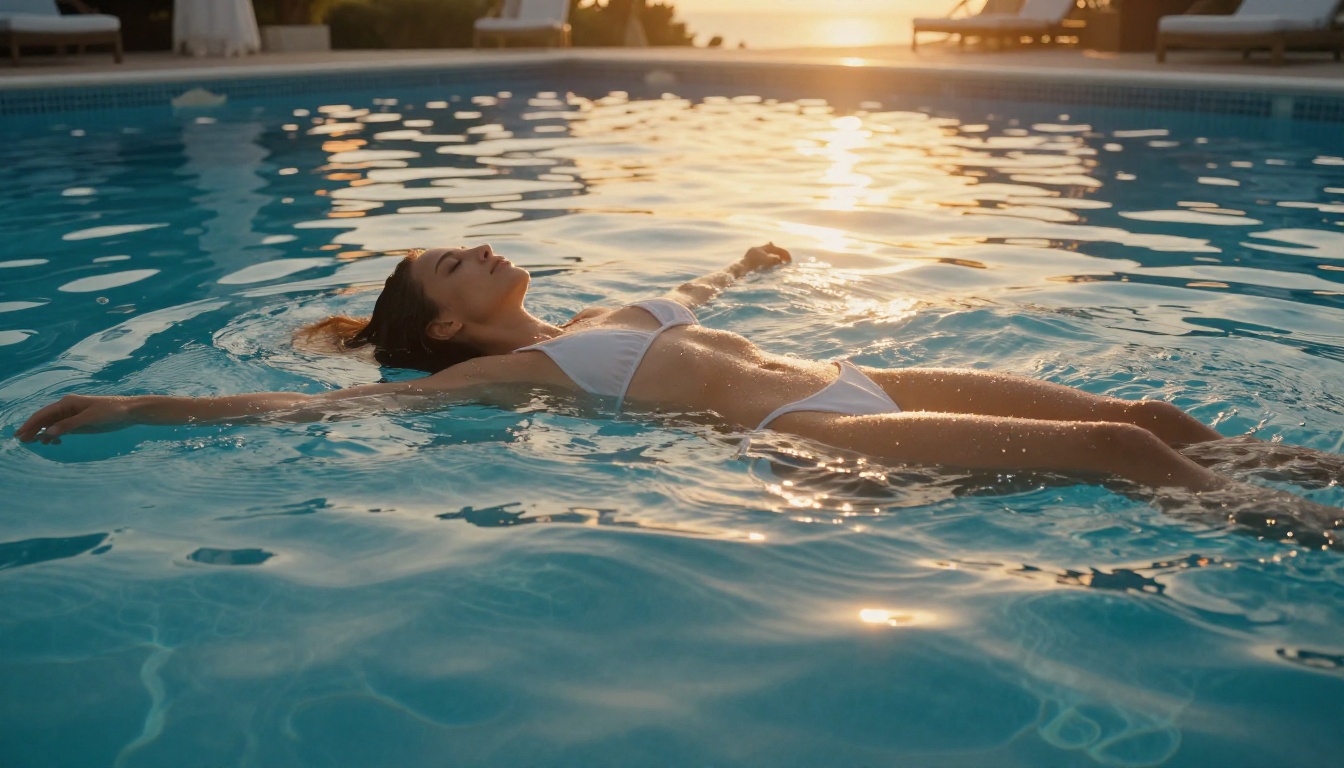
| Model | NSFW Allowed | Requires Local Run | API Restrictions |
|---|
| Stable Diffusion (base) | Yes | No (via platforms) | Depends on host |
| SDXL / SD 3.5 | Yes | No (via platforms) | Depends on host |
| Flux Dev / Flux Pro | Suggestive / Artistic | No (via platforms) | Moderate filtering |
| Flux 2 Pro / 2 Max | Suggestive / Artistic | No | Moderate filtering |
| Midjourney | No | N/A | Strict enforcement |
Stable Diffusion wins the censorship category by a wide margin. Because the weights are open, community fine-tuned versions remove all content filters. On platforms that host these models through a service layer, content policies apply, but the models themselves are capable of far more than Midjourney's closed system will ever allow.
Flux sits in the middle. The base Flux models, particularly Flux Schnell for fast results and Flux Dev for quality, have moderate filtering applied through API services. They handle suggestive and artistic content very well, including lingerie, swimwear, and glamour photography, without the creative frustrations that come with Midjourney's refusals.
Midjourney is the most restricted of the three. Even Midjourney Pro tier users cannot generate explicit content. The platform is designed for general creative use, and NSFW output is not part of its product direction.
💡 For artistic NSFW and glamour content, Flux models are the sweet spot between realism and reasonable content freedom. For fully uncensored work, local Stable Diffusion fine-tunes remain the standard.
Photo Realism for Skin and Bodies
This is where Flux pulls ahead of older Stable Diffusion versions in a clear and measurable way.
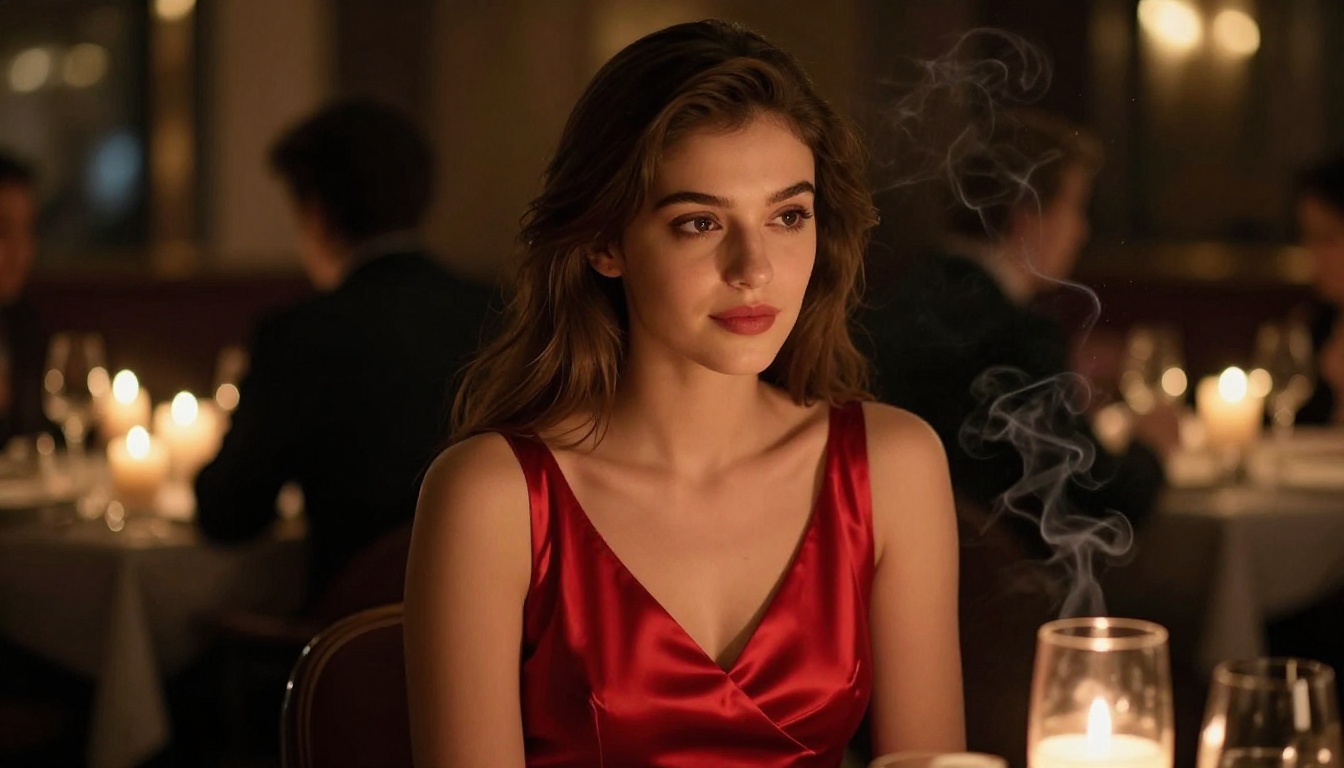
What Stable Diffusion Gets Right
Stable Diffusion 3.5 Large Turbo improved significantly over earlier SDXL versions. Skin tones are more natural, and the model handles complex lighting scenarios better than its predecessors. Community fine-tunes like Realistic Vision v5.1 were specifically built to address the "plastic skin" problem that plagued earlier versions.
But SD models still tend to struggle with:
- Hands and fingers (the classic AI tell)
- Consistent body proportions in full-body shots
- Very detailed facial features at high resolution without additional upscaling
- Complex multi-figure compositions
Where Flux Dominates
Flux's transformer architecture was designed to solve exactly these problems. The model has dramatically better spatial reasoning, which directly translates to better output for bodies:
- Accurate body proportions in full-body and three-quarter shots
- Natural skin texture with realistic subsurface light scattering
- Hands that actually look right most of the time
- Consistent facial features across different poses and angles
- Fabric and clothing physics rendered with real-world logic
Flux 1.1 Pro Ultra in particular produces images at resolutions where individual pores, fine hair strands, and fabric microdetail are clearly present. For NSFW glamour photography requiring that editorial-quality realism, no current model in the Stable Diffusion family matches it out of the box.
Midjourney's Aesthetic Reality
Midjourney's photorealism is real, but it carries a distinctive "Midjourney look": a slightly idealized aesthetic where skin appears polished and lighting feels cinematically produced. It's beautiful, but it's recognizable. For serious NSFW work where results need to pass for real photography, that aesthetic signature works against you.
Fine-Tuning and Custom Models
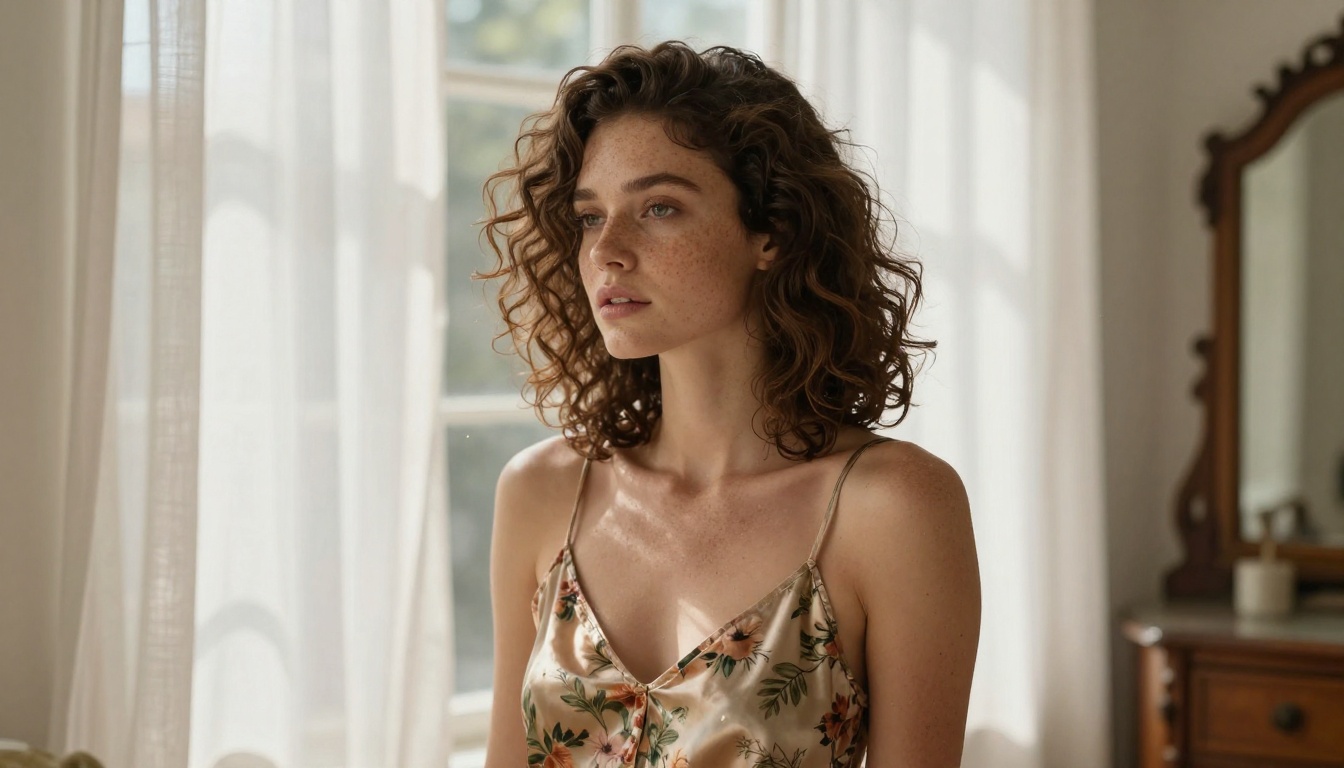
This is arguably where Stable Diffusion still holds its biggest advantage: the LoRA ecosystem.
LoRA (Low-Rank Adaptation) fine-tunes are small model modifications that push output toward a specific style, character, body type, or aesthetic. The Stable Diffusion community has produced thousands of LoRA models specifically for NSFW generation, trained on everything from specific art styles to photorealistic body types and skin tones.
SDXL Multi ControlNet LoRA brings this even further, allowing precise pose control through reference images combined with LoRA style application. This combination gives creators control over composition and appearance that no other current approach matches.
Flux is catching up fast. Flux Dev LoRA is available and the community is actively training LoRA fine-tunes targeting realistic body rendering and specific NSFW aesthetics. Because the base model is already dramatically more realistic than SD, even small LoRA adjustments produce impressive results.
Midjourney has no public fine-tuning capability. What you see from the base model is all you get. For creative projects requiring consistent characters, specific body aesthetics, or personalized artistic styles across multiple generations, this is a hard ceiling.
💡 Best workflow for character consistency: Start with Flux Dev LoRA for the base realism, then layer ControlNet guidance from SDXL Multi ControlNet LoRA when precise pose control matters.
Speed vs. Quality Tradeoffs
Speed matters when you're iterating on prompts or running batch creative sessions. Here's how the three compare in practical terms:
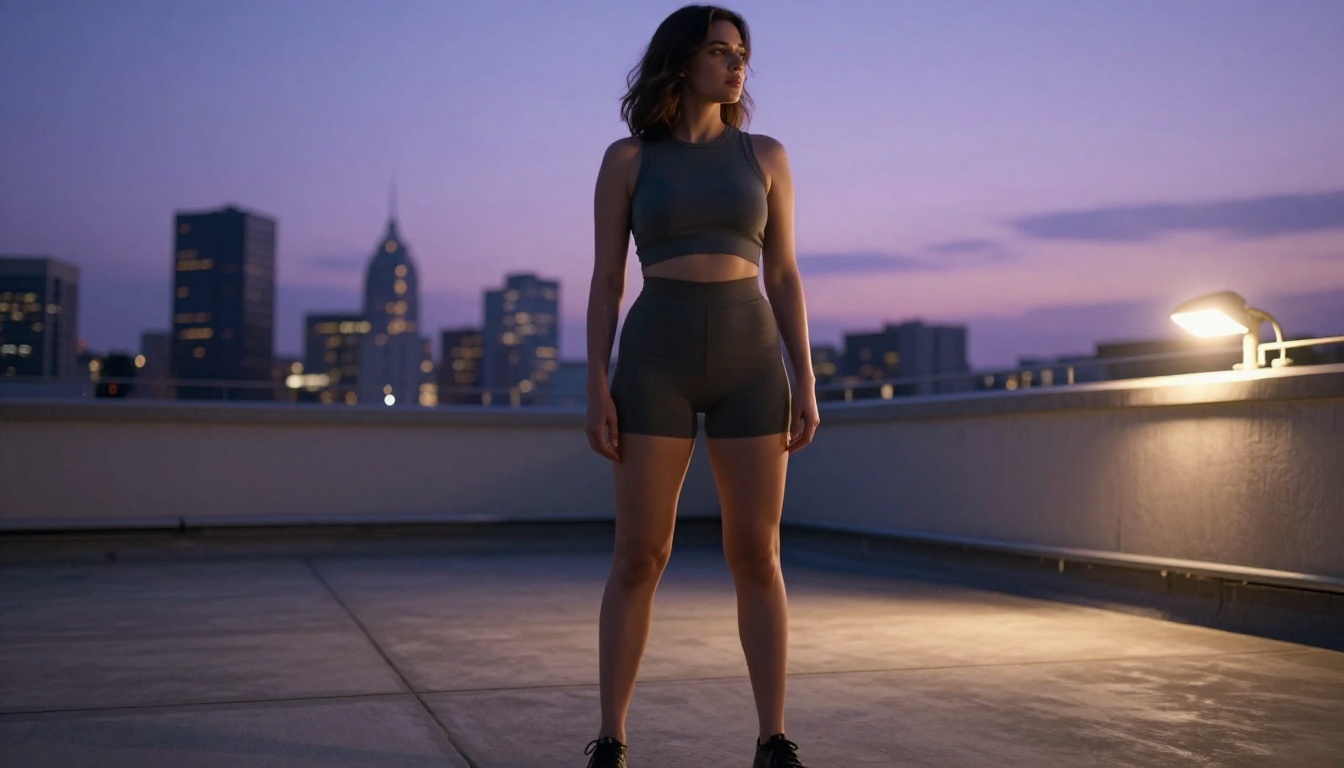
For NSFW projects where prompt iteration is heavy, Flux Schnell is the fastest way to test compositions and lighting setups before committing to a higher-quality run with Flux 1.1 Pro Ultra or Flux 2 Max.
Anatomy Accuracy: The Real Test
This is often where NSFW generation fails most visibly, producing hands with extra fingers, misaligned body parts, or unnaturally proportioned limbs that break the illusion completely.
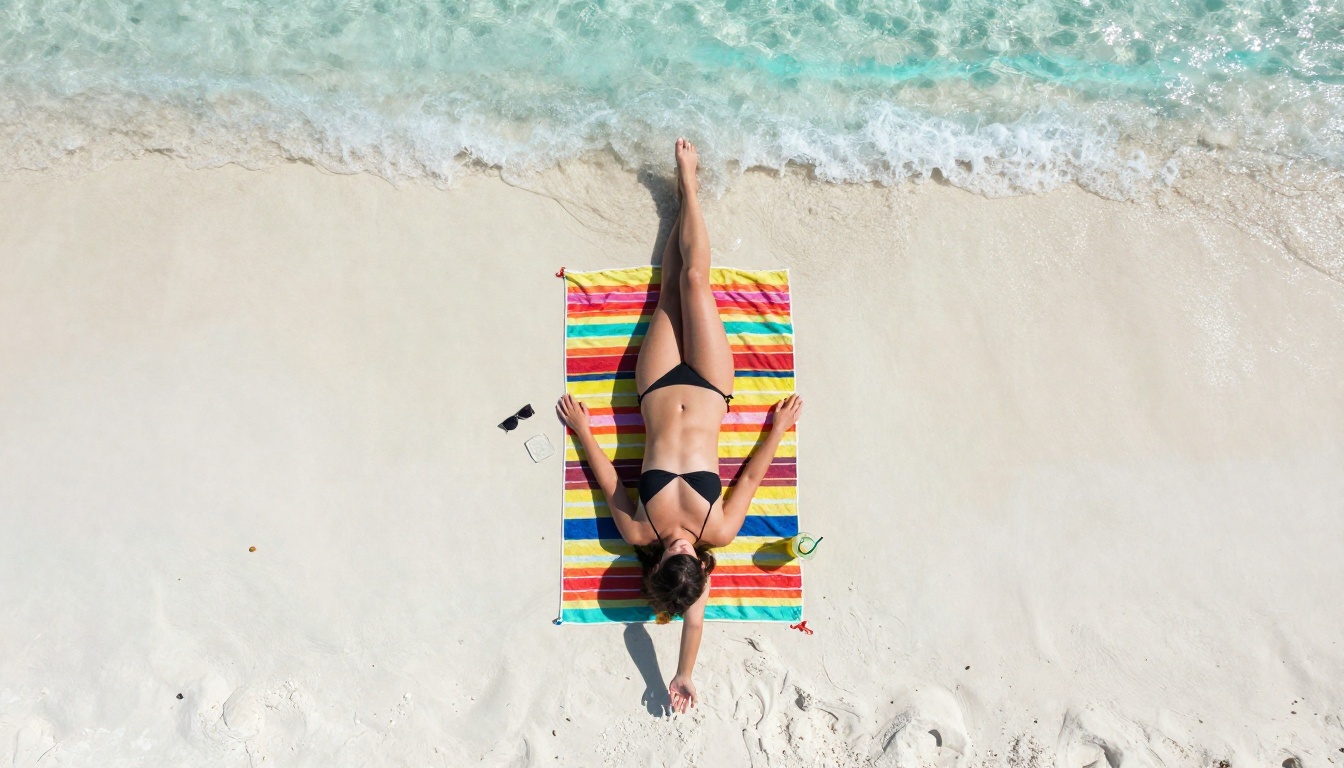
Flux vs. Stable Diffusion on Bodies
The architectural difference between diffusion models and Flux's flow-matching transformer shows most clearly in full-body shots. Flux's spatial attention mechanism maintains correct proportional relationships across the entire image, while standard diffusion models can lose coherence when generating bodies at a distance or from uncommon angles.
Flux wins on:
- Full-body proportions in wide and three-quarter shots
- Hands and feet rendered correctly
- Consistent facial geometry and symmetry
- Clothing fit and realistic fabric behavior
Stable Diffusion wins on:
- Ecosystem of specialized body-focused fine-tunes
- Community resources for fixing specific anatomical issues through LoRA
- Pose control via SDXL Multi ControlNet LoRA for precise positioning
For full-body NSFW content specifically, Flux 1.1 Pro produces consistently better anatomy out of the box than most SD checkpoints. But SDXL running with a well-trained anatomy LoRA can close the gap in specific scenarios where the LoRA was trained.
Midjourney's Anatomy Performance
Midjourney handles anatomy well for non-explicit content, largely because it steers results toward conventional poses and compositions. The moment prompts push into less conventional territory, the model's lack of fine-tuning capability and its built-in content steering become apparent.
Prompt Adherence for NSFW Descriptions
The frustration of getting outputs that ignore specific parts of your prompt is real, and it hits harder when the prompt contains specific clothing states, compositional requirements, or body details.
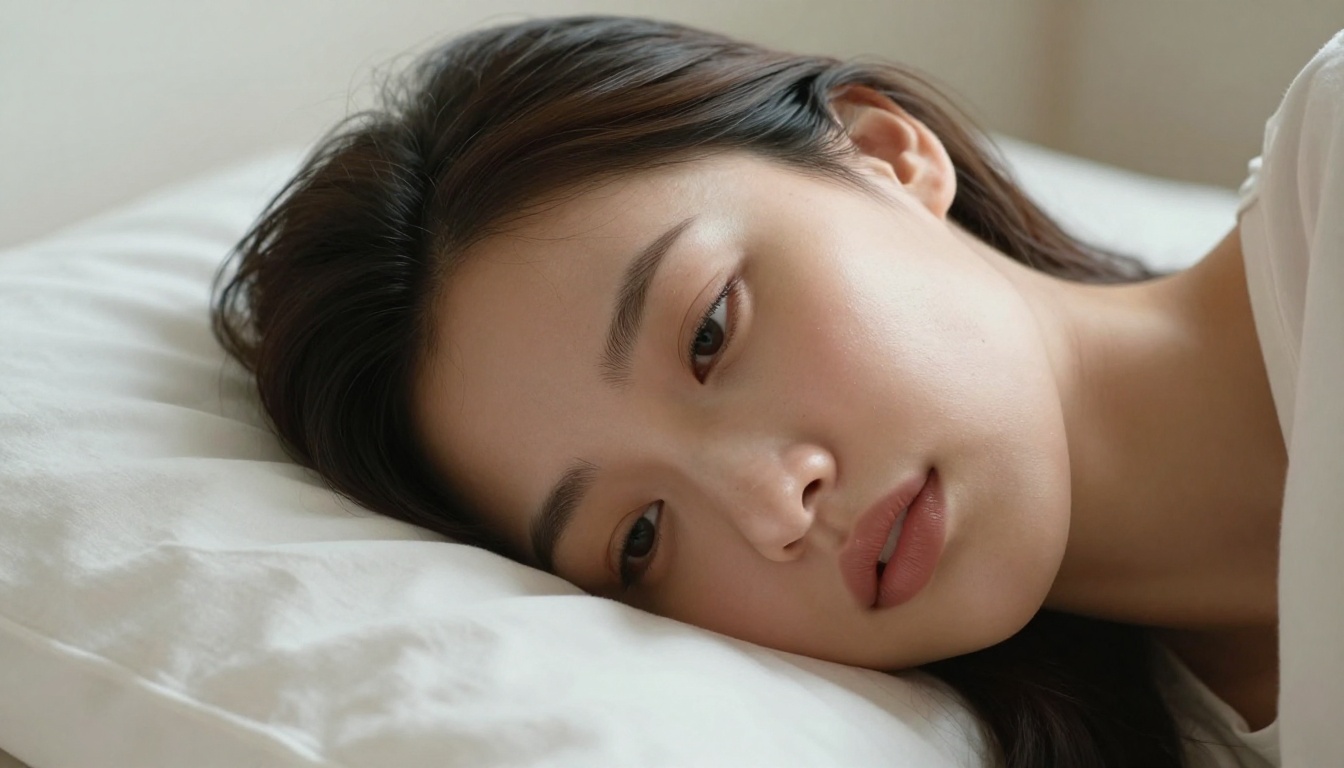
Flux has the best prompt adherence of the three. Black Forest Labs specifically optimized for this, and Flux 2 Pro and Flux 2 Max handle complex multi-element prompts more reliably than older SD architectures.
Stable Diffusion struggles with very long, complex prompts. The model has limited token weighting, and key details at the end of long prompts often get deprioritized or ignored entirely. This is why experienced SD users break prompts into components and rely heavily on negative prompting to exclude unwanted elements.
Midjourney has reasonable prompt adherence for style and composition, but for specific details in NSFW contexts, its built-in content filtering actively modifies what gets rendered regardless of what the prompt specifies.
How to Use Flux on PicassoIA for NSFW Content
PicassoIA hosts multiple Flux models that work well for suggestive and artistic NSFW content. Here's a practical approach for glamour and editorial NSFW generation:
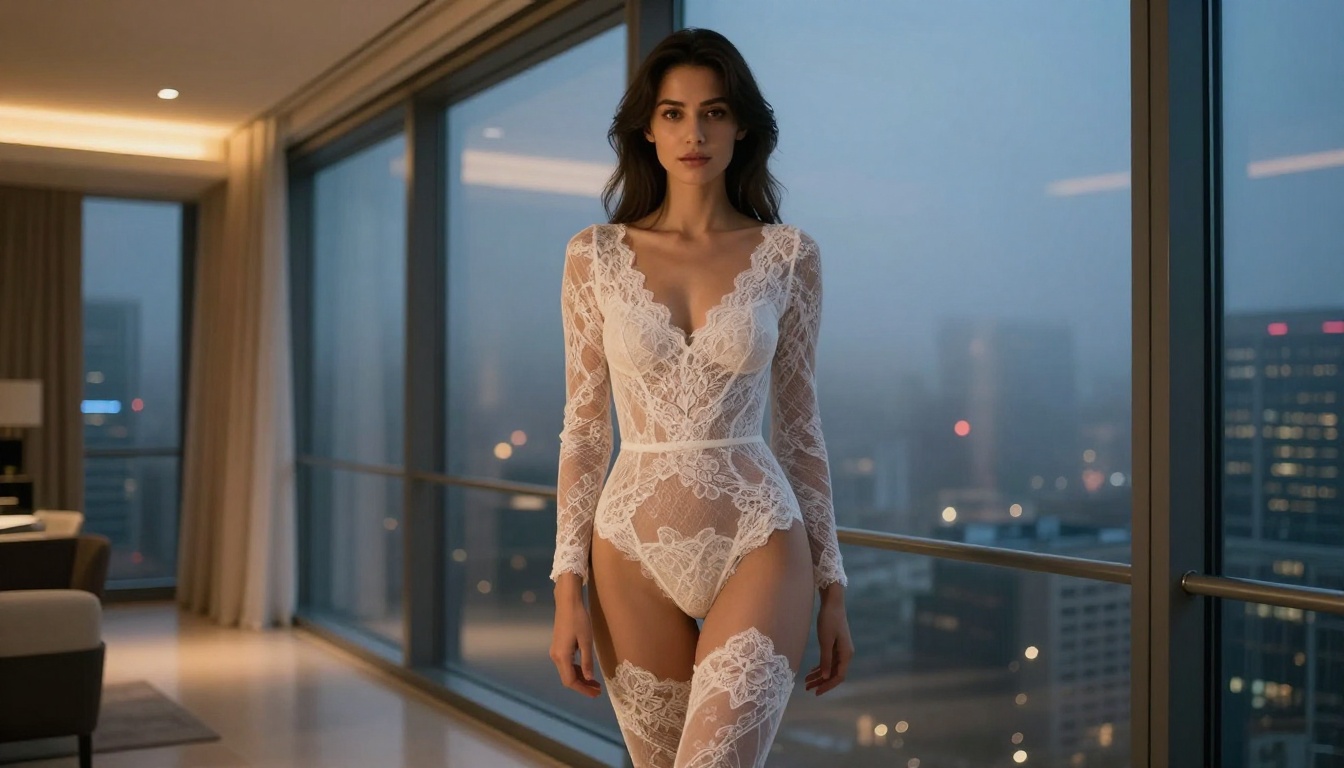
Step 1: Pick the Right Flux Model
Step 2: Write Photorealistic Prompts
Flux responds exceptionally well to photography-style prompting:
- Specify camera and lens: "Canon EOS R5, 85mm f/1.4"
- Specify lighting direction and source: "volumetric morning light from left, single octabox softbox"
- Specify film stock or color science: "Kodak Portra 400 tonality, film grain"
- Use physical texture descriptions for skin, hair, and fabric
Step 3: Iterate on Body Details
For full-body shots, break the prompt into three focused sections:
- Subject: face, hair, clothing state, body position
- Composition: camera angle, distance, framing
- Environment: setting, light source direction, atmosphere, color temperature
Step 4: Upscale Final Results
Use Super Resolution tools on PicassoIA to upscale your best outputs 2x or 4x. This brings out maximum skin detail, fabric texture, and facial feature sharpness that the base generation approximates.
💡 For Flux Dev LoRA, a LoRA weight between 0.7 and 0.9 tends to give the best balance between the fine-tune's character and Flux's natural photorealism. Pushing to 1.0 can over-apply the LoRA and reduce realism noticeably.
Which One Should You Pick
The answer depends entirely on what you actually need from the model.
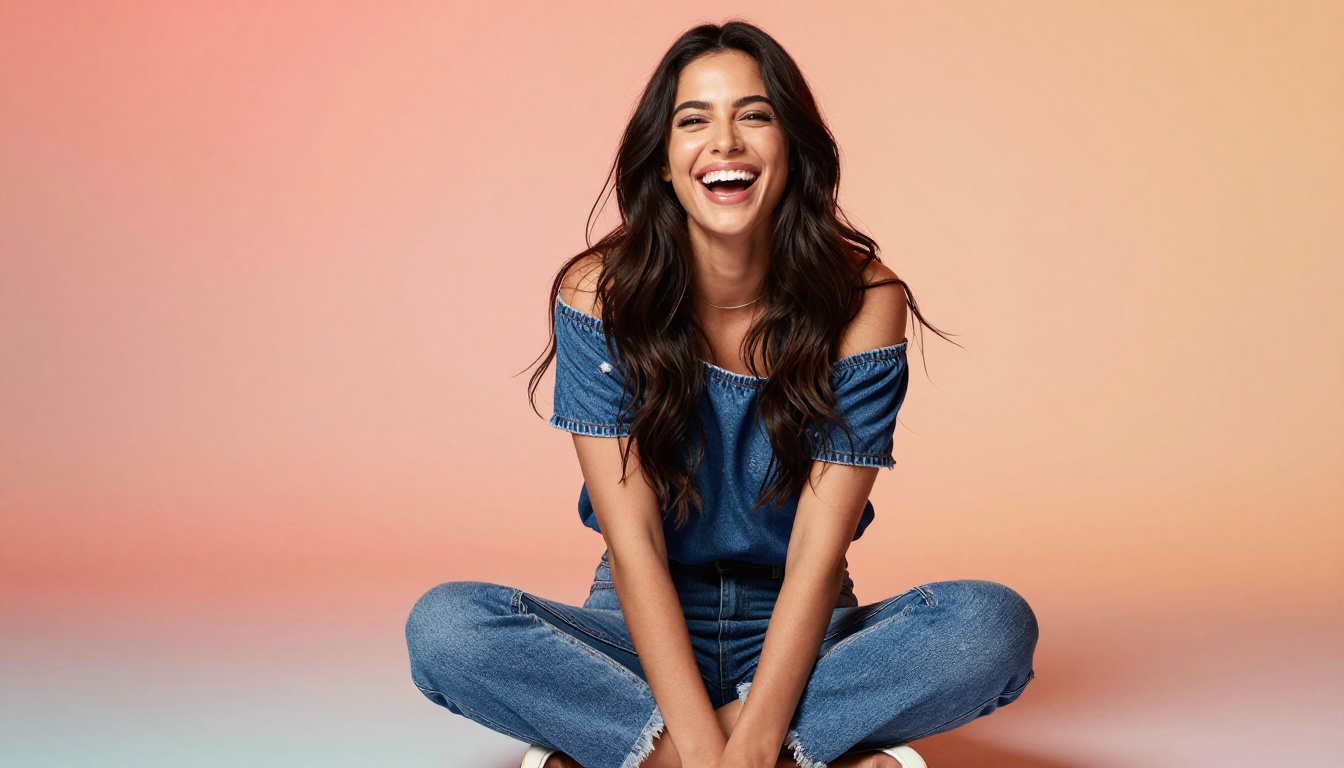
Choose Flux if:
- You want the best photorealism without local GPU infrastructure
- Anatomy accuracy and prompt adherence matter more than total content freedom
- You're creating glamour, artistic, or suggestive content professionally
- You want to iterate fast with Flux Schnell and finish with Flux 2 Max
Choose Stable Diffusion if:
- You need total content freedom with no filtering
- You rely on the LoRA ecosystem for character consistency or specific aesthetics
- You're working with SDXL Multi ControlNet LoRA for pose-controlled generation
- Community fine-tunes like Realistic Vision v5.1 fit your style
Skip Midjourney if:
- NSFW content is your primary creative goal. Midjourney will frustrate you consistently.
- You need fine-tuning or character consistency across multiple generations.
- You want flexibility to push creative limits as your work evolves.
The gap between Flux and older Stable Diffusion architectures in raw photorealism is real and it's growing with each new model release. But Stable Diffusion's open ecosystem, particularly for fine-tuning and content freedom, keeps it relevant for creators who need that level of control.
If you want to start generating without any local setup, PicassoIA gives you direct access to Flux Schnell, Flux Dev, Flux 1.1 Pro, Flux 2 Pro, Stable Diffusion 3.5 Large, SDXL, and dozens of other models, all from a single interface. Run side-by-side prompt tests, switch between models with one click, and find what actually works for your creative style.


