The creative freedom that AI image generators offer has completely reshaped how artists, photographers, and creators produce visual content. In 2027, the gap between filtered and unrestricted AI art tools has never been wider, and knowing which platforms actually deliver on their promise of no-restriction generation can save you hours of frustration. Whether you're creating glamour photography, artistic boudoir shots, or NSFW content for adult platforms, the right AI model changes everything.
What "No Restrictions" Actually Means
There's a lot of noise around the term "uncensored AI art generator with no restrictions in 2026," and not all tools that claim to be unrestricted actually deliver. When we talk about no-restriction generation, we mean something specific:
- No automatic prompt refusals for suggestive, sensual, or adult content
- No blurring or cropping of generated outputs
- No watermarking that signals content was flagged or moderated
- Full prompt fidelity, meaning the model renders what you actually describe
Most mainstream tools, including some popular consumer apps, run NSFW filters that silently alter your prompt or refuse generation without explanation. The models available on dedicated platforms are a different category entirely.
Filtered vs. Unrestricted: The Real Difference
| Feature | Filtered Generator | Unrestricted Generator |
|---|
| Bikini/lingerie content | Often blocked | Fully supported |
| Artistic nude | Blocked or degraded | High fidelity output |
| Suggestive poses | Partially allowed | Fully supported |
| Explicit adult content | Blocked | Platform-dependent |
| Prompt fidelity | ~60% | 90-100% |
💡 Even "uncensored" platforms differ in how far they go. Most quality platforms support artistic and glamour content without issues. Explicit adult content depends on the specific platform's terms of service.
The Best Models for Unrestricted Art
Not every model handles NSFW prompts with the same quality. Anatomy, skin rendering, lighting, and fabric textures all demand specific training data and architecture choices. Here are the models that consistently produce the best results.
Flux 1.1 Pro Ultra
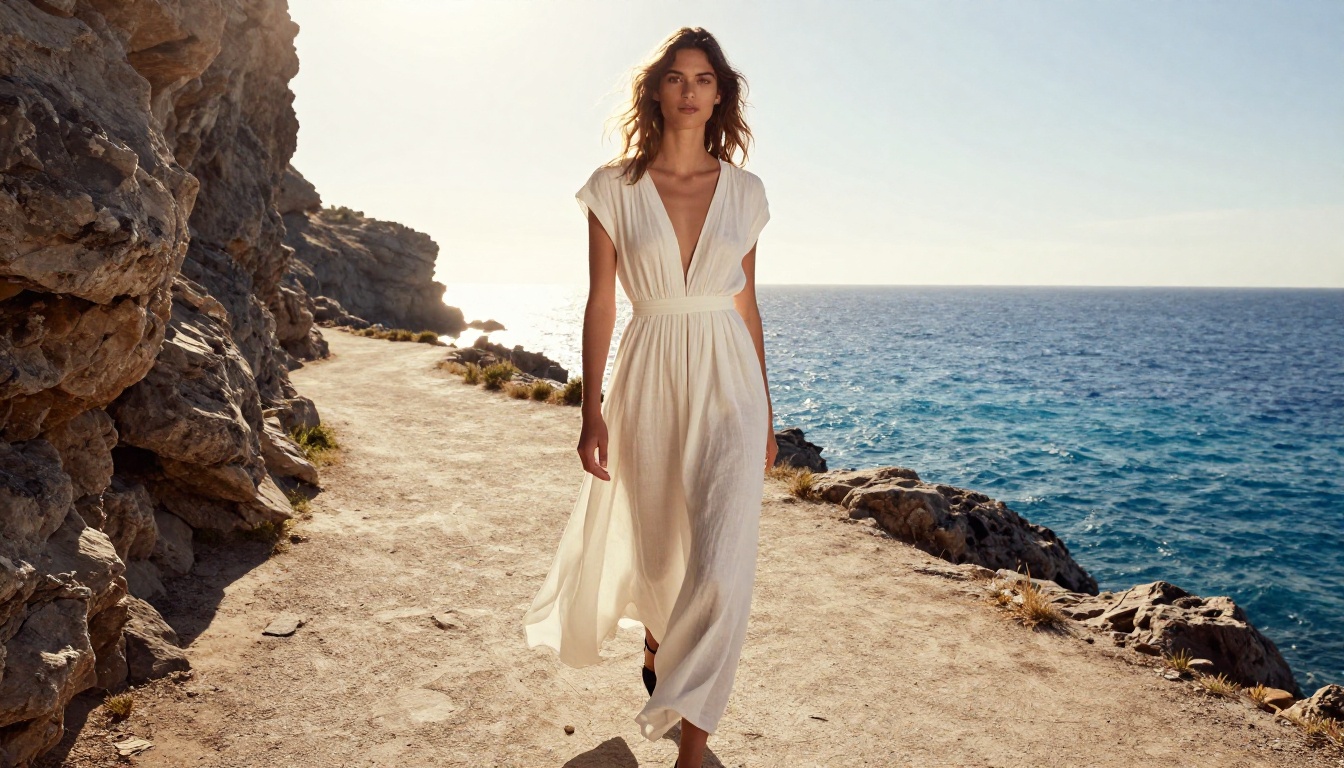
Flux 1.1 Pro Ultra by Black Forest Labs is the gold standard for photorealistic human subjects in 2027. The model's ability to render skin texture, hair, and fabric at near-photograph quality makes it the first choice for glamour and boudoir content. At 16:9 ratios with the --style raw flag, outputs look indistinguishable from professional photography.
Strengths:
- Exceptional skin texture and natural lighting
- Accurate anatomy and proportions
- Handles complex fabric textures (silk, lace, sheer materials)
- Strong prompt adherence even with highly detailed descriptions
Flux 2 Pro
Flux 2 Pro takes realism a step further with improved understanding of spatial context and scene composition. It's particularly strong when your prompt involves complex environments, like a woman in a hotel suite or standing near a window with natural light. The model's scene understanding means less post-generation correction needed.
Stable Diffusion 3.5 Large
Stable Diffusion 3.5 Large remains a reliable workhorse for artistic NSFW content. It's more stylistic than Flux, which makes it excellent for boudoir or glamour shots where you want a slightly more painterly, editorial look rather than straight photography replication.
Realistic Vision v5.1
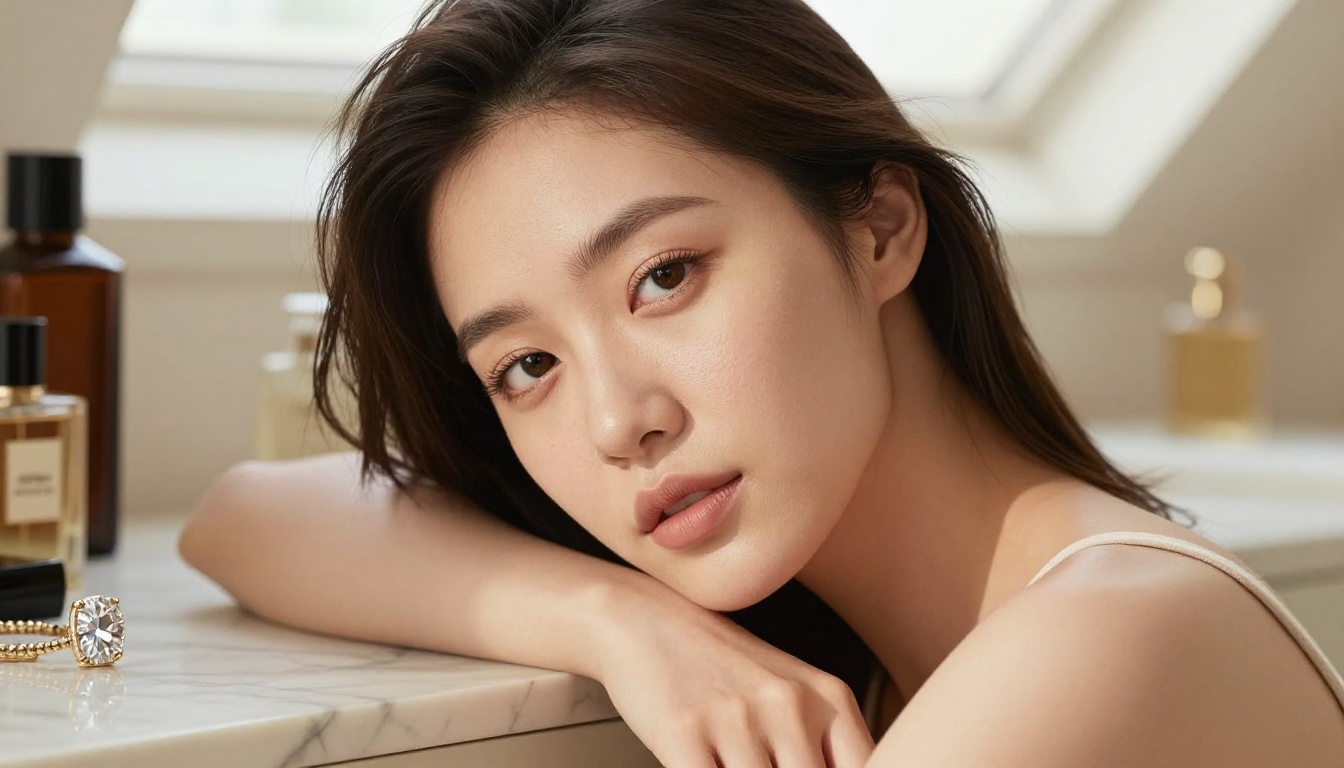
Realistic Vision v5.1 was purpose-built for photorealistic human generation. The model excels at portraits and close-up beauty shots, producing natural skin tones, accurate eye detail, and believable hair rendering. If your primary output is face and portrait work, this model outperforms larger, more general models.
RealVisXL v3.0 Turbo
RealVisXL v3.0 Turbo brings speed to the equation without sacrificing too much quality. For creators who need high output volume or rapid iteration on prompts, this model generates in seconds while maintaining the photorealistic standards needed for glamour content.
How to Use Flux 1.1 Pro Ultra on PicassoIA
Since Flux 1.1 Pro Ultra is the most capable model for unrestricted photorealistic art, here's a step-by-step breakdown of how to get the best results on PicassoIA.
Step 1: Write a Layered Prompt
The structure that consistently works best follows this order:
- Subject description: Who is in the image, their appearance, pose
- Environment: Where the scene takes place, architectural or natural details
- Lighting: Direction, color temperature, quality (hard vs. soft)
- Camera details: Lens focal length, aperture, perspective angle
- Texture and mood: Fabric quality, skin quality, atmosphere
- Style modifiers:
photorealistic, 8K, Kodak Portra 400, --style raw
Step 2: Set the Aspect Ratio to 16:9
For glamour and fashion content, 16:9 gives you the horizontal space to include environmental context while keeping the subject prominent. Avoid 1:1 ratios for full-body or environmental shots where you need room to breathe.
Step 3: Use Specific Lighting Terms
Vague lighting instructions produce flat results. Use precise, photography-informed terms:
volumetric morning light from the leftgolden hour backlight creating hair haloRembrandt lighting with shadow triangle on cheeksoft diffuse window light, overcast skysingle-point tungsten lamp, warm amber tones
Step 4: Add Camera Lens Specifications
Adding lens data tells the model what kind of depth-of-field and perspective compression you want:
| Lens | Effect | Best For |
|---|
| 35mm f/2 | Natural perspective, environmental context | Full-body location shots |
| 50mm f/1.4 | Classic, slightly compressed | Studio-style portraits |
| 85mm f/1.4 | Flattering compression, very shallow DoF | Close portrait work |
| 135mm f/2 | Strong background separation | Beauty and detail close-ups |
Step 5: Iterate Systematically
If a generation misses an element of your prompt, isolate the variable. Change one thing at a time. Most failures come from overloaded prompts with conflicting instructions. Keep the prompt focused on one subject, one environment, one lighting mood.
What You Can Actually Create in 2027
The range of content that unrestricted AI models now produce with photorealistic quality is broader than most people realize. Here's a breakdown by content type and which models serve each best.
Glamour Photography
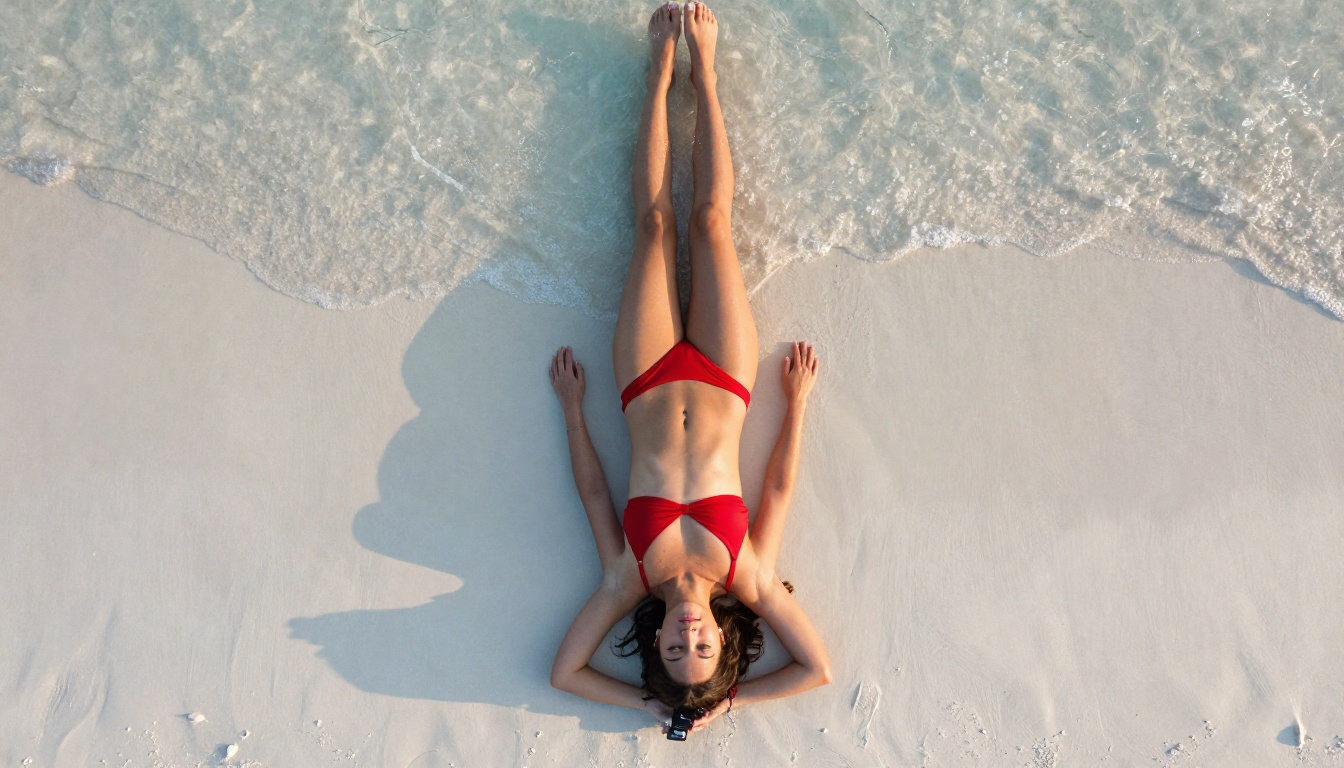
Classic glamour content, including bikini photography, lingerie shoots, and implied nudity, is where models like Flux 1.1 Pro Ultra and Flux 2 Pro shine. The skin rendering is so accurate that outputs match or exceed professional reference photography for most commercial use cases.
Boudoir and Artistic Nude
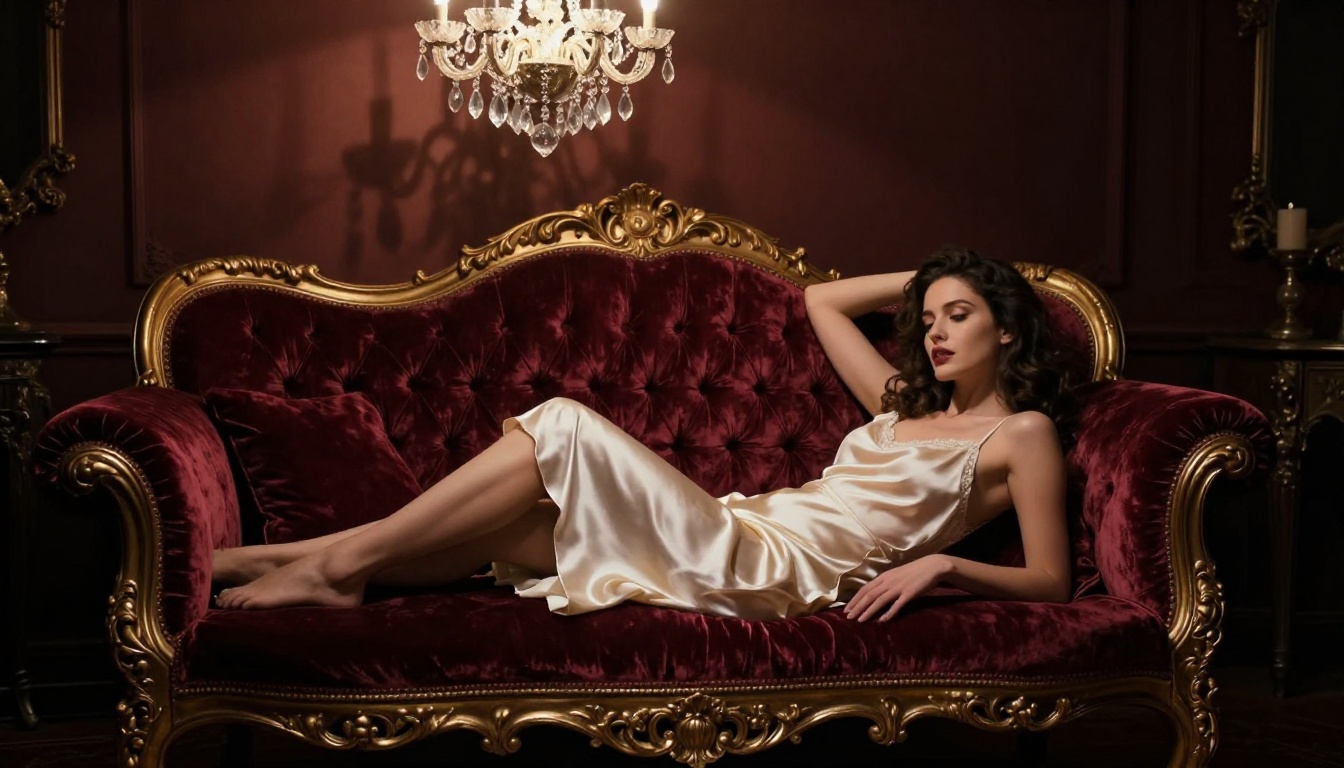
For boudoir content, what matters most is lighting specificity and environment detail. Models like Stable Diffusion 3.5 Large and SDXL handle this category well when given enough context about the scene. The chaise lounge, soft lamp light, and velvet textures in a classic boudoir prompt render with remarkable accuracy when properly described.
Fashion and Editorial
High-fashion editorial content, including avant-garde styling, sheer fabrics, and body-confident posing, benefits from models with strong scene composition. Flux 2 Max is particularly strong here, with accurate fabric rendering and coherent environmental context across complex scenes.
Portrait and Beauty
Close-up beauty work, where skin texture, eye detail, and hair are the primary subjects, is where Realistic Vision v5.1 excels. Paired with a macro or portrait lens specification in the prompt, this model produces outputs that work directly as reference images for photographers and creative directors.
Why Most Platforms Fail at NSFW Content
Knowing why most tools disappoint helps you pick the right platform from the start. The failures fall into three distinct categories.
The Silent Filter Problem
Many platforms run NSFW classifiers after generation and either refuse to display results or automatically blur content. The model might generate the image, but you never see it. This creates an illusion of capability that doesn't exist in practice, and there's no feedback telling you why the output was blocked.
The Prompt Rewriting Problem
Some platforms rewrite your prompt before sending it to the model. A prompt that includes "lingerie" might get silently changed to "clothing" or the suggestive elements simply removed. The result looks nothing like your intent, and you have no way to know the prompt was changed at the processing layer.
The Model Mismatch Problem
Some platforms claim unrestricted generation but use models trained on filtered datasets. Even with no runtime restrictions, these models have never encountered the kind of content you're prompting for, so outputs are anatomically wrong or stylistically incoherent.
💡 Use platforms that are transparent about which models they run, allow direct prompt input without rewriting, and operate in environments where adult content is explicitly supported by the platform's structure.
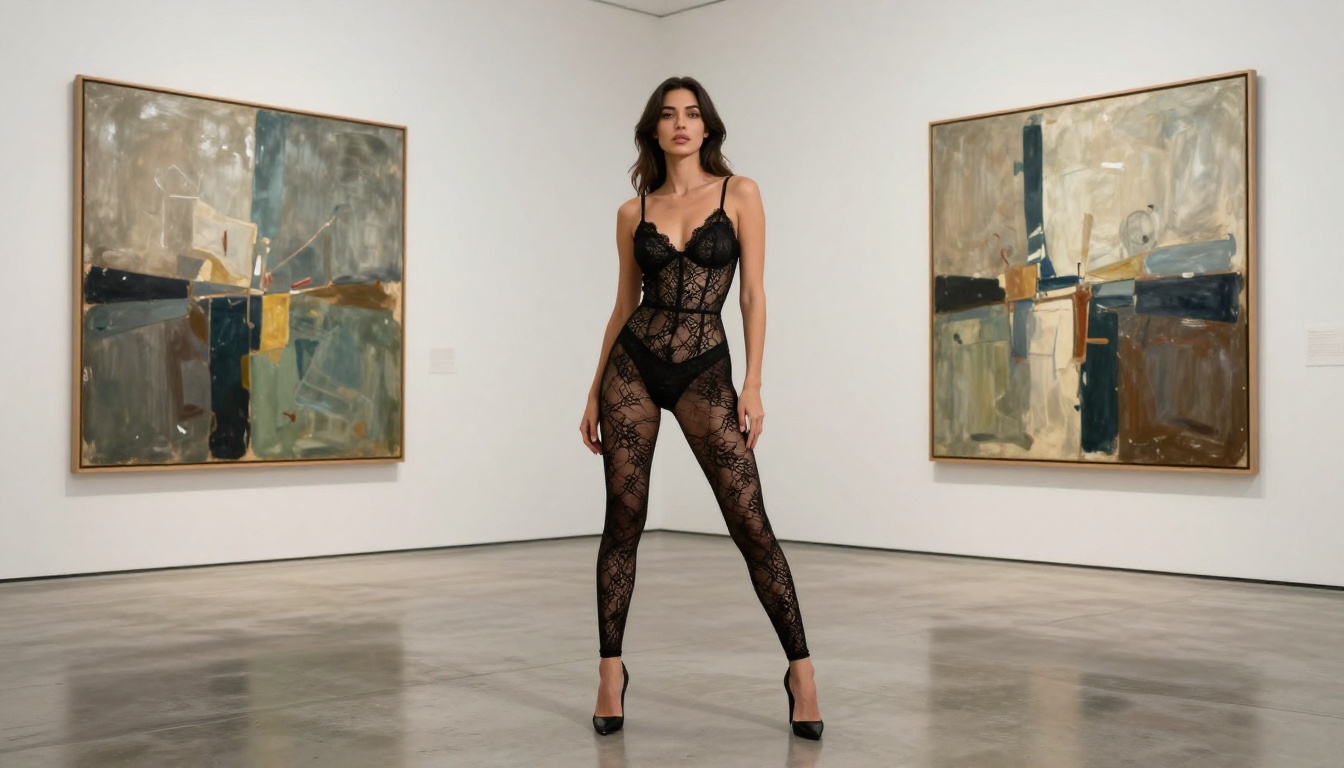
Photorealistic vs. Artistic: Choosing Your Style
The choice between photorealistic and stylized outputs isn't just aesthetic. It affects which models you use, how you write prompts, and what the final image will work for.
When Photorealism Wins
Photorealism is the right call for:
- Content intended as photography reference or commercial mock-ups
- Glamour or beauty content where skin texture and anatomical accuracy matter
- Commercial use cases where outputs need to pass as real photography
- Any prompt involving specific lighting conditions and real-world environments
Best models: Flux 1.1 Pro Ultra, Flux 2 Pro, RealVisXL v3.0 Turbo, Realistic Vision v5.1
When Stylized Art Works Better
Stylized outputs make sense for:
- Fine art or gallery-intended pieces where painterly quality adds value
- Concept art, mood boards, or pre-production references
- Cases where artistic interpretation is part of the brief
- Album covers, book covers, editorial illustrations
Best models: Stable Diffusion 3.5 Large, SDXL, Flux Dev
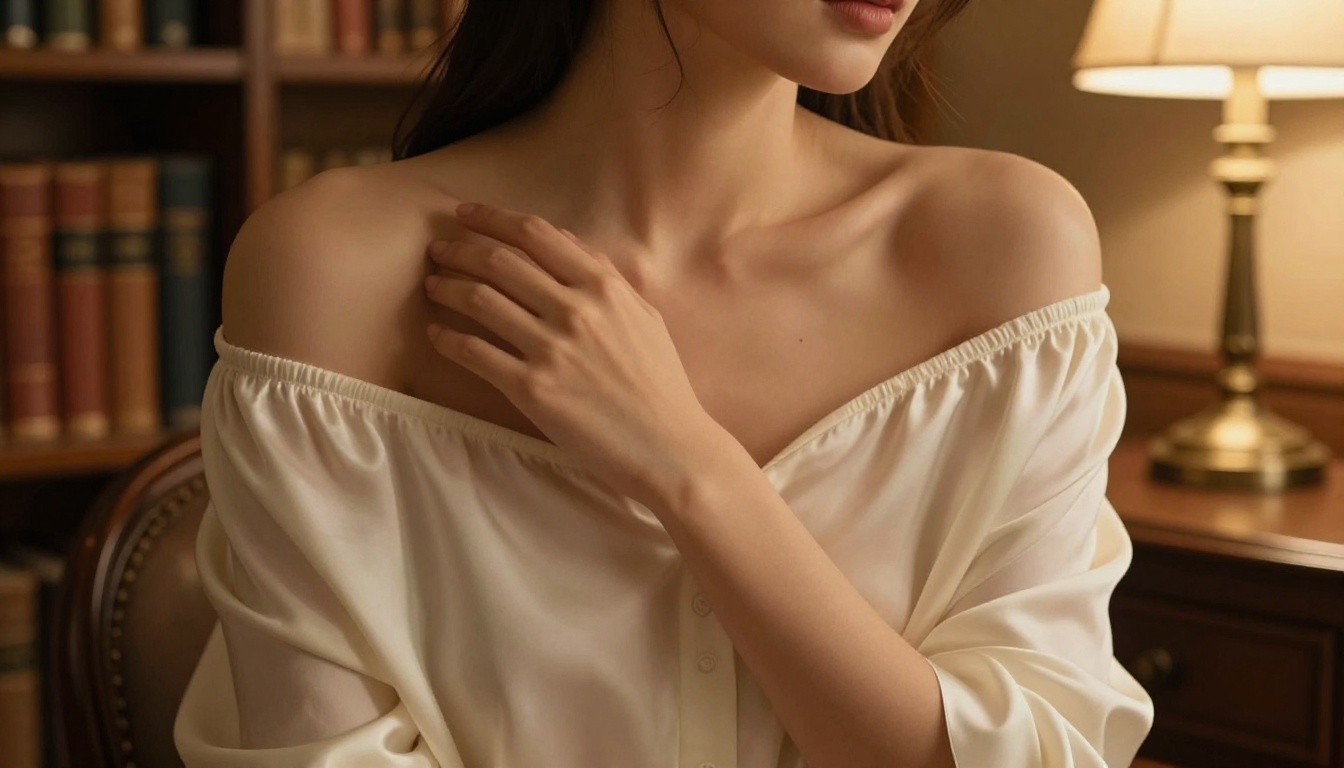
Prompt Mistakes That Kill Your Results
Even with the best models, bad prompts produce bad outputs. These are the most common errors and how to correct them.
Too Many Subjects
A prompt describing multiple people with different characteristics confuses the model. Start with one subject, one environment, one lighting condition. Add complexity only after you have a solid single-subject baseline.
Conflicting Style Tags
Adding photorealistic and digital art in the same prompt creates stylistic conflict. Pick one direction and commit to it throughout the entire prompt.
Vague Anatomy Instructions
"Beautiful woman" without physical description leaves too much open to interpretation. Describe hair color, skin tone, approximate age, and posture for consistent, repeatable results across generations.
Ignoring Background Context
Floating subjects with undefined backgrounds produce uncanny, ungrounded results. Always describe the environment, even briefly. "Marble floor," "white seamless backdrop," and "sun-lit studio with large windows" all give the model something to anchor the subject in.
Treating Negative Prompts as a Shortcut
Negative prompts have diminishing returns. A list of 30 negative terms often confuses models more than it helps. Write a clear positive prompt first. Only add negative prompts for specific recurring problems.
💡 Write your prompt as if giving instructions to a professional photographer. "Woman in a white linen dress standing near an open window, afternoon light from the left, 85mm lens, Kodak Portra 400" consistently outperforms "beautiful photorealistic woman no blurry no bad anatomy no distortion."
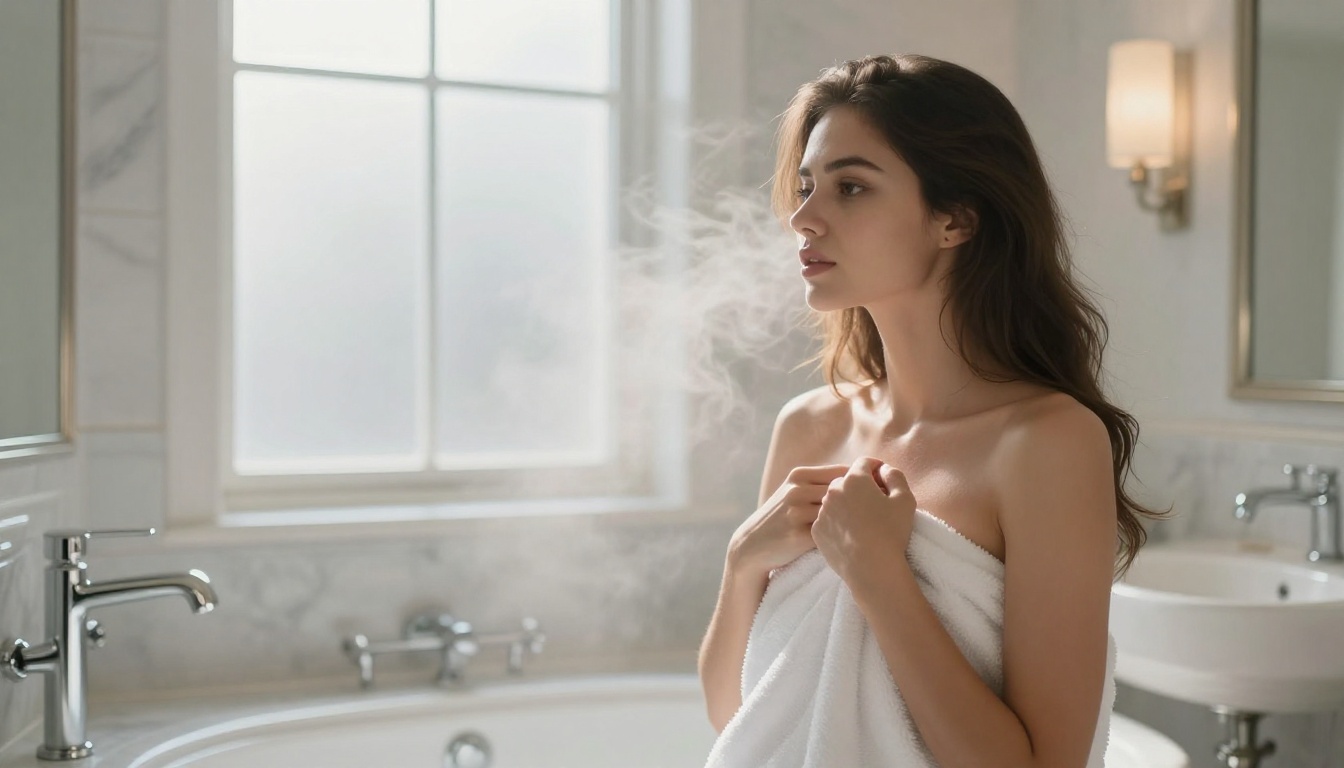
3 Workflows for High-Volume Output
If you're creating content at scale, single-generation workflows won't cut it. Here are three production approaches that serious creators use.
Workflow 1: Seed Locking for Consistency
Generate an image you like, note the seed number, then vary one element at a time (pose, lighting, outfit) while keeping the seed fixed. This maintains subject consistency across a series without requiring face-swap tools or additional model steps.
Workflow 2: The Reference Ladder
Start with a wide environmental shot using Flux 2 Pro. Then use Flux Kontext Pro to progressively reframe on the subject, creating a sequence from full-body to close portrait. Each generation references the previous, maintaining visual coherence across a shoot-style series.
Workflow 3: Draft Fast, Upscale Later
Generate at standard resolution using Flux Schnell for rapid iteration, then run your best outputs through a super-resolution model to bring them to 4K print quality. This dramatically speeds up creative direction while preserving final output quality for delivery.
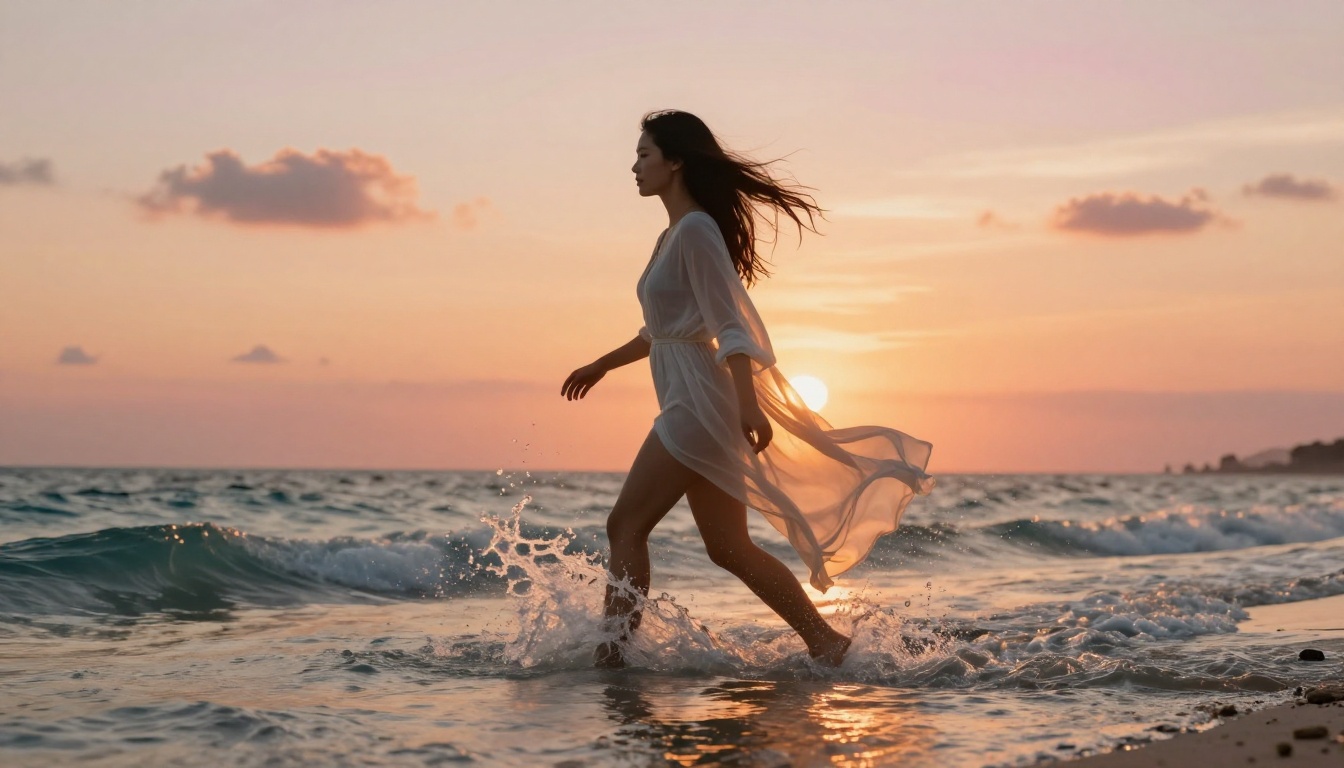
Model Comparison at a Glance
Start Creating Your Own AI Art Now
The best way to find your preferred model for unrestricted AI art is to run the same prompt through two or three options and compare outputs directly. What works for close-up beauty work may not translate to full-environment glamour shots, and vice versa. Model selection is part of the creative process, not a one-time decision.
All of the models covered in this article are available on PicassoIA, with direct access and no hidden prompt filters. Start with Flux 1.1 Pro Ultra for your first few generations to set a quality baseline, then experiment with Realistic Vision v5.1 for portrait work and Stable Diffusion 3.5 Large when you want a more editorial, artistic tone.
Every model responds differently to the same prompt. The creators who produce the best NSFW AI art in 2027 are the ones who treat prompting as a craft. Build a prompt library, iterate systematically, and use seed locking to maintain consistency across series. The difference between an average output and a stunning one is usually in the lighting description and the lens specification, not in picking a different model entirely.
PicassoIA gives you direct, unrestricted access to over 90 text-to-image models in one place. No account juggling, no hidden filters, no surprises when you generate. Pick your model, write your prompt, and create exactly what you have in mind.


