Most people jump into NSFW AI generators without reading a single line of the platform's policies. That's usually fine, until it isn't. Whether you've heard about these tools from a friend, stumbled across them online, or you're a digital artist looking to push creative boundaries, there are a handful of things worth knowing before you generate your first image. Not as a warning, but as practical information that will save you time, protect your privacy, and keep your account from getting banned on day one.
Age Restrictions Are Not Suggestions
Every legitimate NSFW AI platform enforces age restrictions. This is not a technicality. Most platforms operating in the US, EU, or UK are legally required to verify that users accessing adult content are 18 or older. This means you will often be asked to confirm your age during signup, and some platforms go further with ID verification or credit card checks.
Why platforms check your age
Beyond legal compliance, age verification protects the platform from liability and protects users from exposure to content they didn't consent to. Platforms that skip this step often operate in regulatory grey zones, which comes with its own set of risks for users including data security issues and sudden shutdowns.
What happens when you bypass it
Creating a fake account to access adult AI content as a minor is a terms of service violation that can result in a permanent ban. On more regulated platforms, it can trigger reporting obligations. The risk is not worth it. If a platform does not ask for any age verification at all, treat that as a red flag about how seriously they take user safety in general.
Your Data and How It Gets Used
Privacy is probably the thing most first-time users think about least, and it matters more than almost anything else on this list. When you use an AI image generator, you're often sending your prompts to a server where they are processed, sometimes logged, and occasionally reviewed.
What platforms actually store
Most platforms log your prompts for moderation purposes. Some keep them permanently. Others delete them after 30 days. A few give you no information at all about their retention policy, which should make you cautious. Before you generate anything that references private scenarios or real people, read the privacy policy. Specifically look for:
- How long prompts are retained
- Whether outputs are stored server-side
- If your content is used to train future models
- Who can access your generation history
Protecting yourself practically
Use a dedicated email address for adult AI platforms rather than your primary one. Avoid generating content that contains personally identifiable details. If you're using a shared device, always log out completely. Many platforms also offer the option to delete your generation history from your account settings, and it's worth using that feature regularly.
"NSFW" is not a single category. One platform's definition of acceptable adult content is another's ban-worthy content. Before you spend money on a subscription, spend ten minutes reading what the platform actually allows.
The spectrum from suggestive to explicit
Most AI platforms fall into one of three categories:
| Category | What's Allowed | Example Use Case |
|---|
| SFW Only | Nothing suggestive | General creative tools |
| Adult-Friendly | Suggestive, bikinis, implied nudity | Glamour, artistic photography |
| Explicit | Full nudity and more | Dedicated adult platforms |
Knowing where a platform falls before you start prevents the frustrating experience of crafting a detailed prompt only to have it rejected or your account flagged.
Reading the terms before you start
The relevant sections to look for are usually titled "Acceptable Use Policy" or "Content Policy." Search specifically for words like "nudity," "adult," and "explicit" to see how the platform defines these terms. Some platforms allow artistic nudity but prohibit anything they classify as pornographic. Others prohibit any depiction of implied sexual activity even when fully clothed figures are involved.
Tip: When in doubt, start with a less explicit prompt and see what the platform accepts. Testing the boundaries gradually is smarter than submitting your most detailed prompt on day one.
Picking the Right Model Matters
Not all text-to-image AI models are created equal, especially for adult content. The model you choose directly affects the quality, realism, and style of what you generate.
Photorealistic vs. stylized outputs
If you're aiming for photorealistic results, you need a model trained on high-quality photography data. p-image-lora is built specifically for detailed, realistic image generation with LoRA customization, which means you can fine-tune the output toward specific styles, aesthetics, and character details. For more polished high-resolution outputs, Recraft V4 Pro delivers strong results with distinctive visual quality.
Which models handle complex prompts best
Some models respond better to detailed prompts. Others produce better results with shorter, more direct instructions. Qwen Image 2 Pro and Grok Imagine Image are both strong at interpreting complex, nuanced prompts with multiple descriptive layers, which is valuable when you're trying to generate specific compositions or moods. Qwen Image 2 is a solid choice for faster iteration when you're still experimenting.
Writing NSFW Prompts That Actually Work
Prompt writing is a skill that takes time to develop. With NSFW AI specifically, vague prompts often produce generic or off-target results. Specific prompts produce better images and are also less likely to trigger moderation filters incorrectly.
Why specificity beats everything
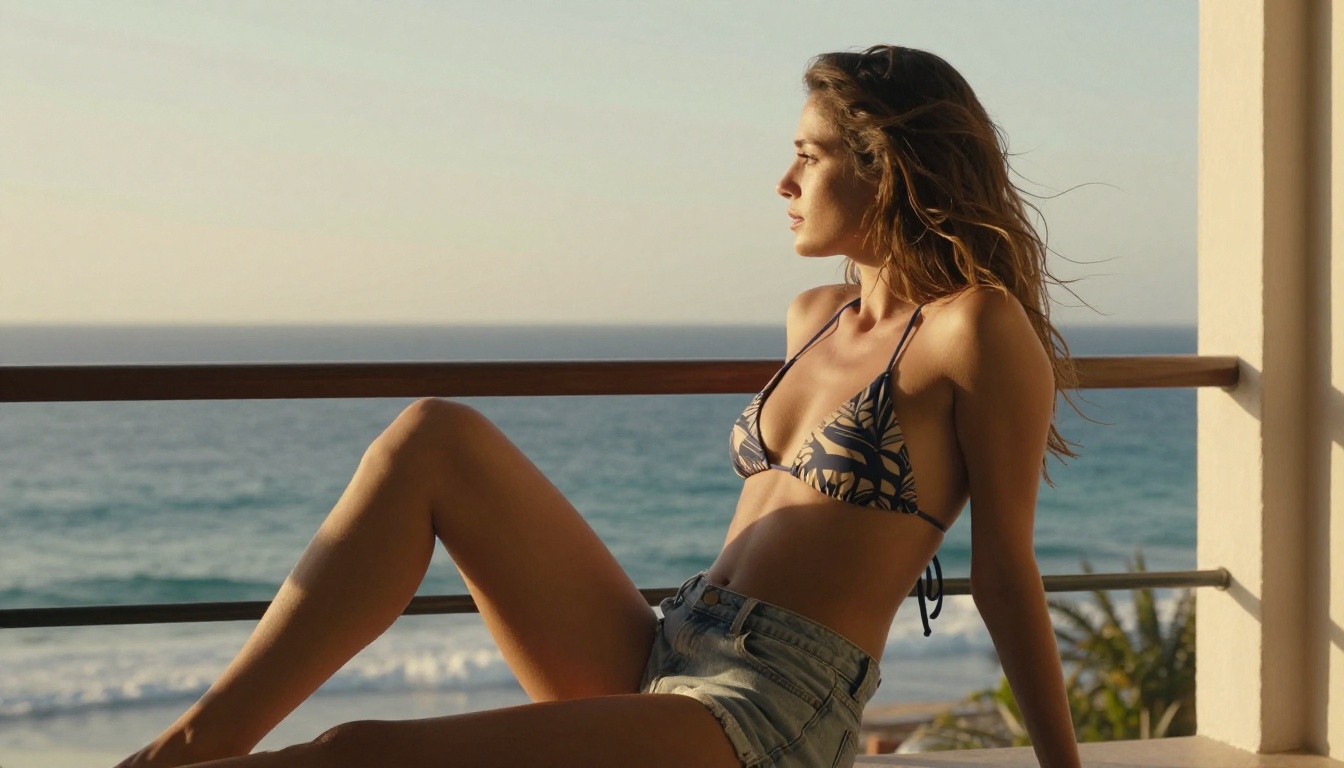
Instead of writing "a woman in a bikini," write "a 25-year-old woman with long auburn hair, wearing a white string bikini, sitting on a sandy beach at golden hour, medium shot, natural light, photorealistic, 8K." Every additional detail narrows the creative space the model has to work in, producing more consistent results closer to what you actually wanted.
Describe the following in every prompt:
- Physical appearance: age range, hair color and style, body type
- Setting and environment: location, time of day, background elements
- Lighting: direction, temperature, quality (soft, harsh, golden, blue-hour)
- Camera perspective: close-up, medium shot, wide, bird's-eye, low angle
- Technical style: photorealistic, film grain, RAW photography, 8K, Kodak Portra 400
What gets flagged and removed
Prompts that mention real celebrities or public figures by name will be rejected by most platforms. Prompts that use certain explicit terminology will also trigger content filters. The good news is that descriptive, character-based prompts almost never trigger false positives, and they produce better images anyway.
Safety Settings and Content Filters
Every modern AI image platform has content filters running at some level. These filters do more than block explicit content; they also catch hate symbols, graphic violence, and content involving minors.
How filters work on most platforms
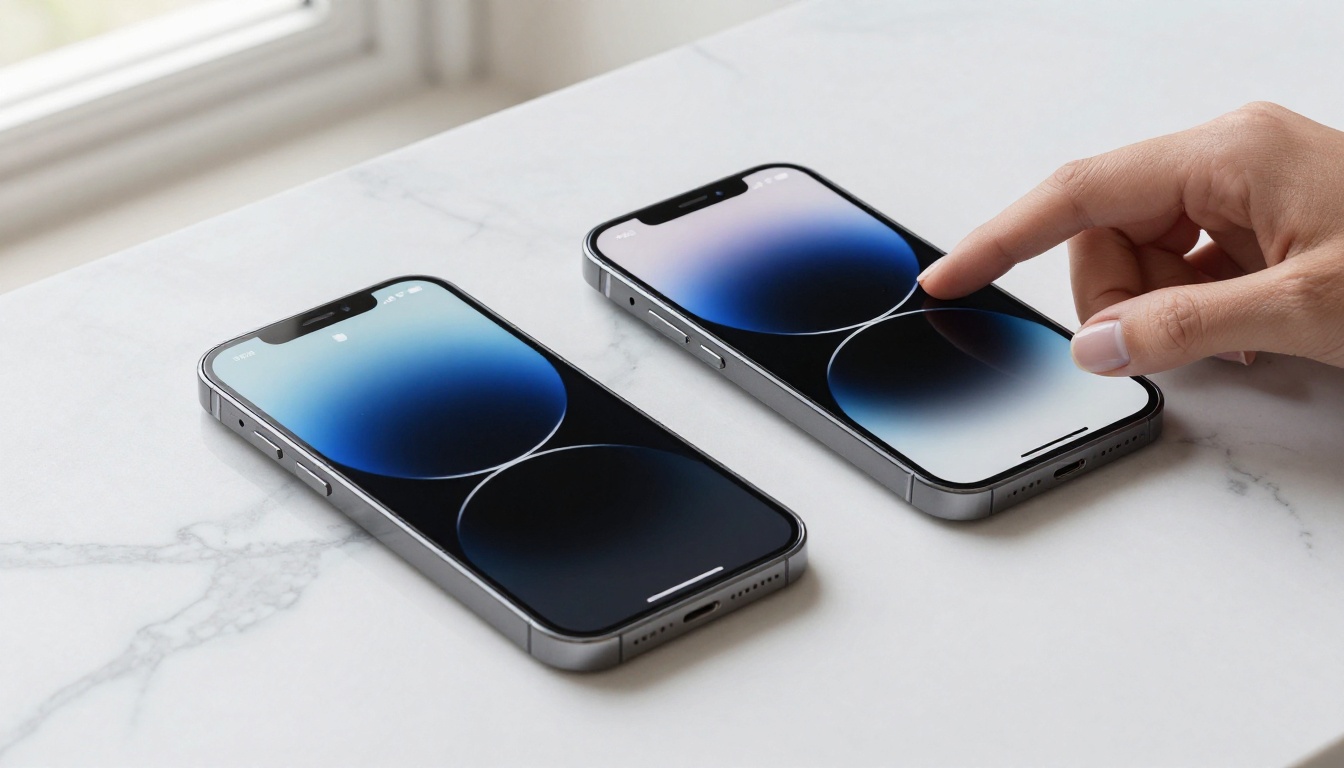
Most platforms use a combination of keyword matching in prompts and image classification on outputs. Some platforms give you the ability to adjust sensitivity settings, moving from conservative to standard to permissive modes. The permissive mode is typically what unlocks adult content on platforms that allow it, and it usually requires account verification first.
Tip: If you're generating content that keeps getting blocked unexpectedly, try rephrasing your prompt to use descriptive language rather than categorical terms. "A woman in minimal summer clothing" often passes filters that trigger on more direct terminology.
When to adjust them
If your outputs consistently look sanitized, bodies appear awkward in unusual ways, or images simply don't match your prompt, the model may be partially suppressing elements of your request due to filter interference. Adjusting your platform's safety settings is the first thing to try before rewriting the prompt.
The Legal Side You Can't Ignore
There are real legal considerations when generating AI images of adult content. These are worth knowing now, not after you've already run into a problem.
Who owns the images you generate
In most jurisdictions, AI-generated images have uncertain copyright status. Many platforms claim a license to use your outputs for platform improvement while also granting you a license to use the images for personal or commercial purposes depending on your subscription tier. Read your platform's terms specifically for the intellectual property section before using generated images commercially.
Real person likeness rules
Generating photorealistic sexual or nude content depicting real, identifiable individuals without their consent is illegal in a growing number of jurisdictions. This includes celebrities, public figures, and private individuals. Platforms prohibit this in their terms and actively filter for it. Creating adult content based on fictional characters or original descriptions is generally within legal bounds. Creating it of real, named individuals is not, and distributing such content can result in criminal charges in countries with AI-specific non-consensual imagery laws.
Creative Intent Produces Better Results
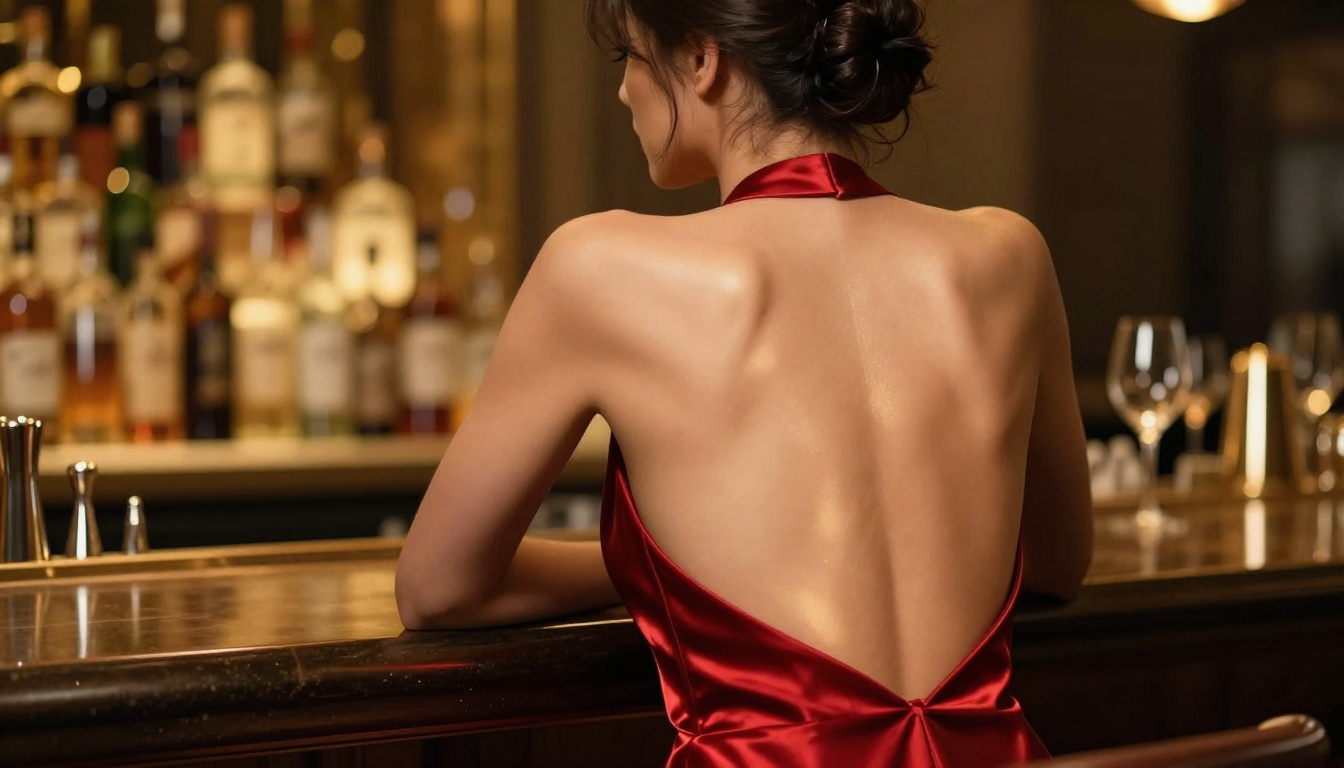
Even when content is entirely fictional, the creative choices you make with AI tools affect the quality of what you get back. The most skilled AI artists approach content generation with intention, focusing on aesthetics, composition, and originality rather than just pushing boundaries.
Why intention produces better art
AI generators respond to creative intent in the quality of their outputs. Prompts written with a clear artistic vision, specific mood, lighting, and character detail consistently outperform generic requests. This is true for all image generation but especially noticeable in adult content, where the difference between something that looks like fine-art photography and something that looks like low-quality stock imagery often comes down entirely to prompt precision.
Account and Content Management
Once you start generating content, you'll accumulate a history that needs basic management habits to stay organized and secure.
Keeping your account secure
Use a strong, unique password and enable two-factor authentication wherever it's offered. Adult content platforms are a frequent target for credential stuffing attacks, and a compromised account can expose your generation history. Some platforms notify you when your account is accessed from a new device. Enable those notifications.
Saving your outputs properly
Save images you want to keep directly to a local device rather than relying on the platform's server storage. Platforms can change their storage policies, close down, or delete old content without much notice. A local backup is always the safest option for anything you want to keep long-term.

Adult AI platforms operate in a rapidly shifting regulatory environment. Platforms have shut down with little warning as laws change, payment processors update their policies, or funding runs out. This is another reason to save outputs locally rather than relying on cloud storage.
Tip: If a platform has been running for two or more years, has a visible company behind it, and processes payments through major providers, it's generally more stable than an anonymous, recently-launched alternative.
Start Creating on PicassoIA
If you're ready to start generating and want a platform that brings together quality models, safety controls, and a broad selection of AI tools in one place, PicassoIA gives you everything you need. With over 91 text-to-image models available, you can work with p-image-lora for detailed photorealistic outputs, Seedream 5 Lite for fast creative iteration, or Qwen Image 2 Pro for nuanced, complex prompt response.
The platform also gives you access to tools beyond static image generation: face swap, super resolution to upscale outputs to print quality, background removal, and image restoration. If you're serious about AI-generated imagery, having those capabilities available in one place matters more as your work gets more detailed.
Start with a simple prompt, adjust the settings, and build your understanding of how each model responds to your style. The best results come from iteration, and PicassoIA gives you the tools to move fast.


